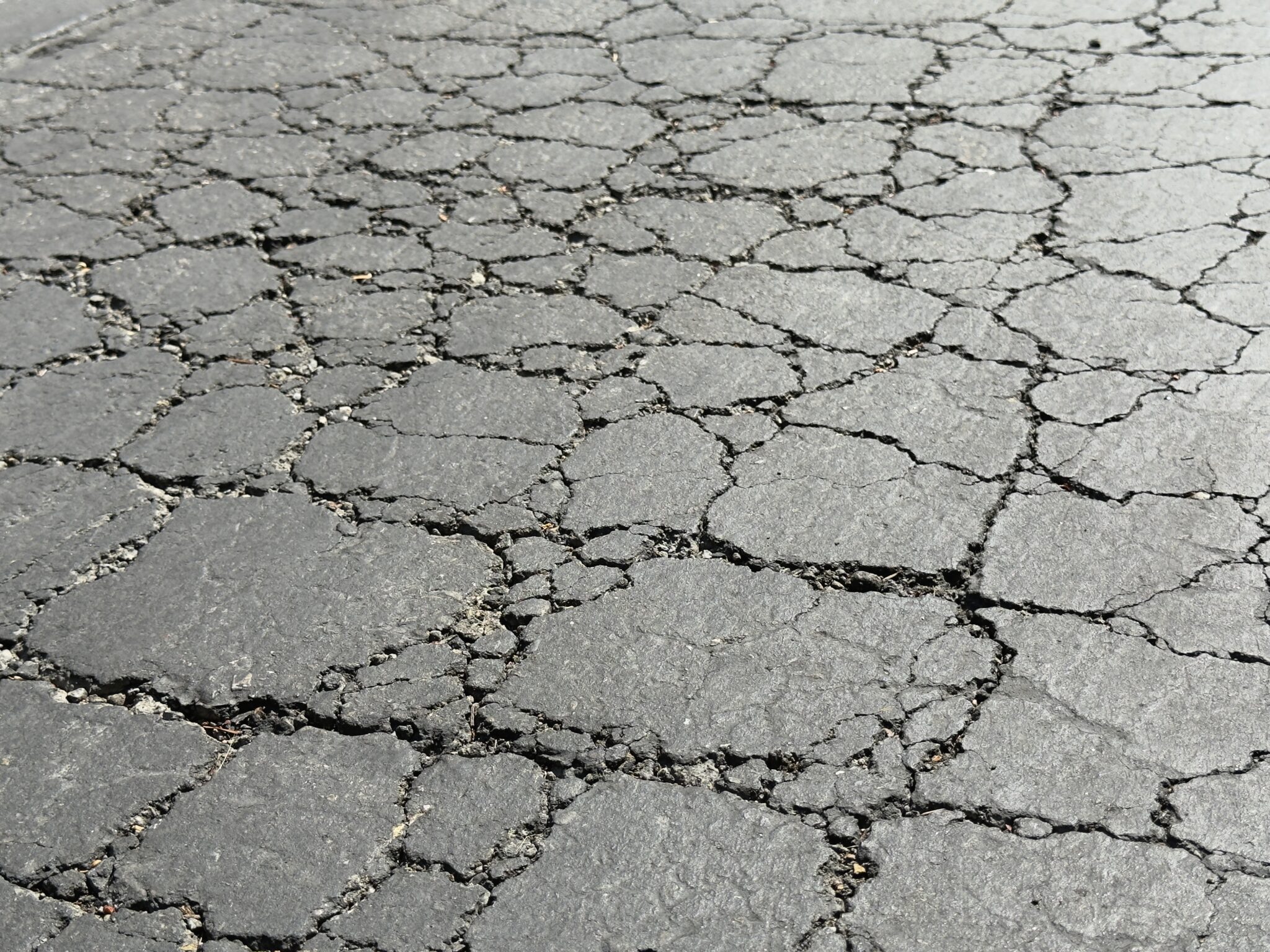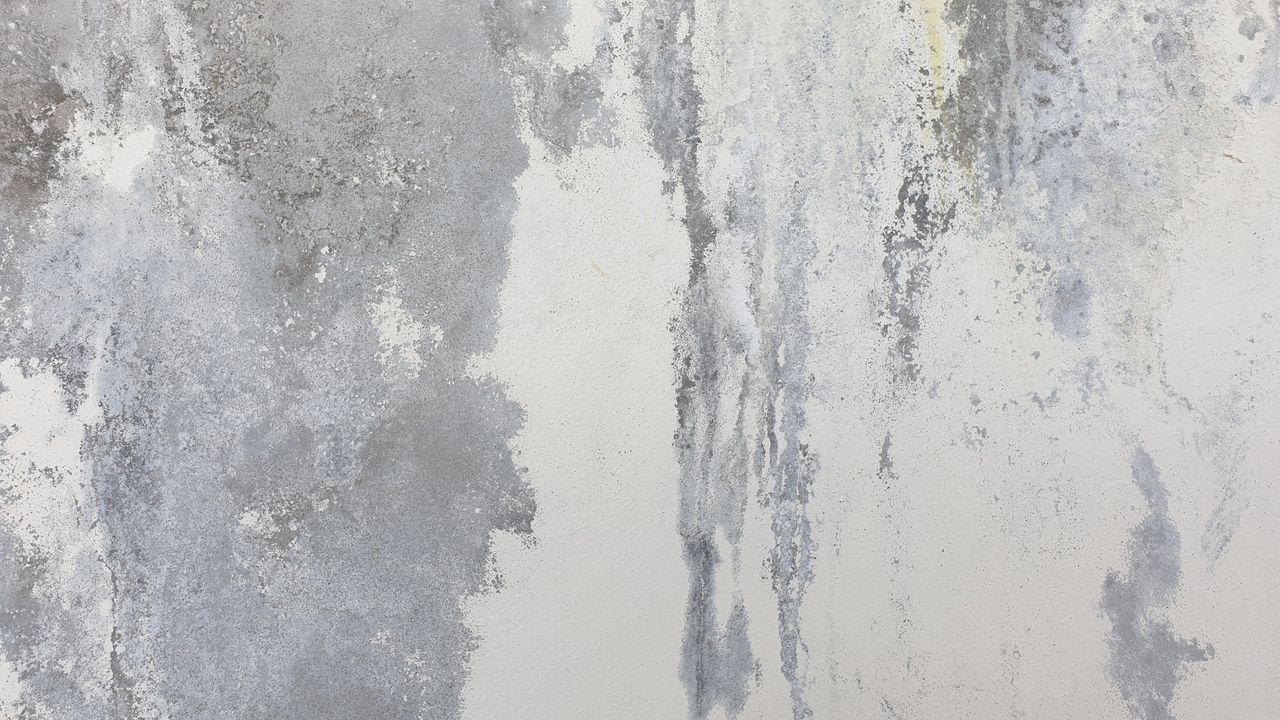
Spalling concrete is surface or edge concrete that flakes, chips, breaks away, or delaminates because the material near the face has lost integrity. The visible damage can come from a weak surface layer, repeated moisture exposure, impact at joints and edges, or corrosion of embedded reinforcing steel. The repair only lasts when the mechanism behind the spall is identified before patch material is selected.
For Northern California property managers, that distinction matters because the same-looking defect can require very different work. A shallow surface spall on an exterior slab is not the same condition as a joint-edge spall in a loading area or a rust-stained spall exposing reinforcement. We Love Pavig field operations approach is to read the pattern, exposure, traffic, drainage, and depth together before choosing between localized repair, resurfacing, or replacement.
Spalling Concrete Is a Symptom, Not a Single Failure Mode
Concrete spalling describes material breaking away from the surface or edge, but the word alone does not identify the cause. ACI RAP-7 notes that horizontal concrete spalls can result from reinforcement corrosion, freezing-and-thawing deterioration, or chemical attack, while construction defects and weak surface concrete can create similar visible loss. The repair decision should therefore begin with cause and extent, not with a generic patch product.
That diagnostic order is the first major difference between a durable repair and a cosmetic one. If a property manager treats every chipped area as the same defect, the repair can fail for the same reason the original concrete failed. On commercial flatwork, the pattern around the damage often gives the first clues: joint location, standing water, exposed steel, impact zones, cracking, rust staining, or a soft and unsound perimeter.
Three Spalling Patterns That Lead to Different Repair Decisions
Commercial concrete spalling is easier to evaluate when the visible loss is grouped by field pattern: shallow surface breakdown, joint-or-edge failure, and reinforcement-related spalling. This is a practical WLP screening framework rather than a formal code classification. Each pattern points to a different set of causes, repair limits, and risks, which helps prevent a surface patch from being used where the real problem is movement, impact, drainage, or corrosion.
Shallow surface spalling usually appears as flaking, scaling, or small areas of lost paste and aggregate. Joint and edge spalls concentrate where slabs transfer traffic or where incompressible debris, impact, or movement damages the edge. Reinforcement-related spalling often carries a stronger warning signal because expanding corrosion products can push concrete outward until the cover delaminates and breaks away.
A Field Guide for Reading Spalled Concrete Before Repair
A site walk should record the location, depth, surrounding cracks, moisture exposure, edge condition, reinforcement visibility, and whether the damaged concrete sounds hollow or feels unsound beyond the visible break. ACI RAP-7 recommends evaluating deterioration before repair, and Caltrans’ spall-repair procedures similarly require defective material to be removed back to sound concrete. The table below converts those principles into practical observations for commercial property managers.
| Observed Pattern | What It Can Indicate | Practical Next Step |
|---|---|---|
| Shallow surface flaking | Weak or deteriorated surface zone; no exposed steel | Confirm sound concrete below the defect and consider localized repair or resurfacing. |
| Joint or edge spall | Movement, impact, traffic loading, debris, or joint distress may be involved | Inspect the joint and edge mechanics before patching. |
| Rust-stained spall | Possible reinforcement corrosion and delamination | Expose enough of the area to evaluate steel condition and moisture/chloride path. |
| Repeated patch failure | Original cause may still be active | Reassess cause, depth, drainage, movement, and repair compatibility before repatching. |
| Spalling plus settlement or slab movement | Surface repair may not address support or movement failure | Evaluate the slab system before choosing resurfacing or patch material. |
Durable Spall Repair Starts With Sound Concrete, Not Filler
A durable spall repair removes unsound concrete, defines a stable repair boundary, prepares the substrate, addresses exposed reinforcement when present, and places a compatible repair material against sound concrete. Caltrans Construction Manual Section 4-41 directs spall repair work to begin with sawcut repair limits, removal of defective concrete, cleaning of exposed surfaces, and proper preparation before repair material is placed. That sequence is more important than the brand name on a patch bag.
ACI RAP-7 follows the same logic for horizontal concrete: evaluate the deterioration, lay out the repair, remove unsound material, prepare edges, address bonding, place the repair, and cure it properly. On commercial sites, the repair also has to match traffic and downtime constraints. A loading approach, pedestrian walkway, curb, and parking slab may all need different materials or opening schedules even when the defect is called spalling.
Patch, Resurface, or Replace: Match the Scope to the Failure Depth
Localized spalling can often be repaired when the surrounding concrete is sound and the cause can be controlled. Resurfacing becomes more reasonable when surface deterioration is broad but the slab remains stable, while replacement is more appropriate when damage is deep, widespread, structurally significant, or tied to movement and support problems that a surface repair cannot correct. The repair depth should follow the failure depth rather than the visible perimeter alone.
This is also where spalling should be separated from related conditions. A slab that is breaking at the surface may overlap with crumbling concrete, but crumbling can describe broader material breakdown. A slab that is lifting or compressing against adjacent concrete may require a different diagnosis, which is why signs of concrete buckling should be evaluated separately before a patch or resurfacer is selected.
What Caltrans Repair Rules Teach Property Managers About Severity
Caltrans standards are written for state transportation work, not private parking lots, but they provide a useful California benchmark: spalling is treated as a measurable defect with repair limits, not as a cosmetic stain. Caltrans Section 40 requires repair of certain spalled or raveled concrete pavement areas and directs larger defects toward more extensive corrective work. The takeaway for private properties is the principle, not the highway threshold: severity and extent should control the repair scope.
Property managers should avoid copying state-highway numerical thresholds directly into a commercial maintenance decision because slab design, traffic, reinforcement, exposure, and acceptance criteria differ. What transfers well is the inspection discipline: define the defect, measure its extent, determine whether the surrounding concrete is sound, identify the cause, and then select a repair method that addresses the actual failure mechanism.
Preventing Repeat Spalling Means Controlling the Mechanism
Spalling prevention depends on what caused the first failure. Joint-edge damage calls for attention to joint condition, incompressible debris, traffic impact, and movement. Moisture-driven deterioration calls for drainage and exposure control. Corrosion-related damage requires the reinforcing steel and chloride or water path to be addressed. Weak surface concrete points back to mix, finishing, curing, or construction quality rather than a maintenance coating alone.
That cause-specific approach is what makes the article different from a generic repair checklist. WLP evaluates concrete as part of the whole paved environment: drainage direction, adjacent asphalt, curbs, irrigation, loading patterns, slab movement, and prior repairs can all change what a successful repair looks like. The goal is to stop the reason the material is breaking away, not simply make the surface look complete again.

When Spalling Concrete Should Trigger a Commercial Repair Review
A commercial repair review becomes more urgent when spalling is spreading, edges continue breaking under traffic, rust staining or reinforcement appears, the surrounding concrete sounds hollow, water repeatedly reaches the same area, or previous patches are failing. Those conditions suggest the visible defect may extend beyond a simple surface chip and that the repair should be scoped around cause, depth, and operating demands.
We Love Paving field operations team reviews concrete damage together with traffic, drainage, joints, neighboring pavement, prior repairs, and access requirements before recommending a scope. For owners comparing localized patching with broader restoration, WLP’s concrete repair guidance provides the next step for understanding when deteriorated concrete can be repaired and when a larger intervention makes more sense.