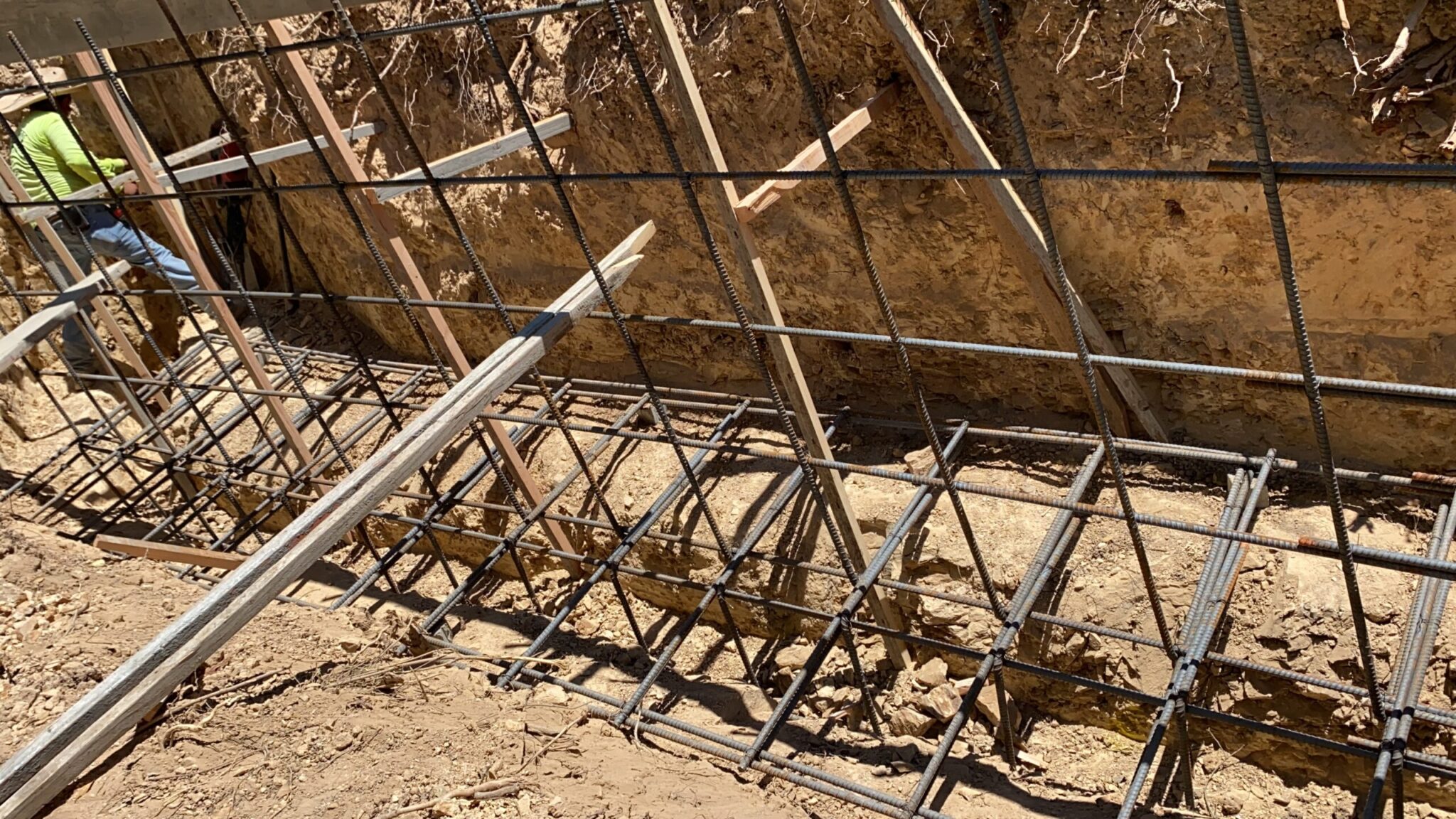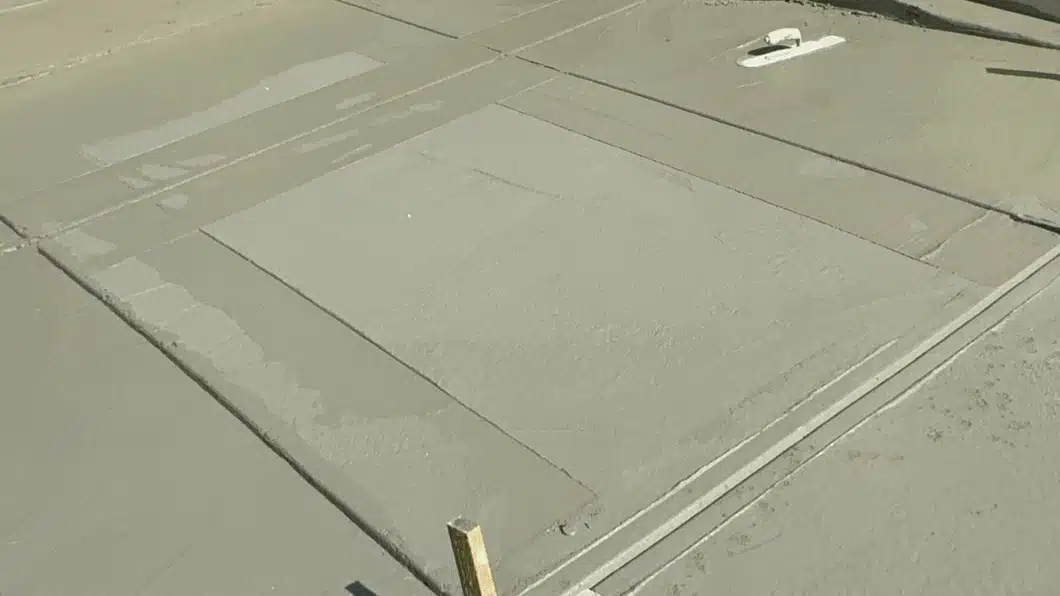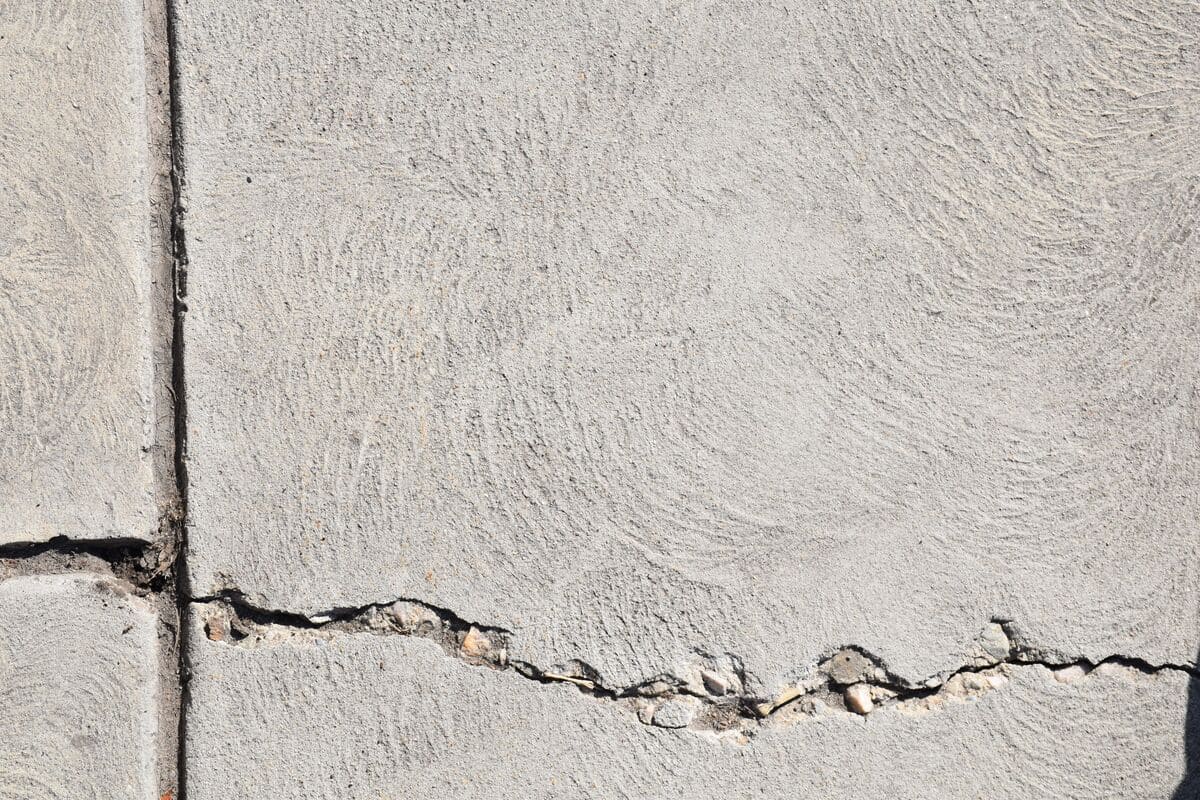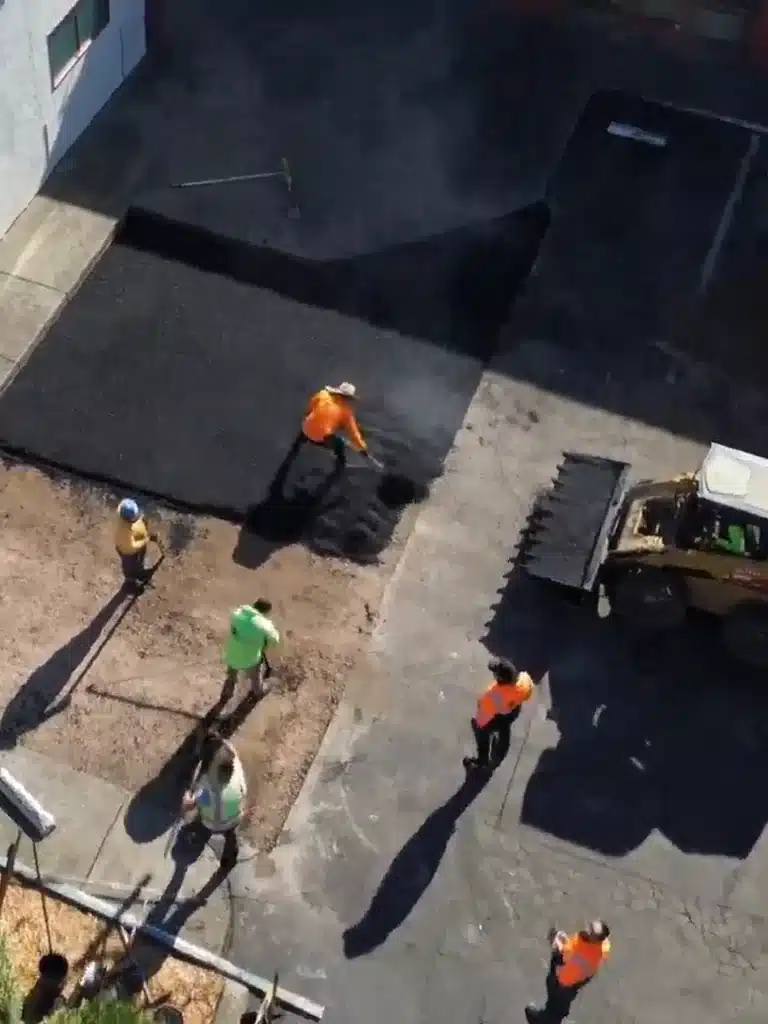
An asphalt prime coat is an application of low-viscosity liquid asphalt sprayed directly onto an untreated, compacted aggregate base before laying the asphalt pavement. It penetrates the voids between aggregate particles, binds loose mineral dust, and creates a water-resistant mechanical bond between the granular subbase and the hot mix asphalt (HMA) layer. Without this application, the granular base remains loose on its surface, vulnerable to moisture intrusion, and prone to slippage under heavy traffic loads.
The mechanical integrity of any commercial pavement structure depends fundamentally on the stability of its foundation. When heavy haul trucks, delivery vans, and customer vehicles traverse an asphalt parking lot, traffic loads generate vertical compressive forces and horizontal shear stresses. The aggregate base absorbs these loads, but only if the individual mineral particles remain locked together. By applying an engineered liquid asphalt to the prepared stone surface, paving crews bridge the structural divide between non-bound crushed aggregate and bound bituminous surface layers.
In commercial construction, base preparation accounts for a significant portion of long-term pavement durability. When asphalt prime coats penetrate properly, they transform a vulnerable gravel surface into a stable working platform capable of supporting the high temperatures and dynamic compaction forces exerted by paving machinery during installation. Understanding the exact mechanical behavior, regional regulatory constraints, and field inspection requirements of prime coats ensures that commercial property managers make informed engineering decisions for their capital assets.
What Is an Asphalt Prime Coat and How Does It Work?
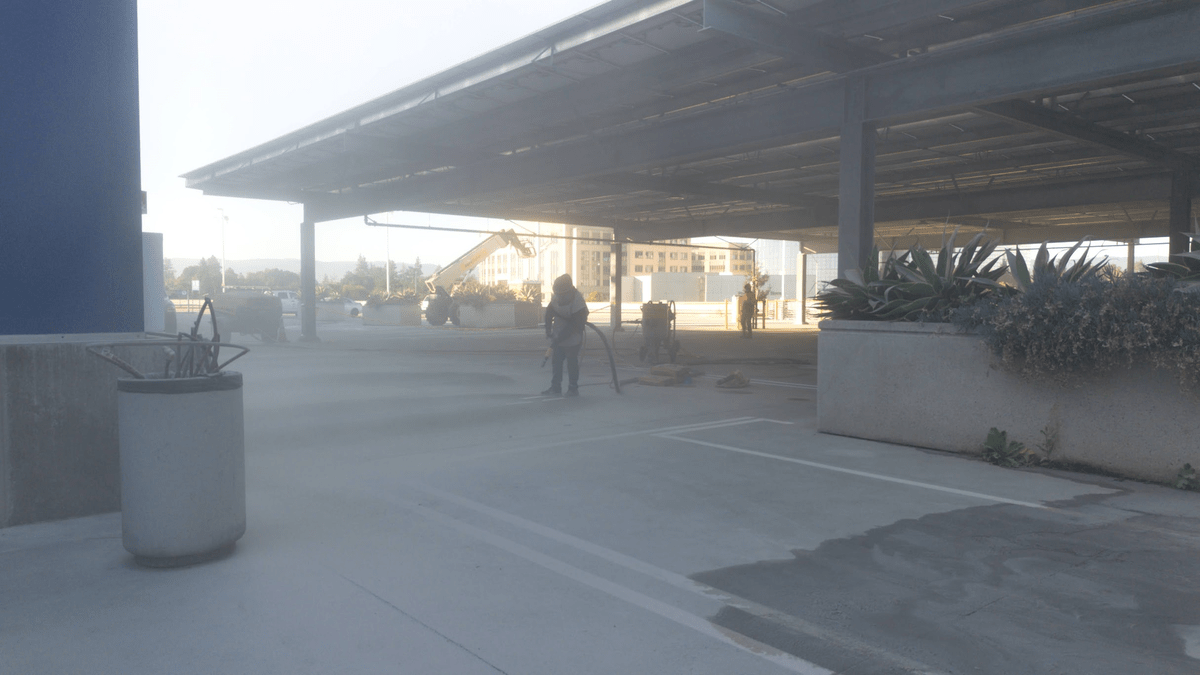
An asphalt prime coat functions by penetrating the upper void spaces of a compacted granular base, filling microscopic capillary pores, and binding loose rock dust into a cohesive, moisture-resistant matrix. When sprayed from a distributor truck under controlled temperature and pressure, the liquid binder travels downward into the base material, typically reaching a depth between 3/16 inch and 3/8 inch depending on aggregate gradation and moisture content. As the carrier liquid evaporates or breaks, residual asphalt cement coats the individual mineral particles, effectively hardening the top plane of the base course.
This penetration mechanism provides three structural functions: moisture mitigation, aggregate cohesion, and horizontal adhesion. Untreated aggregate bases, such as standard Class 2 aggregate base materials, are naturally hygroscopic and porous. Surface water entering through unsealed seams or subsurface moisture rising through capillary action can saturate unbonded base aggregates, causing them to soften and lose shear strength under traffic loads. The residual asphalt left behind by a asphalt prime coat seals these capillary channels, creating an impermeable barrier that blocks water from destabilizing the crushed rock foundation.
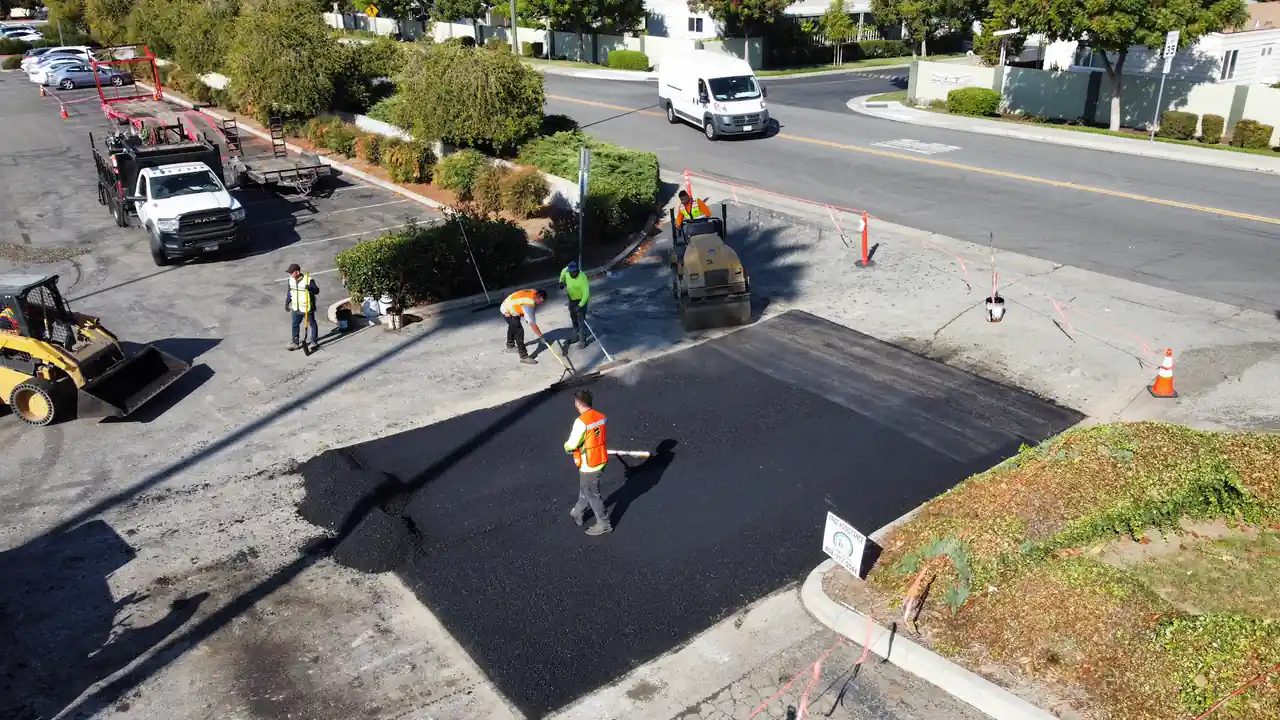
Furthermore, a properly applied prime coat protects the prepared aggregate base during the construction sequence itself. Prior to asphalt paving, wind, construction traffic, and brief rain showers can rapidly erode a graded and compacted gravel base. The prime coat stabilizes loose fines, prevents aggregate displacement under the rubber tires of haul trucks, and provides temporary weatherproofing. When the paving crew places the hot mix asphalt layer at temperatures exceeding 275 degrees Fahrenheit, the prime coat softens slightly, forming an interlocking bituminous bridge that joins the base and surface course into a unified structural system.

Prime Coat vs. Tack Coat: Critical Differences for Property Owners
While both materials utilize bituminous binders, a prime coat is applied exclusively to unpaved granular aggregate bases to penetrate and stabilize loose stone, whereas a tack coat is an adhesive film sprayed between existing, non-porous pavement layers to glue them together. Confusing these two distinct applications or substituting a standard tack coat directly onto dry gravel leads to immediate pavement distress because tack coats are engineered to remain on the surface rather than penetrate deep into granular voids.
When property managers review competitive contractor estimates for hot mix asphalt paving, discrepancies often appear regarding these foundational coatings. A contractor proposing to omit the prime coat or replace it with a quick pass of tack coat compromises the structural bond of the pavement, which can ultimately void your contractor workmanship warranty. A tack coat applied over a dusty, unprimed aggregate base simply adheres to loose stone dust particles, creating a brittle film that peels off under the tires of the asphalt paver. In contrast, an engineered prime coat penetrates beneath the dust, anchoring the new asphalt layer directly to the core of the base structure.
California Environmental Regulations and Material Selection: Emulsions vs. Cutbacks
In California, traditional cutback asphalts containing petroleum-derived solvents (such as kerosene or diesel in medium-curing MC grades) are strictly regulated or prohibited due to volatile organic compound (VOC) limits established by regional air quality management districts and Caltrans specifications. As a result, commercial paving projects across California utilize water-based penetrating asphalt emulsions designed to achieve deep base penetration while complying fully with strict environmental standards.
The engineering challenge of using water-based emulsions on compacted crushed rock centers on surface tension. Cutback asphalts historically penetrated dense gravel with ease because low-viscosity petroleum solvents readily saturated dry dust. Emulsions, by contrast, suspend microscopic asphalt droplets in water using chemical surfactants. Because water exhibits higher surface tension than petroleum distillates, entering the dense, fine pores of compacted Class 2 aggregate base requires careful chemical engineering, proper base pre-wetting, and the selection of slow-setting grades such as SS-1, SS-1h, CSS-1, or specialized penetrating emulsion formulations.
Caltrans Section 39 and Section 94 define physical and environmental properties for these asphaltic emulsions. To ensure compliance with local clean air mandates, such as South Coast AQMD Rule 1108 and Bay Area AQMD regulations, emulsions must contain zero or negligible petroleum distillates. For property owners, this regulatory reality means that prime coats in California require greater operational oversight in the field. Contractors must manage the precise moisture balance of the aggregate base, verify ambient air temperatures during spraying, and allow sufficient curing time for the water phase to evaporate completely before hot mix placement.

What Happens When a Prime Coat Is Omitted?
Omitting a asphalt prime coat leaves the surface of the aggregate base unbonded and fragile, creating a permanent plane of weakness where horizontal shear forces cause the overlying asphalt to slide, rut, and delaminate under vehicle tires. When passenger vehicles, delivery trucks, or garbage haulers turn sharply or brake on a parking lot built over an unprimed base, the lateral stress transmits downward through the asphalt mat, leading directly to severe rutting asphalt deformation and surface slippage. Without a cohesive bituminous bond anchoring the bottom of the asphalt to the stone below, the surface course slips along the dusty interface.
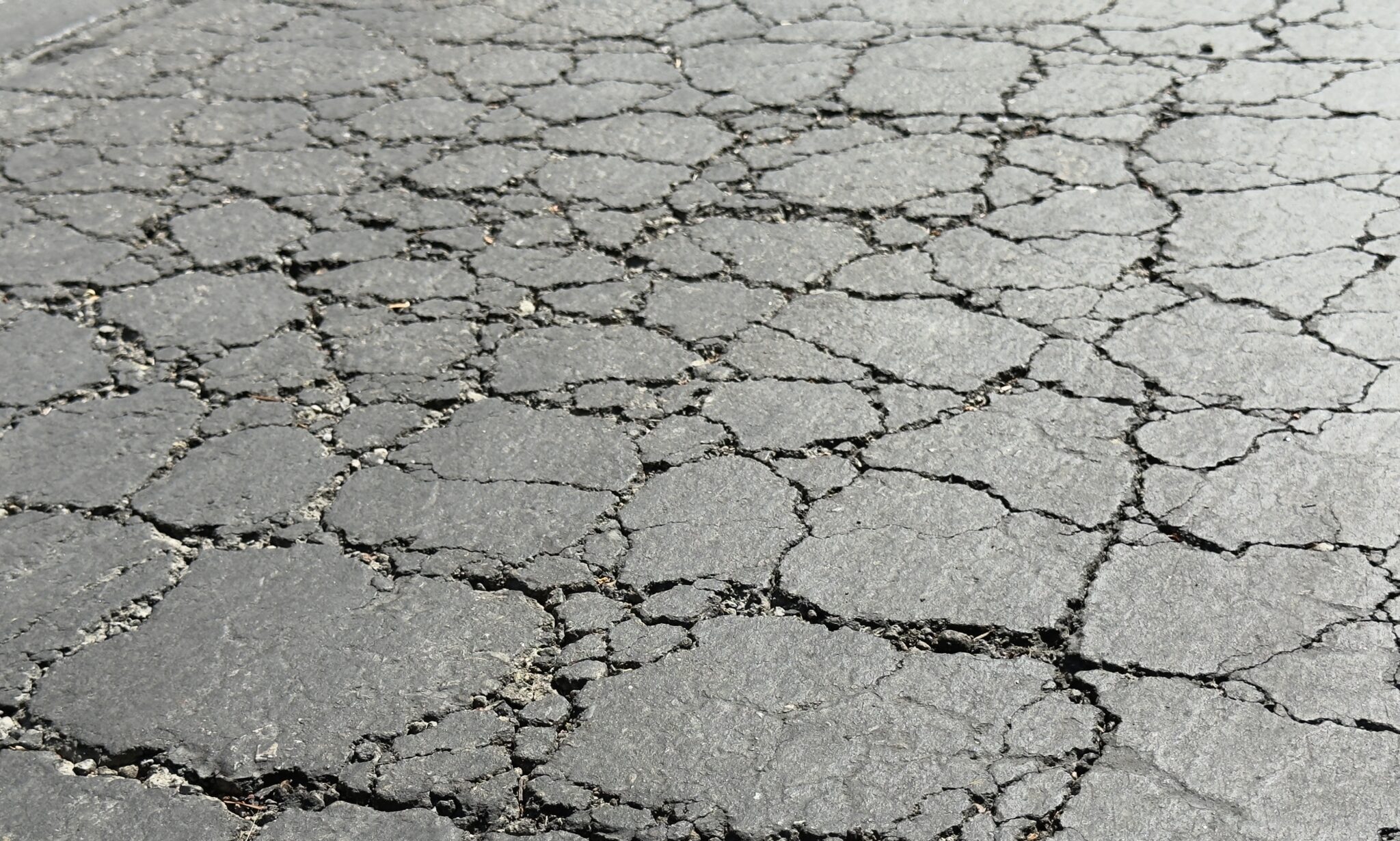
The absence of an engineered asphalt prime coat also exposes the commercial pavement structure to rapid moisture degradation. When rainfall penetrates surface hairline cracks, or when subterranean water tables rise through capillary movement, moisture accumulates directly at the interface between the base and the asphalt. In an unprimed installation, this standing water strips the asphalt binder away from aggregate particles, accelerating aggregate loss, severe asphalt raveling, and softening the top layer of crushed stone into a slurry. As heavy axle loads roll across these weakened spots, the pavement exhibits severe fatigue distress, often referred to as alligator cracking, followed by complete base depression and potholes.
From a long-term capital expenditure perspective, skipping a asphalt prime coat introduces structural liabilities that far outweigh any temporary upfront savings. While eliminating the step might reduce a project bid by a marginal fraction per square foot, it frequently cuts the operational lifespan of the asphalt surface in half. Once an aggregate base softens and debonds, routine surface maintenance can no longer preserve the pavement. Property owners are instead forced into premature, costly capital interventions like infrared asphalt repair or full-depth reconstruction to remove and rebuild failed subbases.
| Variable | Compliance Factor | Technical Strategy | Field Data |
|---|---|---|---|
| Base Bond | Unprimed Aggregate Interface | Engineered Penetrating Prime Coat | Permanent Plane of Weakness |
| Shear Resistance | Turning & Braking Loads | Bituminous Bridge to Base Core | Sliding, Rutting & Delamination |
| Moisture Control | Rainfall & Capillary Rise | Capillary Pore Sealing | Binder Stripping at Interface |
| Aggregate Integrity | Loose Fines & Dust | Dust Binding Matrix | Severe Raveling & Aggregate Loss |
| Base Stability | Saturated Crushed Stone | Impermeable Surface Barrier | Alligator Cracking & Potholes |
| Service Life | Marginal Bid Savings | Full Base Preparation Sequence | Design Life Cut by 50% |
| Repair Scope | Debonded & Softened Subbase | Preventive Prime Coat Application | Full-Depth Reconstruction Required |
Curing Times and Field Inspection: Verifying the Base Before Paving
An asphalt prime coat typically requires 24 to 48 hours of uninterrupted curing time to allow the water carrier in the emulsion to evaporate and the residual binder to fully harden within the aggregate pores. Laying hot mix asphalt over an uncured, wet emulsion traps water underneath a 300-degree Fahrenheit asphalt mat, turning that moisture into pressurized steam that destroys the bituminous bond and leads to immediate vapor blistering and surface shoving.
Facility managers can use the interactive curing diagnostic tool below to assess job site conditions, expected cure windows, and pavement readiness:
To verify that a primed aggregate base has attained structural readiness before allowing hot mix delivery trucks onto the site, project managers and inspectors evaluate several field benchmarks:
- Tackiness and Firmness Evaluation: The treated base surface must feel firm, dry, and bonded beneath firm shoe pressure, showing zero oily liquid transfer or wet bitumen adhesion to boot soles.
- Complete Color Transformation: The applied emulsion must fully complete its chemical break, changing entirely from its initial liquid brown appearance to an even, matte black or dark charcoal finish across the entire lot.
- Absence of Surface Pooling: Areas exhibiting standing puddles or excessive film thickness must be blotted with clean, dry coarse sand or clean screenings before paving, ensuring no localized wet pockets remain beneath the fresh asphalt.
- Rigid Construction Traffic Control: General vehicular traffic must be prohibited entirely from driving across the primed base, and construction machinery must avoid sharp turns or rapid acceleration that could shear the bonded aggregate skin.

According to the field operations team at We Love Paving (CSLB Licensed #1049649, C12 Earthwork and Paving), systematic field verification of these base preparation benchmarks ensures that commercial pavements achieve complete structural cohesion. Taking the necessary time to allow a compliant asphalt prime coat to cure fully protects commercial parking lots from premature base shifting, preserves underlying aggregate compaction, and guarantees that every dollar invested in new asphalt delivers its maximum design life.
Protecting a commercial pavement investment starts long before the asphalt is placed. If you are evaluating contractor proposals and need an expert eye to verify that your base preparation and asphalt prime coat specifications meet the necessary structural standards, contact the field operations team at We Love Paving. We can review your site requirements to ensure your property is built on a foundation designed to last.