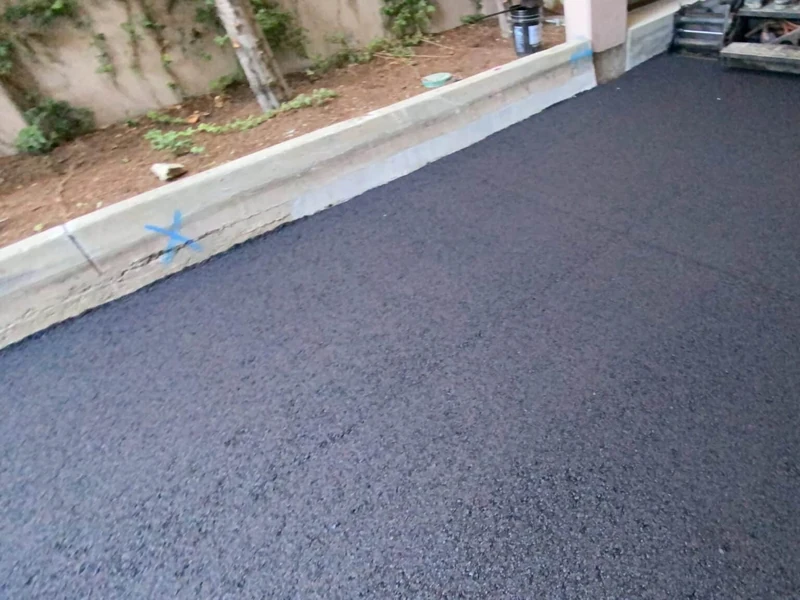
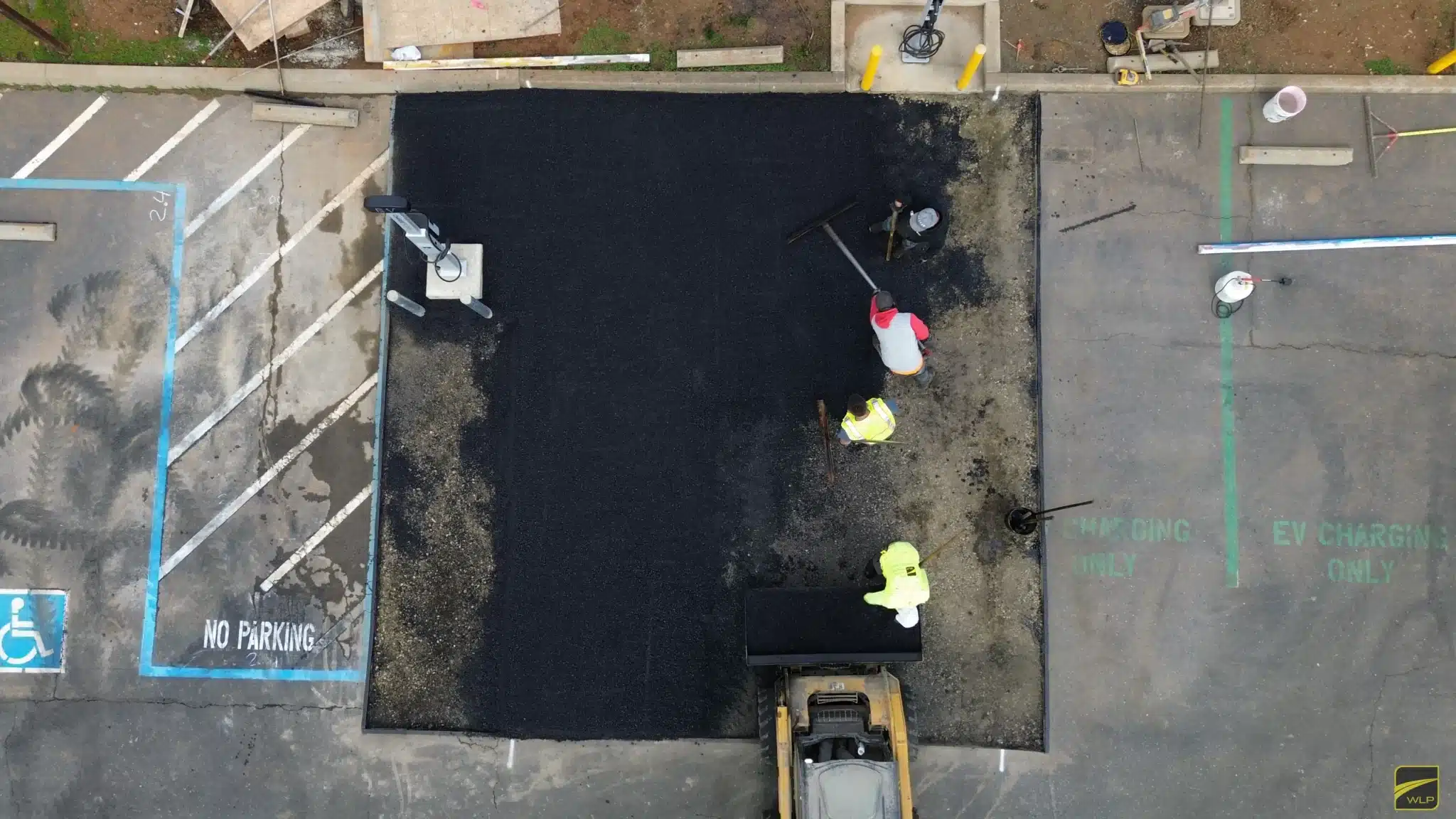
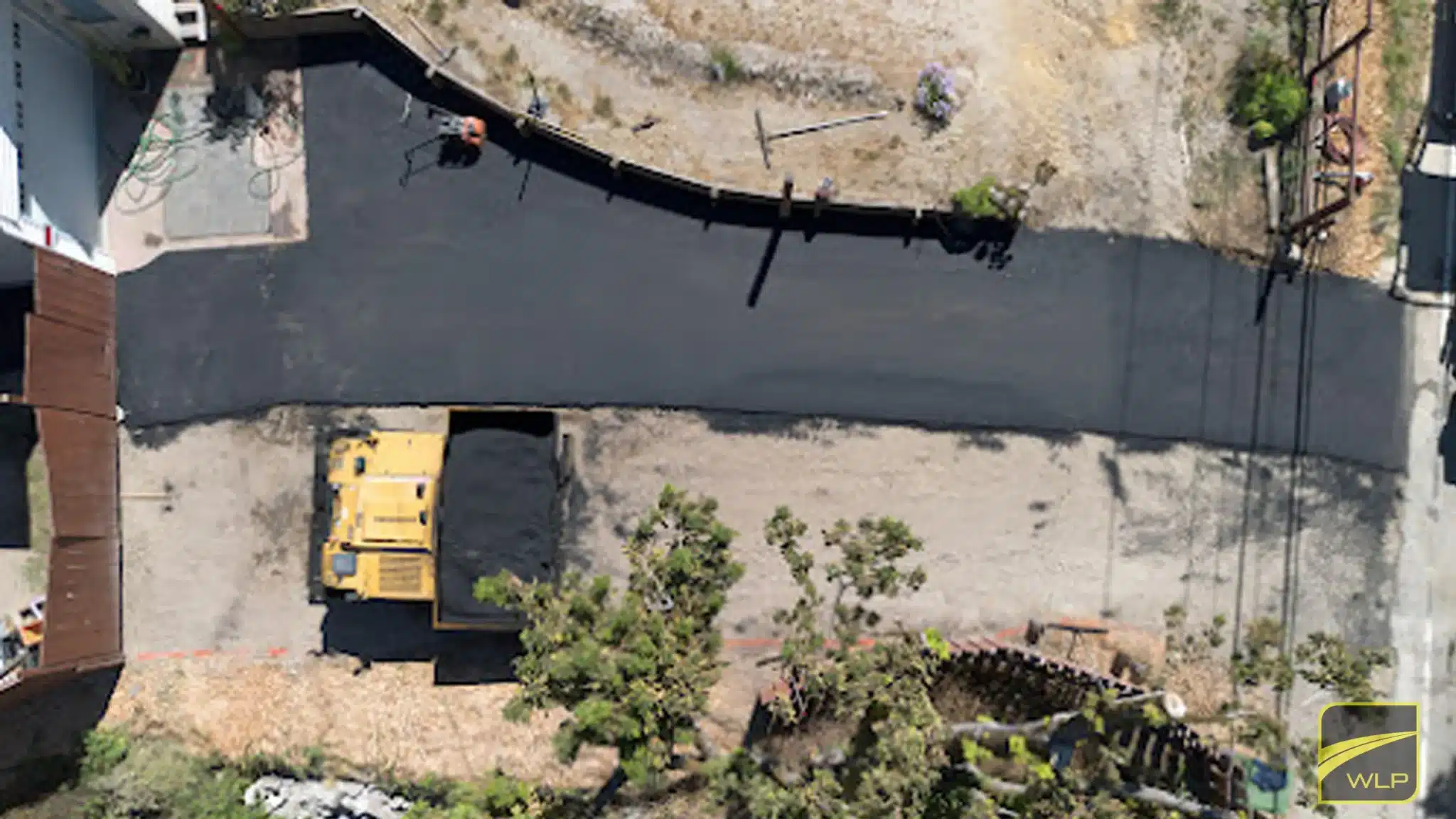
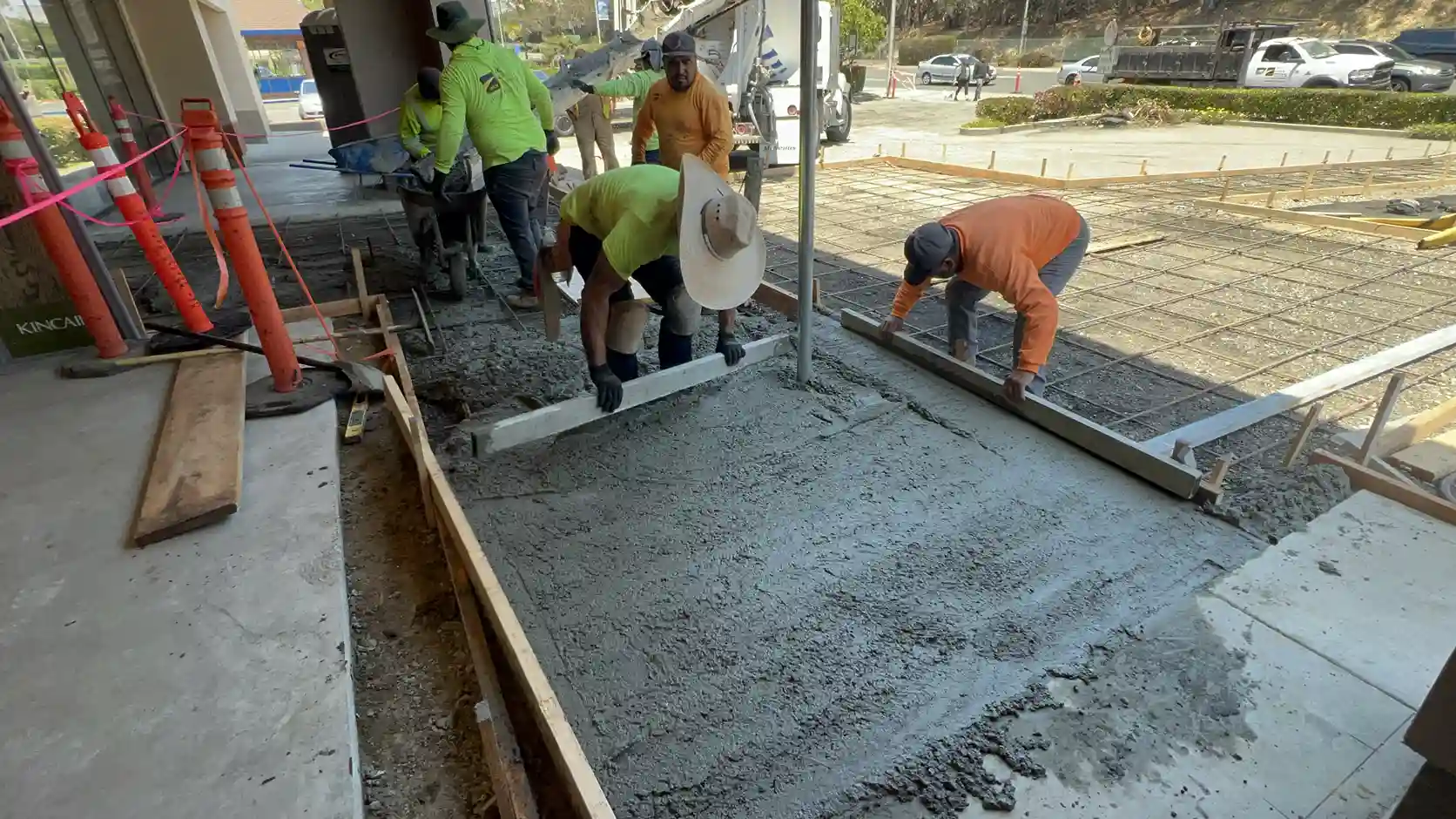
Hot mix asphalt (HMA) is a paving material made by combining heated mineral aggregates with asphalt binder to produce a workable mixture that can be placed, compacted, and used to create a durable pavement surface. It is widely used for roads, commercial parking lots, access lanes, and other paved areas where structural performance and a smooth driving surface matter.
The term hot mix describes how the material is produced and handled, not a guarantee of pavement quality. The aggregate structure, binder selection, pavement thickness, supporting layers, drainage, and installation conditions all influence how well the finished surface performs.
For commercial property owners, understanding these differences is useful when evaluating a new parking lot, replacing deteriorated pavement, or reviewing a contractor’s proposed asphalt specification.
What Is Hot Mix Asphalt Made Of?
Hot mix asphalt consists primarily of mineral aggregates and asphalt binder. The aggregates form the structural framework of the mixture, while the binder coats the particles and helps hold them together after placement and compaction.
Aggregates can include crushed stone, gravel, sand, and mineral fines. Their sizes, shapes, gradation, and physical characteristics influence how the mixture resists traffic loading and deformation. Asphalt binder is a petroleum-derived material selected according to the performance requirements of the pavement and the conditions in which it will operate.
The Federal Highway Administration describes conventional HMA as a mixture in which mineral aggregates typically account for approximately 90–95% of the total weight. The remaining portion consists primarily of asphalt binder, although actual proportions depend on the mix design and specifications.
A well-designed mixture balances several properties that do not always improve together. For example, sufficient binder helps create a cohesive, durable surface, but excessive binder or an unsuitable aggregate structure can contribute to permanent deformation under traffic. A mixture with inadequate effective binder may be more susceptible to cracking or deterioration.
This balance is one reason asphalt should not be evaluated solely by appearance. Two newly installed surfaces may look similar while containing different aggregate gradations, binder grades, and performance characteristics.
Before major paving work begins, evaluating the existing pavement and its underlying support is essential. Issues such as poor compaction, unstable soil, or moisture damage can affect the performance of a new asphalt surface. Understanding the importance of proper base and subgrade preparation helps determine whether localized repairs, structural improvements, or reconstruction are needed before installation.
Why Does Hot Mix Asphalt Need Heat?
Hot mix asphalt is heated to make the asphalt binder sufficiently workable for coating the aggregates, mixing the materials uniformly, placing the mixture, and achieving the required compaction. Heat temporarily reduces the binder’s viscosity, allowing the mixture to be handled during construction.
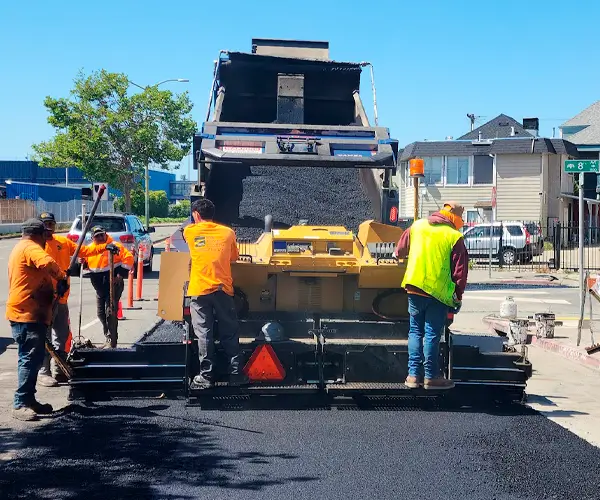
After production, HMA is transported to the job site, delivered to the paving equipment, spread to the intended grade, and compacted using rollers. The available working time depends on the mixture, its temperature, layer thickness, weather, transportation conditions, and the underlying surface.
As the mixture cools, it generally becomes more difficult to compact. If the material loses too much heat before sufficient compaction is achieved, the pavement may contain excessive air voids. Those voids can make the surface more vulnerable to water intrusion, oxidation, and premature deterioration.
The objective is not simply to place the hottest possible asphalt. Excessive temperatures can also affect the binder, while insufficient temperatures can reduce workability. The appropriate production, delivery, placement, and compaction temperatures depend on the selected materials and project specifications.
California’s Department of Transportation, commonly known as Caltrans, addresses temperature monitoring and compaction requirements in its asphalt construction guidance. These requirements provide useful technical context, although private commercial projects must be evaluated according to their applicable specifications.
Hot mix asphalt should also be distinguished from warm mix asphalt (WMA). Warm mix technologies allow asphalt mixtures to be produced and placed at reduced temperatures through specialized processes or additives. The two approaches can use similar basic materials, but they are not interchangeable without considering mixture design, construction requirements, and performance criteria.
The temperatures used during production are an important part of how asphalt is manufactured, as they influence material workability, mixing efficiency, and the conditions required for proper placement and compaction.
Explore What Makes Hot Mix Asphalt Perform
Change the site conditions, then tap a pavement layer to see why a successful HMA project depends on more than the asphalt surface.
Educational illustration only. Layer sizes are not to scale, and no thickness, mix type, structural capacity, or service life is calculated. Actual pavement design requires site-specific evaluation and applicable specifications.
Which Hot Mix Asphalt Types Are Used in California?
California paving specifications recognize different asphalt mixture categories because pavement applications do not all require the same material characteristics. The appropriate selection depends on traffic loading, structural design, drainage objectives, surface requirements, and the applicable construction specifications.
Type A Hot Mix Asphalt is a conventional dense-graded mixture commonly specified for asphalt pavement layers. Its aggregate structure is designed to produce a compacted material suitable for the intended structural and surface requirements.
Rubberized Hot Mix Asphalt, commonly identified as RHMA in Caltrans specifications, incorporates asphalt rubber binder. Depending on the specified mixture type, it may be used where particular pavement performance characteristics are desired. Rubberized mixtures require appropriate material selection and construction controls; the presence of rubber does not automatically make a pavement superior for every application.
Open-graded asphalt mixtures have a different aggregate structure that allows water to move through interconnected surface voids. Certain open-graded mixes are used as specialized surface courses to support drainage-related objectives. They should not be confused with a conventional dense-graded parking lot surface or assumed to provide the same structural function.
These distinctions matter because a mixture selected for a highway surface course may not be the appropriate choice for a commercial loading area or parking lot.
For a private property, the mix design should reflect the actual pavement system rather than simply adopting the name of a material used on public roads. Vehicle types, turning movements, stopping patterns, drainage, and the condition of the supporting layers can change the design requirements.
Caltrans specifications provide a useful technical reference for identifying mixture categories. However, their application to private construction depends on the project’s contractual requirements and engineering design.
Where Does Hot Mix Asphalt Work Best?
Hot mix asphalt is well suited to many commercial and transportation applications where a continuous paved surface, reliable vehicle access, and the ability to accommodate repeated traffic are important.
Commercial parking lots are a common application. A properly designed asphalt pavement can support passenger vehicles, provide organized circulation, and create a surface that can be maintained through localized repairs and planned rehabilitation.
Access roads and internal drive lanes are another practical use. These areas often experience repeated wheel paths and concentrated vehicle movements, making the quality of the pavement structure and compaction especially relevant.
Some commercial facilities also require pavement capable of supporting delivery trucks, service vehicles, or other heavy traffic. HMA may be suitable for these applications, but the pavement structure must be designed for the expected loading rather than assuming that a standard parking lot section will be adequate.
Heavy vehicles can create concentrated stresses, particularly where they brake, turn slowly, or remain stationary. Loading docks, dumpster collection areas, and tight truck maneuvering zones may require additional engineering consideration or an alternative surface material.
The choice between asphalt and concrete paving becomes particularly important in these high-stress areas, where load resistance, durability, and maintenance requirements influence long-term pavement performance.
Hot mix asphalt is not automatically the best option for every paved area. Its suitability depends on the interaction between the material, the underlying structure, traffic demands, environmental exposure, and the property’s operational requirements.
What Determines Hot Mix Asphalt Performance?
The long-term performance of hot mix asphalt depends on the complete pavement system, not simply the quality of the asphalt mixture delivered to the site.
Several technical factors deserve particular attention.
Mix Design and Expected Traffic
The asphalt mixture should be selected according to the loading and operating conditions the pavement will experience.
Passenger-vehicle parking, frequent delivery traffic, and heavy truck turning movements create different demands. Aggregate gradation, binder characteristics, mixture stability, and resistance to deformation must be considered in relation to those demands.
A material that performs adequately in a lightly traveled parking area may not provide the same results in a heavily loaded commercial access lane.

Subgrade and Base Support
Hot mix asphalt depends on the layers beneath it for structural support.
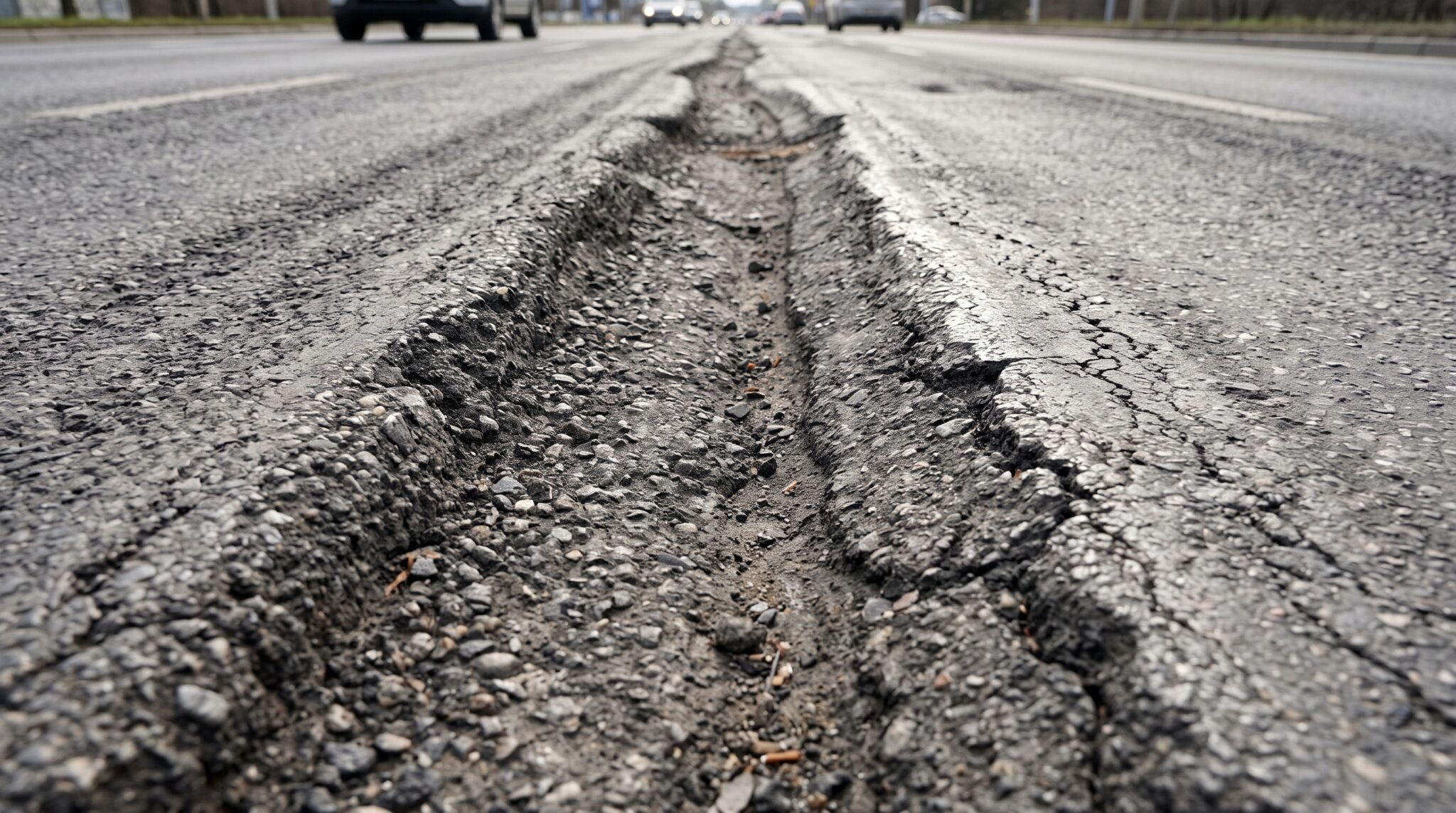
The subgrade is the underlying soil or prepared foundation, while the base layers help distribute vehicle loads and provide a stable platform for the asphalt pavement. Weak, poorly compacted, or moisture-sensitive supporting materials can contribute to rutting, settlement, and cracking.
Installing new asphalt over an unstable foundation does not correct the underlying structural problem.
Before major paving work, the pavement condition of the existing surface and supporting layers should be evaluated to determine whether localized repairs, reconstruction, or other preparation is necessary.
Drainage and Water Management
Effective drainage reduces the likelihood of water accumulating on the pavement or entering vulnerable areas of the pavement structure.
Standing water can interfere with property operations and may accelerate deterioration when combined with cracks, inadequate drainage paths, or weakened supporting layers.
Surface slopes, collection points, surrounding grades, and existing drainage infrastructure should therefore be considered during planning.
For commercial properties, drainage design also affects how vehicles and pedestrians move through the site. A smooth-looking pavement surface is not necessarily a properly drained one.
Pavement Thickness and Structural Design
Asphalt thickness should be determined by the expected traffic, supporting soil conditions, material properties, and intended pavement life.
There is no single thickness that is appropriate for every commercial parking lot or access road.
An asphalt layer that is adequate for passenger vehicles may be insufficient for repeated heavy truck loading. Conversely, specifying additional asphalt without evaluating the base and subgrade may not resolve an existing structural weakness.
A project proposal should explain the intended pavement section and why it is appropriate for the site’s conditions.
Temperature and Compaction
Temperature and compaction influence the density and uniformity of the finished asphalt layer.
During installation, crews must coordinate delivery, paving, and rolling so the mixture remains workable long enough to achieve the specified compaction. Weather conditions, material delivery intervals, layer thickness, and equipment operations all affect that process.
Insufficient compaction can leave excessive air voids, increasing vulnerability to moisture and environmental deterioration. Improper rolling practices may also create surface irregularities or damage the newly placed material.
Quality control should focus on meeting the specified requirements rather than judging the work only by how smooth the surface appears immediately after installation.
Together, these factors explain why two projects using nominally similar hot mix asphalt can produce different long-term outcomes. The mixture is one component of a larger engineered system.
How Can Property Owners Evaluate an HMA Paving Plan?
Property owners and facility managers can evaluate a hot mix asphalt paving proposal by examining how clearly it connects the selected materials and construction methods to the actual conditions of the site.
The first consideration is the intended use of the pavement. A contractor should understand whether the area primarily serves passenger vehicles, commercial deliveries, maintenance equipment, or a combination of traffic types.
The proposal should also identify the scope of preparation. Depending on existing conditions, this may involve removing deteriorated pavement, repairing unstable areas, preparing the base, adjusting grades, or addressing drainage concerns.
The specified pavement section is another important detail. Property owners should be able to understand which asphalt mixture is proposed, what thickness is intended, and whether the design accounts for the expected traffic and existing foundation.
Installation planning matters as well. Large commercial properties may need phased construction to maintain access for employees, tenants, customers, deliveries, and emergency vehicles.
Weather, material transportation, and available working areas can influence how the paving operation is organized. These conditions should be considered before construction rather than treated as unexpected complications.
Finally, the proposal should identify how workmanship and material requirements will be checked. Depending on the project, this may include verifying material specifications, placement conditions, finished grades, and compaction.
A useful comparison between competing paving proposals is therefore not limited to the total price. It should also examine whether the proposals describe equivalent preparation, materials, pavement structures, and quality-control expectations.
For commercial properties in Northern California, local site conditions and applicable requirements should guide these decisions. References to Caltrans practices can inform the discussion, but they do not replace project-specific engineering or contractual specifications.
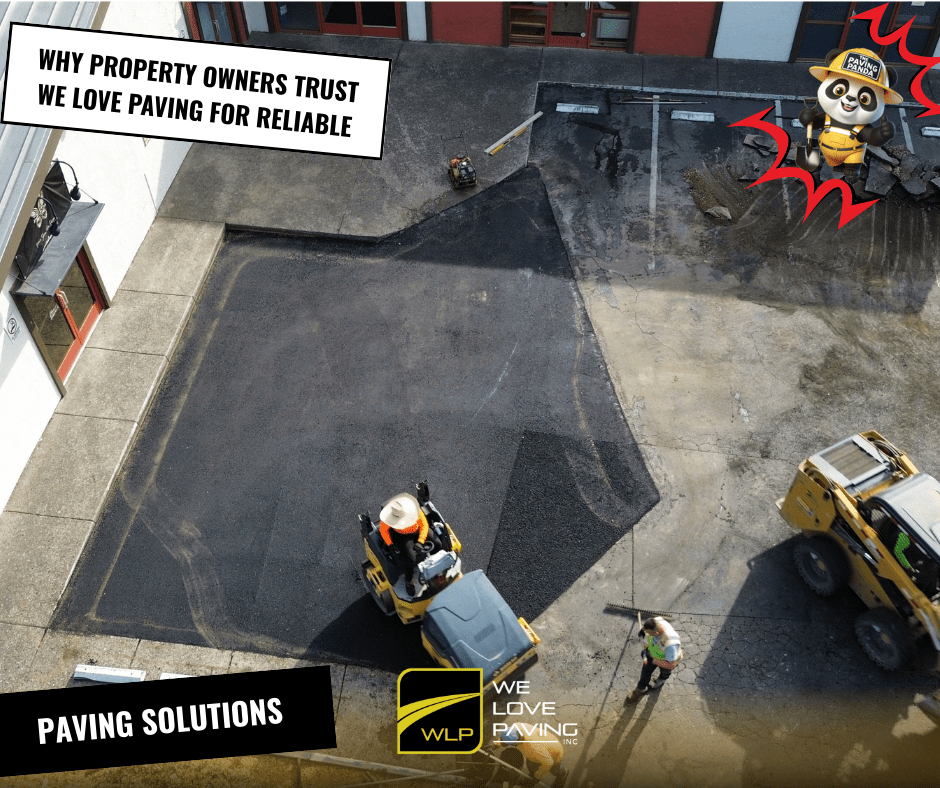
We Love Paving’s field operations team approaches asphalt paving as part of the broader condition and use of a property, rather than treating the surface material as an isolated purchase. Evaluating the existing pavement, intended traffic, drainage, and construction requirements helps establish a more appropriate scope of work.
Hot mix asphalt can be an effective choice for commercial paving when the material selection, structural design, site preparation, and installation methods work together. The most useful question is not simply whether HMA is a good material, but whether the proposed pavement system is suitable for the property and the demands it will face.