Your commercial parking lot is a high-traffic asset subjected to heavy loads, UV exposure, and thermal expansion. Based on evaluations by We Love Paving’s field operations team, structured asphalt preservation prevents subgrade saturation and extends pavement service life significantly. Proactive maintenance parking strategies ensure structural integrity, maintain ADA compliance, and protect your property against accelerated degradation.
1. Regular Visual and Structural Inspections
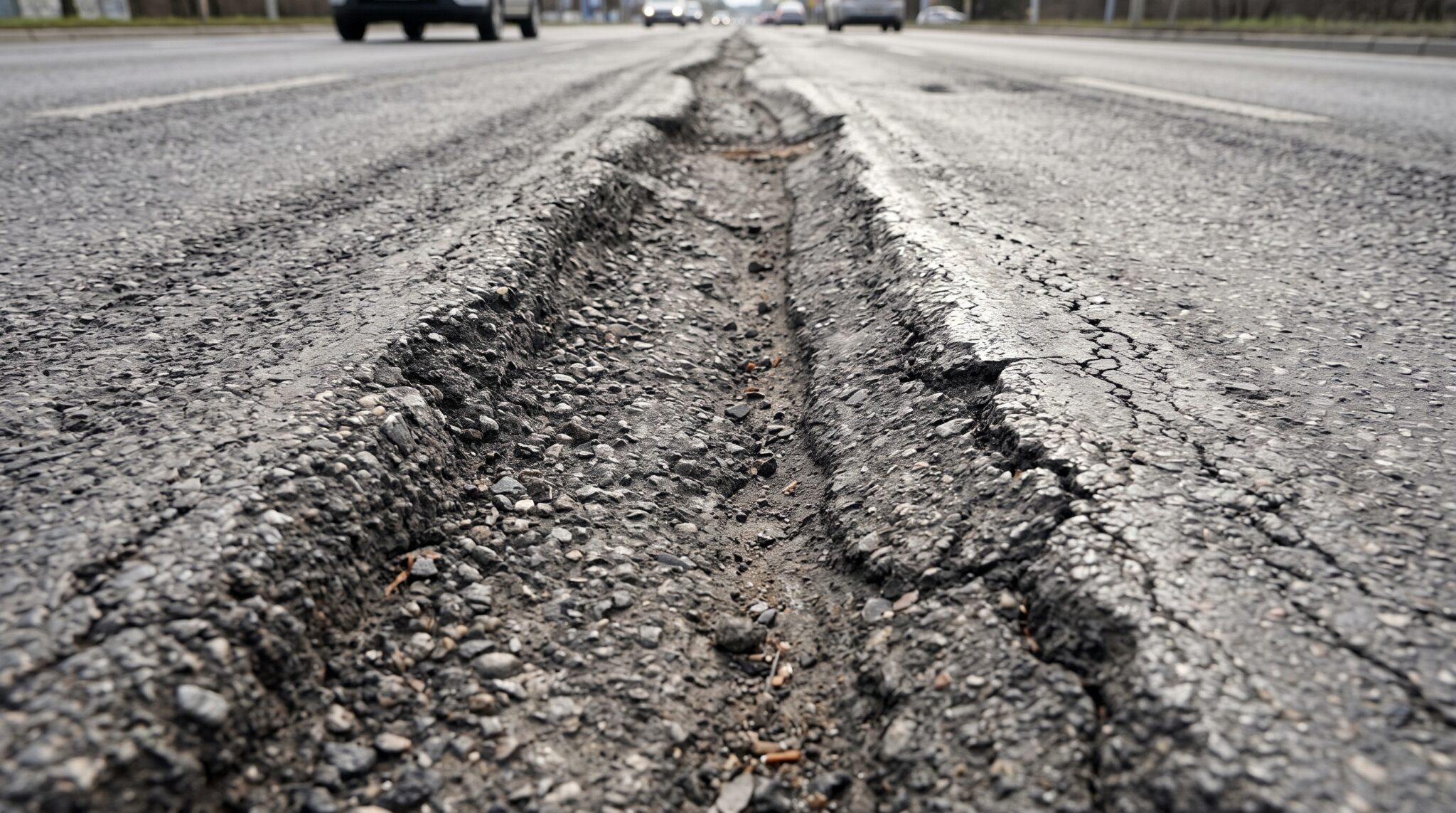
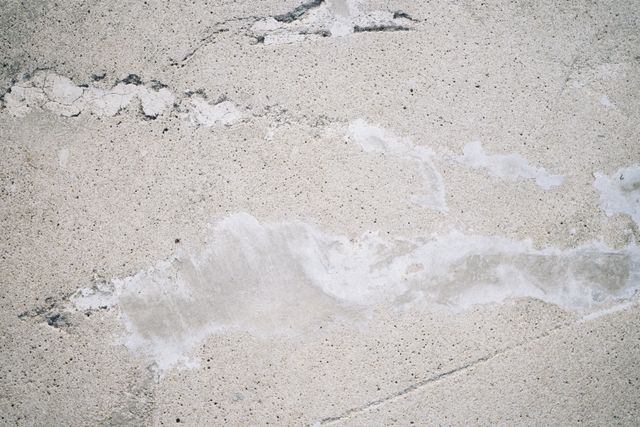
Routine surface assessments allow facility managers to identify early deterioration before structural failure occurs. Following ASTM D6433 inspection practices, focus on detecting hairline cracks larger than 1/8 inch, localized depressions, and block cracking. Early identification of surface distress prevents water from reaching the aggregate base, preserving the load-bearing capacity of your asphalt.
2. Industrial-Grade Sealcoating Application
Applying a protective seal coat guards the asphalt binder against oxidation caused by intense solar exposure and chemical spills. Adhering to Caltrans-grade technical specifications for asphalt care, professional application of polymer-modified asphalt emulsions restores essential binders and prevents water intrusion. Scheduling periodic paving maintenance in California shields the surface layer from premature hardening and aggregate loss.
3. Crack Sealing and Pothole Mitigation
Unsealed cracks allow moisture to penetrate beneath the asphalt layer, softening the subgrade and accelerating structural damage such as alligator cracking. Applying hot-pour rubberized crack sealants to open joints seals the surface against water ingress. Understanding why maintenance is crucial helps property managers address minor surface fissures before deep-patching or structural remediation becomes necessary.
Commercial Asphalt Distress Diagnostic Guide
Property managers must distinguish between surface-level wear and underlying structural failure to select appropriate remediation techniques.
| Surface Condition | Visual Characteristics | Primary Cause | Recommended Action |
|---|---|---|---|
| Hairline Cracks | Fissures under 1/8 inch wide; linear or transverse pattern | Thermal expansion and natural oxidation of asphalt binders | Hot-Pour Rubberized Crack Sealing |
| Alligator Cracking | Interlocking crack pattern resembling reptile skin | Subgrade failure caused by repeated heavy loads or water sub-saturation | Full-Depth Patching or Milling |
| Potholes | Bowl-shaped depressions with sharp edges and exposed aggregate | Unsealed cracks allowing subbase erosion during freeze-thaw/rain cycles | Saw-Cut & Hot-Mix Patching |
| Surface Oxidation | Faded gray appearance, aggregate unraveling (raveling) | Prolonged UV exposure breaking down asphalt binders | Polymer Sealcoating |
4. Effective Drainage
Water is one of the biggest culprits in pavement damage. Ensure your parking lot has a proper drainage system to direct water away from the surface. Standing water can weaken asphalt and lead to cracks, so this step is vital for long-term maintenance.
5. Precision Line Striping and ADA Compliance
Faded markings disrupt traffic flow and increase liability risks on commercial premises. Beyond organizing vehicular movement, proper pavement markings must strictly align with California Title 24 accessibility standards and federal ADA requirements. Maintaining regular pavement maintenance ensures that designated van-accessible aisles, blue stalls, and high-contrast crosswalks remain fully visible and legally compliant, protecting facility owners from civil penalties.
6. Regular Cleaning
Debris, oil, and chemicals can accumulate on your parking lot and cause damage. Regular sweeping and power washing can keep your pavement clean, prevent staining, and reduce the risk of long-term deterioration.
7. Seasonal Maintenance
Extreme weather conditions, such as freezing temperatures or intense heat, can take a toll on your parking lot. During colder months, ensure snow and ice are removed promptly. In summer, monitor for heat-related damage like soft spots or cracks.
To maximize your pavement’s lifespan and withstand severe weather including freeze-thaw cycles, we recommend adhering to a structured timeline:
- Annually: Perform deep mechanical sweeping, clear drainage catch basins, and apply hot pour crack sealing to prevent winter moisture penetration.
- Every 2 to 3 Years: Apply a coat of industrial-grade commercial sealcoating to replenish vital pavement binders, and restripe all traffic lines.
- Every 5 to 10 Years: Schedule structural assessments for infrared patching or surface milling in high-traffic zones.
Commercial Maintenance Parking Checklist
Implementing a structured inspection schedule ensures high-traffic pavements remain safe and structurally sound:
- Monthly Routine Inspection: Inspect catch basins for blockages, clear standing water, check high-load zones (delivery bays) for fuel spills, and ensure stop lines and crosswalks remain clearly visible.
- Bi-Annual Seasonal Review (Spring & Autumn): Measure surface crack propagation, verify ADA ramp and stall markings against current access guidelines, and assess pavement wear along primary drive aisles.
- Annual Engineering Audit: Conduct deep mechanical sweeping, execute hot-pour crack sealing on fissures exceeding 1/8 inch, and clear storm drain inlets to prevent aggregate base saturation.

8. Plan for Resurfacing
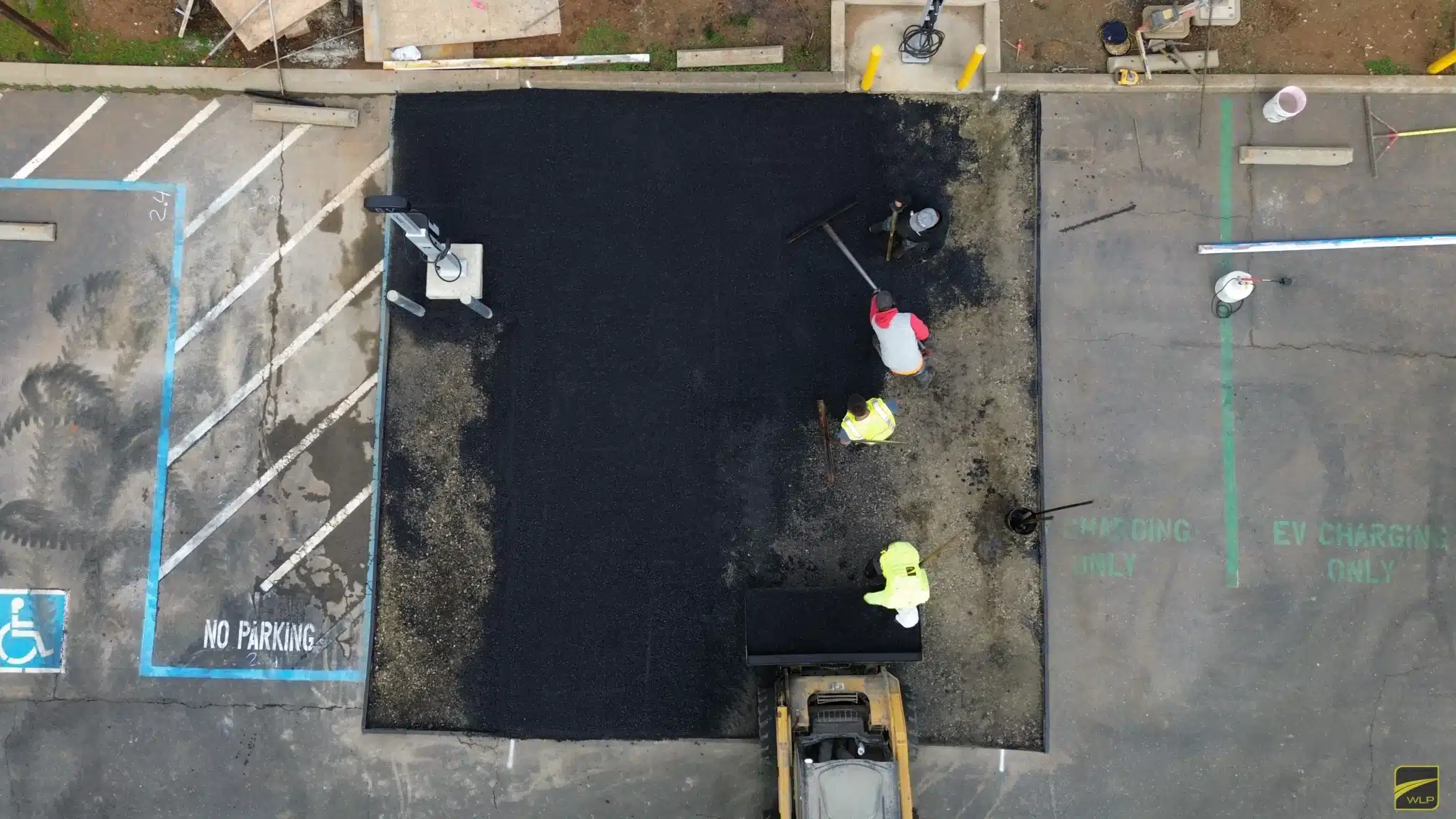
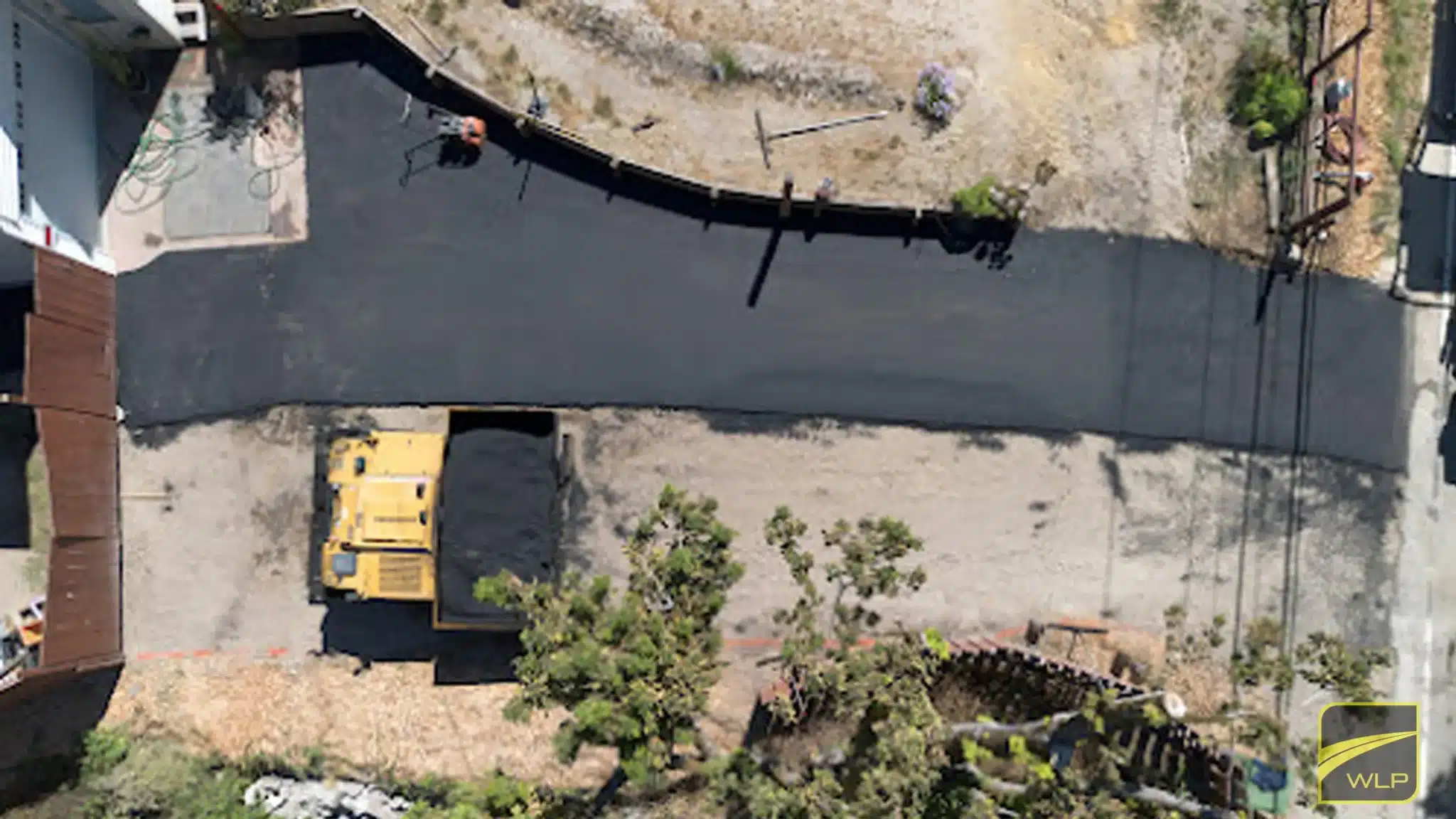
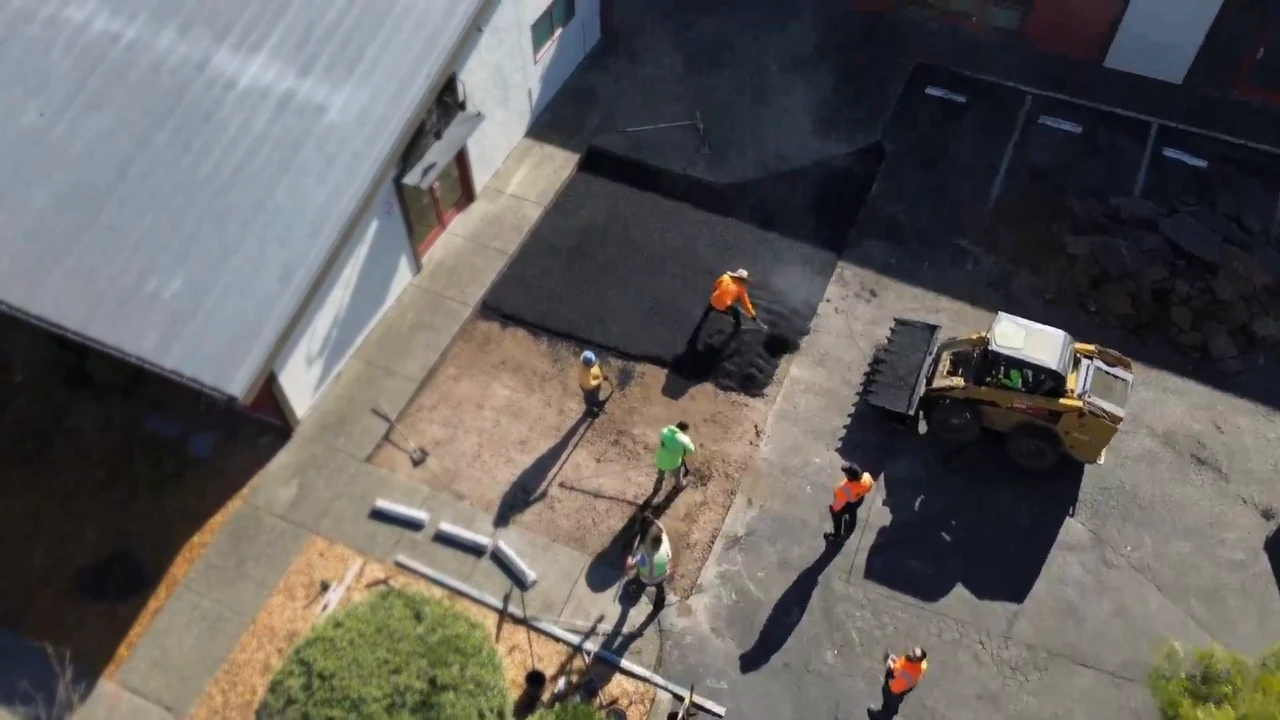
Even with regular maintenance, every parking lot will eventually need resurfacing. Planning for this in advance ensures you can budget accordingly and avoid disruptions to your business operations.
Partner with We Love Paving
Preserving commercial asphalt performance requires specialized expertise and tailored preventive strategies. Reviewed and managed by We Love Paving’s field operations team (CSLB Licensed #1049649, C12 Earthwork and Paving), our comprehensive maintenance parking programs protect your property investment through timely sealcoating, ADA re-striping, and structural repairs across California. Contact our technical team today to schedule an on-site pavement evaluation.