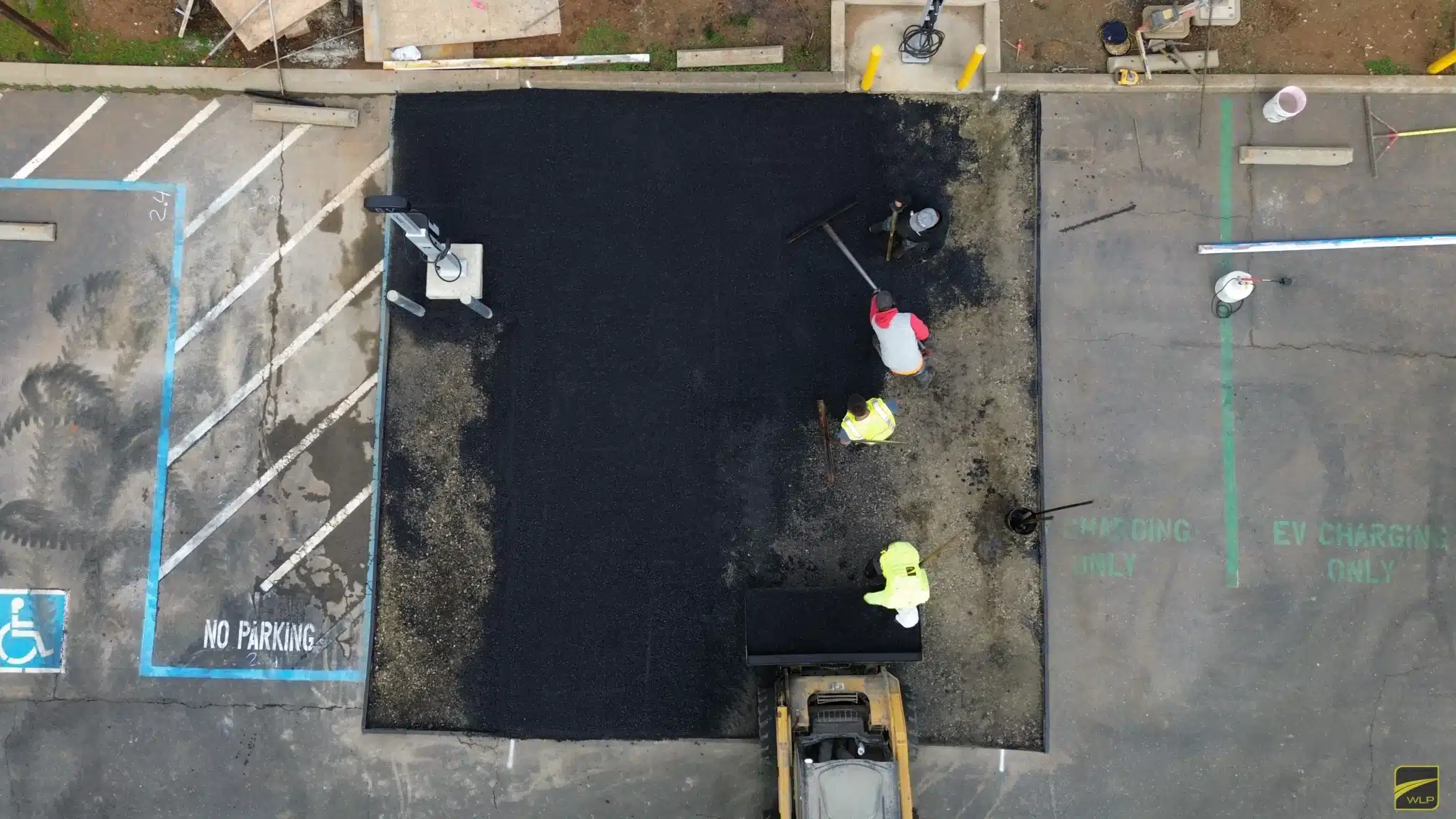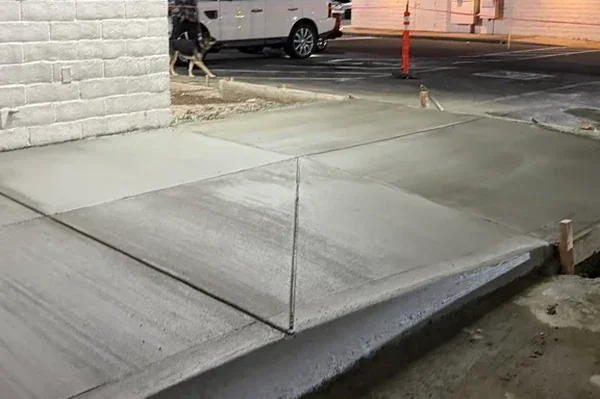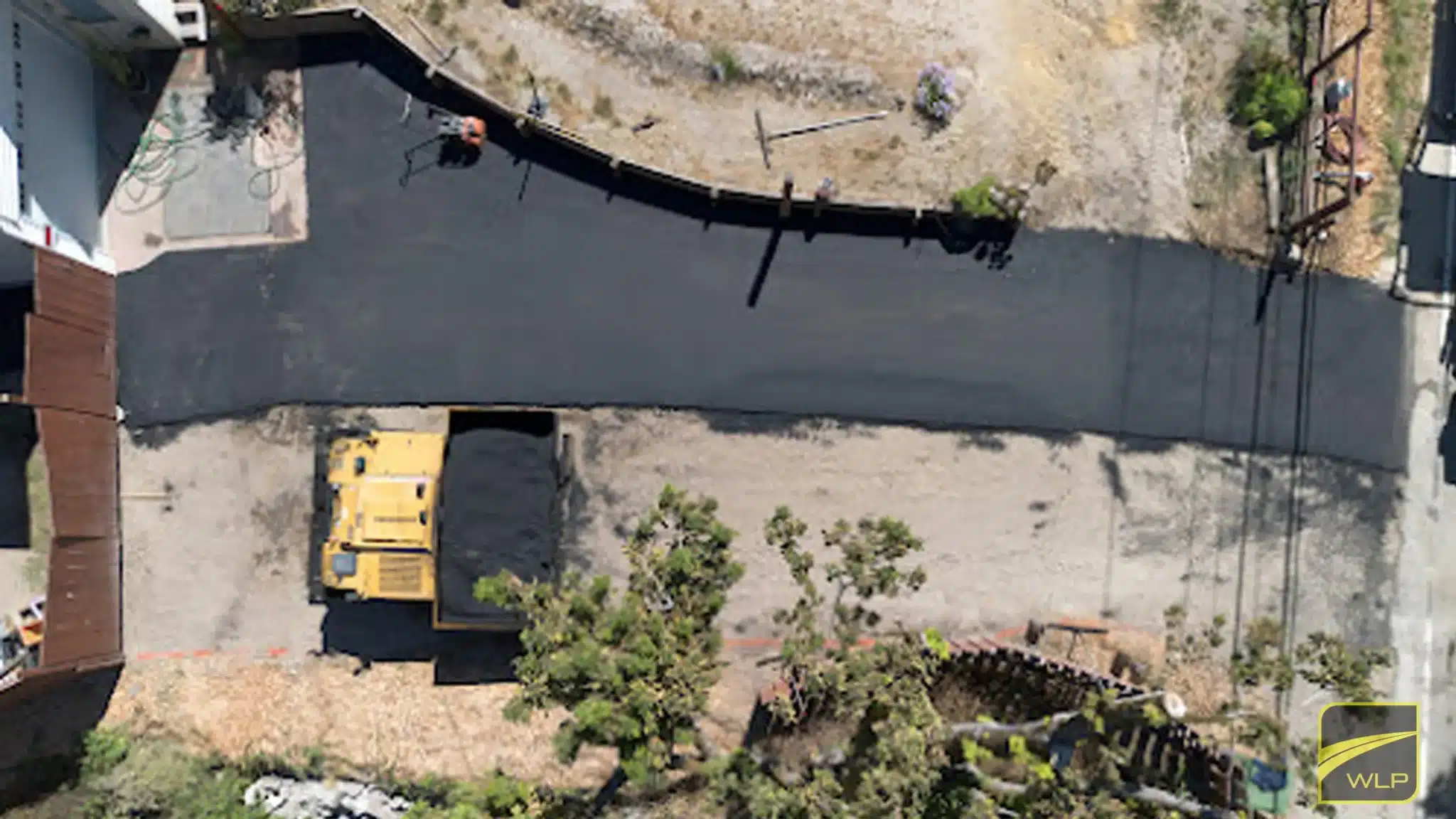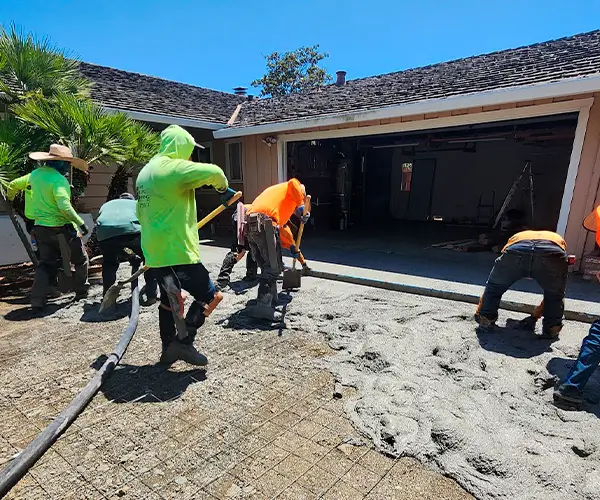
Paving a driveway in the winter is technically possible under specific conditions, but it carries substantial risks if temperatures drop below safety thresholds. For hot mix asphalt to form a durable, watertight surface, both ambient air and ground temperatures must remain consistently at or above 50°F (10°C). When temperatures fall below this point, asphalt cools too rapidly during transport and placement, preventing proper compaction and leading to early structural breakdown.
In Northern California, winter paving faces distinct challenges that differ from snowy regions. Rather than sub-zero freezes, property owners in areas like the Bay Area or Central Valley must contend with ground moisture from seasonal rains, cold morning fog, and shortened operating hours at local asphalt batch plants. Technical insights from the paving engineering team at We Love Paving explain the key cold-weather factors, temperature rules, and material choices that determine whether a winter paving project will succeed or fail.
The Short Answer: Can You Lay Asphalt Driveways in Winter?
You can pave a driveway in the winter only if ground and air temperatures stay consistently above 50°F (10°C) and the surface is completely dry. While paving contractors can physically lay hot asphalt in colder weather, doing so usually leads to poor compaction, surface raveling, and premature cracking. Unless you live in a mild climate zone or utilize specialized warm-mix asphalt formulations, standard driveway paving should generally wait until warmer weather returns.
The fundamental issue during cold-weather installation is heat loss. Hot mix asphalt arrives at the job site between 280°F and 320°F. Once unloaded onto a cold subbase, the temperature of the mix plummets. If the asphalt cools below its minimum compaction temperature before rollers can density the material, air voids remain trapped within the matrix. Understanding when is the best season to pave helps property owners avoid costly installation mistakes caused by unfavorable seasonal temperatures.
Technical Requirements for Cold-Weather Paving: Temperatures and Time
Successful winter paving requires strict adherence to temperature minimums and rapid execution to prevent rapid thermal loss. Under Caltrans Section 39 specifications for asphalt concrete, hot mix asphalt must not be placed when the atmospheric temperature is below 50°F or when the underlying base surface is wet or frozen. Furthermore, the cooling rate of hot mix asphalt increases exponentially in cold ambient air, severely reducing the time available for proper compaction (TAC).
| Ambient Temperature | Layer Thickness | Available Compaction Window (TAC) | Risk Level |
|---|---|---|---|
| 75°F (24°C) | 2.0 Inches | 15 to 20 Minutes | Optimal |
| 50°F (10°C) | 2.0 Inches | 8 to 10 Minutes | Critical / Minimum |
| 40°F (4°C) | 2.0 Inches | Less than 5 Minutes | High Failure Risk |
According to asphalt engineering standards from the Asphalt Institute, rollers must achieve target density typically 92% to 96% of maximum theoretical density before the asphalt mix cools below 175°F (79°C). Once the mix dips below this critical cessation threshold, further rolling will shatter aggregate bonds rather than increase density. In winter conditions, thermal loss during transit from the batch plant to the job site further narrows this operational window, making rapid roller execution essential.
Unique Winter Paving Challenges in Northern California
Winter paving challenges in California are driven by moisture, fog, and soil saturation rather than freezing snow. While regions in the Midwest face frozen ground, cities across the Bay Area, Sacramento Valley, and coastal counties deal with heavy atmospheric humidity and rain saturating the aggregate base. Applying hot asphalt over a damp base traps steam underneath, causing blisters, stripping the asphalt binder, and preventing a solid bond.
Dense morning fog and high ambient humidity also delay the breaking and drying time of asphalt tack coat emulsions, which are vital for bonding asphalt layers. Additionally, regional hot mix production plants frequently alter their schedules during winter months, operating on reduced hours or closing entirely on rainy days. To maintain structural integrity before wet weather sets in, property managers often implement strategies to protect pavement before winter, ensuring existing surfaces survive seasonal rain runoff without deteriorating.
Hot Mix vs. Warm Mix Asphalt: Winter Options Explained
Warm Mix Asphalt (WMA) provides a viable technical alternative for paving in marginal winter temperatures where traditional Hot Mix Asphalt (HMA) fails. While conventional HMA requires production temperatures between 300°F and 350°F and a strict 50°F ambient limit, WMA utilizes chemical additives, foaming techniques, or wax modifiers to reduce binder viscosity. This allows the mix to be placed and fully compacted at temperatures 30°F to 70°F lower, extending workable compaction time in cooler weather down to roughly 40°F (4°C).
While Warm Mix Asphalt extends the seasonal paving window into late fall or early spring, it does not overcome saturated soil or standing water. If the underlying subgrade contains trapped moisture, placing WMA will still result in eventual base failure. Property owners contemplating end-of-year paving projects should review why winter prep starts now to evaluate whether a full repave or preventive maintenance best protects their pavement assets before heavy rain arrives.
What Happens When Asphalt Is Paved in Unfavorable Winter Weather?
Paving asphalt in unfavorable winter weather leads to rapid cooling, incomplete compaction, and early pavement destruction. When hot asphalt meets a cold subbase, the bottom layer stiffens instantly. Rollers cannot push the aggregate together tightly, leaving behind high air void percentages often exceeding 8% to 10%. These voids allow water to penetrate beneath the surface, triggering severe structural issues within just a few seasons.
This uncompacted structure leads to common winter failure modes, including surface raveling where aggregate particles dislodge, longitudinal cracking along cold seam joints, and widespread alligator cracking. Water trapped within poorly compacted asphalt expands during freeze-thaw cycles or weakens the subgrade under traffic loads, creating deep potholes. These defects significantly shorten the pavement’s operational lifespan, leading to costly repairs long before its expected 15-to-20-year service life.
When to Wait vs. Emergency Temporary Repairs
When winter conditions prevent full driveway repaving, property owners should utilize temporary maintenance methods until warm weather returns. If a driveway develops severe potholes or hazardous tripping points during wet winter months, permanent repaving should be postponed in favor of localized cold-patch repairs or mechanical filling. Cold-patch asphalt uses specialized liquid binders that remain pliable in low temperatures, providing an immediate temporary fix for safety hazards.
Attempting a complete driveway installation on a saturated winter base risks total failure of the new surface. Cold patching or temporary aggregate stabilization seals hazardous areas and prevents further water intrusion through the rainy season. Once spring temperatures consistently cross the 50°F threshold and the subgrade thoroughly dries, contractors can execute full-depth asphalt paving with long-term performance guarantees.

Professional Driveway Planning and Evaluation in NorCal
Evaluating ground moisture, atmospheric conditions, and asphalt plant schedules requires technical experience in Northern California pavement engineering. Determining whether your driveway can be safely paved this winter or if temporary protection is required starts with an on-site evaluation by experienced professionals. The engineering team at We Love Paving assesses subgrade compaction, drainage performance, and seasonal weather windows to ensure every project meets long-term durability standards. Contact our team today to schedule an expert site assessment and receive a tailored recommendations report for your pavement assets.