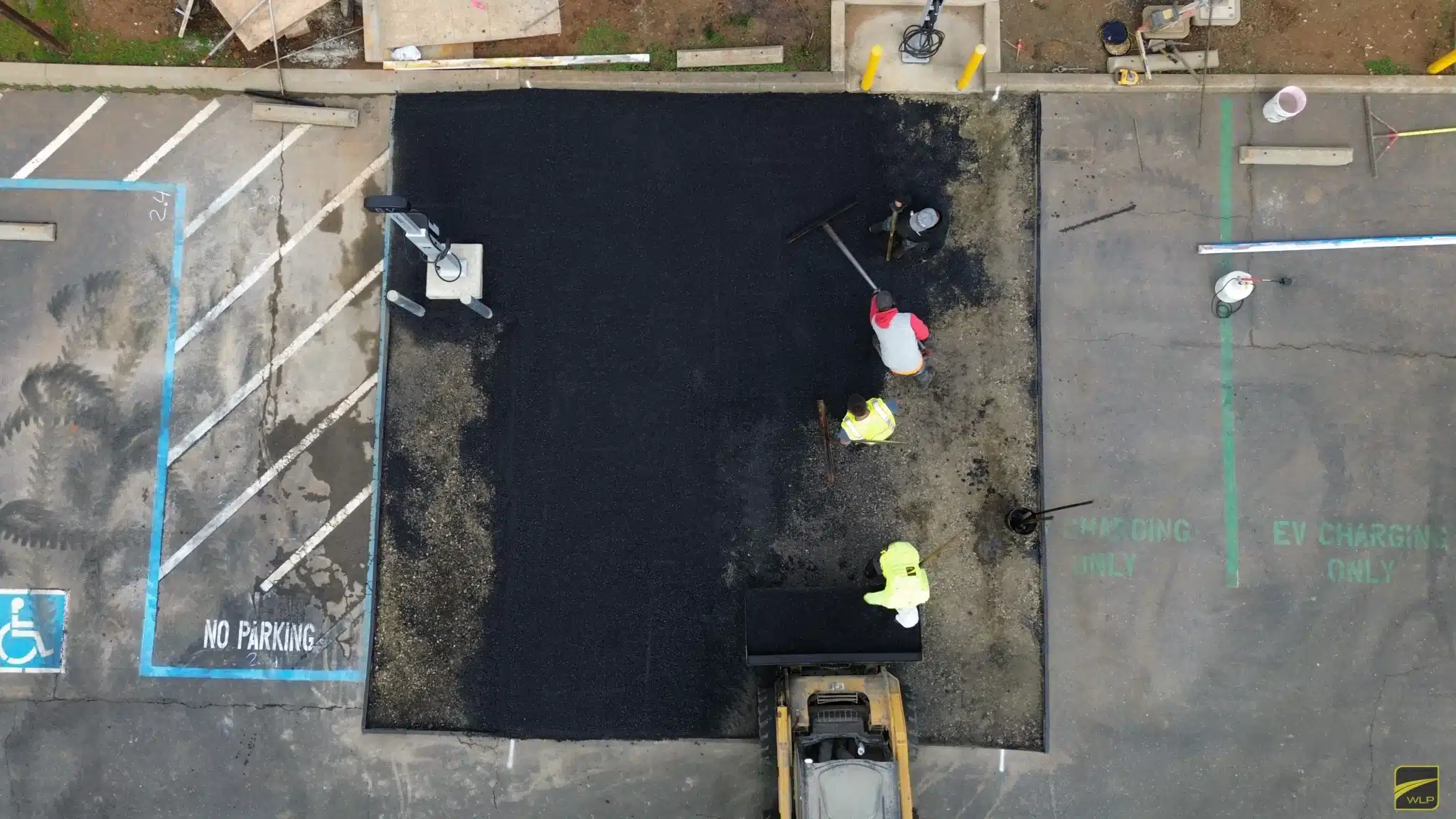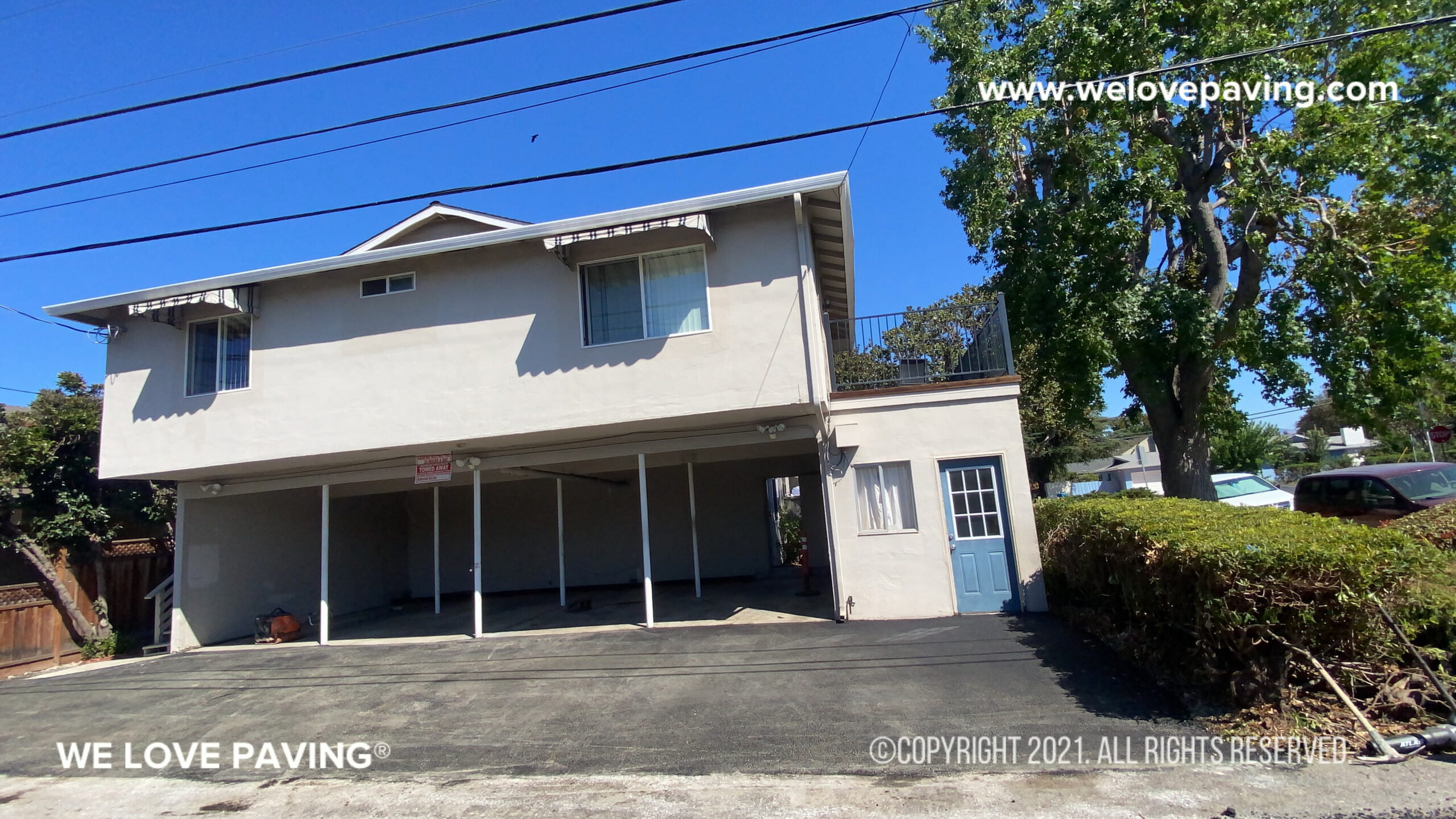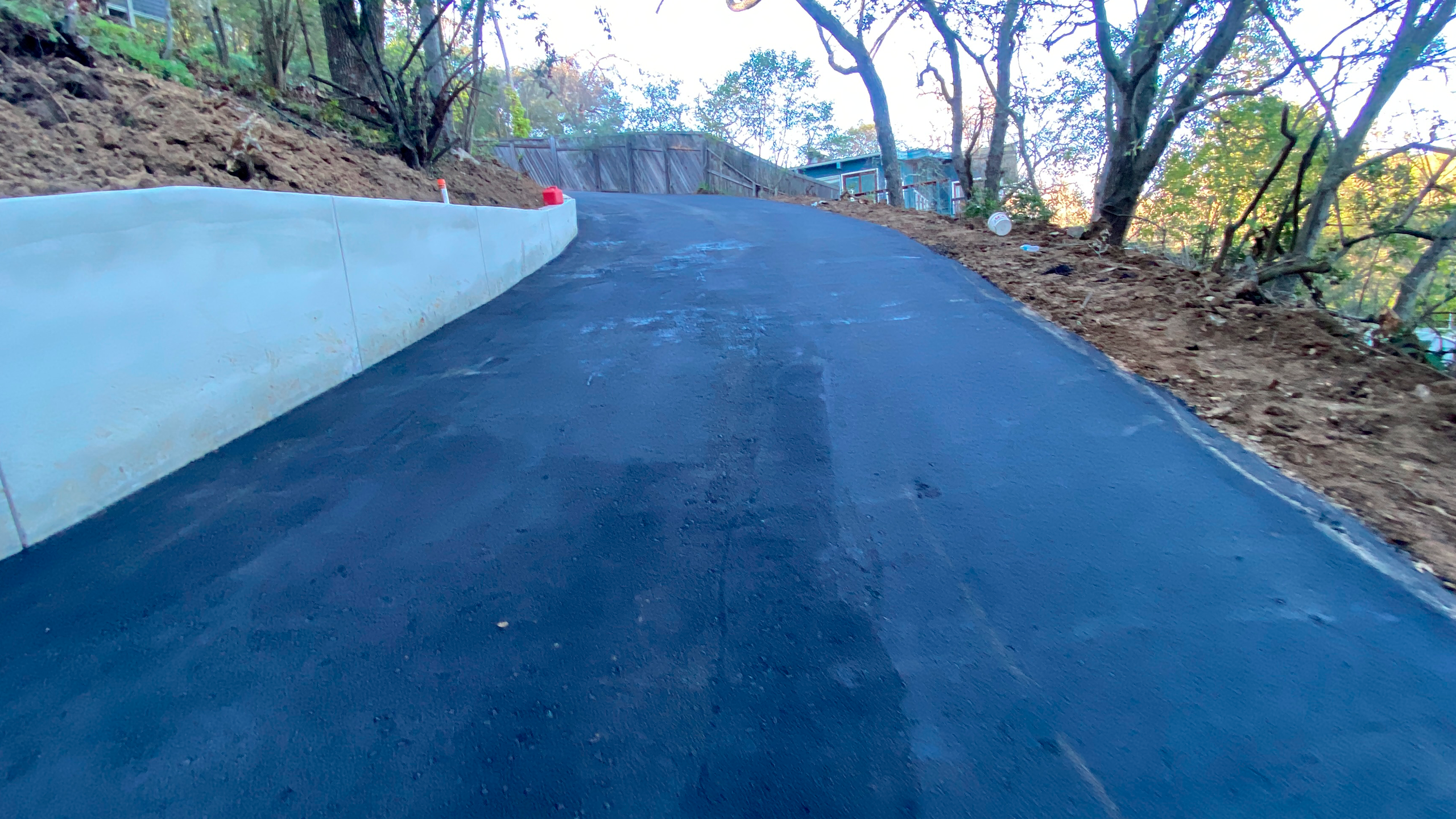
When constructing an asphalt driveway, the foundation is the most crucial component. A well-prepared base ensures the driveway’s longevity, stability, and resistance to various stresses. In this article, we explore the best base materials and practices for creating a durable and reliable asphalt driveway.
Why a Good Base Matters
The base of an asphalt driveway is essential for several reasons:
- Load Support: The base must support the weight of vehicles without shifting or settling.
- Drainage: Proper drainage prevents water from weakening the structure, which can lead to cracks and potholes.
- Durability: A strong base extends the life of the driveway by preventing common issues such as rutting and cracking.
Key Components of an Asphalt Driveway Base
A typical asphalt driveway base consists of several layers, each serving a specific function:
- Subgrade
- Subbase
- Base Course
1. Subgrade
Definition: The subgrade is the natural soil on which the driveway is built. It forms the foundation of the entire structure.
Preparation:
- Clearing and Grubbing: Remove all vegetation, roots, and organic matter to create a stable surface.
- Compaction: Use heavy machinery to compact the soil, increasing its density and stability.
- Stabilization: Additives like lime or cement can be mixed with the soil to enhance its load-bearing capacity and resistance to water.
Importance: A well-prepared subgrade is crucial for preventing future settlement and ensuring the driveway’s durability.
2. Subbase
Definition: The subbase is a layer of material placed on top of the subgrade. It provides additional support and aids in load distribution.
Best Materials:
- Granular Aggregate: Crushed stone or gravel, offering excellent drainage and compaction properties.
- Recycled Concrete Aggregate (RCA): Crushed concrete from old structures, providing a cost-effective and environmentally friendly option.
Construction:
- Layering: The subbase is laid in layers, each compacted to the required density.
- Thickness: Typically 4 to 6 inches, depending on the soil conditions and anticipated load.
Importance: The subbase reduces stresses transmitted to the subgrade, enhancing the overall stability of the driveway.
3. Base Course
Definition: The base course is the main load-bearing layer directly beneath the asphalt pavement. It is crucial for the driveway’s structural integrity.
Best Materials:
- Crushed Stone: Often referred to as “crusher run” or “road base,” it offers excellent compaction and drainage properties.
- Gravel: Similar to crushed stone, but with slightly different properties that can vary based on the source material.
Construction:
- Layering and Compaction: The base course is constructed in layers, each compacted to ensure maximum density and strength.
- Thickness: Typically 4 to 6 inches, but may vary based on local conditions and traffic load.
Importance: The base course provides a stable platform for the asphalt layers above, ensuring durability and performance.

Best Practices for Preparing an Asphalt Driveway Base
- Proper Excavation: Excavate to the appropriate depth, accounting for the thickness of all layers.
- Grading: Ensure the subgrade and subbase are properly graded to promote drainage and prevent water accumulation.
- Compaction: Each layer must be thoroughly compacted using heavy machinery to achieve the desired density and stability.
- Drainage Considerations: Incorporate drainage solutions like geotextiles or French drains to manage water effectively.
Advanced Techniques
Geotextiles and Geogrids: These synthetic fabrics can be placed between the subgrade and subbase to enhance separation, filtration, and drainage. Geogrids can also reinforce the base layers, improving load-bearing capacity.
Recycled Materials: Using reclaimed asphalt pavement (RAP) or recycled concrete aggregate (RCA) can be cost-effective and environmentally friendly. These materials provide similar performance to traditional aggregates when properly processed and compacted.
Frost Protection and Freeze-Thaw Resistance
Across most of Northern California the ground rarely freezes, but in the Sierra foothills, higher elevations, and colder inland pockets, winter nights drop below freezing while afternoons thaw. When moisture trapped in a poorly built subgrade freezes, it expands and lifts the surface, then settles again as it melts. That cycle is frost heave, and over a season it cracks and buckles asphalt from below. A properly built aggregate base defends against it in two ways: the clean, well-graded base course drains water away before it can pool and freeze near the subgrade, and the open voids in the crushed stone give any remaining moisture room to expand without heaving the pavement. When our crews build to adequate depth and compact in lifts, the base stays stable through repeated freezing and thawing.
Thermal Buffering and Crack Resistance
Asphalt expands in heat and contracts in cold, and that repeated movement is what drives thermal cracking over time. Northern California makes it worse, with intense inland and Central Valley summer heat followed by cold nights at elevation. A deep aggregate base will not insulate a driveway the way a wall is insulated, but it does buffer the swings. The mass of compacted stone beneath the asphalt warms and cools more slowly than the thin surface layer, so the temperature reaching the subgrade stays steadier and changes more gradually. That means less daily expansion and contraction stress on the pavement above. In our experience, a base built to proper depth and compaction helps the surface resist heat fatigue and hold its structural integrity through seasonal extremes.
Environmental Benefits of a Well-Built Base
A good base does more than hold up the driveway; it also helps manage water and lower a project’s footprint. A permeable base built from open-graded crushed stone lets rainwater infiltrate the soil instead of sheeting off, which eases runoff, reduces the load on storm drains, and supports groundwater recharge on sites where the design allows it. Material choice matters too. At We Love Paving we source aggregate locally wherever possible, which cuts haul distances and the carbon tied to transport, and we incorporate recycled content such as crushed concrete when it meets our standards. A thoughtfully specified base, from the subgrade up through the base course, pairs long-term performance with more responsible water handling and lower-impact materials.
Building the Best Base for an Asphalt Driveway
The best base for an asphalt driveway comes down to three things working together: a well-prepared subgrade, a stable subbase, and a robust base course. High-quality materials like crushed stone, gravel, and recycled aggregates, combined with proper excavation, grading, and compaction, are what create a foundation strong enough to support the surface for years. A base built right the first time protects against cracking, rutting, frost heave, and drainage problems long before they ever reach the pavement. If you are planning a new driveway or want an existing one assessed, our team at We Love Paving can evaluate your site conditions and build a base engineered to last across California.