Professional Asphalt Calculator and Paving Cost Estimator
Instantly calculate your project budget with our professional tool optimized for paving projects over 1,000 SF. Get accurate costs based on a standard 4″ thickness and updated 2026 industry pricing.
Asphalt Calculator
Before You Go!
Don't leave just yet! Make sure your next project is perfectly planned by trying our other free paving calculators.
Do You Need to Calculate a Different Project?
Instantly calculate your project budget with our professional tool optimized for paving projects over 1,000 SF. Get accurate costs based on a standard 4″ thickness and updated 2026 industry pricing.
Sealcoat Calculator
Ideal for estimating the cost of preventive maintenance and protection of existing asphalt surfaces.
Concrete Calculator
Estimate project expenses for constructing new sidewalks, concrete curbs, or heavy-duty access ramps.
Logistics and Accessibility Impact
Unlike generic calculators, real-world costs fluctuate significantly based on heavy machinery accessibility and site location. Factors such as the turning radius for dump trucks and proximity to the asphalt plant can influence the final price elements typically ignored by traditional competitors.
Find Out What Your Asphalt Project Will Cost
Planning without surprises or hidden costs.
Optimized for projects over 1,000 SF.
Advisors ready to detail your scope of work.
Need a Formal, Detailed Estimate?
Our calculator is a great starting point, but every site is unique. Request a professional review to validate site conditions and actual thickness requirements.

Drainage and Slope Considerations
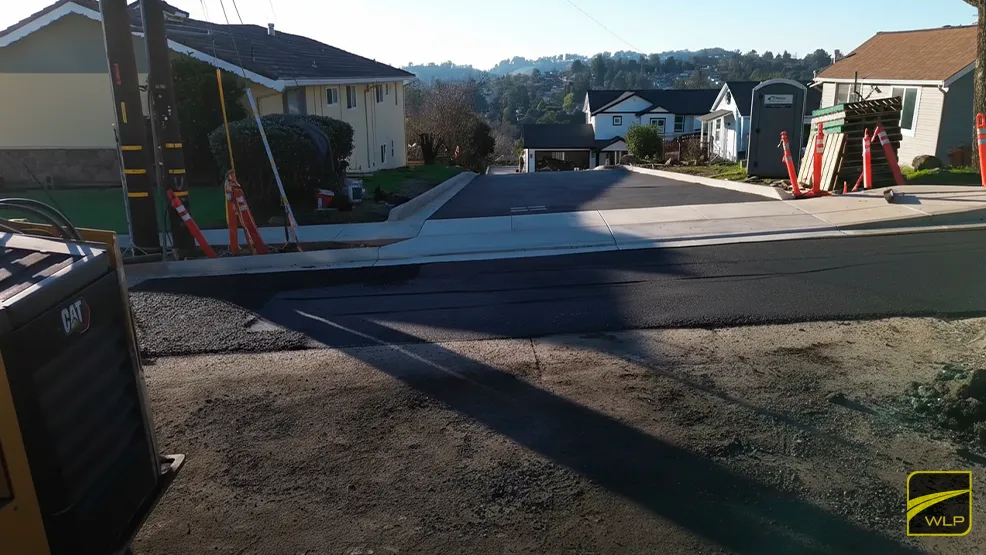
A common flaw in competitor calculators is the omission of drainage importance. An asphalt budget that doesn’t account for a minimum 2% slope for water runoff can lead to premature structural failure and doubled maintenance costs in the short term.
Thickness Variability vs. Traffic Load
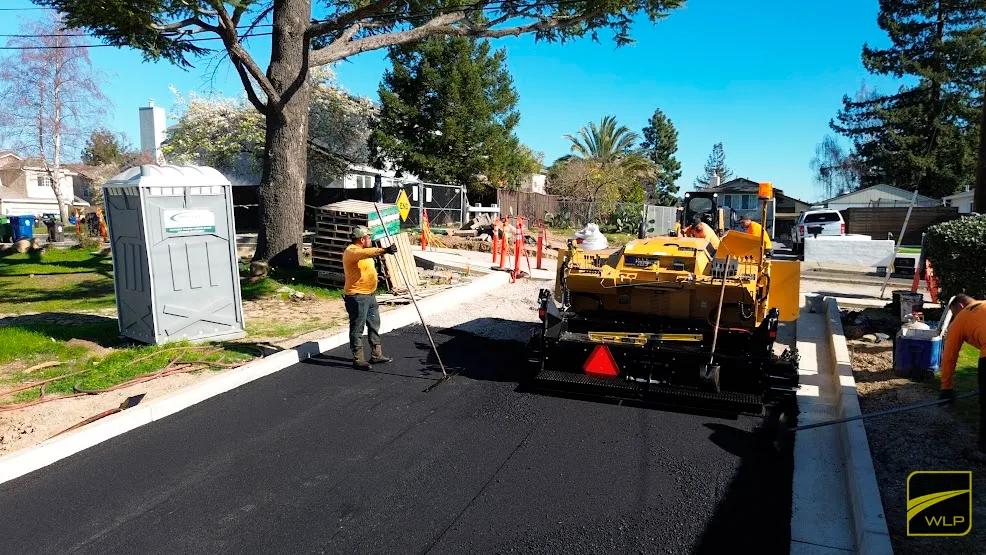
Not all 4″ surfaces are created equal. Depending on whether the area handles light traffic (passenger cars) or heavy loads (garbage/delivery trucks), the asphalt mix type and compaction levels must be adjusted. Our tool uses a 4″ standard to balance durability and cost for commercial and high-traffic residential applications.
FAQ
Frequently Asked Questions
These questions improve usability for visitors and also strengthen the SEO structure of the page.
The cost for 1,000 SF of new asphalt typically starts at a minimum project value of $5,000, assuming a standard 4-inch thickness and excluding site preparation or demolition costs. Final pricing depends on current liquid asphalt market rates, site accessibility for heavy equipment, and the specific geographic location of the project within our service areas.
Yes, a 4-inch compacted thickness is the industry standard for most commercial parking lots, providing a balance between structural integrity and cost-effectiveness for standard vehicle traffic. However, for loading docks or heavy-duty industrial zones, a thicker base or reinforced subgrade may be required to prevent premature rutting and surface cracking under constant stress.
Standard estimates usually cover only the material and installation of the new asphalt layer. They typically exclude demolition of existing pavement, subgrade excavation, soil stabilization, and the installation of a crushed rock base. It is crucial to verify if your project requires these foundational steps, as they can significantly impact the total investment.
Paving operations involve significant mobilization costs, including transporting heavy rollers, pavers, and crews to the site. Setting a 1,000 SF minimum ensures that the project scale justifies the logistical expenses, providing the customer with a more competitive price per square foot compared to smaller, patchwork-style repairs.
Factors such as steep slopes, limited overhead clearance for trucks, or poor soil drainage can increase labor hours and specialized equipment needs. While a calculator provides a mathematical baseline, a field verification is essential to identify hidden variables like soft spots in the subgrade that require additional stone or stabilization.
You should consult an advisor for projects exceeding 16,000 square feet or those requiring complex drainage solutions and heavy-duty traffic specifications. Professional advisors provide a tailored scope of work that accounts for specific site challenges, material grading, and long-term maintenance planning that a simple automated tool cannot capture.
Contact
Start Your Free Proposal
Your next paving project starts here
24/7 · Call anytime, we always answer
(888) 273-0077Reply by 12 PM next business day
[email protected]Business Hours