A parking lot post serves as a critical barrier between moving vehicles and structural property elements. Commercial property managers across Northern California rely on these heavy-duty vertical columns to direct traffic flow, safeguard pedestrian walkways, and protect storefronts from vehicle impacts. Drawing from We Love Paving’s experience across more than 1,000 commercial paving projects in the region, selecting the correct post involves evaluating structural resistance, California accessibility mandates, and local environmental exposure.
Types of Parking Lot Posts: Steel, Concrete, and Flexible Options
Determining the right barrier depends on site access demands, traffic volume, and required protection levels. Structural posts fall into three main categories:
- Fixed Steel Posts: Fabricated from Schedule 40 or Schedule 80 structural steel pipe, these units are core-drilled directly through the asphalt into the subbase and filled with concrete to resist vehicle collisions near building entrances and utility meters.
- Removable and Fold-Down Posts: Ideal for multi-use commercial zones that require periodic access for service, delivery, or emergency vehicles. They secure into subterranean ground sleeves using internal locking mechanisms or padlocks.
- Flexible Polyurethane Delineators: Used exclusively for lane separation and traffic guidance. These units bend upon contact without damaging vehicles, making them suitable for drive-thru lanes and multi-level parking garages.
In inland Northern California regions like the Sacramento Valley, summer temperatures exceeding 100°F can soften asphalt binder. In these environments, surface-mounted delineators secured with shallow masonry bolts frequently fail under heavy vehicle traffic, making deep-anchored structural posts the preferred choice for commercial retail spaces.
California Accessibility Regulations and ADA Compliance
Installing protective barriers requires careful alignment with California Building Code Title 24 and federal ADA mandates. Improperly positioned posts can create illegal obstructions along disabled access routes, leading to municipal compliance violations.
Barriers placed near accessible stalls or walkways must preserve a minimum continuous clear width of 36 inches under Title 24 to permit unobstructed wheelchair movement. Additionally, installations adjacent to van-accessible spaces must remain clear of the required 8-foot-wide access aisle and loading ramps. Site plans should always be verified against accessibility standards prior to drilling or pouring footings.
Professional Installation: Foundation Standards and Concrete Work
The protective capability of a post relies entirely on its underground foundation. Surface-mounted flange plates secured with masonry anchors offer visual demarcation but lack the structural backing to stop heavy moving vehicles. True impact safety requires deep excavation into the underlying soil.
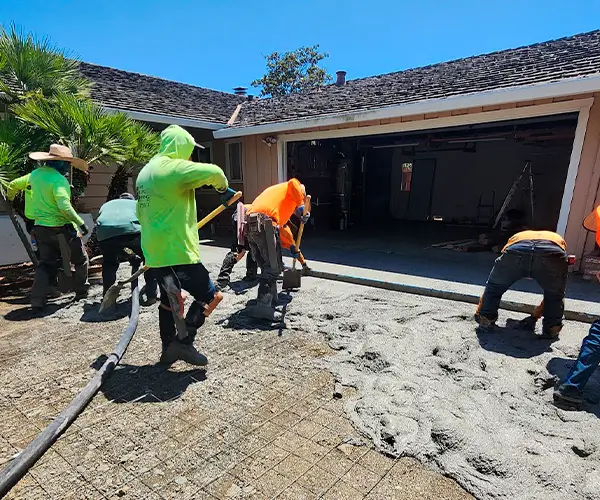
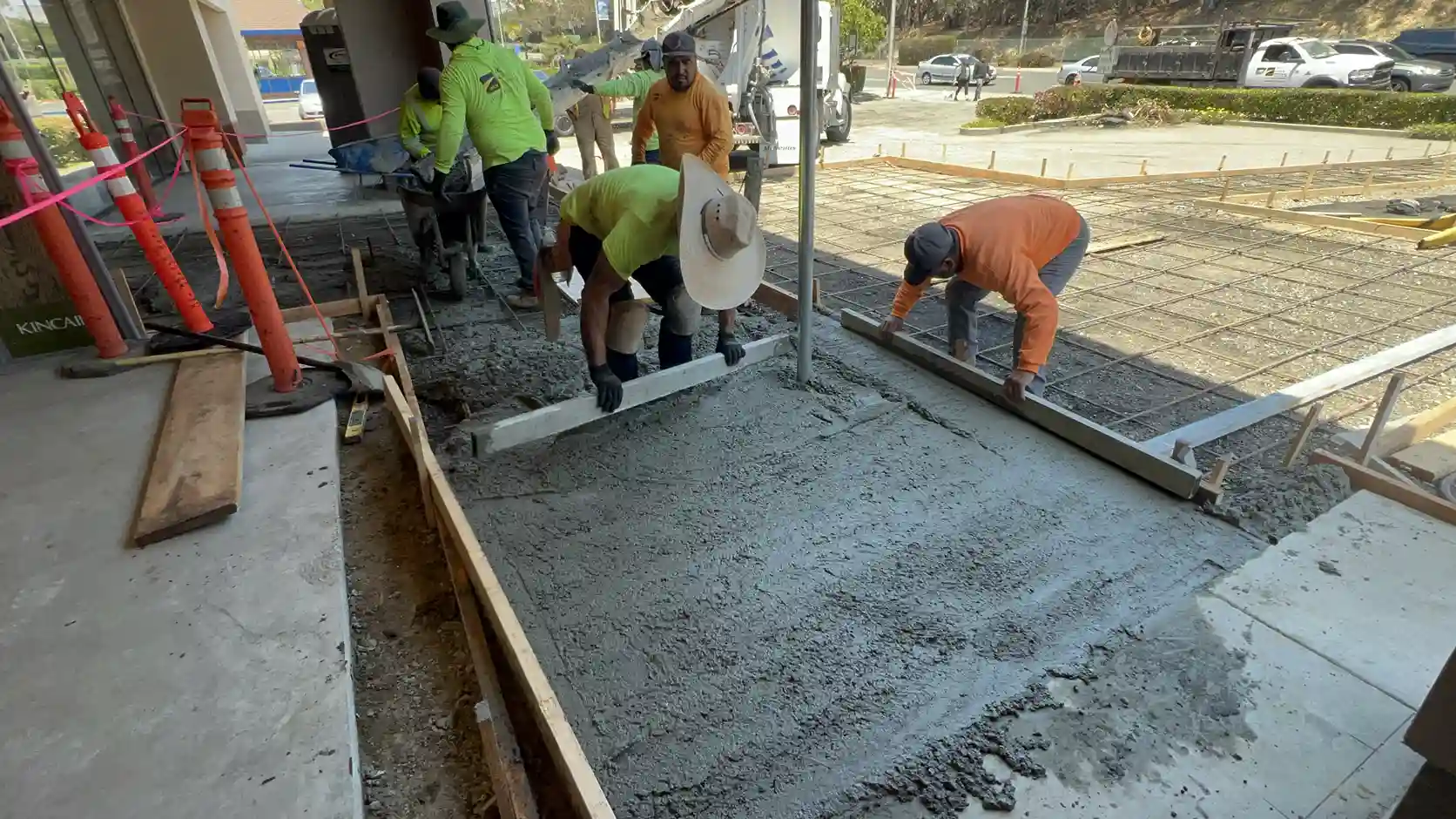
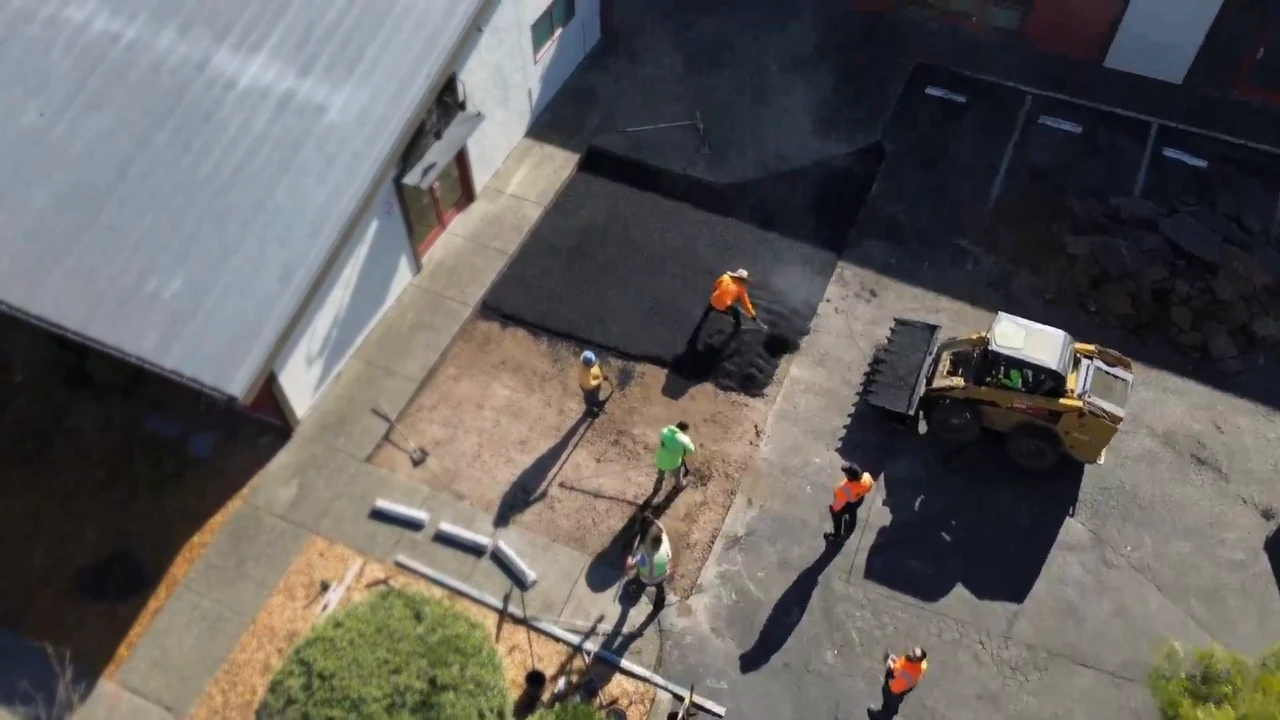
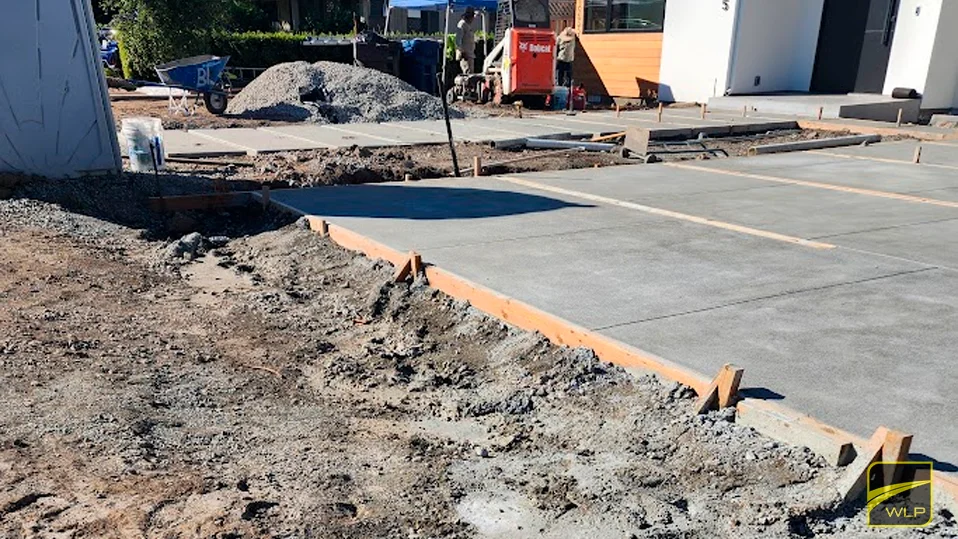
Throughout the San Francisco Bay Area and Santa Clara Valley, expansive adobe clay soils shrink and swell significantly between rainy winters and dry summers. To prevent post shifting and ground heave, commercial installation requires core-drilling through pavement, excavating a footing roughly three times the pipe diameter, and placing a compacted Class 2 Aggregate Base drainage layer. The steel pipe is then centered, reinforced with steel rebar, encased in commercial-grade concrete, and filled internally to form a weather-resistant crowned dome.
Maintenance Strategies for Coastal and High-Traffic Environments
Exposed steel posts in coastal microclimates such as Daly City, San Francisco, and Oakland face rapid degradation from saline marine fog and ambient moisture. Left unprotected, corrosion degrades the steel pipe, weakening its impact resistance and spoiling property aesthetics.
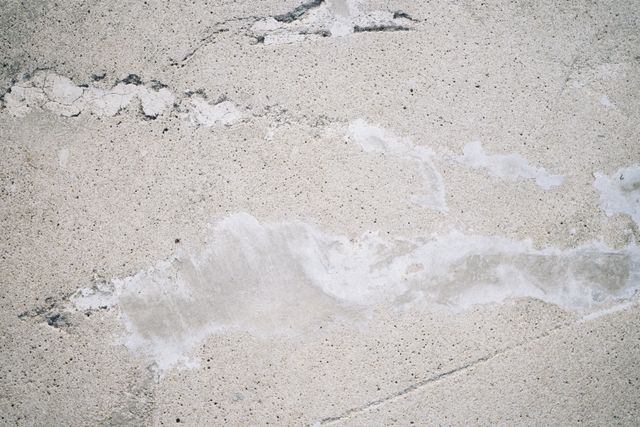
To counteract these conditions, facility managers utilize hot-dip galvanized steel, thermoplastic powder coatings, or high-density polyethylene (HDPE) protective sleeves. High-visibility HDPE sleeve covers slip directly over steel posts, eliminating the need for routine repainting while providing UV resistance and reflective striping. Maintenance schedules should include checking the base concrete for cracking and washing away coastal salt deposits.

Secure Your Commercial Property with Certified Barrier Systems
Enhancing perimeter defense, controlling traffic movement, and fulfilling local accessibility mandates require well-planned safety barriers. Proper material selection and engineered installation prevent premature failure and protect your property against structural liability. Contact our engineering team today to request a professional site assessment for your commercial bollard installation in California.