Concrete scaling and spalling are two distinct forms of surface distress that indicate different underlying structural or environmental issues. The primary difference between concrete scaling and spalling lies in the depth of the damage and its root cause: scaling is a shallow loss of the top paste layer (typically under 1/4 inch deep) caused by surface moisture and finish defects, whereas spalling involves deeper cracking, flaking, or delamination that extends into the aggregate matrix or down to internal rebar. Identifying which condition is affecting your pavement dictates whether a simple surface overlay or a full-depth saw-cut repair is required.
What Is the Difference Between Concrete Scaling and Spalling?
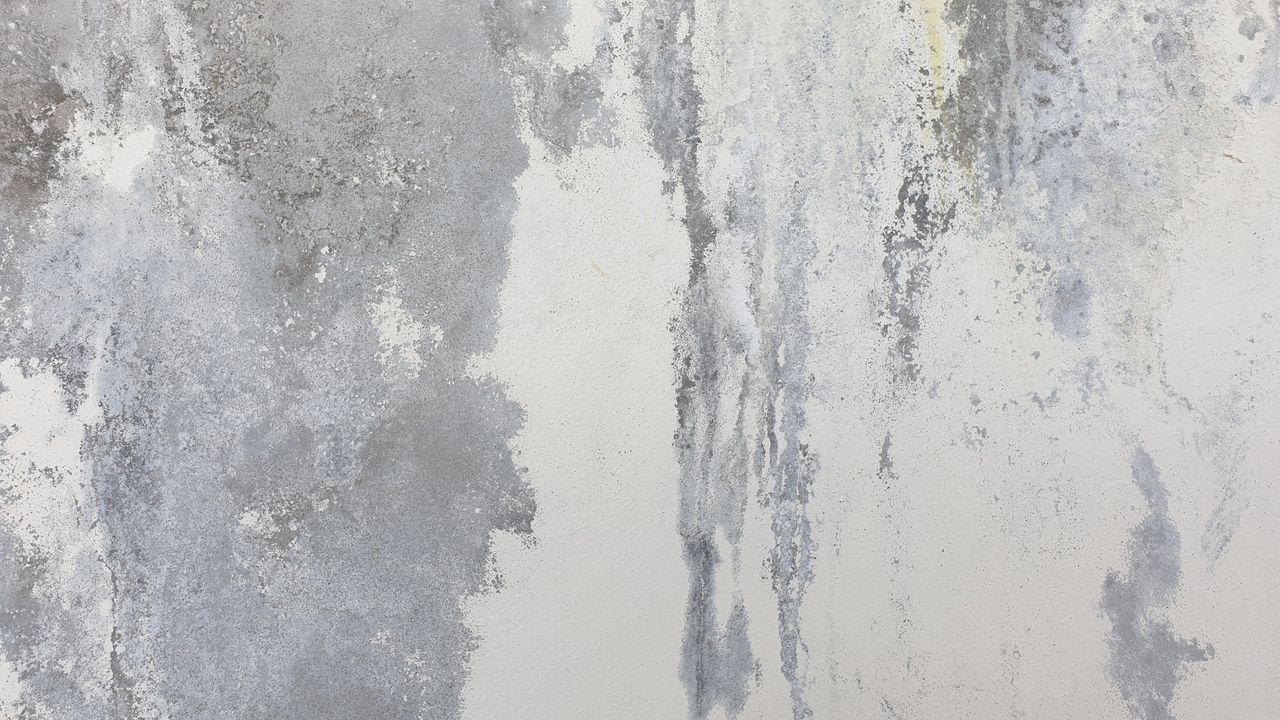
While both conditions result in loss of material from the concrete slab, their physical signatures and failure mechanisms are fundamentally different. According to American Concrete Institute (ACI 201.2R) standards, concrete scaling is characterized by the gradual peeling or flaking away of the thin surface mortar layer, leaving exposed coarse aggregate underneath. It is primarily a surface-level freeze-thaw or finishing failure.
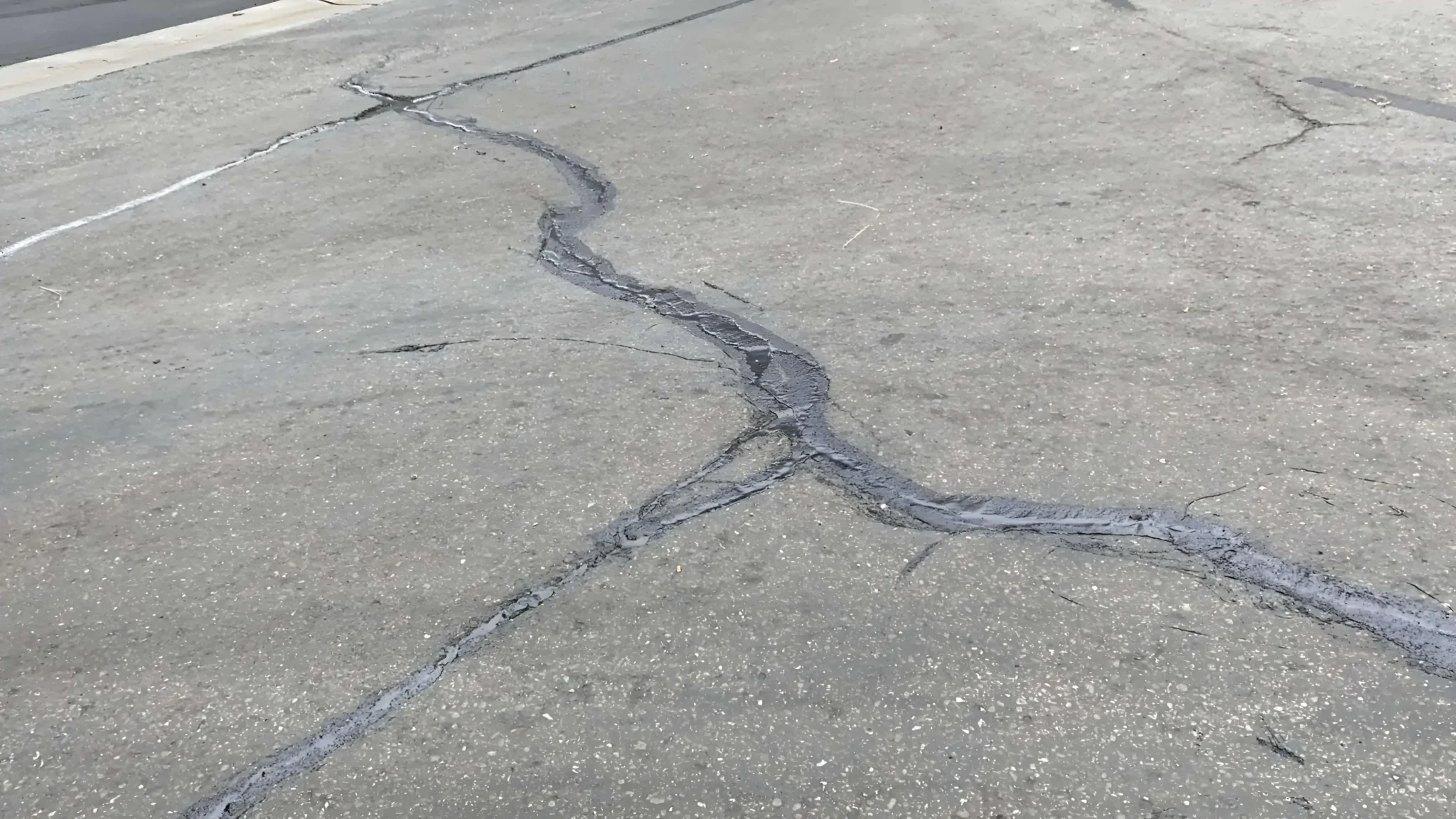
Spalling, on the other hand, refers to the breaking off of larger chunks of concrete, often creating deep, sharp-edged depressions or pits. Spalling typically occurs when internal stresses exceed the tensile strength of the concrete matrix. This internal pressure is most frequently driven by corroding steel reinforcement, severe thermal movement, or structural load stresses at joint interfaces.
Concrete Scaling: Causes, Depth, and Surface Signs
Concrete scaling occurs within the uppermost 1/16 to 1/4 inch of a slab’s surface. It manifests as a patchy, rough texture where the smooth, finished cement paste has eroded, exposing the sand and aggregate particles underneath. Over time, continued traffic and weathering can cause scaling to spread laterally across the surface.
The primary drivers behind concrete scaling include:
- Premature Finishing: Troweling or finishing the concrete while bleed water is still rising to the surface traps water beneath the top layer, drastically increasing the water-cement ratio at the surface and weakening the cement paste bond.
- Freeze-Thaw Cycles: Water trapped inside the porous surface paste expands by approximately 9% upon freezing, exerting hydraulic pressures that breach the weak surface layer.
- Deicing Chemicals: Application of deicing salts lowers the freezing point of water, increasing the frequency of rapid freeze-thaw cycles and accelerating chemical moisture absorption.
- Inadequate Curing: Skipping proper moist curing or curing compounds prevents the surface paste from reaching its full compressive strength, leaving it susceptible to early weathering.
Concrete Spalling: Causes, Structural Risks, and Internal Corrosion
Concrete spalling is a deeper, more severe form of failure that penetrates past the surface paste into the body of the slab, frequently reaching a depth of several inches. Left unaddressed, spalling poses significant trip-and-fall liabilities for commercial parking lots and can compromise structural integrity.
The primary causes of concrete spalling include:
- Rebar Corrosion (Passivation Layer Breakdown): When moisture, carbonation, or chlorides penetrate the concrete to the depth of internal reinforcing steel, the steel corrodes and oxidizes. As iron turns to rust, it expands up to six times its original volume, generating internal tensile pressures exceeding 4,000 to 10,000 psi that shear off the outer concrete cover.
- Joint Failure: Inadequate expansion joints or misaligned load transfer dowels cause adjacent slabs to press against one another during thermal expansion, causing localized spalling along slab edges.
- Impact and Excessive Loading: Heavy commercial vehicles driving over unreinforced slab edges or damaged joints can physically shear off concrete fragments.
Comparison: Scaling vs Spalling Diagnostic Matrix
| Diagnostic Feature | Concrete Scaling | Concrete Spalling |
|---|---|---|
| Typical Damage Depth | Shallow (1/16″ to 1/4″) | Deep (1/2″ to several inches; reaching rebar) |
| Surface Appearance | Peeling cement paste; exposed sand/aggregate | Deep pits, jagged cavities, delaminated chunks |
| Primary Root Cause | High water-cement ratio at surface, freeze-thaw | Rebar corrosion expansion, joint lock, heavy impact |
| Structural Impact | Aesthetic/surface durability issue | Structural integrity risk; trip-and-fall hazard |
| Repair Complexity | Low to moderate (grinding, thin overlays) | Moderate to high (saw-cutting, rebar treatment, pour) |
Repair Strategies for Commercial Concrete Surfaces
Selecting the proper repair protocol depends on accurately assessing damage depth and structural stability. Applying a thin cosmetic coating over active spalling will fail rapidly because it does not address the underlying expansive forces of corroding steel or joint stress.
Remediation for Concrete Scaling
For shallow scaling where the underlying concrete remains sound:
- Mechanical Preparation: Shot-blasting or scarifying the surface removes all loose, unbonded cement paste.
- Penetrating Silane/Siloxane Sealers: Applied to prevent moisture penetration while allowing the slab to breathe.
- Micro-Topping or Polymer Overlay: Thin, high-strength polymer-modified cementitious overlays can be applied to restore a smooth, durable finish without raising surface elevation significantly. Addressing these surface issues early prevents progression into broader common pavement problems.

Remediation for Concrete Spalling
When spalling involves deep cavities or exposed reinforcement such as in heavy traffic zones, loading docks, or damaged concrete curbs:
- Perimeter Saw-Cutting: Rectangular cuts are made at least 1/2 inch deep around the damaged area to prevent feather-edge failures.
- Concrete Removal: Chipping away unsound concrete until sound, uncarbonated aggregate is exposed.
- Rebar Treatment: Exposing corroded rebar, removing rust via wire brushing or sandblasting, and applying an anti-corrosion zinc/epoxy coating.
- Full-Depth Patching: Filling the cavity with high-strength structural repair mortar or concrete with matching thermal expansion properties.
For commercial properties requiring comprehensive evaluation and durable remediation, partnering with experienced specialists in concrete paving in California ensures all repairs comply with local structural and Caltrans standards.