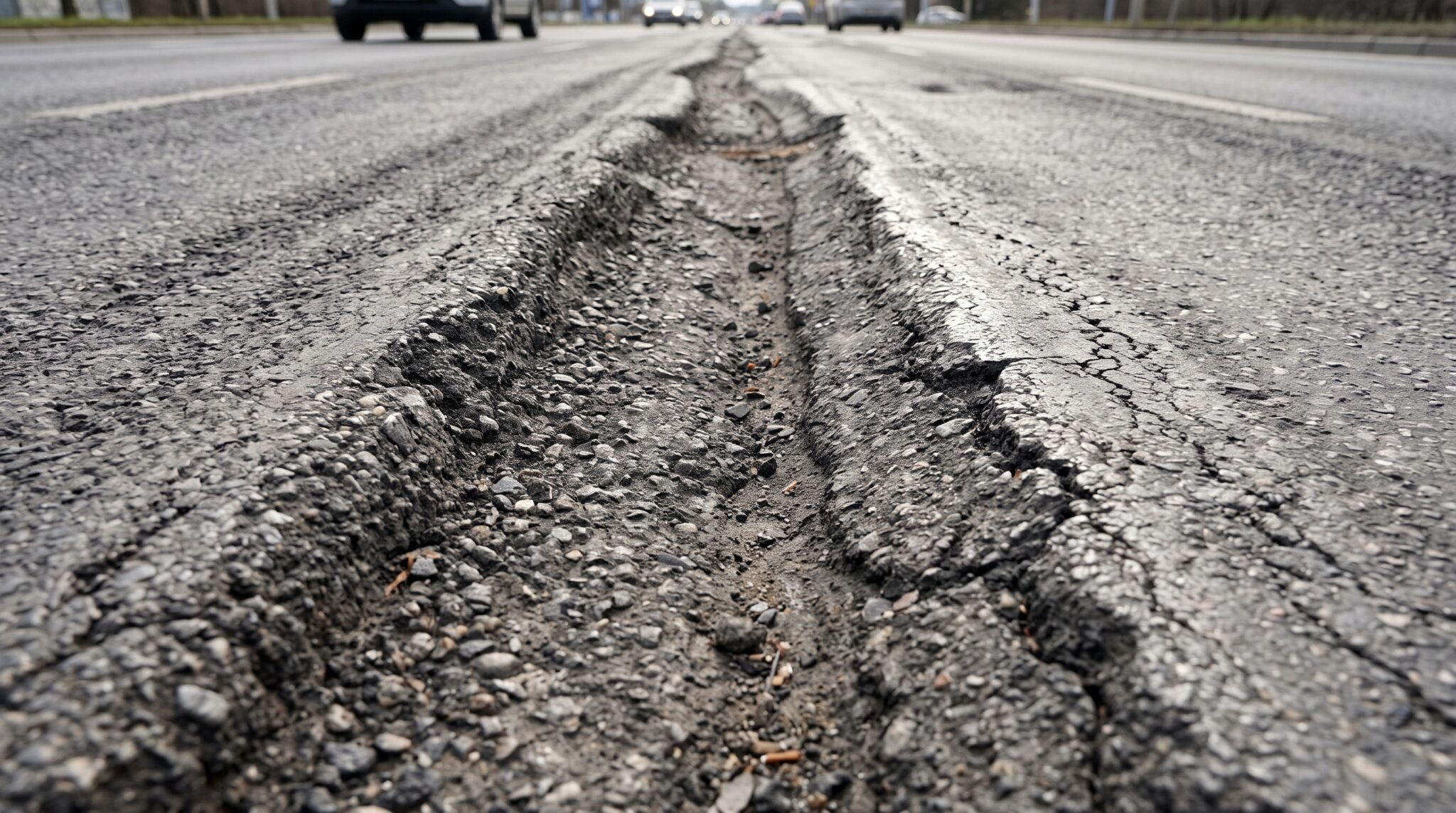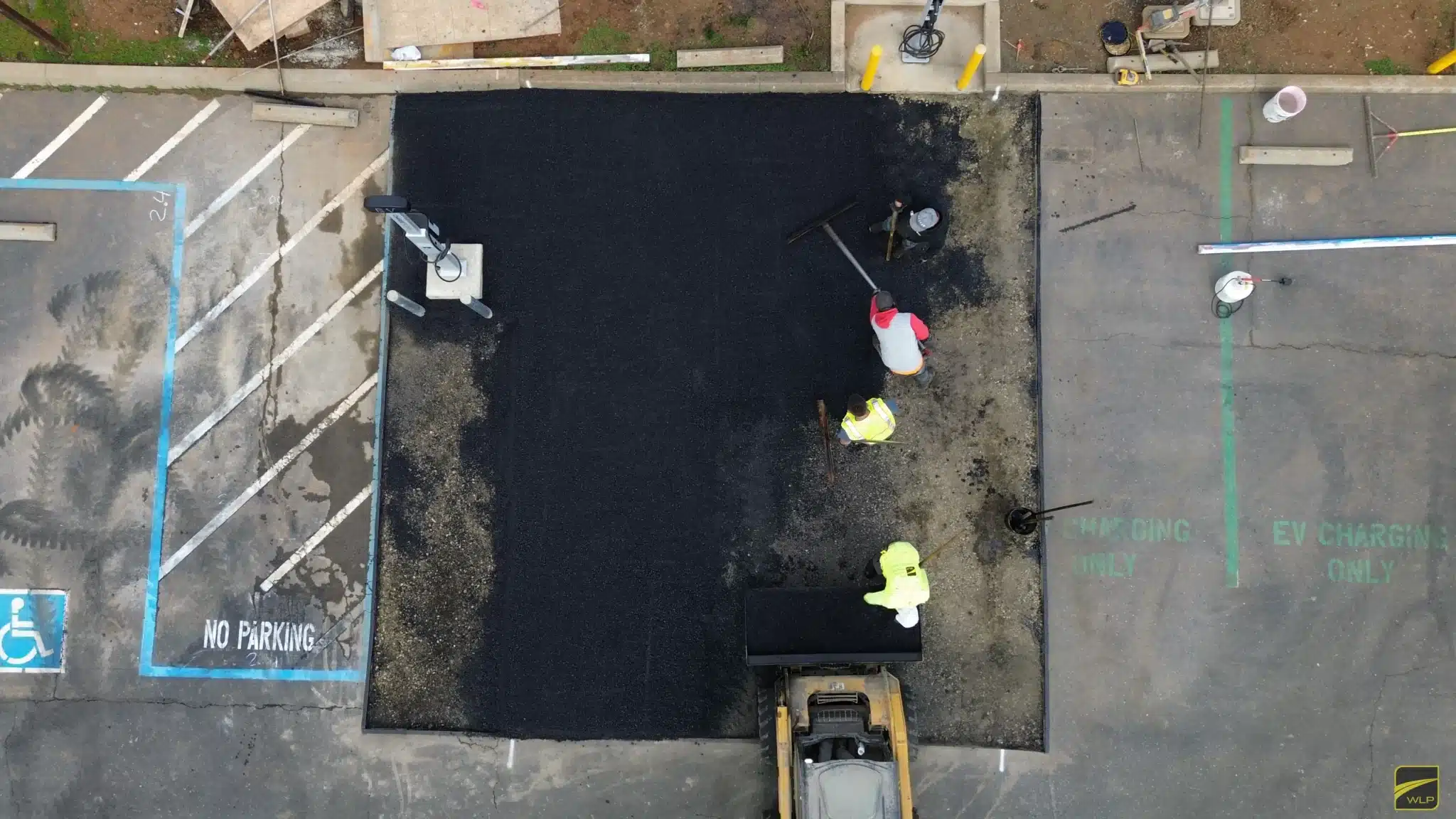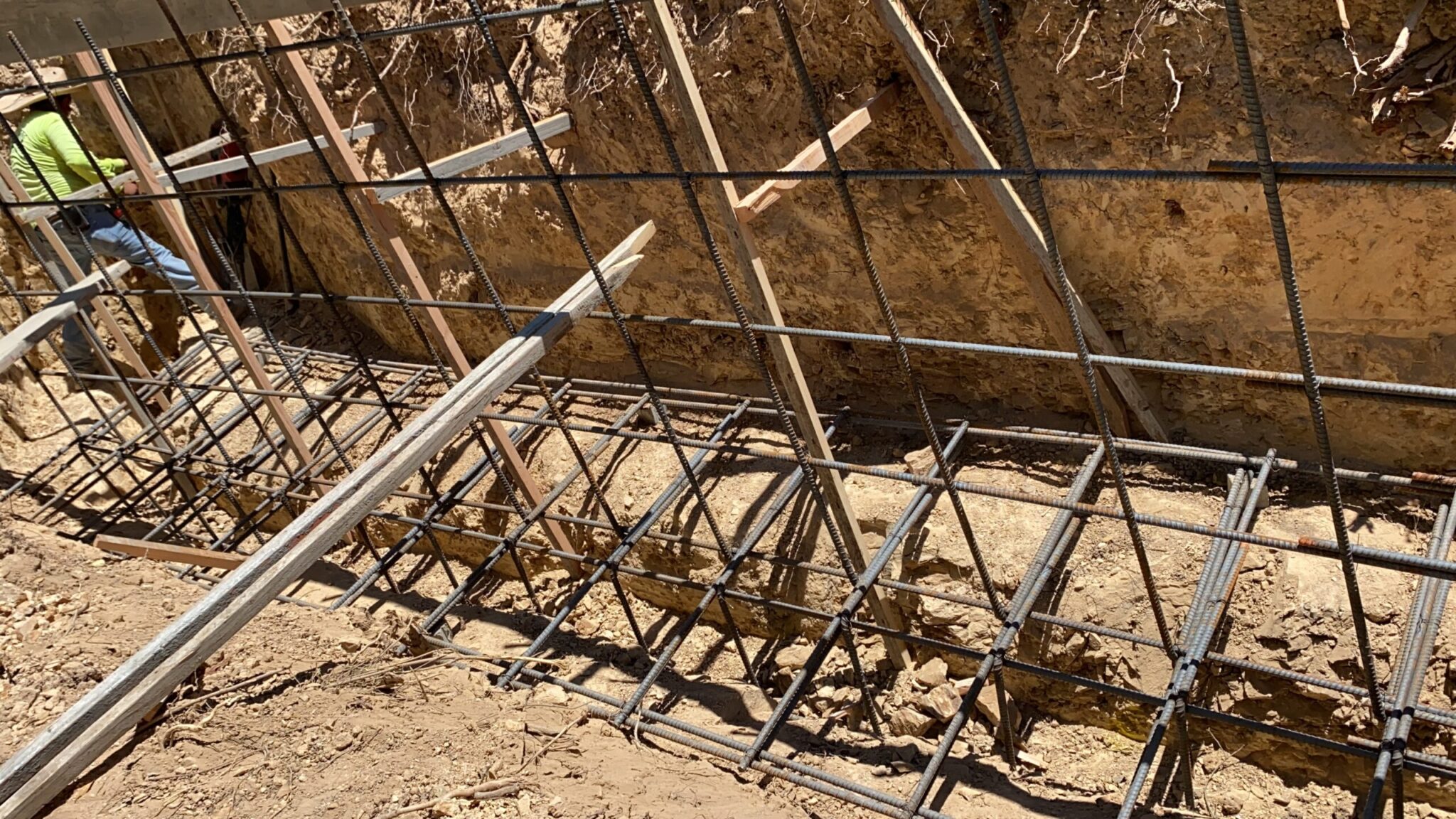
The rebar used in concrete slabs absorbs tensile forces and shear stress within a concrete slab. Concrete handles compressive downward loads exceptionally well but fractures immediately under bending or stretching forces. Steel reinforcement acts as the internal tensile skeleton, transforming a brittle stone material into a composite structural slab capable of bending slightly without snapping under heavy vehicle weight. Without this internal steel framework, commercial concrete panels subjected to dynamic traffic loads would shatter into isolated blocks under their own weight and the pressure of the soil below.
The physical synergy between these two building materials relies on nearly identical thermal expansion properties. Both concrete and steel expand and contract at approximately 6.5 millionths of an inch per degree Fahrenheit. This exact physical parity ensures that extreme summer heat or freezing winter weather does not cause the steel to break its bond and shear away from the surrounding cement matrix. When temperatures fluctuate across Northern California, the concrete and the steel grid move together as a single cohesive structural unit.
A persistent construction myth claims that steel reinforcement stops concrete from cracking completely. In reality, all concrete shrinks and develops microscopic cracks as water evaporates during the curing process. Deformed steel bars, governed by manufacturing standards like ASTM A615 for standard carbon steel and ASTM A706 for weldable low alloy steel, feature surface ridges that grip the cement paste tightly. When a shrinkage crack inevitably forms, the rebar holds the fractured pieces tightly together, maintaining aggregate interlock across the fissure and preserving the structural integrity of the entire paved panel.
Commercial Paving Applications Requiring Steel Reinforcement
Commercial concrete paving and structural flatwork require dense steel reinforcement wherever repeated dynamic loads or concentrated point loads occur. Commercial dumpster pads represent the absolute most critical application for heavy duty rebar grids in property management. When front loading garbage trucks lift heavy steel bins, the entire weight of the commercial vehicle and the loaded container transfers directly to the front steering axles, exerting massive downward pressure on a very small tire footprint. An unreinforced concrete pad will crack and collapse into the subgrade after only a few months of this concentrated abuse.
Loading docks, warehouse logistics yards, and commercial access ramps face similar destructive forces from tandem axle delivery trucks braking and accelerating on an incline. The horizontal shear forces generated by a braking tractor trailer will tear unreinforced concrete apart at the surface level. Additionally, trailer landing gear drops immense static point loads directly onto the pavement. A tightly spaced grid of Grade 60 rebar absorbs these horizontal and vertical stresses, distributing the vehicle weight across the entire concrete panel and preventing the slab from breaking under the concentrated pressure.
Conversely, light pedestrian walkways, residential sidewalks, or outdoor seating patios do not typically require thick structural rebar grids. These landscape elements endure only foot traffic and bear minimal flexural stress from above. Specifying heavy steel grids for pedestrian sidewalks wastes project budget without providing measurable longevity improvements. However, omitting structural steel in a heavy loading zone or commercial driveway guarantees a catastrophic pavement failure within the first year of operation, requiring extremely expensive demolition and reconstruction.

Deformed Tie Bars vs Smooth Dowel Bars in Concrete Joints
Deformed tie bars lock adjacent concrete panels together to prevent them from separating horizontally or faulting vertically. Construction crews place these ridged bars across longitudinal joints where the engineering design requires absolute structural continuity. The surface ridges anchor deeply into the cured concrete on both sides, ensuring that if the underlying soil settles unevenly, the two slabs remain perfectly flush. This rigid connection eliminates trip hazards and preserves a smooth driving surface across multiple concrete lanes.
Smooth dowel bars perform the exact opposite function at transverse expansion joints and control joints. These thick, unridged steel bars transfer vertical shear loads across the gap when a heavy vehicle tire passes from one slab to the next, preventing the slab edge from sinking. However, they must allow the concrete panels to expand and contract independently along a horizontal plane. Installers coat half of the smooth dowel bar with a bond breaking grease or place it inside a sliding plastic sleeve, allowing the steel to slip in and out of the adjacent concrete smoothly as temperature changes cause the slab to shrink and grow.
Placing deformed rebar across an active expansion joint creates a severe and expensive structural defect. Because the ridged steel locks both slabs together permanently, the concrete cannot expand naturally during extreme summer heat. The trapped thermal energy builds along the joint until it shatters the edges of the concrete panels, causing severe joint spalling and structural disintegration. Understanding the precise mechanical difference between rigid load tying and flexible load transfer dictates long term pavement durability.
Installation Elevation Rebar Chairs and Concrete Cover Standards
Rebar laid directly on the dirt during a concrete pour provides zero tensile support and compromises the entire pavement structure. Steel reinforcement must sit in the middle or the upper third of the slab depth to resist the bending forces applied by vehicle tires pressing down from above. If the steel grid rests flat on the subgrade, the bottom of the concrete panel lacks reinforcement exactly where tensile stretching forces are most extreme, causing the slab to crack violently and fail under the very first heavy load.
Construction crews must elevate the steel grid using plastic rebar chairs or precast concrete dobies before ordering the ready mix concrete trucks. This elevation ensures the steel receives the required clear concrete cover dictated by ACI 318 structural engineering standards. The building code mandates a strict minimum of 3 inches of solid concrete cover when steel is cast directly against the natural earth, and 1.5 to 2 inches of concrete cover when poured over a prepared subgrade preparation and stable base grading. This cover protects the steel within the highly alkaline environment of the cement paste.
Failing to provide adequate concrete cover leads directly to rapid internal corrosion and pavement destruction. When steel sits too close to the surface or touches damp underlying soil, moisture and oxygen penetrate the porous concrete matrix and rust the rebar. Oxidizing steel expands up to four times its original physical volume, generating massive internal pressure that literally blows the surface off the concrete slab.
Rebar vs Welded Wire Mesh and Synthetic Fibers
Rebar provides active structural load bearing capacity, whereas welded wire mesh serves primarily to hold cracked concrete pieces together after they fracture. Wire mesh consists of thin steel wires welded in a broad grid pattern and delivered in rolls or flat sheets. While it helps keep temperature shrinkage cracks tight, it lacks the cross sectional mass and yield strength required to support heavy commercial truck traffic. Structural engineers specify wire mesh for light duty driveways and specify thick Grade 60 rebar for industrial areas managing heavy commercial logistics.
Synthetic microfibers and macrofibers are mixed directly into the wet concrete at the batch plant to reduce plastic shrinkage cracking during the initial curing phase. These thousands of tiny fibers intercept microscopic cracks as the concrete dries and shrinks rapidly, resulting in a smoother, more aesthetically pleasing surface finish. However, synthetic fibers offer absolutely zero structural tensile support against heavy vehicle loads. They cannot replace continuous steel reinforcement in a commercial pavement design that must support garbage trucks or delivery vehicles.
Property owners evaluating commercial paving bids must verify the exact type of reinforcement proposed by competing contractors. A contractor substituting structural rebar with synthetic fibers or thin wire mesh to lower the overall project cost delivers a fundamentally weaker slab. While fibers improve early surface durability, heavy axle traffic will quickly snap a fiber only slab in half. True pavement longevity requires combining surface fiber control with the unyielding tensile strength of a properly elevated steel rebar grid.
For facility managers and commercial developers evaluating new heavy duty slabs or replacing failed concrete panels, reviewing reinforcement specifications with the We Love Paving field operations team (CSLB Licensed #1049649, C12 Earthwork and Paving) ensures your project meets critical ACI load standards. Proper pavement joint sealing and maintenance programs further protect this internal steel from downward water intrusion, maximizing your infrastructure investment for decades.