What Is Asphalt Patching? Complete Guide for Commercial Property Owners

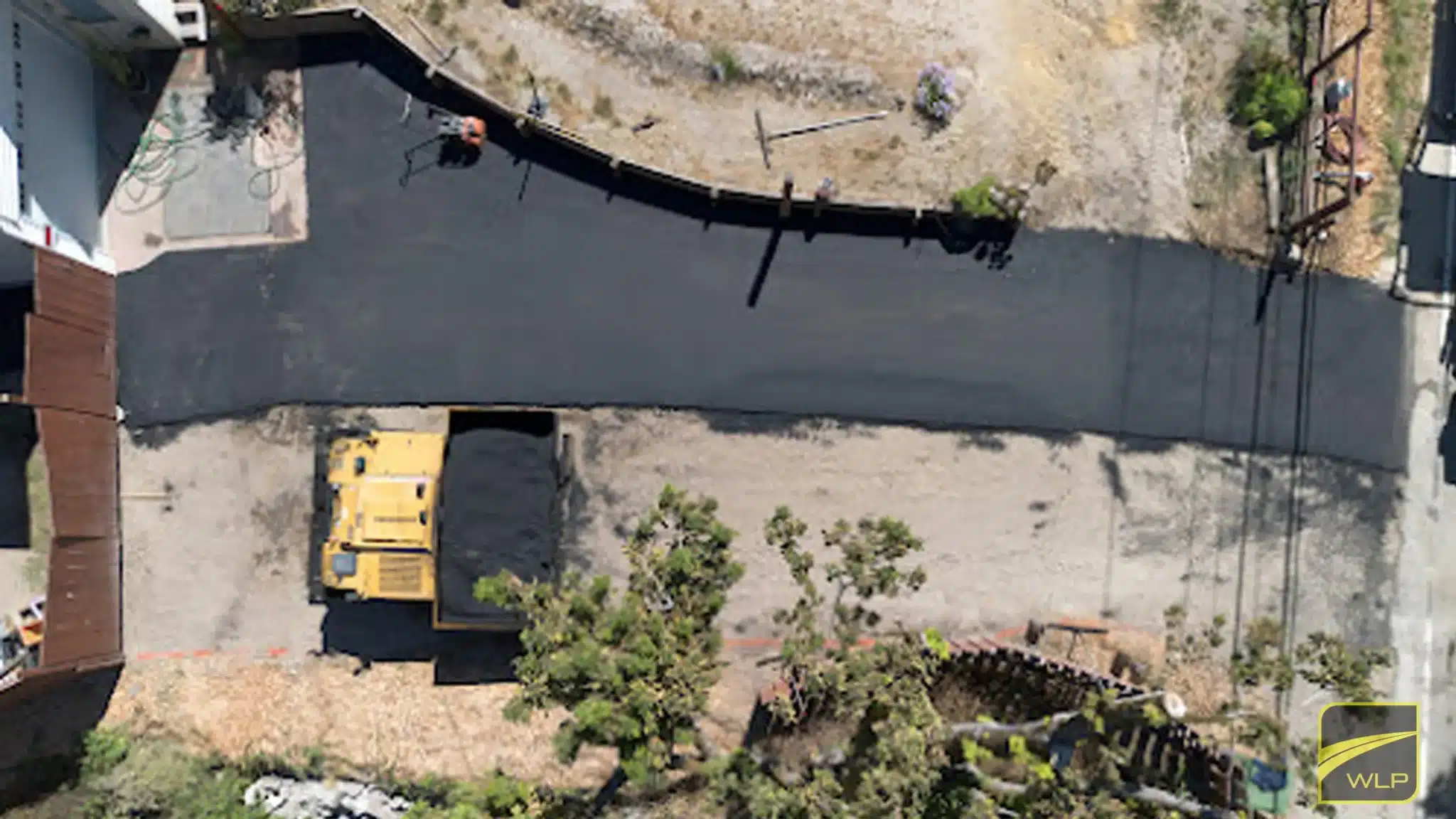
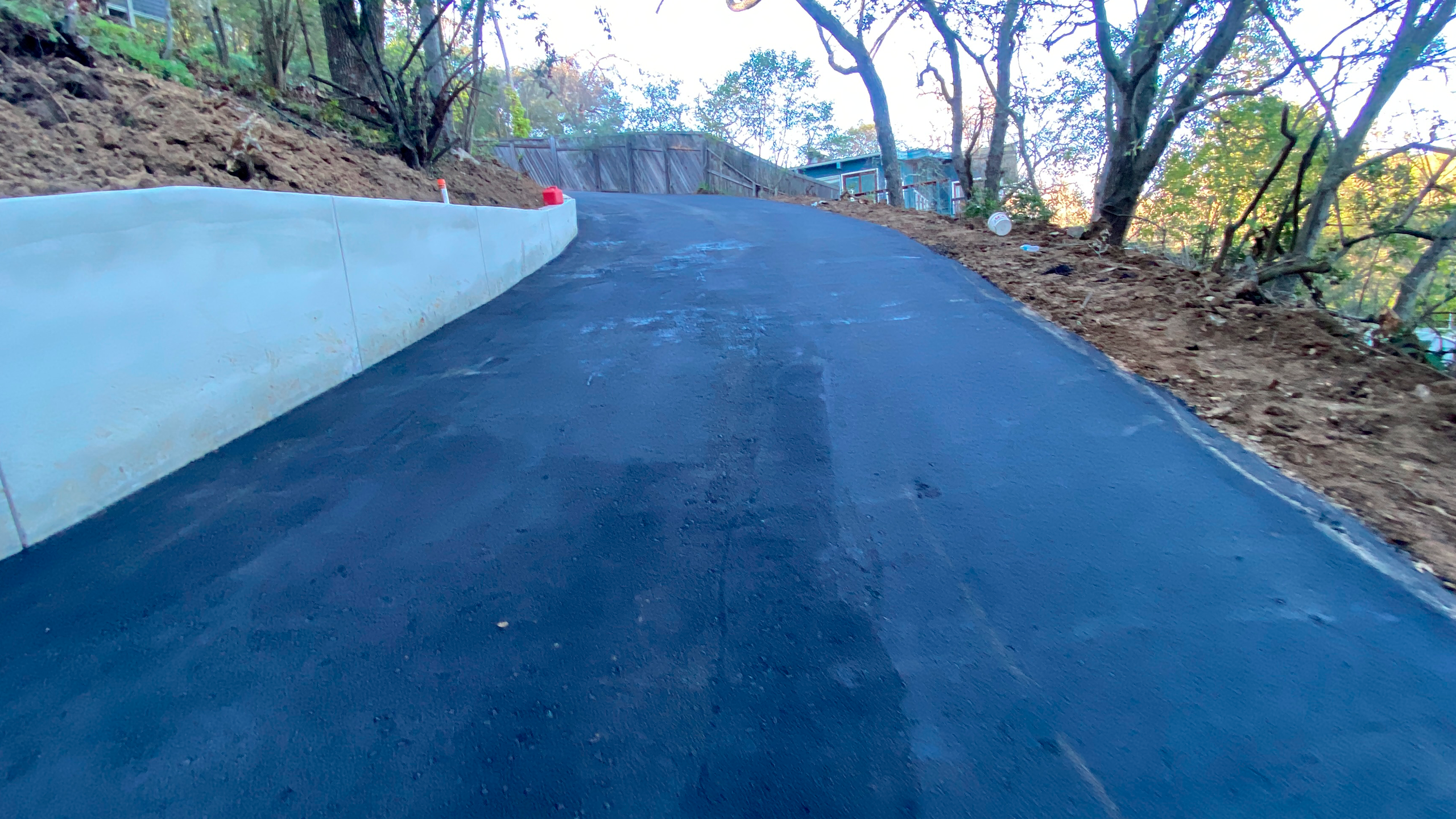
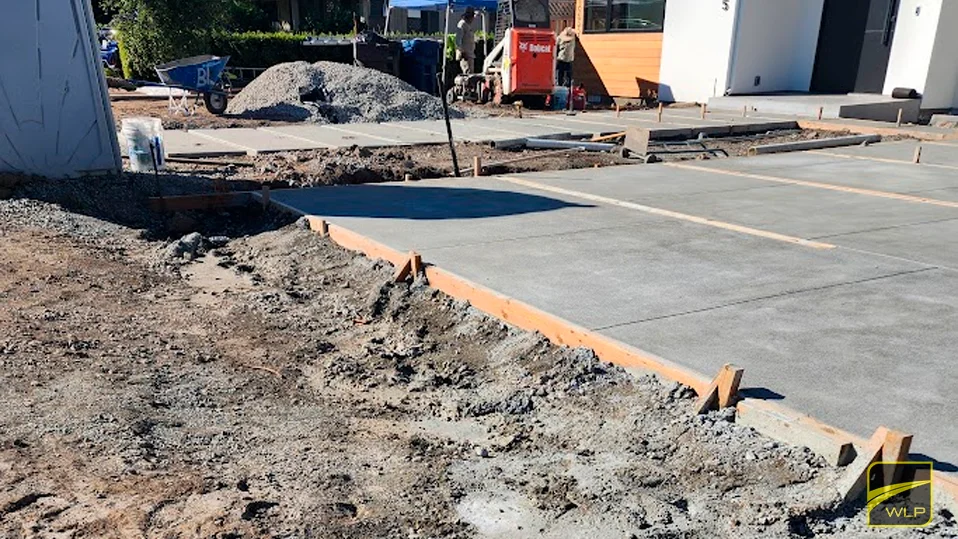
Quality paving materials used in Richmond projects. Premium asphalt and concrete by We Love Paving in Richmond, California.
Estimation Tools

Calculate costs in seconds

Fast, accurate estimates that help you close more jobs. Less guesswork, more profit.

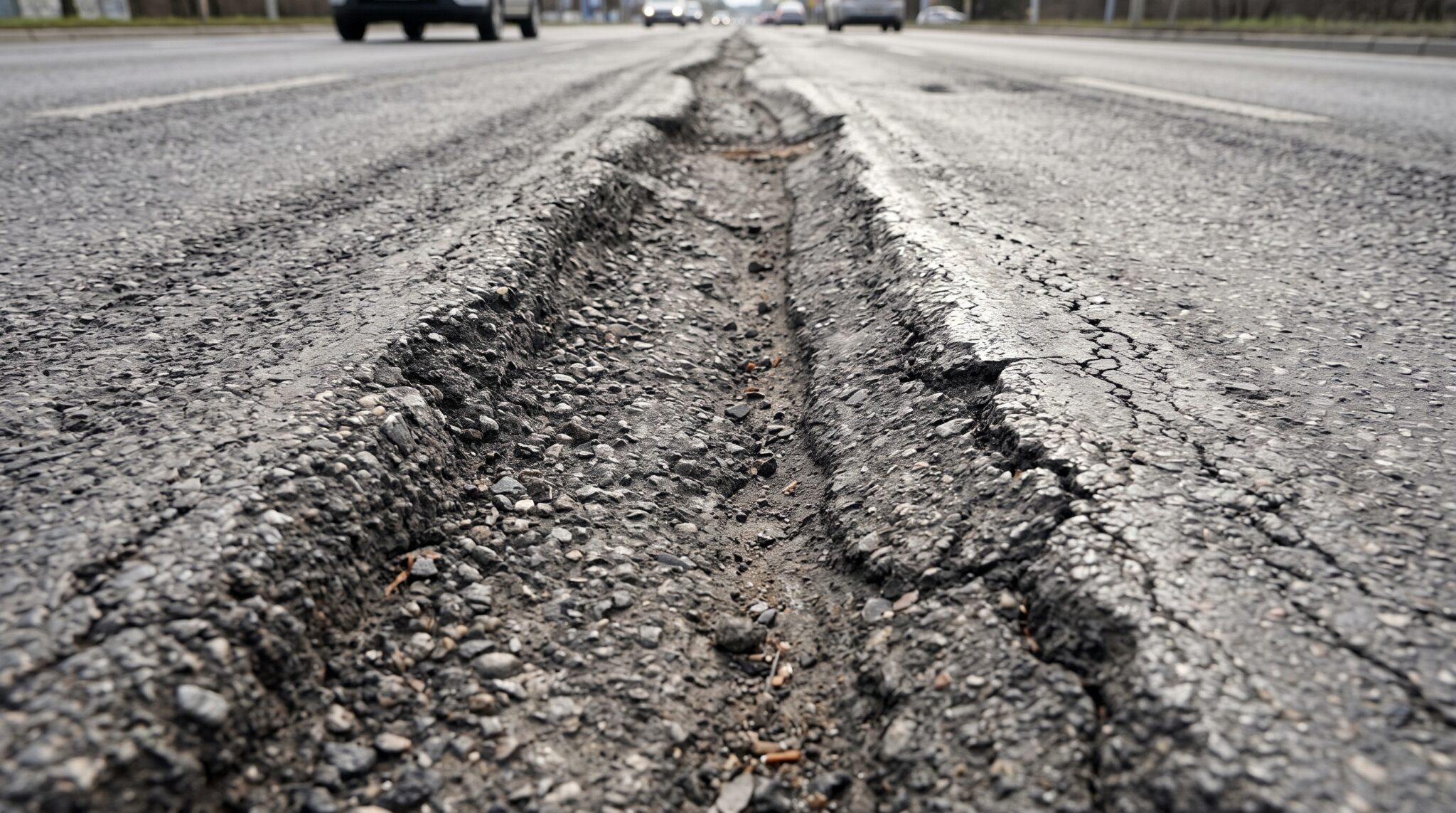
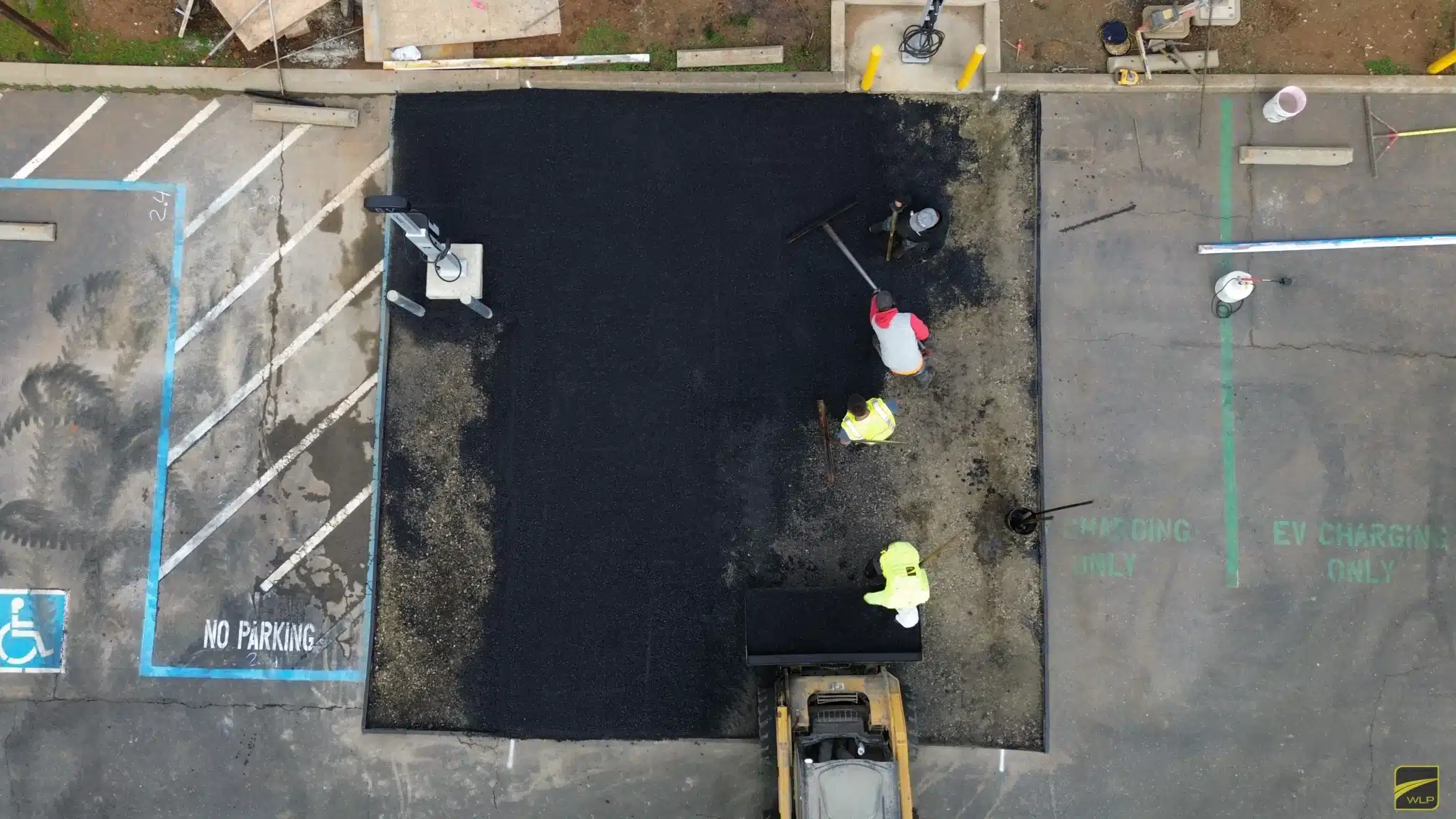
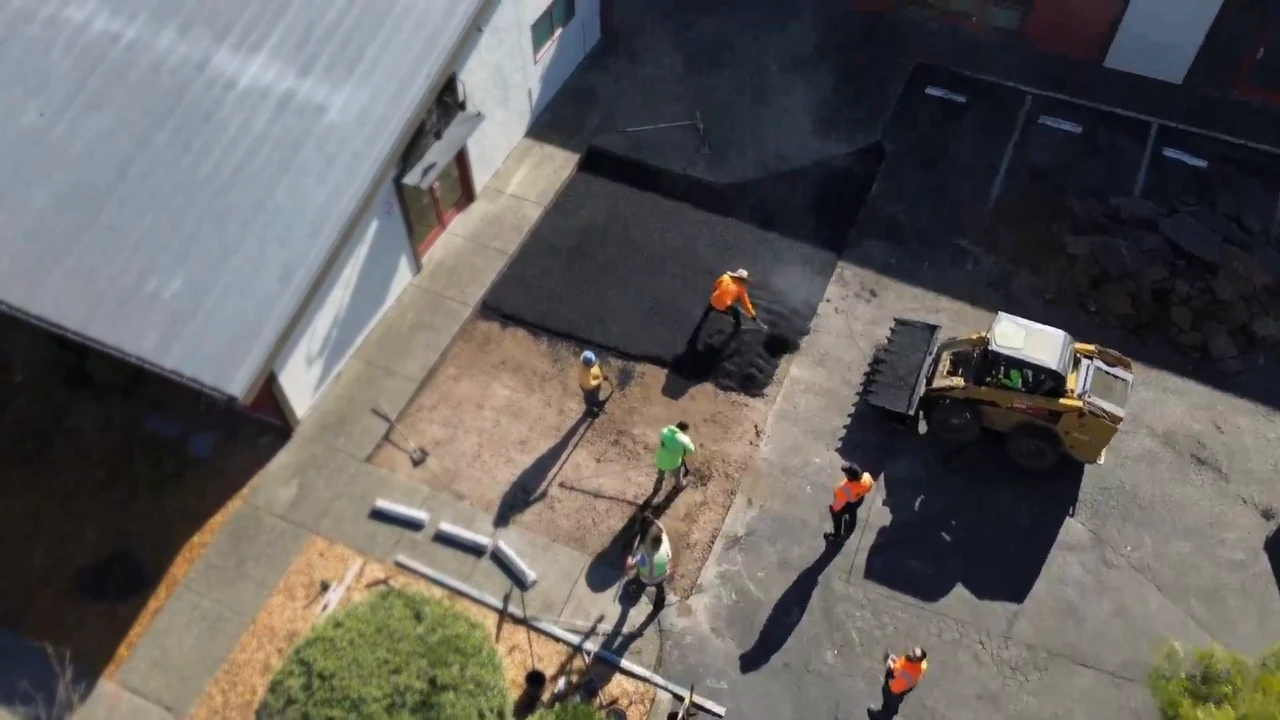
Asphalt patching is one of the most effective ways to repair damaged pavement without replacing the entire surface. It involves removing the deteriorated section of asphalt and replacing it with new material, restoring the integrity and safety of the pavement.

Whether you manage a commercial parking lotHOA, or municipal property, patching is an essential maintenance step that prevents costly replacements later.

Ignoring small cracks or potholes allows water to seep beneath the surface, weakening the base and causing larger failures.
By patching early, you:

  • Prevent water infiltration and structural damage
  • Extend the life of your asphalt pavement
  • Improve safety and appearance
  • Save money on future repairs

At We Love Paving, we help property managers and facility owners protect their investment through high-quality asphalt patching and resurfacing across the Bay Area and Sacramento.


Common Types of Asphalt Patching

1. Surface Patching

This method repairs shallow defects by applying new asphalt directly over the existing surface.
✅ Ideal for: minor depressions and surface cracks.
⚠️ Lifespan: temporary (6–12 months).

2. Remove & Replace (Full-Depth Patching)

The damaged section is saw-cut, excavated to the base, and replaced with new hot-mix asphalt.
✅ Ideal for: potholes, severe cracking, and base failures.
💪 Lifespan: 5–10 years.

3. Infrared Asphalt Repair

Uses infrared heat to blend new asphalt with the existing surface for a seamless finish.
✅ Ideal for: localized damage and cold-weather repairs.
🔥 Benefits: faster, cost-efficient, and eco-friendly.

4. Skin Patching

Applies a thin layer of asphalt to smooth surface irregularities.
✅ Ideal for: short-term fixes before resurfacing or sealcoating.


How Much Does Asphalt Patching Cost?

The cost depends on the size, depth, and location of the repair. On average:

  • Small patches (1–2 sq ft): $150–$250 each
  • Medium patches (3–6 sq ft): $300–$600 each
  • Larger sections (>10 sq ft): $5–$10 per sq ft

💡 Tip: Performing annual inspections and addressing minor patches early can cut your long-term paving costs by up to 40%.


Best Time of Year for Asphalt Patching in California

Spring and early summer are optimal for asphalt patching in California, thanks to dry weather and stable temperatures.
However, infrared repairs allow WLP to perform high-quality patches even during colder months.


How Asphalt Patching Supports ADA Compliance

Cracked or uneven pavement can cause accessibility issues and potential ADA violations.
By maintaining smooth surfaces and level transitions, asphalt patching keeps your property safe and compliant with ADA accessibility standards.


When to Call We Love Paving

You should schedule a professional inspection if you notice:

  • Potholes or depressions
  • Uneven surfaces or standing water
  • Alligator cracking
  • Areas that crumble under traffic

We’ll assess the damage, recommend the right repair method, and deliver a long-lasting solution.


Why Choose We Love Paving

  • Local California experts with decades of experience
  • Commercial-grade materials and equipment
  • ADA-compliant repairs and detailed site reports
  • Fast turnaround and guaranteed quality

Get a Free Asphalt Inspection

If you’re seeing cracks, potholes, or fading asphalt, don’t wait until it becomes a costly reconstruction.
👉 Contact We Love Paving today for a free on-site inspection and quote.
We proudly serve Sacramento, the Bay Area, and surrounding cities with quality you can see and trust.

Need Immediate Help?

Let's Talk About Your Project

Don't wait until minor damage turns into major expenses. Our team of experts is ready to provide you with guaranteed solutions. Contact us now for direct advice from a professional.

Frequently Asked Questions (FAQ)

Got Questions? Find Your Answers Here!!

What is asphalt patching and when is it used?

Asphalt patching is a repair method that removes damaged pavement sections and replaces them with new asphalt to restore safety and function. It is commonly used for potholes, severe cracks, and localized deterioration without replacing the entire surface.

What types of asphalt patching are used in commercial projects?

There are two main types: surface patching for temporary fixes and full-depth “remove and replace” patching for structural repairs. The latter provides longer durability and is typically used in commercial properties with regular traffic loads.

Why is asphalt patching critical to prevent major repairs?

Patching stops deterioration by addressing damaged areas before water and traffic weaken the base. A small pothole can expand quickly if ignored, increasing repair scope and cost significantly over time.

What is the difference between asphalt patching and resurfacing?

Patching fixes localized damage, while resurfacing applies a new layer across the entire pavement. Patching is faster and more cost-effective but only works when structural damage is limited to specific areas.

What happens if asphalt patching is delayed?

Delaying patching allows water to penetrate the base, weakening the structure and accelerating failure. This can turn minor localized damage into widespread deterioration, requiring full reconstruction instead of low-cost repairs.

Professional customer review project by We Love Paving in Northern California, California. Verified local construction quality.

Fred / Founder

Fred, Founder and Regional Operations Manager at We Love Paving, comes from a family that values hard work and discipline. Growing up watching his parents work long hours with integrity and dedication, Fred learned early on that quality paving isn’t just about asphalt, it’s about consistency, accountability, and doing the job right.

Share

Posts That Might Interest You

The Cost of Asphalt Cutting Per Linear Foot: What to Expect

The Cost of Asphalt Cutting Per Linear Foot: What to Expect

May 28, 2026

When it comes to construction and repair projects, asphalt cutting is often a necessary task, whether for roadworks, driveways, or other paved surfaces. Understanding the cost involved in asphalt cutting per linear foot can help you budget more accurately for your project. This article will break down the factors affecting these costs and provide a

Parking Lot Maintenance Checklist by Season

Parking Lot Maintenance Checklist by Season

May 27, 2026

A checklist earns its place when it helps a manager make a decision later. For a Northern California retail center, that decision might come after the first winter storm, when water still sits along the curb near the front stalls. For an office property, it might come in late summer, when the exposed drive aisle

Does Asphalt Need to Be Sealed? Read the Surface Before You Decide

Does Asphalt Need to Be Sealed? Read the Surface Before You Decide

May 27, 2026

A parking lot can look ready for sealcoating from the sidewalk and still be a poor candidate up close. The color has faded. The asphalt has turned gray. The owner wants a cleaner surface before tenants complain or customers notice the lot looking tired. Then someone walks the drive aisle and finds a different story:

Pavement Asset Management for Property Managers

Pavement Asset Management for Property Managers

May 27, 2026

A parking lot budget usually becomes uncomfortable long before the asphalt fails completely. The entrance patch is still holding, but the edge is separating again. The back drive aisle looks rough, yet tenants rarely use it. The front visitor stalls are faded enough to draw complaints. A low area near the drain stayed wet after

Next

Estimation Tools

Calculate costs in seconds

Fast, accurate estimates that help you close more jobs. Less guesswork, more profit.