Top 5 Safety Hazards in Commercial Parking Lots (and How to Fix Them)

We Love Paving services in Mountain View. Professional paving contractor serving Mountain View and Downtown San Jose areas.
Estimation Tools

Calculate costs in seconds

Fast, accurate estimates that help you close more jobs. Less guesswork, more profit.

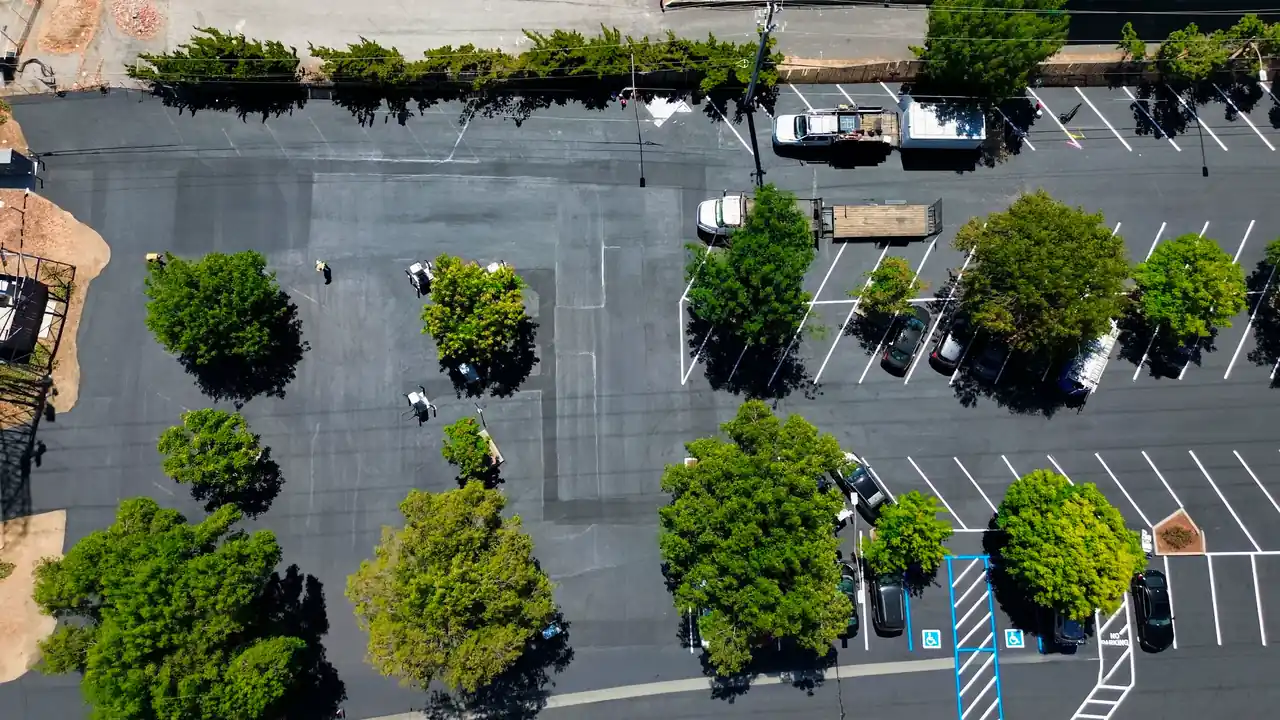
Your parking lot is more than a place to park — it’s the first and last part of your property that every visitor experiences.
And if it’s not maintained properly, it can quickly become a liability nightmare.

From trip hazards to poor visibility, these seemingly small issues can lead to accidents, lawsuits, and damaged reputations.
Here are the top 5 safety hazards we see every week — and how to fix them before they cost you thousands.


1️⃣ Cracks, Potholes & Uneven Surfaces

The problem:
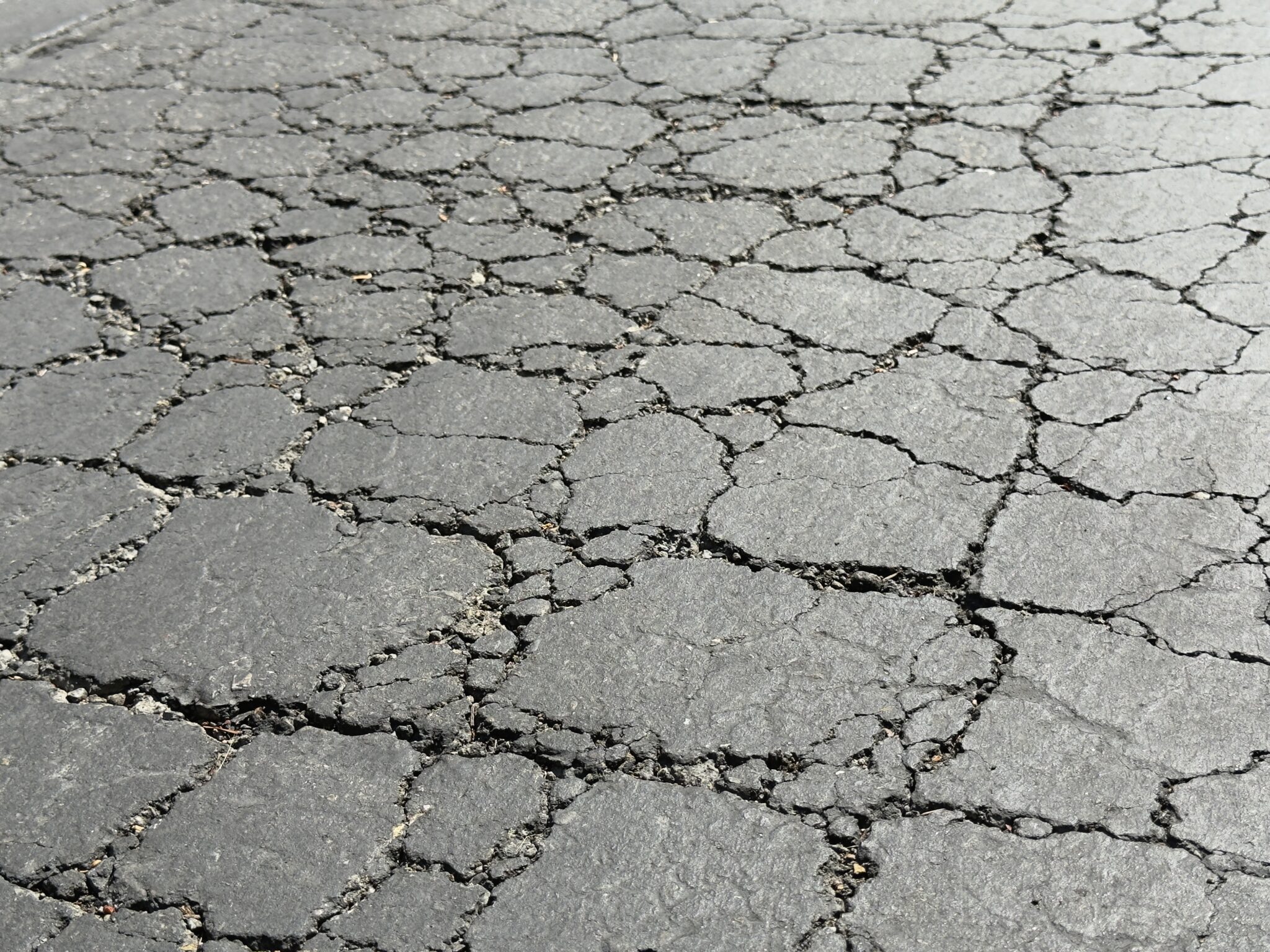
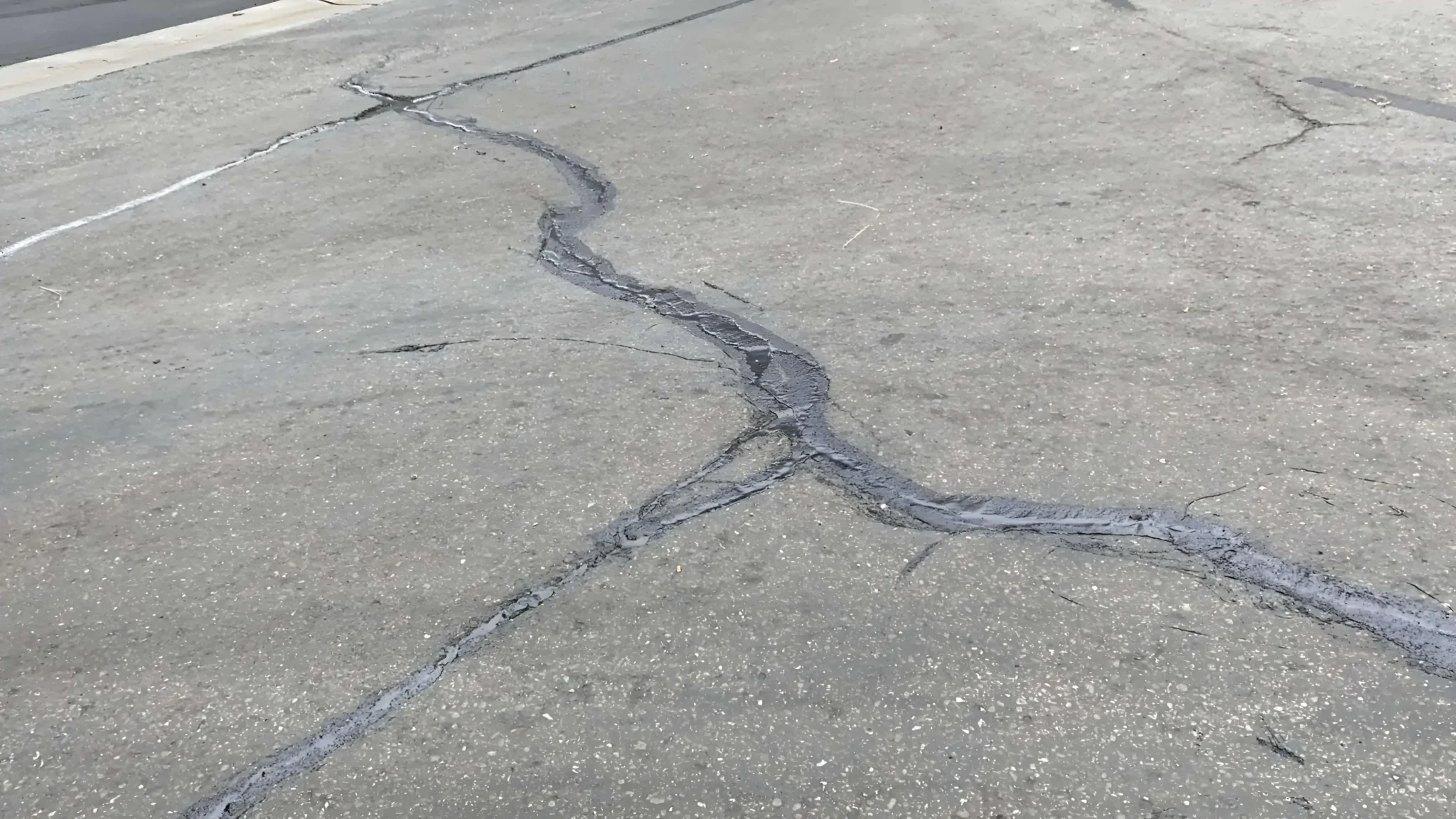
Pavement cracks and potholes form from water intrusion, heavy loads, and time.
They’re not just ugly — they create tripping hazards for pedestrians and vehicle damage risks for tenants and customers.

The fix:
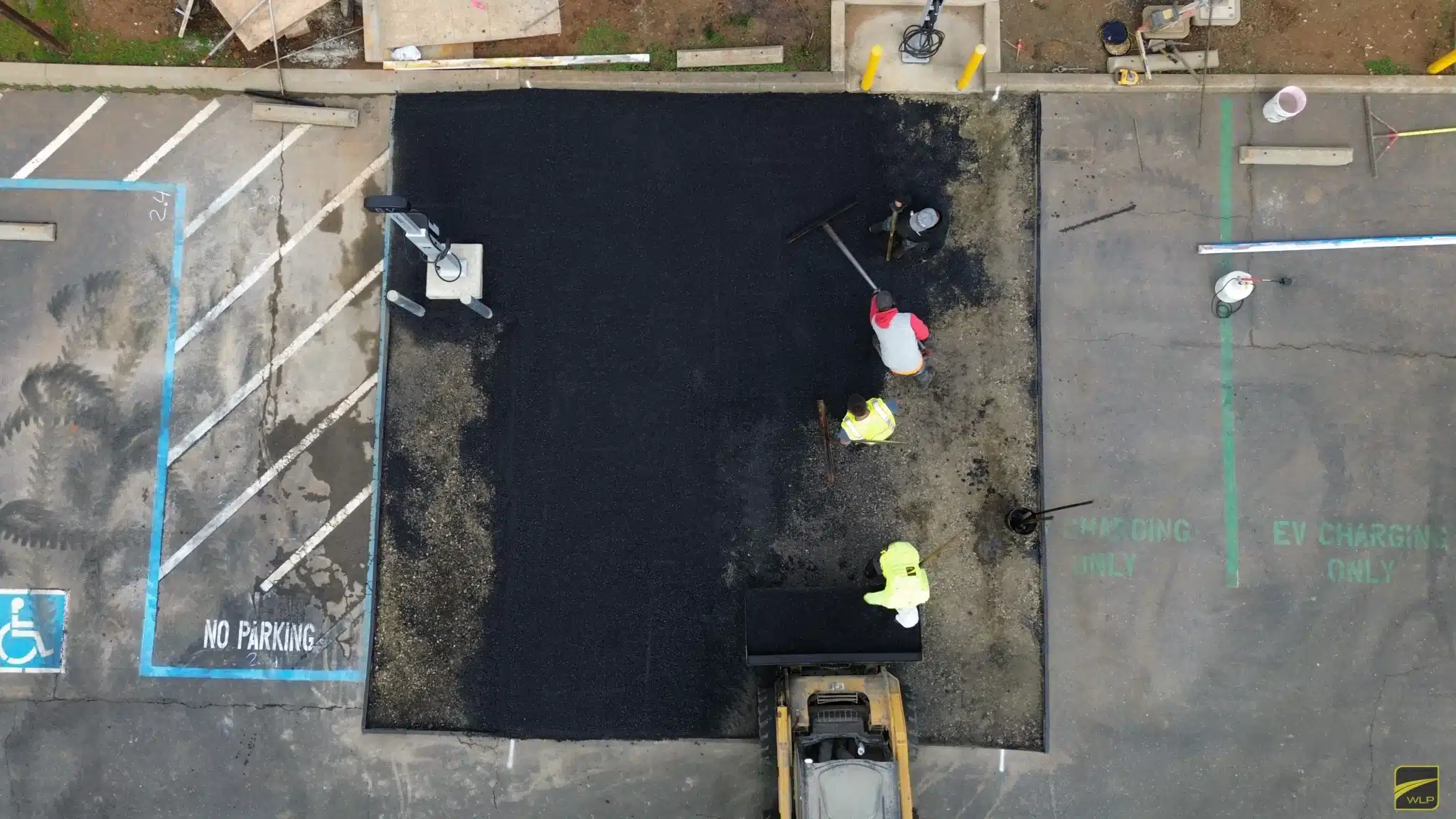
Crackfilling and patching immediately after noticing damage prevents water from spreading beneath the surface.
Sealcoating every 2–3 years protects against UV and weather deterioration.
Routine inspections help spot early-stage failures before they become liabilities.

Pro tip: The cost of a small patch today can save you from a full repave tomorrow.


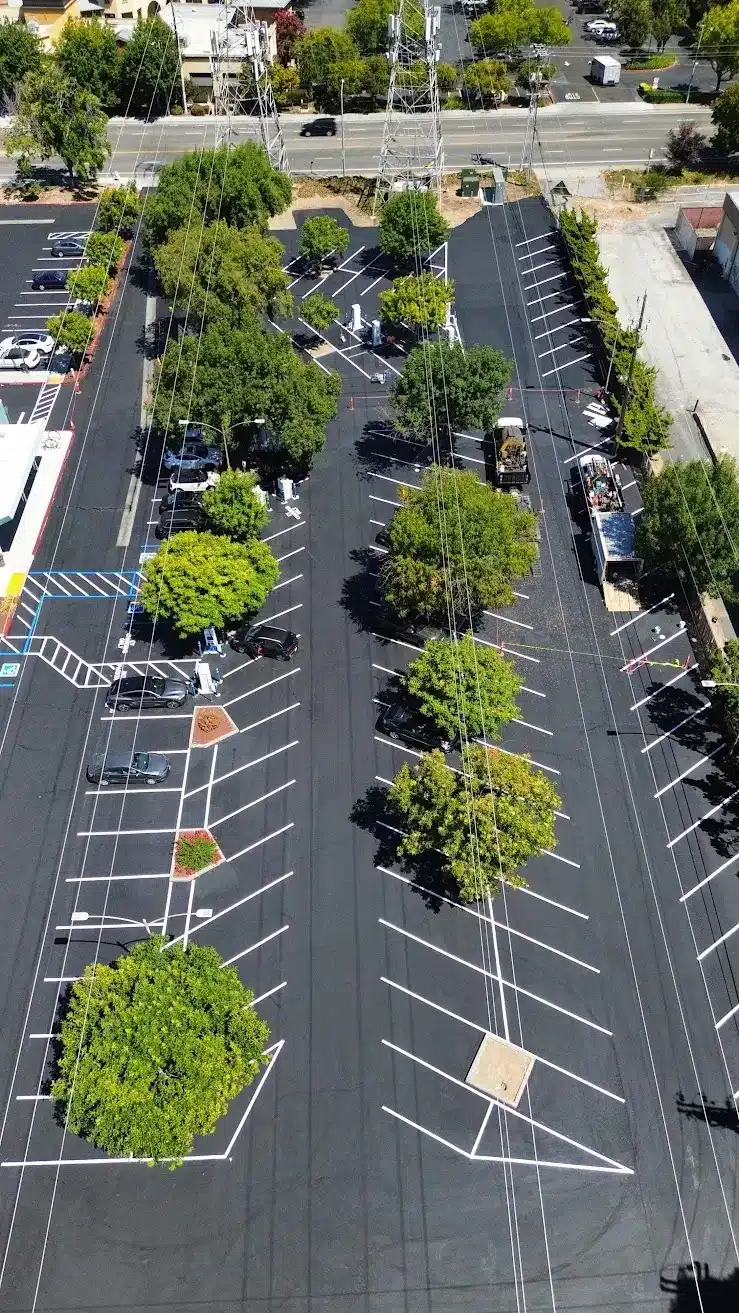
2️⃣ Faded Striping and Illegible Markings

The problem:
Over time, parking lines, arrows, and ADA symbols fade under UV exposure and traffic.
When that happens, drivers park incorrectly, pedestrians lose safe walkways, and accessibility compliance is lost.

The fix:
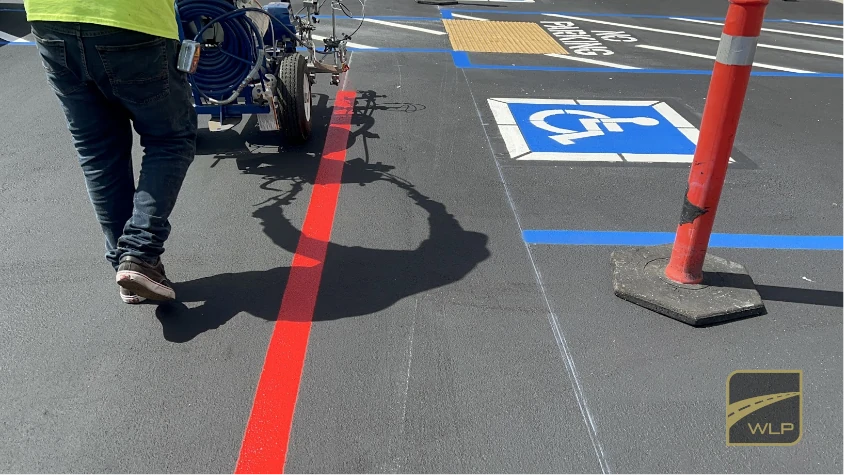
Restriping every 12–18 months maintains visibility and ADA compliance.
✅ Use high-visibility thermoplastic paint or premium traffic coatings that last longer.
✅ Ensure ADA stalls, loading zones, and directional flow are clearly marked.

Fresh striping not only prevents confusion — it also makes your property look clean and well-managed.


3️⃣ Poor Drainage & Standing Water

The problem:
Ponding or puddles might seem harmless, but they signal deeper drainage issues.
Standing water weakens the subbase, causes cracks to expand, and creates slippery areas for pedestrians.

The fix:
Regrade problem areas to ensure proper water flow.
✅ Clean and maintain catch basins and inlets regularly.
✅ Apply crack sealant to prevent water penetration during the rainy season.

Good drainage = long pavement life. It’s the most overlooked factor in asphalt durability.


4️⃣ Insufficient Lighting

The problem:
Dim or broken lights increase the risk of accidents, theft, and vandalism.
Even if your pavement is flawless, poor visibility makes people feel unsafe.

The fix:
Upgrade to LED lighting for energy efficiency and brightness.
✅ Ensure consistent coverage across drive lanes and walkways.
✅ Conduct quarterly lighting inspections to replace bulbs and test sensors.

Lighting is one of the simplest and cheapest ways to boost both safety and tenant satisfaction.


5️⃣ Lack of ADA Compliance

The problem:
Non-compliant slopes, missing signage, or faded handicap markings can lead to hefty fines and legal action.
It’s not just a legal issue — it’s about accessibility and inclusion.

The fix:
✅ Schedule an ADA compliance inspection with a certified paving contractor.
✅ Refresh signage, ramps, and striping regularly.
✅ Ensure access aisles, slope grades, and signage heights meet the latest standards (Title 24 & ADA 2025 updates).

ADA compliance isn’t optional — it’s peace of mind for property owners and tenants alike.


🧱 Keep Your Property Safe, Clean, and Liability-Free

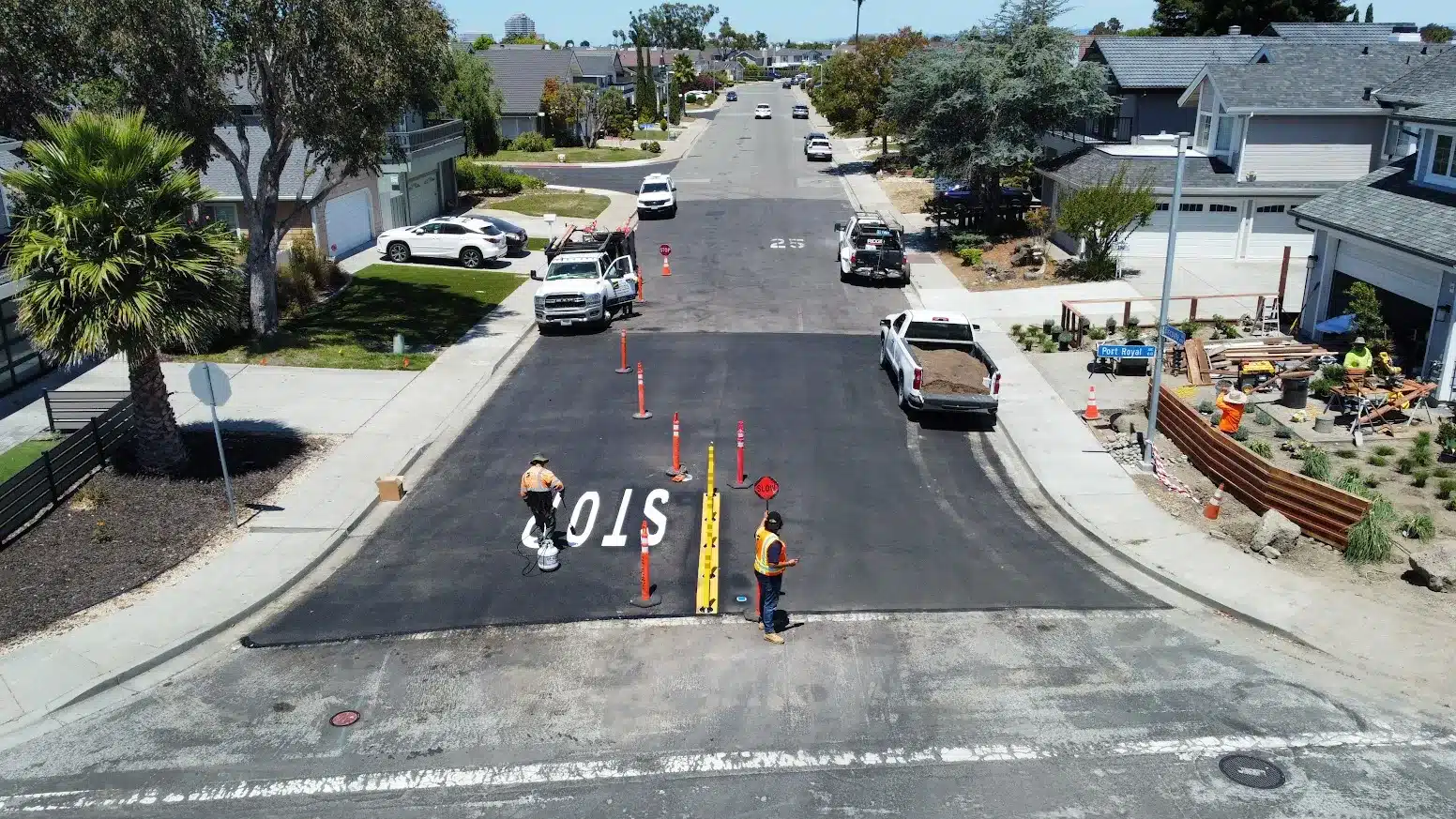
At We Love Paving, we help commercial property managers protect their investments through proactive maintenance and professional inspections.
From crack repair and sealcoating to ADA upgrades and restriping, our team ensures your parking lot stays safe, compliant, and visually appealing year-round.


💬 Schedule Your Free Property Safety Assessment

Get ahead of potential hazards before they turn into problems.
👉 Request Your Free Assessment and our experts will walk your site, identify risks, and provide a clear, actionable plan — at no cost.

Need Immediate Help?

Let's Talk About Your Project

Don't wait until minor damage turns into major expenses. Our team of experts is ready to provide you with guaranteed solutions. Contact us now for direct advice from a professional.

Frequently Asked Questions (FAQ)

Got Questions? Find Your Answers Here!!

What is the standard thickness for commercial asphalt in California?

Standard commercial asphalt thickness in California typically ranges from 3–4 inches for light parking areas, 4–5 inches for medium traffic, and up to 6–8 inches for heavy-duty or industrial applications with frequent truck loads.

Why is asphalt thickness critical in commercial paving projects?

Asphalt thickness is critical because it determines structural capacity under traffic and environmental stress. Insufficient thickness leads to cracking, rutting, and premature failure, while proper design distributes loads effectively and can extend pavement lifespan to 20–25 years.

How is the correct thickness determined based on traffic?

Thickness is determined by expected traffic load: 3–4 inches for cars, 4–6 inches for mixed traffic with trucks, and 6+ inches for industrial use. Each increase accounts for higher axle loads and repeated stress on the pavement structure.

What role do the base and subgrade play in total pavement thickness?

The base and subgrade provide the structural foundation, typically requiring 6–10 inches of compacted aggregate at 95% density. Without a stable base, even thick asphalt layers will fail prematurely due to poor load distribution.

What happens if commercial pavement is built too thin?

Undersized pavement fails quickly with cracks, potholes, and deformation, reducing lifespan by up to 50%. This leads to early repairs or full reconstruction, often doubling or tripling the total project cost over time.

Professional customer review project by We Love Paving in Northern California, California. Verified local construction quality.

Fred / Founder

Fred, Founder and Regional Operations Manager at We Love Paving, comes from a family that values hard work and discipline. Growing up watching his parents work long hours with integrity and dedication, Fred learned early on that quality paving isn’t just about asphalt, it’s about consistency, accountability, and doing the job right.

Share

Posts That Might Interest You

The Cost of Asphalt Cutting Per Linear Foot: What to Expect

The Cost of Asphalt Cutting Per Linear Foot: What to Expect

May 28, 2026

When it comes to construction and repair projects, asphalt cutting is often a necessary task, whether for roadworks, driveways, or other paved surfaces. Understanding the cost involved in asphalt cutting per linear foot can help you budget more accurately for your project. This article will break down the factors affecting these costs and provide a

Parking Lot Maintenance Checklist by Season

Parking Lot Maintenance Checklist by Season

May 27, 2026

A checklist earns its place when it helps a manager make a decision later. For a Northern California retail center, that decision might come after the first winter storm, when water still sits along the curb near the front stalls. For an office property, it might come in late summer, when the exposed drive aisle

Does Asphalt Need to Be Sealed? Read the Surface Before You Decide

Does Asphalt Need to Be Sealed? Read the Surface Before You Decide

May 27, 2026

A parking lot can look ready for sealcoating from the sidewalk and still be a poor candidate up close. The color has faded. The asphalt has turned gray. The owner wants a cleaner surface before tenants complain or customers notice the lot looking tired. Then someone walks the drive aisle and finds a different story:

Pavement Asset Management for Property Managers

Pavement Asset Management for Property Managers

May 27, 2026

A parking lot budget usually becomes uncomfortable long before the asphalt fails completely. The entrance patch is still holding, but the edge is separating again. The back drive aisle looks rough, yet tenants rarely use it. The front visitor stalls are faded enough to draw complaints. A low area near the drain stayed wet after

Next

Estimation Tools

Calculate costs in seconds

Fast, accurate estimates that help you close more jobs. Less guesswork, more profit.