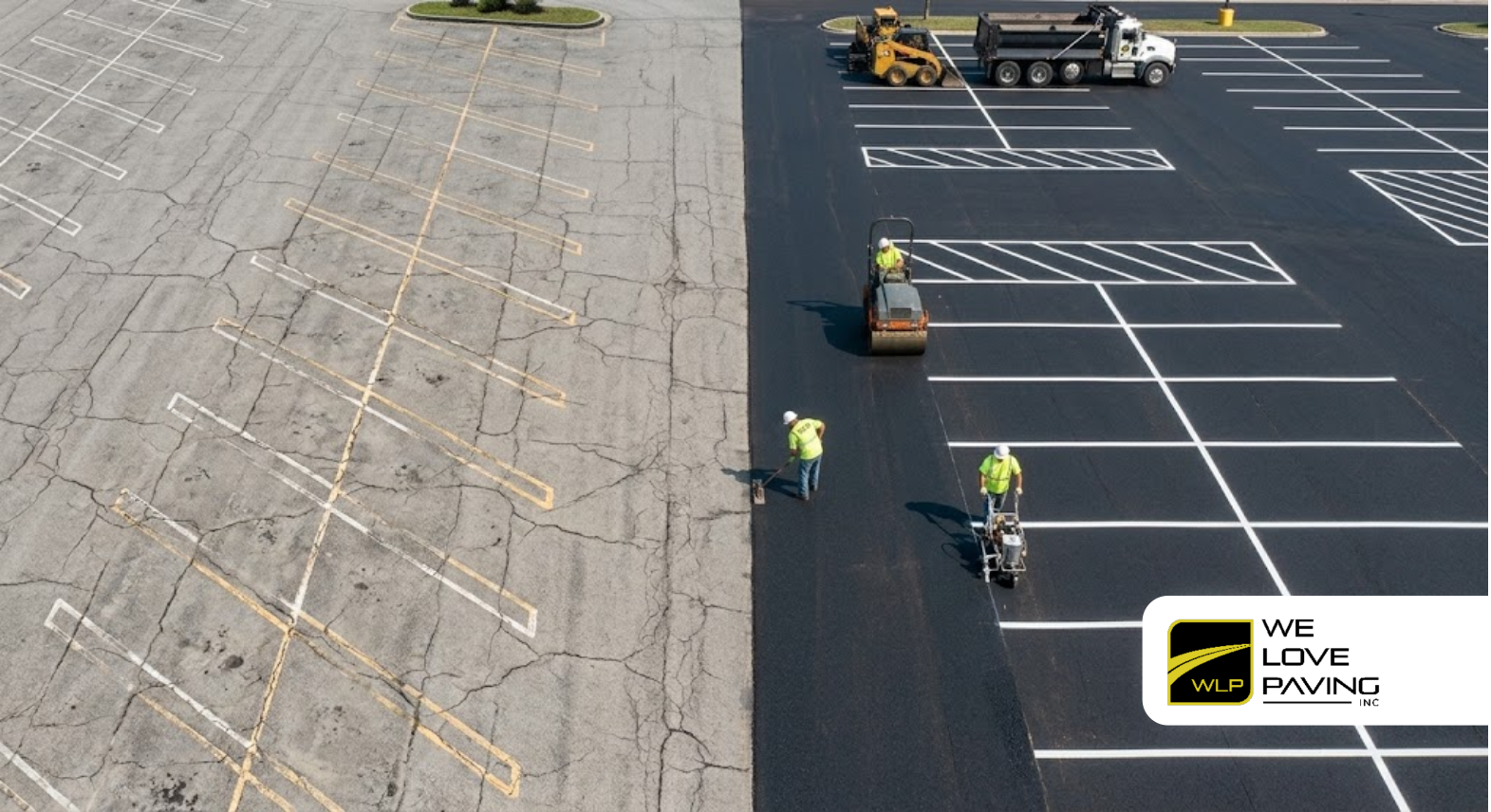
Keeping commercial roadways and parking areas structurally sound requires proactive planning. Effective asphalt road maintenance prevents sudden surface collapse, oxidation, and deep base saturation caused by East Bay seasonal rain cycles. Addressing minor surface defects early protects high-traffic assets from premature structural failure while keeping long-term capital expenditure under control.
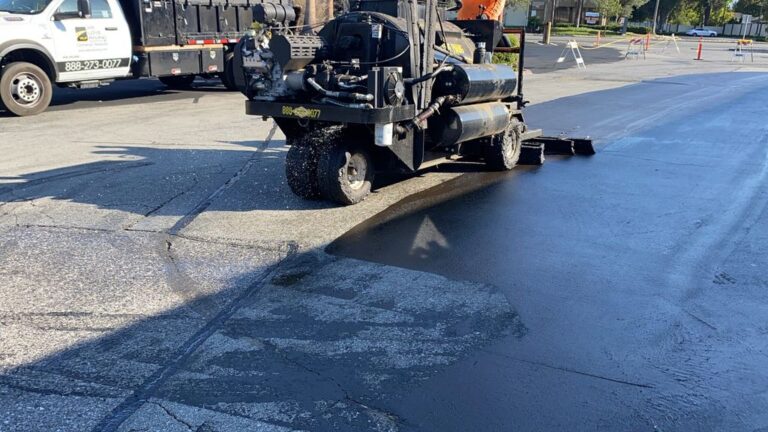
What Is Asphalt Maintenance?
Asphalt maintenance encompasses the preventive and corrective procedures designed to protect pavement binder integrity, slow mechanical oxidation, and extend structural service life. For private roadways and commercial access routes, timely interventions block moisture infiltration before water reaches the aggregate base.
Key maintenance practices include:
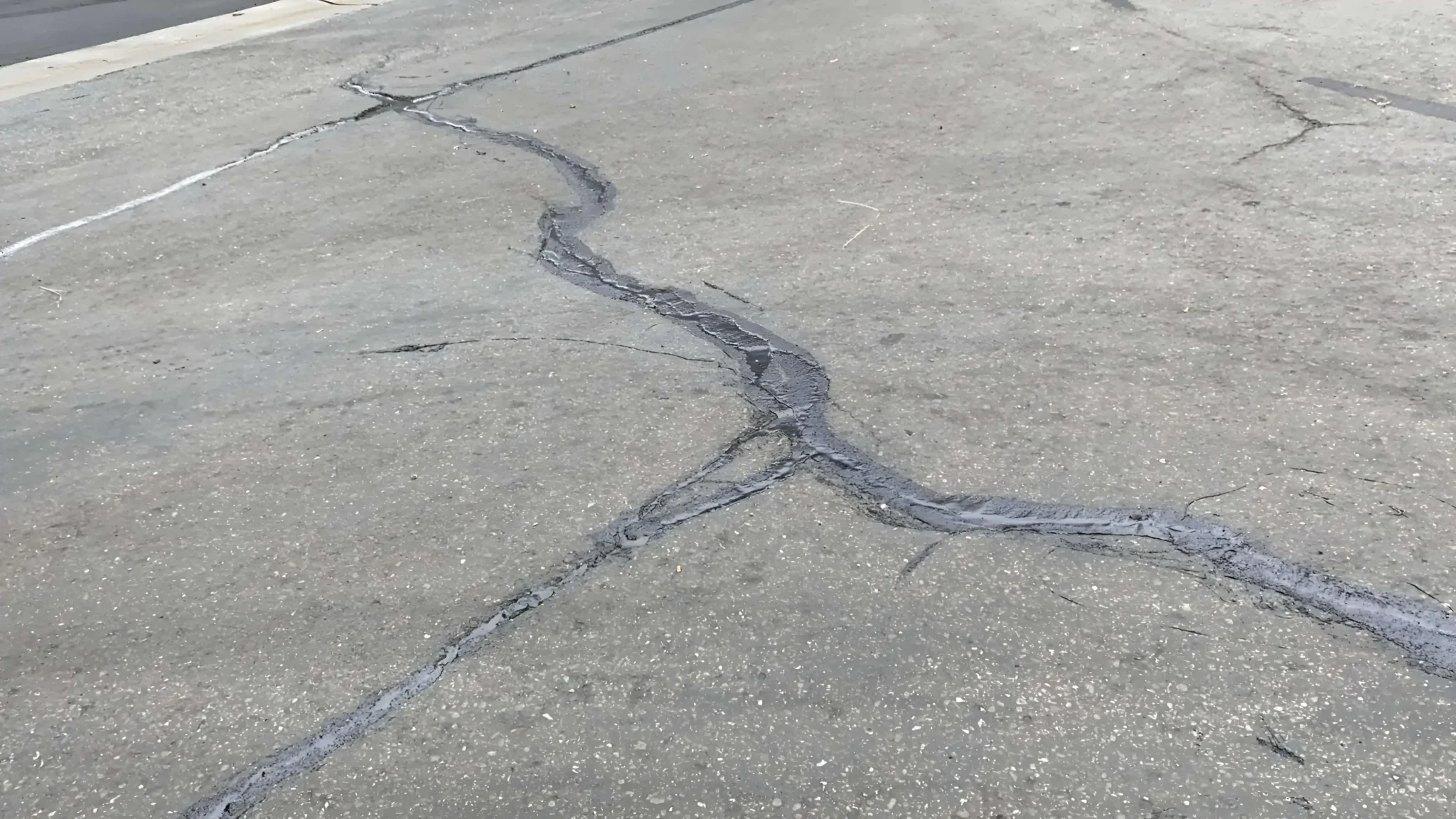
- Hot-applied rubberized crack sealing
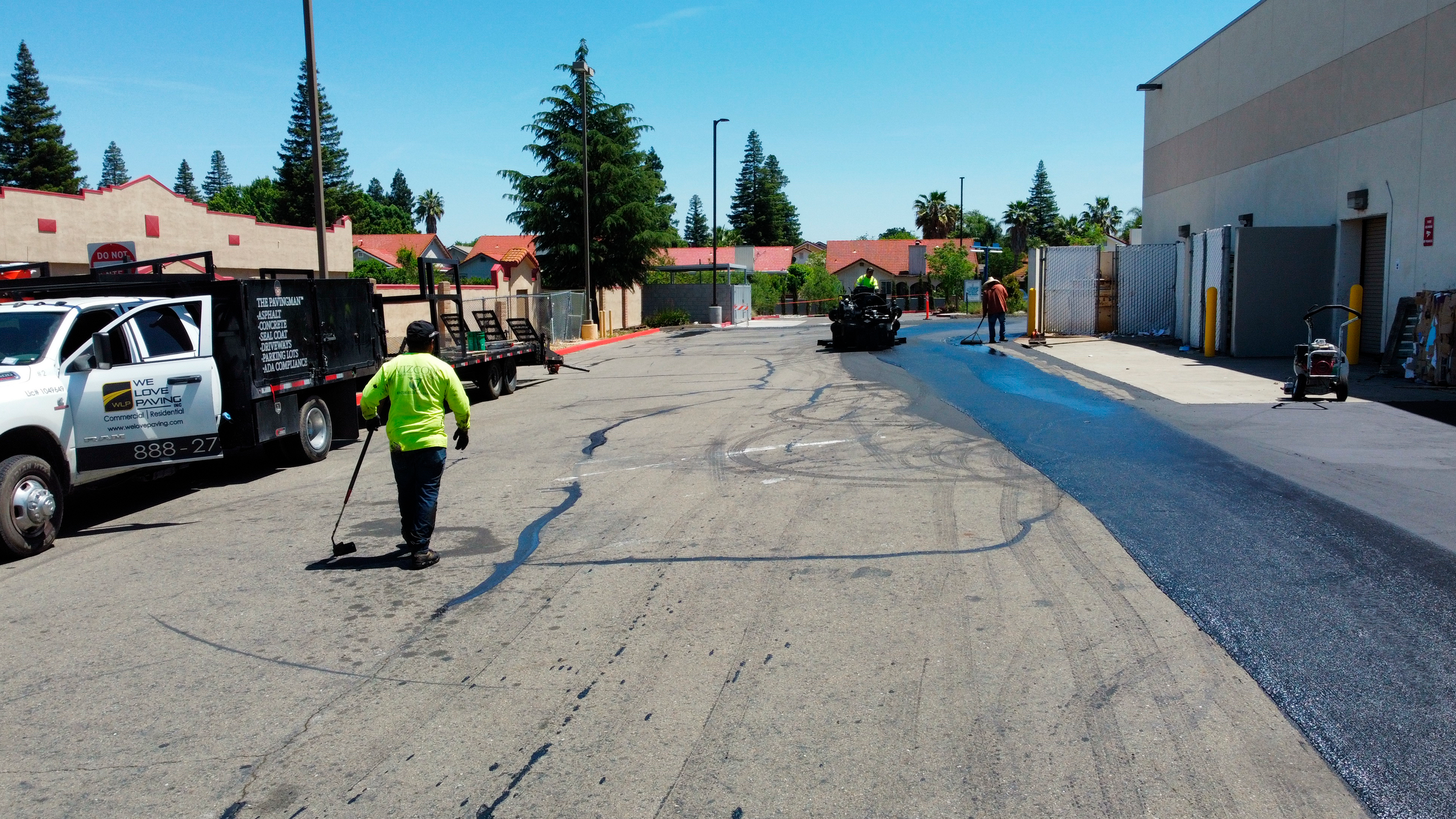
- Protective asphalt sealcoating
- Targeted asphalt patching and pothole repair
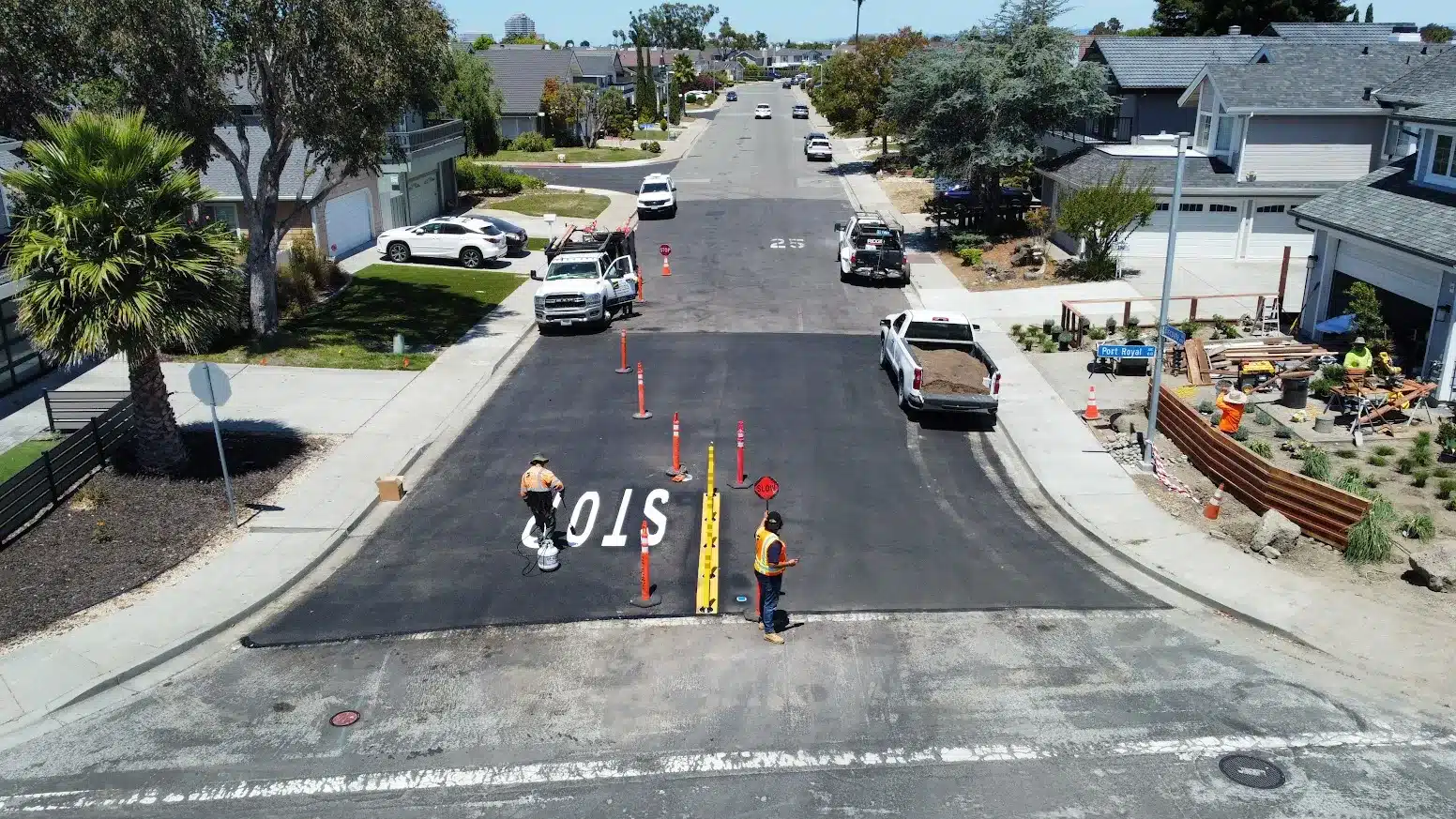
- Thermoplastic line striping and traffic markings
- Drainage slope restoration and regular surface cleaning
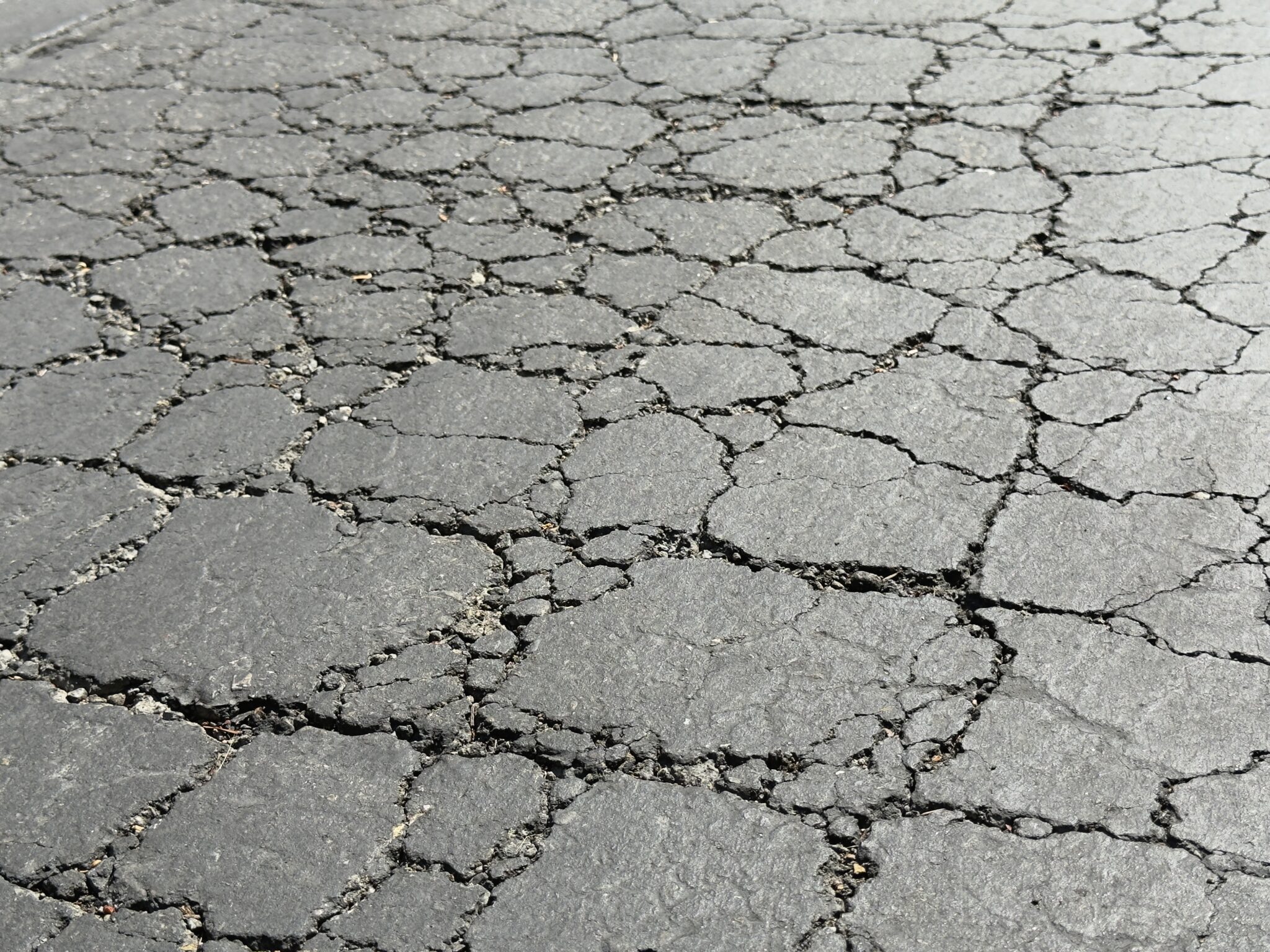
Identifying early deterioration markers like surface fading or micro-fissures allows property managers to intervene before major structural repairs become mandatory.
Key Differences: Asphalt Road Maintenance vs. Parking Lot Maintenance
While both share foundational preservation techniques, maintaining private roadways and access roads requires a different engineering approach than maintaining static parking lots:
- Traffic Loads and Shear Stress: Roadways sustain continuous dynamic loading and lateral shear forces from moving delivery trucks and turning vehicles. This requires higher-stability asphalt mix designs and elastomeric crack sealants capable of enduring frequent deflection without deforming.
- Drainage and Crown Geometry: Road surfaces are engineered with structural crowns and shoulders to shed surface water rapidly toward ditches or catch basins. Road maintenance prioritizes preserving these slope angles and clearing drainage pathways to prevent hydroplaning and shoulder erosion.
- Surface Treatments: Parking lots rely primarily on traditional asphalt sealcoating for oil resistance and cosmetic restoration. Roadways often benefit from aggregate-bearing surface treatments like slurry seals to restore skid resistance and structural friction under higher speed limits.
Why Asphalt Maintenance Matters for Property Managers
1. It Extends the Life of Your Parking Lot
A well maintained asphalt surface can last 20 – 30 years.
A neglected lot? Sometimes less than 10.
2. It Lowers Long Term Costs
Ignoring small problems leads to major damage:
- Small crack → water intrusion → base failure → potholes → full depth repair.
The difference: $0.30/ft vs. $8 – $12/ft.
3. It Improves Curb Appeal & Tenant Satisfaction
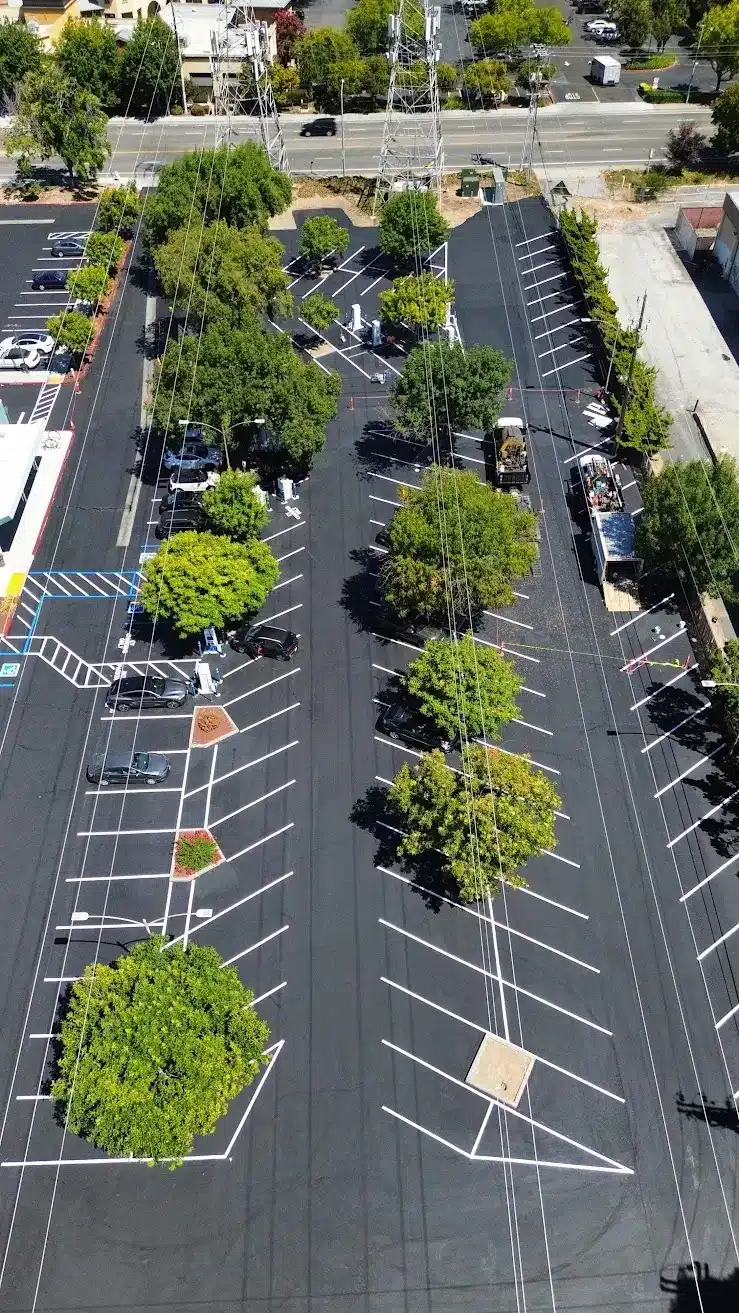
Your parking lot is the first impression of your property. Clean, freshly striped lots increase perceived safety and cleanliness.
4. It Reduces Liability
Well marked, defect free pavement reduces:
- Trip hazards
- Tire damage claims
- ADA liabilities
5. It Protects Your Investment
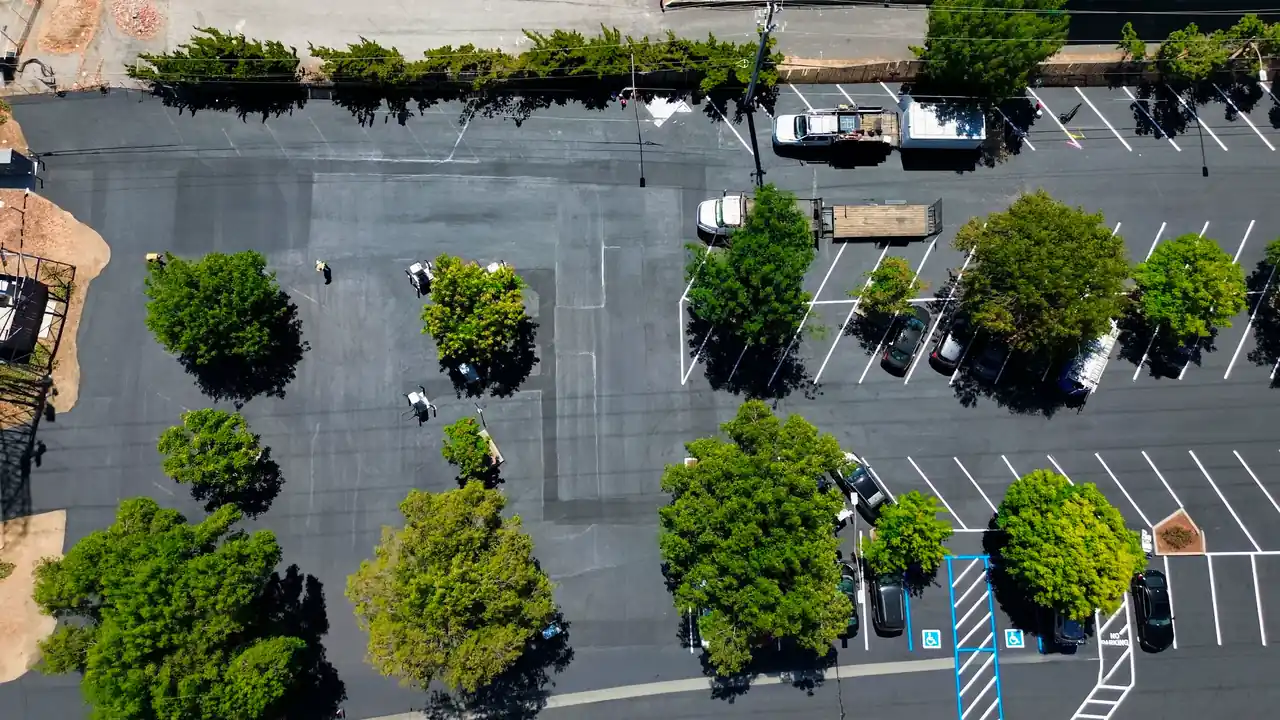
Your parking lot is often a six figure asset. Preventive maintenance preserves that value.
How Asphalt Maintenance Works (Step by Step)
1. Inspection & Assessment
A contractor evaluates:
- Pavement age
- Cracking patterns
- Drainage issues
- Oxidation level
- Base stability
- Traffic flow
- ADA compliance
This determines the right maintenance plan.
2. Cleaning & Surface Preparation
Before any service is applied, the pavement must be:
- Cleaned
- Blown out
- Power washed (if needed)
- Cleared of oil spots
- Pre treated for stains
The better the prep, the longer the maintenance lasts.
3. Crack Filling
Cracks are routed (optional), cleaned, and filled with hot rubberized material to prevent water from entering the base.
Cost: $0.30 – $0.60 per linear foot
4. Patching or Pothole Repair
Small damaged areas are cut out and replaced with new hot mix asphalt.
Cost:
- Skin patch: $3 – $5 per sq ft
- Cut & replace: $6 – $12 per sq ft
5. Sealcoating
Sealcoat protects the asphalt from UV damage, weather, and oil penetration while restoring the black finish.
Cost: $0.18 – $0.35 per sq ft
Surface Preservation Treatments: Choosing the Right Application
Selecting the correct preservation treatment depends on your pavement’s current oxidation level and structural load demands.
| Treatment Type | Primary Purpose | Ideal Pavement Condition | Expected Lifespan | Relative Unit Cost |
|---|---|---|---|---|
| Asphalt Sealcoating | Shields binder from UV rays, water, and oil; restores dark appearance. | Sound pavement with minor surface oxidation (Years 2–4). | 2 – 3 Years | Low ($) |
| Slurry Seal | Restores surface texture, fills fine voids, and improves tire traction. | Moderately oxidized roadways showing fine hairline cracking. | 5 – 7 Years | Moderate ($$) |
| Chip Seal | Provides a heavy waterproof membrane topped with crushed aggregate. | Low-volume rural roads or long private access drives with minor raveling. | 7 – 10 Years | Moderate ($$) |
| Micro-Surfacing | Corrects minor rutting, restores cross-slopes, and locks aggregate. | High-traffic roadways with minor structural deformation but stable base. | 7 – 10+ Years | High ($$$) |
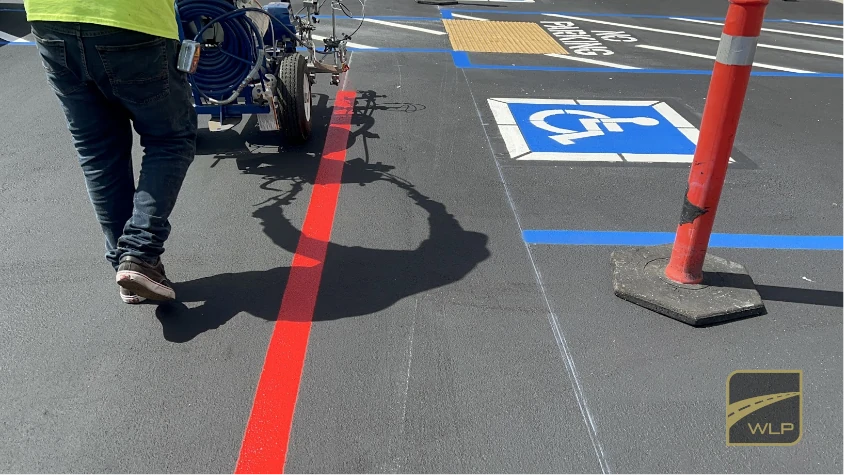
6. Striping & Markings
After sealing, pavement markings are re applied:
- Parking lines
- Handicap stalls
- Arrows
- Fire lanes
- No parking zones
Cost: $0.12 – $0.25 per linear foot (or per stall pricing)
7. Ongoing Preventive Care & Driveway Maintenance
Maximizing roadway longevity requires routine scheduled evaluations. Implementing driveway maintenance tips such as keeping drainage inlets clear, monitoring heavy truck load areas, and filling cracks twice annually ensures small surface failures do not compound into subbase collapse.
What Asphalt Road Maintenance Really Costs in 2026
Exact project investment depends on location, layout, surface square footage, and pavement condition, but these representative unit rates reflect standard Northern California commercial project ranges for 2026:
- Sealcoating: $0.18 – $0.35 per sq ft
- Rubberized Crack Filling: $0.30 – $0.60 per linear ft
- Asphalt Patching (Skin Patch): $3 – $5 per sq ft
- Asphalt Patching (Cut & Replace): $6 – $12 per sq ft
- Pothole Repair: $250 – $650 per pothole (depending on depth and base damage)
- Line Striping: $0.12 – $0.25 per linear ft (or $35 – $50 per parking stall)
- ADA Markings & Signage: $250 – $900 per stall
Average Annual Preventive Maintenance Budget: $3,000 – $25,000 depending on property size and traffic volume.
The Cost of Inaction: Neglecting routine maintenance allows water intrusion to destroy the subbase, leading to full-depth reconstruction costs between $4 and $8+ per sq ft. Preventive maintenance consistently saves 60% to 80% compared to full pavement replacement.
Average Preventive Maintenance Budget (Annual):
$3,000–$25,000 depending on property size
Cost of Doing Nothing:
A neglected parking lot often needs:
- Base repairs
- Milling
- Full depth reclamation
- Total resurfacing
Full replacement costs: $4 – $8 per sq ft ($200,000+ for many lots).
Maintenance usually saves 60 – 80% vs. replacement.
How Often Should You Maintain Asphalt?
A good schedule:
| Service | Frequency |
|---|---|
| Crack Seal | Every 6 – 12 months |
| Sealcoat | Every 2 – 3 years |
| Striping | Every 1 – 2 years |
| Inspections | Twice per year |
| Patching | As needed |
This keeps asphalt at its peak performance.

Final Thoughts
Asphalt maintenance is not just a cosmetic upgrade it’s a financial strategy. The right maintenance plan protects your property, reduces liability, and dramatically lowers long term costs.
When done consistently, asphalt maintenance is the difference between:
✔ A 20 – 30 year pavement lifespan
vs.
✘ A 7 – 10 year premature failure
Get a Free Parking Lot Assessment
If you want a cost breakdown, lifespan estimate, or maintenance plan for your property, request a free assessment:
👉 We’ll inspect your lot, identify risks, and provide a clear maintenance roadmap.