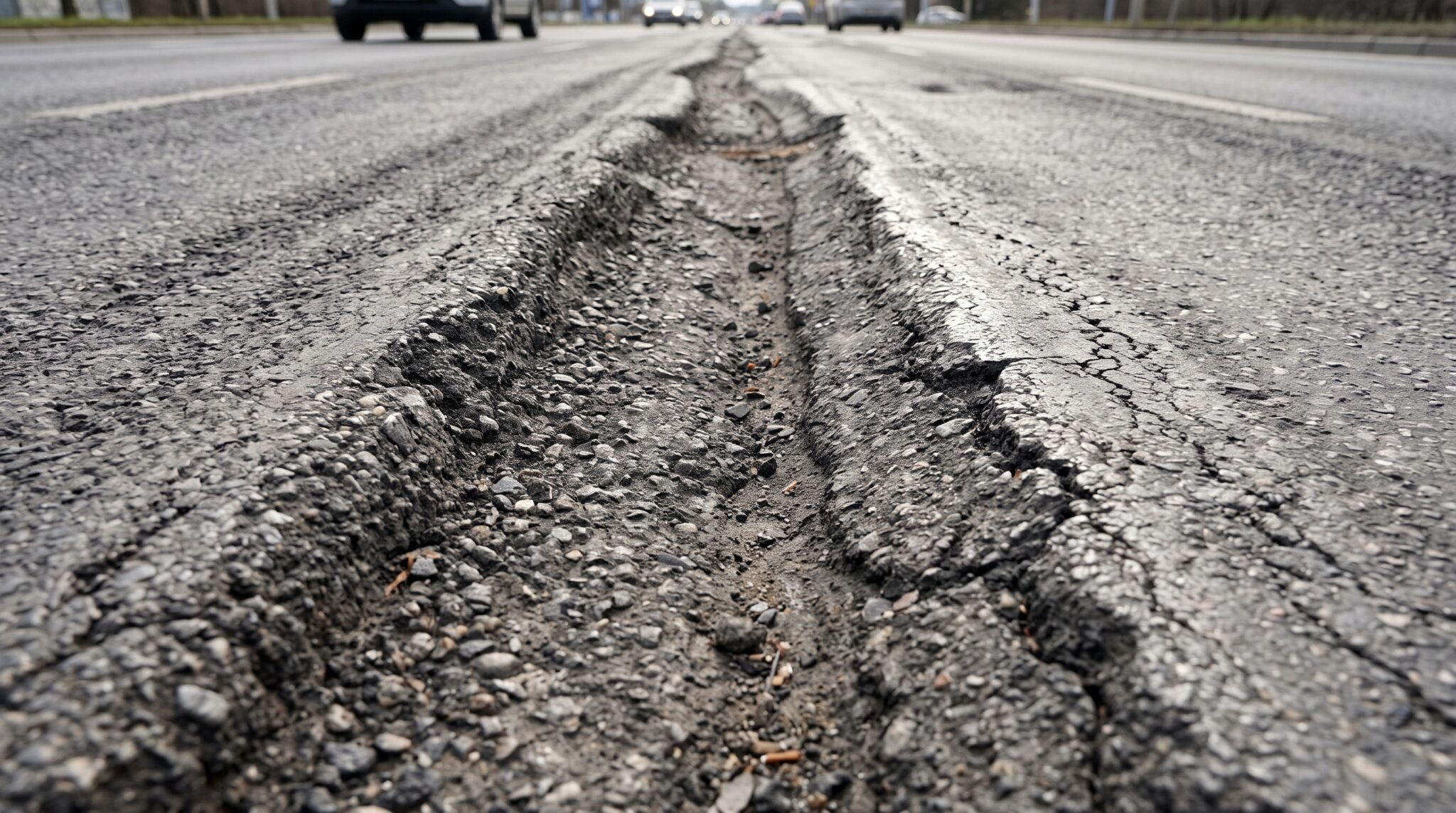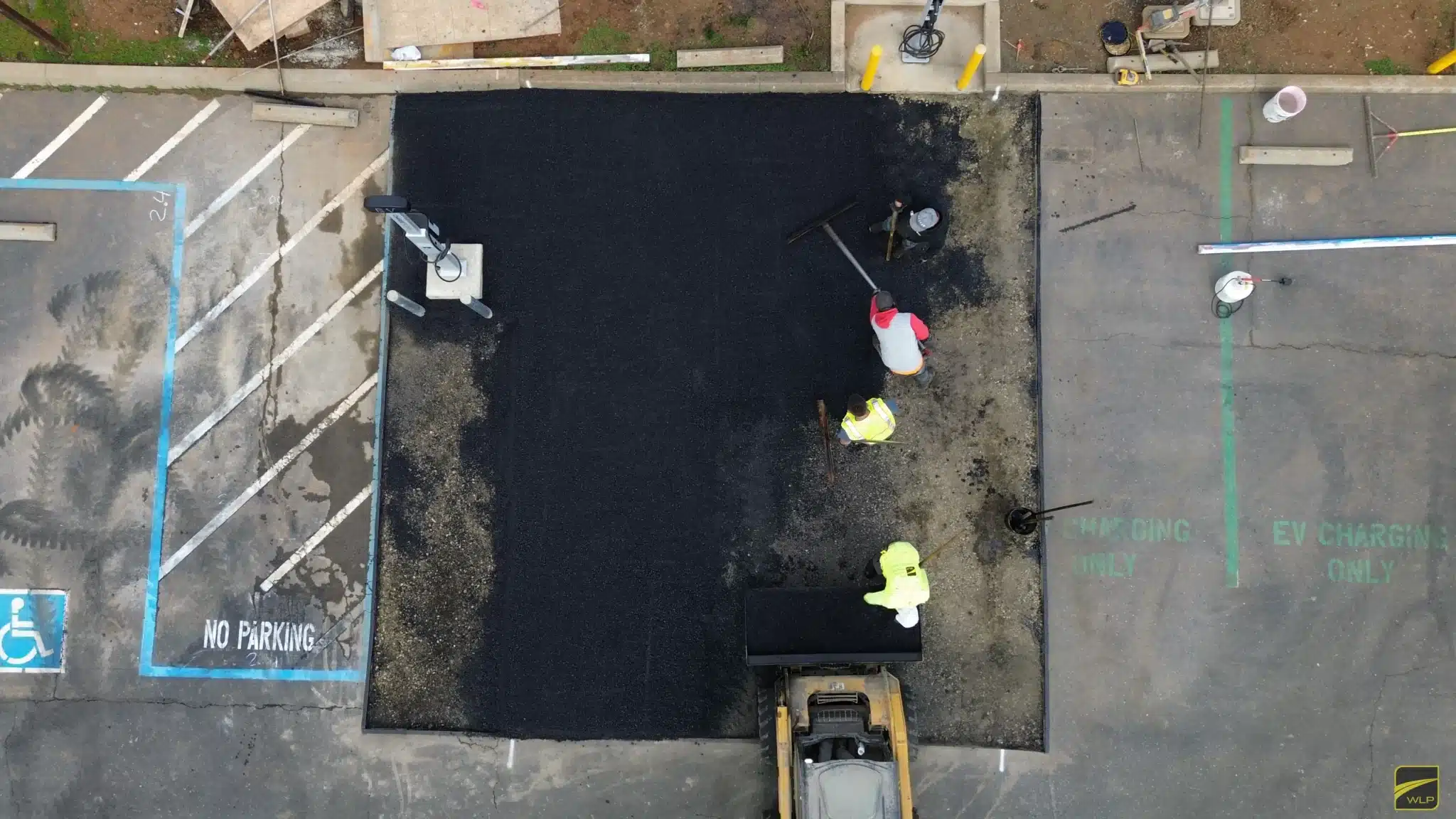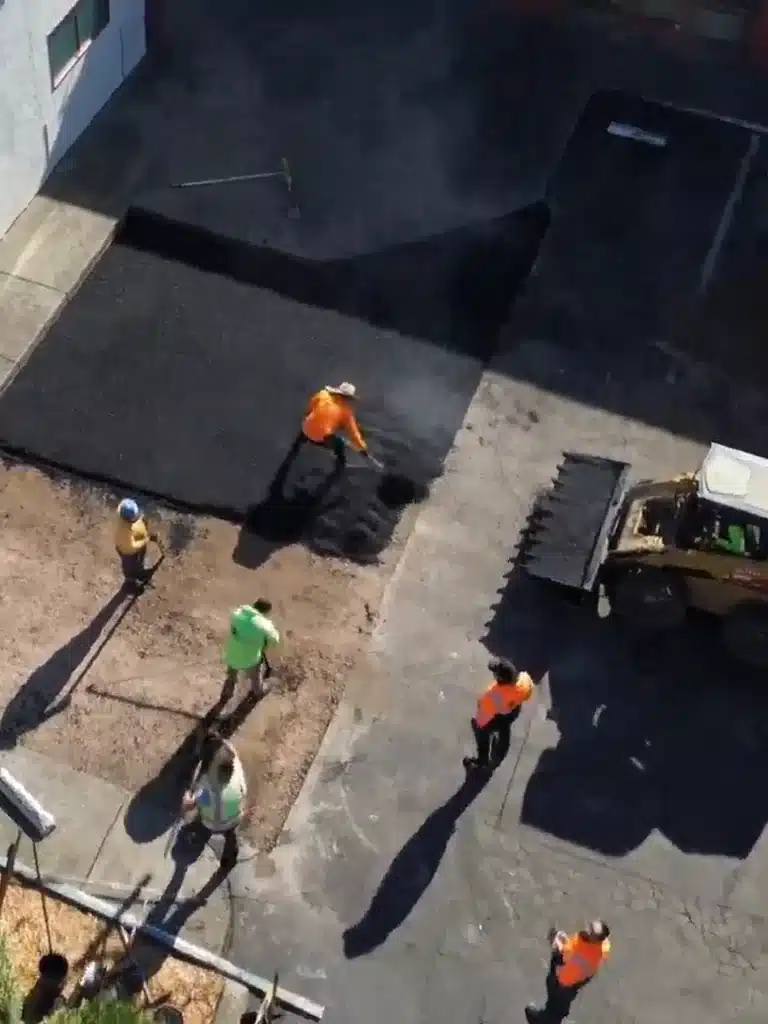
Geotextile fabrics are permeable synthetic textiles engineered to stabilize weak soils, filter subsurface drainage, and retard reflective cracking in commercial pavements. Beneath commercial parking facilities, private roadway networks, and logistics centers, geosynthetic membranes decouple structural aggregate layers from native subgrade ground. Omitting or misapplying a geotextile layer when building over questionable soils guarantees structural settlement, rutting, and premature surface degradation under repetitive axle loads.
On commercial properties throughout Northern California, native soils frequently present severe structural challenges, ranging from high plasticity expansive clay across the Central Valley to saturated marine sediments in coastal Bay Area basins. When untreated subgrades with a California Bearing Ratio (CBR) under 3% encounter heavy truck traffic and winter rains, unreinforced aggregate base sinks directly into the softened subgrade. We Love Paving integrates geotextiles into commercial pavement structure designs to establish an unyielding separation plane, preserving the effective structural thickness of imported aggregate base and preventing premature pavement collapse.
Choosing the correct geosynthetic requires understanding the distinction between mechanical stabilization, hydraulic filtration, and interlayer stress mitigation. As documented by We Love Paving field operations team, deploying the wrong polymer configuration inevitably leads to subbase shear failure.
Pavement Geosynthetic Specifications
Subgrade Stabilization Layer
Between native subgrade soil and crushed stone aggregate base course.
Mechanical interlock and frictional resistance preventing aggregate particle displacement under dynamic wheel loads.
Lateral aggregate restraint and horizontal distribution of concentrated vertical axle stresses across the subgrade footprint.
Subsurface Drainage Filter
Trench perimeter encapsulating clean permeable drain rock and perforated collection pipe.
Hydraulic filtration permitting unimpeded groundwater entry while retaining fine silt and clay particles.
Protection of drain rock void space to sustain continuous gravity discharge and prevent base saturation.
Asphalt Interlayer Membrane
Directly between asphalt lifts or positioned over existing pavement prior to overlay placement.
Nonwoven polypropylene sheet saturated with liquid asphalt tack coat forming an elastomeric barrier.
Absorption of horizontal tensile and braking shear stresses to delay reflective crack propagation to the surface.
Primary Engineering Applications of Geotextile Fabrics in Paving
Geotextiles perform three distinct mechanical and hydraulic roles within pavement systems: subgrade stabilization, trench drainage filtration, and asphalt crack retardant interlayer protection. Each task demands a different polymer configuration and distinct placement depth within the pavement profile. Confusing a drainage filter with a structural stabilization sheet compromises the structural integrity of the entire pavement section.
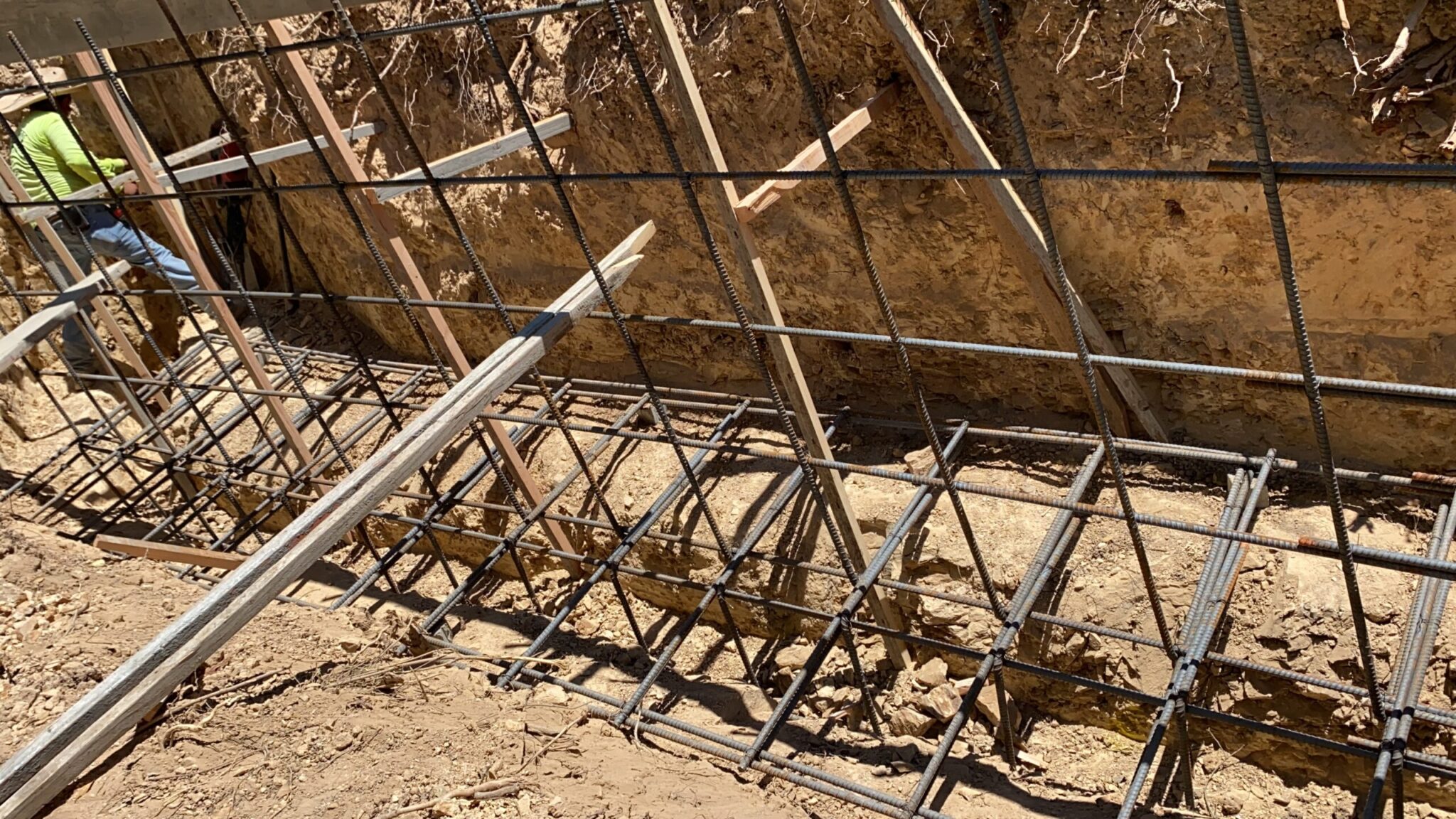
Subgrade stabilization geotextiles sit directly between native subgrade soil and the crushed aggregate base course. Their primary role is physical separation and lateral aggregate restraint under dynamic wheel loads. When heavy delivery vehicles roll over a parking lot, downward forces push soft clay up into the stone base voids. Heavy rock gets shoved down into wet soil. A stabilization fabric locks base aggregate particles in place through frictional resistance. It distributes point loads over a broader subgrade area. If a stabilization fabric tears during aggregate placement, subbase contamination begins immediately, destroying pavement support long before asphalt paving begins.
Filter fabrics for subsurface drainage sit inside collection trenches, surrounding perforated pipes and permeable drain rock. Their function is strictly hydraulic: allowing groundwater to pass freely into the drain while filtering out fine silt and clay particles that would otherwise plug the drainage reservoir. A drainage fabric that blinds, meaning fine particles cake against its outer surface, can choke off flow. This can cause groundwater to back up beneath the pavement base, destabilizing the entire structural profile. Asphalt paving fabrics sit higher in the pavement cross section, placed directly between asphalt lifts or on top of an existing, structurally sound asphalt surface before a new overlay is installed. These lightweight, nonwoven polypropylene fabrics must be saturated with hot liquid asphalt tack coat during placement. Heat and compaction fuse the saturated fabric into an elastomeric, waterproof membrane that absorbs horizontal tensile stresses. This significantly retards reflective cracking from underlying pavement layers. A paving fabric installed without sufficient liquid asphalt binder functions as an unbonded slip plane, causing the new asphalt overlay to shove, slide, and delaminate under vehicle braking.
| Fabric Application | Installation Depth | Primary Structural Function | Key Test Standards | Consequence of Misapplication |
|---|---|---|---|---|
| Subgrade Stabilization | Between subgrade soil and base rock | Separation and lateral aggregate restraint | ASTM D4632 (Grab), ASTM D6241 (CBR Puncture) | Base thinning, deep rutting, alligator cracking |
| Subsurface Drainage | Encapsulating French drains and edge drains | Hydraulic filtration and fines retention | ASTM D4491 (Water Flow), ASTM D4751 (AOS) | Drain clogging, subbase waterlogging, frost heave |
| Asphalt Paving Interlayer | Between asphalt lifts or over old pavement | Moisture barrier and reflective crack retardation | ASTM D6140 (Asphalt Retention) | Overlay slippage, blistering, rapid crack return |
Subgrade Stabilization and Aggregate Separation
Subgrade stabilization fabrics prevent pavement rutting and base failure by eliminating aggregate contamination and providing lateral confinement under dynamic axle loads. When angular crushed stone base is spread directly over soft cohesive clay without a protective barrier, vehicle wheel loads create an aggressive pumping action. Moisture softens the clay, and continuous vehicle traffic pushes base aggregate downward while forcing clay fines upward into the stone matrix. When as little as 10% subgrade fines intrude into a crushed stone base, laboratory testing proves the stone layer loses more than a third of its load carrying capacity.
Deploying a stabilization fabric stops structural loss through mechanical interlock. The textile acts as a continuous tensile sheet at the subgrade interface. Under wheel loading, aggregate stone edges embed into the fabric surface. This creates friction that prevents the base from sliding or spreading horizontally. This lateral confinement transforms concentrated downward forces into widely distributed horizontal stresses across a much larger subgrade footprint. This drastically reduces localized deflection and prevents deep wheel path rutting. On properties with yielding subgrades, this separation plane allows paving crews to achieve required base compaction densities without pumping the underlying subgrade. The textile bridges localized soft spots, creating a uniform, stable working platform for heavy construction equipment. Over the facility’s lifetime, maintaining pristine aggregate separation ensures that the compacted base retains its full engineered thickness, protecting the upper asphalt course from fatigue cracking and premature structural failure.

Subsurface Drainage and Trench Filtration
Subsurface drainage fabrics maintain open hydraulic flow paths by allowing groundwater to enter drainage trenches while physically filtering out mobile soil fines. Water trapped within a pavement foundation reduces the shear strength of subgrade soils and base rock. Subsurface drainage systems, including edge drains and French drains, remove infiltrating rainwater and rising groundwater before moisture weakens the pavement foundation.
Geotextile fabrics installed in drainage trenches perform two simultaneous tasks: filtration and soil retention. The fabric wraps around the perimeter of the trench, separating clean drain rock and perforated collection pipe from surrounding native earth. It permits water to flow freely into the gravel bed while preventing soil particles from washing inside. Maintaining clean drainage stone ensures water exits the pavement structure quickly through designed gravity outlets.
Specifying the wrong opening size or fabric type inside a drainage trench can result in complete system failure. If the pores of the fabric are too large, fine silts wash through and settle at the bottom of the pipe, clogging the line over time. If the pores are too dense or made from slit film tapes, fine clay particles rapidly cake against the outer face of the fabric. This blinding prevents water from reaching the collection pipe, turning the trench into an underground dam that saturates the adjacent roadway subgrade.
Asphalt Paving Interlayers for Crack Retardation
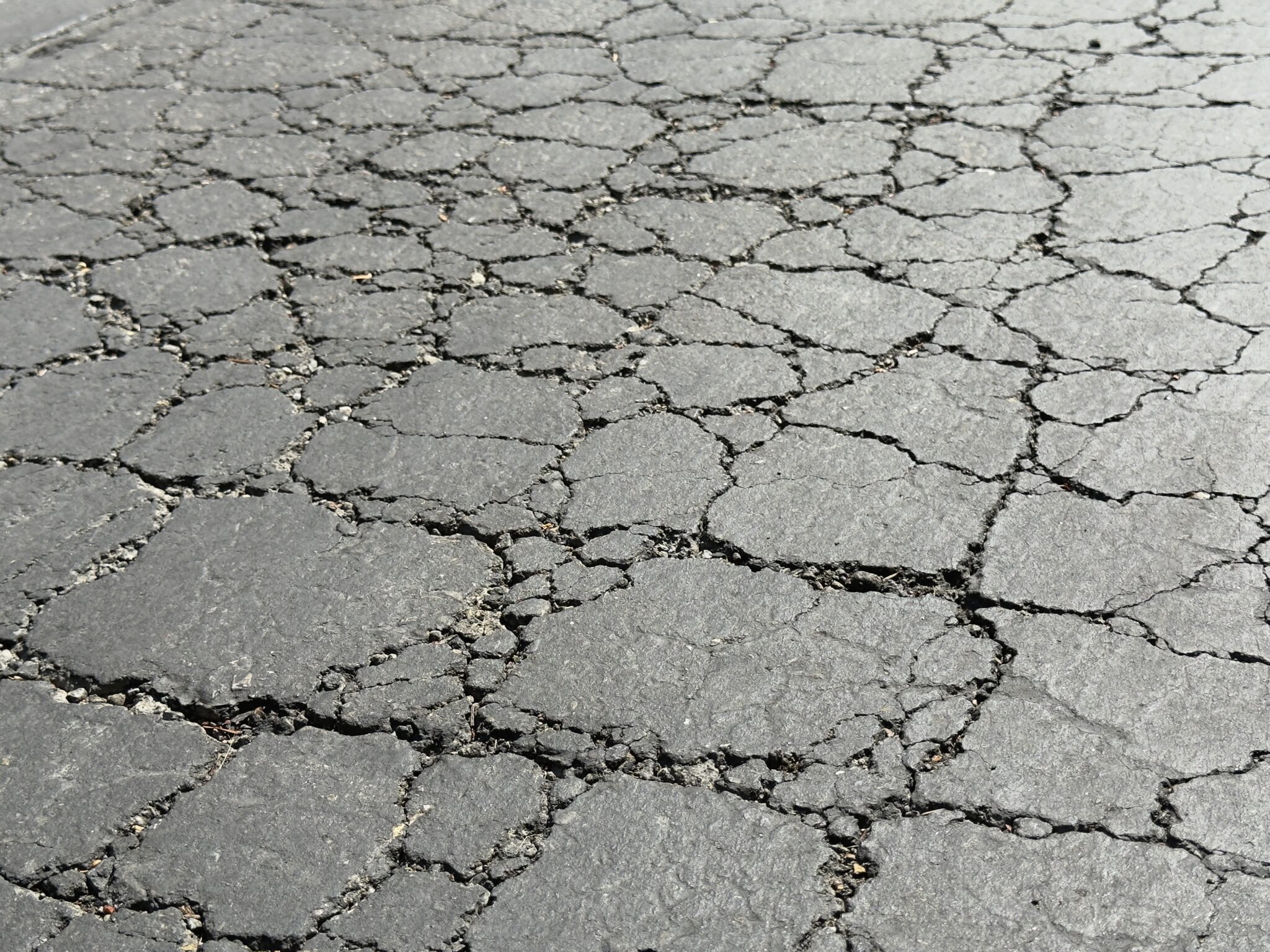
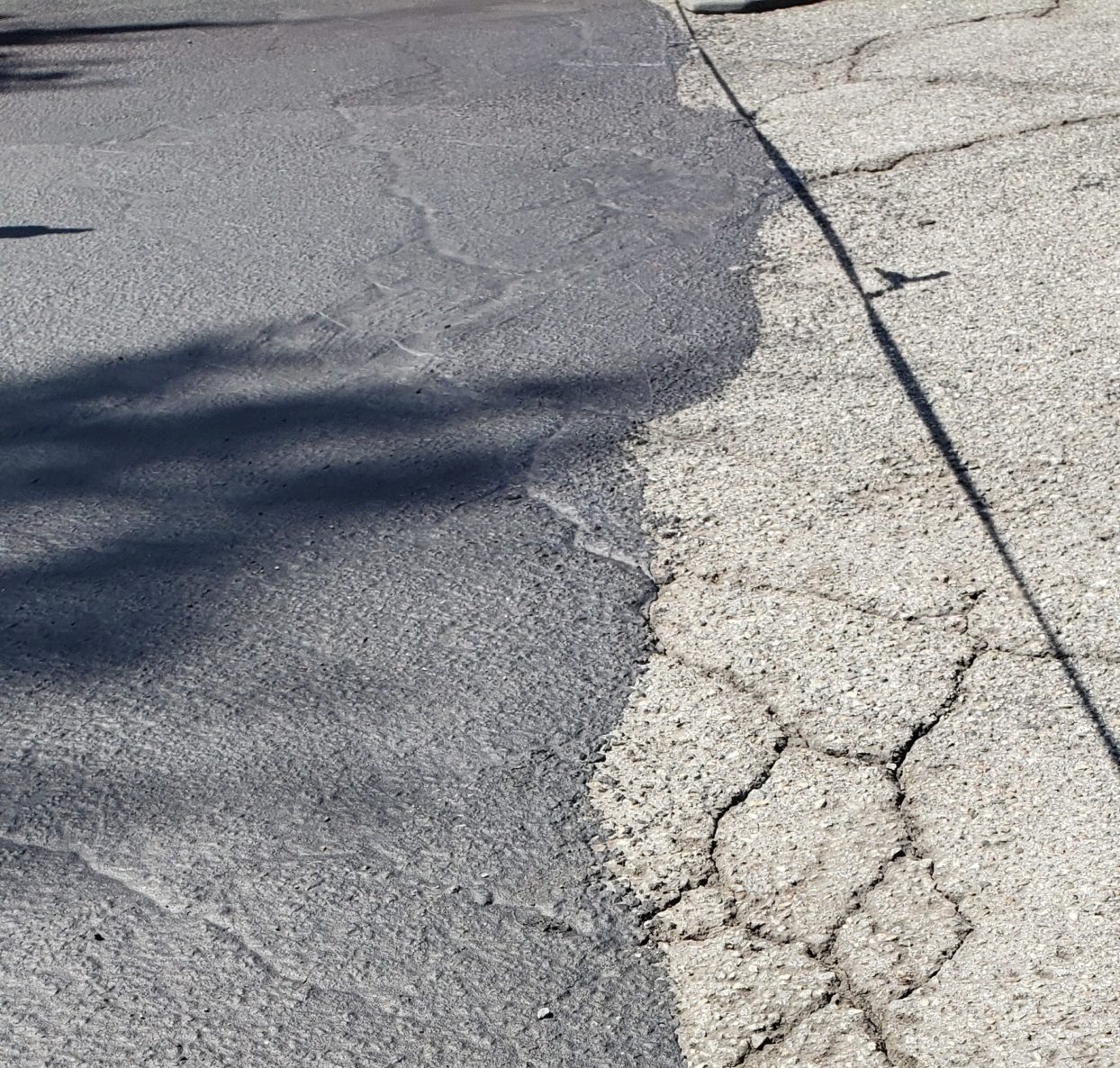
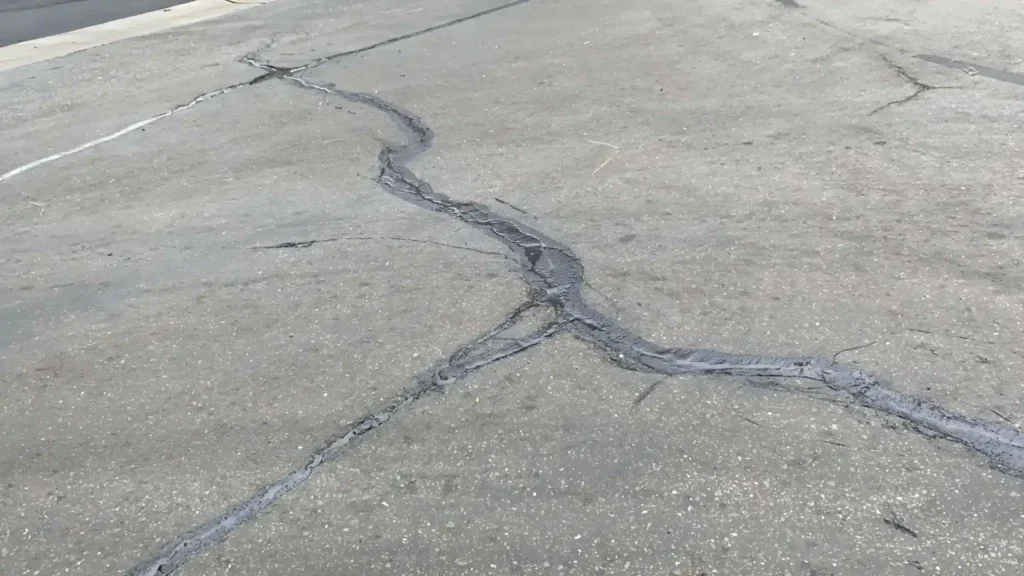
Asphalt paving fabrics extend overlay lifespan by creating an impermeable moisture barrier and dissipating horizontal tensile stresses that cause reflective cracking. When existing asphalt surfaces age, thermal expansion, oxidation, and traffic fatigue generate surface cracks. Placing a standard asphalt overlay directly on top of cracked pavement leads to reflective cracking, where underlying cracks travel upward through the new asphalt surface within one to three years.
Paving fabrics break this cycle by functioning as a stress absorbing membrane interlayer. During installation, field crews spray a calibrated coating of hot liquid asphalt cement over the prepared surface. They roll out the nonwoven fabric smoothly and pave hot mix asphalt directly on top. Heat from the fresh asphalt liquefies the binder, pulling it through the fabric structure. Once cooled, this composite layer forms an impermeable membrane that keeps surface water from reaching the base while dissipating horizontal movement. This significantly extends overlay service life.
In addition to retarding crack reflection, the saturated fabric acts as a continuous waterproof umbrella for the pavement base. Surface water entering hairline cracks cannot penetrate into the underlying aggregate base course. By keeping the subbase dry, the paving interlayer prevents localized moisture softening and potholes. This preserves the ride quality and appearance of commercial parking lots without requiring complete pavement reconstruction.
Subgrade Soil Conditions and Where Fabric Changes the Outcome
Geotextile fabrics provide maximum structural benefit over soft, cohesive soils with a California Bearing Ratio under 3%. However, they offer negligible value over firm, granular ground. Geotechnical field testing dictates where fabric provides high returns and where it can be safely eliminated. Paving projects should never treat geosynthetics as an automatic default on every jobsite without evaluating existing soil conditions.
Geotechnical design identifies clear thresholds based on soil support values. On soils with a California Bearing Ratio (CBR) above 5% or resistance R values exceeding 40, subgrades possess sufficient internal shear strength to support crushed aggregate base without intermixing. In these dense, well-compacted granular sands and stable gravels, dynamic wheel loads do not create sufficient plastic deformation to pump fines upward. Installing a geotextile on these firm soils produces negligible stabilization gains. Conversely, when subgrades display a CBR between 1% and 3%, placing a high strength stabilization geotextile is essential. This prevents base aggregate from vanishing into wet clay.
Retail landscape fabric must never be substituted for an engineering geosynthetic under asphalt or concrete. Landscape fabrics sold in consumer hardware stores for residential weed barrier use lack verifiable ASTM mechanical test ratings. They offer virtually no puncture resistance against angular crushed stone (ASTM D6241) and possess negligible tensile strength. When dumped crushed stone hits landscape fabric and a vibratory roller makes its initial pass, the material shreds instantly. The crushed stone mixes directly into wet clay, leaving the property owner with the costs of a failed pavement reconstruction.
Furthermore, property owners must understand that subgrade geotextiles do not eliminate weeds on paved surfaces. Geotextile fabric installed 8 to 14 inches below the finished grade under aggregate base is designed for soil separation and water permeability, not light blocking weed eradication. Weeds appearing in commercial asphalt parking lots do not sprout from native subgrade dirt through compacted rock and hot asphalt. Airborne windblown seeds settle into surface fatigue cracks, oxidized expansion joints, and edge curbs from above. Eliminating surface vegetation requires proactive crack sealing, edge weed removal, and timely surface resurfacing, not expectations of a subterranean fabric barrier.
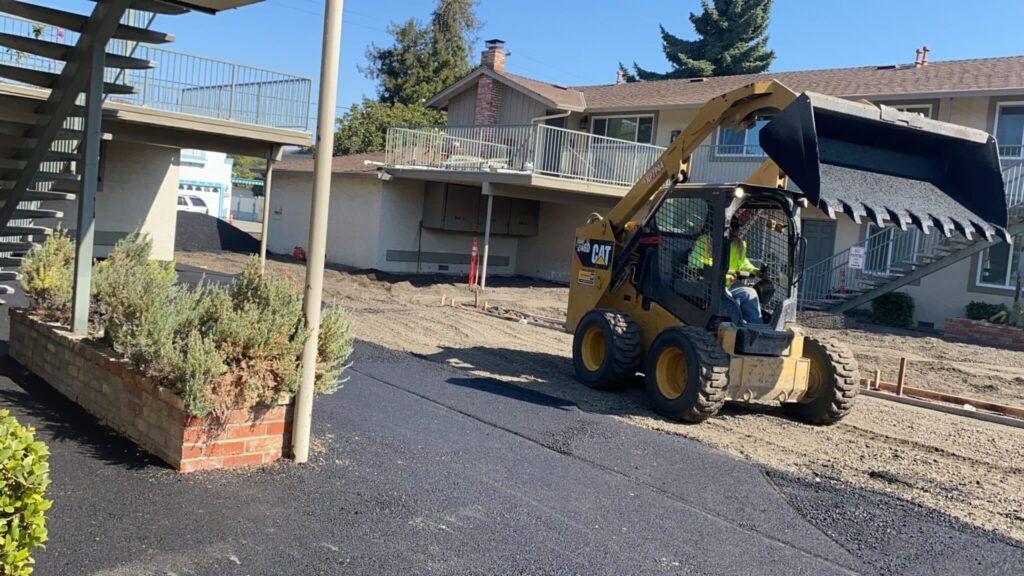
Field Installation Protocols and Quality Control
A geotextile performs only as well as its installation quality in the field. This requires strict adherence to roll overlap standards, equipment operating protocols, and weather exposure limits. Even the highest specification fabric fails if deployment crews commit fundamental field errors during rollout, seaming, or aggregate placement.
- Roll Overlaps: On stable subgrades (CBR greater than 3%), fabric rolls must overlap by at least 1.5 to 2.0 feet along both transverse and longitudinal edges. On soft, saturated clay subgrades (CBR less than 2%), overlaps must increase to a minimum of 3.0 feet, or adjacent rolls must be mechanically seamed using industrial high tenacity thread. Skimping on overlap creates unreinforced seam gaps where stone punches into mud under traffic.
- Equipment Staging: Construction equipment and heavy tandem dump trucks must never drive directly on bare geotextile. Delivery trucks must back dump aggregate onto previously spread stone base, allowing track dozers to push aggregate forward over the fabric in a continuous advancing wave. Operators must maintain a minimum protective cushion of 6 to 12 inches of uncompacted rock between machine tracks and the fabric at all times.
- Sunlight Exposure Limits: Standard polypropylene geotextiles degrade under intense solar ultraviolet (UV) radiation. Rolls must remain in protective opaque plastic wrapping during transit and storage. Once unrolled on the prepared subgrade, field crews must cover the fabric with base aggregate within 48 to 72 hours to prevent polymer embrittlement and tensile loss.
For commercial property managers, industrial facilities, and HOAs preparing for new construction, pavement expansion, or subbase remediation, reviewing subgrade conditions with We Love Paving field operations team (CSLB Licensed #1049649, C12 Earthwork and Paving) ensures your geosynthetic specifications match site soils, axle weights, and long term durability goals. Understanding the structural demands of driveways and parking areas allows property owners to allocate site budgets where reinforcement delivers permanent value.