Warm Mix Asphalt (WMA) represents a fundamental shift in pavement engineering, allowing producers to reduce asphalt manufacturing and placement temperatures by 30°F to 70°F (15°C to 40°C) without compromising structural density. While conventional hot mix asphalt relies on thermal energy between 300°F and 350°F (150°C to 175°C) to keep heavy petroleum binders sufficiently fluid for aggregate coating, WMA employs controlled mechanical foaming or chemical surfactant additives to lubricate the stone matrix at significantly lower thermal thresholds. For commercial property owners, civil engineers, and facility directors across California, this technology delivers a dual operational benefit: it suppresses primary binder oxidation at the mixing drum while extending the workable compaction window during cold morning pours and long transit routes.
What Is Warm Mix Asphalt and How Does It Work?
Warm mix asphalt is an engineered asphalt concrete produced and compacted at temperatures ranging between 215°F and 275°F (100°C to 135°C), contrasting directly with traditional hot mix asphalt (HMA) processed at 300°F to 350°F (150°C to 175°C). The primary objective of any asphalt production cycle is to achieve uniform, complete film coating around aggregate particles while lowering kinematic viscosity enough for pavers and breakdown rollers to achieve target field density. Standard mixes achieve this solely through raw burner heat, burning millions of BTUs of natural gas or fuel oil. WMA technologies alter the rheology of the asphalt binder directly, reducing internal frictional resistance between coarse aggregates and fine sands at moderate thermal levels.
Modern paving plants achieve this viscosity reduction through two predominant engineering methods: mechanical water injection foaming and organic or chemical additive dosing. The mechanical water foaming process injects microscopic quantities of cold water (typically 1% to 2% by weight of binder) directly into the hot liquid asphalt stream using specialized expansion chambers. Upon contact with the hot binder, the injected water instantly vaporizes, expanding into steam bubbles that increase the binder’s volume up to twentyfold. This temporary foaming action creates a massive surface area that fully envelopes wet and dry aggregates before the steam escapes, leaving behind a uniformly coated mix that compacts cleanly at reduced temperatures.
Chemical and organic technologies take a surfactant-driven approach. Chemical additives contain surface-active chemical agents that act at the interface between the polar mineral aggregate surfaces and the non-polar bitumen, breaking surface tension and improving lubricity during spreading and roller passes. Organic additives, such as synthetic aliphatic hydrocarbon waxes or Fischer-Tropsch hard waxes, are engineered to melt completely above 180°F to 210°F (82°C to 99°C). Once dissolved into the binder, they lower fluid viscosity during placement; as the placed mat cools back below their crystallization point, these waxes solidify into crystalline networks that stiffen the mix, resisting deformation under early traffic loads.
Warm Mix Asphalt vs. Hot Mix Asphalt: Performance and Durability
A primary concern among civil project directors is whether reducing thermal input reduces the service life of the pavement; long-term accelerated loading facilities and field coring confirm that properly designed WMA matches or exceeds traditional HMA durability. Asphalt durability depends primarily on air void distribution, inter-aggregate friction, and binder flexibility. In conventional HMA production, exposing the liquid binder to 325°F (163°C) or higher inside the drum causes rapid short-term aging through volatilization and oxidative hardening. This thermal shock strips away volatile maltenes, making the binder brittle before the asphalt even reaches the paver screed.
Because WMA is blended at temperatures 35°F to 70°F cooler, this initial thermal oxidation is suppressed significantly. The Performance Graded (PG) asphalt binder retains its original viscoelastic compliance, ductility, and self-healing capacity, which translates directly into superior long-term resistance to thermal fatigue cracking and surface ravelling. Field studies tracked by the Federal Highway Administration (FHWA) demonstrate that warm mix test sections display rutting resistance equal to companion HMA sections, provided that the initial aggregate moisture is fully extracted during drying to ensure uncompromised bitumen-aggregate adhesion.
Moisture susceptibility requires rigorous engineering control during warm mix production. Because drying aggregates at lower temperatures can leave trace moisture trapped inside porous aggregate pores, mix designers routinely incorporate liquid anti-stripping agents or hydrated lime to safeguard against adhesive failure. When these specifications are honored, laboratory Hamburg Wheel Track testing and Tensile Strength Ratio (TSR) evaluations confirm that WMA satisfies the identical moisture damage and permanent deformation thresholds established for heavy-duty commercial pavements.
| Performance Metric | Conventional Hot Mix Asphalt (HMA) | Engineered Warm Mix Asphalt (WMA) | Field Impact on Pavements |
|---|---|---|---|
| Plant Mixing Temperature | 300°F – 350°F (150°C – 175°C) | 215°F – 275°F (100°C – 135°C) | WMA reduces plant fuel burn by 12% to 20% |
| Short-Term Binder Oxidation | High; volatile fractions strip in drum | Low; preserves binder ductility and oils | Enhanced resistance to fatigue cracking |
| Compaction Window in Chilly Air | Rapid crusting; narrow rolling window | Extended lubricity; gradual heat loss | Consistent density across parking lots |
| Worker Exposure & Fume Output | Visible blue smoke; intense ambient heat | Up to 50% lower VOC and polycyclic emissions | Safer, cooler job sites near retail centers |
| Structural Load Capacity | Equivalent structural layer coefficient | Equivalent structural layer coefficient | Direct 1:1 structural section replacement |
Field Advantages: Cold-Weather Paving, Haul Times, and Emissions
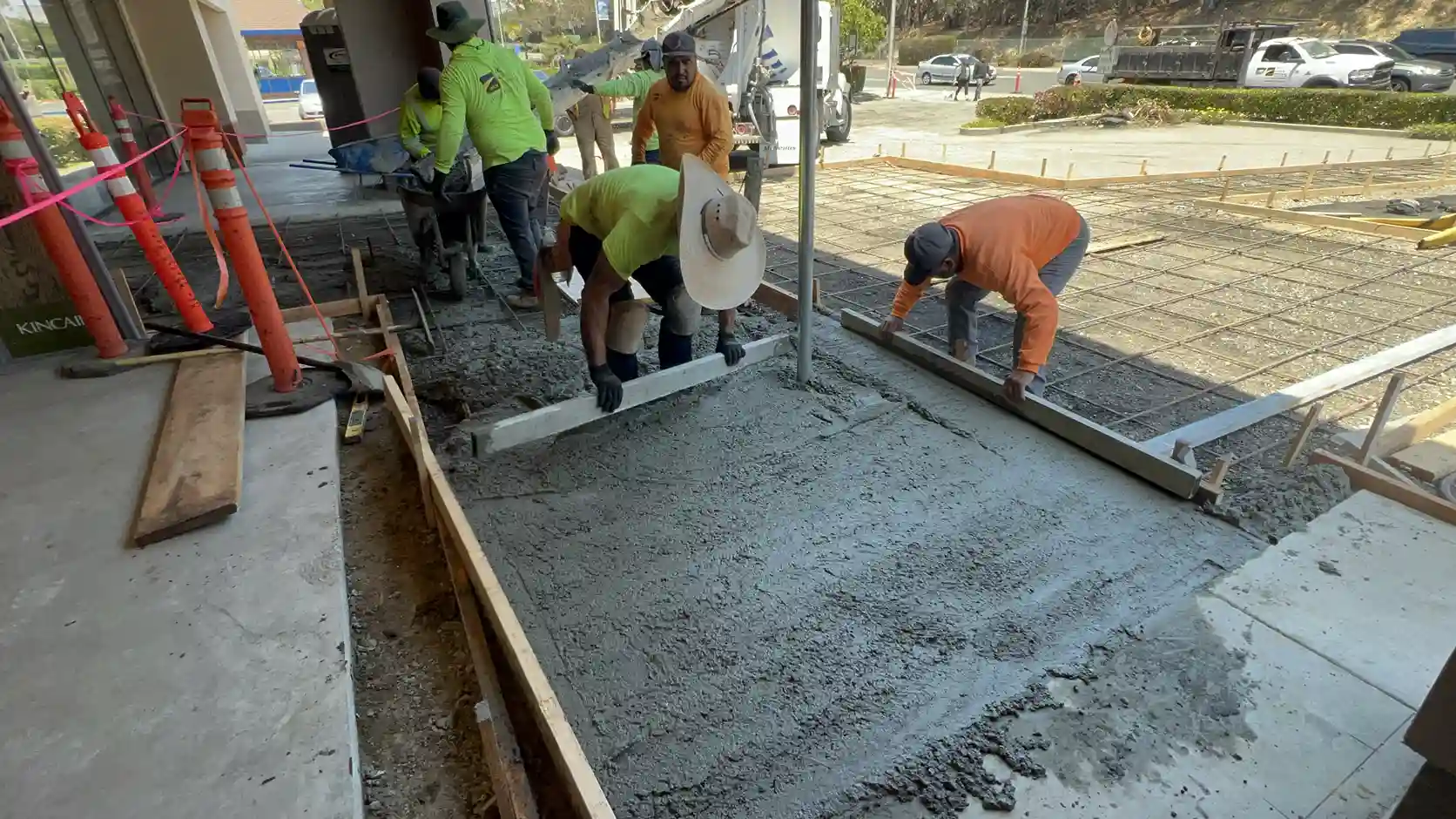
From a paving contractor’s tactical perspective, WMA solves critical thermodynamic hurdles that frequently derail commercial paving operations during late autumn, winter, and coastal operations. When laying traditional HMA on cold subgrades or beneath maritime marine layers, the temperature differential between the 300°F mat and a 50°F ground surface causes rapid surface crusting. Once the mat drops below its cessation temperature typically around 175°F (80°C) for conventional binders aggregates interlock rigidly and cannot be compacted further. Rolling cold asphalt shatters aggregates and creates micro-cracking rather than consolidation, leaving behind premature voids that collect water and unravel within seasons.
WMA completely changes the cooling curve by utilizing chemical surfactants or foamed bitumen that maintain lubricity at lower viscosity plateaus. The mix remains workable and plastic at temperatures where traditional hot mix becomes unworkable. In regions subject to dense maritime fog, persistent offshore breezes, or sudden temperature drops, this extended window allows breakdown and finish compaction rollers to achieve uniform target air voids (typically 4% to 7%) across the entire mat, including longitudinal joints and edges where hand-raking and manual tamping occur.
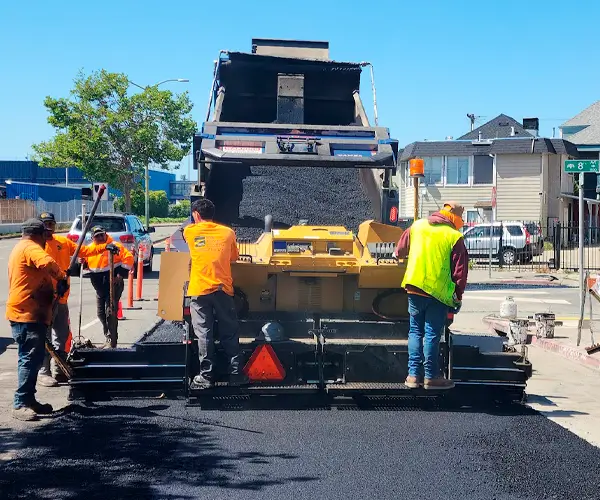
Furthermore, warm mix technology dramatically expands allowable hauling radii from the asphalt batch plant to the job site. In congested metropolitan corridors where transit times frequently exceed 60 to 90 minutes due to unexpected traffic delays, conventional hot mix risks forming a hardened, unworkable crust inside the dump truck bed that clogs the paver hopper. WMA stays workable over extended transits and insulates better against thermal segregation. Concurrently, reducing production heat cuts burner emissions, polycyclic aromatic hydrocarbons, and visible fumes by up to 50%, making WMA the ideal specification for nighttime work, underground parking garages, hospital campuses, and retail centers operating during commercial business hours.
California Paving Standards and Caltrans Section 39 Compliance
California maintains rigorous engineering standards for asphalt pavements, governing warm mix technologies directly through the California Department of Transportation (Caltrans) Standard Specifications, Section 39. Caltrans does not treat warm mix as an experimental process; rather, Section 39-2.01A(4)(h) establishes explicit frameworks for contractor quality control, binder blending, and compaction compliance. Crucially, Caltrans mandates that any warm mix technology utilized on regulated roadways or commercial infrastructure adhering to state standards must be selected from the Caltrans Authorized Materials List (AML) for Warm Mix Asphalt Technologies, which categorizes approved systems into water-injection foaming devices, chemical additives, and organic wax modifiers.
Caltrans Section 39 specifications require that WMA meet identical structural compaction parameters as traditional hot mix: finished pavement layers must consistently achieve between 92% and 97% of the maximum theoretical density determined by AASHTO T 209 testing. However, the code grants clear operational advantages to contractors employing approved warm mix systems. While standard HMA operations face strict minimum ambient and surface temperature placement thresholds typically requiring 50°F to 55°F (10°C to 13°C) depending on lift thickness approved WMA technologies permit paving crews to proceed in marginal weather conditions while remaining in complete compliance with state density and smoothness profiles.
For commercial facility managers seeking municipal permit approval or commercial property improvement compliance, ensuring that contractors utilize Caltrans-approved WMA formulations guarantees material traceability. Qualified contractors deploying commercial asphalt paving services across California ensure that plant batch tickets reflect verified AML-listed additives and that Job Mix Formulas (JMF) are tested for moisture susceptibility through California Test 371 or AASHTO T 283. This regulatory discipline ensures that commercial parking lots, logistics aprons, and private access roads deliver the precise load-bearing capacity designed by civil site engineers.
When Should Property Managers Specify Warm Mix Asphalt?
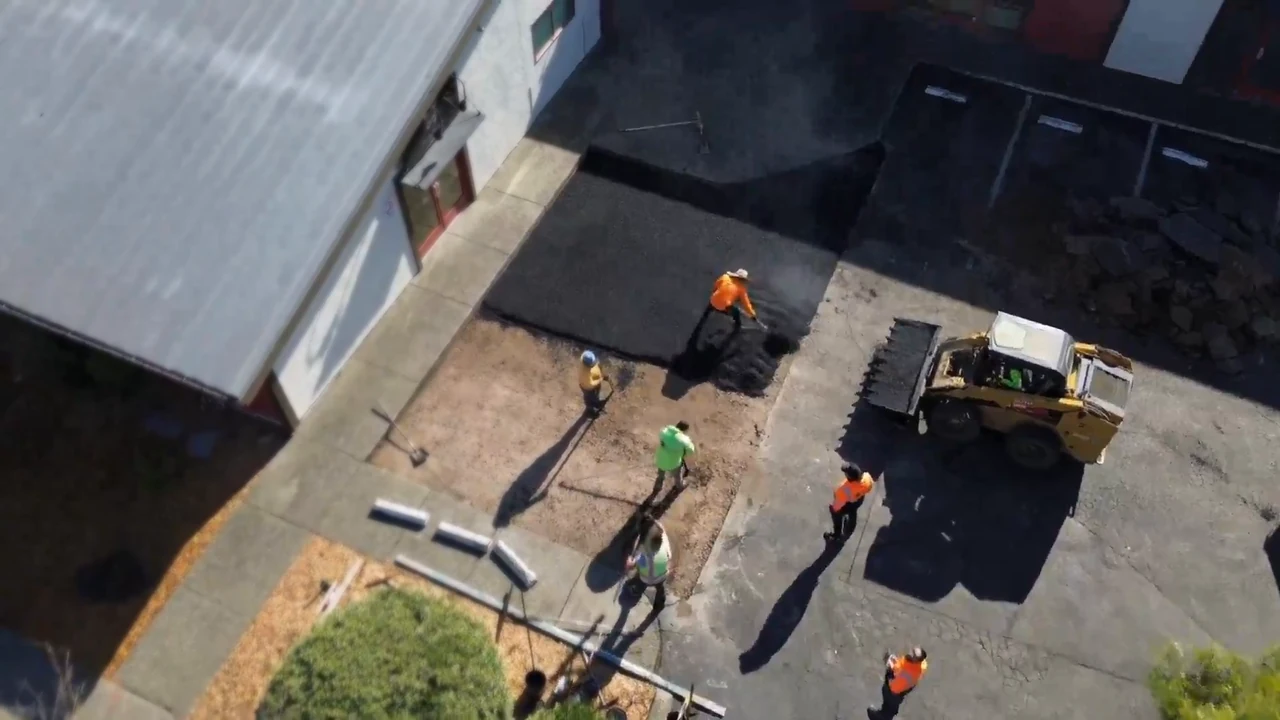
Specifying warm mix asphalt is an operational decision that delivers measurable financial, logistical, and surface-quality dividends under specific jobsite conditions. Commercial property managers, HOA boards, and retail asset directors should prioritize WMA whenever projects require nighttime paving or fall within cooler seasonal windows in early spring and late autumn. By preventing the rapid surface crusting that plagues traditional asphalt under crisp evening temperatures, paving crews achieve seamless, high-density joints across extensive parking bays, allowing facilities to reopen to heavy commercial traffic the following morning without risking aggregate raveling.
WMA proves equally indispensable across congested highway corridors throughout California. When material transport from regional batch plants encounters unavoidable transit delays, traditional hot mix risks developing cold spots and thermal segregation inside the haul bed, creating low-density pockets on the finished mat that unravel within two to three rainy seasons. WMA’s chemical surfactant matrix preserves workability throughout prolonged transit times. Furthermore, for commercial facilities targeting LEED green building certification or municipal emissions targets, WMA provides quantifiable documentation through reduced plant burner fuel consumption and zero toxic fuming around active retail, logistics, or healthcare facilities.

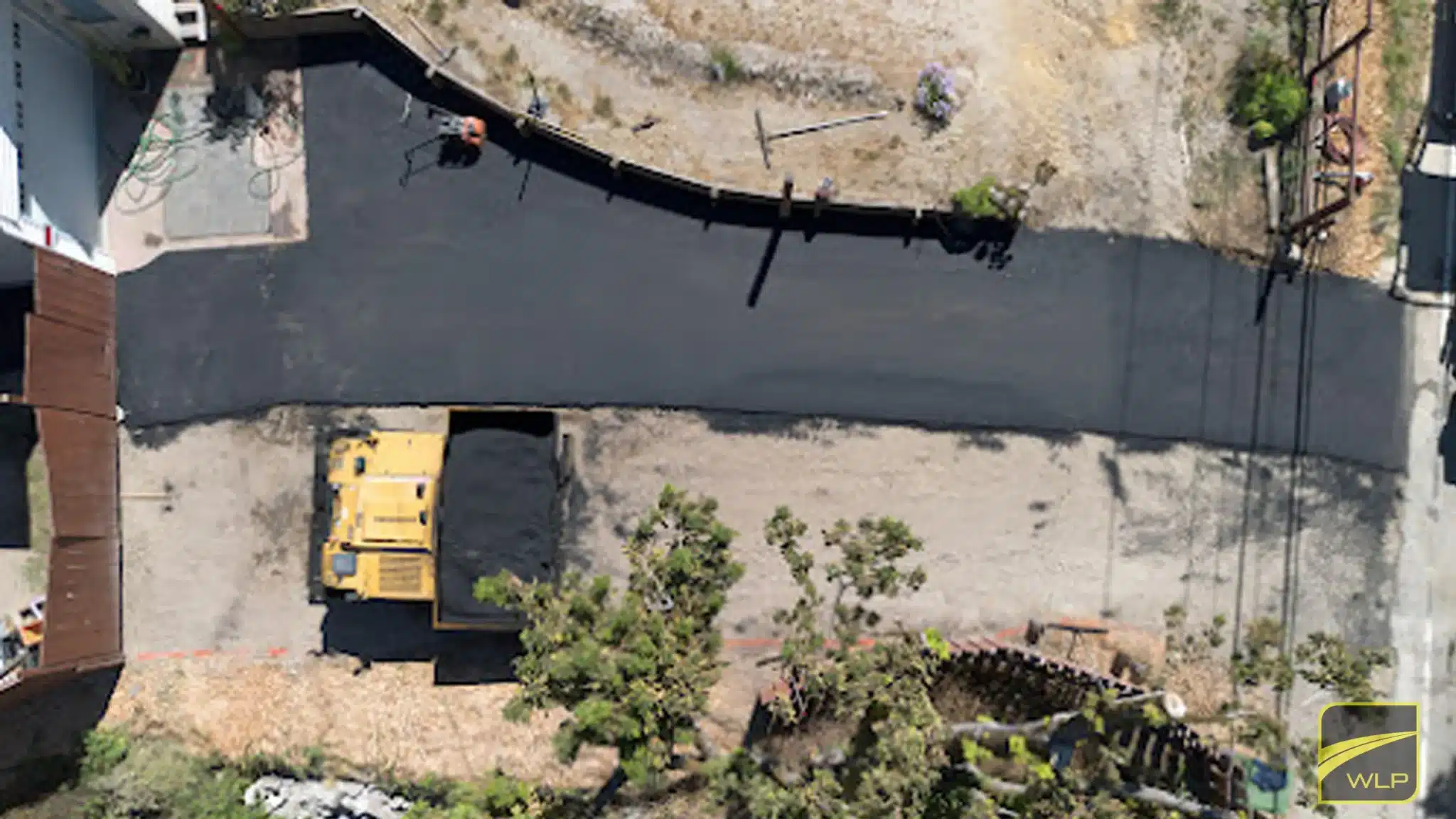
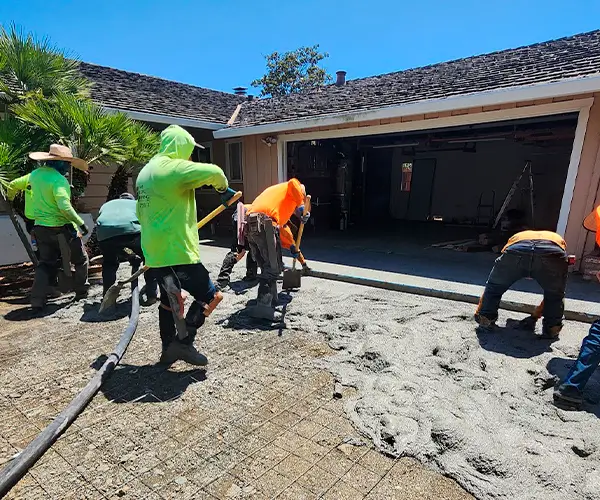
At We Love Paving, our field operations crews (CSLB #1049649, C12 Earthwork and Paving) approach asphalt specifications from the subgrade up as we continue expanding our footprint across California. Even the most sophisticated warm mix formulation will suffer reflective cracking or structural deflection if laid over an unyielding or saturated foundation. True pavement longevity requires pairing an engineered WMA wear course with proper aggregate subbase preparation compacted to 95% relative density. If you are planning an upcoming commercial capital improvement project or need to evaluate whether your site conditions warrant warm mix technology, consult our team for commercial asphalt paving services across California to engineer a pavement section built to perform for decades.