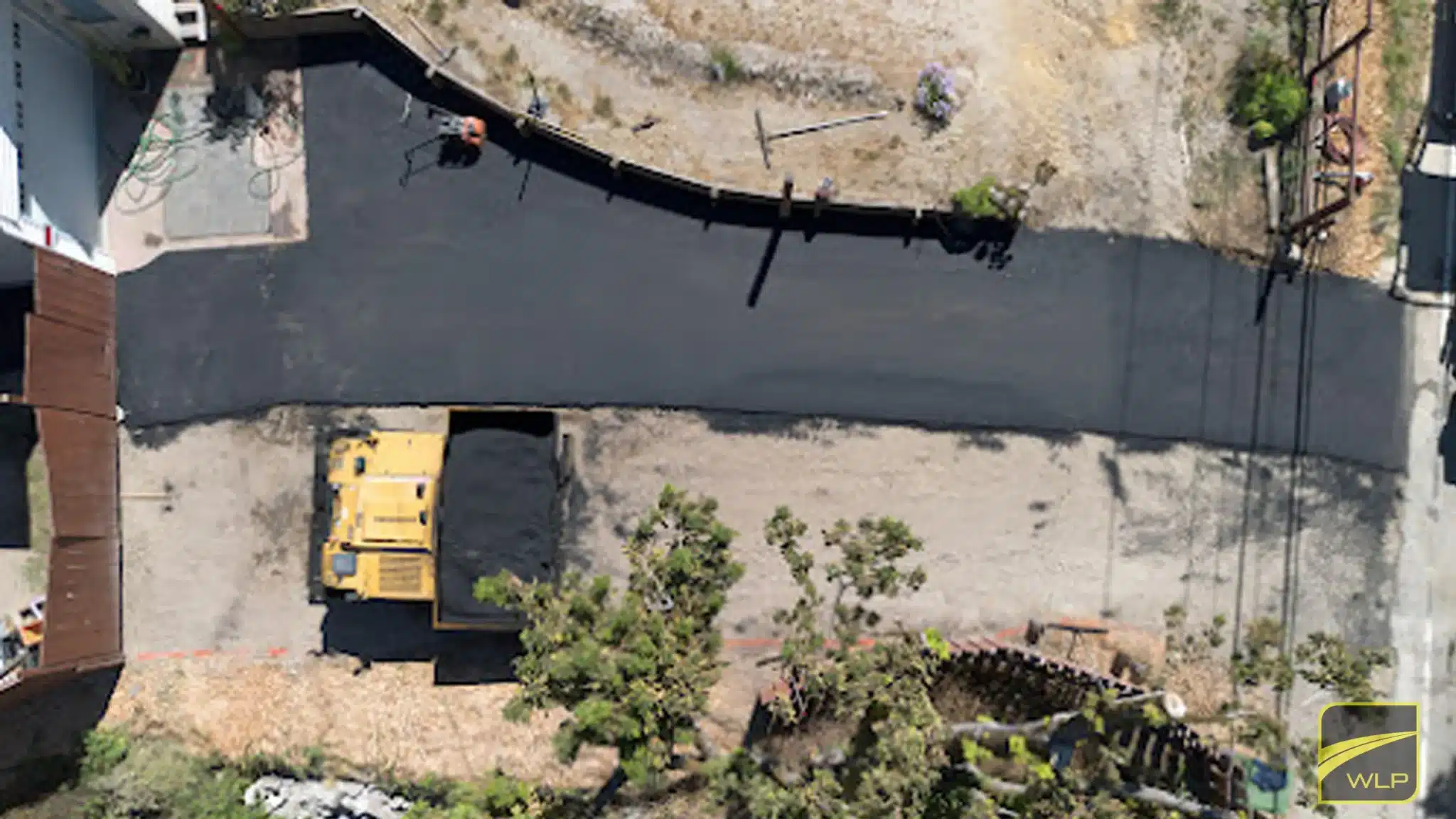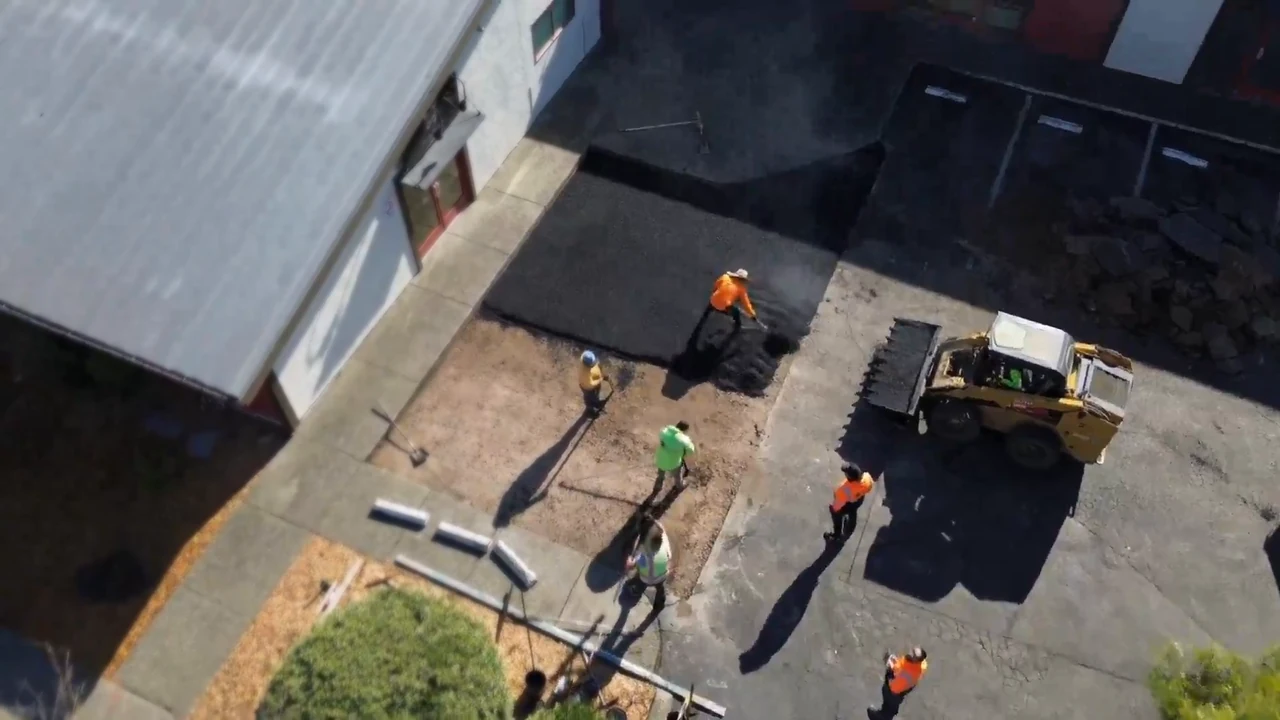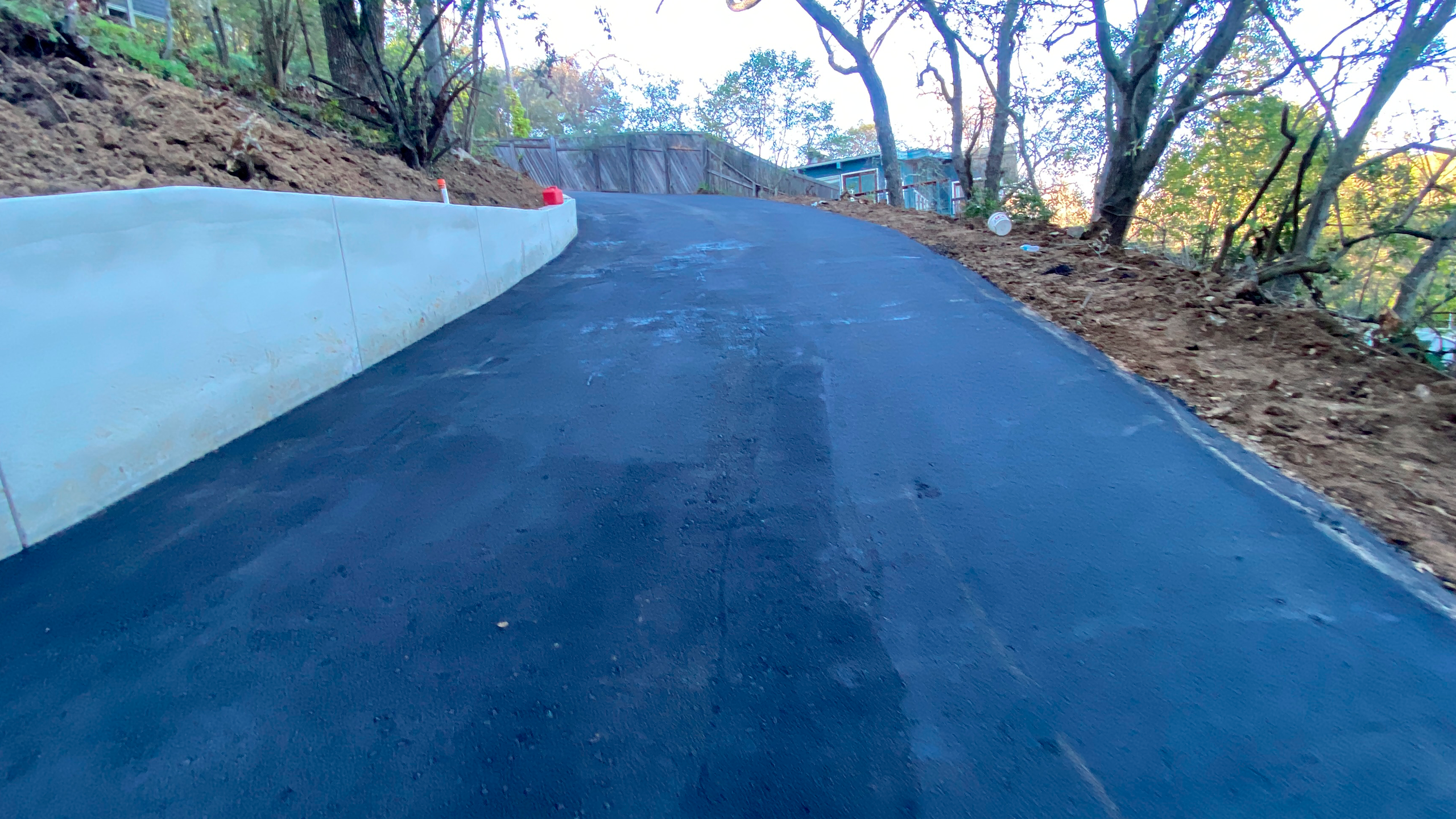
When fresh asphalt is placed on a commercial parking lot or roadway, its dark, pitch-black appearance is the most noticeable visual characteristic of the new surface. Beyond aesthetics, this rich dark hue represents a freshly bound, highly flexible pavement structure ready to withstand heavy traffic loads. Property owners and facility managers often observe that this dark color gradually fades to a lighter gray over months and years. Understanding why asphalt is black in the first place and why it changes color requires looking at the chemical composition of the paving mixture and the environmental forces acting upon it daily.
The dark appearance of new pavement is directly linked to the petroleum-derived liquid binder that holds the mineral aggregate together. When exposed to sunlight, oxygen, and traffic, the asphalt undergoes natural physical and chemical transformations that alter both its surface shade and structural flexibility. Recognizing the difference between simple cosmetic fading and advanced surface degradation helps commercial property managers plan timely preventive maintenance before minor weathering turns into costly structural failure.
The Chemistry of Asphalt: Why New Pavement Is Pitch Black
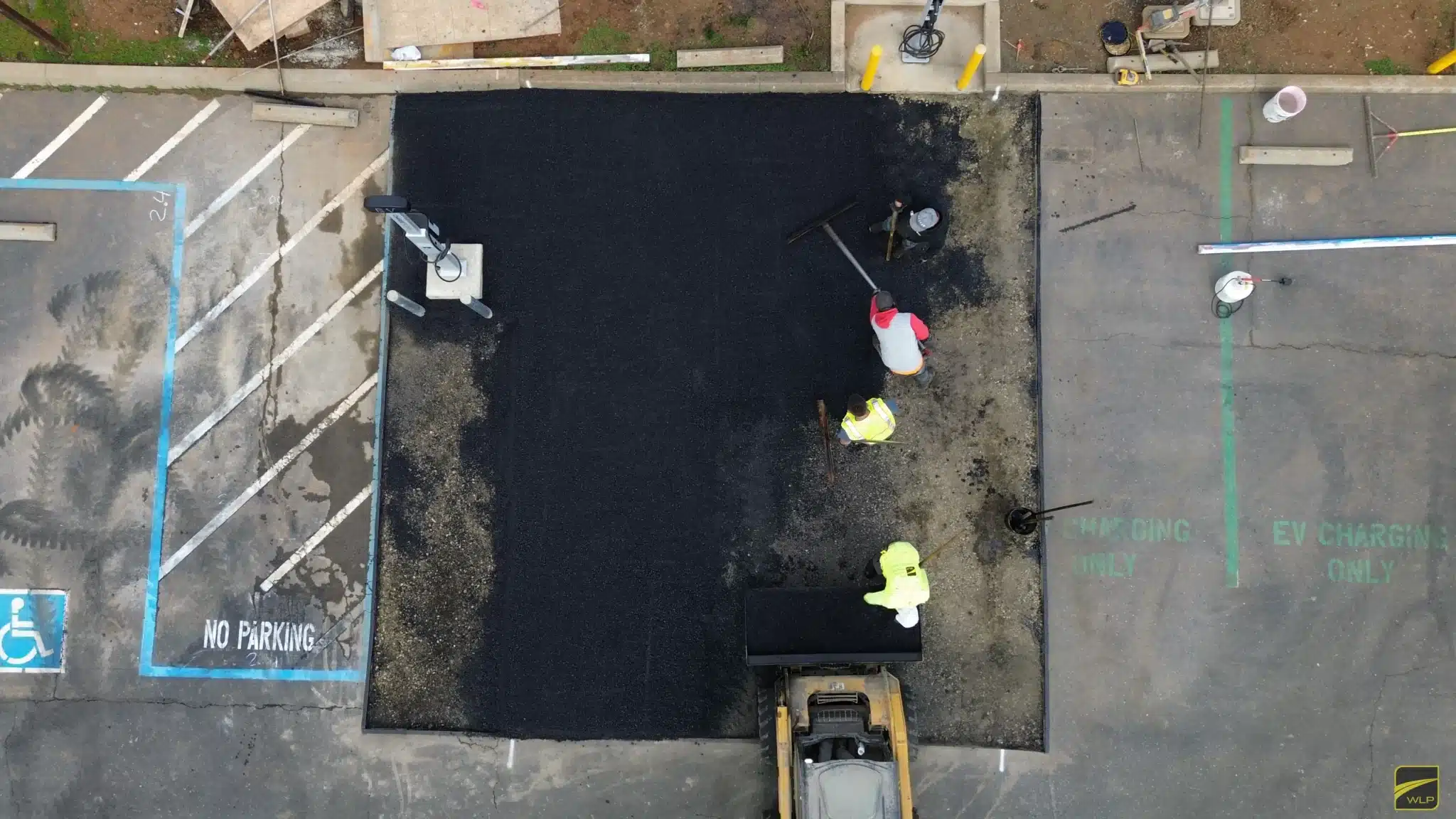
Asphalt pavement is a carefully engineered composite material consisting primarily of mineral aggregate crushed stone, sand, and gravel bound together by asphalt binder. By weight, mineral aggregate makes up roughly 92% to 96% of the mixture, while the asphalt binder accounts for the remaining 4% to 8%, adhering strictly to standards such as ASTM D3515 and Caltrans Section 39 specifications for hot mix asphalt (HMA). Despite making up a small percentage of the total mass, the liquid asphalt binder completely coats every individual stone and sand particle during the high-temperature mixing process, giving the freshly laid mixture its uniform, deep black color.
The asphalt binder itself is a heavy, highly viscous hydrocarbon residue left behind during the petroleum refining process. This liquid bitumen is rich in complex organic molecules known as asphaltenes and maltenes. Asphaltenes provide the structural viscosity and intense dark brown to black pigmentation, while maltenes consist of lighter resins and oils that give the binder its sticky, flexible qualities. When applied hot, this dark liquid acts as a powerful waterproof glue, encapsulating the lighter-colored stones beneath a dense layer of black hydrocarbon film. Exploring the core benefits of asphalt paving highlights how this unique blend of flexibility and waterproofing makes asphalt the primary choice for commercial infrastructure.
The intense black shade of a newly completed paving job is a visual confirmation that the liquid binder is fully active, flexible, and completely protecting the internal aggregate from moisture infiltration. At this initial stage, the oils within the binder are volatile and pliable, allowing the pavement to expand and contract slightly under ambient temperature changes and vehicle weight without cracking.
Why Asphalt Fades from Black to Gray Over Time
The transition of asphalt pavement from deep black to light gray is caused by a natural process known as photo-oxidation. As soon as new pavement is exposed to the atmosphere, solar ultraviolet (UV) radiation and atmospheric oxygen begin reacting with the organic compounds in the asphalt binder. Sunlight breaks down the lighter hydrocarbon oils (maltenes) on the immediate surface, evaporating them and converting the remaining flexible resins into harder, more brittle asphaltenes.
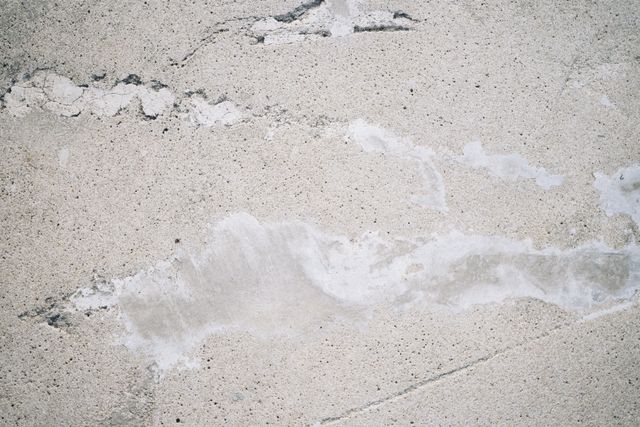
As the liquid binder oxidizes and dries out, the thin black film covering the top layer of stone wears away under vehicle tire friction and rainfall. This loss of surface binder reveals the natural, lighter color of the underlying crushed stone aggregate, which is typically gray, beige, or white depending on local quarry sources. What appears to be a change in the color of the asphalt is actually the physical exposure of the bare mineral aggregate after the dark protective binder film has eroded from the surface.
In regions with high solar radiation, such as Northern California and the Central Valley, summer UV index ratings frequently exceed levels 9 and 10. This intense sunlight accelerates the surface oxidation rate during the first 12 to 24 months after installation. Without a protective barrier, the continuous evaporation of essential binding oils leaves the upper layer of pavement progressively drier, stiffer, and noticeably lighter in color.

Black Asphalt and Thermal Absorption: The Solar Impact
The color of asphalt pavement directly dictates how it absorbs and dissipates solar energy. Fresh black asphalt has a remarkably low solar reflectance, known as albedo, typically ranging between 0.05 and 0.10. This means the surface absorbs 90% to 95% of incoming solar radiation, converting light directly into thermal energy. During warm summer months, dark asphalt surfaces can reach temperatures exceeding 140°F to 150°F under direct sunlight, significantly hotter than the surrounding ambient air temperature.
This thermal absorption creates a double-edged effect on pavement health. On one hand, elevated temperatures keep the asphalt binder flexible during hot weather, allowing heavy commercial traffic to compact the surface slightly rather than cause brittle fracturing. On the other hand, sustained heat speeds up the internal chemical reaction rate of oxidation. High surface temperatures cause volatile oils within the binder to migrate toward the surface and evaporate faster, creating a continuous cycle where heat drives oxidation, and oxidation hardens the pavement.
By comparison, light-colored concrete or aged gray asphalt reflects more solar radiation, maintaining slightly lower surface temperatures. However, as asphalt fades to gray and loses its dark pigment, the decrease in thermal absorption does not mean the pavement is healthier. Instead, the gray surface signals that the binder has lost the crucial oils required to maintain elasticity during cold weather contraction, making the pavement far more susceptible to cracking under thermal stress.
Gray vs. Black Pavement: Fading vs. Structural Damage
For facility managers and commercial property owners, evaluating a graying parking lot involves distinguishing between routine cosmetic fading and severe structural drying. A change in color alone does not mean the pavement has failed, but it does mark a critical transition in the structural health of the asphalt asset.
The table below outlines how surface visual characteristics correlate with underlying pavement condition:
| Visual Appearance | Surface Condition | Primary Cause | Recommended Action |
|---|---|---|---|
| Deep Black (Uniform) | Fully flexible, moisture-sealed binder | Fresh installation or recent sealcoat | Routine inspection; keep clean of oil spills |
| Dull Gray (Smooth) | Surface binder oxidized; aggregate exposed | Solar UV exposure & surface weathering | Apply commercial sealcoating to restore oils |
| Light Gray with Hairline Cracks | Binder brittle; water beginning to penetrate | Advanced oxidation & loss of elasticity | Crack sealing followed by protective sealcoat |
| Gray with Raveling / Potholes | Aggregate matrix failing; binder exhausted | Severe moisture intrusion & load distress | Patching, asphalt overlay, or section repair |
When pavement turns gray while remaining smooth and intact, the oxidation is largely confined to the upper fraction of a millimeter. At this stage, the structural base and lower asphalt layers remain strong, making it the ideal window for preventive maintenance. However, if the graying surface is accompanied by raveling where loose gravel separates from the pavement or block cracking, the loss of binder flexibility has reached deeper into the mat. Understanding where your pavement stands within the full lifecycle of commercial asphalt allows management to allocate capital effectively before minor surface drying requires major rehabilitation.
How to Preserve the Deep Black Color and Extend Pavement Life
Restoring the rich black appearance of aged asphalt is not merely an aesthetic enhancement; it is a vital maintenance process that replenishes lost surface protection. Commercial sealcoating is the primary method used to lock in remaining binder oils and shield the pavement from environmental degradation. High-grade sealers, typically formulated from refined coal tar, asphalt emulsions, or specialty acrylics, are applied as a liquid coating over the cleaned gray surface.

Once cured, sealcoat creates a durable, jet-black barrier that fulfills several critical functions:
- UV Blockade: It acts as a sacrificial wear layer that absorbs harmful solar radiation, preventing sunlight from reaching the underlying asphalt binder.
- Moisture Defense: It seals fine surface pores and hairline voids, preventing water from penetrating into the aggregate matrix where freeze-thaw cycles and hydrostatic pressure cause cracking.
- Chemical Resistance: It protects the binder against automotive fluid leaks, such as gasoline, diesel, and motor oil, which dissolve petroleum-based asphalt binders on contact.
Applying a professional sealcoat every 2 to 4 years keeps commercial parking lots looking clean, professional, and dark black while doubling the overall service life of the pavement structure. If inspection reveals that the underlying pavement has progressed beyond surface drying into structural cracking or subbase failure, scheduling professional asphalt paving in California ensures that damaged sections are properly milled, repaired, or resurfaced to restore long-term load capacity.