For commercial properties, pavement decisions are rarely just about appearance. Parking lots, access lanes, loading areas, and drive aisles affect traffic flow, drainage behavior, maintenance budgets, and the overall experience tenants and visitors have when entering a site.
That is one reason asphalt remains one of the most widely used paving materials for commercial environments. The advantages of asphalt are not limited to installation speed or surface appearance. Property owners and facility managers often choose asphalt because it adapts well to ongoing maintenance planning, traffic exposure, phased repairs, and long-term operational needs.
In many commercial settings, flexibility matters just as much as durability. Pavement systems eventually age, crack, oxidize, or settle. The real question is how manageable those changes become over time and whether the surface can be maintained without constant disruption to the property.
Faster Installation and Less Operational Disruption
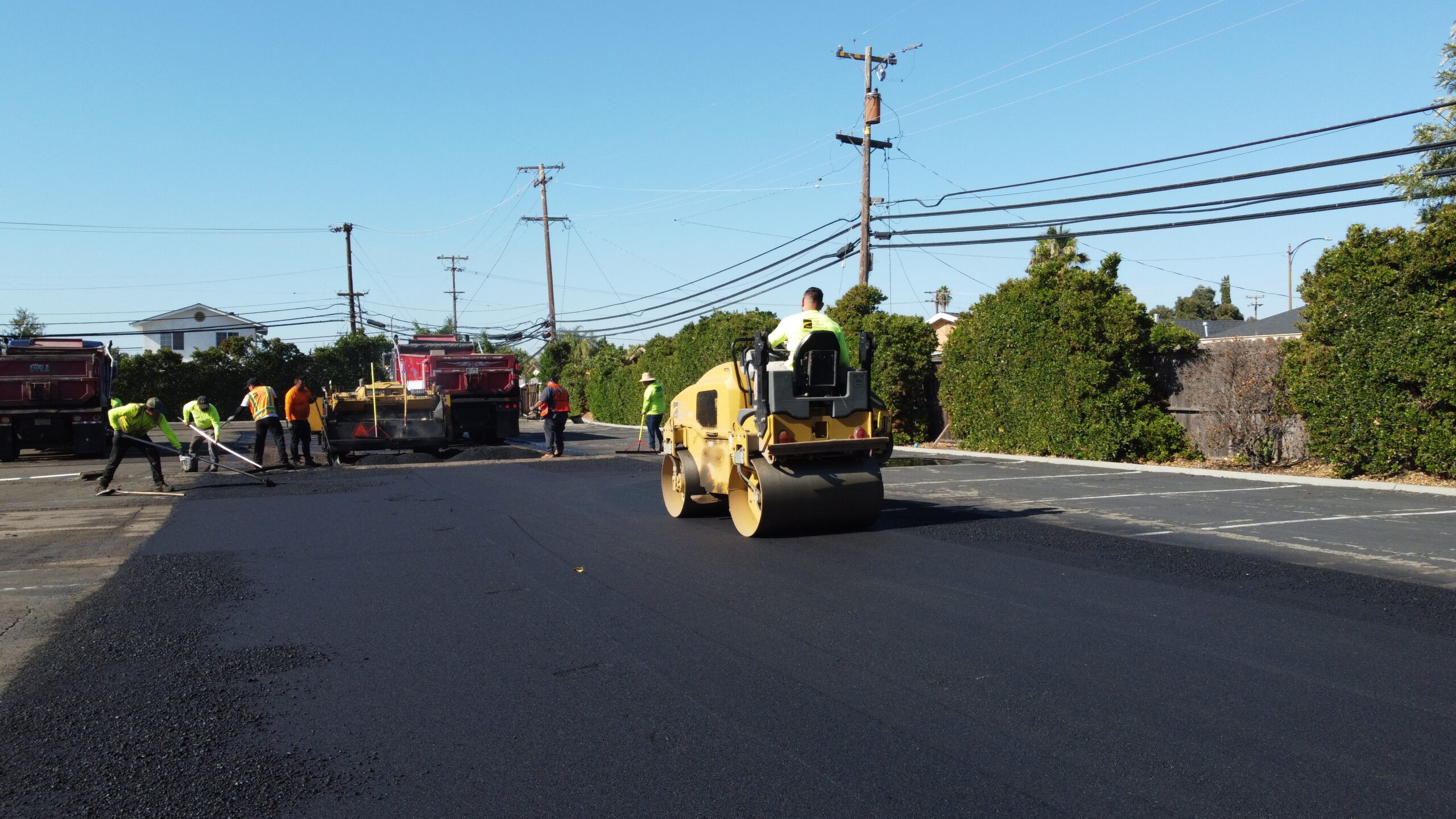
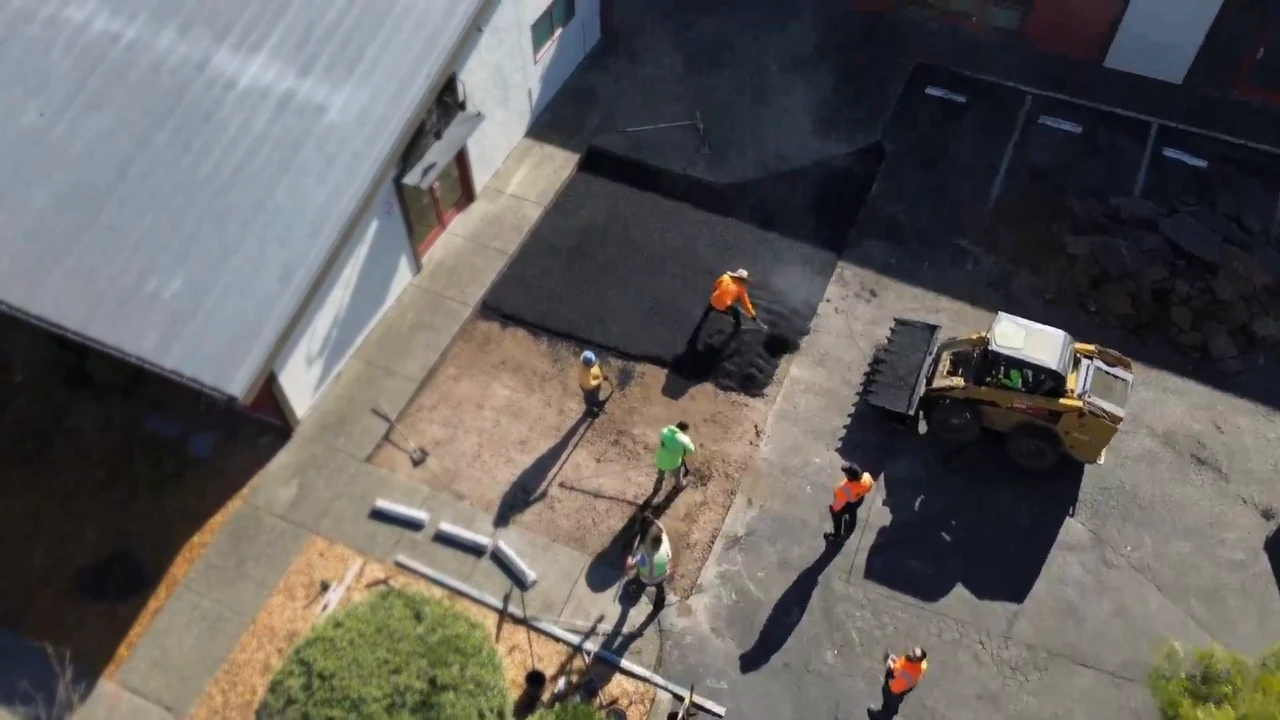
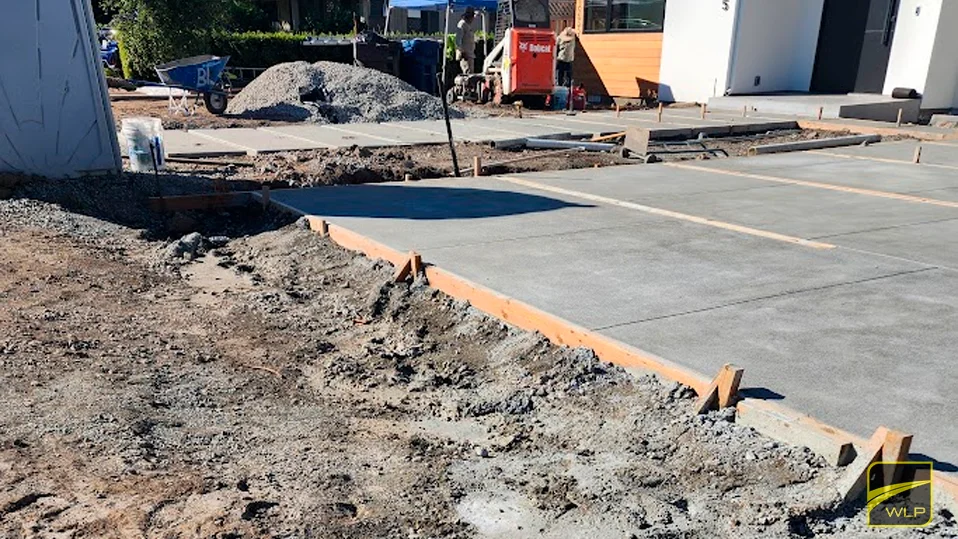
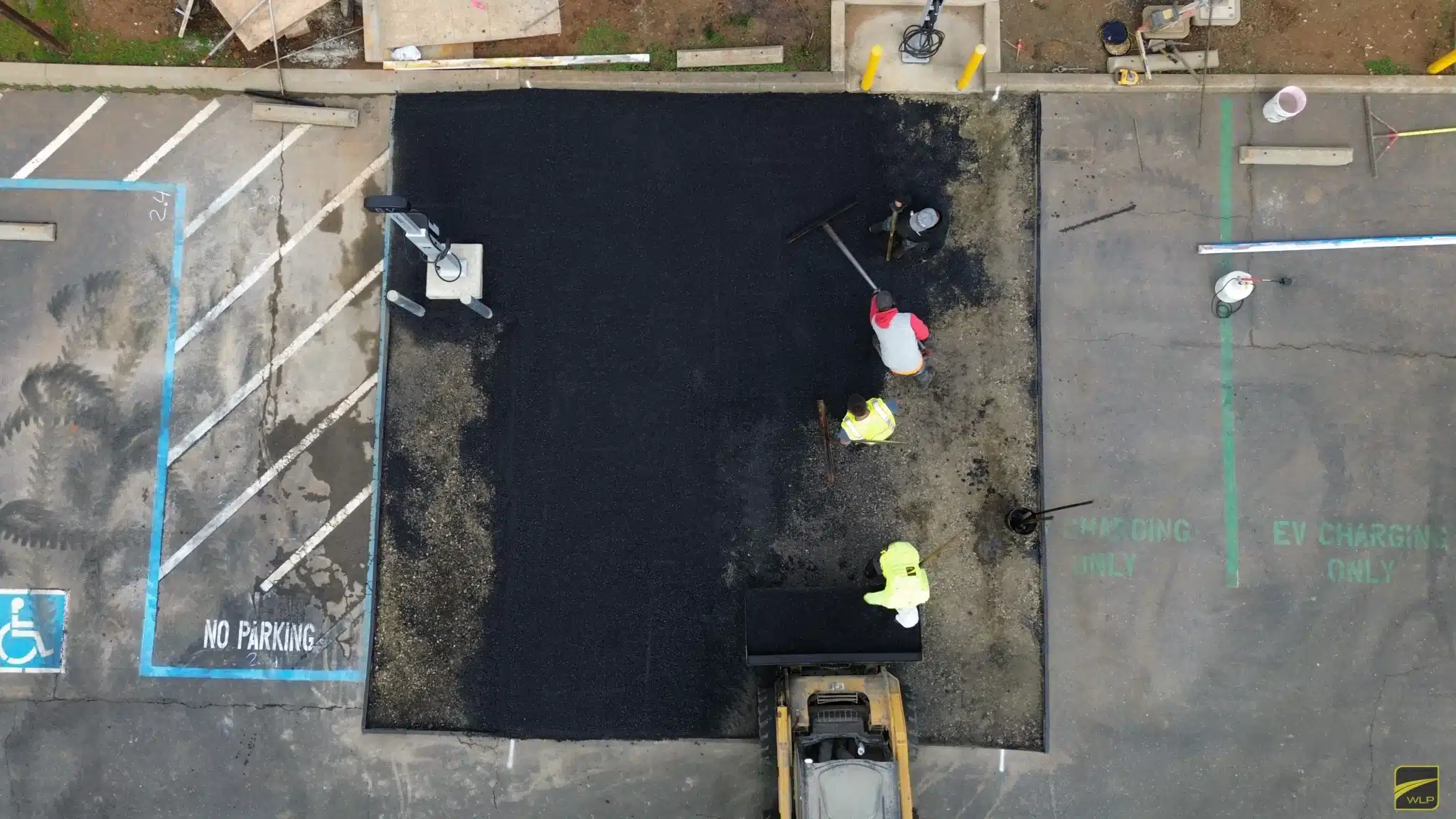
One practical advantage of asphalt paving is the ability to complete projects relatively efficiently compared to more rigid paving systems. For commercial sites, this can reduce interruptions to tenants, customers, delivery traffic, and daily operations.
This becomes especially important for retail centers, apartment complexes, medical offices, industrial yards, and HOA-managed communities where access continuity matters throughout construction.
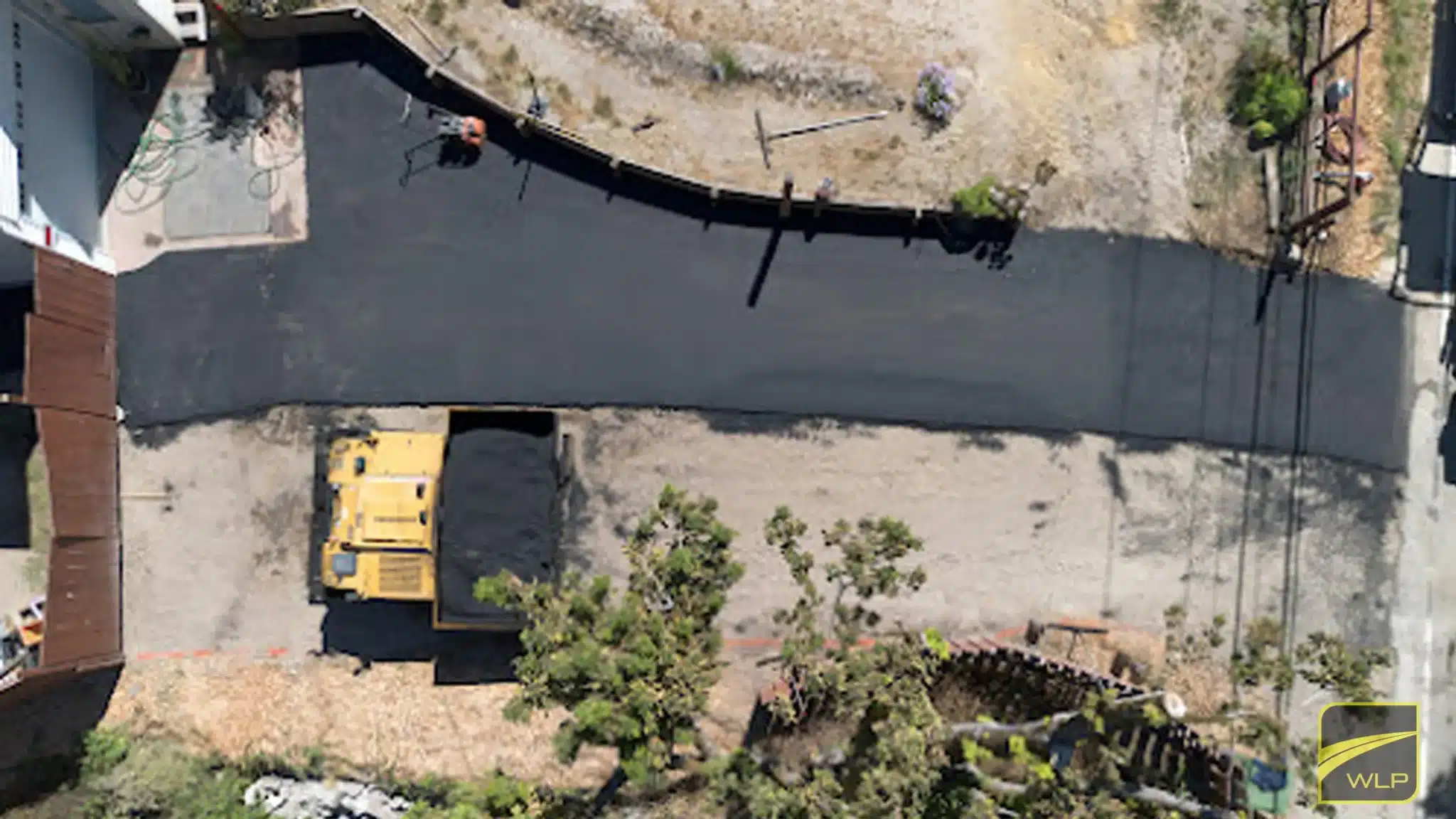
Because asphalt paving can often be phased in sections, property managers may be able to keep portions of the lot operational during repairs or resurfacing work. In high-traffic environments, that flexibility can make scheduling easier and reduce operational strain.
Where older pavement already shows cracking, edge breakdown, or surface fatigue, combining phased repairs with ongoing parking lot maintenance often creates a more manageable long-term strategy than waiting for widespread deterioration.
Another operational advantage is repair accessibility. Utility work, drainage adjustments, and isolated pavement failures are generally easier to address without rebuilding entire sections of the property.
Asphalt Adapts Well to Preventive Maintenance Planning
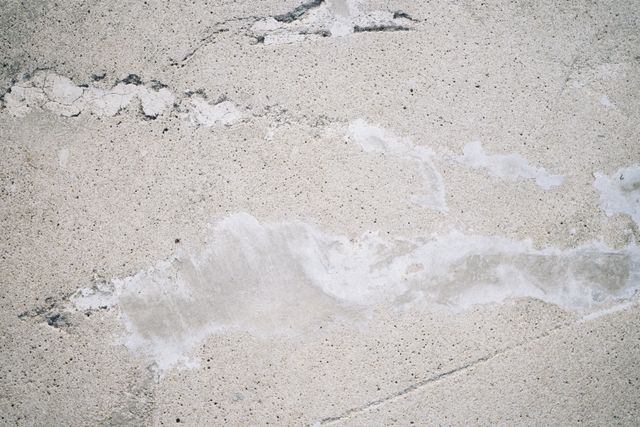
Commercial pavement rarely fails all at once. More often, deterioration develops gradually through oxidation, traffic loading, water intrusion, and seasonal expansion cycles.
One of the major benefits of asphalt is that preventive maintenance can often slow those deterioration patterns before they become structurally severe.
For example:
- Minor surface cracking may be addressed before moisture reaches the base layer
- Surface oxidation can often be managed through sealcoating cycles
- Localized failures can sometimes be repaired without replacing the entire parking area
- Traffic lanes can be resurfaced independently from lower-use sections
This maintenance flexibility matters for properties trying to balance appearance, budgeting, and operational timing.
As pavement ages, drainage behavior also becomes increasingly important. Water intrusion near loading zones, curb lines, or low-lying parking sections can accelerate deterioration faster than many owners expect. In those situations, sealcoating may become part of a broader effort to reduce surface exposure while preserving pavement usability.
Properties with heavy traffic circulation or recurring wear near entrances may also begin evaluating parking lot repair before isolated failures spread into larger structural problems.
Smoother Traffic Flow and Surface Usability
Commercial asphalt surfaces are often selected because they provide a relatively smooth driving experience for both vehicles and pedestrians. That surface consistency can improve traffic circulation and reduce some of the vibration and uneven transitions commonly associated with aging pavement.
For property managers, usability affects more than appearance. Rough pavement conditions can influence:
| Pavement Condition | Potential Operational Impact |
|---|---|
| Surface cracking | Water intrusion and faster deterioration |
| Uneven transitions | Trip concerns and pedestrian discomfort |
| Faded striping | Confusing traffic circulation |
| Potholes | Vehicle wear and drainage retention |
| Surface rutting | Standing water and traffic channeling |
As parking lots age, pavement markings also become harder to distinguish. When faded striping overlaps with worn pavement surfaces, drivers may have difficulty identifying circulation lanes, parking boundaries, or pedestrian paths clearly.
In those conditions, parking lot striping often becomes part of restoring overall lot organization rather than simply refreshing paint.
Commercial properties with accessible parking areas may also review how pavement wear affects visibility, route continuity, and surface transitions over time. In some cases, broader ADA upgrades may become part of future maintenance planning when multiple accessibility-related conditions begin overlapping.
Asphalt Performs Well in Phased Property Improvements
Another advantage of asphalt is how well it supports phased capital improvement planning.
Many commercial sites do not renovate every parking area at once. Budgets, tenant schedules, weather conditions, and operational priorities often require staged improvements over multiple years.
Because asphalt can typically be resurfaced, patched, expanded, or adjusted incrementally, property owners may have greater flexibility when planning long-term upgrades.
For example, a property may:
- repair high-traffic entrances first;
- postpone low-use overflow sections;
- phase resurfacing around tenant occupancy;
- combine drainage corrections with future paving work;
- coordinate striping updates after repair completion.
This flexibility becomes valuable for HOAs, shopping centers, business parks, and industrial facilities where pavement conditions evolve unevenly across the property.
At the same time, asphalt performance still depends heavily on proper installation practices. Base preparation, drainage planning, compaction, and traffic exposure all influence long-term results. In commercial environments where recurring failures appear near utility cuts, loading zones, or drainage paths, underlying structural conditions often deserve closer evaluation.
That is one reason many property managers begin reviewing broader pavement performance factors long before complete replacement becomes necessary. The relationship between drainage, compaction, and traffic loading is discussed further in durable asphalt pavement, particularly for properties dealing with recurring stress points.
Long-Term Budget Predictability Matters
For commercial owners, the best paving decision is not always the one with the lowest upfront cost. Lifecycle predictability often matters more.
One reason asphalt continues to be widely used across commercial properties is that maintenance timing tends to be easier to forecast. Surface wear develops progressively, allowing many owners to plan repairs, sealcoating cycles, restriping, or resurfacing work before conditions become disruptive.
That predictability can help with:
- reserve planning;
- multi-year maintenance budgets;
- tenant coordination;
- phased property improvements;
- capital expenditure forecasting.
Properties that postpone maintenance too long often shift from manageable surface preservation into more expensive structural repairs. Small drainage issues, edge cracking, or oxidation patterns may not appear urgent initially, but over time they can contribute to accelerated pavement fatigue.
In commercial settings with consistent vehicle traffic, ongoing asphalt paving planning usually works best when maintenance decisions are made before widespread failures begin appearing across the lot.
Asphalt Supports Property Appearance Without Overcomplicating Maintenance
Curb appeal still matters in commercial environments. Tenants, customers, residents, and visitors often notice pavement conditions immediately when entering a property.
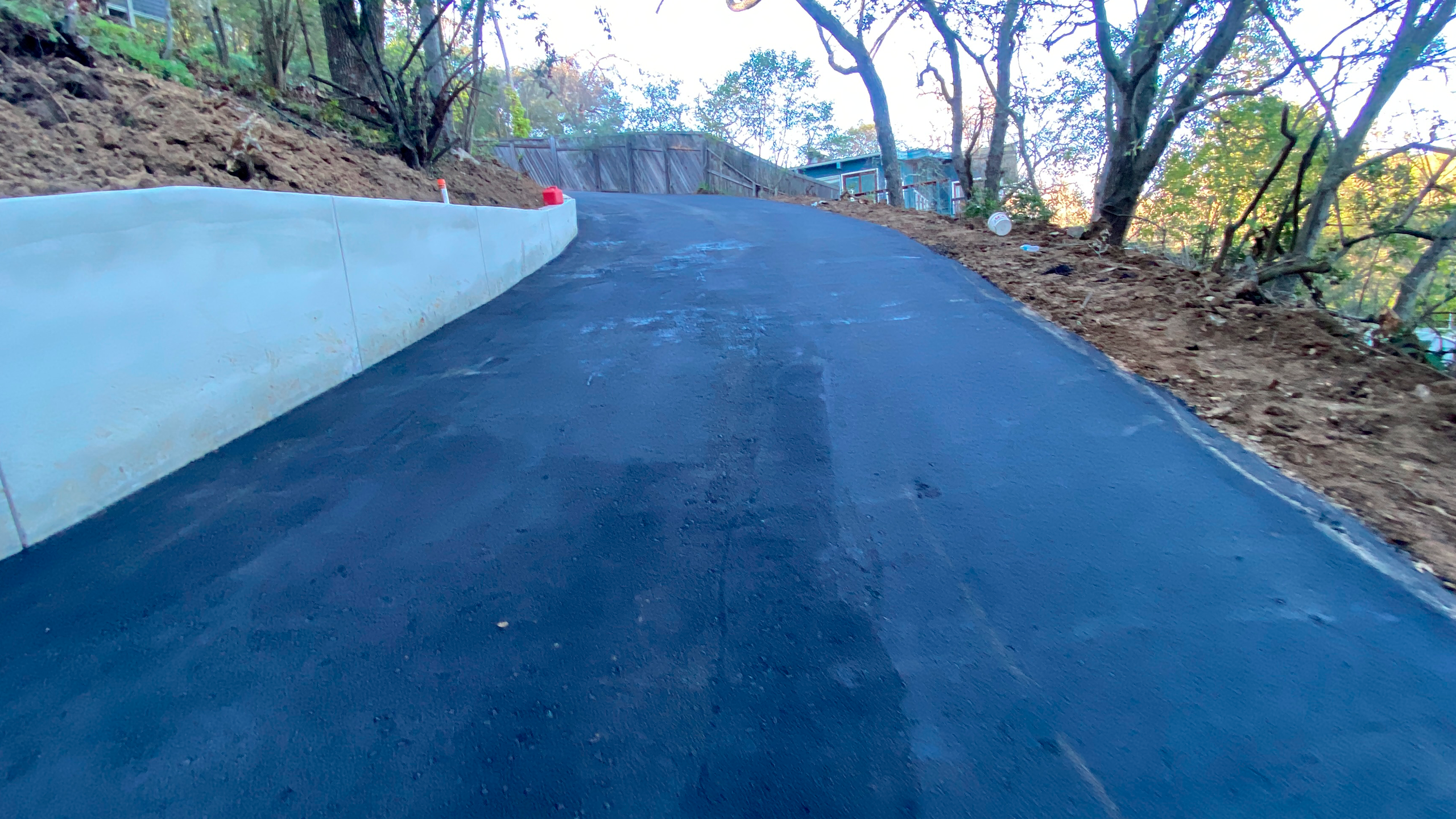
Fresh asphalt surfaces typically provide a clean, organized appearance that works well with visible striping, directional markings, pedestrian routes, and parking layouts. But appearance alone is rarely the real value.
The greater advantage is often maintainability. Asphalt allows many commercial properties to preserve functionality, usability, and visual consistency through ongoing maintenance cycles instead of waiting for complete reconstruction.
At We Love Paving, we approach pavement conditions from a practical property-management perspective. Surface wear, drainage behavior, traffic stress, striping visibility, and long-term maintenance timing all influence how a parking lot performs over time. For commercial properties, the goal is usually not perfection — it is maintaining a usable, organized, and durable surface that supports day-to-day operations without creating unnecessary disruption.