We Love Paving project
We Love Paving · Northern California

Asphalt Paving

15-Year Written guarantee available on qualifying projects
24H Proposal turnaround after project review
    Prefer to talk?
    Call (888) 273-0077
    No commitment. Request a clear project review, scope guidance, and next-step recommendation before making a decision.

    Why Is Parking So Expensive? The Hidden Cost of ADA Parking Lot Issues

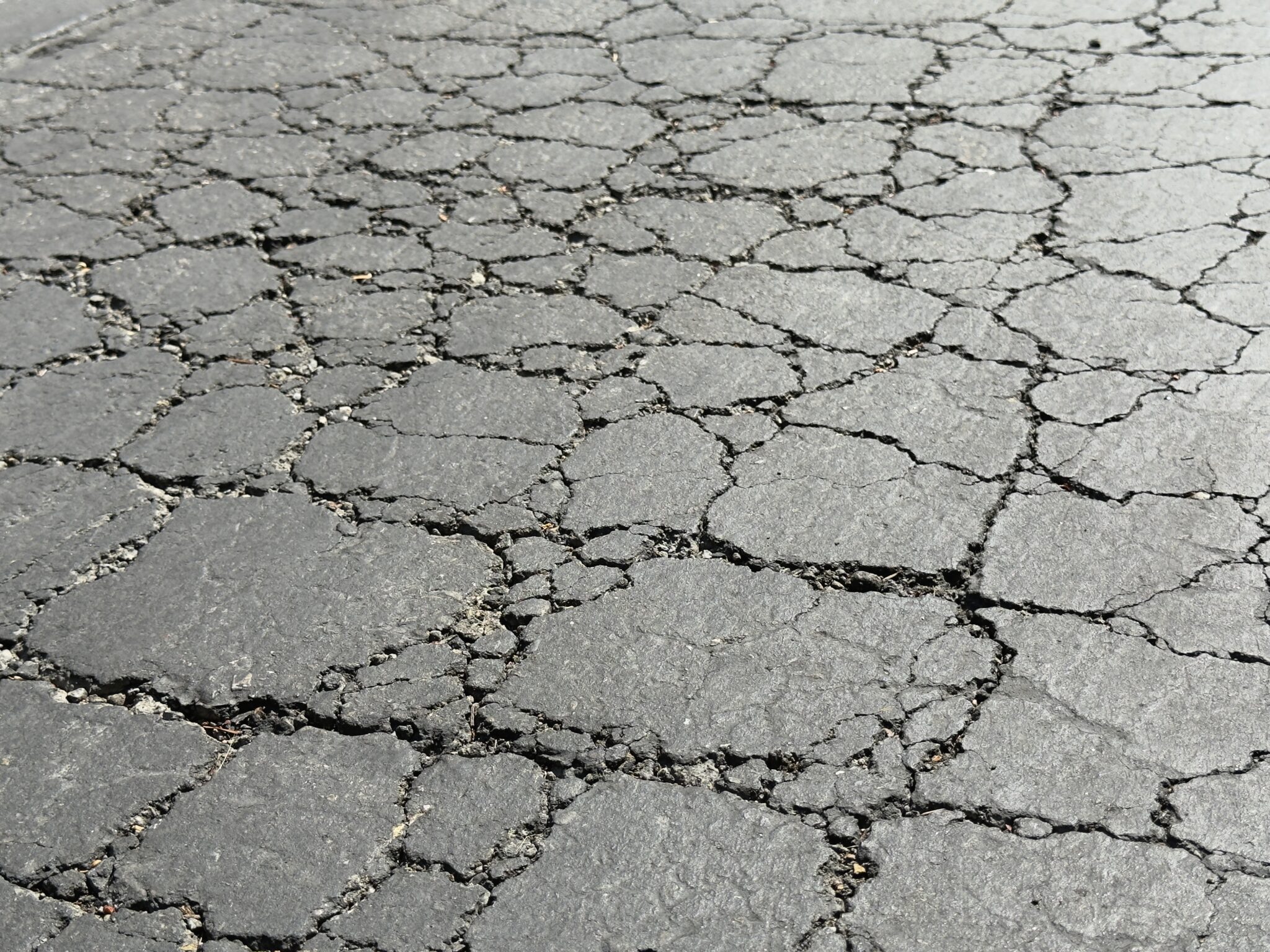
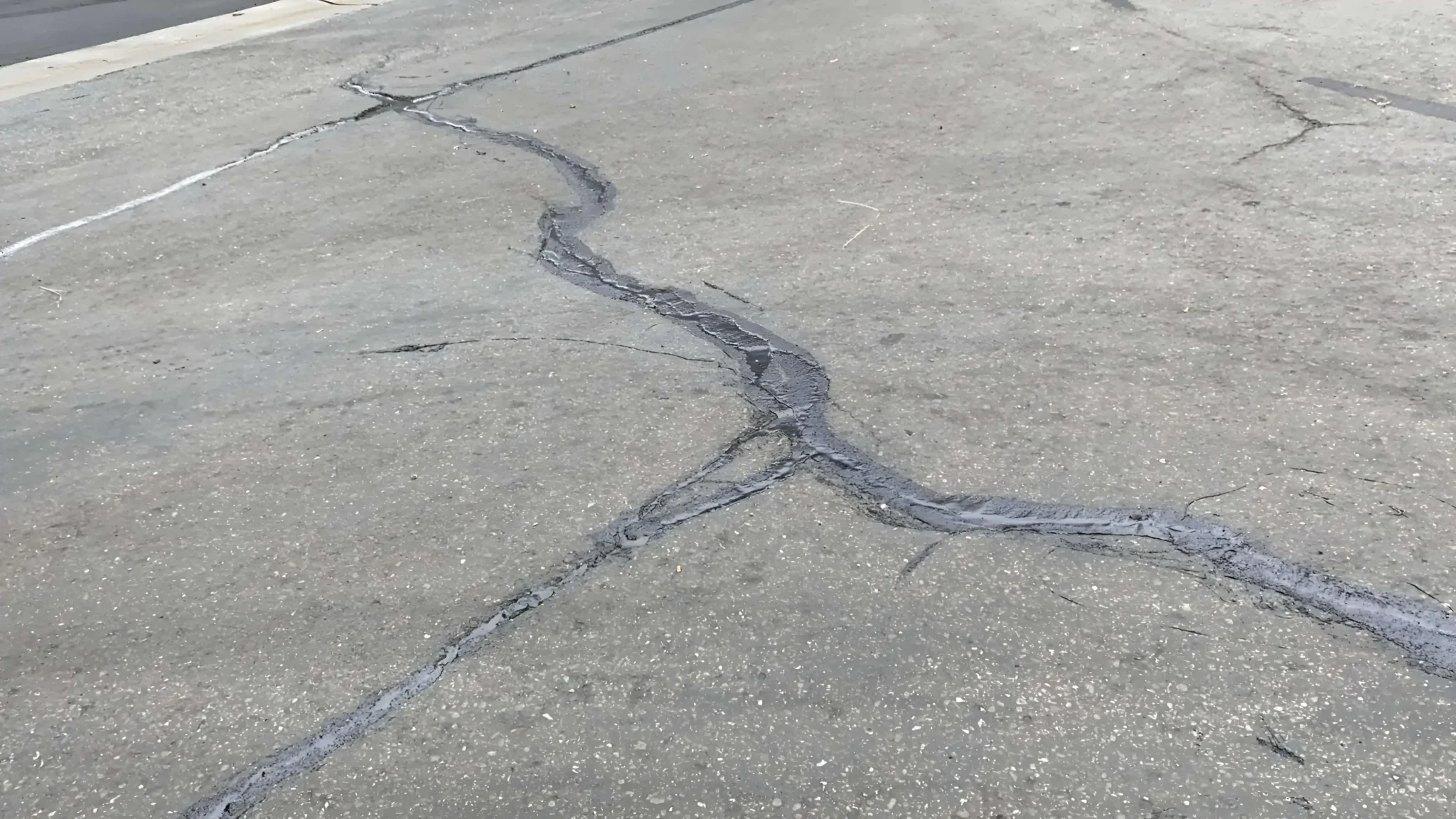
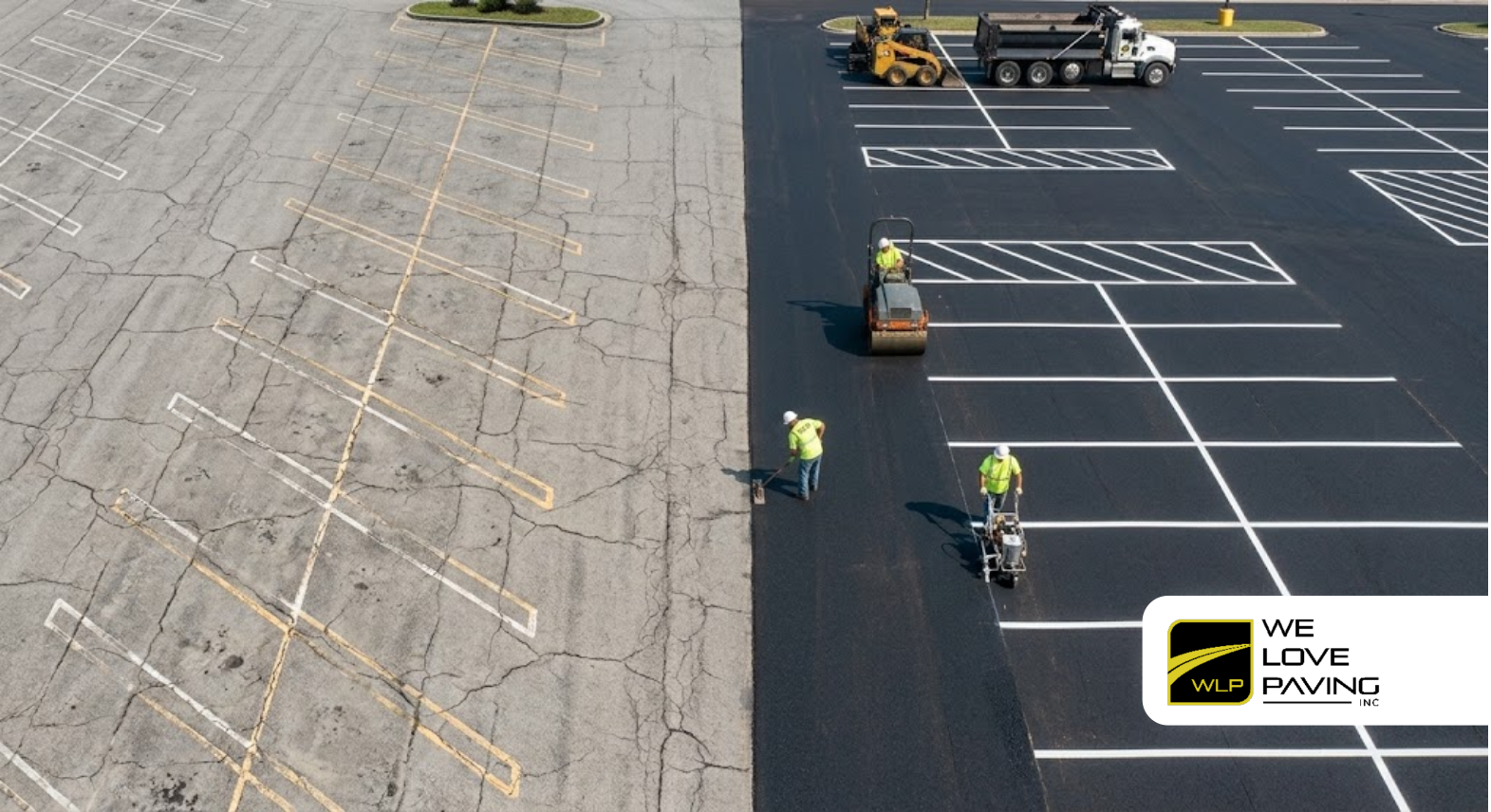
    Cracked asphalt with parking spaces visible.
    Estimation Tools

    Calculate costs in seconds

    Fast, accurate estimates that help you close more jobs. Less guesswork, more profit.

    Why is parking so expensive?

    Most people answer that question from the driver’s side. They think about parking fees, meters, garages, permits, tickets, or high-demand locations. That answer is not wrong, but it is incomplete.

    For property owners, parking is expensive because a parking lot is not just empty asphalt with painted lines. It is land, pavement, drainage, circulation, markings, maintenance, accessibility, lighting, repairs, tenant expectations, and long-term liability exposure. Every one of those elements costs money to build, maintain, correct, and manage.

    ADA-related parking issues can make those costs even more complicated.

    A property may have accessible spaces, but the markings are faded. The access aisle may be blocked or poorly marked. The route from the parking area to the entrance may be cracked, uneven, unclear, or interrupted. A ramp may exist, but the pavement around it may have settled. Signs may be present, but the layout may no longer match how people actually use the site.

    This article does not certify whether a parking lot is compliant. It also does not provide legal advice. ADA-related requirements can involve federal standards, state or local rules, site measurements, construction history, and qualified review.

    The goal here is narrower and more useful: to explain why parking becomes expensive for owners when accessibility, pavement condition, striping, and maintenance are treated as afterthoughts.

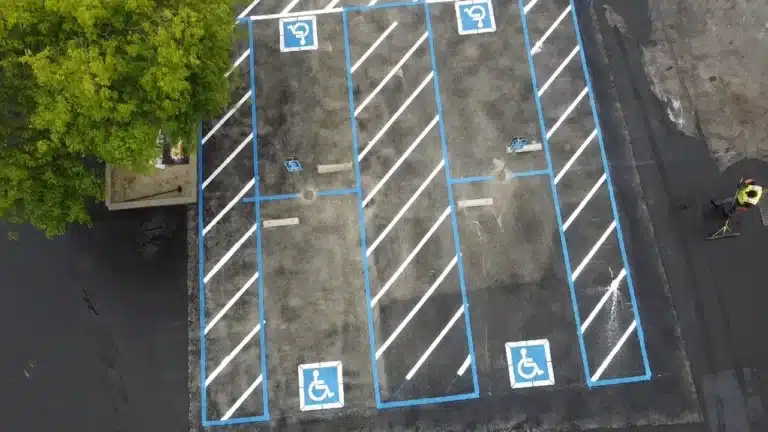
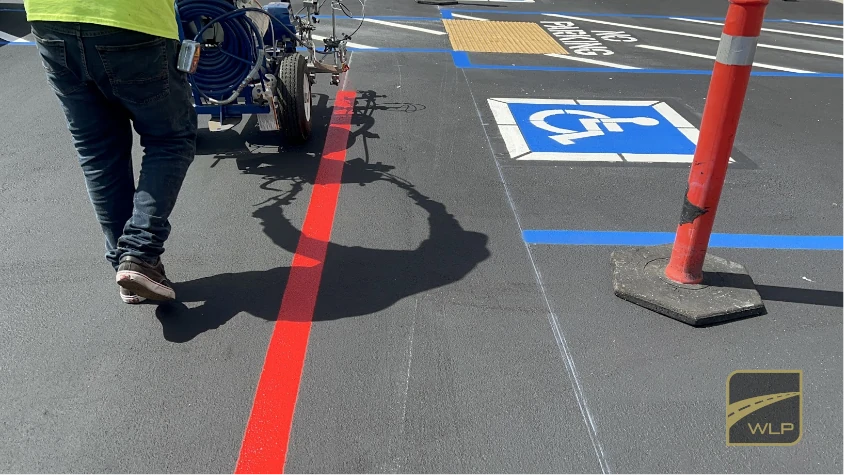
    Aerial view of a parking lot with fresh blue ADA handicap stalls and white access aisles in Rohnert Park. Project by We Love Paving in Northern California, CA.

    Parking Costs More When the Lot Has to Do More Than Store Cars

    A parking lot looks simple until you list everything it has to accomplish.

    It has to organize vehicles. It has to move pedestrians safely and clearly through the site. It has to drain water. It has to support daily traffic. It has to show people where they can and cannot park. It has to connect to entrances. It has to serve tenants, customers, residents, employees, delivery drivers, vendors, and visitors.

    Accessible parking adds another layer.

    The parking area must not only provide a place to park. It must support movement from the vehicle to the building. That means spaces, access aisles, signs, pavement surfaces, ramps, crossings, and routes all matter together.

    The mistake is thinking ADA parking is only about blue paint.

    Paint is visible, so owners focus on it. But the expensive problems often appear in the parts that are less obvious: damaged pavement, unclear circulation, poor drainage, outdated layouts, blocked access aisles, worn signage, or routes that no longer function well after years of patching and restriping.

    When accessibility concerns involve the full layout of the site, parking lot ADA compliance becomes a property maintenance issue, not a cosmetic striping task.


    The Expensive Part Is Usually the Delay

    Parking lot costs often increase because owners wait too long.

    A faded access aisle may be cheap to correct early. A neglected accessible route surrounded by cracks, drainage problems, old markings, and uneven patches becomes more complicated. A small pavement issue near an accessible stall may be manageable when addressed early. Left alone, it can become part of a larger repair scope.

    This is the cost pattern owners miss:

    Early ConditionWhat Owners Often DoWhy It Gets Expensive
    Faded ADA markingsDelay restripingDrivers may misunderstand the layout
    Small cracks near routesTreat as cosmeticWater can enter and widen defects
    Ponding near access areasWait for it to dryRepeated moisture can weaken pavement
    Old signs or unclear layoutAssume it still worksCirculation may no longer match site use
    Patchwork repairsFix one spot at a timeTransitions may become uneven or confusing

    The cost is not only the repair. It is the compounding effect.

    When owners delay, the eventual project may require more than repainting. It may involve surface repairs, crack treatment, slope or transition review, restriping, sign replacement, route adjustments, or broader ADA-related upgrades.

    That is why the article on delaying parking lot maintenance matters in this context. Delay does not preserve the budget. It often moves the cost into a more disruptive category.


    ADA Parking Problems Are Rarely Isolated

    A weak ADA parking area usually has more than one issue.

    The stall may be faded. The access aisle may be unclear. The sign may be leaning. The pavement may be cracked. The nearby route may collect water. The pedestrian path may cross a drive aisle without enough visual clarity. The ramp area may have patchwork asphalt around it.

    Each issue may look minor alone. Together, they suggest the accessible parking area is not being managed as a system.

    That is where parking gets expensive.

    Owners often try to solve one visible problem at a time. Repaint the symbol. Replace a sign. Patch a crack. Add a wheel stop. Move a curb marker. Those actions may be necessary, but if they are done without reviewing how the accessible route actually works, the property may keep producing the same problems.

    A more serious review asks:

    • Can someone identify the accessible parking area clearly?
    • Is the access aisle visible and open?
    • Does the route to the entrance make sense?
    • Is the pavement surface stable enough for use?
    • Are old markings creating confusion?
    • Does water collect where people need to move?
    • Have repairs created uneven transitions?
    • Has the building entrance or tenant layout changed?

    The article on ADA parking lot supports this broader view. Accessible parking should be understood as a connected route, not a single painted stall.


    Striping Is Cheap Until Bad Layout Makes It Expensive

    Parking lot striping looks like one of the simpler expenses.

    That is partly true. Repainting a clear, correct layout is usually more straightforward than rebuilding damaged pavement. But striping becomes more expensive when the layout is outdated, confusing, or disconnected from how the property is used.

    For ADA-related areas, striping should not be treated as decoration. It communicates how the space functions.

    If accessible stalls, access aisles, crossings, fire lanes, loading areas, directional arrows, or pedestrian paths are unclear, people begin improvising. Drivers park over access aisles. Pedestrians choose unpredictable routes. Tenants complain about circulation. Visitors misunderstand where they should go.

    The owner may then face a larger question: is this a restriping job, or does the layout need review?

    That distinction matters. Repainting the wrong layout only preserves the wrong problem.

    Where the pavement layout is sound but markings have faded, parking lot striping can help restore visual order. But when ADA, circulation, and pavement condition overlap, striping should follow a real review of the parking area, not guesswork.

    This is one reason parking feels expensive: the cheap version is only cheap when earlier decisions were correct.


    Pavement Failure Around Accessible Areas Raises the Stakes

    A pothole in a remote corner of a lot is a maintenance problem. A pothole near an accessible route is a more sensitive property issue.

    The location changes the seriousness.

    Accessible parking areas and routes need closer attention because surface conditions can affect usability. Cracks, potholes, loose asphalt, raveling, ponding, uneven patches, and rough transitions may interfere with how people move from parking to the entrance.

    This does not mean every surface defect is automatically a legal violation. That would be careless language. But visible pavement problems in accessible areas should trigger a closer review.

    Owners should be especially cautious around:

    • Accessible stalls
    • Access aisles
    • Curb ramps
    • Pedestrian crossings
    • Building entrance routes
    • Transitions between asphalt and concrete
    • Drainage paths near accessible parking
    • Areas with repeated patching or settlement

    This is where cost escalates. If the pavement around accessible features has been neglected, the owner may not be dealing with a simple paint refresh. The work may require physical corrections, surface repairs, route adjustments, or more coordinated ADA-related improvements.

    When conditions require more than markings, ADA upgrades may be part of the conversation. The scope should be based on measured site conditions and appropriate review, not assumptions from a quick visual check.


    Parking Gets Expensive When Owners Separate Compliance From Maintenance

    The weakest approach is treating ADA compliance as a one-time project.

    A property gets striped once, signs are installed, and the owner assumes the issue is handled forever. Then the pavement ages. Lines fade. Tenants change. Entrances shift. Drainage worsens. Repairs alter surface transitions. Snow, rain, traffic, and maintenance activity change how the site performs.

    A parking lot is not static.

    That is why accessibility-related review should be part of maintenance, not separate from it. The owner should be asking whether the accessible features still function in the current condition of the property.

    The article on ADA compliance in paving covers why accessibility should be considered during paving work. The sharper point here is cost: if accessibility is ignored until after paving, patching, or restriping decisions are made, the owner may end up paying to correct avoidable conflicts.

    The better sequence is:

    1. Review the existing layout.
    2. Observe how people move through the site.
    3. Check accessible spaces, aisles, signs, routes, and surfaces.
    4. Identify pavement problems near accessible areas.
    5. Coordinate repairs, striping, and upgrades in the right order.

    That sequence is less reactive. It also reduces the chance of paying twice: once for a quick fix, then again for a more complete correction.


    The Real Answer: Parking Is Expensive Because Mistakes Compound

    So, why is parking so expensive?

    For drivers, the answer may be land cost, demand, garages, meters, or location. For property owners, the answer is more operational: parking is expensive because small mistakes compound across a large, visible, high-use surface.

    Ignore cracks, and water enters. Ignore striping, and circulation gets messy. Ignore drainage, and the pavement deteriorates faster. Ignore ADA-related routes, and simple maintenance may become a more sensitive project. Ignore layout changes, and old assumptions keep creating new problems.

    The cost is not only asphalt. It is coordination.

    Parking lots require pavement work, marking decisions, drainage awareness, accessibility review, tenant communication, scheduling, and long-term planning. When those pieces are handled separately, owners tend to overpay through rework, patchwork, emergency repairs, and avoidable disruption.

    The expensive parking lot is usually not the one that received planned maintenance. It is the one that was ignored until every problem overlapped.


    Lower the Cost by Managing the Lot as a System

    The practical way to control parking lot costs is not to avoid maintenance. That is how costs rise.

    The better approach is to manage the lot as a connected system. Pavement, striping, drainage, ADA-related areas, access routes, and tenant use should be reviewed together. That does not mean every property needs a major project. It means owners should stop making isolated decisions without understanding how one condition affects another.

    A faded ADA symbol may lead to a striping conversation. Faded striping plus cracked pavement may lead to repair first. Cracked pavement plus drainage problems may require a broader maintenance review. Accessible route issues may require more specialized evaluation before any surface work begins.

    At We Love Paving, we look at parking lot cost through a practical property-maintenance lens: what the lot is expected to do, where accessibility-related areas may need closer review, how pavement condition affects usability, and which maintenance decisions can prevent small issues from becoming expensive corrections.

    Need Immediate Help?

    Let's Talk About Your Project

    Don't wait until minor damage turns into major expenses. Our team of experts is ready to provide you with guaranteed solutions. Contact us now for direct advice from a professional.

    Frequently Asked Questions (FAQ)

    Got Questions? Find Your Answers Here!!

    Why is parking so expensive for property owners?

    Parking is expensive for property owners because a parking lot requires pavement construction, repairs, striping, drainage management, accessibility review, maintenance scheduling, and long-term upkeep. Costs rise when these issues are delayed or handled separately.

    Can ADA parking issues make a parking lot more expensive?

    Yes. ADA-related parking issues can make a parking lot more expensive when faded markings, damaged surfaces, unclear access aisles, poor signage, or route problems require coordinated review, repairs, restriping, or physical upgrades.

    Is repainting ADA parking spaces enough?

    Not always. Repainting may help if the layout is correct and the pavement is stable, but it may not solve problems with access aisles, signage, route connection, drainage, surface damage, or outdated parking lot design.

    Why does delayed parking lot maintenance cost more?

    Delayed maintenance costs more because small defects can spread. Cracks can allow water into the pavement, faded markings can create confusion, drainage problems can weaken asphalt, and accessibility-related issues may become more complex to correct later.

    How can owners reduce parking lot costs?

    Owners can reduce parking lot costs by inspecting the lot regularly, addressing cracks and drainage early, keeping markings visible, reviewing accessible routes, and coordinating repairs before pavement, striping, and ADA-related issues overlap.

    Professional customer review project by We Love Paving in Northern California, California. Verified local construction quality.

    Fred / Founder

    Fred, Founder and Regional Operations Manager at We Love Paving, comes from a family that values hard work and discipline. Growing up watching his parents work long hours with integrity and dedication, Fred learned early on that quality paving isn’t just about asphalt, it’s about consistency, accountability, and doing the job right.

    Share

    Posts That Might Interest You

    What Is Parking Lot Striping? Why Sealcoating Is Not Enough

    What Is Parking Lot Striping? Why Sealcoating Is Not Enough

    May 27, 2026

    A newly sealcoated parking lot can look finished before it is actually ready to function. The asphalt is darker. The surface looks cleaner. Old oxidation is less visible. From the road, the property may appear refreshed. Then traffic returns. Drivers slow down at wide drive aisles because arrows are missing. Customers park slightly over old

    Pavement Asset Management for Property Managers

    Pavement Asset Management for Property Managers

    May 27, 2026

    A parking lot budget usually becomes uncomfortable long before the asphalt fails completely. The entrance patch is still holding, but the edge is separating again. The back drive aisle looks rough, yet tenants rarely use it. The front visitor stalls are faded enough to draw complaints. A low area near the drain stayed wet after

    Parking Lot Size Standards: How to Design Safe and Efficient Lots That Meet Code

    Parking Lot Size Standards: How to Design Safe and Efficient Lots That Meet Code

    May 26, 2026

    Parking lots might look simple just stripes and asphalt but strong parking lot design depends on precise size standards, circulation planning, and code aware layout decisions. If you’re planning to build, expand, or re-stripe a lot, knowing these dimensions helps you avoid code violations, improve traffic flow, and maximize usable space. Let’s break it down. 📏 1.

    Sacramento Paving Solutions: Can You Put Asphalt Over Dirt?

    Sacramento Paving Solutions: Can You Put Asphalt Over Dirt?

    May 21, 2026

    In Sacramento, California, where the weather is mostly warm and the urban landscape is continually evolving, maintaining durable and attractive driveways, pathways, and parking areas is essential. One common question that homeowners and property managers often ask is whether it’s possible to put asphalt directly over dirt. This comprehensive guide will explore the feasibility, benefits,

    Next

    Estimation Tools

    Calculate costs in seconds

    Fast, accurate estimates that help you close more jobs. Less guesswork, more profit.