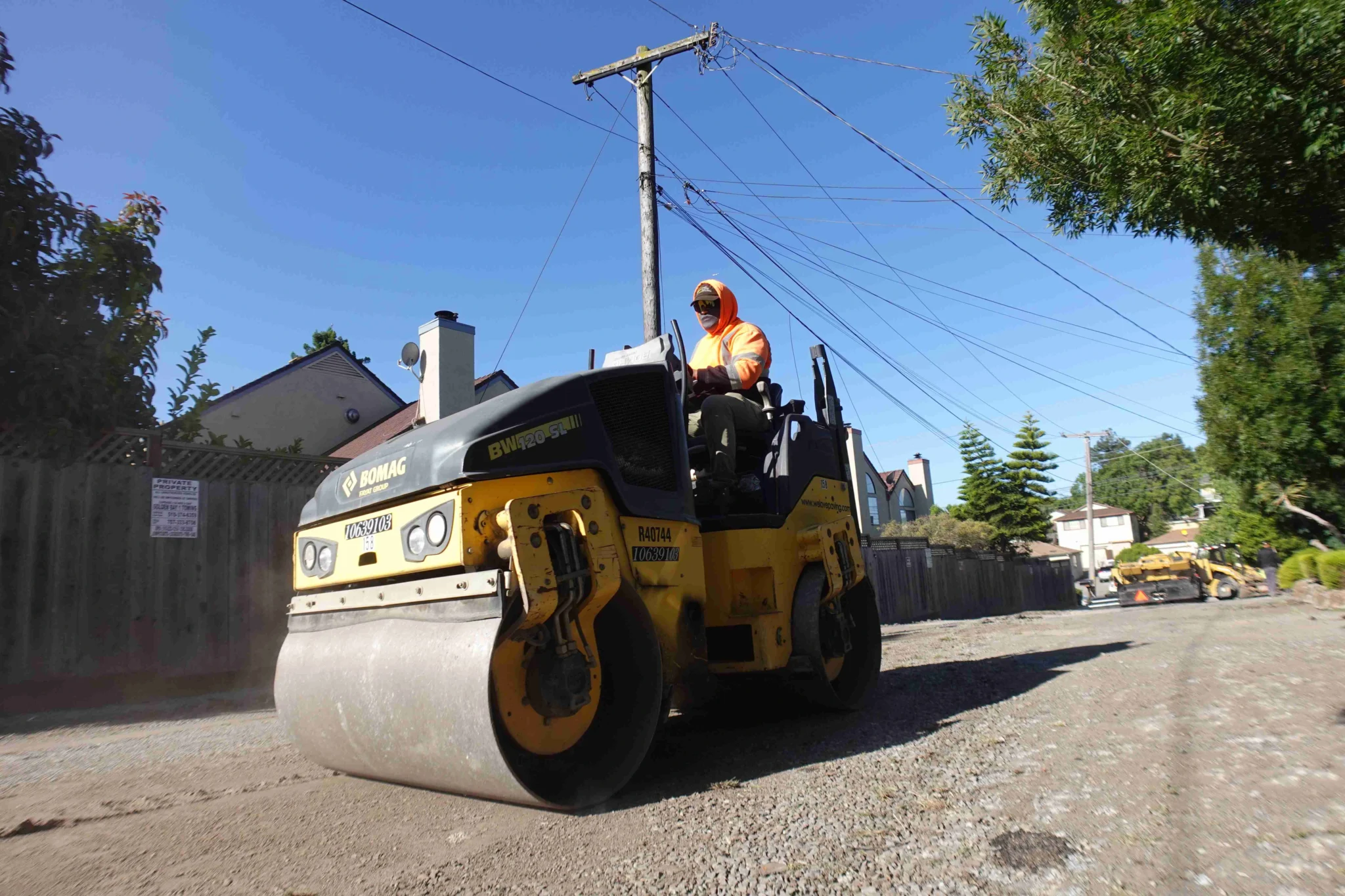
Pavement is a vital component of infrastructure, whether it’s the driveway leading to your home, a commercial parking lot, or public roadways. Despite its durability, pavement is not immune to wear and tear. Without regular maintenance, small issues can quickly escalate into costly repairs or replacements. Here, we explore why routine care is essential for pavement longevity.
The Benefits of Regular Pavement longevity
Regular maintenance isn’t just about aesthetics; it’s about functionality, safety, and cost-efficiency. Below are some key benefits of maintaining your pavement:
1. Prolongs Pavement Lifespan
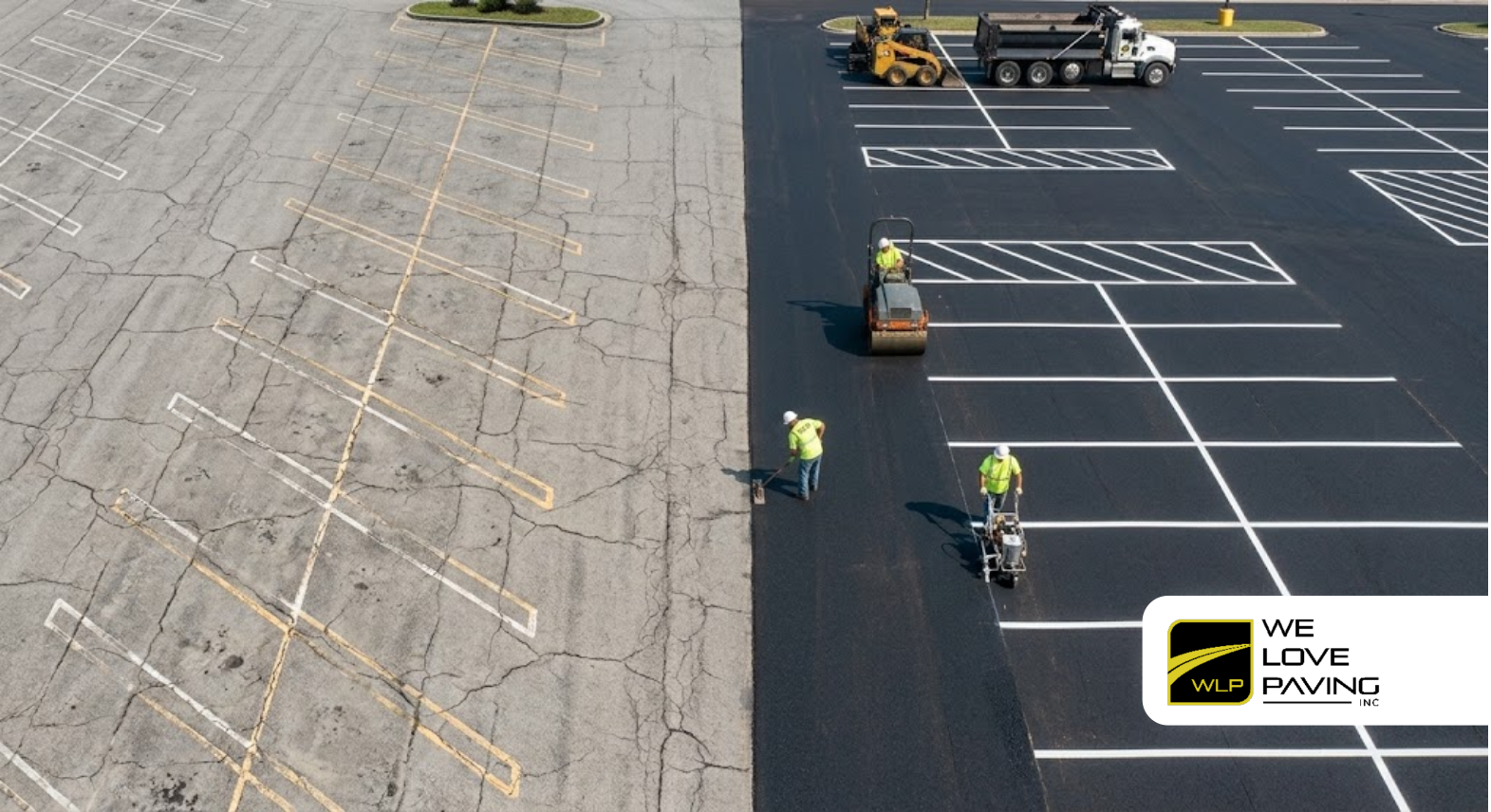
Pavement is subject to constant stress from vehicles, weather conditions, and environmental factors. Over time, these forces can weaken its structure. Regular maintenance, such as sealing cracks and filling potholes, prevents minor damage from spreading, significantly extending the pavement’s lifespan.
2. Reduces Repair Costs
Neglecting maintenance allows small cracks and fissures to expand, leading to more extensive damage that requires expensive repairs or complete resurfacing. Routine inspections and timely interventions help you avoid these high costs by addressing issues early.
3. Enhances Safety
Damaged pavement can pose safety risks for drivers and pedestrians. Uneven surfaces, potholes, and cracks can lead to accidents, lawsuits, or liability claims. Proper maintenance ensures your pavement remains safe for everyone who uses it.
4. Improves Curb Appeal
For businesses and homeowners alike, well-maintained pavement boosts curb appeal. A clean, smooth surface conveys professionalism and care, creating a positive first impression on visitors or customers.
5. Protects Against Weather Damage
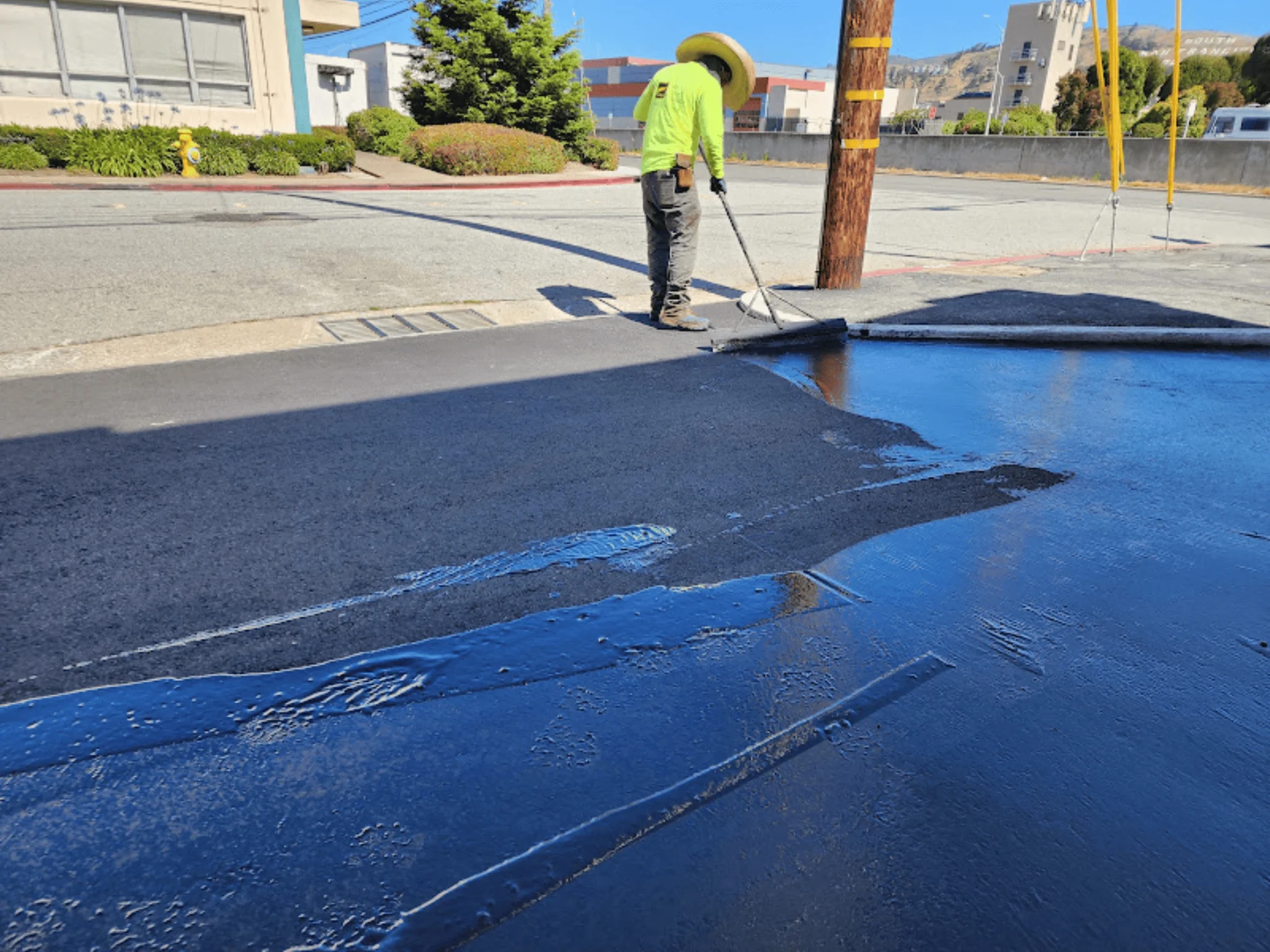
Extreme temperatures, rain, snow, and UV rays can degrade pavement over time. Sealcoating and other preventative measures protect the surface from these elements, reducing the risk of cracks, erosion, and fading.
Common Pavement Issues and Maintenance Solutions
To effectively maintain your pavement, it’s essential to understand common problems and their solutions:
1. Surface Cracking and Structural Fatigue (Alligatoring)Cause: Extreme temperature fluctuations, freeze-thaw cycles, sustained UV exposure, and de-icing chemicals. When the subgrade is weakened by water infiltration, the weight of traffic causes a deep structural failure known as alligatoring.
Solution: Act immediately at the first sign of micro-cracks. Professional crack sealing services prevent moisture intrusion into the base layer. If the damage already shows an alligator pattern, it will require milling and deep asphalt patching services to restore structural integrity before it turns into a costly pothole.
2. Potholes
- Cause: Water infiltration and freeze-thaw cycles.
- Solution: Patching and filling potholes promptly to restore a smooth surface.
3. Fading and Discoloration
- Cause: UV exposure and oxidation.
- Solution: Sealcoating rejuvenates the surface and protects it from further damage.
4. Drainage Issues
- Cause: Poor design or blockages.
- Solution: Ensure proper grading and clear debris from drainage systems to prevent water pooling.
Establishing a Pavement Maintenance Plan
A proactive maintenance plan is the best way to preserve your pavement’s condition and avoid unexpected expenses. Here are steps to create an effective plan:
1. Schedule Regular Inspections
Conduct visual inspections at least twice a year to identify cracks, potholes, and other signs of damage. Pay close attention after extreme weather events.
2. Implement Preventative Measures and Regulatory Compliance
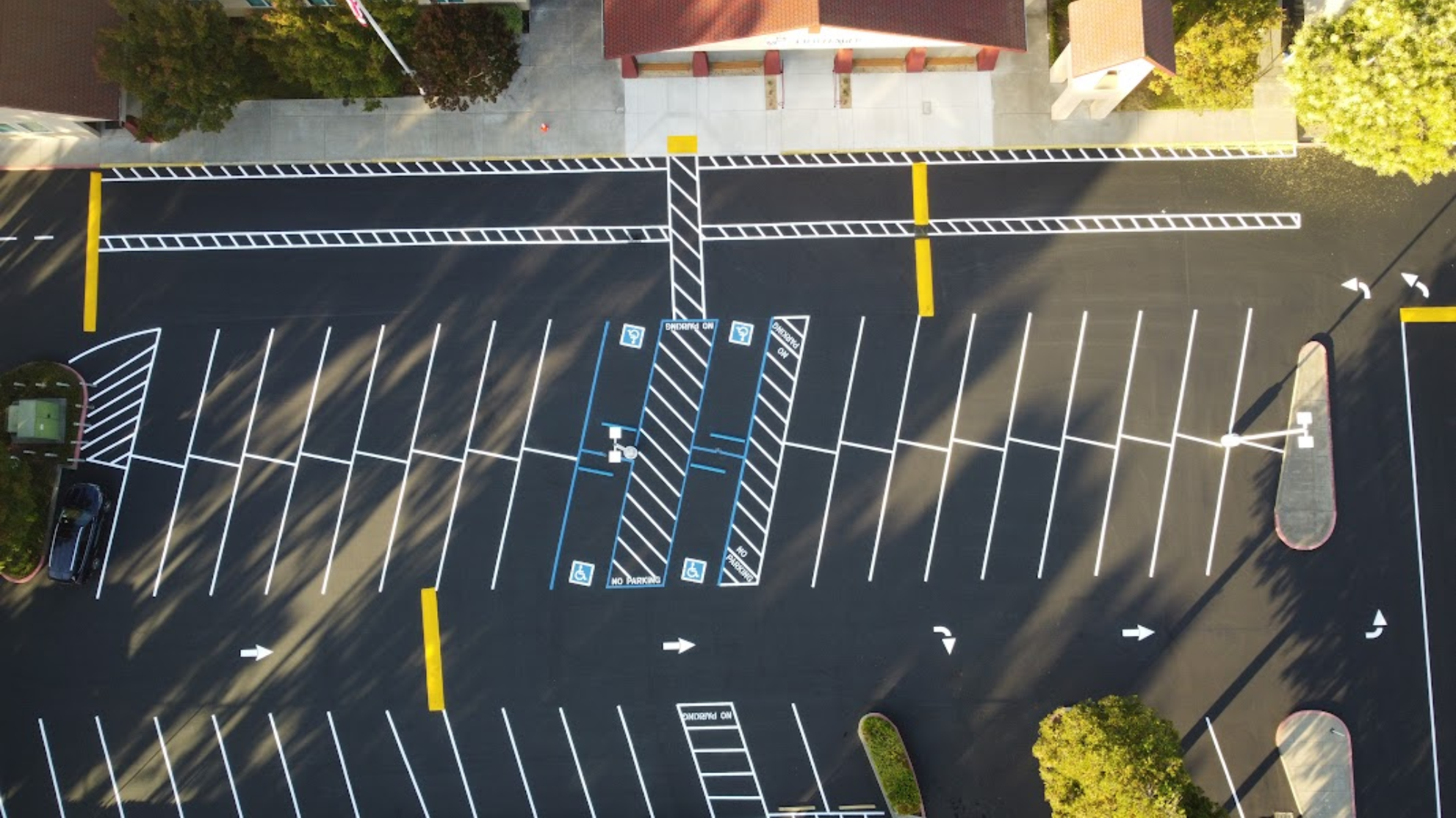
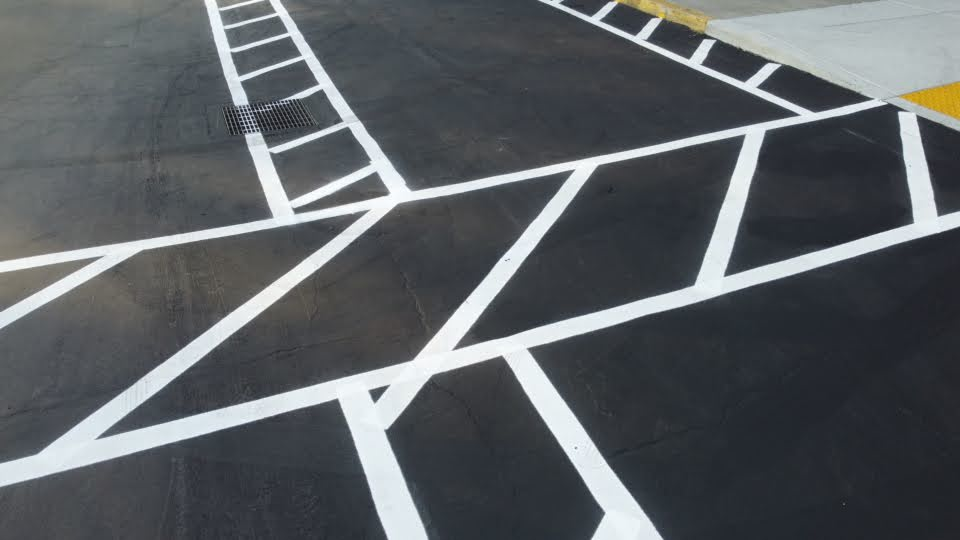
A preventative maintenance plan not only protects aesthetics but also ensures compliance with safety and industry regulations, such as ADA (Americans with Disabilities Act) standards for proper parking lot striping. Depending on traffic and wear, you must choose the right material: a traditional Sealcoat is ideal for protecting light-traffic areas against oxidation and UV rays, while a Slurry Seal (a cold mix of asphalt, water, and fine aggregates) is a more robust intervention that restores surface flexibility and can extend the pavement’s lifespan by 5 to 7 years. Applying these protective coatings on time mitigates liability risks from accidents and drastically reduces long-term capital expenditures.
3. Hire Professionals
While some maintenance tasks can be DIY, professional services ensure thorough and high-quality work. Experts have the tools and experience to address complex issues effectively.
4. Plan for Seasonal Maintenance
Prepare your pavement for seasonal challenges. For instance, apply sealcoating before winter to protect against freeze-thaw cycles and ensure proper drainage during rainy seasons.
5. Budget for Maintenance
Set aside a portion of your budget for regular pavement care. Investing in maintenance now saves money in the long run by reducing the need for costly repairs.
Pavement maintenance is an ongoing responsibility that pays off in durability, safety, and cost savings. By addressing minor issues promptly and investing in preventative care, you can extend the life of your pavement while minimizing expenses. Whether it’s a driveway, parking lot, or roadway, regular maintenance ensures your pavement remains functional, safe, and visually appealing for years to come. Don’t wait for cracks to become craters start prioritizing your pavement’s care today.