A surprising number of paving budgets get spent on the wrong problems.
A property owner notices faded pavement, requests a quote, and schedules work immediately. Meanwhile, water is already collecting along the edge of the lot, cracks are opening near a catch basin, and wheel-turning areas are beginning to ravel. The visible issue gets fixed, but the expensive issue keeps growing underneath.
If your goal is to save money on paving repairs, the most effective strategy is rarely finding the cheapest proposal. It is making better decisions about timing, priorities, and pavement lifecycle planning.
In Northern California, where pavement is exposed to heavy traffic, seasonal rain, UV exposure, and fluctuating temperatures, a well-planned maintenance sequence can significantly reduce long-term costs while extending surface life. Studies and field experience consistently show that preventive work costs far less than major reconstruction after structural deterioration begins.
Start With a Budget Priority Map, Not a Repair List
Many owners review pavement by looking for the worst-looking areas. A more effective approach is identifying which conditions are actively increasing future costs.
For example, a small crack near a drainage structure may deserve attention before a larger cosmetic blemish elsewhere. Water entering through those openings can weaken the base and accelerate deterioration.
When walking a property, focus on:
- Areas where water remains after rainfall
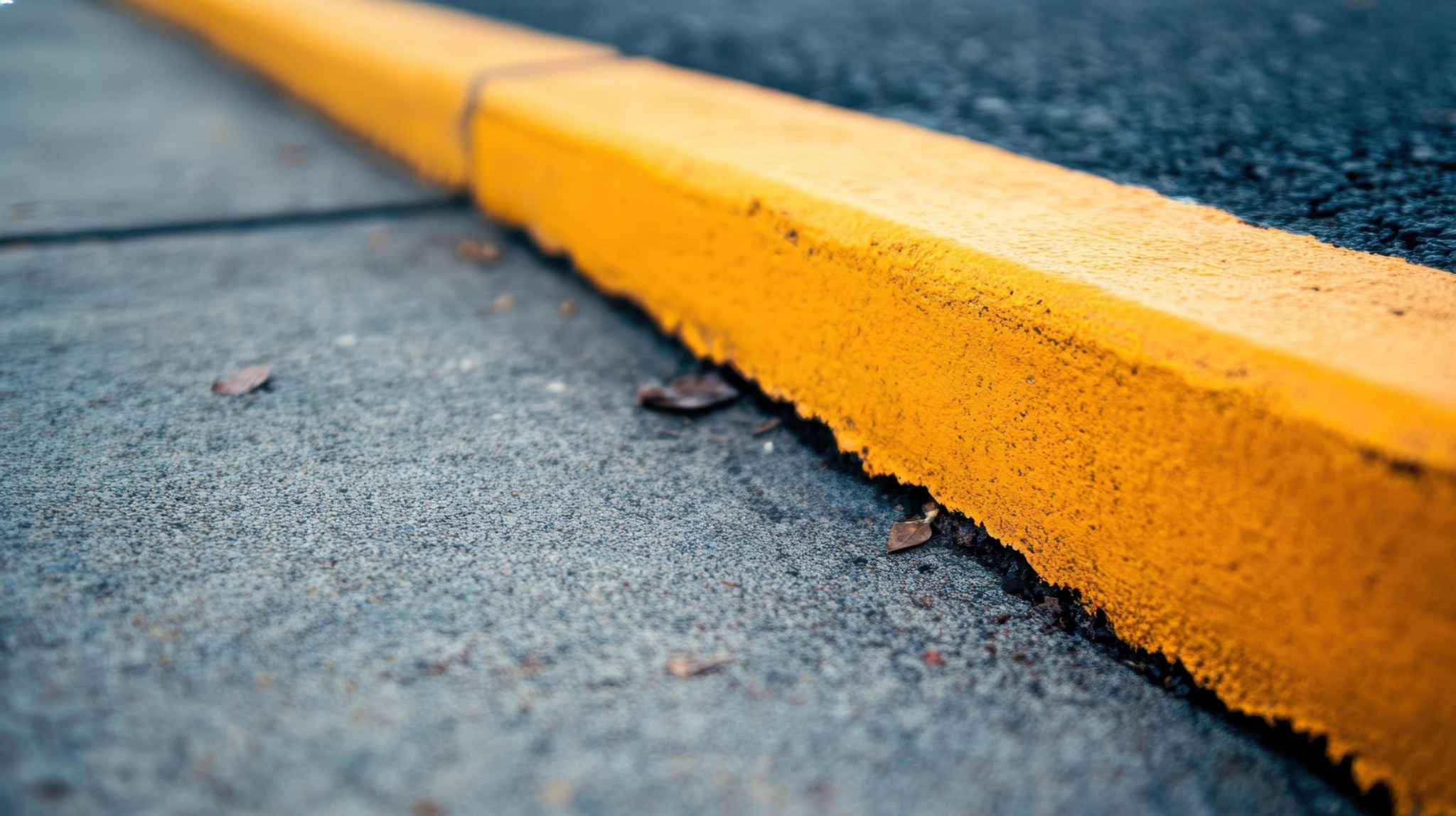
- Edge cracking where pavement lacks support
- Tire-turning zones showing raveling or surface loss
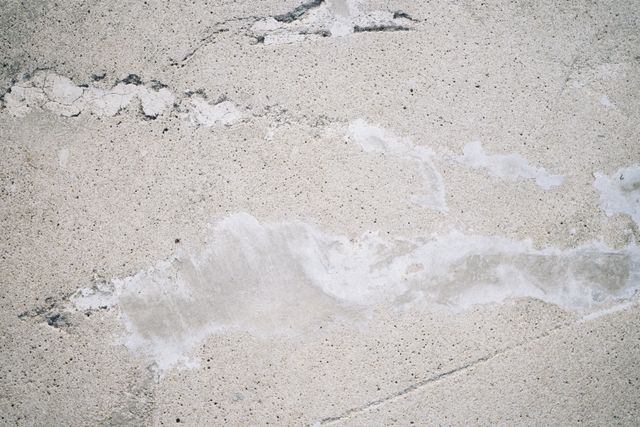
- Previous patches that are beginning to separate from surrounding asphalt
These conditions often influence future repair costs more than discoloration or surface aging.
In many cases, addressing these issues early can postpone resurfacing or reconstruction by several years.
The Cheapest Year for a Paving Project Is Often Before You Think You Need One
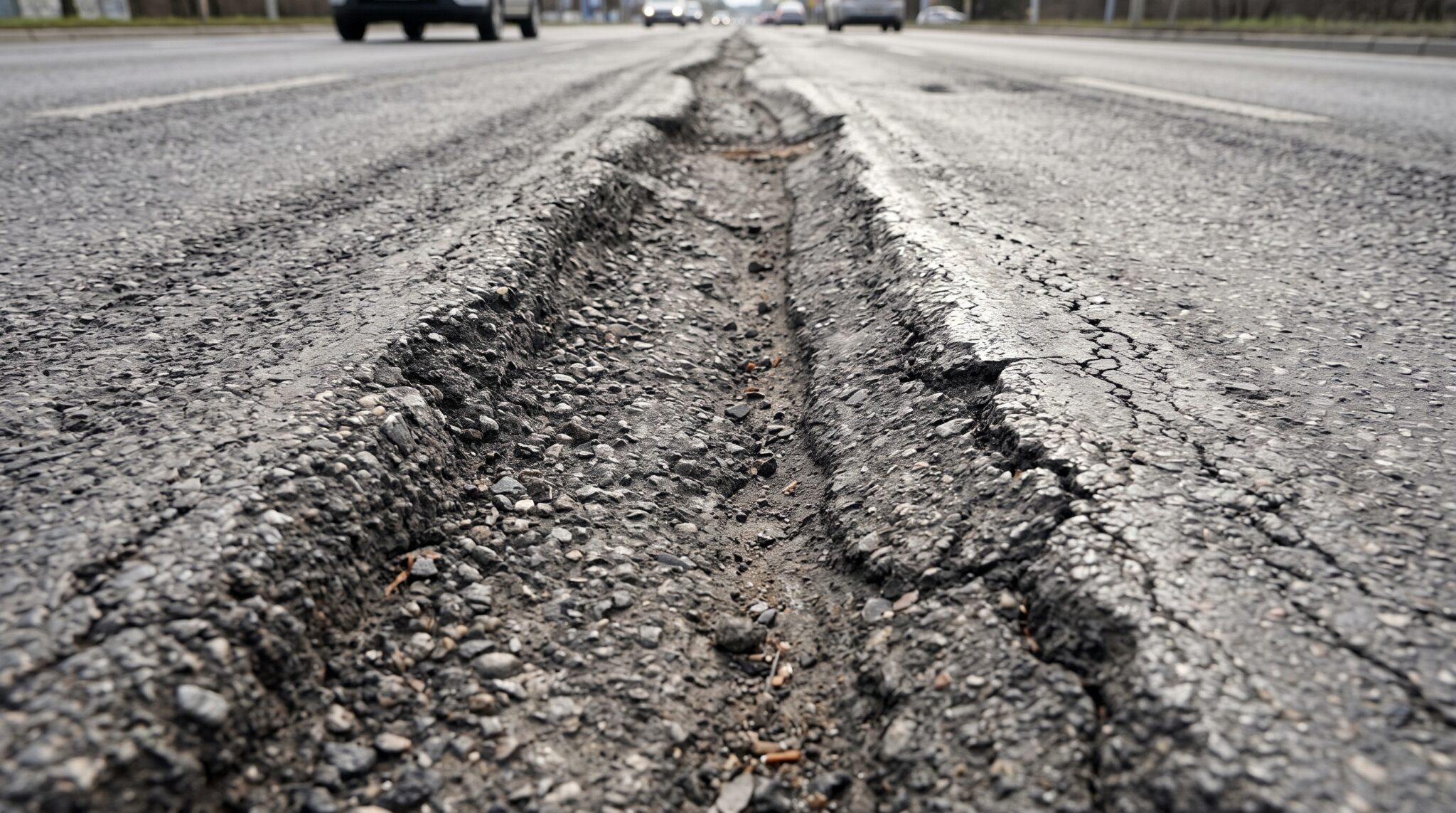
Property owners frequently wait until deterioration becomes obvious. Unfortunately, pavement damage is usually more advanced than it appears.
A surface may still look serviceable while moisture has already begun affecting lower layers. By the time potholes, widespread cracking, or surface deformation appear, repair options become more expensive.
A practical budgeting framework looks like this:
| Pavement Condition | Typical Decision | Relative Cost Impact |
|---|---|---|
| Early cracking | Preventive maintenance | Lowest |
| Moderate surface wear | Surface preservation | Low to moderate |
| Repeated patch failures | Structural repair review | Moderate to high |
| Widespread base failure | Reconstruction planning | Highest |

This is why many asset managers use lifecycle costing principles instead of waiting for visible failure. Small investments made at the right time frequently prevent much larger capital expenditures later.
Combine Projects Whenever Mobilization Costs Matter
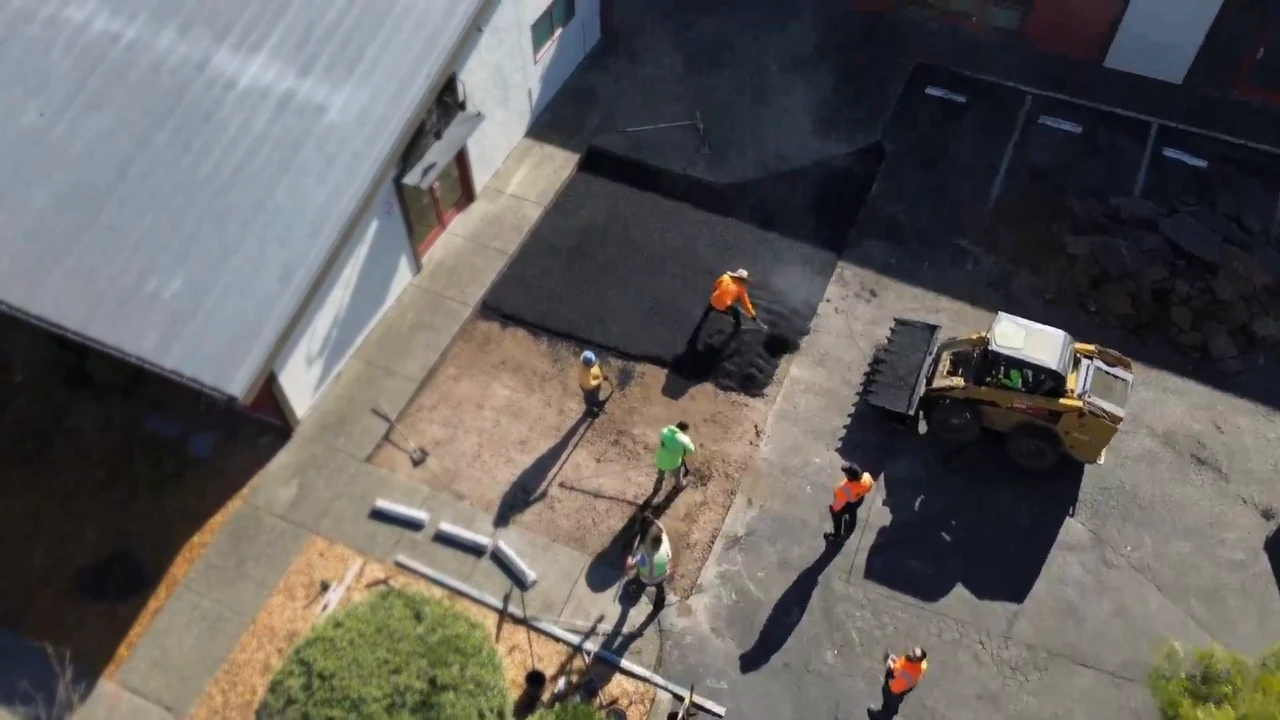
One overlooked way to save money on paving is reducing the number of separate site visits and construction phases.
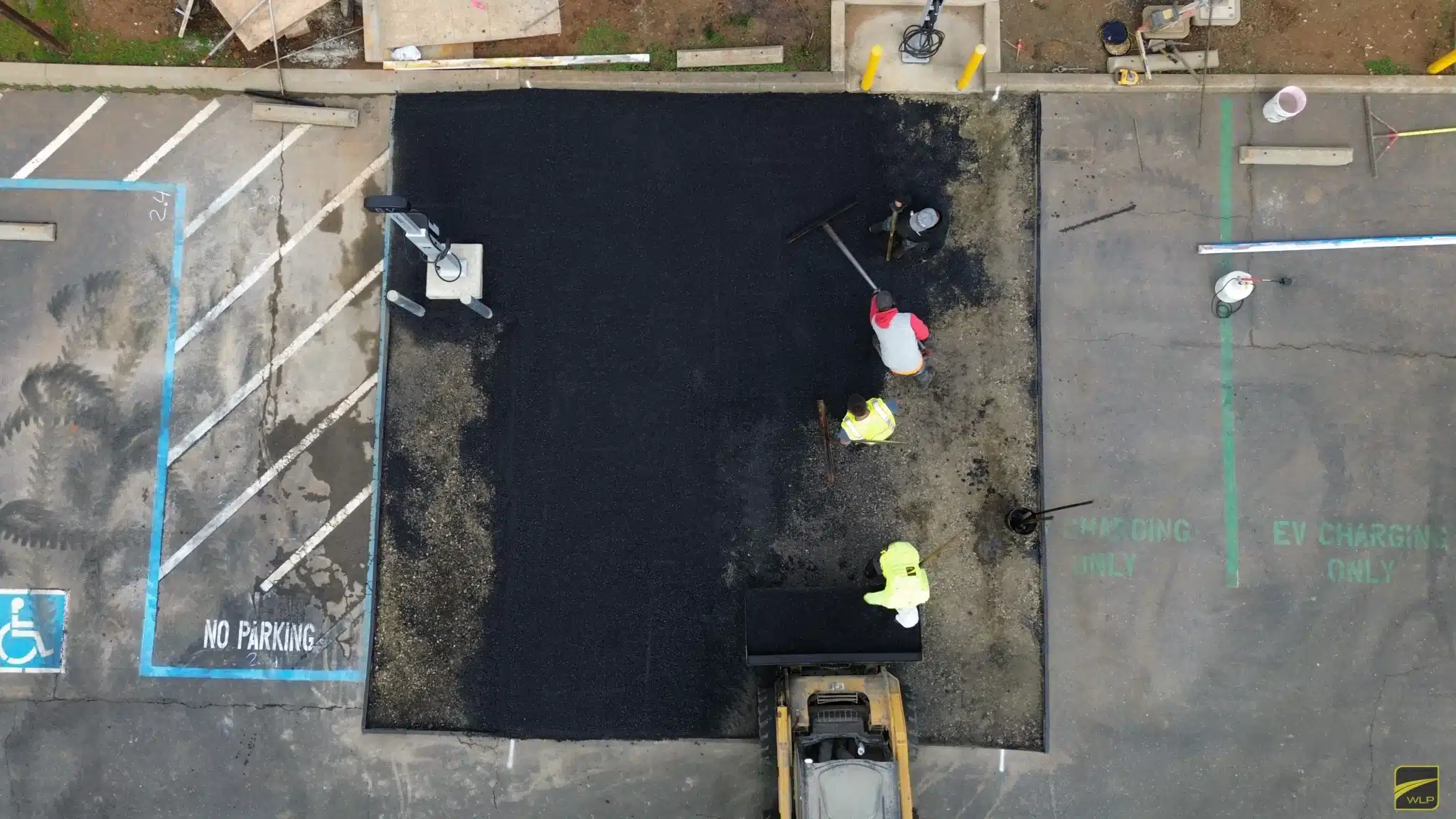
For example, if a property is already planning EV charging construction, combining pavement restoration work into the same project can reduce disruptions and improve budget efficiency.
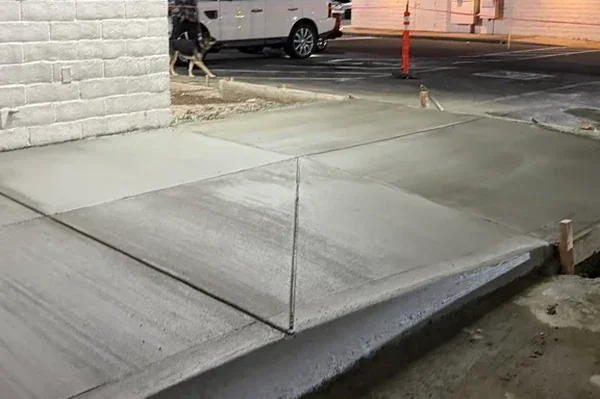
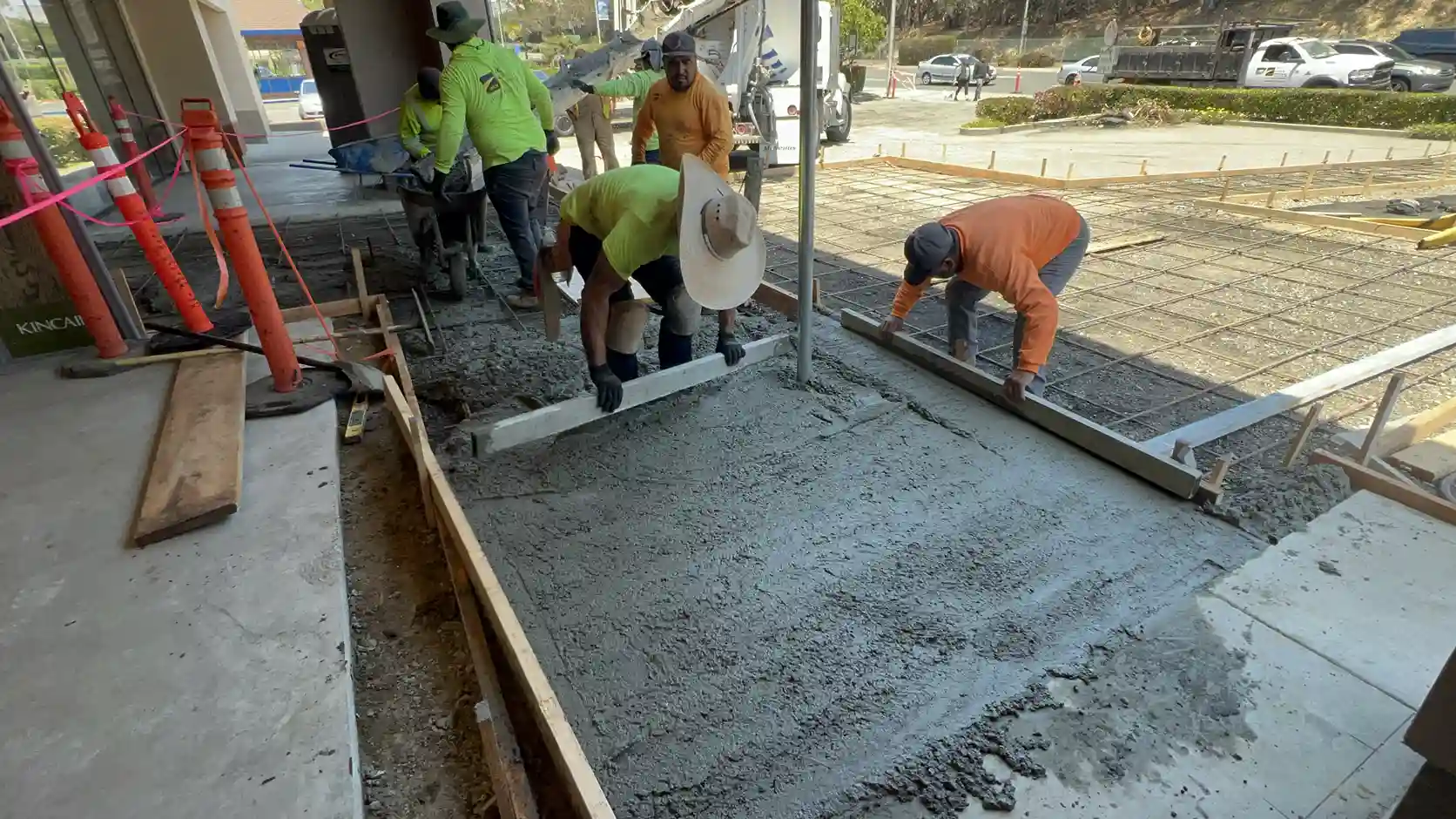
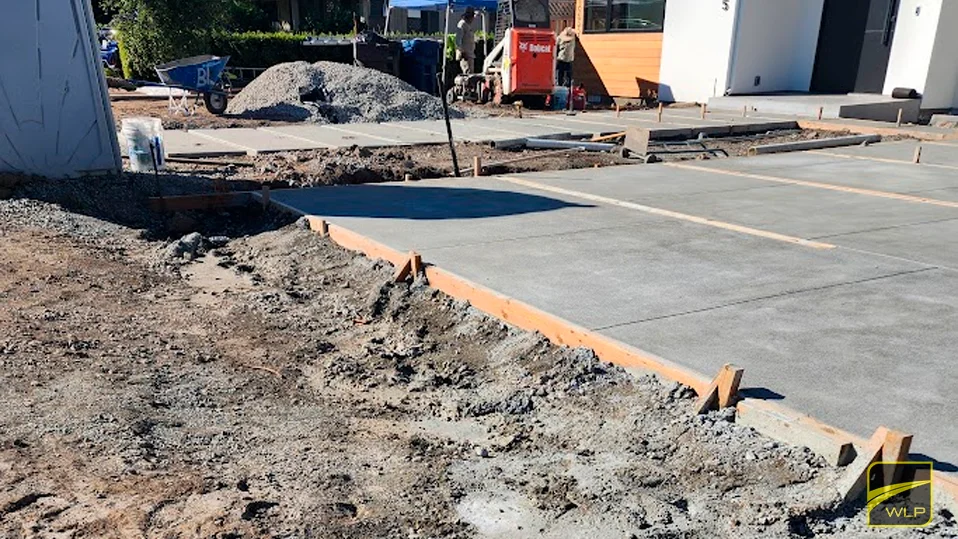
The same principle applies when scheduling sidewalk repair work. Mobilization, traffic control, equipment transport, and project coordination can represent a meaningful portion of total project cost. Coordinating related improvements often creates better value than treating every issue as a separate project.
This approach is particularly useful for commercial properties, HOAs, retail centers, and business parks managing multiple maintenance priorities.
Know When a Low Bid Is Actually More Expensive
Saving money and choosing the lowest proposal are not always the same thing.
In the field, some low-cost paving bids achieve their price by reducing preparation work, using thinner asphalt sections, or avoiding corrections that are difficult for a property owner to verify visually.
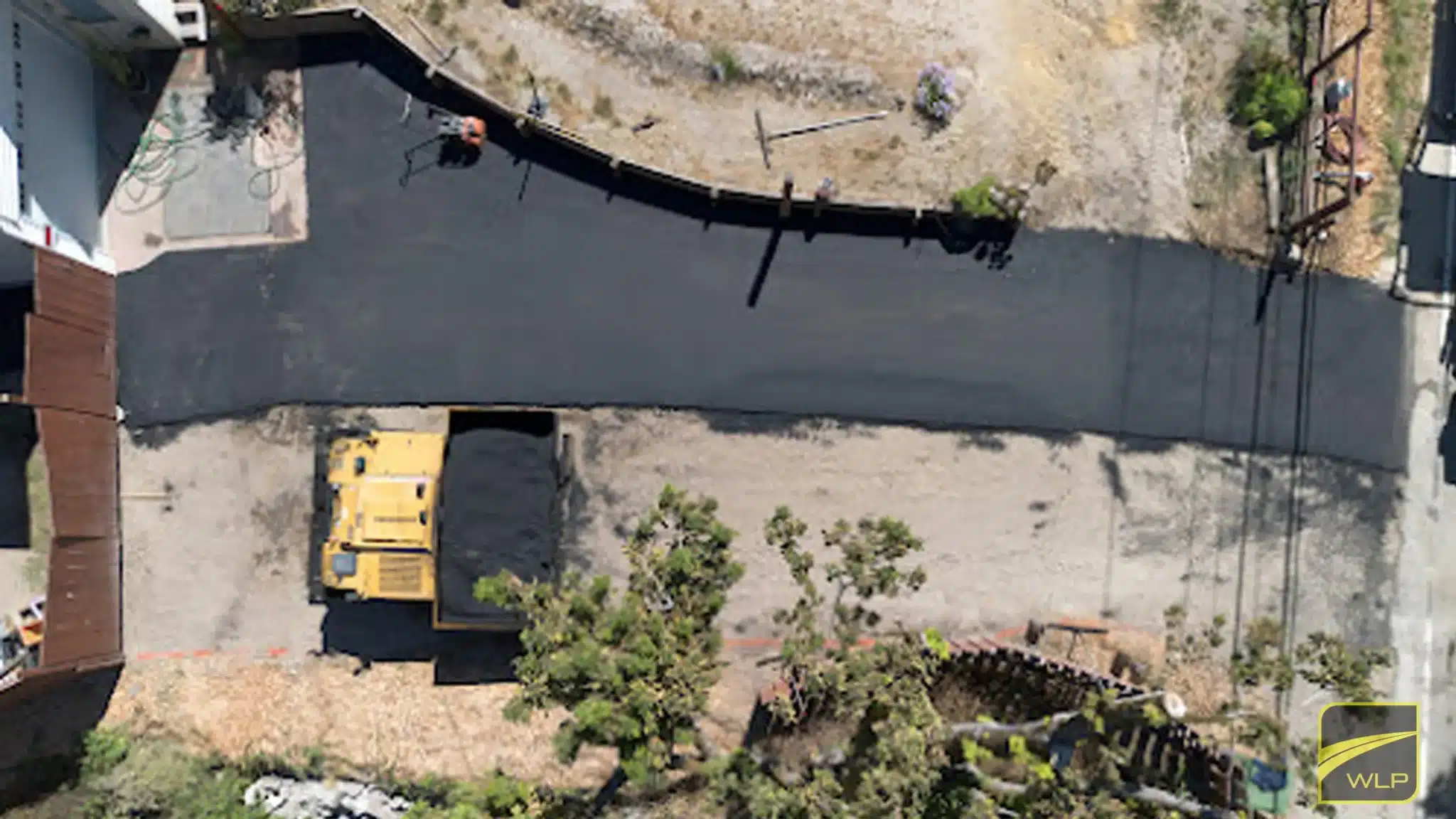
A newly paved surface may appear acceptable immediately after installation. The difference often becomes visible later through premature cracking, rutting, drainage problems, or patch failures.
Understanding cheap contractor risks is an important part of budget planning because replacement and corrective work typically cost substantially more than getting the scope right initially.
When comparing bids, evaluate:
- Scope of preparation work
- Drainage corrections included
- Thickness specifications
- Repair recommendations versus simple overlays
- Long-term maintenance implications
The lowest initial price does not necessarily represent the lowest ownership cost.
Use Preservation Work to Delay Capital Replacement
Some of the best paving budgets focus on extending pavement life rather than replacing pavement early.
A property showing oxidation, minor cracking, and surface wear may still have years of useful service life remaining if preservation measures are applied before structural deterioration develops.
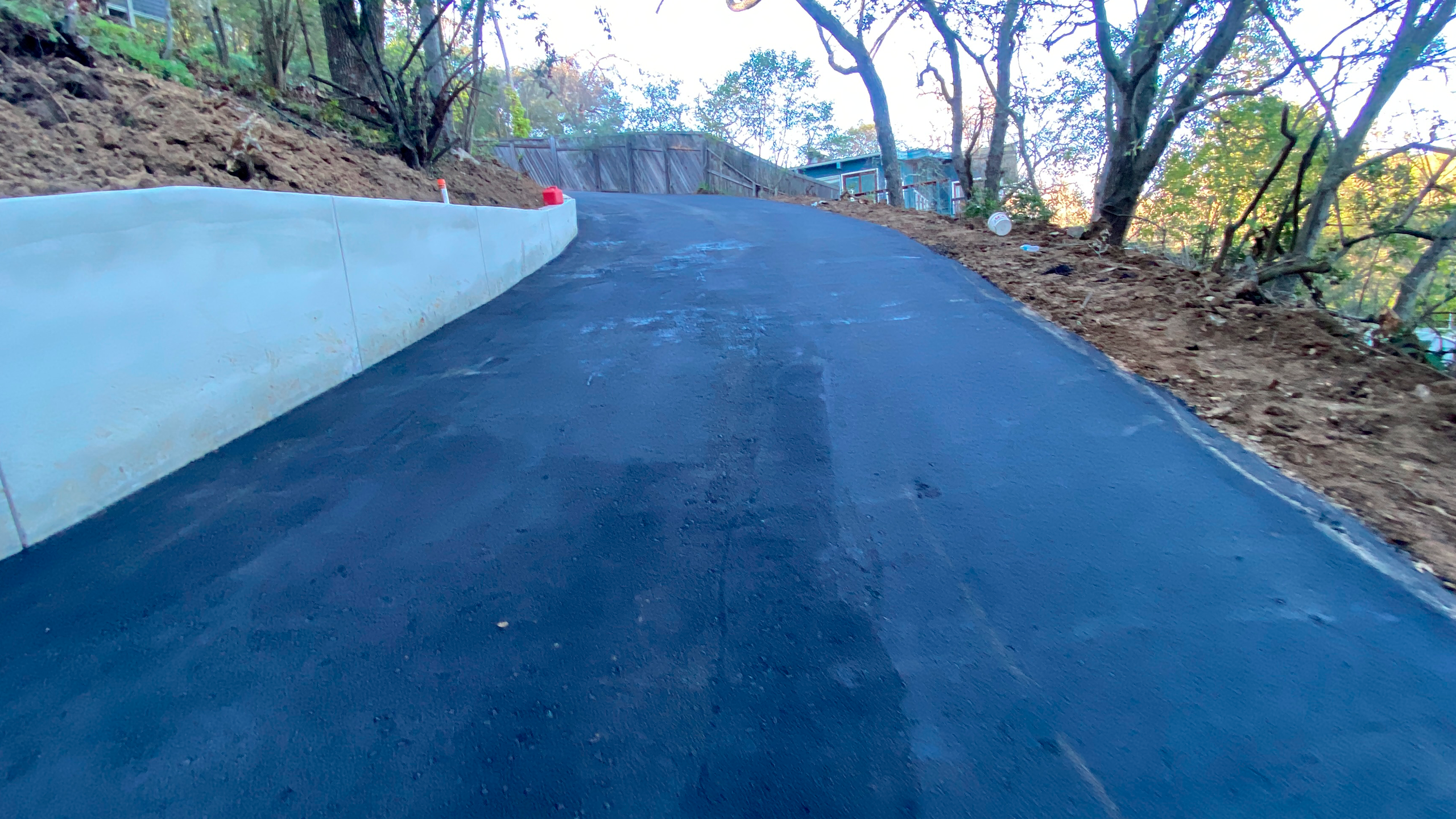
A recent sealcoating project demonstrated how preservation work can maintain pavement condition while avoiding more expensive interventions that become necessary when water intrusion and oxidation are ignored.
Similarly, regional markets such as Tri-Valley paving areas often experience pavement stresses related to traffic volume and environmental exposure. Local conditions influence how quickly deterioration progresses and when maintenance investments provide the strongest return.
The key question is not whether maintenance costs money.
The key question is whether a smaller maintenance expense today prevents a significantly larger repair expense later.
Field experience and lifecycle planning data consistently support that strategy.
Build a Three-Year Paving Budget Instead of a One-Year Budget
Annual budgeting often encourages reactive decisions.
A three-year planning horizon allows property owners to prioritize repairs, schedule preservation treatments, and anticipate larger projects before they become emergencies.
Rather than asking, “What do we need to fix this year?” consider asking:
- Which areas are most likely to deteriorate during the next three years?
- Which repairs prevent water from reaching the pavement base?
- Which projects can be combined?
- Which conditions should be monitored instead of repaired immediately?
This approach creates a more predictable maintenance program and reduces the likelihood of unexpected capital expenses.
Making Cost Control a Long-Term Strategy
Properties that consistently spend the least on pavement over decades are not necessarily spending the least every year.
They are usually spending money at the right time.
Early crack repair, preservation treatments, coordinated capital improvements, and realistic lifecycle planning all contribute to lower ownership costs. Waiting for obvious failure often removes those lower-cost options from the table.
At We Love Paving, many of the most successful pavement budgets begin with understanding which conditions deserve immediate attention, which can be monitored, and which investments will provide the greatest long-term return. That planning process often has a larger impact on total cost than any single repair method.