ADA Parking 5 Ways for Compliance

We Love Paving services in Walnut Creek. Professional paving contractor serving Walnut Creek and Mission District areas.
Estimation Tools

Calculate costs in seconds

Fast, accurate estimates that help you close more jobs. Less guesswork, more profit.

What to Look For in ADA Parking #1

Capacity Requirements: How Many ADA Spaces Does Your Property Need?

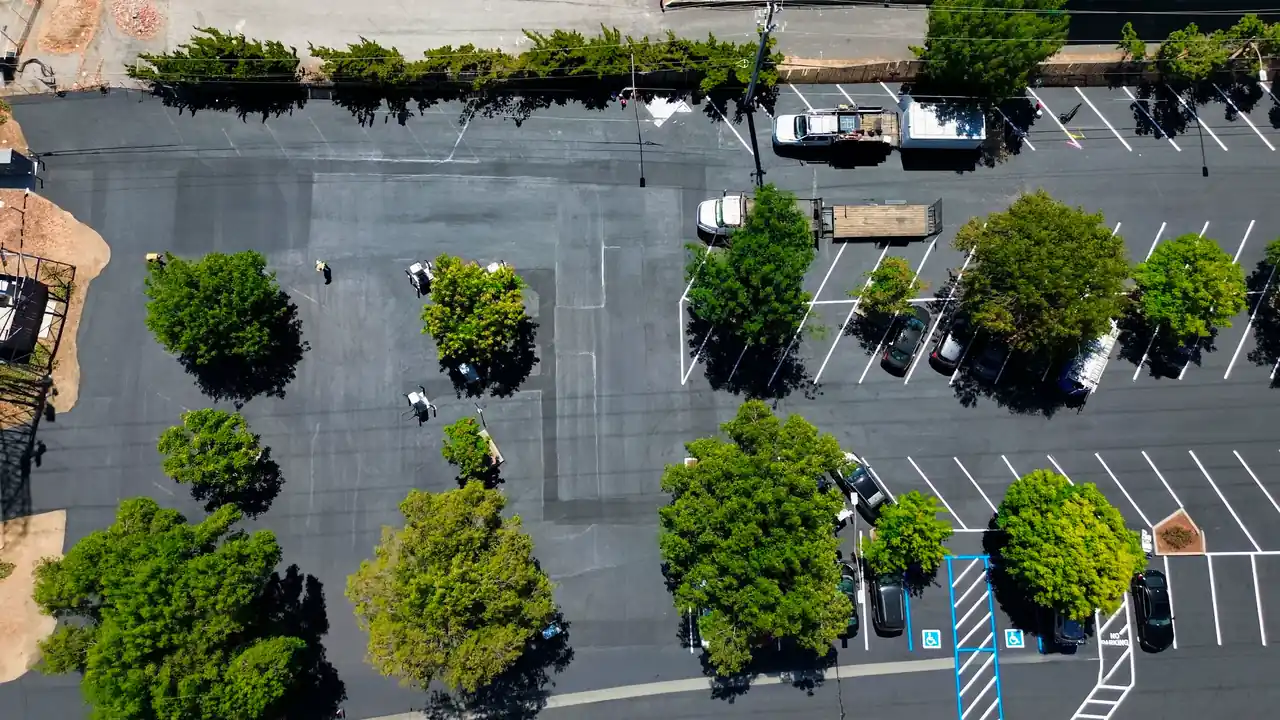
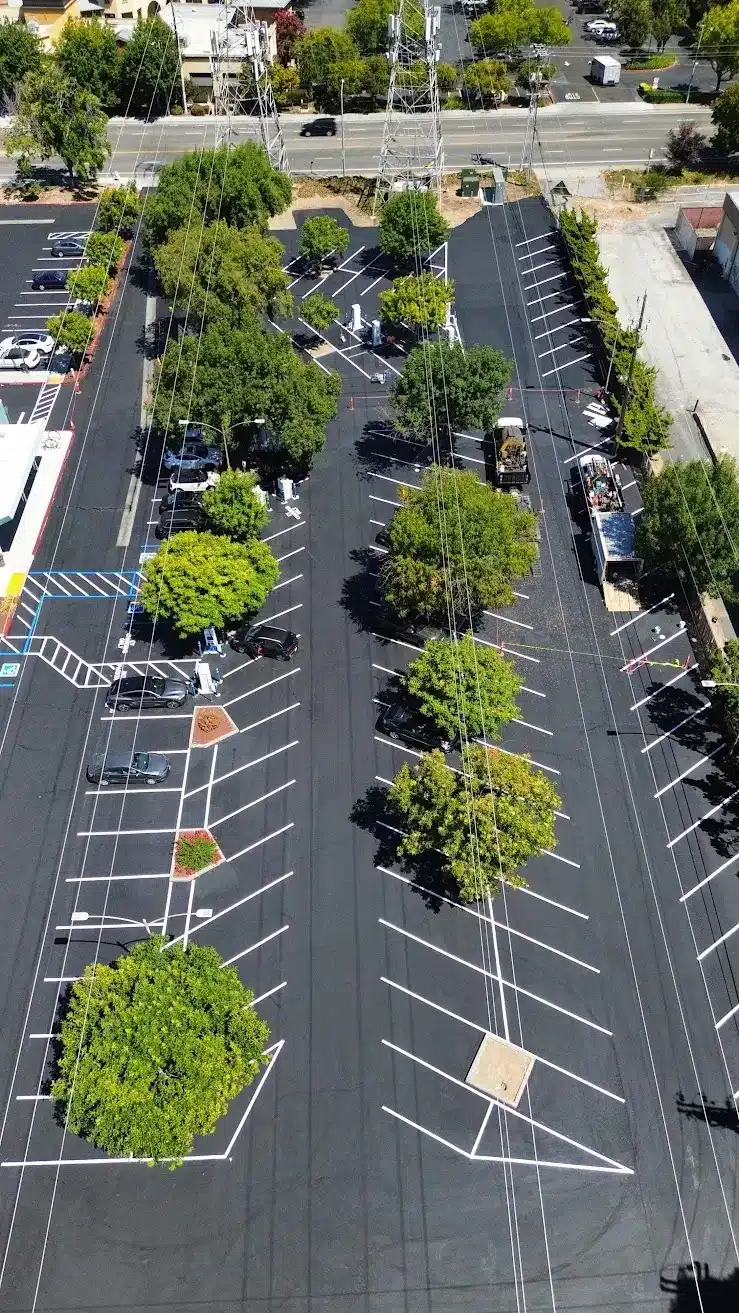
ADA compliance is mandatory and begins with the correct ratio of accessible spaces based on total parking capacity. To ensure accessibility in Walnut Creek, you must adhere to this mandatory distribution table: for parking lots with 1 to 25 spaces, 1 ADA stall is required; 26 to 50 spaces require 2; 51 to 75 require 3; and 76 to 100 require 4.

Crucially, for every six accessible spaces, at least one must be designated as “Van-Accessible.” If your lot is small and only has one ADA space, that space must be van-accessible by default. Failing to calculate these ratios correctly exposes commercial property owners to legal penalties and significant civil fines, while also restricting access for customers with mobility impairments.

Signs of a Compliant ADA Parking Stall

  1. Proper Signage: A compliant ADA parking stall should have clear signage indicating it is reserved for individuals with disabilities. The signage should include the International Symbol of Accessibility and may also specify the penalty for unauthorized use.
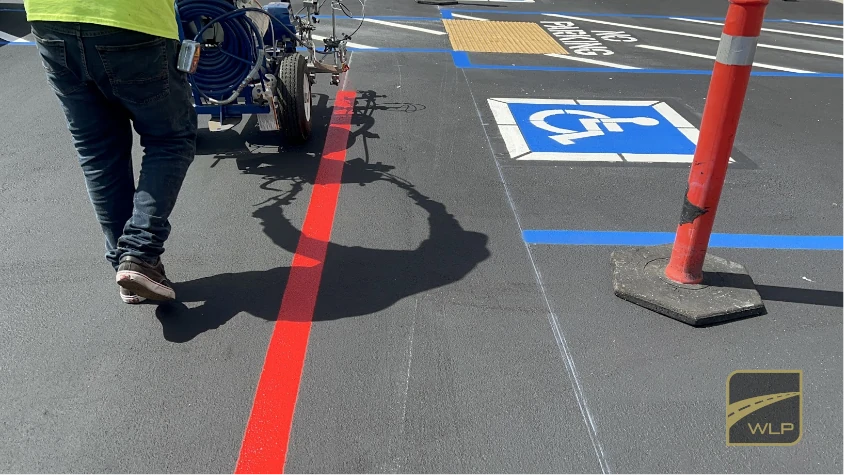
  2. Accessible Designation: The stall should be appropriately marked with paint or signage to designate it as an ADA-accessible parking space. This marking typically includes a wheelchair symbol and is positioned on the ground within the parking space.
  3. Accessible Route: ADA-compliant parking spaces should have an accessible route from the parking area to the building entrance, free of obstacles or barriers. This route should be wide enough to accommodate wheelchairs and mobility devices.
  4. Accessible Aisles: Adjacent to ADA parking spaces, there should be access aisles that provide additional space for individuals with disabilities to enter and exit vehicles safely. These aisles must be marked and kept clear of obstructions at all times.
  5. Accessible Slope: The surface of the parking space and access aisles should have a slope gradient within ADA specifications to ensure ease of mobility for individuals using wheelchairs or other mobility aids.
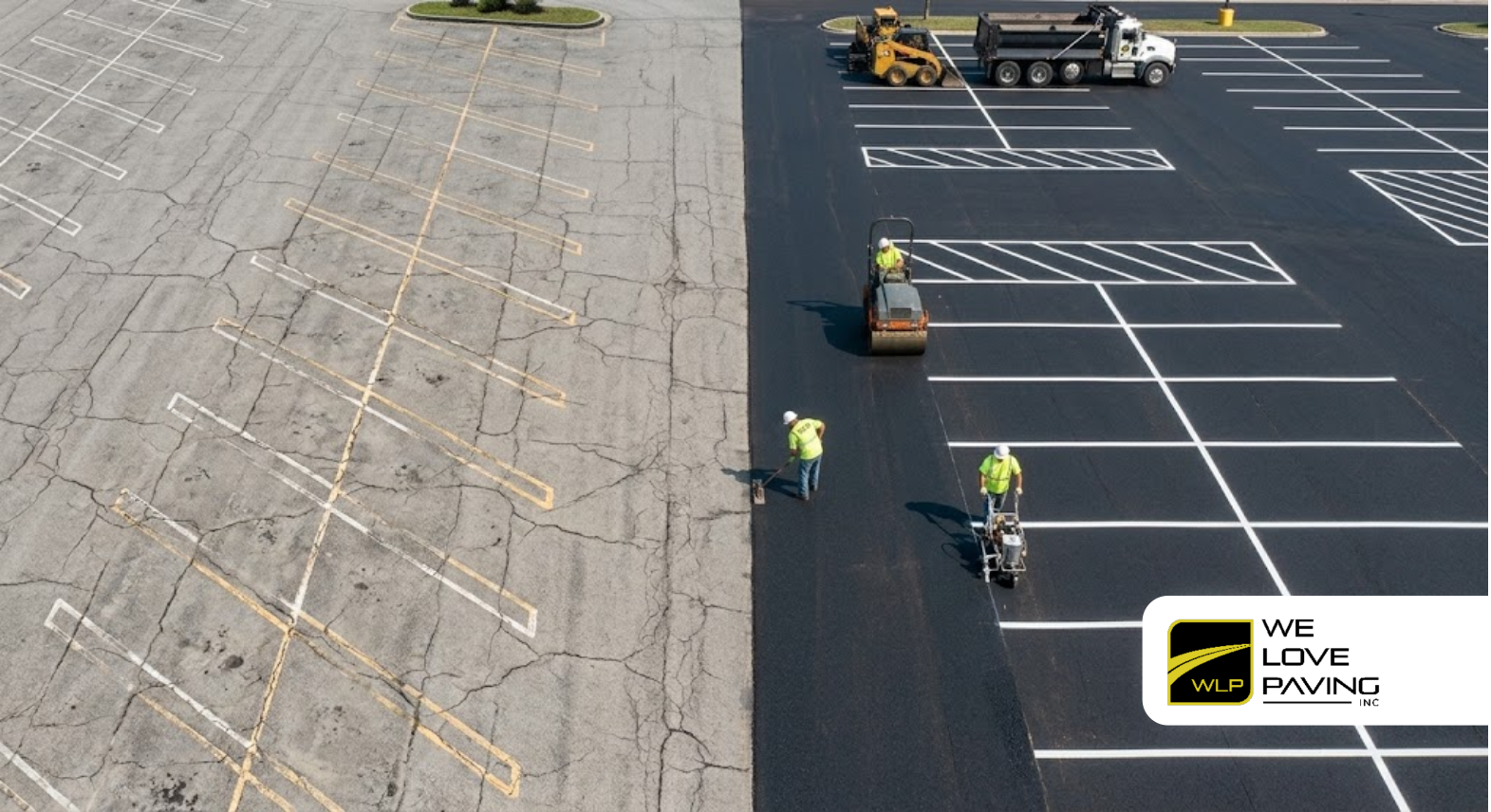
commercial-parking-lot-aerial-view

Technical Specifications: Stall Dimensions and Access Aisles

For a parking lot to be considered compliant, metric precision is vital. A standard ADA space must have a minimum width of 8 feet (96 inches). However, “Van-Accessible” spaces require a width of 11 feet (132 inches) with a 5-foot access aisle, or an 8-foot width with an 8-foot (96 inches) access aisle.

Access aisles are critical maneuvering zones and must be clearly marked with diagonal lines (hatching). These aisles must be adjacent to the parking space and span the full length of the stall. In California, per Title 24, these aisles should preferably be located on the passenger side. Furthermore, the surface must be firm, stable, and level, with a slope gradient not exceeding 2.08% (1:48 ratio) in any direction to ensure a safe transition from the vehicle to the accessible route.

Signs of Non-Compliant ADA Parking Stalls

  1. Improper Signage or Markings: Lack of proper signage or markings designating the space as ADA accessible can indicate non-compliance.
  2. Inadequate Space: ADA parking spaces and access aisles must meet specific size requirements outlined in ADA guidelines. If the dimensions are too small or irregular, the space will be non-compliant.
  3. Lack of Accessible Route: If there is no clear path from the ADA parking space to the building entrance or the route contains barriers such as steps or narrow passages, it indicates non-compliance.
  4. Blocked Access Aisles: Access aisles obstructed by vehicles, debris, or other obstacles prevent individuals with disabilities from safely entering or exiting their vehicles and signal non-compliance.
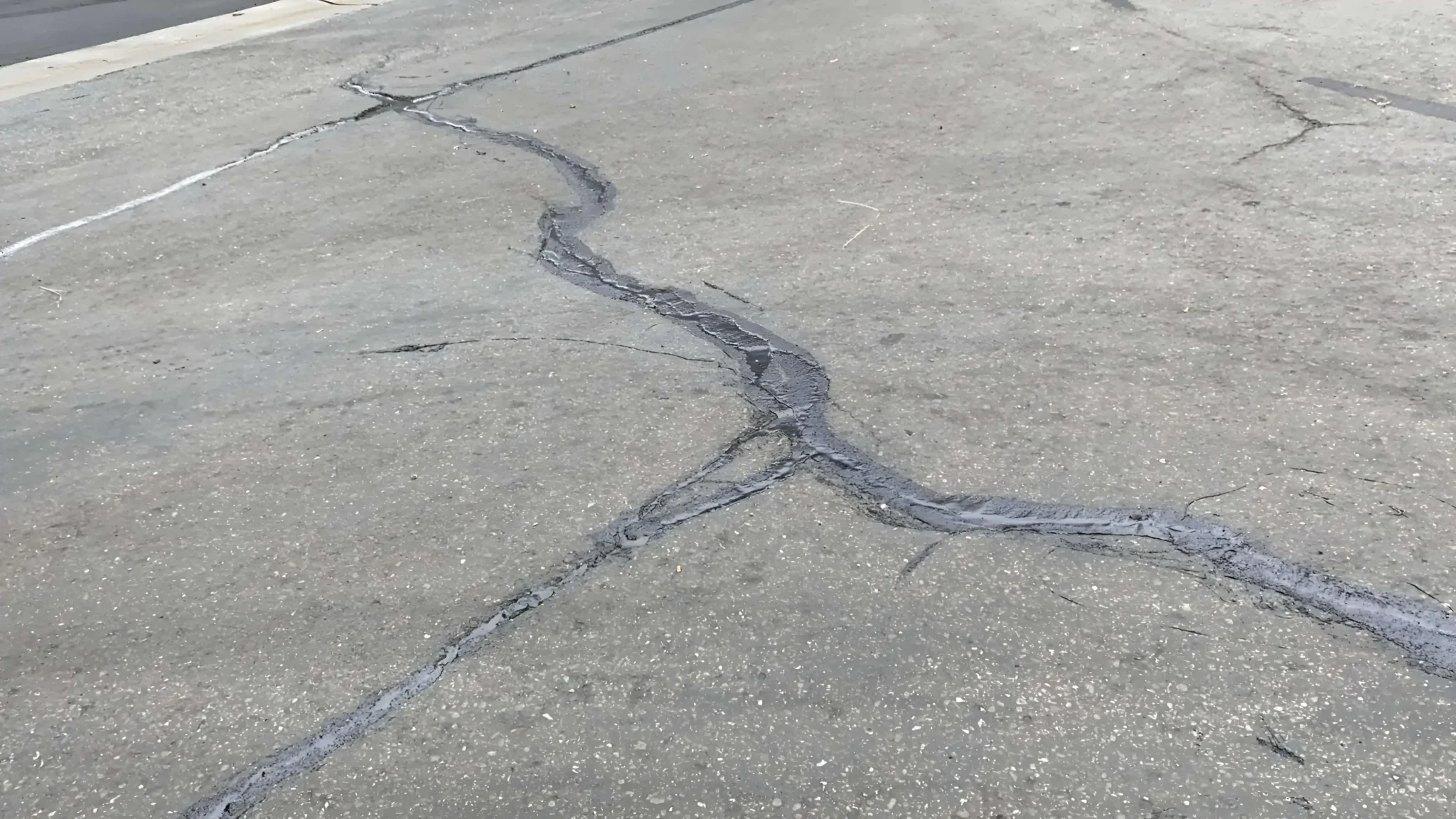
  5. Incorrect Slope: Surfaces with excessive slopes or uneven terrain within ADA parking spaces and access aisles can pose challenges for individuals with mobility impairments, highlighting non-compliance with ADA regulations.

More Than Asphalt: Your Legal Security is Our Priority

At We Love Paving, we understand that ADA compliance is much more than drawing blue lines and placing signs; it is the shield that protects your property in Walnut Creek and the Mission District from costly legal penalties and, most importantly, it is the bridge that guarantees dignified access for all your customers. A well-designed parking lot doesn’t just improve your business’s aesthetics; it demonstrates a commitment to excellence and inclusion.

Don’t leave the integrity of your infrastructure to chance. Whether you need a technical slope audit or a complete signage overhaul under California’s strict codes, our team combines technical precision with a passion for a job well done. Let us turn your compliance challenges into a flawless, safe, and fully accessible surface. Let’s build a barrier-free path together!

Need Immediate Help?

Let's Talk About Your Project

Don't wait until minor damage turns into major expenses. Our team of experts is ready to provide you with guaranteed solutions. Contact us now for direct advice from a professional.

Frequently Asked Questions (FAQ)

Got Questions? Find Your Answers Here!!

What specific elements define a compliant ADA parking stall?

A compliant ADA parking stall requires vertical signage with the International Symbol of Accessibility at a minimum height of sixty inches. It must feature a thirty-six-inch wide accessible route to the building, blue pavement markings in the access aisle, and a maximum slope of 1:48 in any direction.

What are the technical dimensions required for ADA access aisles?

ADA access aisles must measure at least sixty inches wide for standard cars and ninety-six inches for van-accessible spaces. These zones require diagonal hatch markings to deter obstruction, ensuring wheelchair users have sufficient clearance to deploy mechanical ramps safely while maintaining compliance with local Walnut Creek parking regulations.

Why is the ground slope critical for ADA parking certification?

Ground slope is critical because surfaces exceeding a 2.08% grade or 1:48 ratio in any direction violate ADA certification standards. Uneven terrain prevents wheelchairs from remaining stable, significantly increasing tip-over risks. In Walnut Creek, technical inspections strictly penalize cumulative pavement deviations that hinder safe independent mobility.

How can a property owner identify a non-compliant ADA space?

An ADA parking space is non-compliant if it lacks "Van Accessible" signage for wider stalls or contains potholes within the access route. Missing blue reflective paint and fixed obstacles reducing aisle width below sixty inches also constitute severe violations that trigger legal liabilities for property owners today.

What requirements must the accessible route from the parking lot meet?

The accessible route must provide a continuous, stable, and step-free path connecting the parking area to the main entrance. It requires a minimum width of thirty-six inches and must remain free of vegetation or debris. Slip-resistant pavement is essential to ensure user safety during diverse California weather conditions.

Professional customer review project by We Love Paving in Northern California, California. Verified local construction quality.

Fred / Founder

Fred, Founder and Regional Operations Manager at We Love Paving, comes from a family that values hard work and discipline. Growing up watching his parents work long hours with integrity and dedication, Fred learned early on that quality paving isn’t just about asphalt, it’s about consistency, accountability, and doing the job right.

Share

Posts That Might Interest You

The Cost of Asphalt Cutting Per Linear Foot: What to Expect

The Cost of Asphalt Cutting Per Linear Foot: What to Expect

May 28, 2026

When it comes to construction and repair projects, asphalt cutting is often a necessary task, whether for roadworks, driveways, or other paved surfaces. Understanding the cost involved in asphalt cutting per linear foot can help you budget more accurately for your project. This article will break down the factors affecting these costs and provide a

Parking Lot Maintenance Checklist by Season

Parking Lot Maintenance Checklist by Season

May 27, 2026

A checklist earns its place when it helps a manager make a decision later. For a Northern California retail center, that decision might come after the first winter storm, when water still sits along the curb near the front stalls. For an office property, it might come in late summer, when the exposed drive aisle

Does Asphalt Need to Be Sealed? Read the Surface Before You Decide

Does Asphalt Need to Be Sealed? Read the Surface Before You Decide

May 27, 2026

A parking lot can look ready for sealcoating from the sidewalk and still be a poor candidate up close. The color has faded. The asphalt has turned gray. The owner wants a cleaner surface before tenants complain or customers notice the lot looking tired. Then someone walks the drive aisle and finds a different story:

Pavement Asset Management for Property Managers

Pavement Asset Management for Property Managers

May 27, 2026

A parking lot budget usually becomes uncomfortable long before the asphalt fails completely. The entrance patch is still holding, but the edge is separating again. The back drive aisle looks rough, yet tenants rarely use it. The front visitor stalls are faded enough to draw complaints. A low area near the drain stayed wet after

Next

Estimation Tools

Calculate costs in seconds

Fast, accurate estimates that help you close more jobs. Less guesswork, more profit.