We Love Paving project
We Love Paving · Northern California

Asphalt Paving

15-Year Written guarantee available on qualifying projects
24H Proposal turnaround after project review
    Prefer to talk?
    Call (888) 273-0077
    No commitment. Request a clear project review, scope guidance, and next-step recommendation before making a decision.

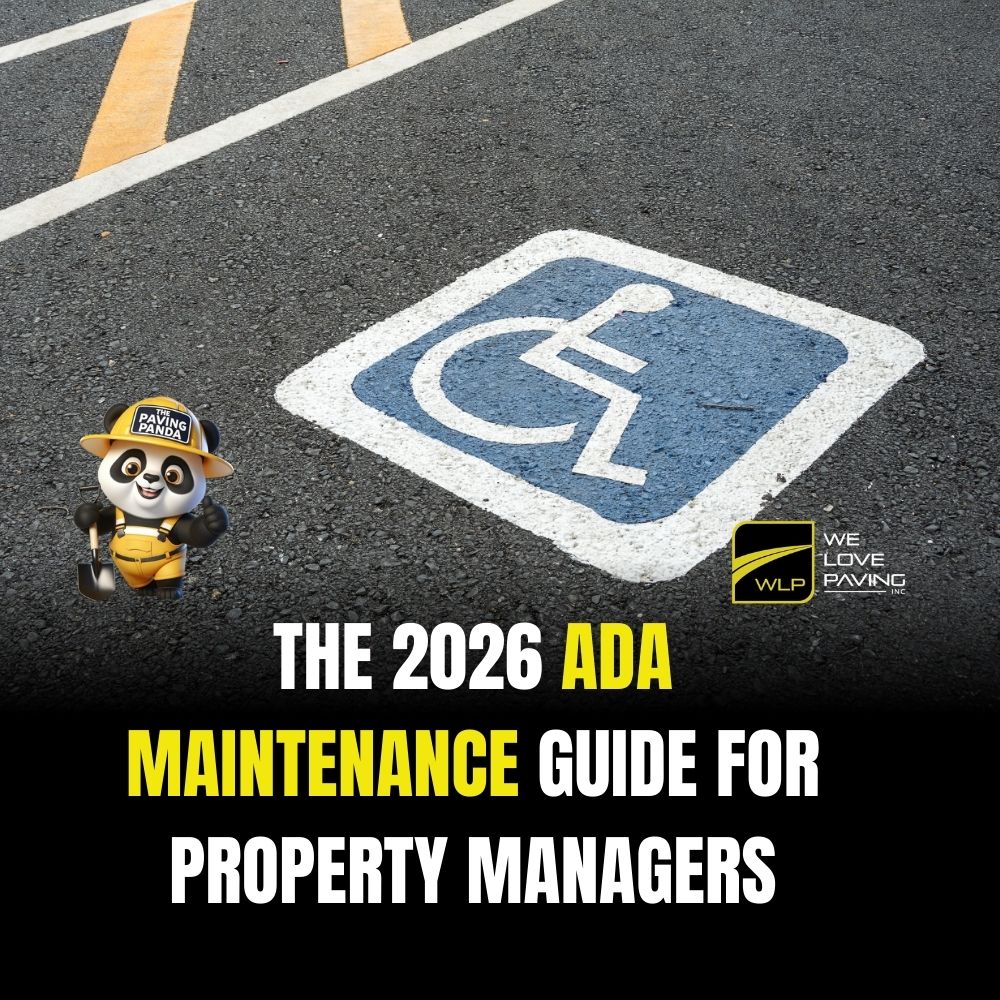
    The 2026 ADA Maintenance Guide for Property Managers (What Every PM Should Know Before It’s Too Late)

    We Love Paving services in Mountain View. Professional paving contractor serving Mountain View and Silicon Valley areas.
    Estimation Tools

    Calculate costs in seconds

    Fast, accurate estimates that help you close more jobs. Less guesswork, more profit.

    Introduction: ADA Is Not Optional — And It’s Not One-Time

    Most property managers still see ADA as a “one-and-done” project.
    Paint it. Install the sign. Done.

    Wrong.

    ADA + California Building Code (CBC) require ongoing maintenance, and in 2026 the enforcement environment is more aggressive than ever:

    • Lawyers target small visual violations

    • Tenants document issues

    • Slopes shift as pavement settles

    • Paint fades within 12–18 months

    The result?
    $4,000–$12,000 per violation plus attorney fees — even for issues that started as simple maintenance.

    This guide explains exactly what PMs need to inspect, fix, and document to stay protected.


    1. Understanding ADA in Parking Lots (The Basics Done Right)

    Your parking lot must include:

    • Correct number of ADA stalls (based on total spaces)

    • Proper distribution (van-accessible requirements)

    • Access aisle with correct dimensions

    • International symbol of accessibility marked clearly

    • Signage at correct height (60″ min. to bottom)

    • Correct slope (≤ 2% in any direction)

    • Accessible Path of Travel from parking → entrance

    Even if these were correct years ago, your lot may no longer meet the standard due to:

    • Pavement movement

    • Weather erosion

    • Traffic wear

    • Fading paint

    • Broken concrete

    ADA compliance expires if maintenance does.


    2. The 7 Most Common ADA Violations in 2026

    (These are exactly what lawyers look for first.)

    1. Faded Blue Striping or Access Aisles

    If inspectors can’t easily see the blue, it’s considered non-compliant.
    Most fading happens in 12–18 months.

    2. Pooling Water or Incorrect Slopes

    Standing water or pavement settling creates slopes > 2%.
    This alone triggers a violation.

    3. Missing, Low, or Incorrect Signage

    Most common errors:

    • No van-accessible plaque

    • Wrong mounting height

    • Sign not visible from drive lane

    • Missing “Minimum Fine $250” sign (CBC requirement)

    4. Damaged or Non-Compliant Ramps

    Signs your ramp fails:

    • Too steep

    • No landing

    • Cracked concrete

    • Improper transitions

    • Uneven edges

    5. Path of Travel Trip Hazards

    Any uplift > ¼” is a trip hazard under ADA.

    6. Incorrect Stall Dimensions

    ADA stall width + aisle must meet CBC sizes (California is stricter).

    7. Missing or Outdated Markings

    Crosshatch, arrows, curb painting, directional cues — all must be clear and consistent.


    3. Why ADA Lawsuits Start in the Parking Lot

    Because it’s low-hanging fruit for lawyers.

    Documenting violations requires only:

    • a level

    • a tape measure

    • a smartphone

    And each violation quickly becomes:

    • $4,000 minimum statutory penalty

    • Attorney fees

    • Repair orders

    • Possible tenant complaints

    • Insurance involvement

    Most lawsuits we see at WLP start from one of these three issues:

    1. Faded striping

    2. Incorrect slope

    3. Trip hazard on path of travel


    4. The Annual ADA Maintenance Checklist for 2026

    This es oro para PMs. Claro, directo, checklist listísimo para PDF.

    Every 12 Months, Inspect:

    • ADA stalls (fading, chipping, discoloration)

    • Access aisle striping

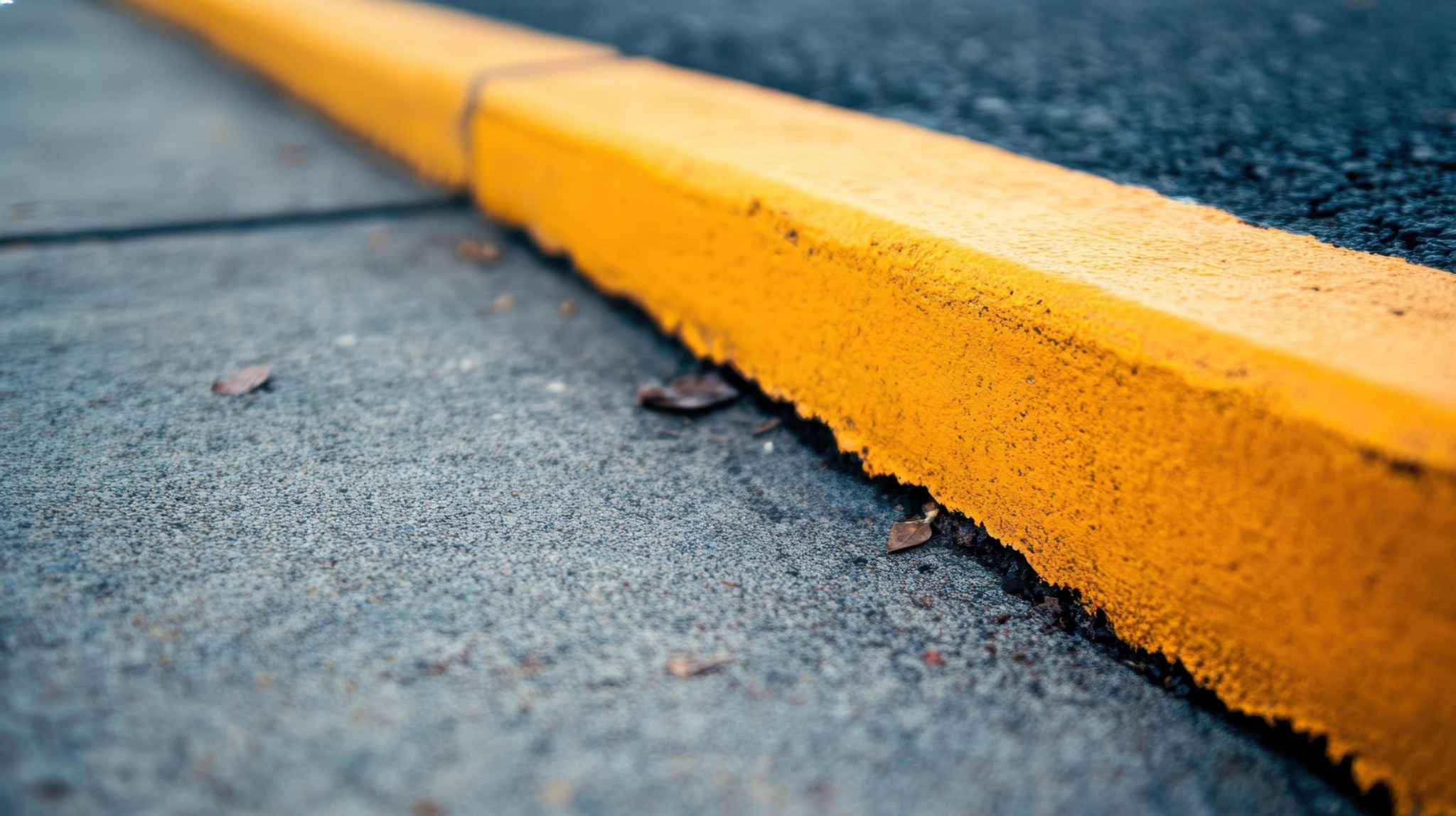
    • Blue curb visibility

    • Signage height & placement

    • Ramp slope, landing, cracks

    • Trip hazards (concrete or asphalt displacement)

    • Path of travel continuity

    • Loading/unloading zones

    • Curb paint visibility

    • Directional arrows & markings

    Every 18–24 Months, Perform:

    • Sealcoat (protects visibility + longevity)

    • Crackfilling (prevents water intrusion)

    • ADA restriping

    • Curb repainting

    • Minor concrete grinding or patching


    5. How Top Property Managers Stay ADA-Safe All Year

    Step 1 — Get a Professional ADA Audit

    A contractor trained in CBC + ADA reviews:

    • slopes

    • stall dimensions

    • signage

    • surface condition

    • transitions

    • path of travel

    And gives you a risk-level report.

    Step 2 — Prioritize High-Risk Violations

    Fix these ASAP:

    • Slope issues

    • Trip hazards

    • Missing signage

    • Damaged ramps

    These create lawsuits the fastest.

    Step 3 — Repaint & Restripe Proactively

    Don’t wait for fading.
    Do it every 12–18 months.

    Step 4 — Document Everything

    Photos
    Invoices
    Maintenance logs

    This protects PMs against claims:
    “We maintain compliance regularly.”

    Step 5 — Partner With an ADA-Focused Paving Company

    General paving contractors ≠ ADA specialists.
    ADA is technical, measured, documented.

    WLP crews handle this daily.


    6. How We Love Paving Helps You Stay ADA-Compliant

    At WLP, we offer a dedicated program for Property Managers:

    The ADA Protection Program

    • Full ADA + CBC audit

    • Photo report with priorities

    • Turnkey repairs (asphalt, concrete, ramps, markings, signs)

    • Annual maintenance schedule

    • Documentation for legal protection

    • Fast execution with minimal tenant disruption

    We handle everything—start to finish.


    7. Ready for 2026 ADA Compliance? (Free Quick Assessment)

    If you manage a property in California, you can schedule a Free Quick ADA Assessment:

    • 10-minute walk-through

    • Identify immediate violations

    • Clear next steps

    • No obligation

    👉 Message us or visit welovepaving.com to secure your ADA check.

    Your property stays protected.
    Your tenants stay safe.
    Your budget stays intact.


    Need Immediate Help?

    Let's Talk About Your Project

    Don't wait until minor damage turns into major expenses. Our team of experts is ready to provide you with guaranteed solutions. Contact us now for direct advice from a professional.

    Frequently Asked Questions (FAQ)

    Got Questions? Find Your Answers Here!!

    Why does ADA compliance require ongoing maintenance in 2026?

    ADA compliance requires ongoing maintenance because it is not permanent and degrades over time due to traffic, weather, and surface movement. The guide notes paint can fade within 12 to 18 months and slopes can shift. A once-compliant area can now trigger fines of $4,000 to $12,000 per violation.

    What must an ADA-compliant parking lot include?

    An ADA-compliant parking lot must include the correct number of accessible spaces, proper dimensions, access aisles, visible signage at least 60 inches high, slopes at or below 2 percent, and an accessible path of travel. Failure in any one of these elements creates a separate legal violation.

    What are the most common ADA maintenance violations?

    The most common ADA maintenance violations include faded blue striping, incorrect signage, slope deviations, improper dimensions, and blocked access aisles. The key insight is that attorneys prioritize fast visual violations, making faded markings and unclear symbols the most frequently targeted issues during inspections.

    How should ADA parking lots be maintained in 2026?

    ADA parking lot maintenance should include routine inspections, restriping every 12 to 24 months, slope verification, access cleaning, and full documentation of compliance efforts. The guide emphasizes that undocumented maintenance is treated as non-compliance, even if the original installation met all required standards.

    How can property managers reduce ADA lawsuit risk in 2026?

    Property managers can reduce ADA lawsuit risk by implementing proactive audits, fixing visible issues immediately, and maintaining detailed compliance records. The article highlights that most lawsuits originate from easily observable defects, so eliminating visual non-compliance significantly lowers exposure to legal claims.

    Professional customer review project by We Love Paving in Northern California, California. Verified local construction quality.

    Fred / Founder

    Fred, Founder and Regional Operations Manager at We Love Paving, comes from a family that values hard work and discipline. Growing up watching his parents work long hours with integrity and dedication, Fred learned early on that quality paving isn’t just about asphalt, it’s about consistency, accountability, and doing the job right.

    Share

    Posts That Might Interest You

    What Is Parking Lot Striping? Why Sealcoating Is Not Enough

    What Is Parking Lot Striping? Why Sealcoating Is Not Enough

    May 27, 2026

    A newly sealcoated parking lot can look finished before it is actually ready to function. The asphalt is darker. The surface looks cleaner. Old oxidation is less visible. From the road, the property may appear refreshed. Then traffic returns. Drivers slow down at wide drive aisles because arrows are missing. Customers park slightly over old

    Pavement Asset Management for Property Managers

    Pavement Asset Management for Property Managers

    May 27, 2026

    A property manager who treats pavement as a recurring expense will always be reacting to it. A property manager who treats pavement as an asset starts asking different questions: where is the surface in its lifecycle, which areas carry the most load, what conditions are changing, when does maintenance stop being enough, and how should

    Parking Lot Size Standards: How to Design Safe and Efficient Lots That Meet Code

    Parking Lot Size Standards: How to Design Safe and Efficient Lots That Meet Code

    May 26, 2026

    Parking lots might look simple just stripes and asphalt but strong parking lot design depends on precise size standards, circulation planning, and code aware layout decisions. If you’re planning to build, expand, or re-stripe a lot, knowing these dimensions helps you avoid code violations, improve traffic flow, and maximize usable space. Let’s break it down. 📏 1.

    Sacramento Paving Solutions: Can You Put Asphalt Over Dirt?

    Sacramento Paving Solutions: Can You Put Asphalt Over Dirt?

    May 21, 2026

    In Sacramento, California, where the weather is mostly warm and the urban landscape is continually evolving, maintaining durable and attractive driveways, pathways, and parking areas is essential. One common question that homeowners and property managers often ask is whether it’s possible to put asphalt directly over dirt. This comprehensive guide will explore the feasibility, benefits,

    Next

    Estimation Tools

    Calculate costs in seconds

    Fast, accurate estimates that help you close more jobs. Less guesswork, more profit.