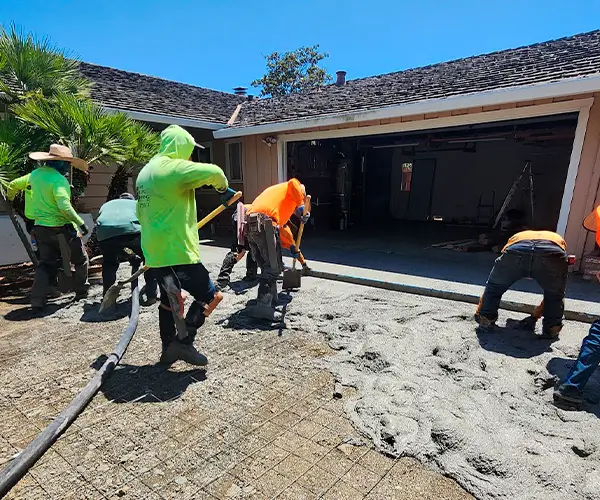
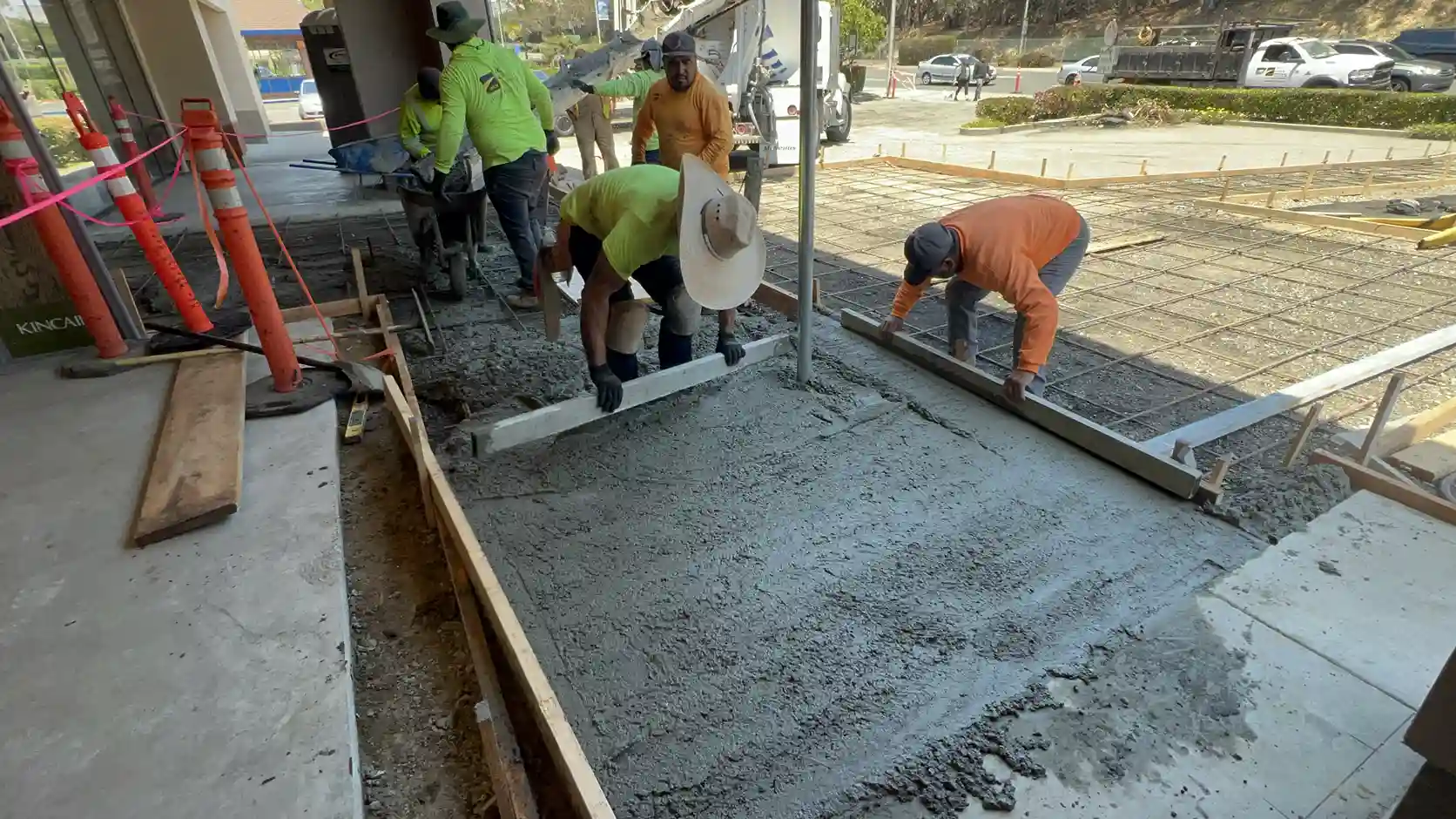
We Love Paving project
We Love Paving · Northern California

Asphalt Paving

15-Year Written guarantee available on qualifying projects
24H Proposal turnaround after project review
    Prefer to talk?
    Call (888) 273-0077
    No commitment. Request a clear project review, scope guidance, and next-step recommendation before making a decision.

    ADA Lawsuits in California: How to Avoid Being a Target in 2026

    We Love Paving services in San Ramon. Professional paving contractor serving San Ramon and Bay Area areas.
    Estimation Tools

    Calculate costs in seconds

    Fast, accurate estimates that help you close more jobs. Less guesswork, more profit.

    Introduction

    California is the #1 state in the country for ADA lawsuits, and the numbers keep rising every year.

    Looking for a full breakdown of how to prevent ADA lawsuits in 2026?


    Check out the 2026 ADA Compliance Checklist by StopADALawsuits, where you can review the latest California requirements and run a free risk assessment.

    Why?
    Because ADA compliance is strict, technical, and heavily enforced—and plaintiffs know that most properties have hidden violations.

    In 2026, the easiest way to avoid lawsuits is simple:

    Fix the violations before someone else finds them.

    This guide explains the most common ADA issues we see in parking lots and what Property Managers must do to stay compliant and reduce risk.


    1. Why ADA Lawsuits Are So Common in California

    There are three main reasons:

    1) California has stricter enforcement than other states

    The state follows both ADA + CBC (California Building Code), making requirements more detailed.

    2) Most violations are invisible to the untrained eye

    The difference between compliant and non-compliant can be a few inches or a slope of 0.5%.

    3) Serial plaintiffs are constantly scanning properties

    Professional plaintiffs visit dozens of lots every week looking for easy wins.

    A single incorrect slope or missing sign can trigger a $4,000–$15,000 lawsuit.


    2. The 7 Most Common ADA Parking Lot Violations in 2026

    If your property has any of these, you’re at risk:

    1) Slopes over 2% in accessible stalls

    The #1 cause of lawsuits.
    PMs think it’s “flat,” but inspectors measure with digital levels.

    2) Improper access aisles

    Wrong width, wrong striping, wrong slope, missing cross-hatching.

    3) Incorrect signage height or missing signs

    Simple and extremely common.

    4) Incorrect layout or dimensions

    Stalls and aisles must follow strict measurements.

    5) Missing or improper truncated domes

    Placement, color, and spacing matter.

    6) Incorrect path of travel

    Obstructions, elevation changes, steep areas, or disruptions in the accessible route.

    7) Faded or confusing striping

    If it’s unclear → it’s a violation.

    Most ADA violations have nothing to do with the building —
    they’re in the parking lot.


    3. Why ADA Violations Cost So Much (Even If They’re Small)

    Because California law adds:

    • Statutory damages

    • Attorney fees

    • Cost of remediation

    • Penalties for non-compliance

    This means:

    A $300 fix can easily become a $10,000+ lawsuit.

    Most PMs don’t realize:
    You don’t need a customer complaint to be sued.
    A plaintiff only needs to see the violation.


    4. How to Avoid Being a Target in 2026: The Prevention Plan

    Here’s how smart Property Managers protect themselves.


    Step 1: Get a Professional ADA Site Assessment

    A proper ADA assessment includes:

    • Slope measurements (digital)

    • Signage review

    • Layout verification

    • Truncated dome inspection

    • Path of travel analysis

    • Striping + marking inspection

    • CBC + ADA comparison

    A walk-through is not enough —
    you need measurements, photos, and a corrective plan.


    Step 2: Fix High-Risk Violations First

    The highest-risk violations are:

    • Slopes > 2%

    • Missing signage

    • Incorrect wheelchair symbol

    • Bad access aisles

    • Incorrect curb ramp design

    • No truncated domes

    These are the “easy wins” for serial plaintiffs.


    Step 3: Update Striping & Signage to 2026 Standards

    Fresh striping + correct signage dramatically reduces risk.

    It also shows inspectors your site is actively maintained.


    Step 4: Repair or Replace Non-Compliant Ramps

    Many ramps built years ago no longer meet 2026 standards.

    A quick evaluation determines whether:

    • Grinding

    • Regrading

    • Replacement

    • Or reconfiguring access aisles

    is required.


    Step 5: Maintain Documentation

    If you ever get questioned, documentation is your protection.

    Keep:

    • Photos “before” and “after”

    • Plan of action

    • Contractor scope

    • Dates of maintenance

    • Slopes and measurements

    Paperwork can stop a claim before it becomes a lawsuit.


    5. The Cost of Prevention vs. The Cost of a Lawsuit

    This is why PMs trust WLP:

    Cost of ADA corrections:

    $1,500–$8,000 on average (depending on scope)

    Cost of an ADA lawsuit:

    $10,000–$40,000+
    Per incident.

    Prevention is always cheaper than litigation.


    Conclusion: ADA Compliance Is Not Optional in 2026

    ADA enforcement is rising, plaintiffs are more active, and California standards are stricter than ever.

    But the good news is:

    Most violations are easy to fix —
    if you identify them early and work with a qualified contractor.


    Need Immediate Help?

    Let's Talk About Your Project

    Don't wait until minor damage turns into major expenses. Our team of experts is ready to provide you with guaranteed solutions. Contact us now for direct advice from a professional.

    Frequently Asked Questions (FAQ)

    Got Questions? Find Your Answers Here!!

    Why is California the main hotspot for ADA lawsuits in 2026?

    California leads ADA lawsuits because it enforces both federal ADA and stricter CBC standards, creating more technical failure points. In addition, serial plaintiffs actively scan properties for violations. A single visible issue can trigger lawsuits ranging from $4,000 to $15,000 without requiring any prior customer complaint.

    What are the most common ADA parking lot violations in 2026?

    The most common violations include slopes over 2%, improper signage, incorrect dimensions, poorly designed access aisles, and faded striping. The key insight is that deviations as small as 0.5% in slope or a few inches in layout can turn a seemingly compliant space into a legally actionable violation.

    How much can an ADA lawsuit cost for a small mistake?

    An ADA lawsuit can cost between $10,000 and $45,000 or more when statutory damages, legal fees, and required corrections are combined. In California, layered legal frameworks amplify costs, meaning a $300 repair can quickly escalate into a five-figure legal and remediation expense.

    Why are slope errors the biggest legal risk in parking lots?

    Slope errors are the biggest risk because regulations cap slopes at 2% in all directions, and any excess invalidates compliance. Even a measurement of 2.05% fails under California code, which explains why many parking lots fail inspections despite appearing visually flat to property managers.

    How can property managers avoid ADA lawsuits in 2026?

    Avoiding ADA lawsuits requires proactive inspections, immediate correction of visible issues, and continuous compliance documentation. The most effective strategy is early detection before plaintiffs identify violations. Routine audits, professional slope measurements, and updated signage significantly reduce exposure to litigation in California properties.

    Professional customer review project by We Love Paving in Northern California, California. Verified local construction quality.

    Fred / Founder

    Fred, Founder and Regional Operations Manager at We Love Paving, comes from a family that values hard work and discipline. Growing up watching his parents work long hours with integrity and dedication, Fred learned early on that quality paving isn’t just about asphalt, it’s about consistency, accountability, and doing the job right.

    Share

    Posts That Might Interest You

    What Is Parking Lot Striping? Why Sealcoating Is Not Enough

    What Is Parking Lot Striping? Why Sealcoating Is Not Enough

    May 27, 2026

    A newly sealcoated parking lot can look finished before it is actually ready to function. The asphalt is darker. The surface looks cleaner. Old oxidation is less visible. From the road, the property may appear refreshed. Then traffic returns. Drivers slow down at wide drive aisles because arrows are missing. Customers park slightly over old

    Pavement Asset Management for Property Managers

    Pavement Asset Management for Property Managers

    May 27, 2026

    A property manager who treats pavement as a recurring expense will always be reacting to it. A property manager who treats pavement as an asset starts asking different questions: where is the surface in its lifecycle, which areas carry the most load, what conditions are changing, when does maintenance stop being enough, and how should

    Parking Lot Size Standards: How to Design Safe and Efficient Lots That Meet Code

    Parking Lot Size Standards: How to Design Safe and Efficient Lots That Meet Code

    May 26, 2026

    Parking lots might look simple just stripes and asphalt but strong parking lot design depends on precise size standards, circulation planning, and code aware layout decisions. If you’re planning to build, expand, or re-stripe a lot, knowing these dimensions helps you avoid code violations, improve traffic flow, and maximize usable space. Let’s break it down. 📏 1.

    Sacramento Paving Solutions: Can You Put Asphalt Over Dirt?

    Sacramento Paving Solutions: Can You Put Asphalt Over Dirt?

    May 21, 2026

    In Sacramento, California, where the weather is mostly warm and the urban landscape is continually evolving, maintaining durable and attractive driveways, pathways, and parking areas is essential. One common question that homeowners and property managers often ask is whether it’s possible to put asphalt directly over dirt. This comprehensive guide will explore the feasibility, benefits,

    Next

    Estimation Tools

    Calculate costs in seconds

    Fast, accurate estimates that help you close more jobs. Less guesswork, more profit.