How Delaying Repairs Can Double Your Long-Term Budget
Most property managers don’t plan to neglect their parking lots it just happens slowly.
A small crack today.
A little pooling water next season.
A faded line that “still looks okay.”
But in 2026, pavement deterioration is accelerating faster due to heat cycles, heavier vehicles, and rising material costs. And the truth is simple:
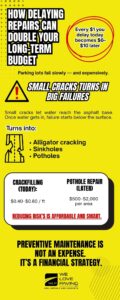
Every dollar you Delay in Maintenance Today Becomes $6–$10 in Repairs Later.
This is why proactive maintenance isn’t an expense it’s a financial strategy.
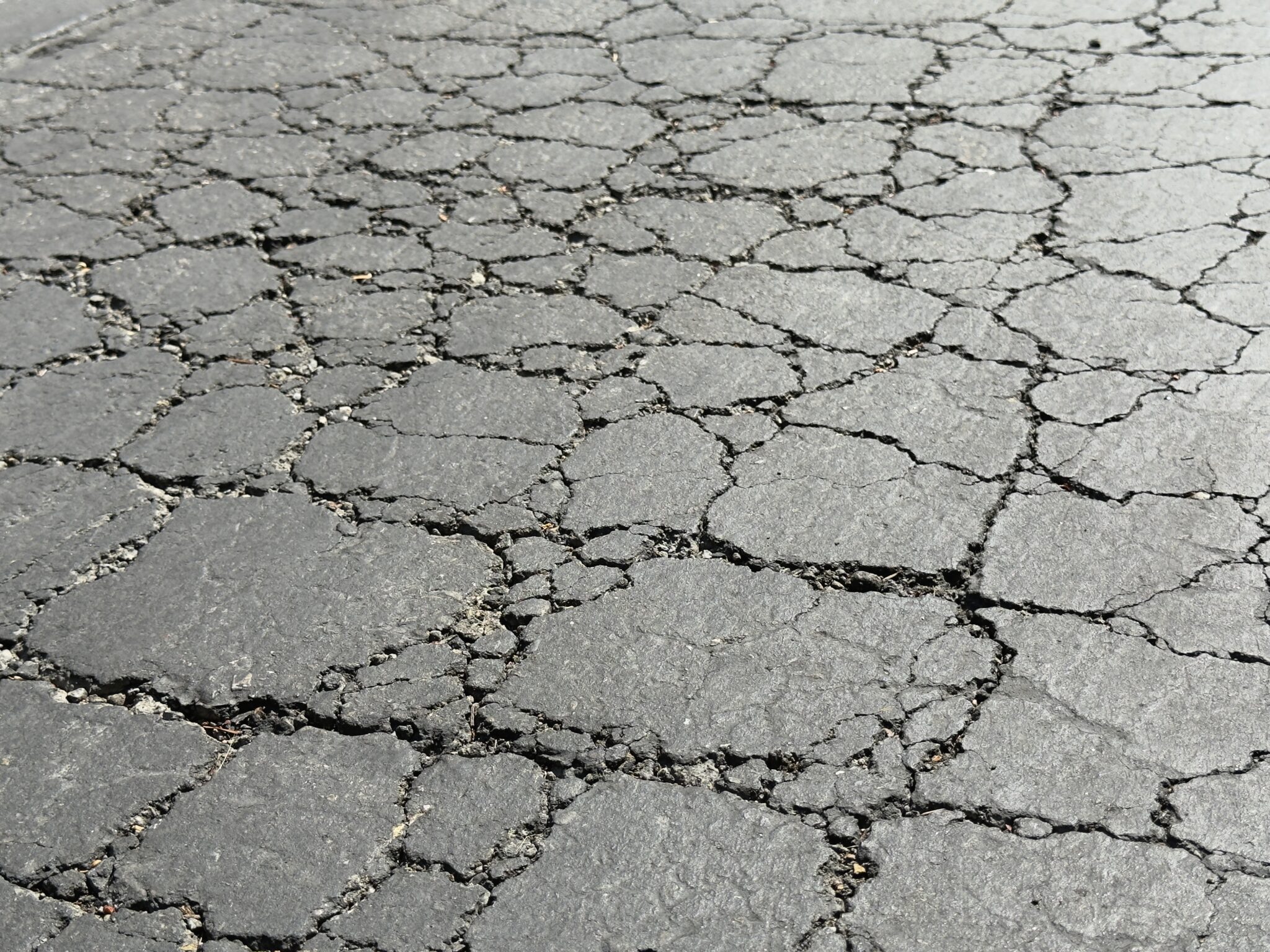
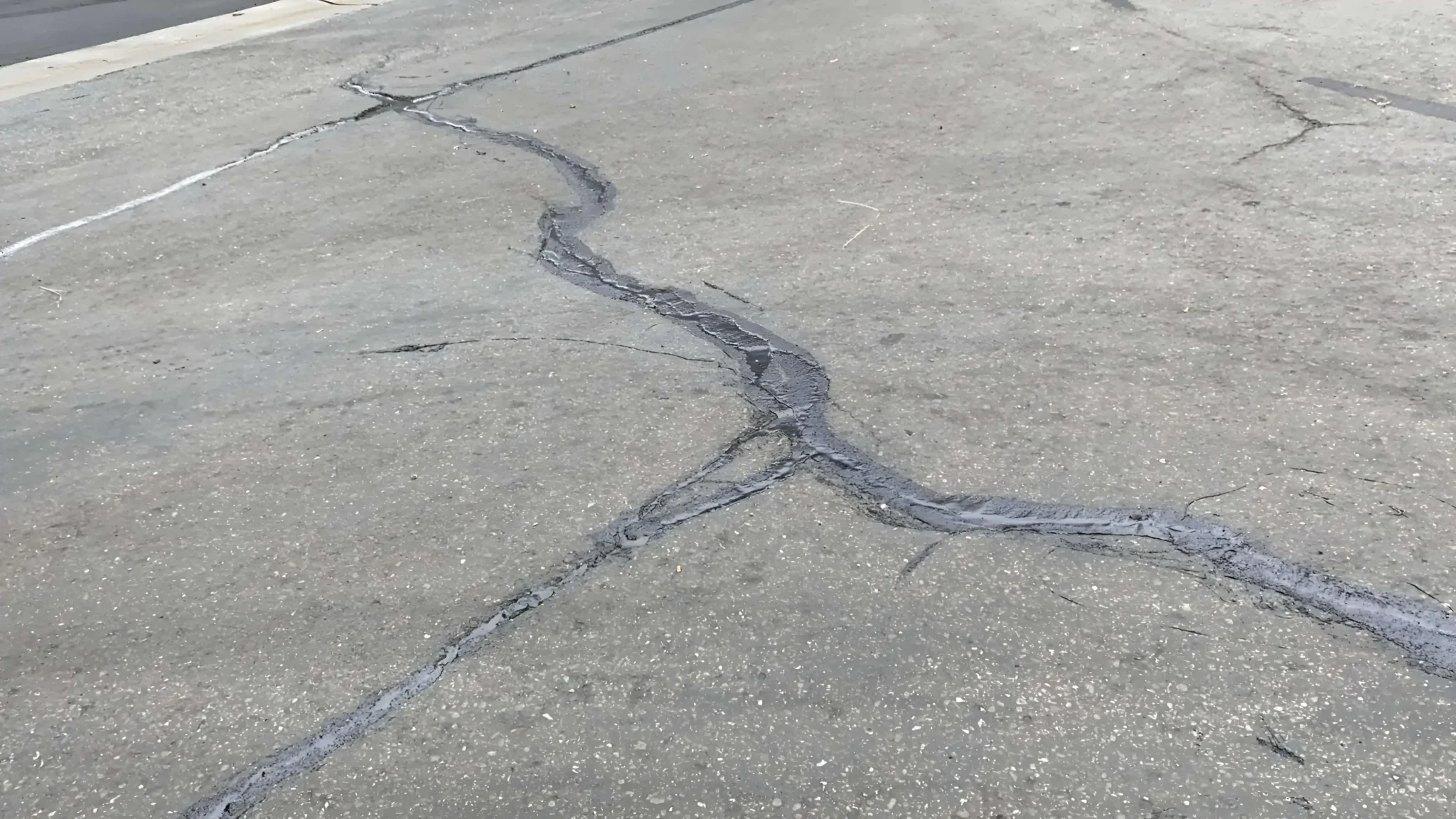
Cracks Don’t Stay Cracks They Become Potholes
A single linear crack allows water to penetrate the asphalt base.
Once water gets in, the structure begins to fail from below.
Within months, cracks expand into:
- Alligator cracking
- Sinkholes
- Large potholes
Cost comparison:
| Repair Type | Cost Today | Cost Later |
|---|---|---|
| Crackfilling | $0.40–$0.80/ft | $500–$2,000 for a pothole repair |
Translation:
Ignoring cracks is the most expensive decision you can make.
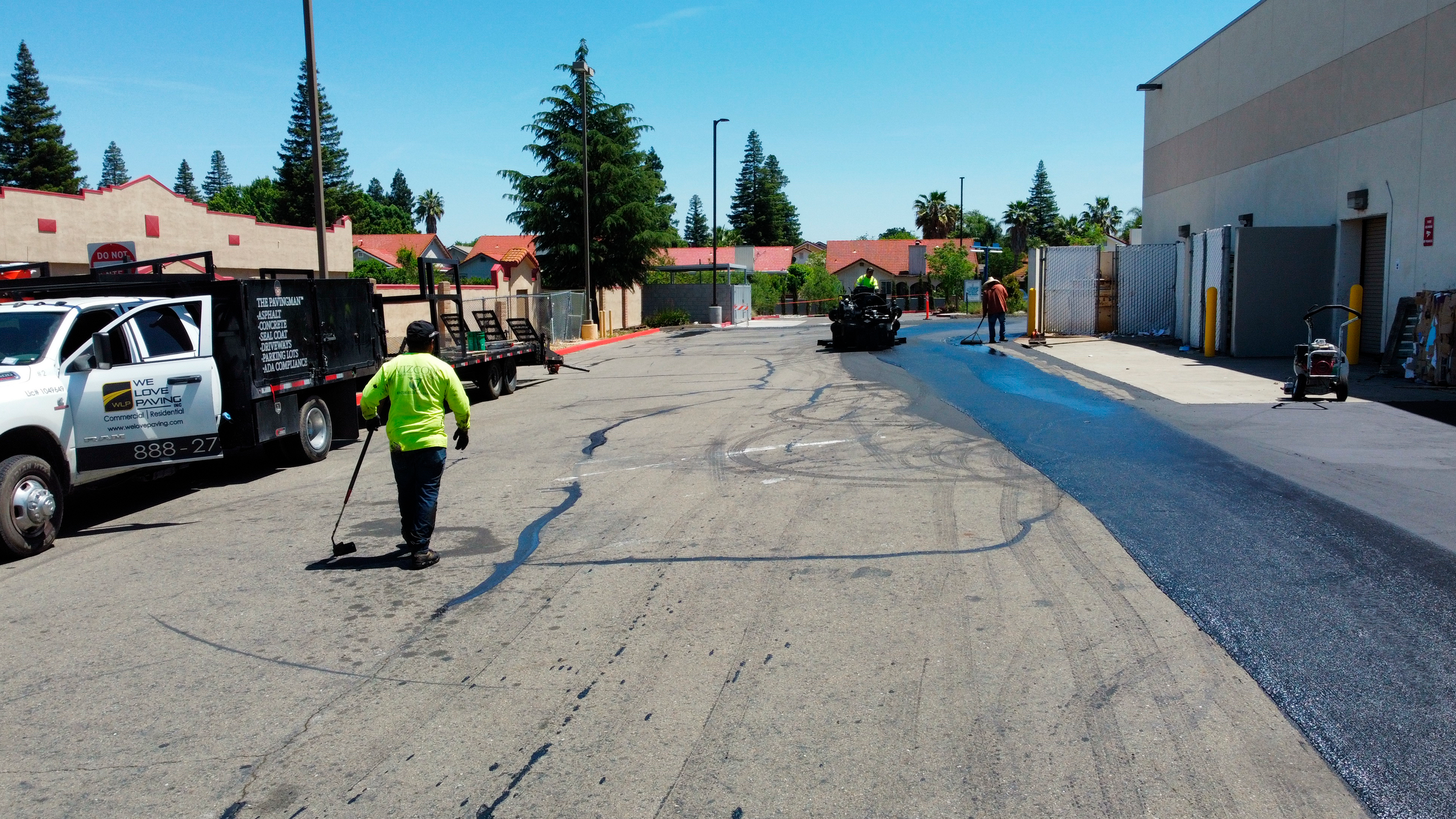
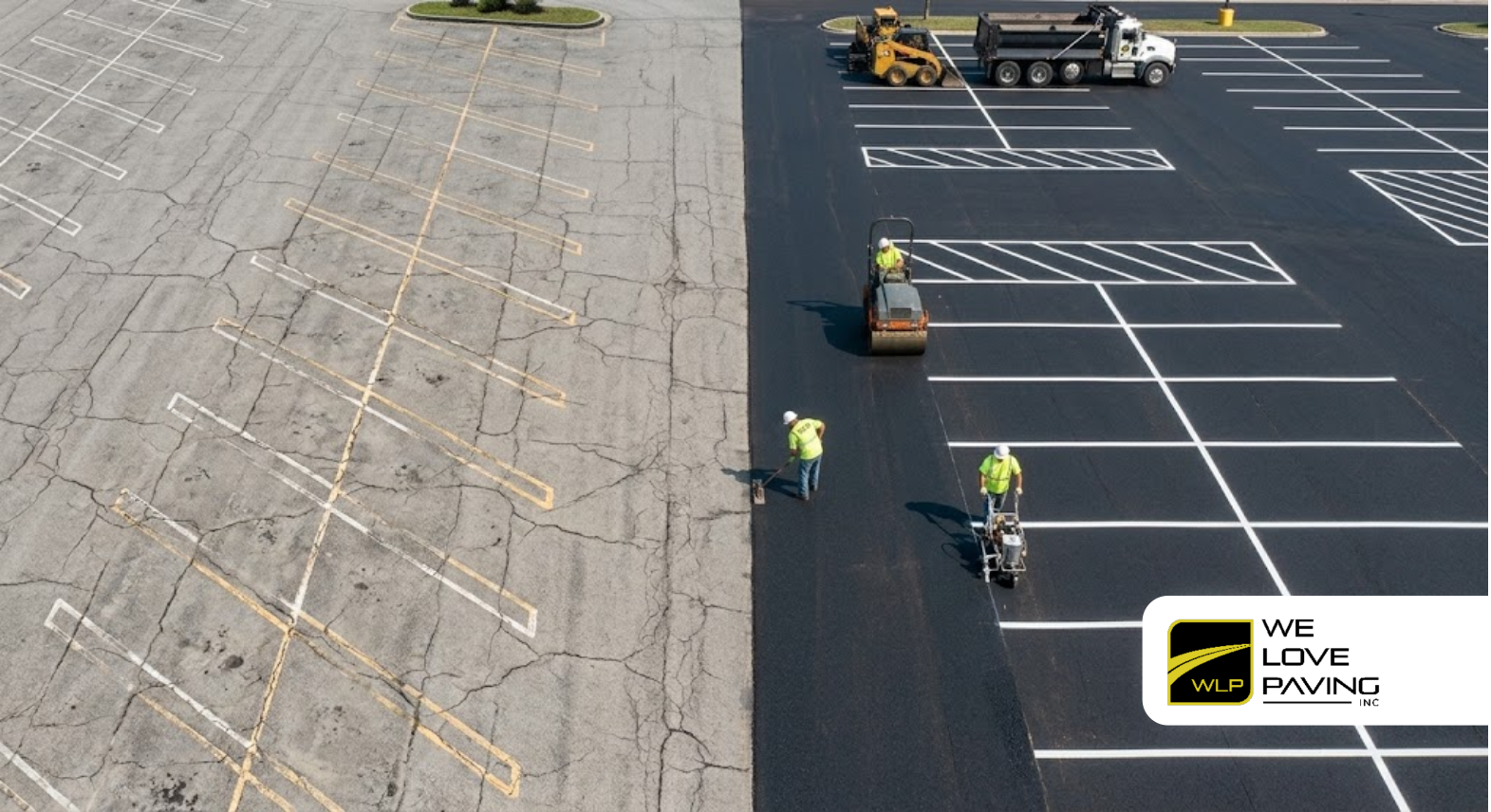
Sealcoating Extends Pavement Life by Up to 7 Years
Most parking lots fade long before they fail structurally.
Sealcoating:
- Blocks UV rays
- Protects against water intrusion
- Resists oil and chemical spills
- Restores deep black appearance
But here’s the key:
Sealcoating must be done every 2–3 years. Missing even one cycle doubles the aging rate.
Drainage Problems Destroy Asphalt Faster Than Traffic
Water is the #1 enemy of asphalt.
Signs of drainage issues:
- Water pooling after 24 hours
- Edge cracking near landscaping
- Soft or spongy asphalt
- Premature pothole development
If water sits on the surface, the subbase weakens and full replacement becomes unavoidable.
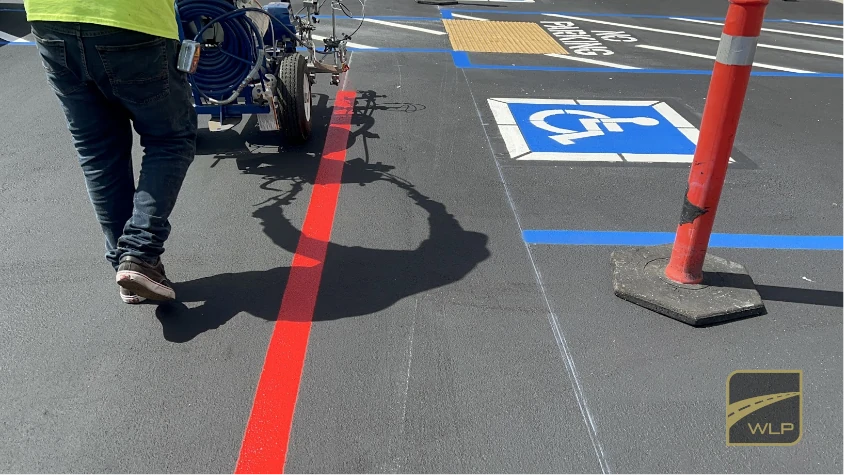
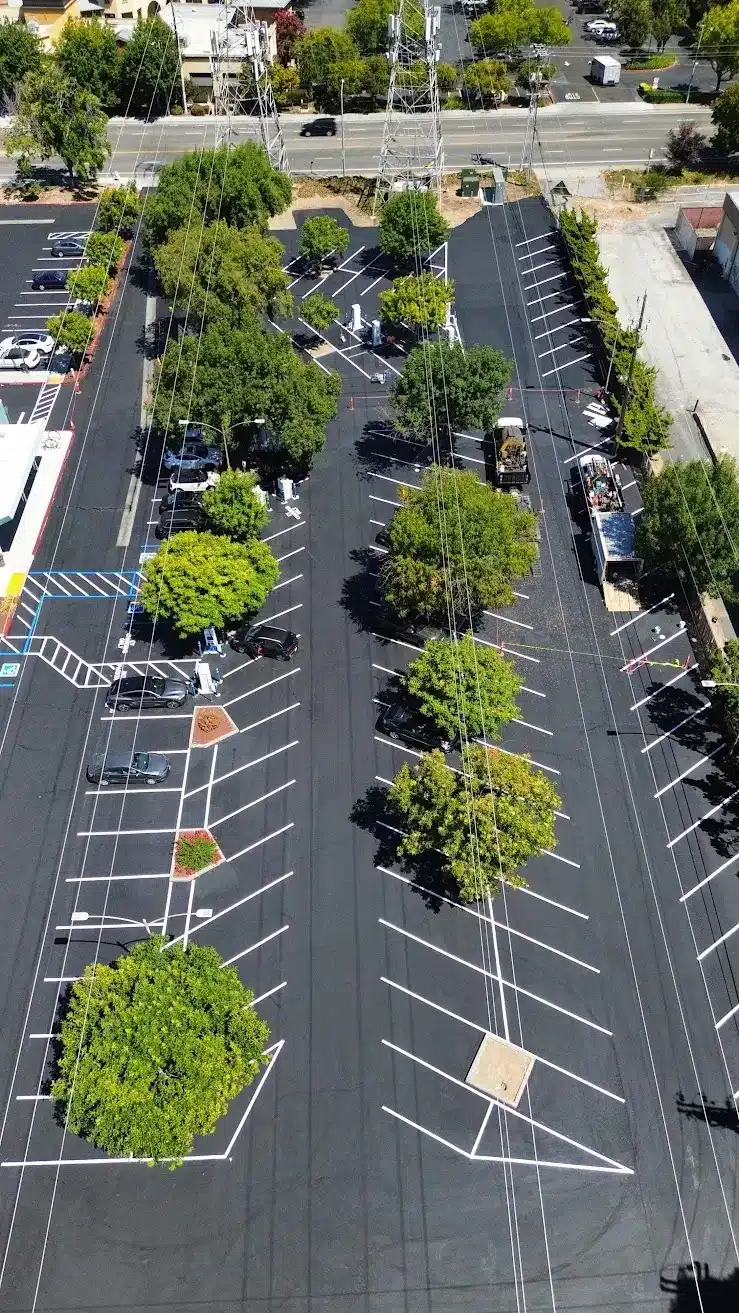
Faded Striping is a Safety & Liability Issue
Striping isn’t just cosmetic.
It controls:
- Traffic flow
- Parking alignment
- Pedestrian awareness
- Emergency access
Faded lines increase:
- Accidents
- Confusion
- Non-compliance issues (fire lanes, loading zones, etc.)
- Re-striping is inexpensive.
- Accidents are not.
Full-Depth Replacement Is 5–10x More Expensive Than Prevention
When asphalt fails completely, the only solution is milling and replacing the entire section.
Typical CA replacement cost (2026):
$6–$12 per square foot
Versus:
- Sealcoat: $0.18–0.30 per sq ft
- Crackfill: pocket change
- Patching: low-cost, same-day service
Every year of delayed maintenance moves you closer to a six-figure reconstruction project.
Preventive Maintenance Protects Property Value
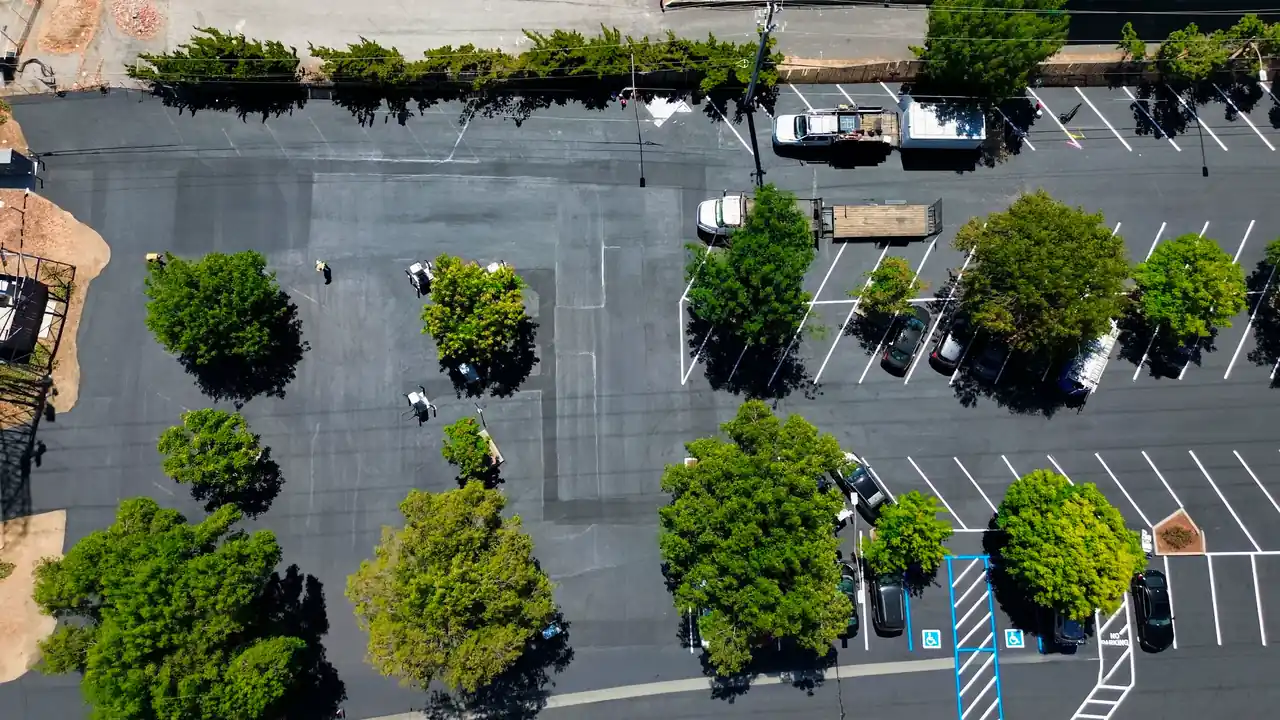
Buyers, lenders, and tenants make decisions based on curb appeal.
A clean, well-maintained parking lot communicates:
- Safety
- Organization
- Professional management
- Long-term planning
Parking lots are one of the first things visitors notice and one of the most cost-effective improvements you can make.
How We Love Paving Helps Your Budget, Not Just Your Asphalt
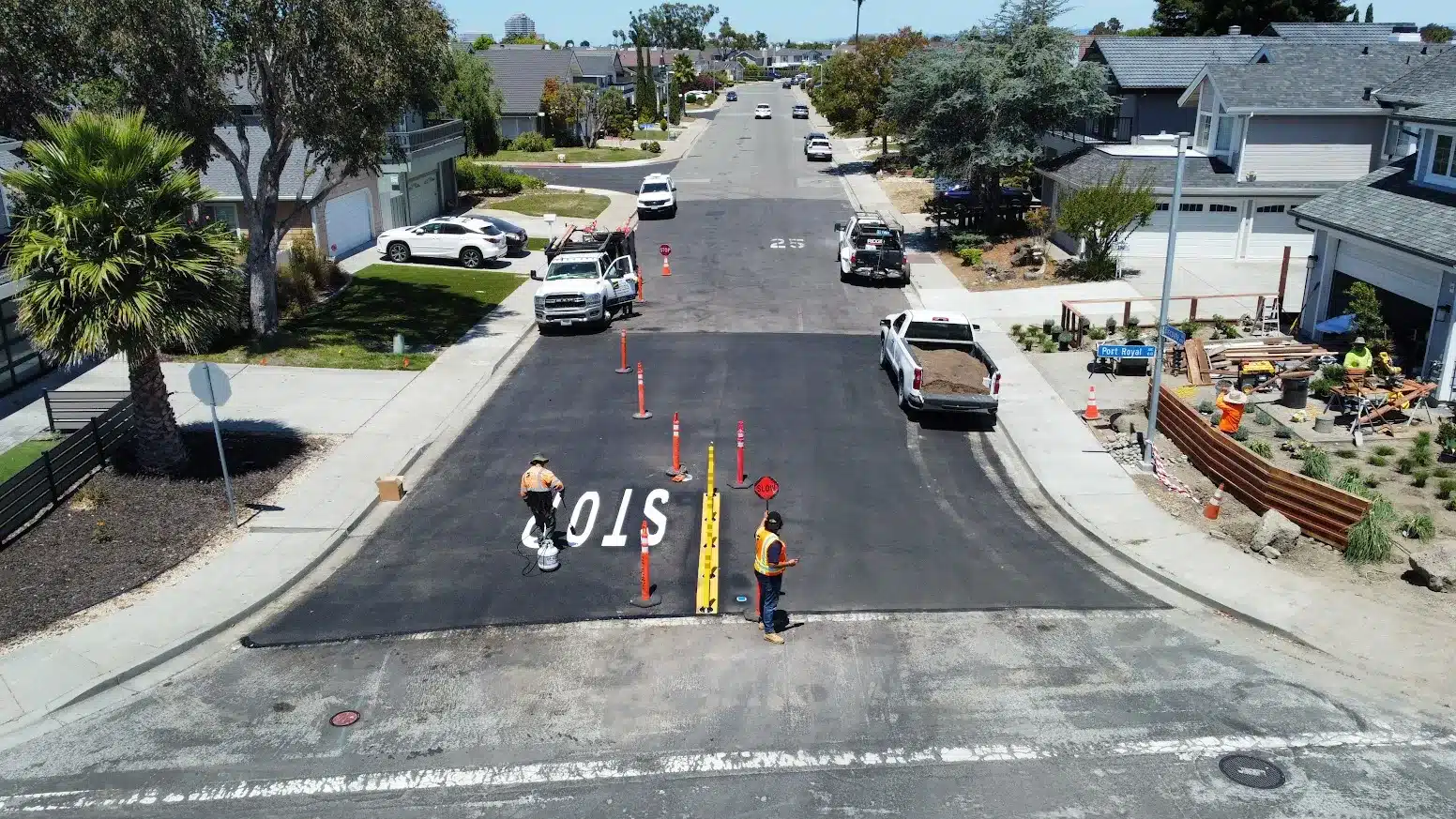
WLP isn’t just a contractor we operate as a maintenance partner.
Our services include:
- Annual pavement condition assessments
- Crackfilling & patch repair
- Sealcoating
- Line striping & layout optimization
- Drainage evaluation
- Full repaving when necessary
We help you build a 3–5 year maintenance plan that prevents large, unexpected expenses.
Delaying asphalt maintenance isn’t a neutral decision.
It’s a financial risk with predictable and expensive consequences.
But with the right maintenance strategy, you can extend your pavement’s lifespan, reduce liability, and stabilize your long-term budget.
Get a Free Pavement Health Evaluation
See exactly what your parking lot needs and what can wait before a small problem becomes a major expense.