How Often Should You Sealcoat a Parking Lot?

We Love Paving services in Palo Alto. Professional paving contractor serving Palo Alto and Mission District areas.
Estimation Tools

Calculate costs in seconds

Fast, accurate estimates that help you close more jobs. Less guesswork, more profit.

Sealcoating is one of the most important maintenance steps for any asphalt parking lot — but most property managers aren’t sure how often it should actually be done.

The short answer:

  • Every 2–3 years for high-traffic commercial properties

  • Every 3–5 years for low-traffic areas

  • After any major resurfacing or patching project

  • Never sooner than 6–12 months after new asphalt installation

Below is the full breakdown so you can plan your pavement maintenance properly and avoid unnecessary damage or premature deterioration.


Why Sealcoating Matters

Asphalt is flexible, but it’s extremely vulnerable to:

  • UV rays

  • Water intrusion

  • Oil, gas, and chemical spills

  • Oxidation

  • Heavy vehicle stress

Sealcoat acts as a protective barrier, slowing down aging and preventing surface damage that later turns into potholes, alligator cracking, and costly overlays.

Without sealcoat, asphalt oxidizes and becomes brittle — which shortens its life dramatically.


Recommended Sealcoating Frequency

1. High-Traffic Commercial Properties

Examples: shopping centers, fast food, retail plazas, hospitals, schools.
Recommended: Every 2–3 years

These properties suffer from constant vehicle movement, turning, braking, and heavy delivery trucks — all of which wear down the asphalt faster.


2. Medium-Traffic Properties

Examples: office parks, industrial buildings, hotels.
Recommended: Every 3 years

Most PMs don’t realize how quickly oxidation happens.
Even medium use breaks down unsealed asphalt quickly.


3. Low-Traffic Properties

Examples: churches, storage facilities, private lots.
Recommended: Every 3–5 years

Still important — just not as frequently.


4. New Asphalt

WAIT at least 6–12 months before sealcoating.
Fresh asphalt needs time to cure and release oils (petroleum-based binders).

Applying sealcoat too early can trap oils and ruin the surface.


Signs Your Parking Lot Needs Sealcoating

Even if you don’t remember the last service date, watch for:

  • Faded asphalt color (light gray instead of black)

  • Surface drying or brittleness

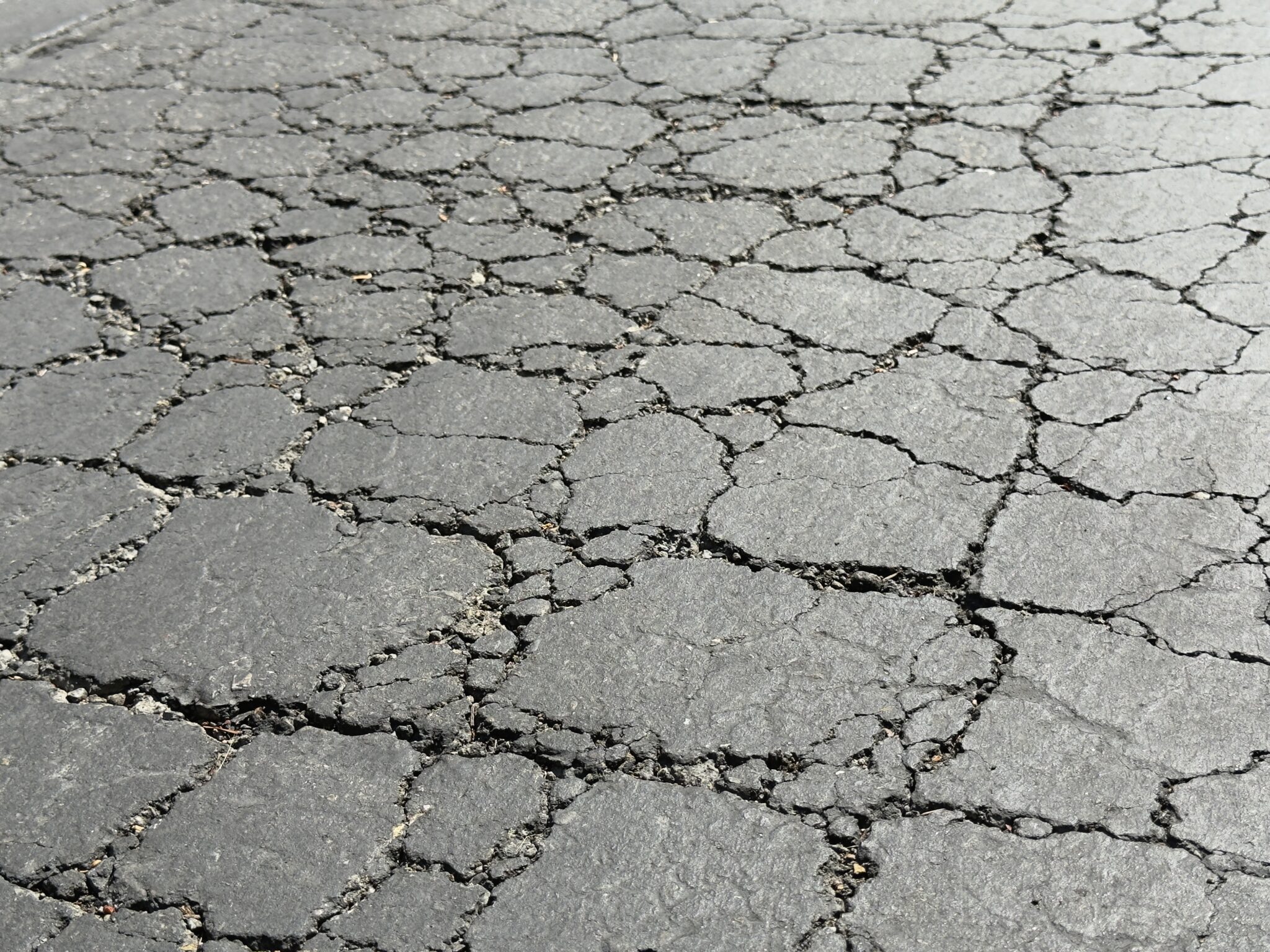
  • Visible hairline cracks

  • Small potholes forming

  • Water pooling or slow drainage

  • Striping starting to disappear

If more than 30% of your lot shows these signs, sealcoating is likely overdue.


What Happens If You Don’t Sealcoat?

Skipping sealcoating leads to:

  • Faster oxidation

  • Cracking and alligator patterns

  • Water infiltration

  • Potholes

  • Base layer damage

  • Higher long-term repair costs

  • Premature resurfacing or full replacement

One of the biggest hidden costs in commercial real estate is deferred pavement maintenance.


How Long Does Sealcoat Take to Dry?

  • Dry to the touch: 3–6 hours

  • Light traffic: 12–24 hours

  • Full cure: 24–48 hours (depending on weather)

In California summers, sealcoat dries faster — in cooler months, slower.


Best Time of Year to Sealcoat

Sealcoat performs best when temperatures are:

  • Above 60°F,

  • Low humidity,

  • Plenty of sun.

In states like California, the ideal time is late spring through early fall.


Sealcoating + Striping = Best Results

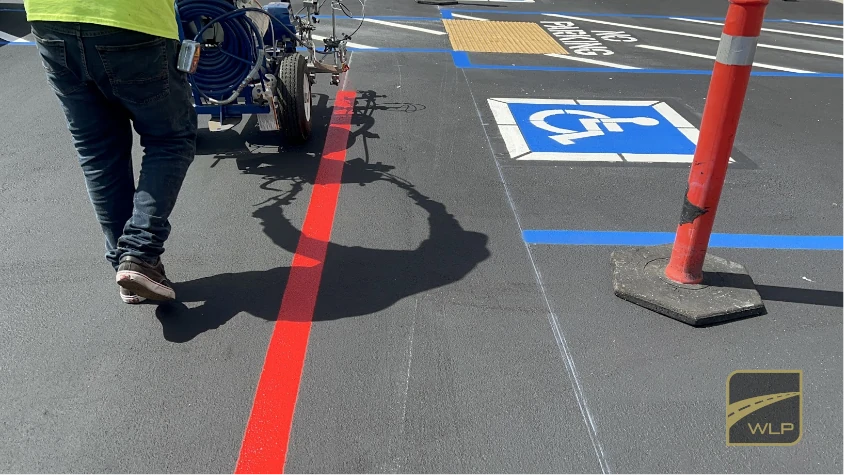
Sealcoat always requires new striping afterward.
This improves:

  • ADA visibility

  • Traffic flow

  • Tenant satisfaction

  • Curb appeal

  • Property value perception

Faded lines are one of the top liability risks for commercial properties.


How Sealcoating Saves You Money

Sealcoating on schedule can:

  • Extend asphalt life by 5–10 years

  • Reduce long-term repair costs by 40–60%

  • Prevent expensive base damage

  • Lower liability from cracks and trip hazards

  • Maintain ADA compliance

It’s one of the highest-ROI maintenance tasks for any property manager.


Final Answer: How Often Should You Sealcoat a Parking Lot?

  • High Traffic: Every 2–3 years

  • Medium Traffic: Every 3 years

  • Low Traffic: Every 3–5 years

  • New Asphalt: Wait 6–12 months

Consistent maintenance is the key to making asphalt last.


Need a Sealcoating Estimate or Schedule?

At We Love Paving, we help property managers plan sealcoat work with minimal disruption to tenants, ADA access, and commercial operations.

If you’d like, I can share a free maintenance plan template for your property.

Need Immediate Help?

Let's Talk About Your Project

Don't wait until minor damage turns into major expenses. Our team of experts is ready to provide you with guaranteed solutions. Contact us now for direct advice from a professional.

Frequently Asked Questions (FAQ)

Got Questions? Find Your Answers Here!!

How often should you sealcoat a parking lot?

Most parking lots should be sealcoated every 2 to 3 years, with adjustments based on traffic and environmental exposure. High-traffic commercial properties may require more frequent applications, while low-use areas can extend up to 5 years without significantly compromising pavement protection.

How does sealcoating frequency vary by property type?

Sealcoating frequency varies by usage: high-traffic lots need sealing every 2–3 years, medium-traffic properties about every 3 years, and low-traffic areas every 3–5 years. Increased braking, turning, and heavy vehicle loads accelerate surface wear and require more frequent protection.

Why shouldn’t you sealcoat new asphalt immediately?

New asphalt should not be sealcoated for at least 6 to 12 months because it needs time to cure and release oils. Applying sealcoat too early can trap those oils, reducing adhesion and shortening the lifespan of the protective layer.

What are the signs a parking lot needs sealcoating?

A parking lot needs sealcoating when it shows fading to gray, hairline cracking, surface brittleness, or small potholes forming. A practical rule is that if more than 30% of the surface shows these signs, sealcoating is overdue and structural damage risk increases rapidly.

What happens if you don’t sealcoat regularly?

Skipping sealcoating accelerates oxidation, allows water infiltration, and leads to cracks, potholes, and base damage. This increases long-term repair costs and often results in premature resurfacing or full replacement, while regular maintenance can extend pavement life by several years.

Professional customer review project by We Love Paving in Northern California, California. Verified local construction quality.

Fred / Founder

Fred, Founder and Regional Operations Manager at We Love Paving, comes from a family that values hard work and discipline. Growing up watching his parents work long hours with integrity and dedication, Fred learned early on that quality paving isn’t just about asphalt, it’s about consistency, accountability, and doing the job right.

Share

Posts That Might Interest You

What is Driveway Resurfacing? Expert Technical Guide to Asphalt Overlay and When to Use It

What is Driveway Resurfacing? Expert Technical Guide to Asphalt Overlay and When to Use It

April 15, 2026

THE BENEFITS OF RESURFACING In the world of driveway maintenance and improvement, asphalt resurfacing has emerged as a popular and effective solution. As time passes, even the most durable asphalt driveways can succumb to wear and tear, displaying cracks, potholes, and a worn-out appearance. However, instead of tearing up the entire driveway and starting from

Paving Technical Audit: Cost of Driveway Analysis

Paving Technical Audit: Cost of Driveway Analysis

April 14, 2026

A Comprehensive Guide For Homeowners Paving a driveway is a substantial undertaking for any homeowner. Beyond just enhancing curb appeal, it adds value and utility to the property. However, before diving into such a project, it’s crucial to grasp the diverse factors influencing the overall cost. This guide explores these elements, offering insights to empower

Do You Put Sand or Gravel Under Asphalt Paving? A Guide for Sacramento, California

Do You Put Sand or Gravel Under Asphalt Paving? A Guide for Sacramento, California

April 10, 2026

When it comes to installing asphalt paving in Sacramento, California, one of the most common questions homeowners and builders have is whether to use sand or gravel as a base. Both materials play crucial roles in ensuring a durable, stable, and aesthetically pleasing paved surface. This article explores the importance of using sand and gravel

Why is Asphalt So Expensive? A 2026 Audit of Paving Costs and Market Dynamics

Why is Asphalt So Expensive? A 2026 Audit of Paving Costs and Market Dynamics

April 2, 2026

Paving costs have experienced a significant upward trend in recent years, leaving property owners questioning the reasons behind this surge. In this detailed exploration, we delve into the multifaceted factors contributing to the escalating costs of paving in 2026 and beyond. Material Costs and Market Dynamics The cornerstone of any paving project lies in its

Next

Estimation Tools

Calculate costs in seconds

Fast, accurate estimates that help you close more jobs. Less guesswork, more profit.