Paving Technical Audit: Cost of Driveway Analysis

We Love Paving services in Fremont. Professional paving contractor serving Fremont and Bay Area areas.
Estimation Tools

Calculate costs in seconds

Fast, accurate estimates that help you close more jobs. Less guesswork, more profit.

A Comprehensive Guide For Homeowners

Paving a driveway is a substantial undertaking for any homeowner. Beyond just enhancing curb appeal, it adds value and utility to the property. However, before diving into such a project, it’s crucial to grasp the diverse factors influencing the overall cost. This guide explores these elements, offering insights to empower homeowners to make informed decisions.

Size and Shape

The dimensions and configuration of the driveway are primary cost determinants. Larger driveways necessitate more materials, labor, and equipment, resulting in higher expenses. Additionally, irregular or intricate designs may require specialized paving techniques, further impacting costs.

Choice of Material

The paving material significantly influences cost. Options like asphalt, concrete, gravel, and pavers vary in price and attributes. Asphalt tends to be cost-effective, while concrete offers durability. Pavers offer aesthetic versatility but come at a higher price. Gravel driveways are economical but may not suit all climates.

Site Preparation

Proper site readiness is crucial for a stable, long-lasting driveway. Excavation, grading, and base compaction are essential steps affecting costs. Soil conditions and nearby structures can also influence the groundwork required.

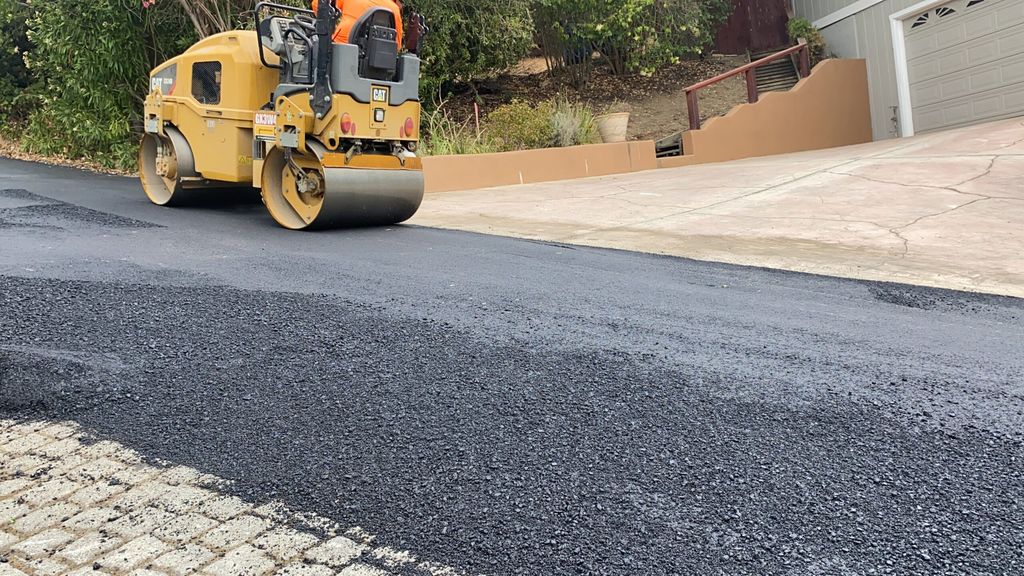
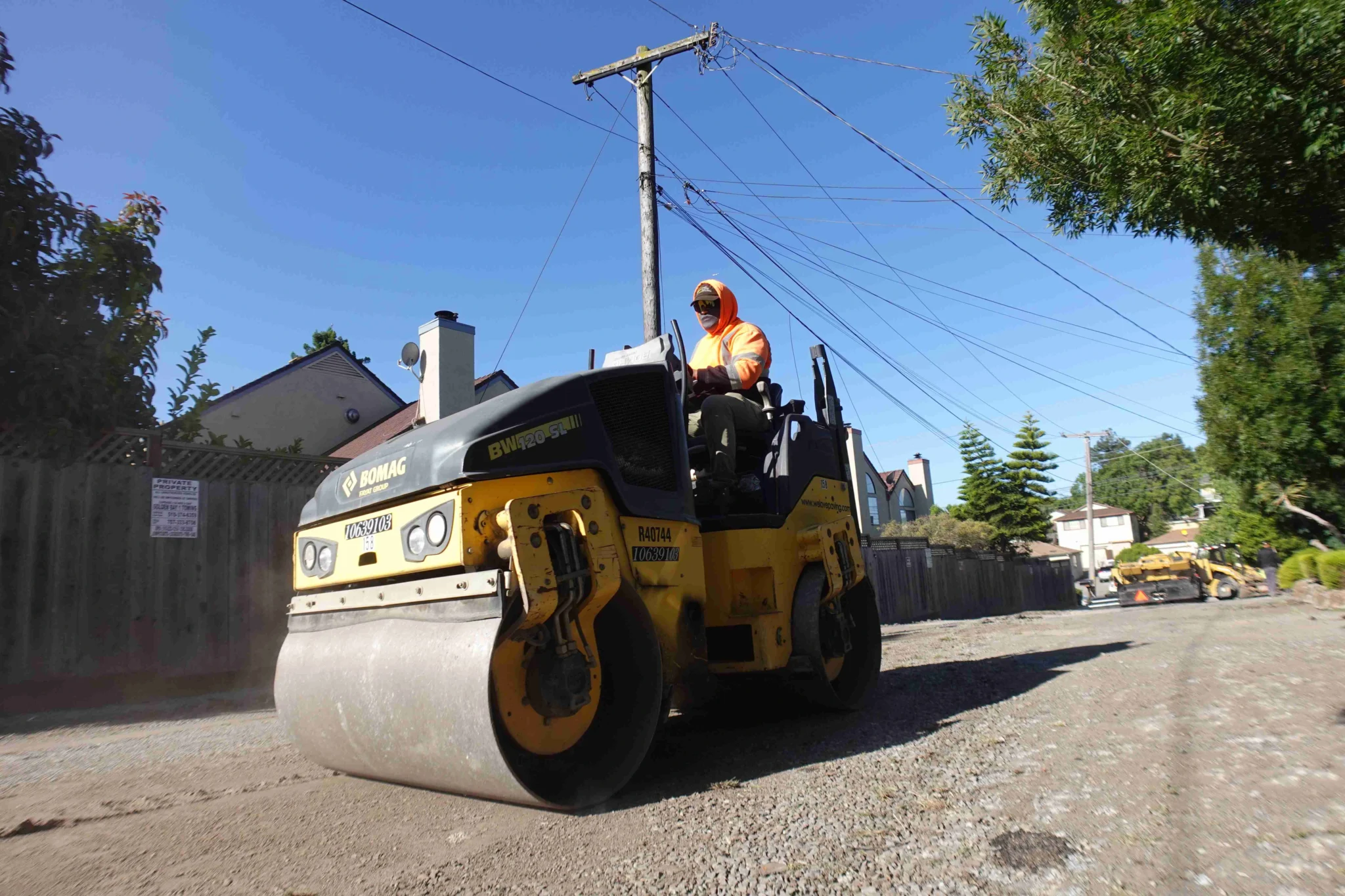
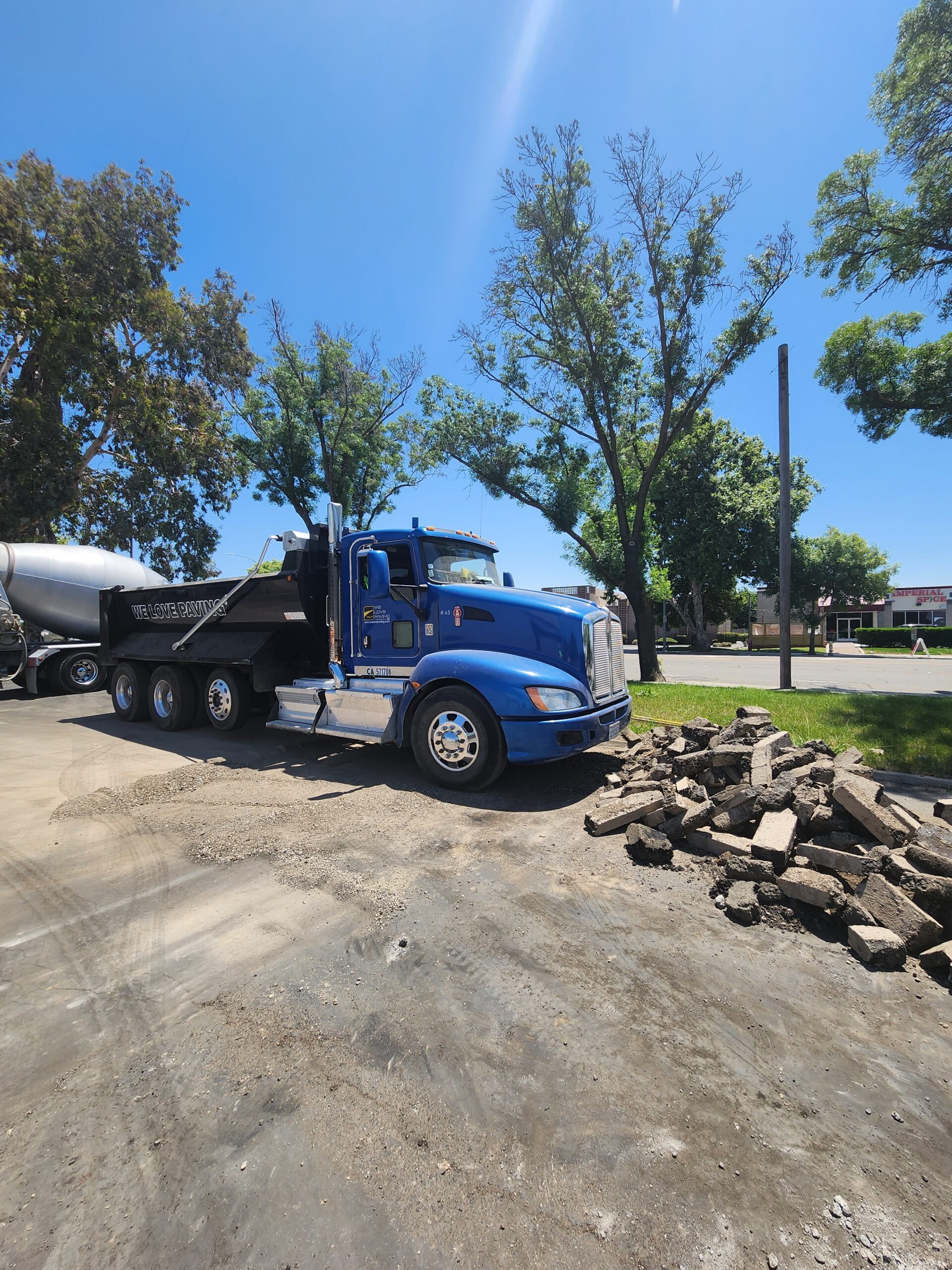
Final compaction for a smooth, durable finish. in Santa Clara, CA

Beyond the Asphalt: The Hidden Costs of Your Budget 

When calculating the cost of a driveway, many homeowners overlook critical expenses that can increase the final budget by 20-30%. The first is demolition and removal (tear-out); removing old pavement typically costs between $1 and $2 per square foot, depending on thickness. In California, municipal permits are mandatory and vary significantly across Bay Area counties; ignoring them can result in expensive fines and project shutdowns. Finally, technical sub-grade preparation is the most decisive factor for longevity. It’s not just about leveling the ground; it requires vibratory compaction analysis to reach 97% density. A poorly executed sub-base guarantees premature structural failures, turning initial savings into a double expense in the short term. Investing in a solid technical base is the only way to ensure your investment supports heavy loads without cracking.

Drainage

Effective drainage prevents water accumulation and potential damage. Installing drainage systems or adjusting slopes incurs additional expenses.

Location

Property location affects paving costs. Accessibility and distance from suppliers influence transportation expenses. Local regulations and permits may necessitate specific adjustments, impacting overall costs.

Northern California’s Geological and Regulatory Challenge 

Location doesn’t just affect transportation; it dictates engineering specifications. In Northern California, we frequently encounter expansive clay. This soil type swells as it absorbs moisture and shrinks as it dries, which can fracture standard pavement within a few months. To mitigate this, costs increase due to the need for a deeper sub-base or lime stabilization.

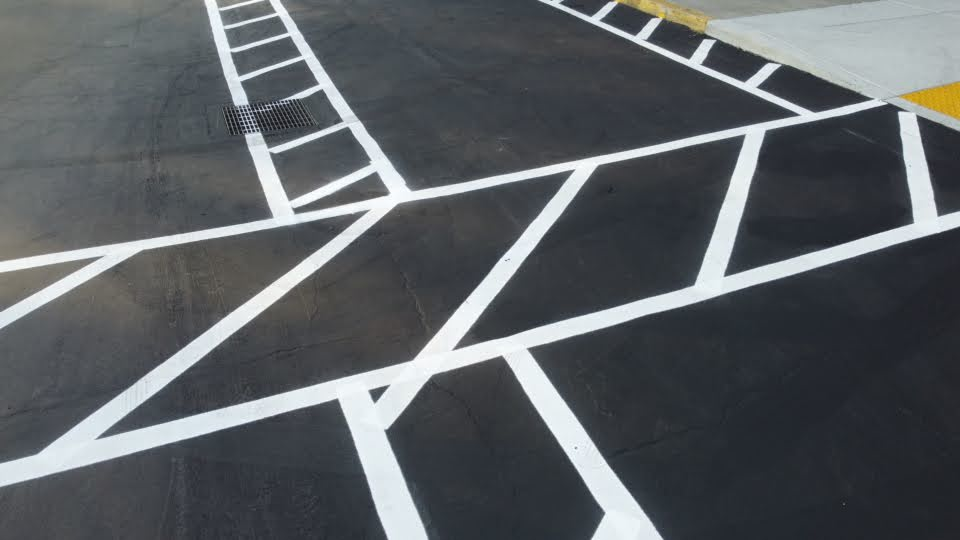
Additionally, compliance with the ADA (Americans with Disabilities Act) is critical in the region. Regulations require maximum slopes of 2% in access areas. Achieving this precision through laser grading and advanced drainage design requires highly skilled labor and specialized equipment. Integrating these factors from the design phase avoids costly legal rectifications and ensures resilient infrastructure capable of withstanding the Bay Area’s variable climate.

Labor and Equipment

Labor and equipment costs are significant components. Project complexity, labor requirements, and equipment availability all factor into expenses. Obtaining quotes from multiple reputable contractors helps homeowners find the best value.

Additional Features

Integrating features like decorative borders or lighting enhances functionality and aesthetics but adds to the total cost.

Long-Term Considerations

Assessing long-term costs is crucial. While some materials have higher initial costs, they may offer durability and cost-effectiveness over time.

Paving a driveway is an investment in property value and appearance. By understanding cost influencers, homeowners can make informed decisions aligning with their budgets. Thoughtful planning, material selection, and contractor evaluation are vital for achieving a durable, visually appealing driveway. Balancing cost and quality ensures a driveway that enhances property value and provides years of trouble-free use.

The Panda Pledge Advantage in Your Investment

At We Love Paving, we understand that the initial price is only one part of the equation. True value lies in the Total Cost of Ownership (TCO). While low-cost options often require expensive repairs within just a few years, our Panda Pledge redefines the profitability of your project. With an industry-leading 15-year pothole warranty, we eliminate unforeseen major maintenance expenses. By choosing our technical engineering and proactive sealcoating system, you aren’t just buying asphalt; you are securing peace of mind and the highest ROI in the market. In the long run, the Panda Pledge makes your infrastructure significantly more affordable and durable.

Need Immediate Help?

Let's Talk About Your Project

Don't wait until minor damage turns into major expenses. Our team of experts is ready to provide you with guaranteed solutions. Contact us now for direct advice from a professional.

Frequently Asked Questions (FAQ)

Got Questions? Find Your Answers Here!!

How can property owners maximize ROI on commercial asphalt paving?

Maximizing commercial asphalt ROI requires implementing the We Love Paving proactive maintenance system. This strategy protects assets through sealcoating every three to four years, extending pavement life up to twenty-five years and activating the Panda Pledge warranty covering potholes for fifteen consecutive years of surface integrity and safety.

What technical specifications ensure asphalt durability in industrial environments?

Industrial durability is ensured through Hot Mix Asphalt design featuring thickness between four point five and six inches. This technical specification supports heavy loads up to forty-five thousand pounds, utilizing dual-drum vibratory compaction to reach ninety-seven percent density, effectively eliminating air voids that cause structural failures and cracking.

Why choose an engineered asphalt installation over conventional paving methods?

Choosing an engineered asphalt installation from We Love Paving utilizes laser grading and dynamic subgrade analysis to ensure optimal drainage. Unlike conventional methods, this technical protocol optimizes load distribution and reduces reflective cracking, strictly adhering to Caltrans standards for high-performance infrastructure and long-term pavement durability and strength.

What maintenance is required to maintain the We Love Paving 15-year warranty?

Maintaining the fifteen-year pothole warranty requires the property to undergo exclusive sealcoating performed by We Love Paving every three to four years. This mandatory maintenance ecosystem ensures the molecular cohesion of the asphalt binder against solar oxidation while preventing water infiltration that typically degrades structural pavement layers and base.

How does ADA compliance protect commercial paving investments?

ADA compliance protects paving investments by mitigating legal risks through design slopes capped at two percent in access areas. Integrating these technical standards during the design phase avoids costly fines and ensures infrastructure is accessible, significantly increasing the overall property valuation and reducing potential liability for commercial owners.

Professional customer review project by We Love Paving in Northern California, California. Verified local construction quality.

Fred / Founder

Fred, Founder and Regional Operations Manager at We Love Paving, comes from a family that values hard work and discipline. Growing up watching his parents work long hours with integrity and dedication, Fred learned early on that quality paving isn’t just about asphalt, it’s about consistency, accountability, and doing the job right.

Share

Posts That Might Interest You

Is Asphalt Hard to Maintain?

Is Asphalt Hard to Maintain?

May 20, 2026

Asphalt is a popular material for driveways, parking lots, and roadways due to its durability, cost-effectiveness, and ease of installation. However, like any material, it requires maintenance to ensure longevity and optimal performance. In this blog post, we will explore the challenges and best practices of asphalt maintenance to determine whether it is indeed hard

Signs Your Parking Lot Needs Maintenance Fast

Signs Your Parking Lot Needs Maintenance Fast

May 18, 2026

A parking lot usually tells you when something is starting to go wrong. The problem is that many property owners get used to seeing gradual deterioration and stop noticing the warning signs until the damage becomes expensive. In commercial properties, pavement rarely collapses overnight. What usually happens is slower and less dramatic at first. A

Pavement vs Concrete for Commercial Properties

Pavement vs Concrete for Commercial Properties

May 18, 2026

Choosing between asphalt pavement and concrete is not always straightforward for commercial property owners. Both materials can work well, but the right choice usually depends on how the property operates on a daily basis and how much long-term maintenance the owner is realistically prepared to manage. A busy retail center with constant vehicle turnover will

The Great Debate: Is 2 Inches of Gravel Enough for a Driveway?

The Great Debate: Is 2 Inches of Gravel Enough for a Driveway?

May 16, 2026

When it comes to building a driveway, one of the key decisions homeowners face is determining the appropriate thickness of the gravel base layer. While some may argue that 2 inches of gravel is sufficient to support the weight of vehicles and provide a stable foundation, others advocate for thicker layers to ensure long-term durability

Next

Estimation Tools

Calculate costs in seconds

Fast, accurate estimates that help you close more jobs. Less guesswork, more profit.