How Long Does Asphalt Take to Dry? (2026 Guide)

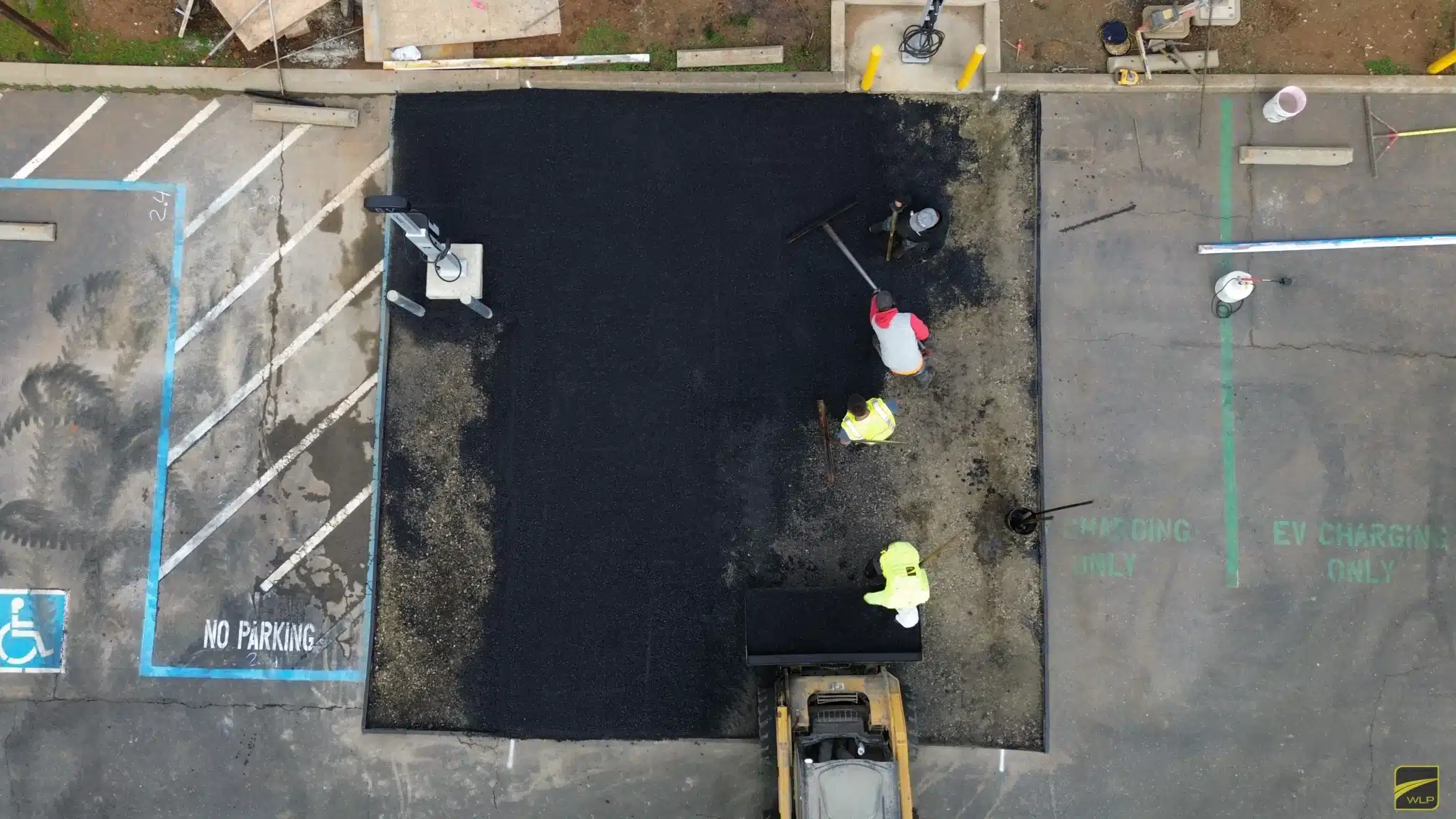
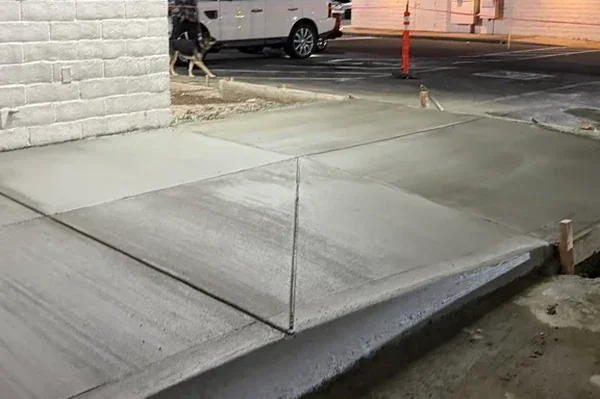
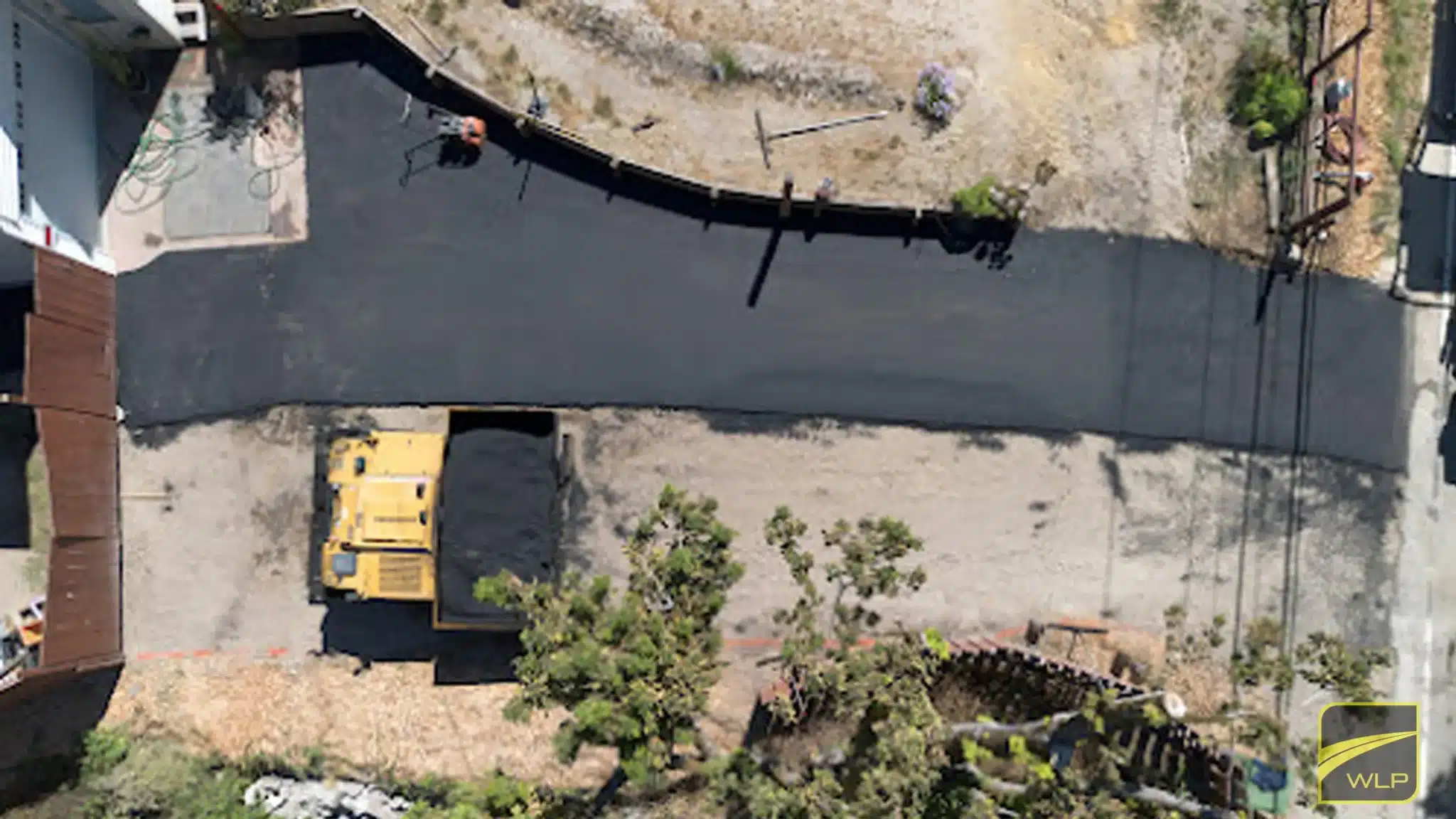
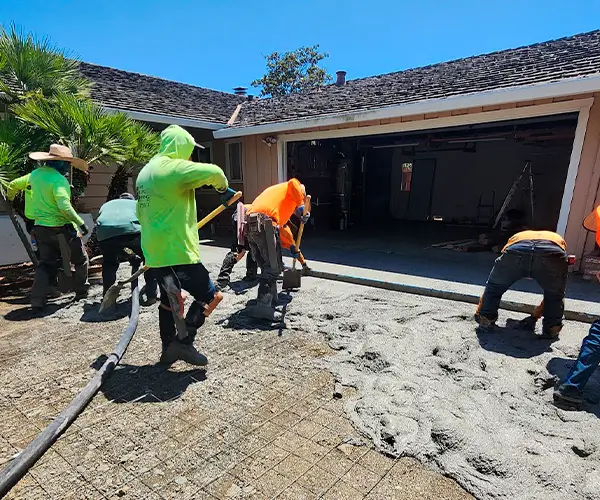
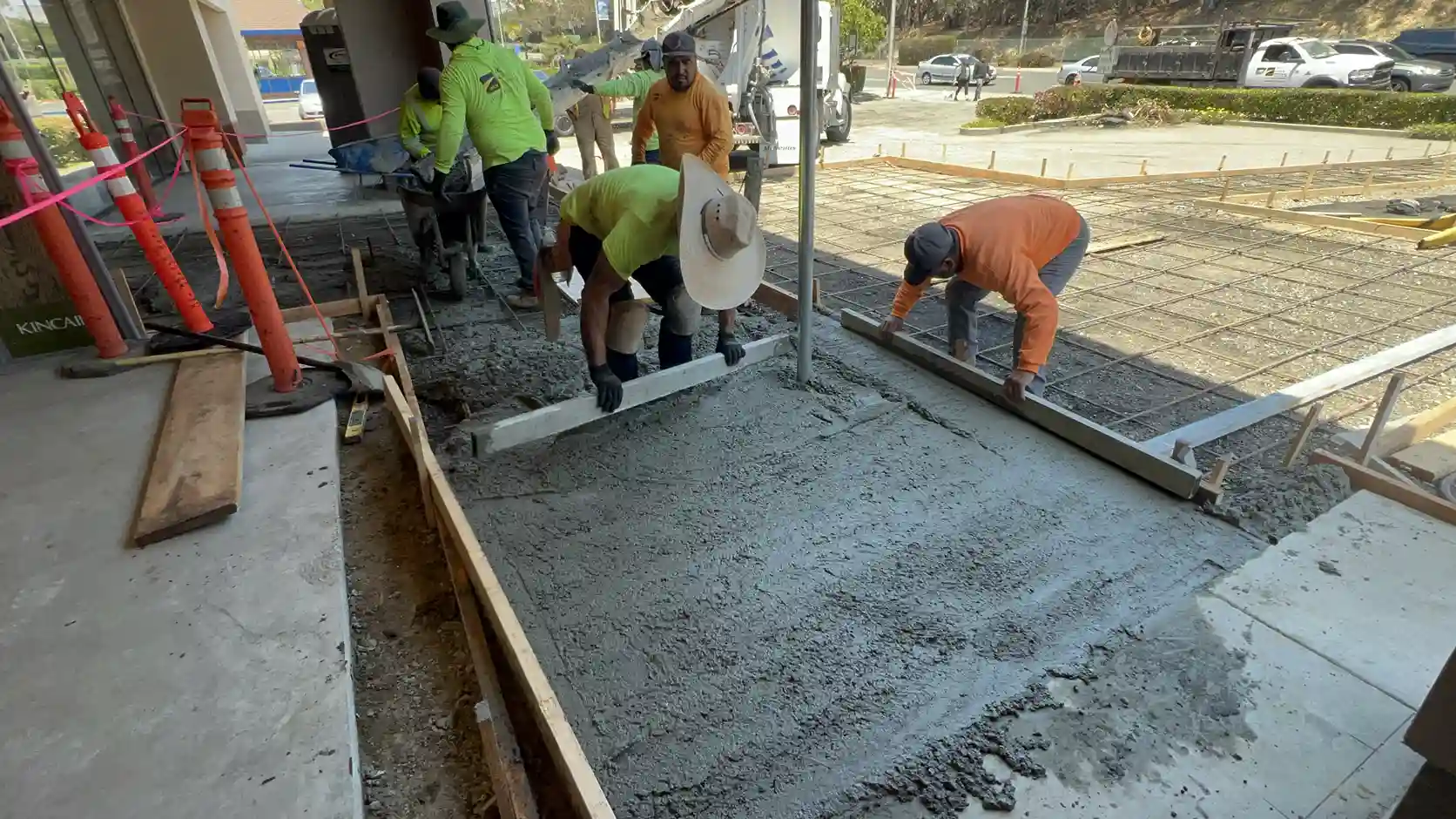
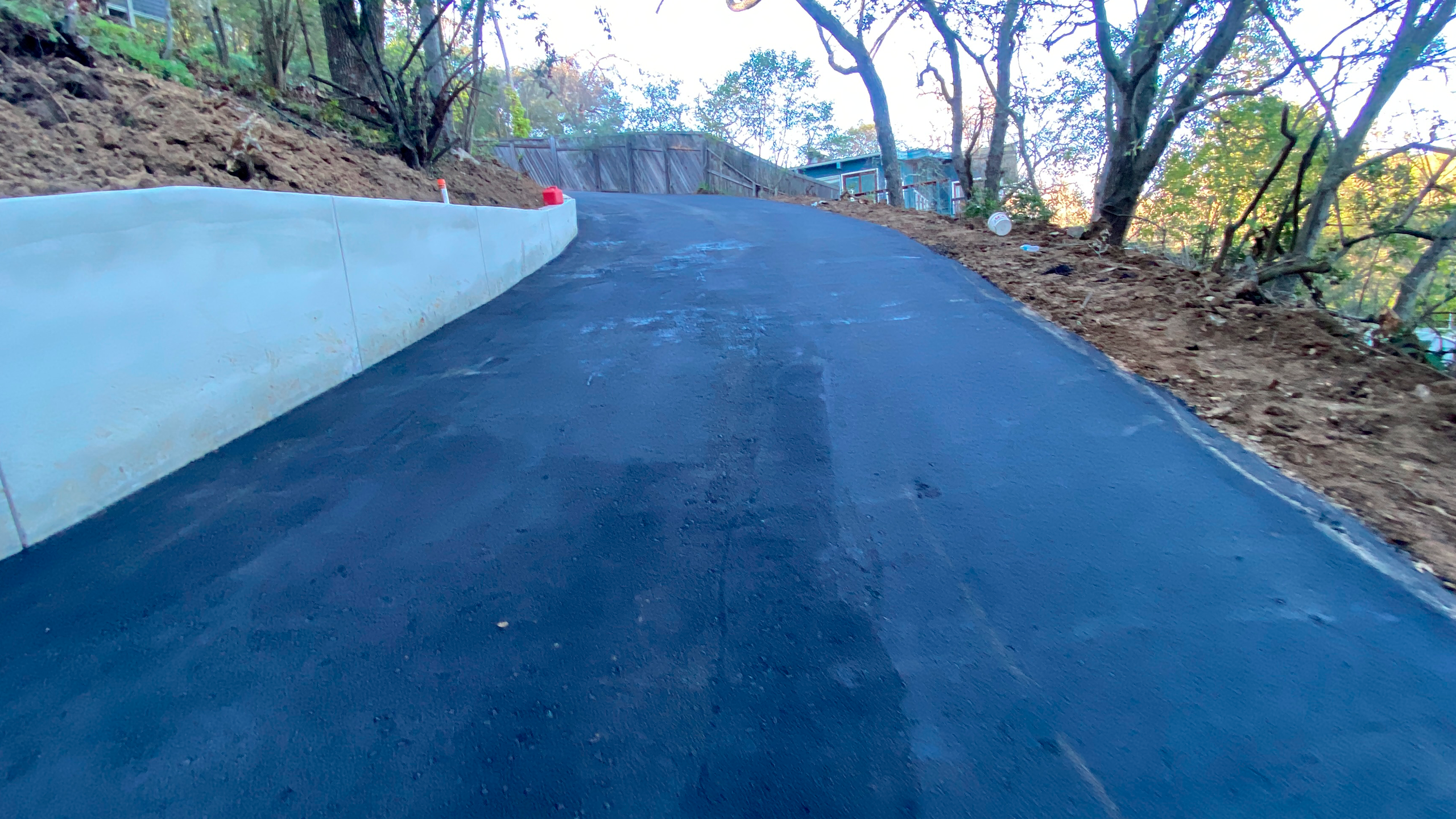
Quality paving materials used in Mountain View projects. Premium asphalt and concrete by We Love Paving in Mountain View, California.
Estimation Tools

Calculate costs in seconds

Fast, accurate estimates that help you close more jobs. Less guesswork, more profit.

If you’re planning an asphalt project, one of the most common questions is: “How long does asphalt take to dry?”

Here’s the short answer:

  • Initial dry time: 2–4 hours

  • Ready for light traffic: 24 hours

  • Ready for heavy vehicles: 48–72 hours

  • Full cure: 30 days

But drying time depends heavily on weather, thickness, and how the surface will be used. Below is the full breakdown so you can plan your project with zero guesswork.


Drying vs. Curing: What’s the Difference?

Many people confuse drying and curing, but they’re not the same:

Drying (Top Surface Dryness)

This is when the surface becomes firm enough to walk on without leaving marks.
Time: 2–4 hours

Curing (Full Hardening)

This is when the asphalt reaches its full strength and can handle heavy loads.
Time: 24–72 hours for practical use
Up to 30 days for full chemical cure

Understanding this difference is crucial—especially for commercial parking lots and high-traffic properties.


How Weather Affects Drying Time

Weather is the biggest factor in asphalt drying.

Temperature

  • Hot weather (75°F–95°F): Fastest curing

  • Cold weather (below 60°F): Slows the process significantly

  • Very hot weather: Can cause the surface to stay soft longer

Humidity

High humidity delays drying because moisture stays trapped in the air.

Sun Exposure

  • Direct sunlight: Faster drying

  • Shade: Slower and uneven drying

Wind

A light breeze helps release moisture and speeds up drying.


How Asphalt Thickness Changes Drying Time

Not all asphalt jobs are the same thickness. More material = more time.

  • 1.5″ lift: Dries faster (common for overlays)

  • 2″–3″ lifts: Slower (common for new construction)

  • Multiple lifts: Each layer needs time to stabilize

Heavier parking lots or commercial drive lanes always require longer curing periods.


When Can You Walk, Drive, and Park on New Asphalt?

Here are the practical guidelines:

  • Walk on it: After 2–4 hours

  • Drive cars: After 24 hours

  • Park vehicles: After 24–48 hours

  • Heavy trucks / dumpsters / equipment: After 48–72 hours

  • Line striping or sealcoating: Usually after 30 days

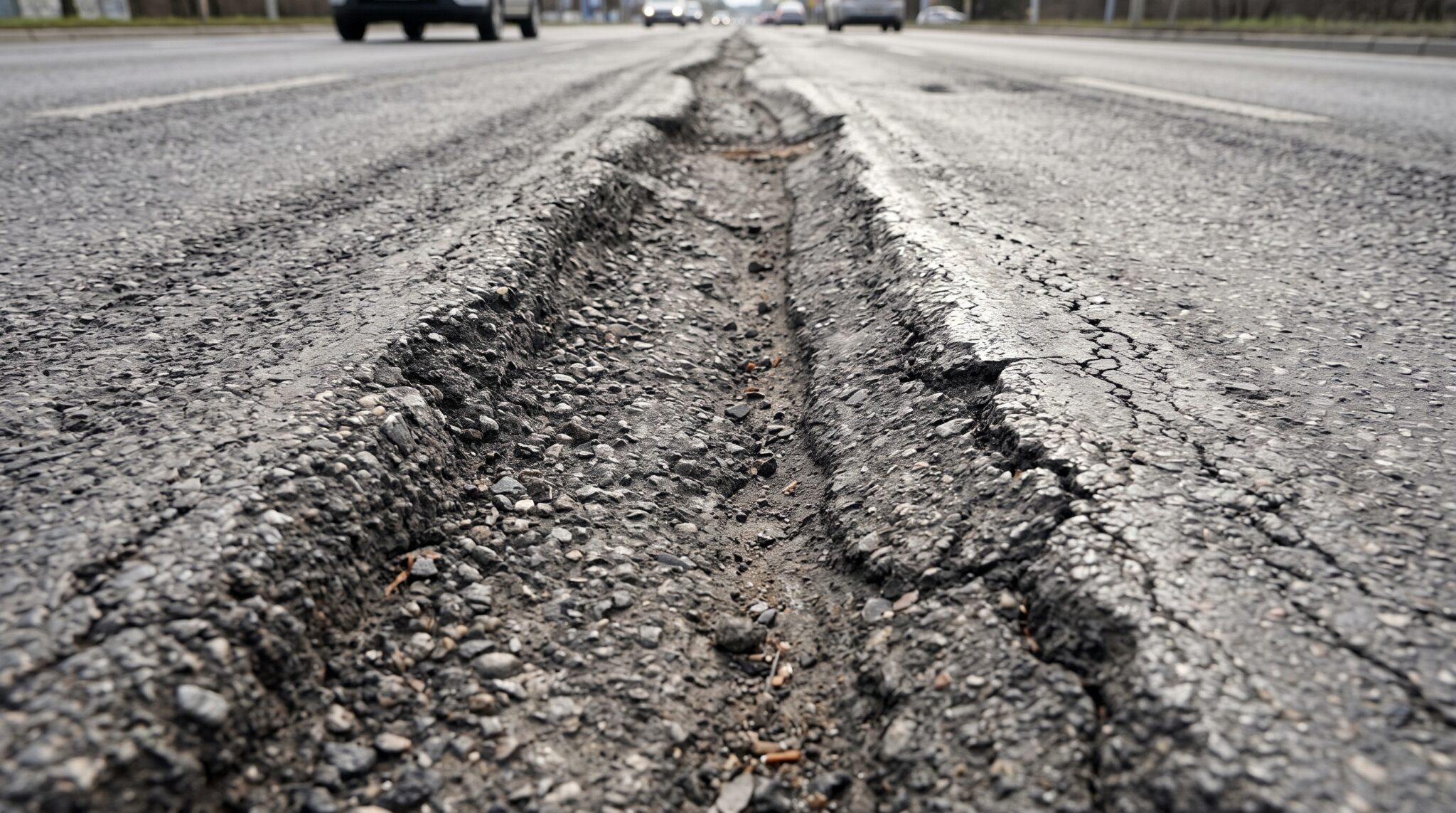
Parking too soon can create depressions, scarring, and long-term structural damage.


How to Make Asphalt Dry Faster

You can’t control the weather, but you can avoid delays:

  • Keep all traffic off the surface

  • Avoid watering or washing the area

  • Protect the asphalt from oil or fuel spills

  • Use proper compaction and drainage

  • Don’t apply sealcoat too early

  • Avoid sharp turns from vehicles during the first 48–72 hours


Common Mistakes That Damage Fresh Asphalt

New asphalt is strong—but still vulnerable. Avoid:

  • Parking heavy vehicles too soon

  • Spinning tires while stationary

  • Dragging kickstands, jacks, or equipment

  • Turning wheels aggressively

  • Leaking fluids (oil, diesel, coolant)

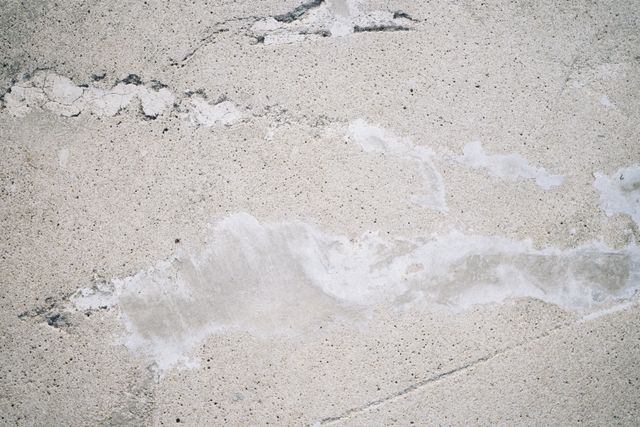
These issues cause ruts, grooves, and soft spots that shorten the pavement’s lifespan.


For Property Managers & Commercial Owners

If you manage a commercial property, drying time affects:

  • Traffic flow and tenant access

  • Business hours and customer safety

  • ADA compliance

  • Proper scheduling of line striping and signage

  • Avoiding complaints from tenants and customers

A professional contractor should help you plan closures, communicate timelines, and minimize disruption.


Final Answer: How Long Does Asphalt Take to Dry?

  • Walkable: 2–4 hours

  • Driveable: ~24 hours

  • Heavy traffic: 48–72 hours

  • Fully cured: Up to 30 days

Drying time changes based on weather, thickness, and usage—so always plan ahead.


Need Help Planning an Asphalt Project?

If you want the job done with minimal downtime, correct scheduling, and ADA-compliant results, our team can help.

👉 Request a Free Parking Lot Assessment
We’ll inspect your asphalt, drainage, traffic flow, ADA markings, and give you a clear action plan.

Need Immediate Help?

Let's Talk About Your Project

Don't wait until minor damage turns into major expenses. Our team of experts is ready to provide you with guaranteed solutions. Contact us now for direct advice from a professional.

Frequently Asked Questions (FAQ)

Got Questions? Find Your Answers Here!!

How long does asphalt take to dry in 2026?

Asphalt in 2026 typically dries on the surface within 2 to 4 hours, becomes usable for light traffic after about 24 hours, and supports heavy vehicles within 48 to 72 hours. Full curing can take up to 30 days depending on weather, thickness, and expected usage conditions.

What is the difference between asphalt drying and curing?

Drying occurs when the surface cools and hardens enough to handle light use within hours, while curing is a longer chemical process where the asphalt gains full structural strength. This curing phase can take several weeks or even months depending on environmental conditions.

When can you walk, drive, and park on new asphalt?

You can walk on new asphalt after 2 to 4 hours, drive light vehicles after 24 hours, and allow heavy traffic after 48 to 72 hours. Parking too early can cause permanent indentations, especially during the first 48 hours when the surface is still vulnerable.

What factors affect asphalt drying time?

Asphalt drying time depends on temperature, humidity, sunlight exposure, wind, and pavement thickness. For example, warm temperatures between 75°F and 95°F speed up drying, while high humidity or thicker layers slow the process and increase the risk of early surface damage.

How can you prevent damage before asphalt fully dries?

To prevent damage, keep all traffic off the surface for at least 24 to 48 hours, avoid sharp turns, do not place heavy loads, and protect the surface from oil or water exposure. Early use often leads to scarring, depressions, and reduced pavement lifespan.

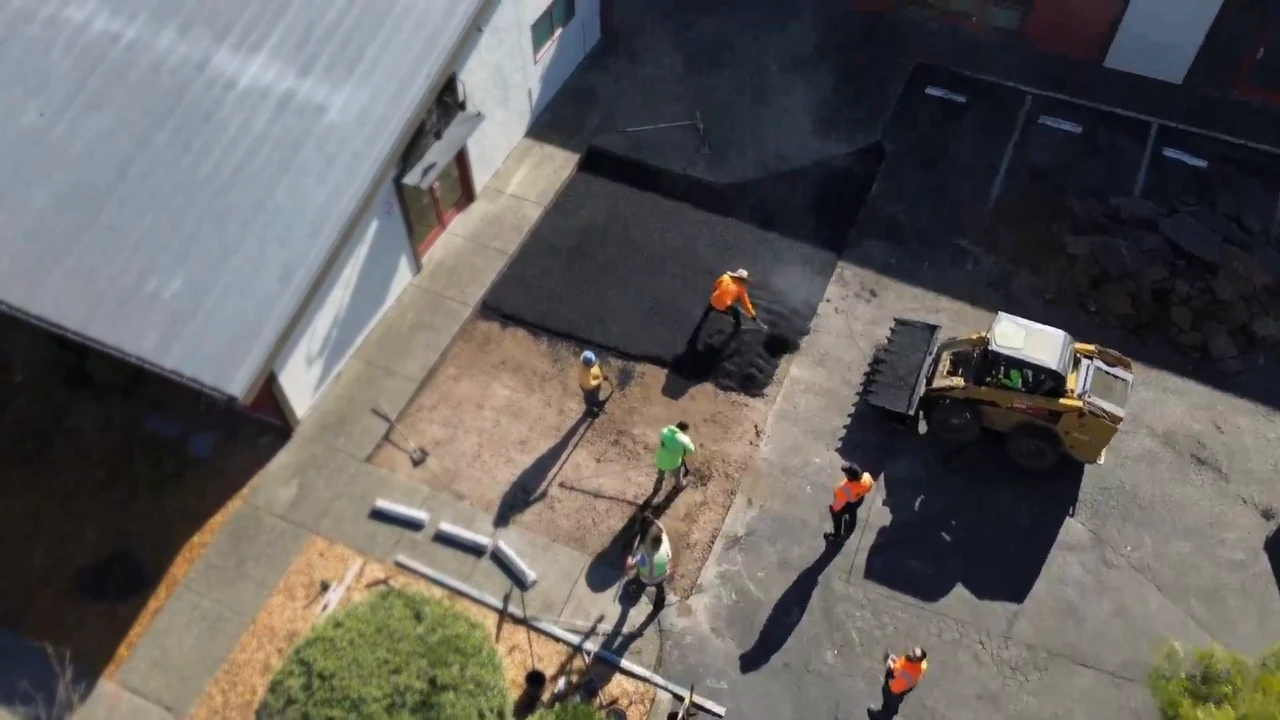
Professional customer review project by We Love Paving in Northern California, California. Verified local construction quality.

Fred / Founder

Fred, Founder and Regional Operations Manager at We Love Paving, comes from a family that values hard work and discipline. Growing up watching his parents work long hours with integrity and dedication, Fred learned early on that quality paving isn’t just about asphalt, it’s about consistency, accountability, and doing the job right.

Share

Posts That Might Interest You

What is Driveway Resurfacing? Expert Technical Guide to Asphalt Overlay and When to Use It

What is Driveway Resurfacing? Expert Technical Guide to Asphalt Overlay and When to Use It

April 15, 2026

THE BENEFITS OF RESURFACING In the world of driveway maintenance and improvement, asphalt resurfacing has emerged as a popular and effective solution. As time passes, even the most durable asphalt driveways can succumb to wear and tear, displaying cracks, potholes, and a worn-out appearance. However, instead of tearing up the entire driveway and starting from

Paving Technical Audit: Cost of Driveway Analysis

Paving Technical Audit: Cost of Driveway Analysis

April 14, 2026

A Comprehensive Guide For Homeowners Paving a driveway is a substantial undertaking for any homeowner. Beyond just enhancing curb appeal, it adds value and utility to the property. However, before diving into such a project, it’s crucial to grasp the diverse factors influencing the overall cost. This guide explores these elements, offering insights to empower

Why is Asphalt So Expensive? A 2026 Audit of Paving Costs and Market Dynamics

Why is Asphalt So Expensive? A 2026 Audit of Paving Costs and Market Dynamics

April 2, 2026

Paving costs have experienced a significant upward trend in recent years, leaving property owners questioning the reasons behind this surge. In this detailed exploration, we delve into the multifaceted factors contributing to the escalating costs of paving in 2026 and beyond. Material Costs and Market Dynamics The cornerstone of any paving project lies in its

What is the Square Foot Price for Asphalt?

What is the Square Foot Price for Asphalt?

April 2, 2026

Asphalt is a popular paving material used for driveways, parking lots, and roads due to its durability, affordability, and ease of installation. However, the cost of asphalt can vary significantly depending on several factors. In this blog post, we will explore the factors that influence the square foot price of asphalt, typical price ranges, and

Next

Estimation Tools

Calculate costs in seconds

Fast, accurate estimates that help you close more jobs. Less guesswork, more profit.