Your pavement is more than just a surface it is a critical investment that experiences daily wear from vehicle traffic and environmental exposure. Recognizing early warning signs of surface damage allows property owners to schedule timely repairs before small defects deteriorate into costly structural failures. Here are the top signs your pavement requires professional attention.
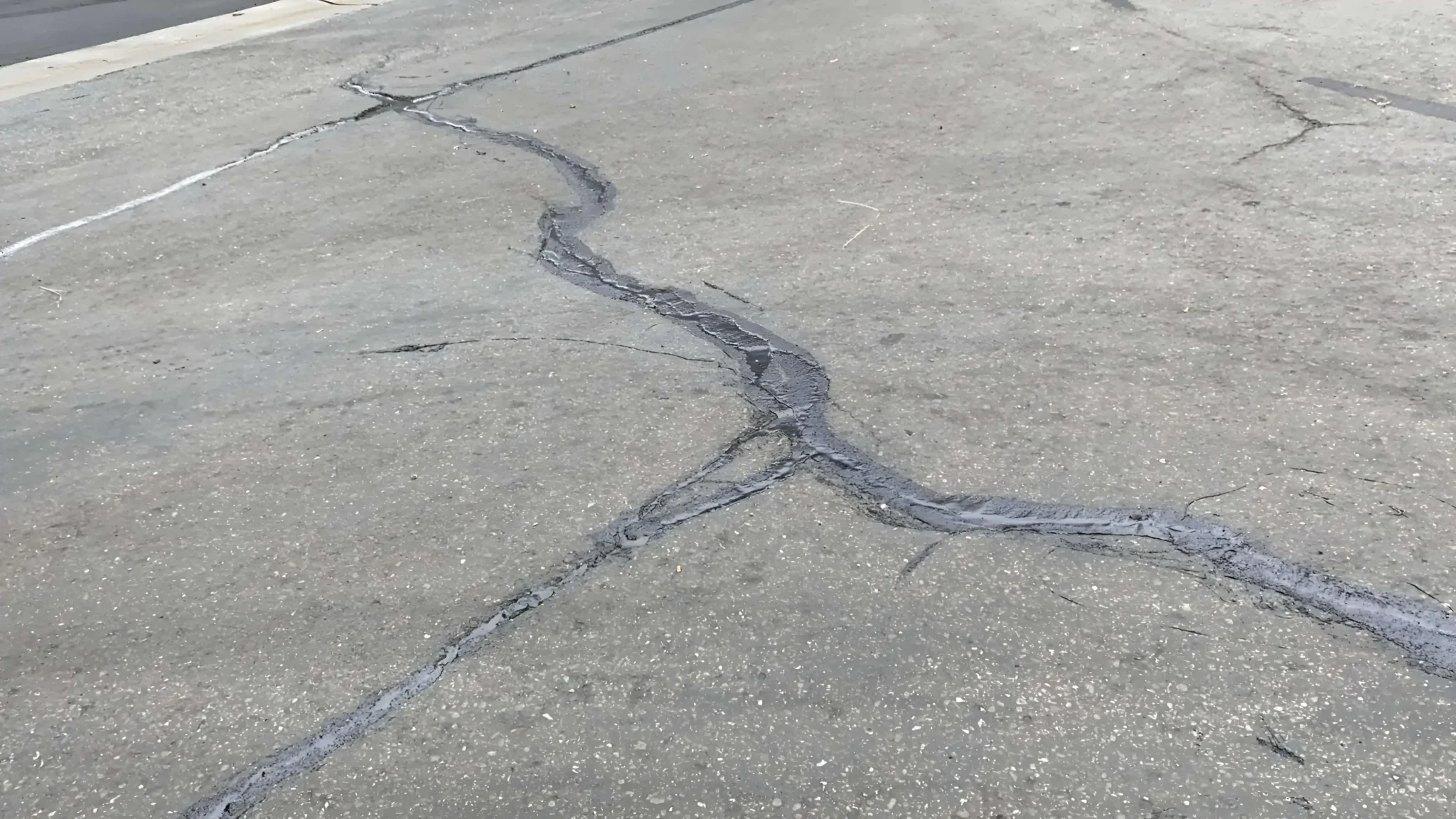
1. Cracks Are Spreading and Interlocking
While minor surface fissures develop naturally over time, interconnected patterns like alligator cracking indicate severe base failure under heavy traffic. When rainwater penetrates these surface openings, it saturates Northern California’s expansive clay subgrades, weakening the foundation and accelerating structural collapse. Applying professional crack sealing early prevents moisture intrusion and avoids the higher cost of postponing asphalt maintenance.
2. Potholes and Subgrade Depressions
Potholes represent advanced structural failure where water has compromised the aggregate base beneath the asphalt binder layer. Beyond creating severe trip hazards and vehicle damage liability for commercial properties, open potholes expand rapidly under vehicular weight. Effective remediation requires full-depth saw-cutting, base compaction, and hot-mix patching rather than temporary surface fills.
3. Faded Color, Raveling, and Surface Oxidation
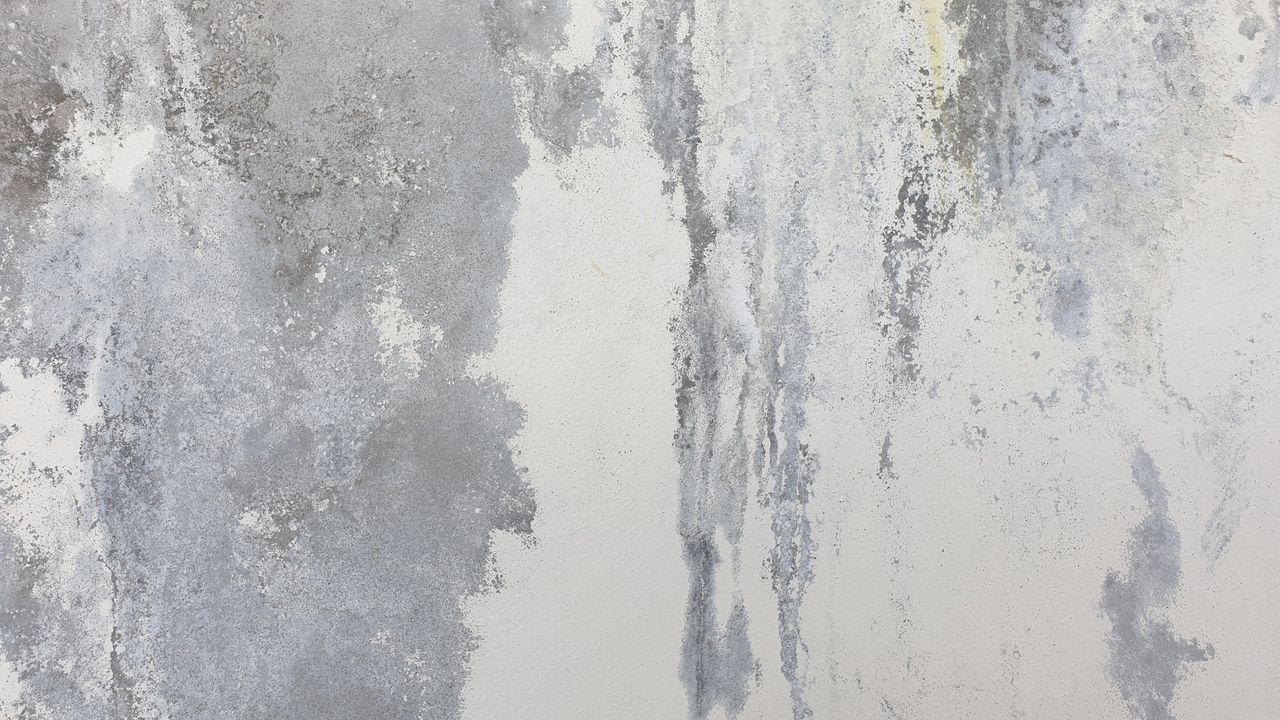
When asphalt turns from deep black to dull gray, oxidation is stripping away the essential liquid asphalt binder. Extended exposure to California sun renders the surface brittle, causing loose gravel to break away a condition known as raveling. Applying commercial sealcoating at recommended intervals restores the flexible binder layer, shields against chemical spills, and follows proven tips for maintaining asphalt paving.
4. Standing Water or Drainage Issues
If water pools on your pavement after rain, it means your grading or drainage is off. That water will eventually erode the base layers and accelerate cracking or sinking.
What to do:
Drainage correction and regrading can fix the root of the issue before more damage is done.
5. Rough, Uneven Ride
If your driveway or parking lot feels bumpy or uneven, the subgrade may be settling or shifting. This is a sign of deeper failure that will only worsen with traffic and weather.
What to do:
An expert inspection can reveal whether you need a simple overlay or full-depth reconstruction.
Asphalt Distress Severity & Repair Matrix
Evaluating the extent of asphalt damage determines whether your surface requires localized maintenance, surface resurfacing, or a total structural rebuild. Industry standards dictate that if less than 25% to 30% of the total area displays subgrade distress, targeted repairs remain the most cost-effective approach.
| Pavement Symptom | Visual Indicator | Primary Cause | Recommended Solution |
|---|---|---|---|
| Hairline Cracks | Single fissures under 1/4″ wide | Surface contraction & aging | Crack Sealing |
| Alligator Cracking | Interconnected web-like pattern | Base layer failure & heavy loads | Full-Depth Reconstruction |
| Potholes | Bowl-shaped holes with loose debris | Moisture penetration & subgrade movement | Saw-Cut Hot Mix Patching |
| Raveling & Fading | Rough texture with loose gravel | UV oxidation & binder breakdown | Sealcoating / Overlay |
| Standing Water | Pools lasting >24 hours | Poor grading or subgrade settlement | Drainage Correction & Regrading |
Why Proactive Asphalt Maintenance Matters
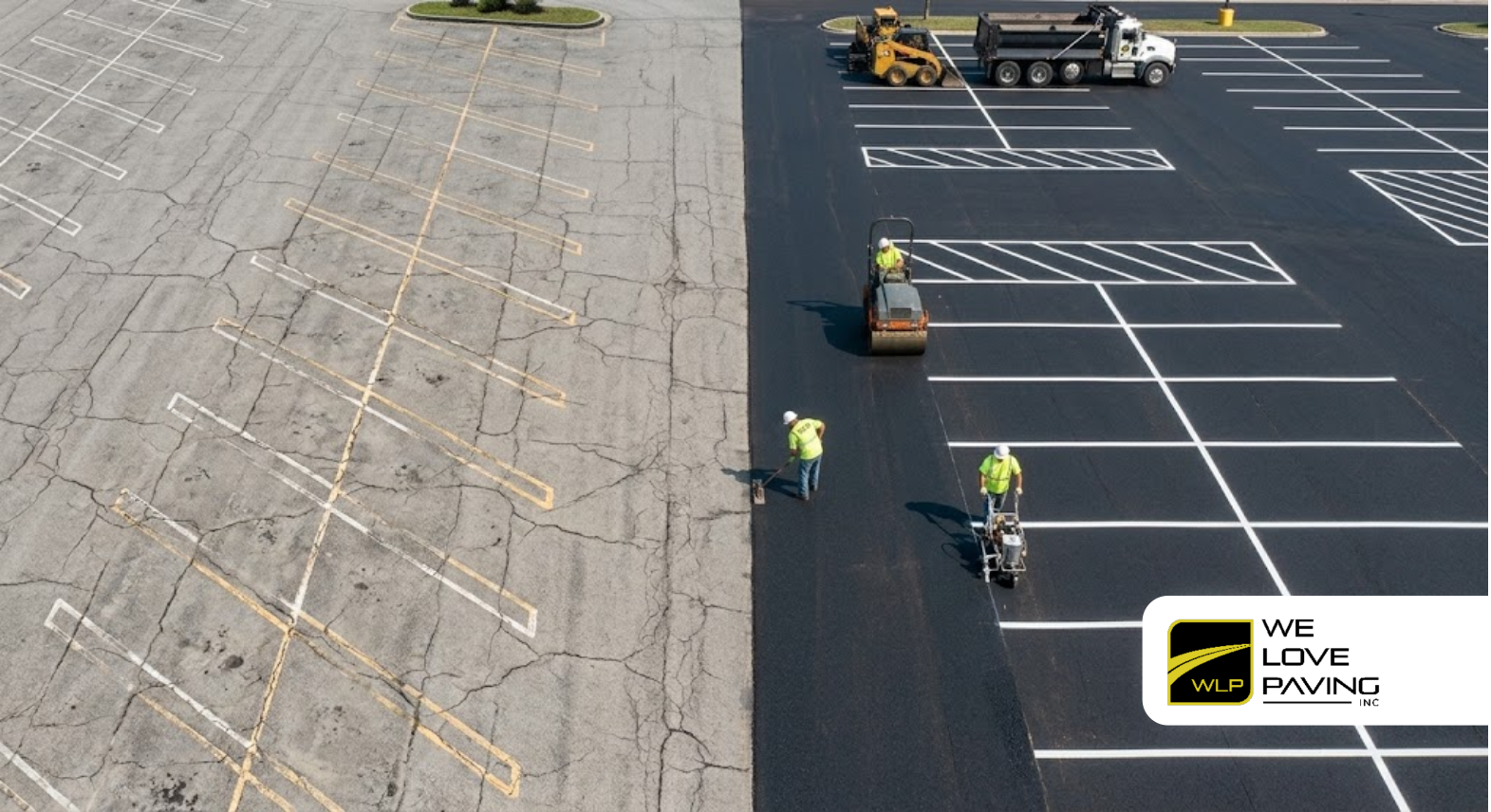
Waiting too long turns small, inexpensive fixes into large-scale replacements. At We Love Paving, we help clients protect their investment with preventive services that cost less and last longer.

Is Your Pavement Trying to Tell You Something?
Let our team at WLP evaluate your lot or driveway no pressure, just honest guidance. We’ll help you decide what’s needed now, what can wait, and how to build a maintenance plan that saves money long term.