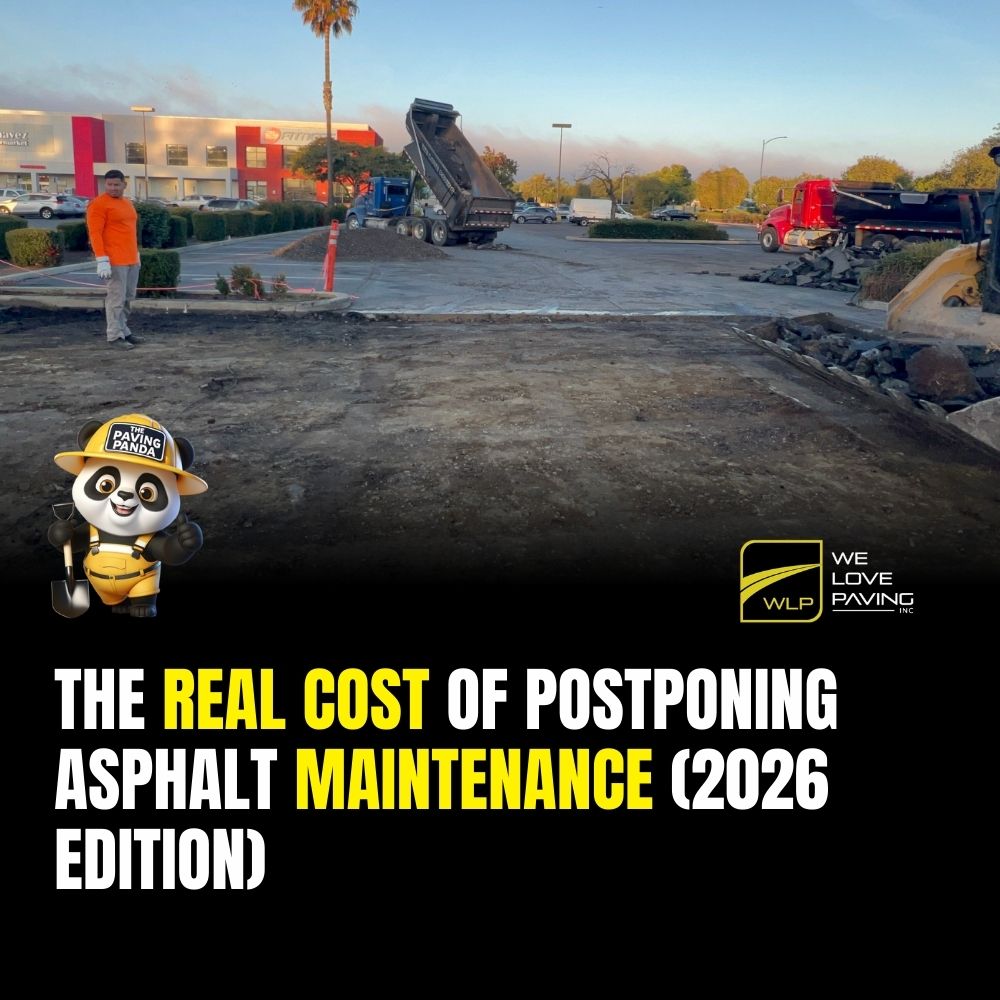
The Real Cost of Postponing Asphalt Maintenance (2026 Edition)

We Love Paving services in Hayward. Professional paving contractor serving Hayward and Downtown San Jose areas.
Estimation Tools

Calculate costs in seconds

Fast, accurate estimates that help you close more jobs. Less guesswork, more profit.

How Delaying Repairs Can Double Your Long-Term Budget

Most property managers don’t plan to neglect their parking lots it just happens slowly.
A small crack today.
A little pooling water next season.
A faded line that “still looks okay.”

But in 2026, pavement deterioration is accelerating faster due to heat cycles, heavier vehicles, and rising material costs. And the truth is simple:

Every dollar you Delay in Maintenance Today Becomes $6–$10 in Repairs Later.

This is why proactive maintenance isn’t an expense it’s a financial strategy.
INFOGRAFIAS

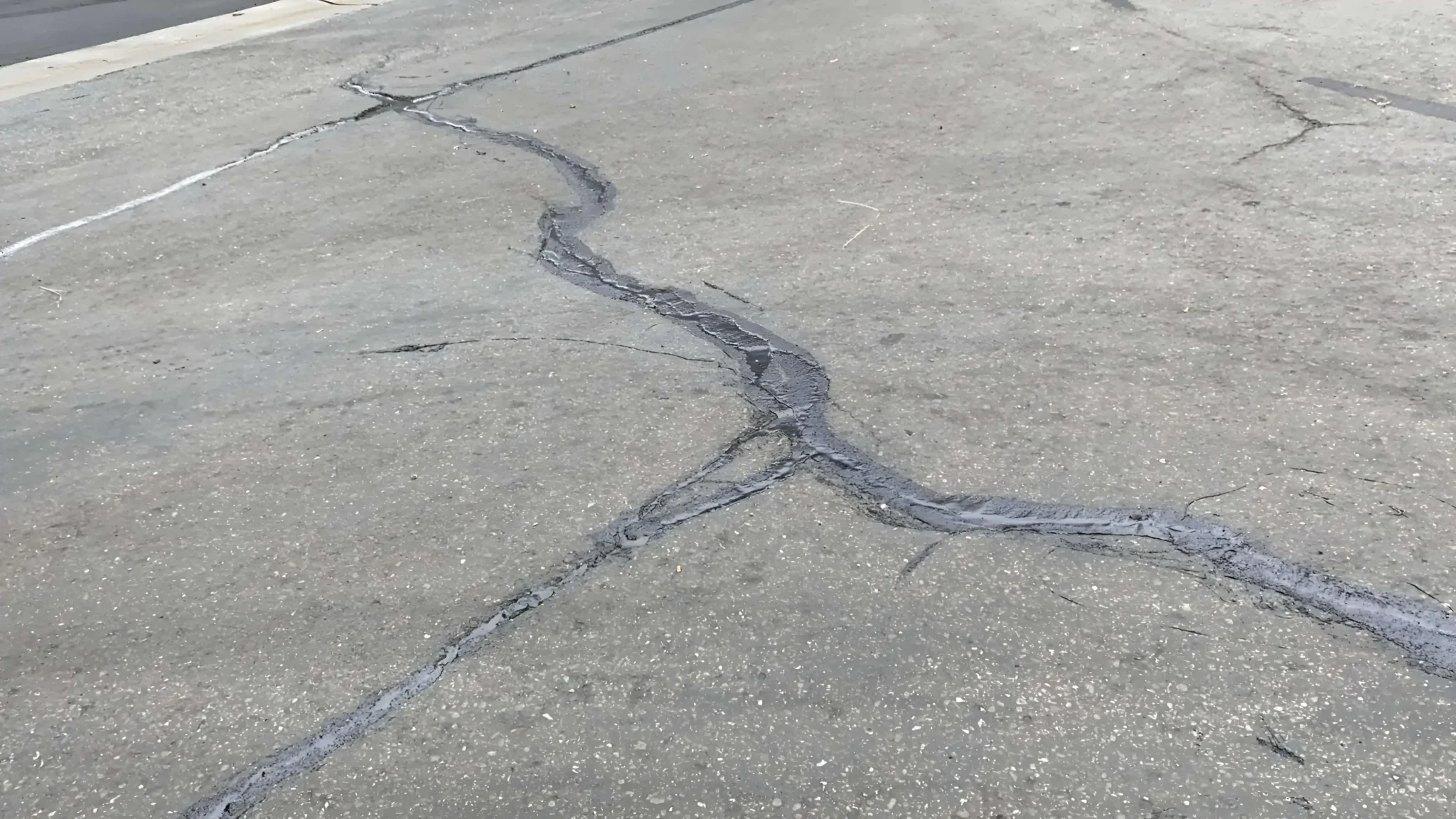
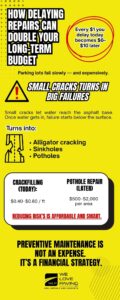
Cracks Don’t Stay Cracks They Become Potholes

A single linear crack allows water to penetrate the asphalt base.
Once water gets in, the structure begins to fail from below.

Within months, cracks expand into:

  • Alligator cracking
  • Sinkholes
  • Large potholes

Cost comparison:

Repair TypeCost TodayCost Later
Crackfilling$0.40–$0.80/ft$500–$2,000 for a pothole repair

Translation:

Ignoring cracks is the most expensive decision you can make.


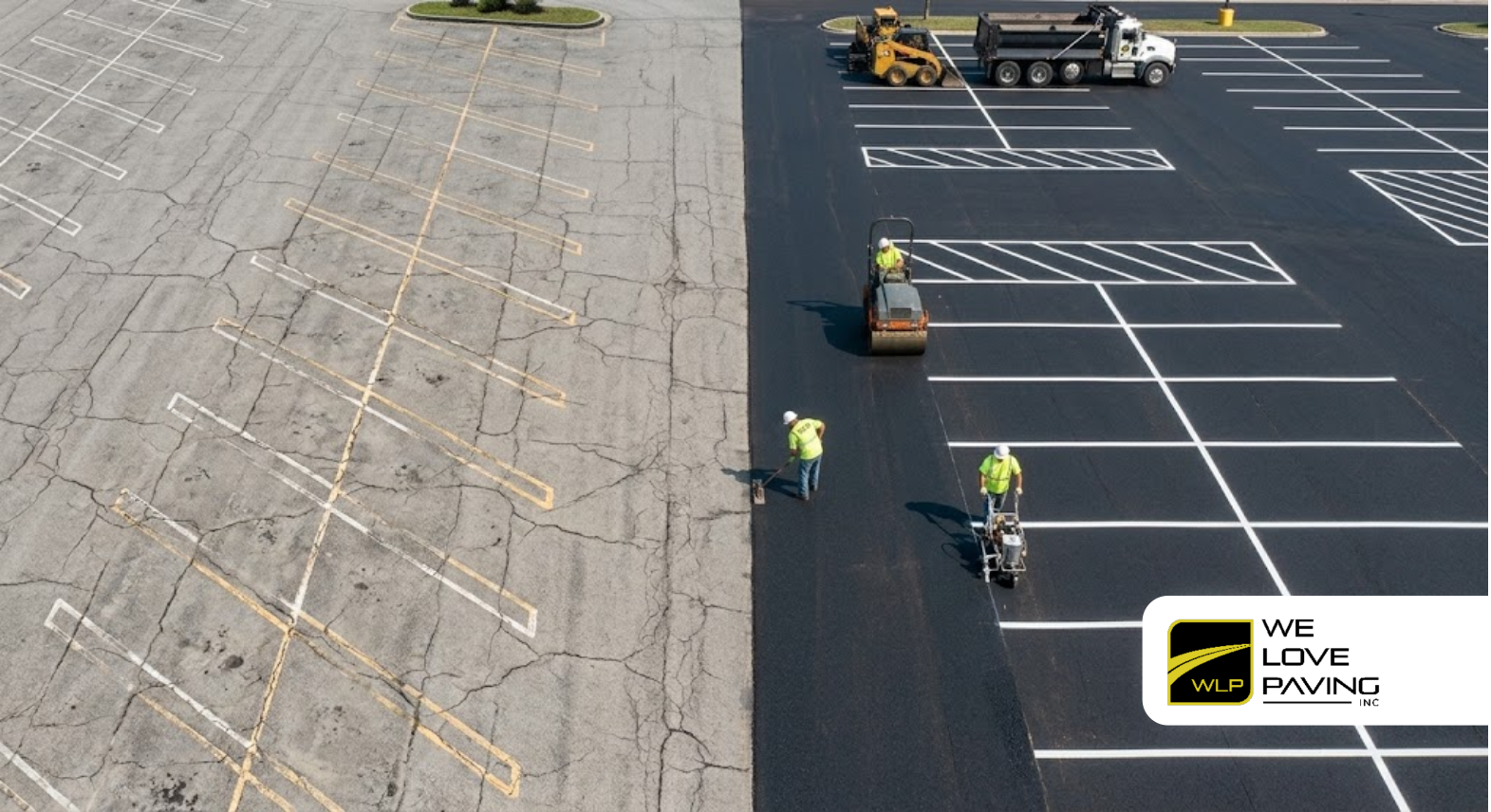
Sealcoating Extends Pavement Life by Up to 7 Years

Most parking lots fade long before they fail structurally.

Sealcoating:

  • Blocks UV rays
  • Protects against water intrusion
  • Resists oil and chemical spills
  • Restores deep black appearance

But here’s the key:

Sealcoating must be done every 2–3 years. Missing even one cycle doubles the aging rate.


Drainage Problems Destroy Asphalt Faster Than Traffic

Water is the #1 enemy of asphalt.

Signs of drainage issues:

  • Water pooling after 24 hours
  • Edge cracking near landscaping
  • Soft or spongy asphalt
  • Premature pothole development

If water sits on the surface, the subbase weakens and full replacement becomes unavoidable.


Faded Striping is a Safety & Liability Issue

Striping isn’t just cosmetic.
It controls:

  • Traffic flow
  • Parking alignment
  • Pedestrian awareness
  • Emergency access

Faded lines increase:

  • Accidents
  • Confusion
  • Non-compliance issues (fire lanes, loading zones, etc.)
  • Re-striping is inexpensive.
  • Accidents are not.

Full-Depth Replacement Is 5–10x More Expensive Than Prevention

When asphalt fails completely, the only solution is milling and replacing the entire section.

Typical CA replacement cost (2026):

$6–$12 per square foot

Versus:

  • Sealcoat: $0.18–0.30 per sq ft
  • Crackfill: pocket change
  • Patching: low-cost, same-day service

Every year of delayed maintenance moves you closer to a six-figure reconstruction project.


Preventive Maintenance Protects Property Value

Buyers, lenders, and tenants make decisions based on curb appeal.
A clean, well-maintained parking lot communicates:

  • Safety
  • Organization
  • Professional management
  • Long-term planning

Parking lots are one of the first things visitors notice and one of the most cost-effective improvements you can make.


How We Love Paving Helps Your Budget, Not Just Your Asphalt

WLP isn’t just a contractor we operate as a maintenance partner.

Our services include:

  • Annual pavement condition assessments
  • Crackfilling & patch repair
  • Sealcoating
  • Line striping & layout optimization
  • Drainage evaluation
  • Full repaving when necessary

We help you build a 3–5 year maintenance plan that prevents large, unexpected expenses.


Delaying asphalt maintenance isn’t a neutral decision.
It’s a financial risk with predictable and expensive consequences.

But with the right maintenance strategy, you can extend your pavement’s lifespan, reduce liability, and stabilize your long-term budget.


Get a Free Pavement Health Evaluation

See exactly what your parking lot needs and what can wait before a small problem becomes a major expense.

Need Immediate Help?

Let's Talk About Your Project

Don't wait until minor damage turns into major expenses. Our team of experts is ready to provide you with guaranteed solutions. Contact us now for direct advice from a professional.

Frequently Asked Questions (FAQ)

Got Questions? Find Your Answers Here!!

What is the real cost of postponing asphalt maintenance in 2026?

The real cost of postponing maintenance in 2026 is exponential, not linear. Small issues can escalate from minor repairs into full reconstruction within a few seasonal cycles. The typical chain is cracks → water infiltration → base failure → replacement, increasing total costs up to ten times.

Why does asphalt deterioration accelerate without maintenance?

Deterioration accelerates because water penetrates the surface and weakens the structural base, while traffic loads and temperature changes amplify damage. Research shows early treatments can cost up to 27 times less annually than delayed structural repairs.

How does delaying maintenance affect a property’s annual budget?

Delaying maintenance destroys budget predictability by turning planned expenses into emergency repairs. Instead of controlled costs, repair prices can jump from $2–$5 per square foot to over $10–$12 once structural damage develops beneath the surface.

What are the warning signs that delaying maintenance is already causing losses?

Warning signs include active cracking, standing water, oxidation, and surface deformation. These indicate the damage has progressed beyond surface level, meaning low-cost treatments like sealcoating are no longer effective and more expensive structural repairs are required.

What is the long-term impact of not acting early?

Failing to act early reduces pavement lifespan from over 20 years to under 10 and forces premature capital expenditures. Rising asphalt material costs in 2026 further amplify this effect, making each year of delay significantly more expensive overall.

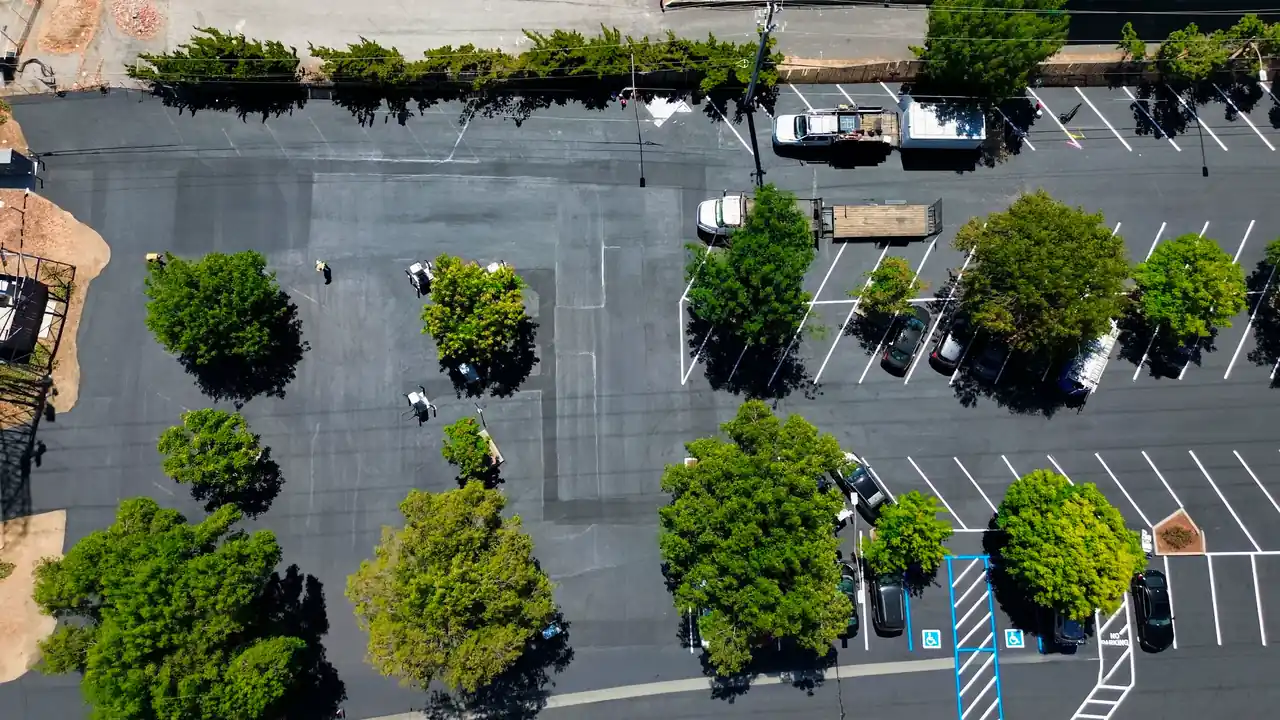
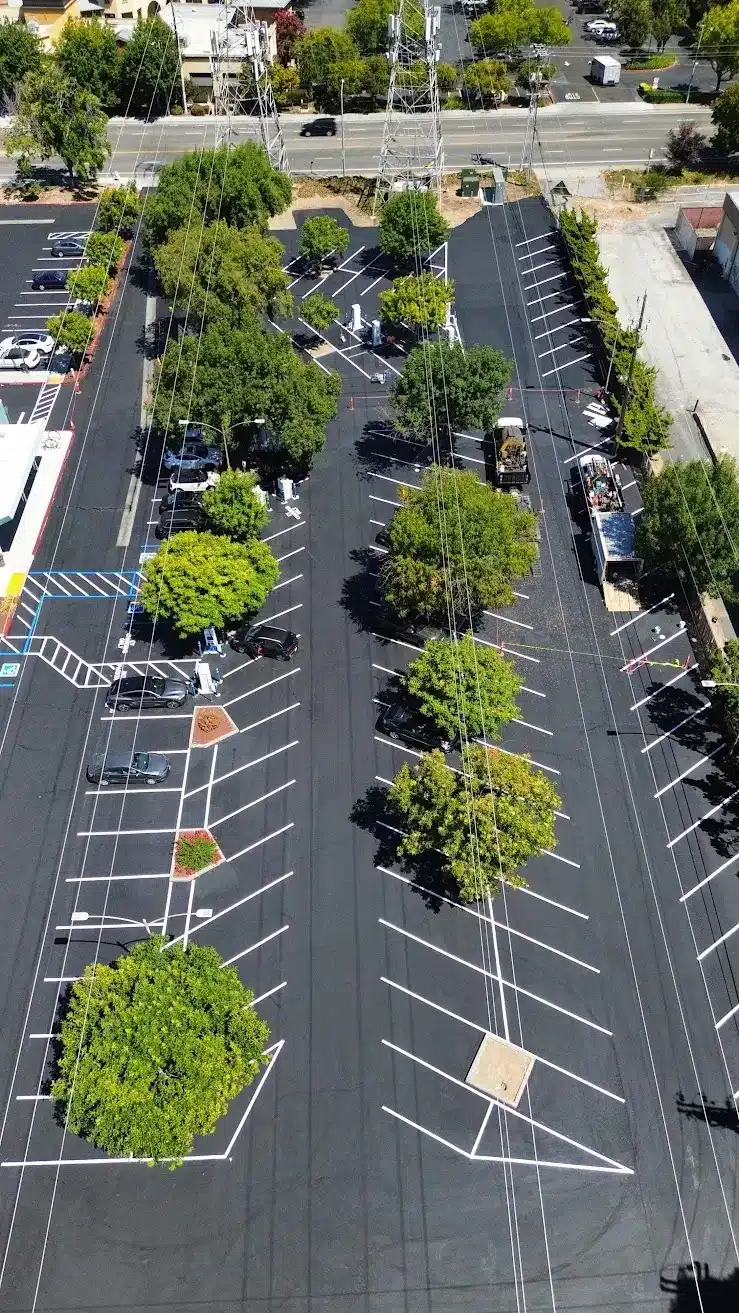
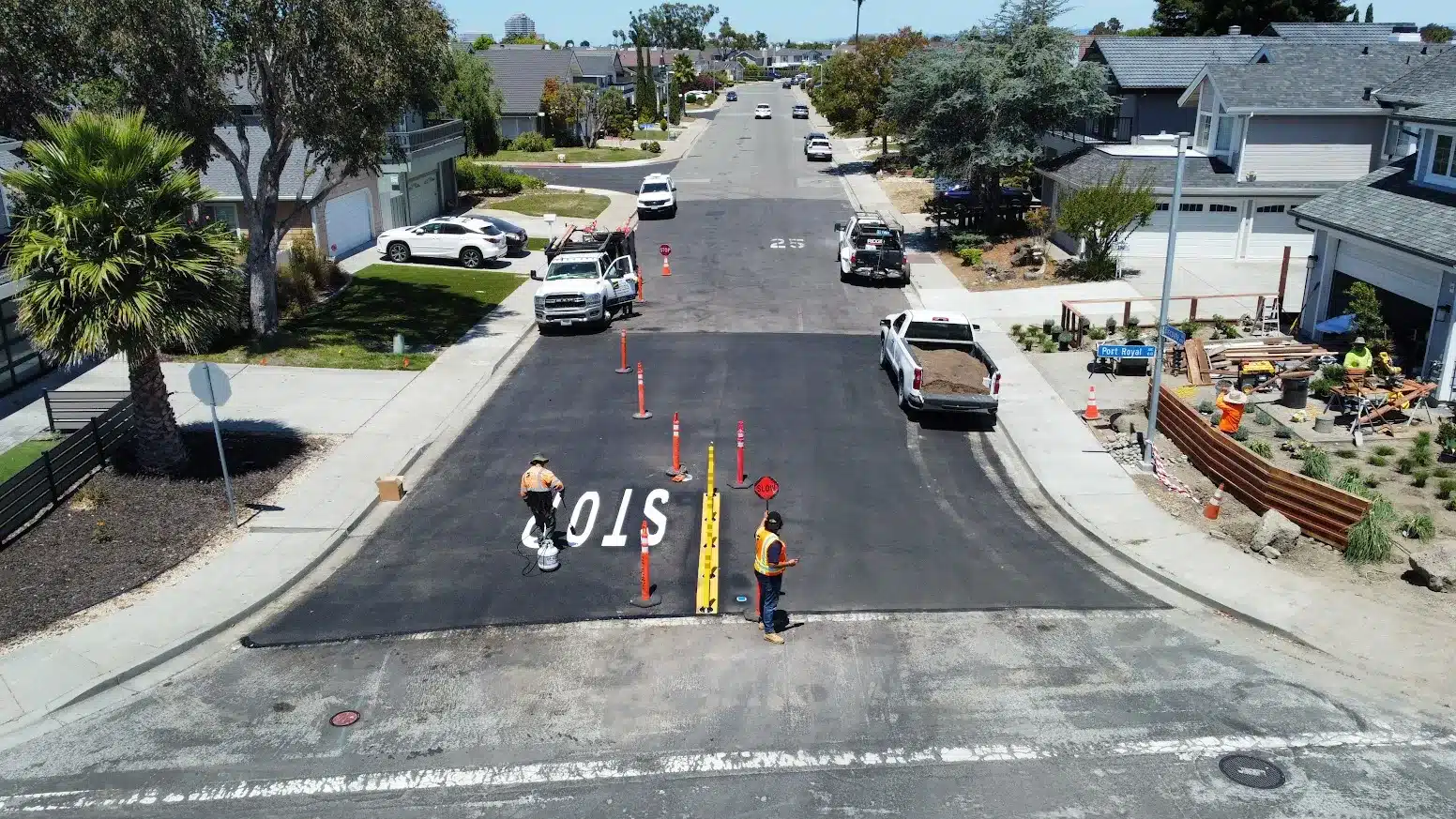
Professional asphalt paving project by We Love Paving in Northern California, California. Verified local construction quality.

We Love Paving Experts

Published by We Love Paving's field operations team CSLB Licensed #1049649, C12 Earthwork and Paving. Our articles reflect firsthand experience from 1,000+ commercial projects across Northern California.

Share

Posts That Might Interest You

Infrared Asphalt Repair: The Science of Seamless Pavement Restoration

Infrared Asphalt Repair: The Science of Seamless Pavement Restoration

July 21, 2026

Maintaining commercial parking lots and multi-family roadways requires balancing long-term durability with minimal business disruption. Traditional saw-cut patching often leaves behind vulnerable seams that allow water intrusion, leading to premature pavement failure. Infrared asphalt repair solves this structural weakness by using controlled thermal radiation to reheat existing asphalt in place, creating a seamless, monolithic bond

Roller Compacted Concrete Guide

Roller Compacted Concrete Guide

July 20, 2026

Roller compacted concrete offers industrial property developers a high-density, high-strength alternative to traditional pavements by blending the structural benefits of conventional concrete with the rapid installation speed of asphalt. This zero-slump material eliminates the need for forms, rebar, or extensive labor, relying instead on heavy vibratory rollers to achieve deep particle interlocking. Commercial facilities throughout

How to Maximize Parking Spaces: Commercial Layout Efficiency

How to Maximize Parking Spaces: Commercial Layout Efficiency

July 17, 2026

Maximizing commercial parking capacity requires a careful balance between geometric layouts, local zoning regulations, and fluid traffic engineering. Property owners often struggle with inefficient configurations that lose valuable square footage to oversized drive aisles or poorly angled stalls. In Northern California, where urban land values are exceptionally high and state-mandated parking space guidelines are highly

Storm Drain vs Catch Basin: Differences & Pavement Impact

Storm Drain vs Catch Basin: Differences & Pavement Impact

July 16, 2026

Commercial property managers often use the terms interchangeably, yet confusing a storm drain with a catch basin can lead to expensive infrastructure missteps. While both components operate within the same municipal storm water management ecosystem, they perform entirely different structural roles. In Northern California, where seasonal atmospheric rivers deliver heavy, concentrated rainfall, understanding this distinction

Next

Estimation Tools

Calculate costs in seconds

Fast, accurate estimates that help you close more jobs. Less guesswork, more profit.