Every paving season across California, commercial facility managers and residential property owners fall victim to aggressive solicitations that result in premature surface collapse. Paving fraud drains capital reserves, but it also creates severe code violations and safety hazards that cost thousands to remediate. Whether managing a shopping center lot, an HOA roadway network, or a private drive, recognizing deceptive sales tactics and understanding quality installation standards keeps your property protected and legally compliant.
Common Asphalt Paving Scams to Watch Out For
Unscrupulous operators rely on distinct, predictable patterns. Identifying these red flags early prevents costly property damage:
- The “Leftover Asphalt” Pitch: An unmarked crew knocks on your door claiming they just finished a Caltrans road project nearby and have leftover hot mix they can install at a steep discount. In reality, commercial asphalt plants mix batches to exact project specs; leftover material is cold, hardened, and incapable of proper compaction.
- Transient Operators with No Physical Address: Traveling crews operate using out-of-state plates, rented vehicles, and cell-phone-only contacts. When the asphalt starts deteriorating within weeks, they are impossible to locate for warranty claims.
- Demanding Full Upfront Payment in Cash: Scammers frequently insist on full cash payment or large unrecorded deposits before completing the job. Under California law, down payments for residential work are legally capped at 10% of the project total or $1,000, whichever is less.
- The No-Permit, Handshake Deal: Deceptive pavers avoid written contracts, itemized mix specifications, and municipal permits. Bypassing official channels leaves property owners directly exposed to city citations, stop-work orders, and liability for stormwater runoff violations.
Signs of a Bad Asphalt Job
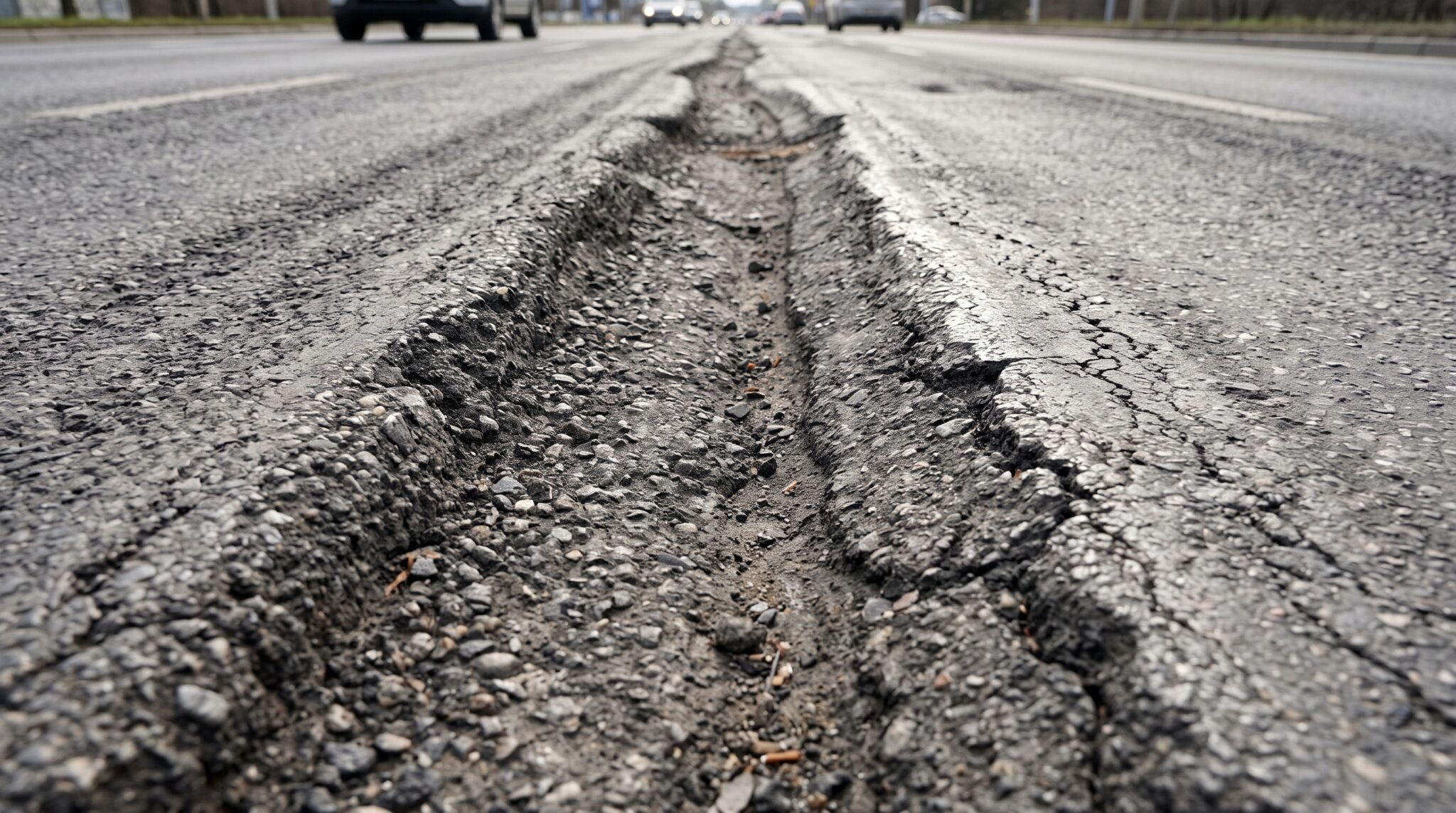
Substandard workmanship is not always obvious on the afternoon of installation, but engineering flaws manifest rapidly under real vehicle loads and rainfall:
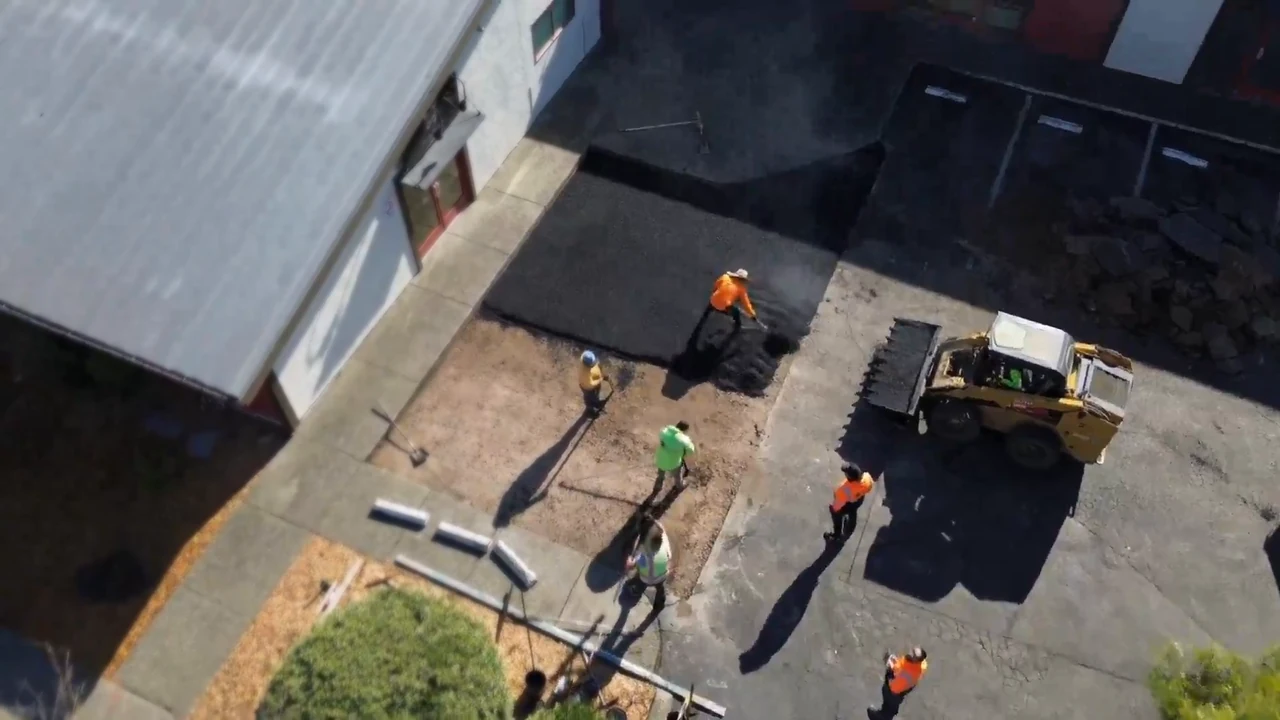
- Thin Asphalt Thickness: A reliable commercial overlay requires a compacted thickness of at least 1.5 to 2 inches, while new load-bearing pavement demands 3 inches or more over an engineered base. Dishonest contractors rake out a fragile half-inch skim coat that cracks under light passenger traffic.
- Inadequate Subbase and Grading: Asphalt derives structural strength from a compacted aggregate base. Laying asphalt directly over dirt, untreated clay, or failing pavement without grading leads to base failure and severe alligator cracking.
- Poor Compaction and Loose Aggregate: Fresh asphalt must be compacted with dedicated heavy rollers at temperatures above 175°F. Uncompacted asphalt remains porous, leaving loose gravel across the surface and absorbing water that destroys the subbase.
- Water Ponding and Incorrect Slope: Low spots that hold water for more than 24 hours indicate improper laser leveling. Trapped moisture penetrates surface pores, causing stripping and pothole development.
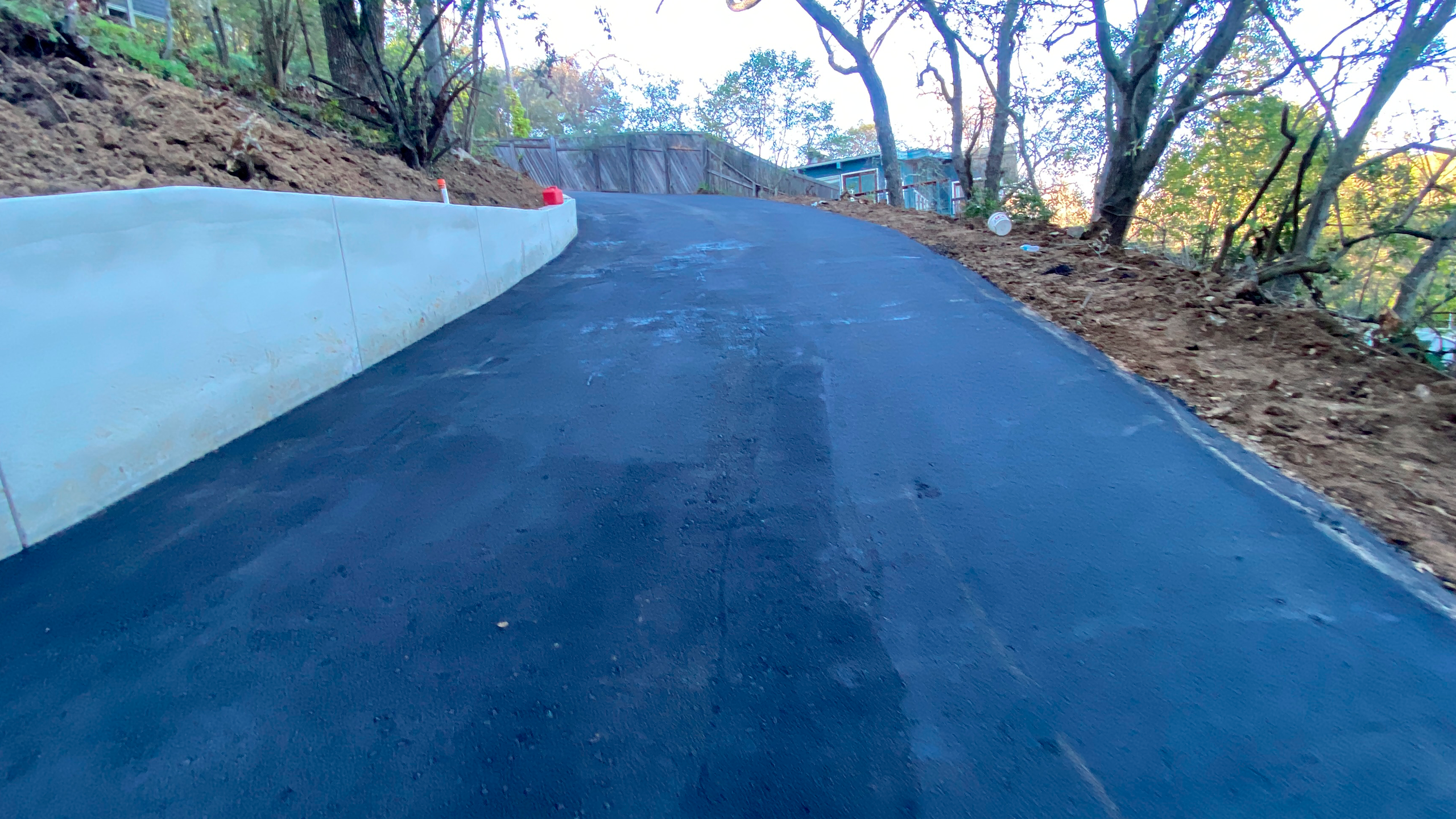
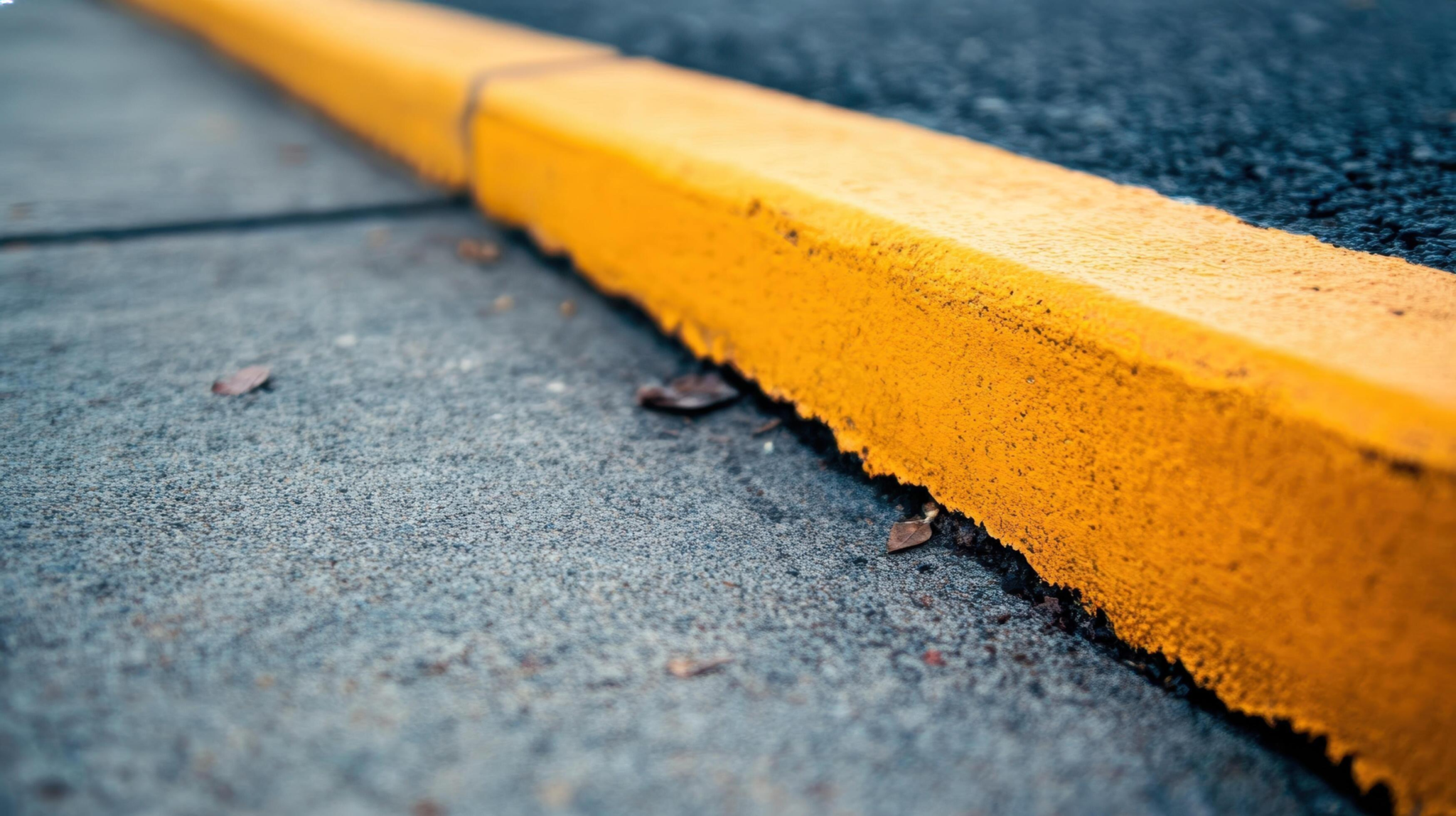
- Rough, Unsealed Edges: Neglected edges without proper compaction or transition tamping crumble under wheel loads, creating ravelling along curbs, gutters, and adjacent flatwork.
What a Professional Asphalt Installation Should Include
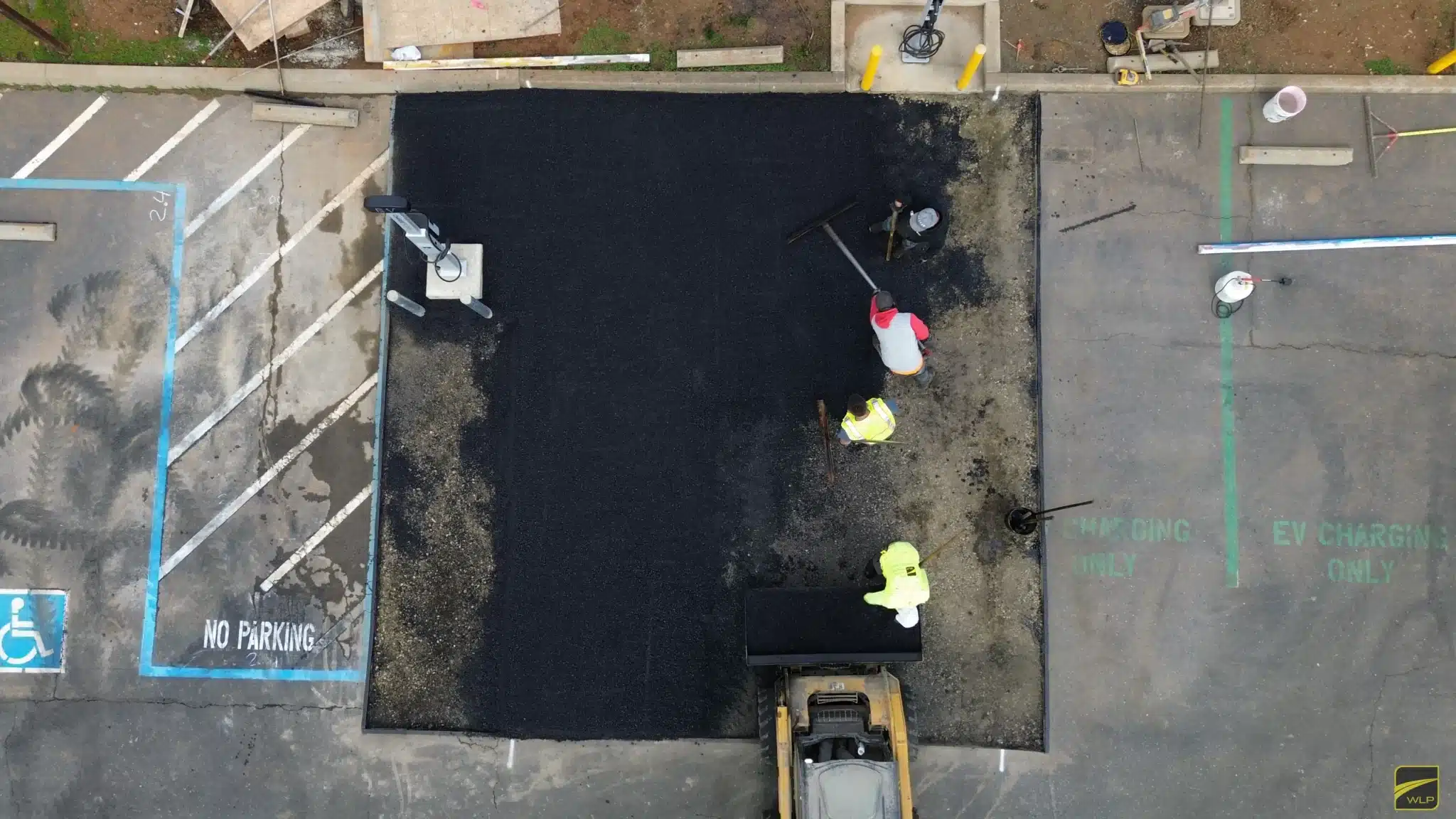
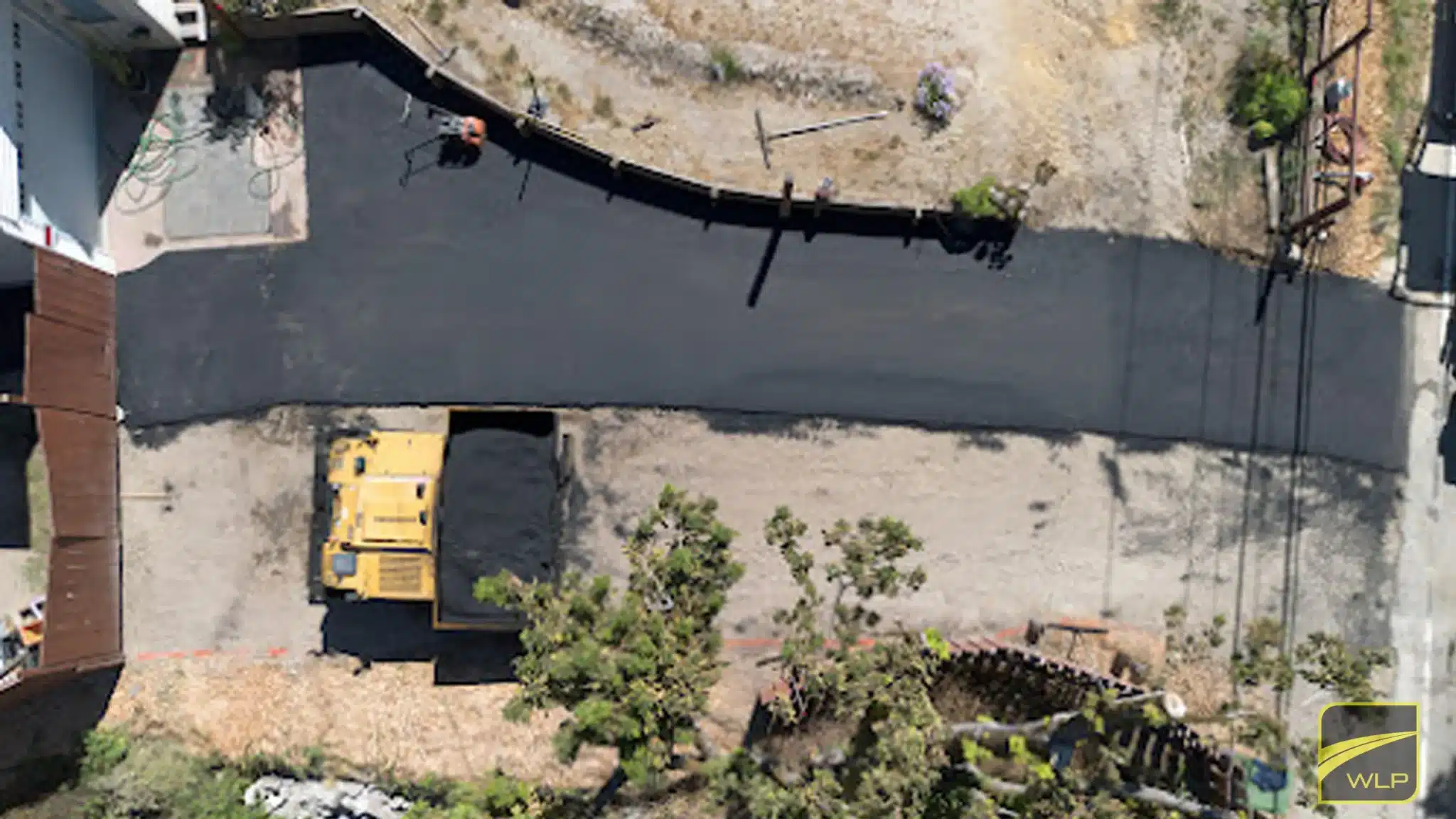
Knowing what a bad job looks like is only half the picture. Recognizing a proper installation is what lets you hold any contractor to a real standard. A legitimate asphalt job follows a defined engineering sequence, not a single afternoon of spreading hot mix. A trustworthy crew will:
- Start with a site inspection and grade the surface to a proper drainage slope, usually 1 to 2 percent, so water sheets off instead of ponding.
- Excavate and compact the subgrade, then install a compacted aggregate base (typically Class 2 base rock) in controlled lifts, since the base is where the pavement gets its strength.
- Specify the asphalt in writing: hot mix asphalt (HMA) type and the final compacted thickness in inches for your specific use.
- Pave at the correct temperature and compact with dedicated rollers before the mix cools below roughly 175 degrees, locking out air and water.
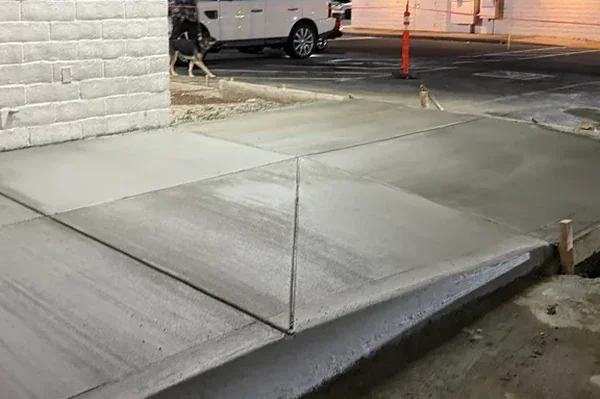
- Finish and tamp the edges, cut clean joints, and restripe with ADA-compliant markings where required.
If a contractor cannot explain these steps or refuses to put the base preparation and thickness in writing, that is a warning sign in itself.

How to Protect Yourself Before You Hire
Vetting your contractor protects both your property and legal liability. Before authorizing any work, verify these essential checkpoints:
- Verify CSLB Licensing: Always check the California Contractors State License Board (CSLB) database. Confirm that the company holds an active license with a C-12 Earthwork and Paving classification, alongside active workers’ compensation insurance and a current surety bond.
- Insist on Detailed Written Contracts: A compliant proposal outlines precise scope of work: square footage, subbase preparation, compaction density, hot mix asphalt (HMA) type, thickness in compacted inches, and payment milestones. Never sign open-ended agreements.
- Confirm Municipal Permits and Code Compliance: Legitimate commercial paving requires adherence to local grading ordinances, storm drainage mandates, and strict Title 24 California ADA slope requirements. Ensuring proper compliance prevents costly accessibility lawsuits and mandated post-inspection removals.
- Review Local Portfolios and References: Reputable contractors maintain active projects and standing relationships across the region. Request verified commercial references from recent projects in your area.
What to Do If You Have Already Been Scammed
If you suspect the work has already gone wrong, acting quickly protects both your property and your legal options:
- Document everything. Photograph the surface, save the flyer, business card, texts, and any receipt or contract, and write down plate numbers and names.
- Stop further payment. If you paid by card or check, contact your bank about a stop payment or dispute. Avoid handing over any remaining cash.
- Put it in writing. Send the contractor a dated written demand to correct the defects, even if you only have a phone number.
- File a CSLB complaint. California property owners can report unlicensed or defective work to the Contractors State License Board at cslb.ca.gov, which investigates and can pursue action.
- Get an independent inspection. A licensed contractor can assess whether the failure is a surface issue or full base failure, which determines whether it needs a mill and overlay or complete reconstruction.
- Report fraud. For door-to-door or out-of-state crews, notify your local district attorney or county consumer affairs office.
The sooner the damage is documented, the stronger your position for recovery or remediation.
Cheap Paving Job vs. Professional Installation
The lowest bid is rarely the cheapest option once you add remediation. Here is how a cut-rate job compares to a properly engineered one:
| What to Compare | Cut-Rate / Scam Job | Professional Installation |
|---|---|---|
| Base Preparation | Asphalt over dirt or old pavement | Graded subgrade + compacted aggregate base |
| Asphalt Thickness | Half-inch skim coat | 2 to 3 inches residential, 3+ inches commercial |
| Compaction | Minimal or none, porous surface | Rolled to density before the mix cools |
| License and Permits | Unlicensed, no permit | Active CSLB C-12, permitted, code-compliant |
| Written Warranty | None, crew disappears | Written warranty and local references |
| Typical Lifespan | Months to 2 years | 15 to 25 years with maintenance |
| True Long-Term Cost | Pay twice: install plus full redo | Pay once, done right |
Reliable, Code-Compliant Paving Built to Last
Protecting property owners from poor workmanship and unpermitted construction is fundamental to how We Love Paving operates across Northern California:
- Fully Licensed and Bonded: We operate under active California Contractor License #1049649 (C-12 Earthwork and Paving), carrying comprehensive general liability and workers’ compensation coverage on every job site.
- Engineered Code and ADA Compliance: From commercial parking lot grading to ADA ramp slope transitions, our installations comply with Caltrans standards and local municipal regulations to eliminate legal liabilities.
- Written Guarantees and Direct Transparency: Every project proposal clearly details subbase preparation, material specifications, and compacted thicknesses. Our work is supported by standard project warranties and verified local references.
- Local Accountability: We are established local specialists serving Berkeley, Oakland, and the wider San Francisco Bay Area. You can review our client case studies and speak directly with our engineering team at any point during planning or execution.
If you are planning an upcoming commercial or residential project, partner with a verified asphalt paving contractor to get an engineering-grade site inspection and a transparent, itemized proposal.