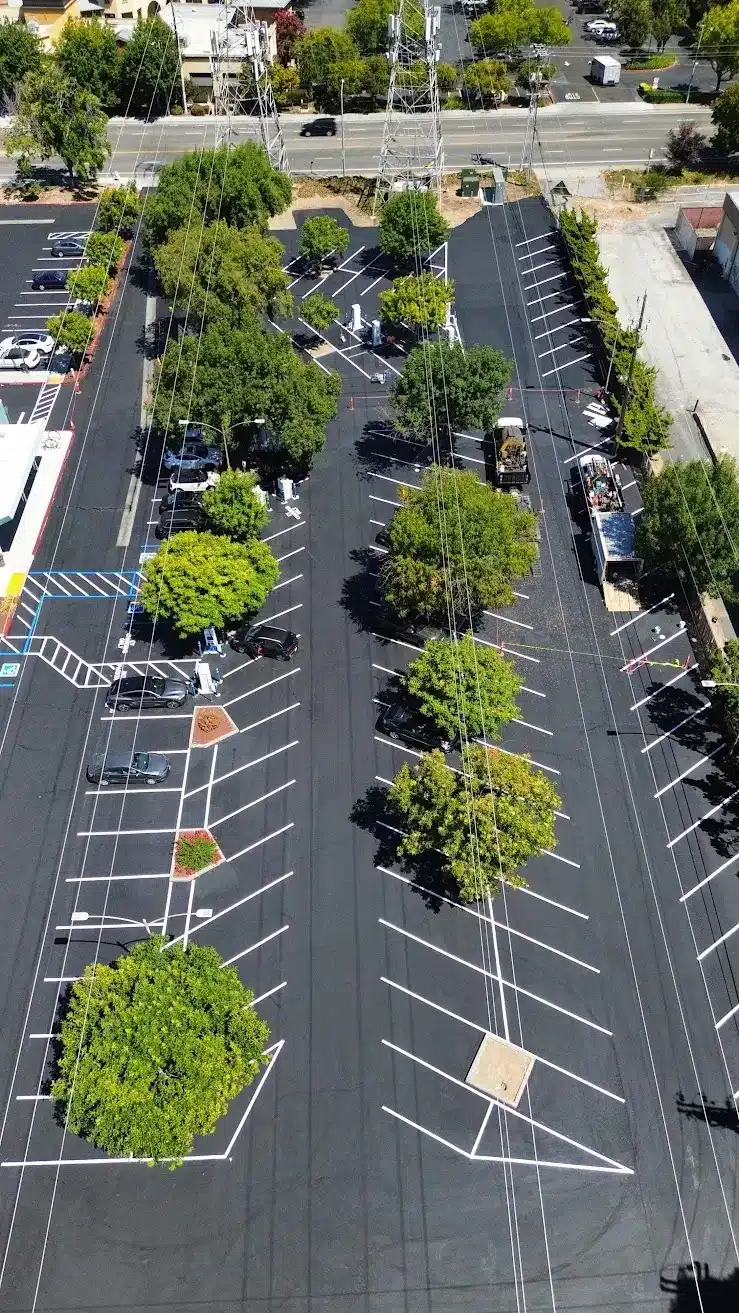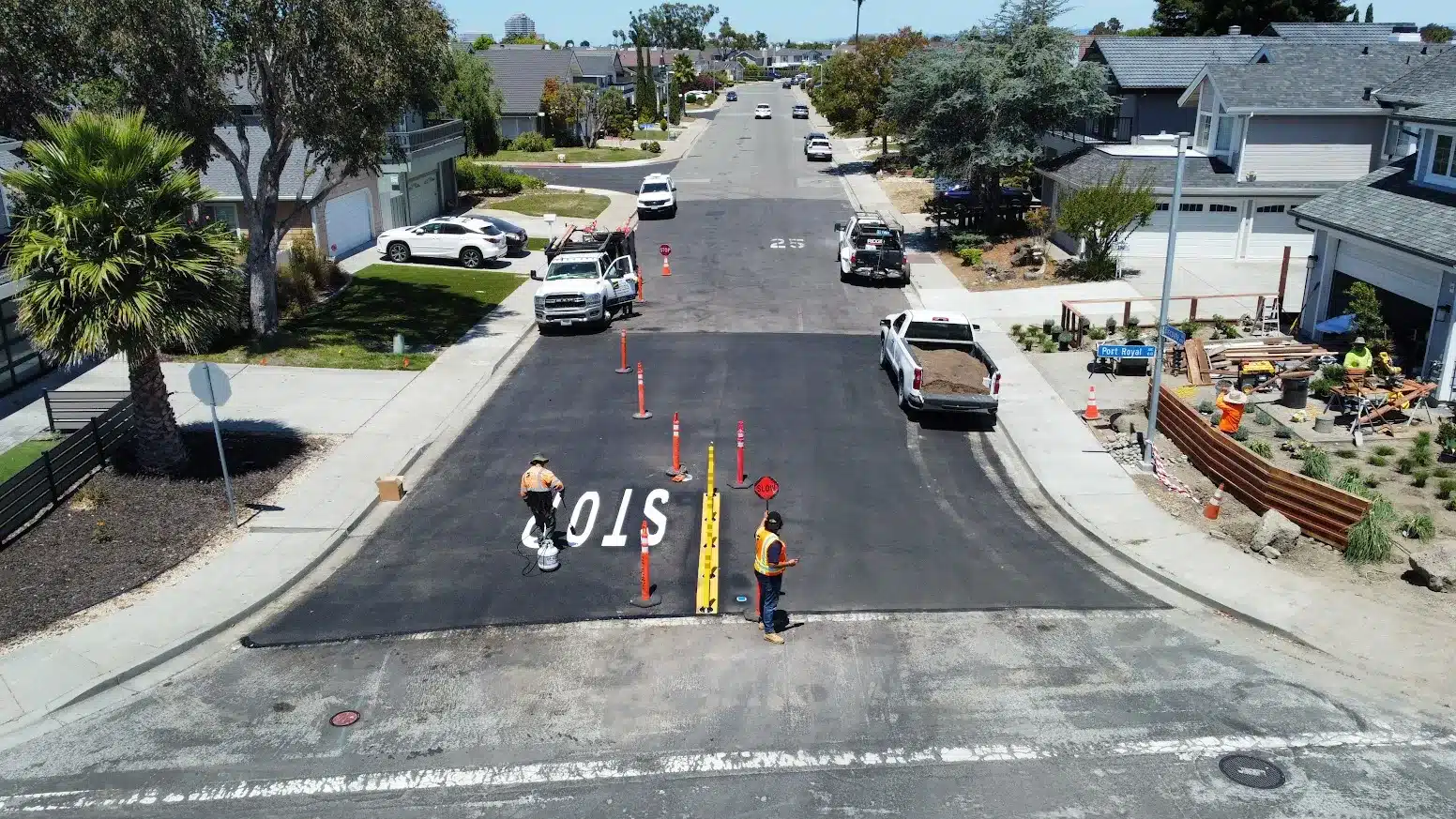
Your driveway or parking lot plays a significant role in the functionality and aesthetics of your property. Over time, wear and tear from traffic, weather, and natural aging can leave the surface cracked, uneven, or unsafe. Knowing when to resurface is key to avoiding costly repairs or replacements down the road. Here’s how to determine if your asphalt or concrete surface needs resurfacing.
Signs Your Driveway Requires Resurfacing or Repaving
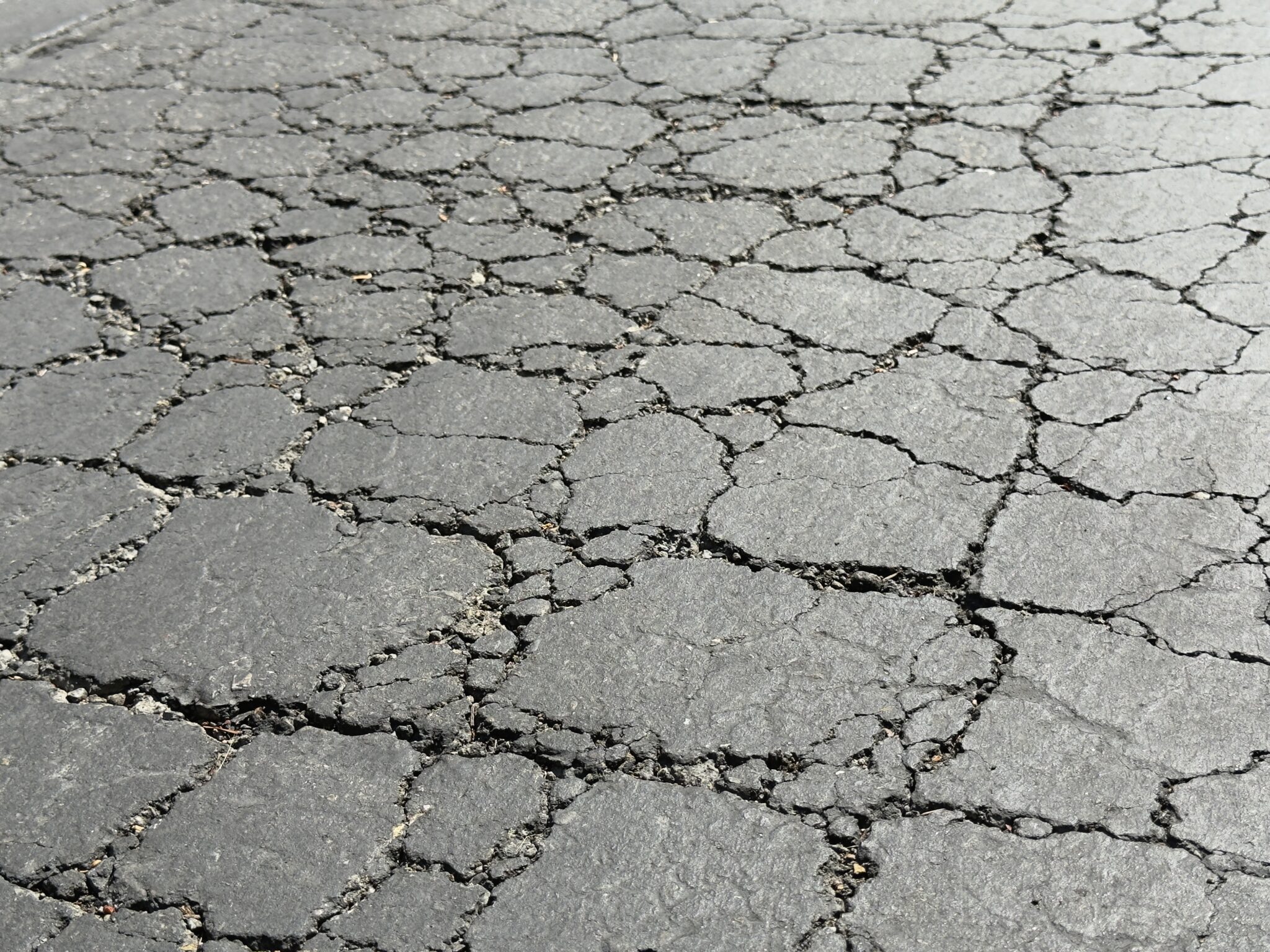
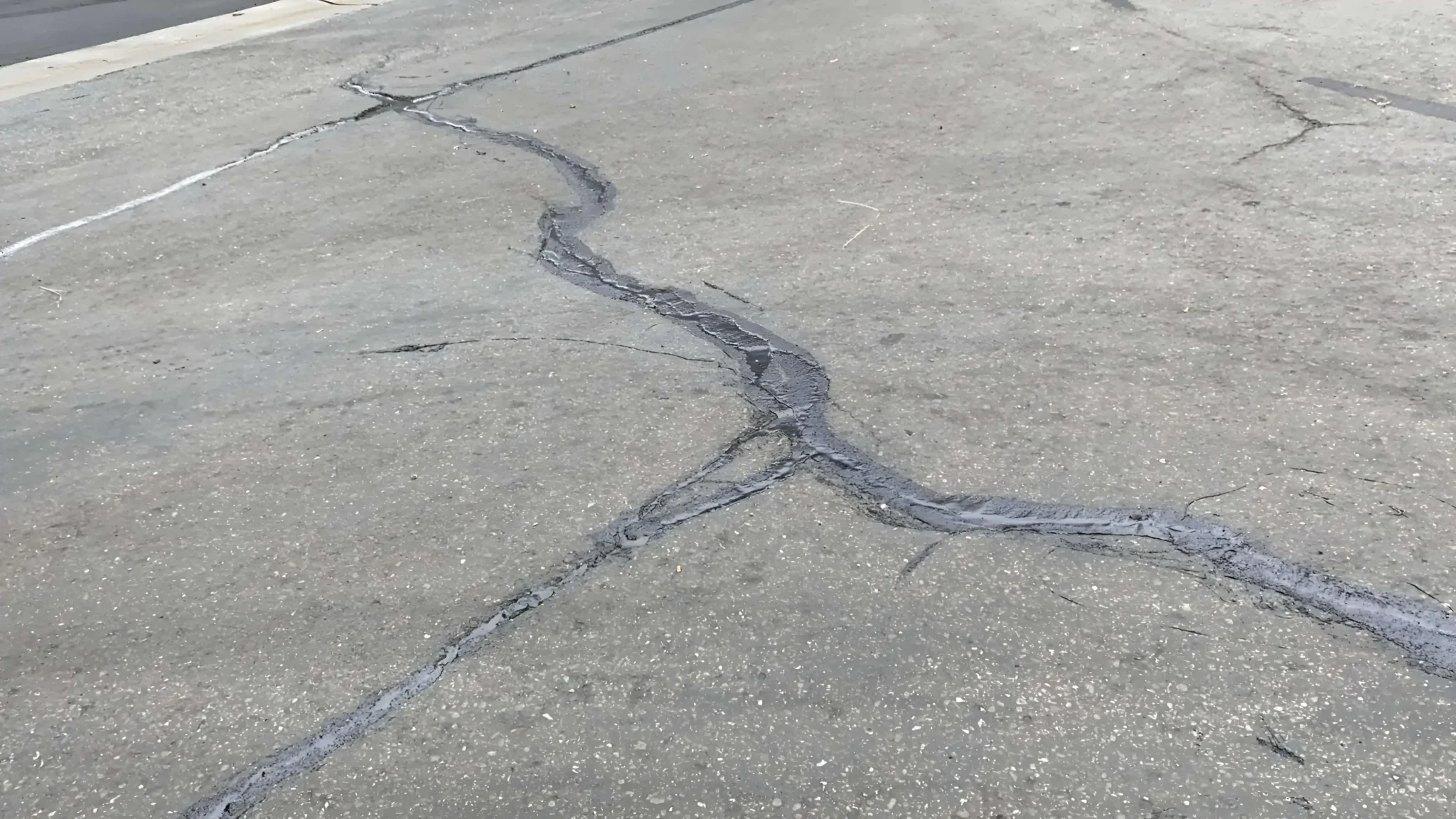
- Interconnected Cracking Pattern: While isolated fissures under a quarter-inch wide respond well to standard crack filling, widespread interconnected cracks often resembling alligator skin indicate structural fatigue. When distress spreads across extensive areas, laying a fresh hot-mix asphalt overlay provides a unified structural layer. Implementing proactive asphalt driveway maintenance before deep moisture intrusion occurs stops subbase degradation.
- Potholes and Base Depressions: Potholes form when surface water penetrates cracks, softening the underlying soil. When vehicle weight passes over these compromised zones, the asphalt collapses. If the subbase remains intact around the depression, full-depth patch repairs followed by resurfacing will restore structural integrity.
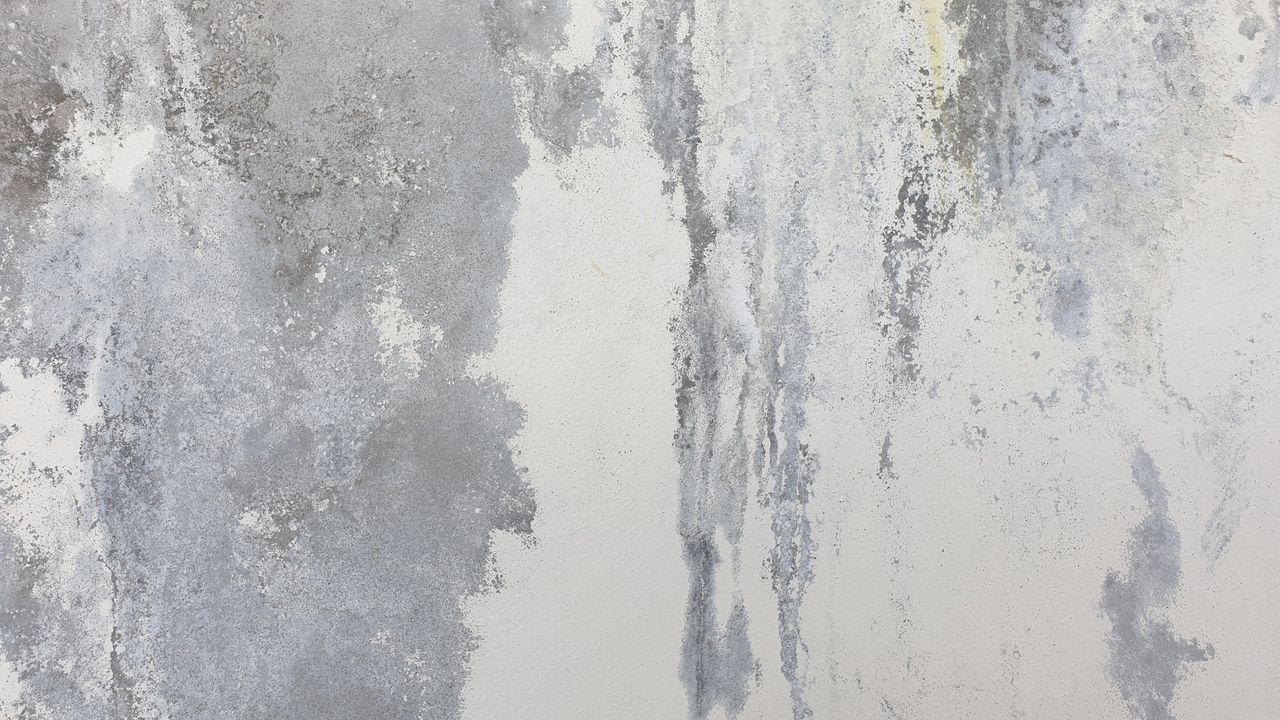
- Oxidation and Severe Raveling: Prolonged exposure to solar radiation oxidizes the asphalt binder, causing the pavement to shift from deep black to gray while losing its binding flexibility. As fine aggregates strip away a process known as raveling the surface turns coarse. Resurfacing binds fine aggregates back together, sealing out moisture.
- Standing Water and Drainage Deficiencies: Water pooling along low spots indicates localized settlement or inadequate slope design. Because standing water accelerates binder breakdown, precision leveling milled asphalt prior to an overlay ensures proper water shedding toward drainage outlets. Understanding how driveway asphalt mix designs differ from high-traffic road specs helps ensure long-term performance under residential load conditions.
Resurfacing vs. Full Replacement: Technical Criteria
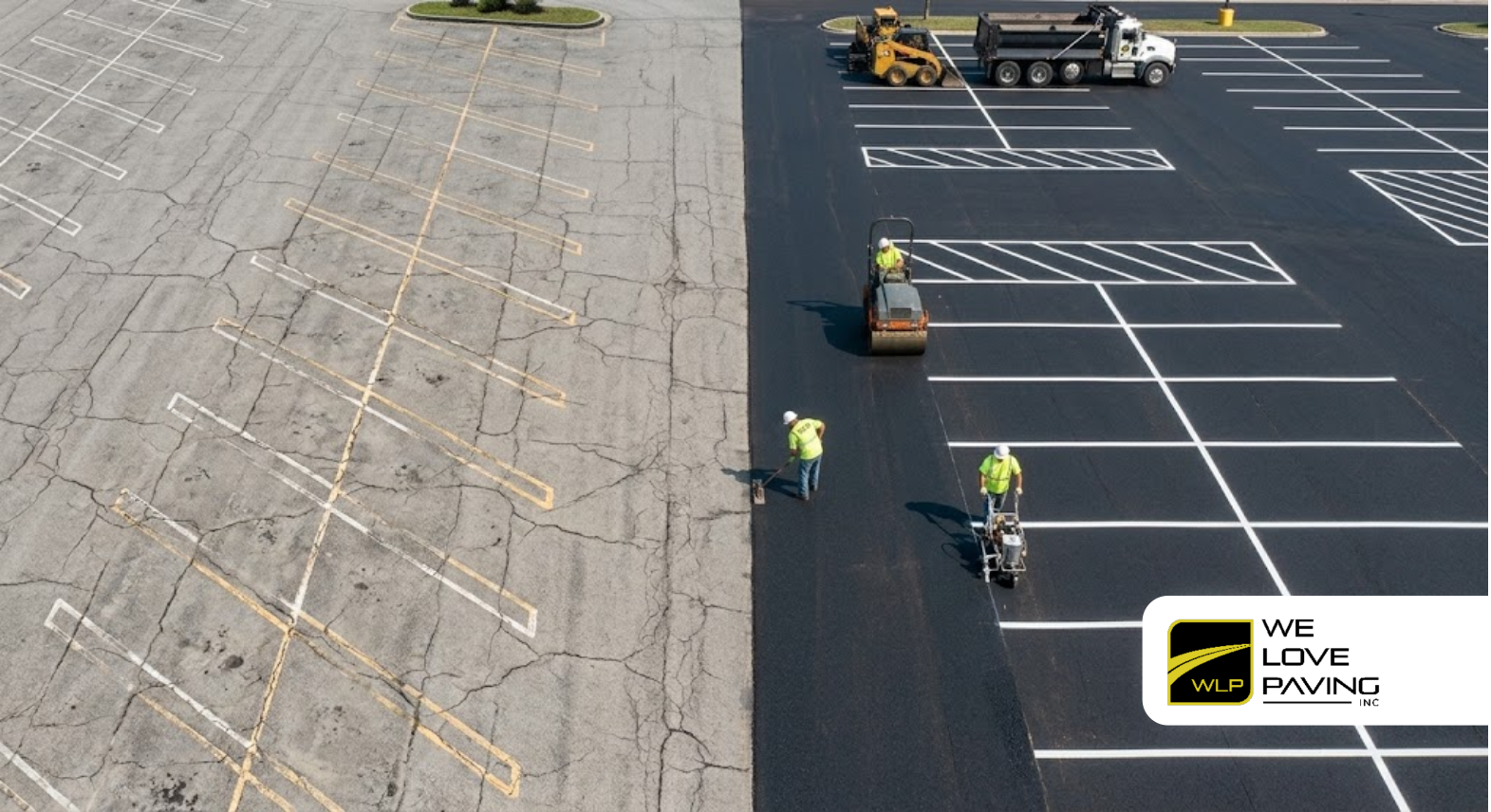
Resurfacing adds a new 1.5 to 2-inch layer of compacted hot-mix asphalt over an existing pavement structure. This approach is technically viable and cost-effective under specific conditions:
- Subbase Structural Soundness: Less than 25% to 30% of the total driveway surface exhibits deep structural failure or subgrade instability.
- Grade Elevation Matching: Garage lips, concrete aprons, and drainage gutters allow for an added lift of asphalt without creating dangerous elevation trips or water diversion toward foundations.
- Pavement Lifespan Extension: When applied to a sound base, a professionally compacted overlay extends functional pavement life significantly, avoiding the excavation disruption of a full reconstruction.
| Variable | Asphalt Resurfacing (Overlay) | Full Driveway Replacement | Key Advantage |
|---|---|---|---|
| Relative Cost | Moderate investment layer | High (includes excavation & base work) | 40%–60% Savings |
| Expected Lifespan | 10 to 15 years | 20 to 30 years | +15 Years Extended Life |
| Project Duration | 1 to 2 days total placement | 3 to 5 days site turnaround | Minimal Disruption |
| Subbase Requirement | Structurally sound (< 30% failure) | Severely compromised subgrade | Preserves Existing Base |
Critical Surface Preparation: Milling and Tack Coat Application
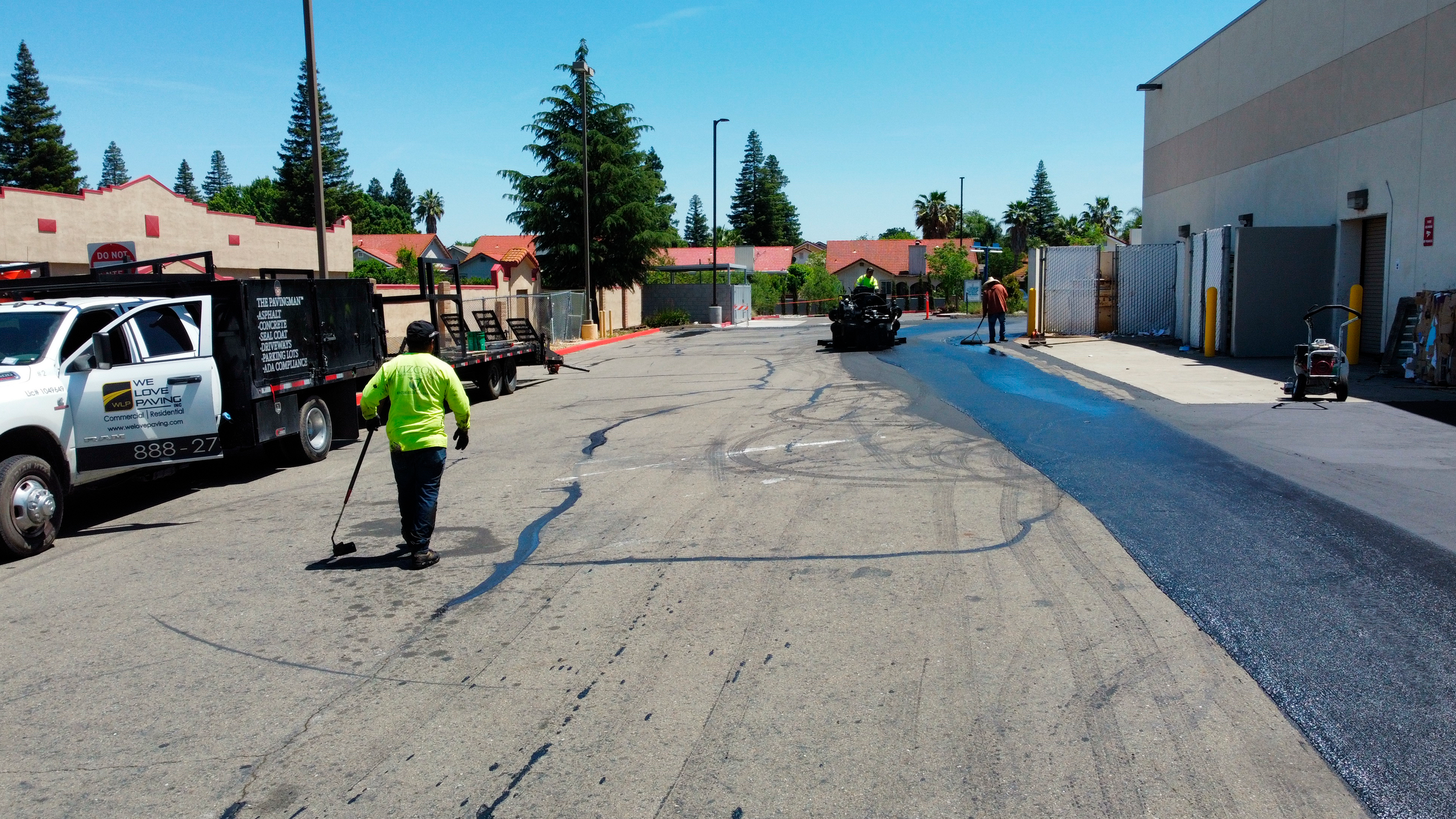
Achieving a long-lasting asphalt overlay depends heavily on substrate preparation rather than just laying new material. Surface milling removes the top damaged layer along concrete borders, garage aprons, and curb gutters. This process prevents unnatural elevation lips and creates a keyway for smooth transitions. Once milled, a liquid asphalt emulsion tack coat is sprayed evenly over the cleaned pavement. Acting as a binding agent, the tack coat glues the existing asphalt to the newly applied hot mix, preventing slippage, delamination, and internal moisture penetration over time.
Optimal Timing and Seasonal Windows for Repaving
- Thermal Conditions: Hot-mix asphalt requires ambient temperatures above 50 °F (10 °C) and rising during placement to achieve full density before cooling. In Northern California, late spring through autumn provides ideal dry weather and stable ground temperatures for optimal compaction.
- Moisture Management: Laying asphalt over damp subgrades traps steam beneath the surface during rolling, causing internal voids and immediate blistering. Scheduling repaving during dry weather periods ensures proper tack coat adhesion to the existing substrate.

Professional Paving Solutions for Your Property
Dealing with widespread cracking, low spots, or surface fading requires an accurate assessment to protect your pavement investment. The team at We Love Paving delivers tailored evaluation and resurfacing services that restore durability, safety, and curb appeal to residential driveways and commercial parking lots. Schedule a free, no-obligation surface evaluation today to determine the exact solution your pavement needs for long-lasting performance.