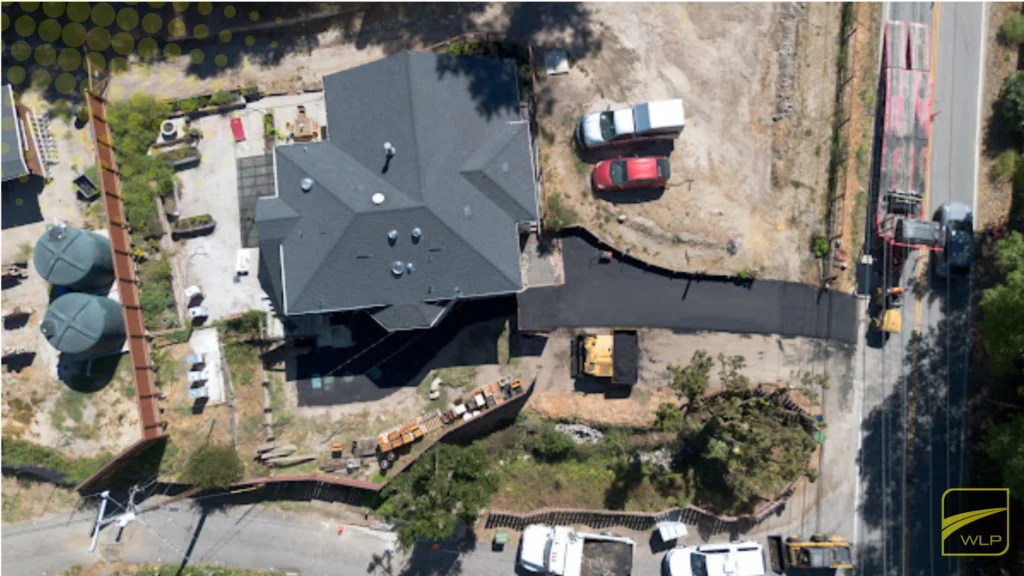
A driveway looks simple from the surface, but most pavement failures begin underneath the asphalt long before cracks or potholes become visible. Homeowners often focus on the finished appearance, yet long-term durability usually depends more on grading, drainage behavior, and base preparation than the asphalt itself.
Understanding how to pave a driveway starts with understanding what the pavement will need to handle over time. Daily vehicle weight, turning stress near garage entrances, standing water, tree roots, and seasonal temperature swings all affect how well a driveway performs.
For homeowners planning a new driveway or replacing an aging surface, the process involves much more than simply laying asphalt over existing pavement.
The Groundwork Usually Determines the Lifespan
One of the most common driveway problems appears years after installation: cracking near the edges, depressions where vehicles park repeatedly, or low spots where water remains after rain. In many cases, those issues trace back to weak subgrade preparation.
Before asphalt is installed, contractors typically evaluate:
- Soil stability
- Drainage direction
- Existing soft areas
- Slope consistency
- Base thickness requirements
- Vehicle load expectations
A residential driveway used by compact cars experiences very different stress than one supporting delivery vans, RVs, trailers, or frequent multi-vehicle traffic.
Where existing pavement already shows widespread fatigue cracking or sinking sections, patching alone may not solve the underlying issue. In those cases, broader surface reconstruction or asphalt paving planning may become the more practical long-term approach.
Why Drainage Matters More Than Many Homeowners Expect
Water is one of the biggest causes of pavement deterioration. Even small drainage problems can slowly weaken the base beneath the asphalt.
When water repeatedly enters surface cracks or pools near the driveway edge, the underlying soil can soften over time. That movement eventually creates surface instability, especially near garage aprons, low corners, or transition areas connecting to sidewalks and streets.
Good driveway paving usually includes careful grading so water moves away from the structure rather than remaining trapped against the pavement.
Some common warning signs include:
| Surface Condition | What It May Indicate |
|---|---|
| Water ponding after rain | Improper slope or settlement |
| Edge cracking | Weak shoulder support |
| Depressions near parking areas | Base compaction issues |
| Repeated crack repairs | Structural movement below surface |
| Raveling or loose aggregate | Aging asphalt oxidation |
Driveways located beneath heavy tree coverage may also experience moisture retention and root pressure, both of which can accelerate surface movement.
Asphalt Thickness Is Only Part of the Equation
Homeowners often ask how thick a driveway should be, but pavement performance depends on more than asphalt depth alone.
A properly compacted aggregate base helps distribute weight evenly across the surface. Without sufficient support underneath, even thicker asphalt can fail prematurely.
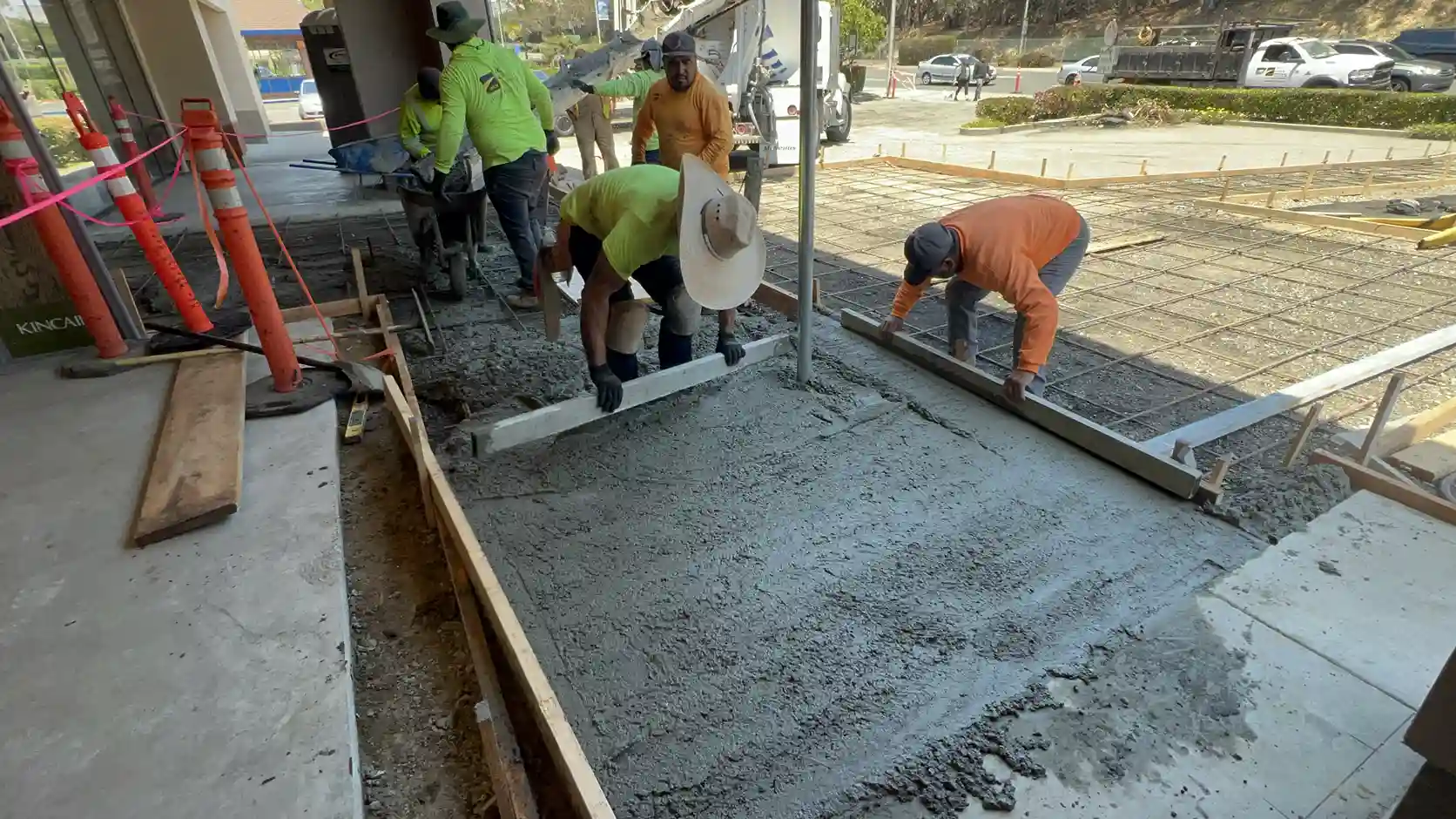
Residential driveway construction typically includes:
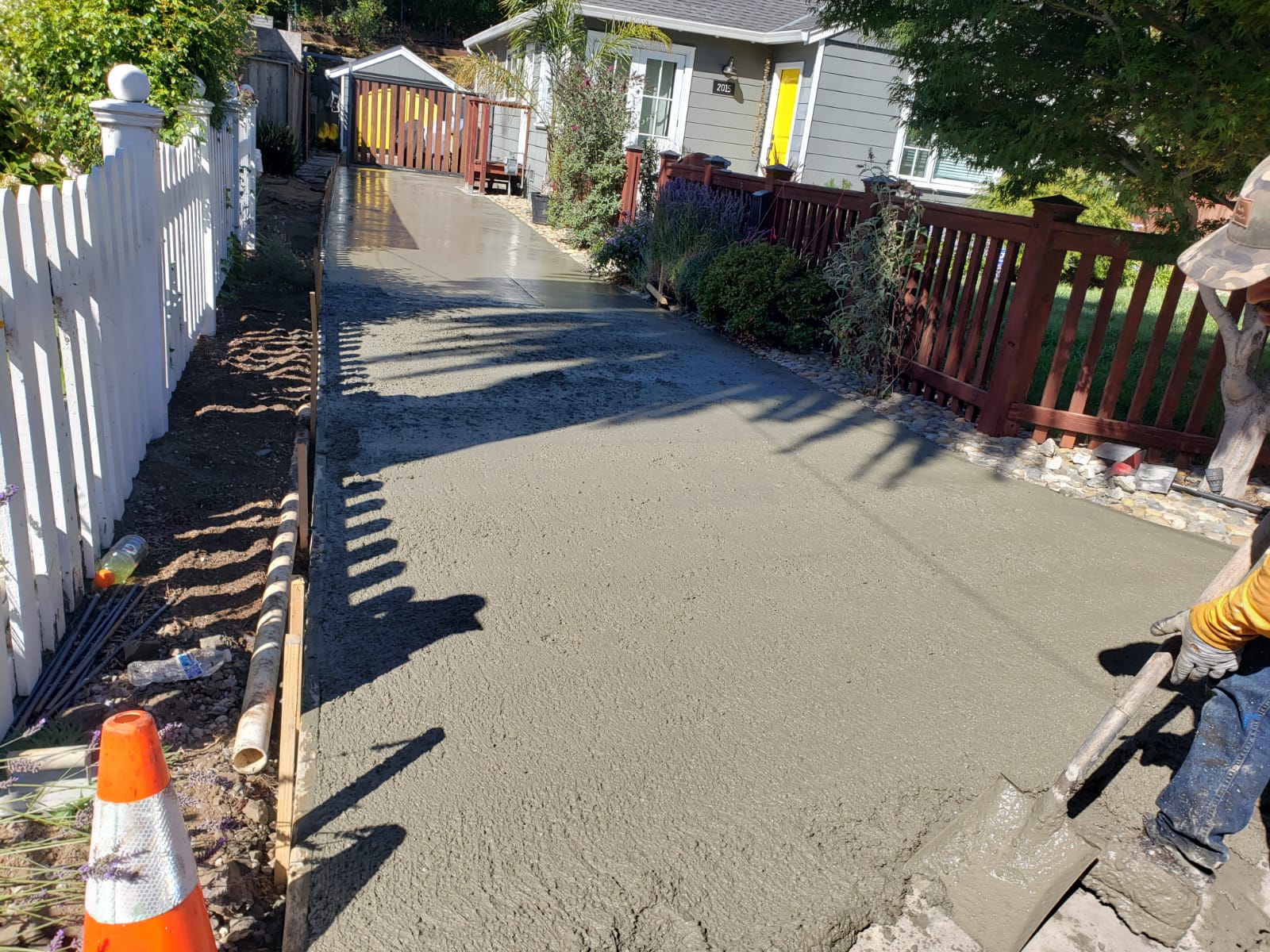
- Excavation and grading
- Subgrade preparation
- Aggregate base installation
- Compaction
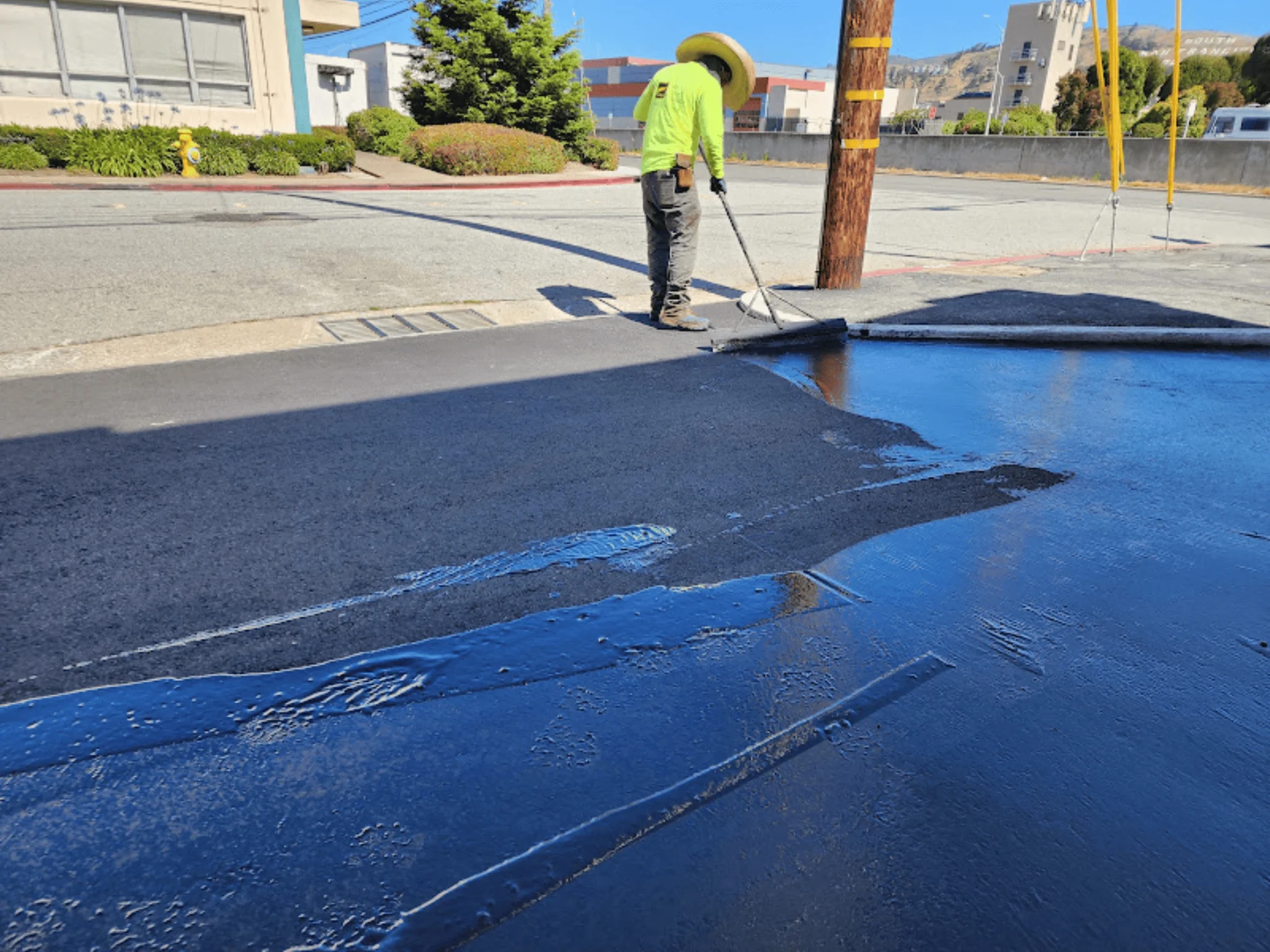
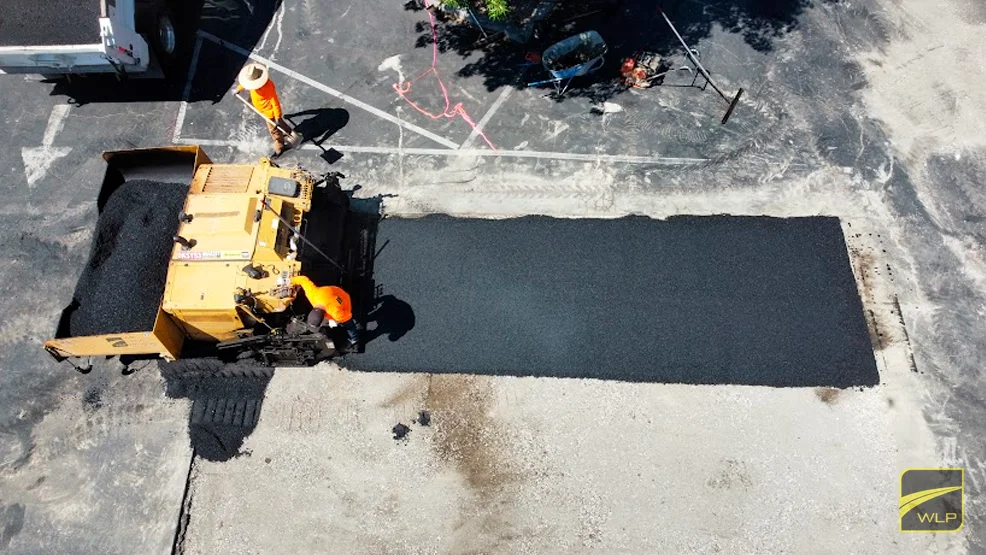
- Asphalt placement
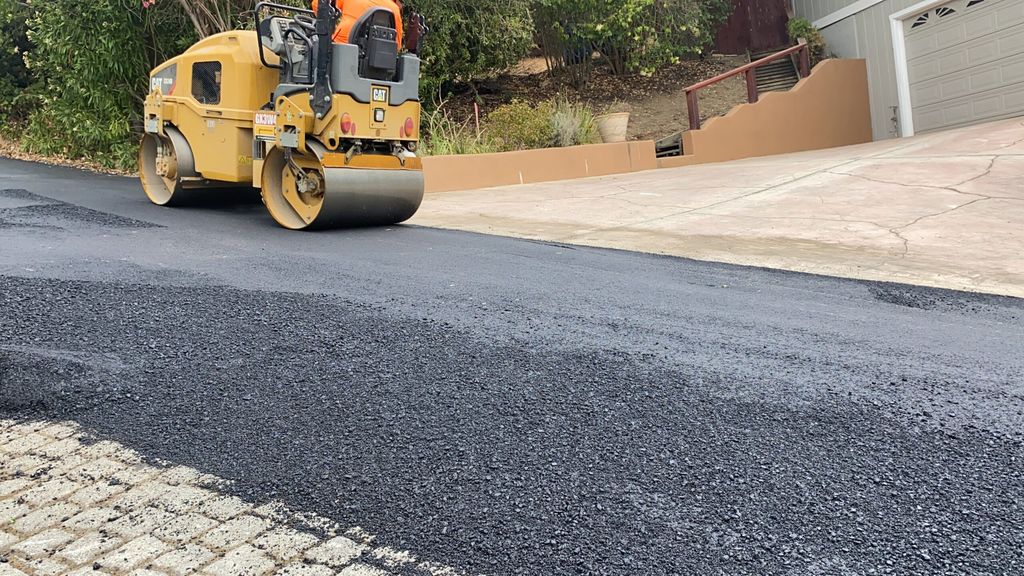
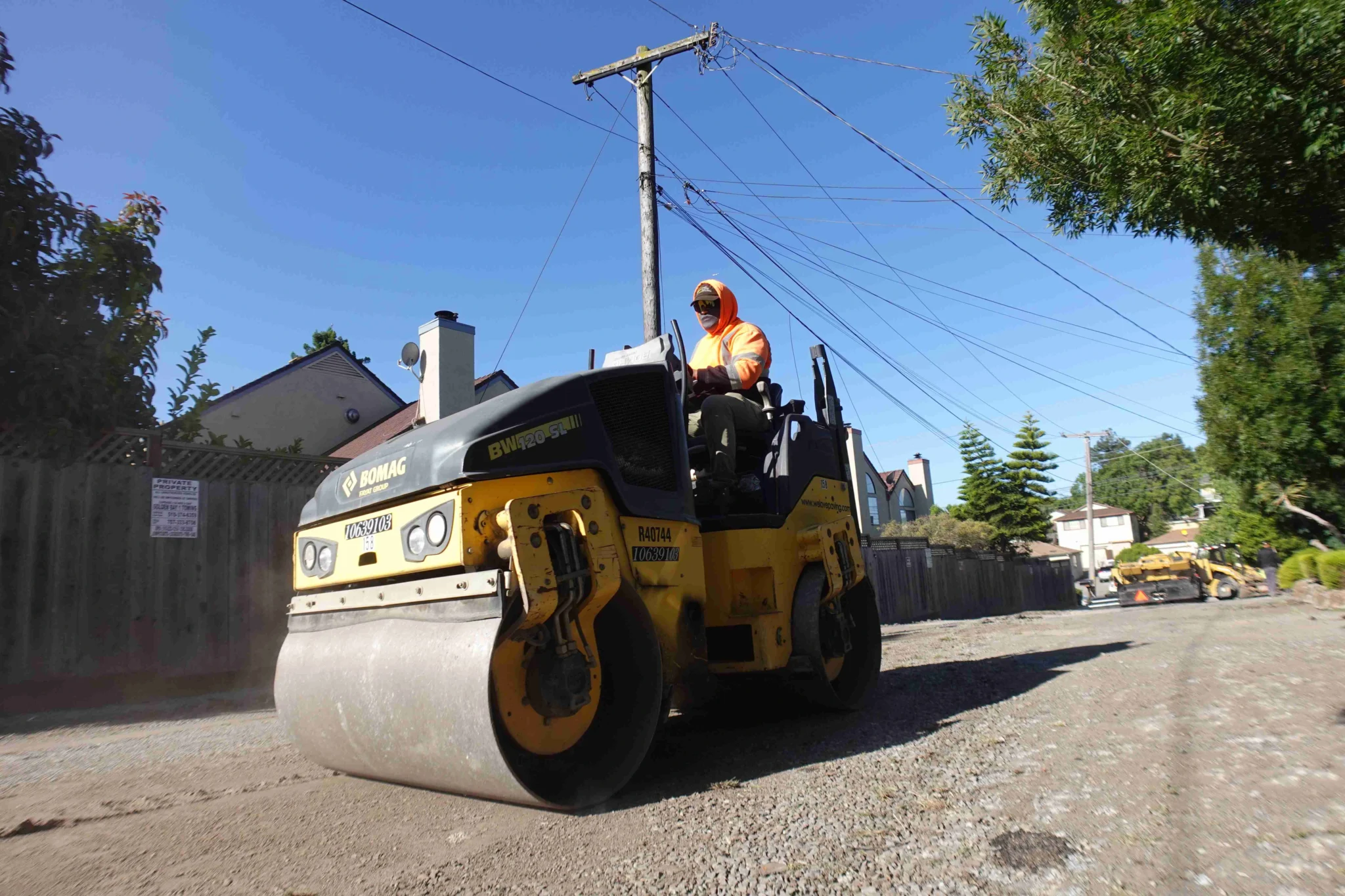
- Final rolling and finishing
The transition between the driveway and garage entrance is especially important because vehicles repeatedly apply concentrated turning pressure in that location.
Where traffic patterns include larger vehicles, wider turning movements, or steep approaches, contractors may recommend structural adjustments rather than simply increasing asphalt thickness.
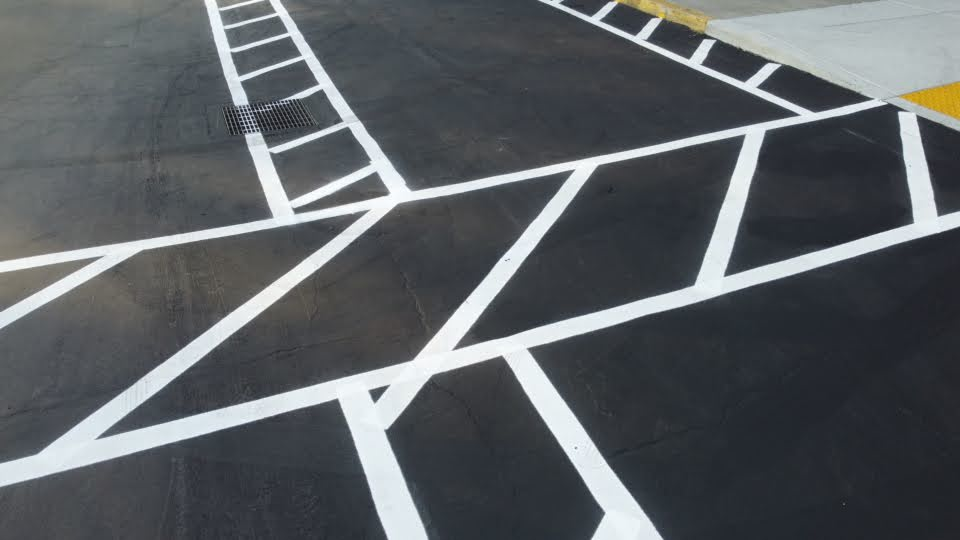
Some homeowners compare residential paving directly to commercial pavement systems, but parking lots and driveways often behave differently under traffic stress. High-turn areas discussed in commercial paving projects can help illustrate how repetitive vehicle movement affects pavement wear patterns over time.
Overlay vs. Full Replacement
Not every driveway requires complete reconstruction. In some situations, an asphalt overlay can restore surface appearance and improve usability if the underlying structure remains stable.
However, overlays may not perform well when the existing pavement already contains:
- widespread alligator cracking;
- soft base conditions;
- drainage failures;
- severe edge breakdown;
- repeated patchwork repairs.
In those situations, placing new asphalt over unstable pavement may only hide deeper deterioration temporarily.
A closer evaluation often becomes worthwhile when multiple problem areas appear together rather than in isolated sections.
Homeowners sometimes focus heavily on visible cracks while overlooking drainage flow or edge support. Yet pavement edges frequently reveal early signs of structural weakness before center sections begin deteriorating.
Where surface oxidation becomes the primary issue instead of structural failure, maintenance planning and sealcoating services may help slow weather-related aging.
Timing Can Affect Installation Quality
Weather conditions influence paving results more than many homeowners realize.
Very cold temperatures can affect compaction consistency, while excessive heat may create handling challenges during installation. Rainfall also affects grading, subgrade stability, and curing conditions.
Because of this, driveway paving projects are often scheduled during more predictable weather windows whenever possible.
Homeowners should also think beyond installation day itself. Tree growth, irrigation overspray, poor drainage habits, and neglected crack maintenance can shorten pavement life even after a well-executed installation.
Simple long-term maintenance habits may include:
- keeping water from flowing across the driveway unnecessarily;
- addressing small cracks before they widen;
- avoiding concentrated parking in the same exact location daily;
- monitoring low spots after storms;
- limiting heavy vehicle storage on residential pavement.
Even newer asphalt gradually oxidizes under UV exposure. Over time, the surface loses flexibility and becomes more vulnerable to cracking.
Surface Appearance Is Not the Same as Structural Health
Fresh asphalt usually improves curb appeal immediately, but appearance alone does not confirm long-term durability.
Smooth finishing, clean edges, and dark color can sometimes hide inconsistent compaction or drainage problems underneath. That is why experienced paving evaluations often focus as much on water behavior and grade transitions as on surface aesthetics.
This becomes especially noticeable where driveways connect to sidewalks, garage slabs, curbs, or pedestrian access paths. Uneven transitions may create usability concerns even when the asphalt itself still appears relatively new.
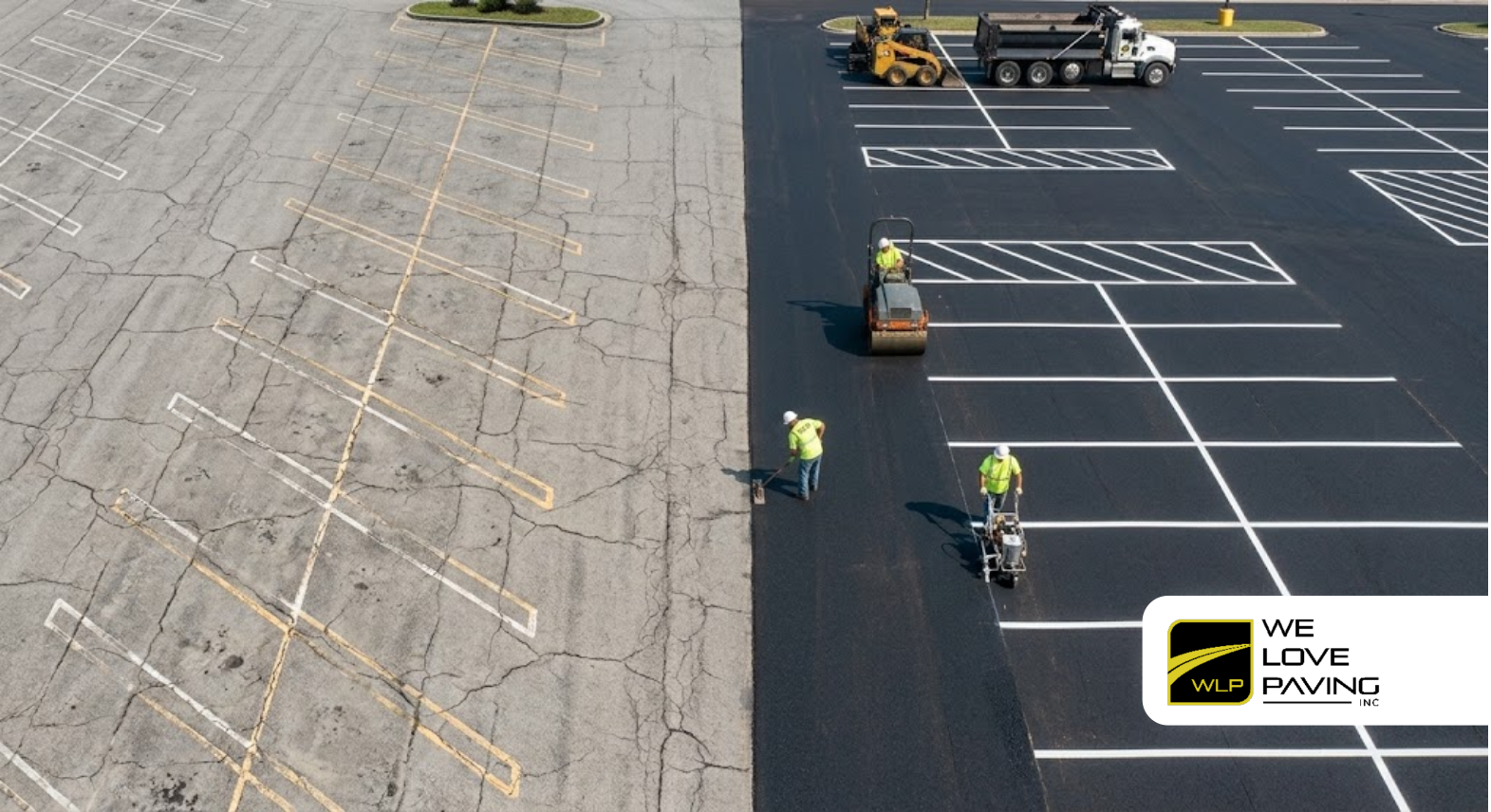
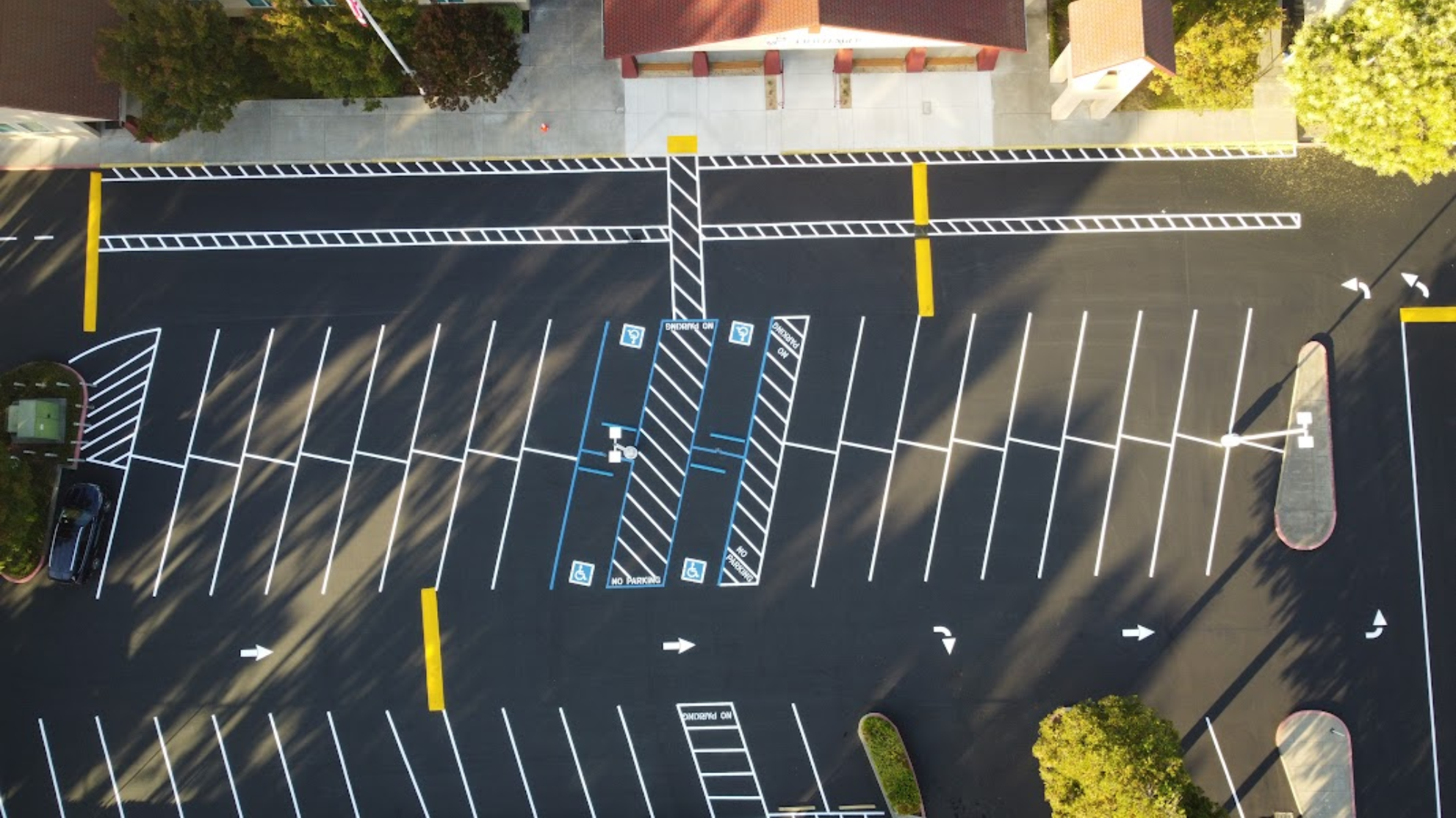
In commercial environments, surface visibility and layout planning sometimes intersect with pavement maintenance conversations. For example, faded markings and circulation confusion discussed in parking lot striping projects often reveal how pavement usability extends beyond surface appearance alone.
Similarly, understanding how professional paving companies approach project sequencing, grading, and long-term maintenance planning can help homeowners evaluate contractors more realistically. The operational perspective outlined on We Love Paving reflects how pavement performance is usually tied to preparation and maintenance decisions made early in the process.
A Practical Way to Think About Driveway Paving
For most homeowners, the best driveway decisions come from balancing budget, drainage behavior, expected vehicle load, and long-term maintenance planning rather than focusing only on initial installation cost.
A driveway that drains correctly, maintains structural support, and receives periodic maintenance often performs more consistently than one installed quickly with minimal preparation.
At We Love Paving, pavement projects are viewed through a long-term property maintenance lens. Surface appearance matters, but so do drainage patterns, edge stability, vehicle circulation, and the practical realities that affect how asphalt ages over time across residential and commercial properties alike.