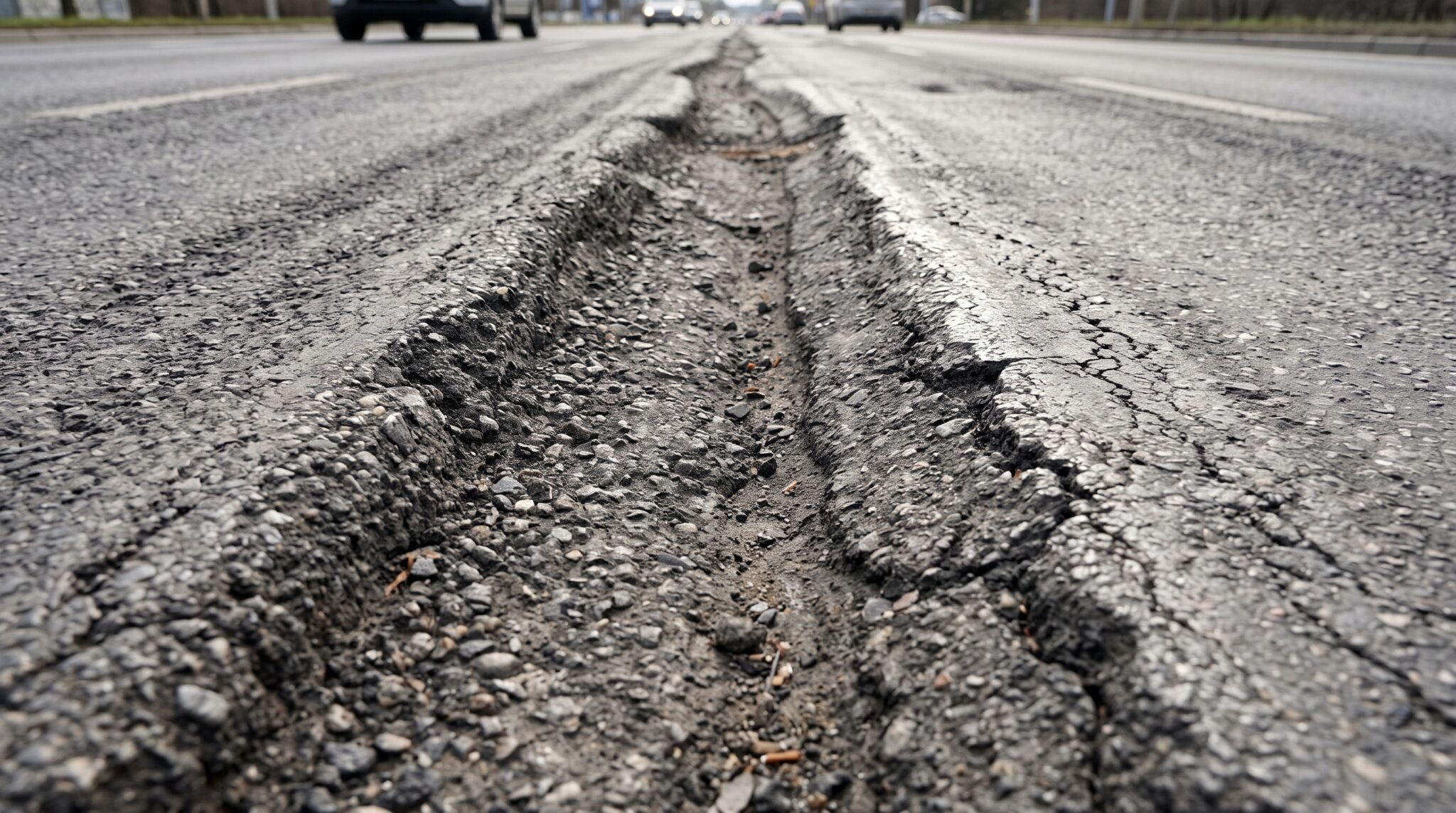
Concrete heaving occurs when subterranean pressures force a rigid concrete slab upward, breaking its alignment with surrounding pavement and creating abrupt vertical offsets. Unlike standard cracking caused by heavy traffic loads or surface shrinkage during curing, heaving originates entirely beneath the slab. The underlying subgrade expands or experiences physical displacement, generating upward hydraulic or mechanical forces that exceed the compressive weight and tensile strength of the concrete.
When a slab moves upward, it transforms a flat walkway, driveway, or commercial parking lot into an immediate safety liability. Municipal codes and commercial property regulations treat these vertical discrepancies aggressively because raised edges are the leading cause of pedestrian trip-and-fall incidents. Addressing a heaved slab requires diagnosing the exact subterranean mechanism forcing the concrete up, rather than simply attempting to patch the surface fractures that appear in response to the strain.
What Is Concrete Heaving (and How Does It Differ from Settling)?
Concrete heaving is the upward vertical movement of a slab driven by subgrade expansion, whereas concrete settling is the downward movement caused by soil consolidation, compaction failure, or subterranean void creation. While both conditions produce uneven surfaces and fractured joints, their physical mechanics are diametrically opposed. Settling occurs when the ground beneath the concrete loses volume or load-bearing capacity; heaving occurs when the ground increases in volume or mechanical mass, pushing the slab toward the surface.
Differentiating between heaving and settling requires examining the elevation of the damaged section relative to stable benchmarks such as building foundations, curbs, or adjacent unaffected slabs. In a settling scenario, the damaged slab drops below the fixed grade line, often forming a depression that collects standing water. In a heaved condition, the center or edge of the slab rises noticeably above the surrounding grade, disrupting stormwater sheet flow and creating an elevated lip.
Diagnosing this difference correctly determines the entire repair strategy. Applying standard leveling techniques designed for settled slabs to a heaved slab will fail or worsen the damage. A settled slab requires lifting to restore grade, but a heaved slab cannot be lowered by conventional lifting methods because the expanded soil mass or root network beneath it physically occupies the space where the slab originally rested.
The Primary Drivers of Upward Slab Movement
Upward slab movement is driven by three primary subterranean mechanisms: expansive clay soils subject to moisture fluctuations, mechanical lifting by tree root systems, and subsurface water pressure combined with frost action. Identifying which mechanism is active at a specific job site dictates whether a repair can be performed locally or requires structural subgrade remediation.
Expansive Clay Soils and Seasonal Moisture Cycles
Expansive clay soils particularly those rich in smectite and montmorillonite minerals common across Northern California valleys and coastal regions undergo substantial volumetric expansion when saturated. During prolonged dry summer periods, these high-plasticity clays deselect, shrink, and develop deep subterranean fissures. When winter rainstorms arrive, water rapidly infiltrates these fissures, causing the clay matrix to swell by 8% to 10% in volume.
The upward pressure exerted by confined, saturated, expansive clay can exceed several thousand pounds per square foot, which easily overpowers the dead weight of a standard 4-inch or 6-inch unreinforced concrete slab. Because moisture rarely infiltrates a paved area with absolute uniformity, the swelling is uneven. The edges or unsealed control joints of a slab absorb runoff first, producing differential heaving where one edge of a slab rises several inches while the center remains anchored, shearing the slab along its weakest axis.
Aggressive Tree Root Systems
Tree roots cause localized, severe concrete heaving by exerting continuous radial growth pressure directly underneath the subbase aggregate. Surface-feeding tree species such as liquidambar, mulberry, certain pines, and redwoods send roots outward within the top 12 to 24 inches of soil where oxygen and moisture are most accessible. When these roots reach the moisture that condenses on the underside of a concrete slab, they expand rapidly in diameter.
As a tree root increases in caliper, it acts as a mechanical wedge. The root exerts upward leverage against the underside of the concrete, concentrating thousands of pounds of upward force along a narrow line. This mechanical heaving manifests as long, diagonal cracks radiating upward from the root trajectory, often lifting one section of concrete 2 to 4 inches above the adjoining panel. Unlike soil swelling, which can partially subside during extreme droughts, root-induced heaving is permanent, rigid, and progressive until the root is physically excised.
Subsurface Water Infiltration and Frost Conditions
Subsurface water accumulation creates upward slab movement through hydrostatic pressure and localized frost heave. When commercial downspouts, landscape irrigation lines, or failing storm mains discharge water directly beneath a slab without adequate perimeter sub-drainage, the aggregate subbase becomes fully saturated. In low-permeability soils, this creates a perched water table that exerts upward hydrostatic pressure against the impermeable bottom face of the concrete.
In regions that experience sustained sub-freezing temperatures including higher-elevation zones and interior valleys during severe cold snaps this trapped moisture freezes. Water expands by roughly 9% in volume as it turns to ice, forming ice lenses within the subgrade aggregate. As these ice lenses draw moisture from the surrounding soil via capillary action, they grow upward, pushing the concrete slab upward with extraordinary force. Once the thaw occurs, the ice melts, leaving a saturated, weakened void that can cause the slab to crack further under vehicular or pedestrian traffic.
The Polyjacking Myth: Why Foam Injection Cannot Lower Heaved Concrete
Polyurethane foam injection (commonly known as polyjacking or slab jacking) and traditional cementitious mudjacking cannot lower, depress, or reset a concrete slab that has heaved upward. Slab jacking contractors operate by drilling small inspection ports through a concrete slab and injecting high-density, expanding polyurethane foam or a slurry mix beneath the surface. This injected material expands rapidly to fill subterranean voids and exert upward pressure to raise sunken concrete back to grade.
The mechanical reality of high-density foam is entirely directional: it lifts. It cannot pull down, compress expanded subgrade soil, or dissolve encroaching tree roots. Attempting to use polyjacking on a heaved slab does not solve the underlying displacement. If a contractor attempts to “level” a section of pavement where one slab has heaved by raising all the surrounding slabs to meet the heaved height, they introduce artificial voids beneath previously stable pavement, dramatically increasing overall project costs and destabilizing adjacent drainage planes.
When a property manager faces an upwardly displaced slab, claims that trenchless injection can push the high slab down violate the fundamental physics of geotechnical compaction. The only physical way to lower an elevated slab back to its original grade is to remove the slab, excavate the subterranean obstruction (swollen clay, ice lens, or tree root), re-engineer the subbase, and pour a new slab.
Repairing Heaved Concrete: Precision Grinding vs. Full Demolition
Deciding whether to mechanically grind a heaved slab or perform a complete saw-cut demolition and replacement depends on the height of the vertical displacement, the structural integrity of the concrete, and accessibility safety standards. Under the Americans with Disabilities Act (ADA) Standards for Accessible Design (Section 303), vertical changes in level up to 1/4 inch (6.4 mm) may be vertical without edge treatment. Displacements between 1/4 inch and 1/2 inch must be beveled with a slope no steeper than 1:2. Any vertical displacement exceeding 1/2 inch is classified as an actionable trip hazard that violates federal accessibility standards.
| Evaluation Metric | Precision Diamond Grinding | Full Demolition & Subgrade Replacement |
|---|---|---|
| Offset Height Threshold | Up to 1/2 inch maximum vertical displacement. | Greater than 1/2 inch to several inches of displacement. |
| Structural Slab Condition | Intact, solid concrete with minor surface hairline fracturing. | Heavily fractured, fragmented, or detached structural sections. |
| Root Involvement | No roots present; movement driven by minor subgrade shift. | Active root systems present beneath the aggregate base. |
| Concrete Thickness Impact | Removes 1/4″–1/2″ of surface layer; preserves structural core. | Eliminates thin concrete that would shatter under vehicle load. |
| Permitted Traffic Type | Pedestrian walkways, sidewalks, and light utility paths. | Heavy vehicular traffic, truck loading zones, and driveways. |
| Relative Longevity | Temporary to mid-term if the subgrade movement remains active. | Permanent structural correction down to the subgrade level. |
Precision diamond grinding uses walk-behind scarifiers or horizontal diamond-head surface grinders to shave down the raised edge of the concrete slab, tapering it back over a minimum horizontal distance of 12 to 24 inches to create an ADA-compliant transitional slope. This method is fast, cost-effective, and eliminates immediate liability without requiring concrete curing downtime. However, grinding has structural limits. Standard sidewalk slabs are only 4 inches thick. Shaving off more than 1/2 inch of concrete exposes aggregate, strips the protective concrete cover off structural wire mesh or rebar, and compromises the compressive strength of the slab, causing it to spall rapidly under freeze-thaw cycles or impact. In those cases, you cannot simply apply surface treatments designed to repair crumbling concrete surfaces, because the failure is driven by the structural displacement of the entire concrete panel.
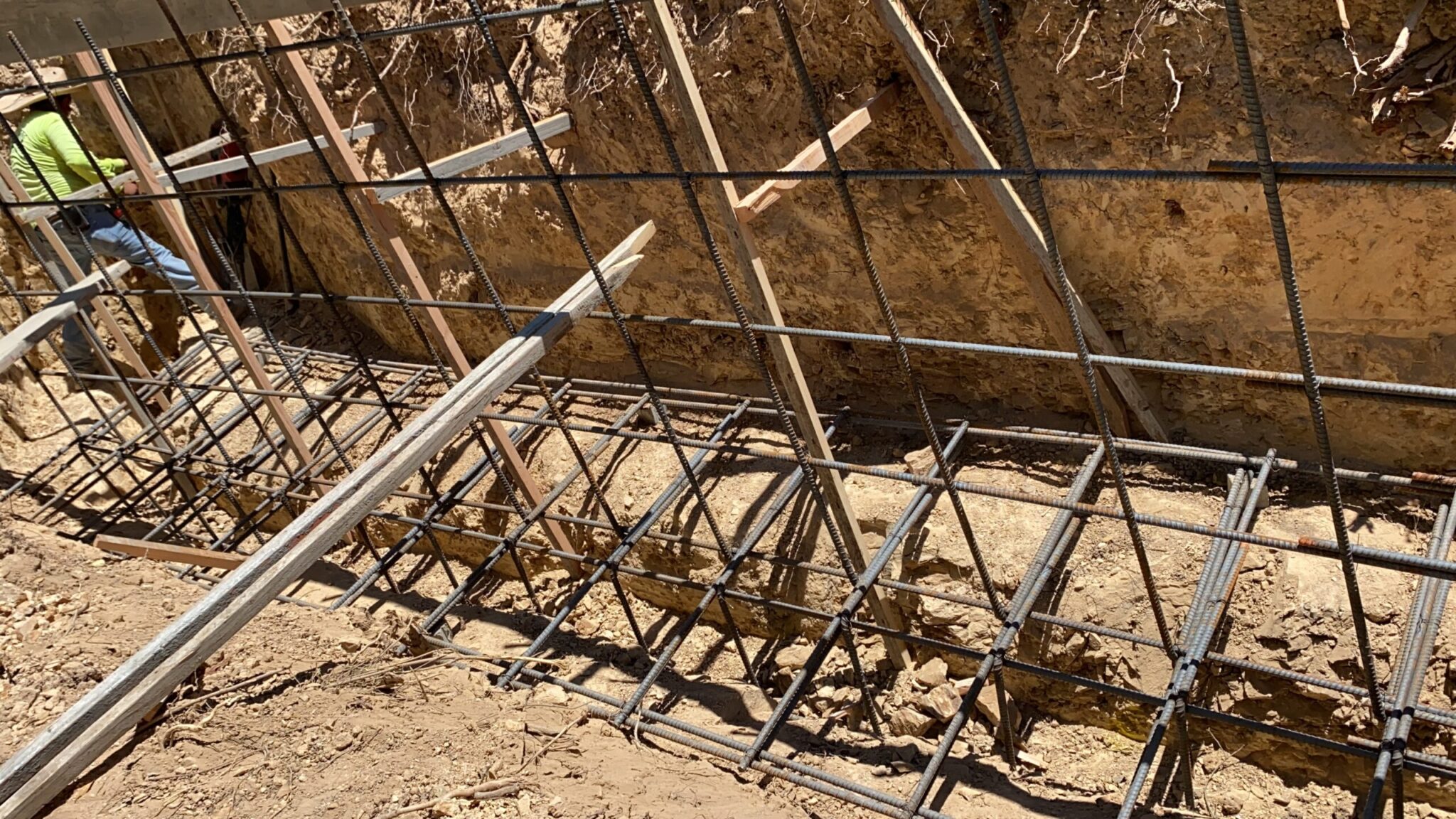
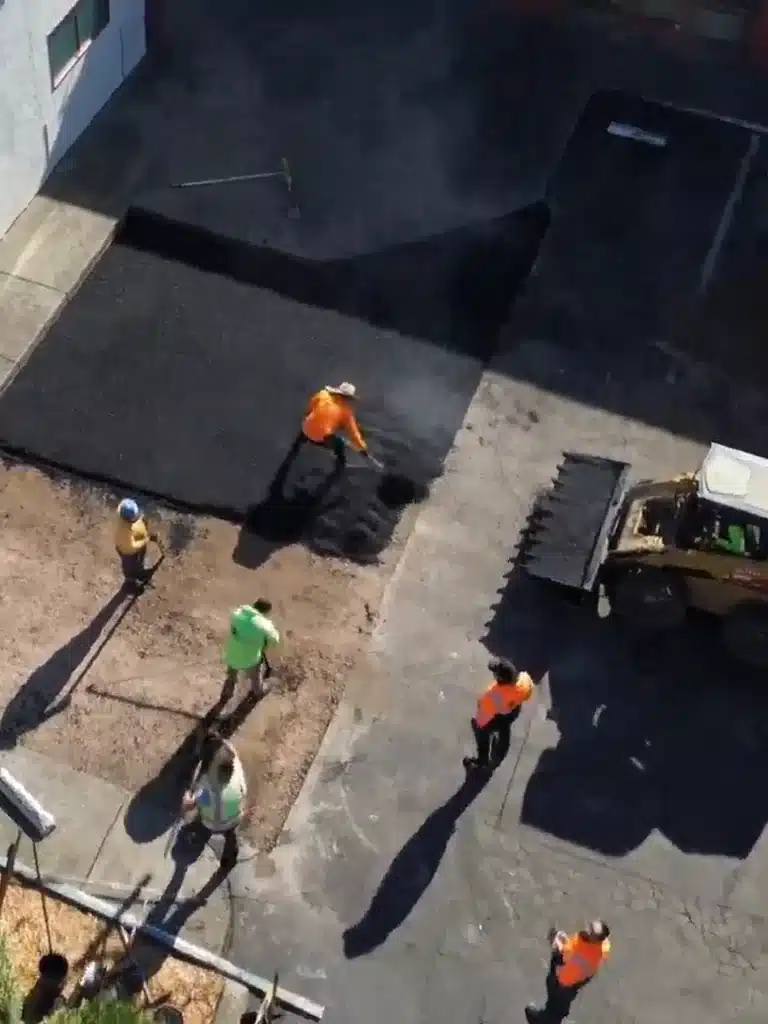
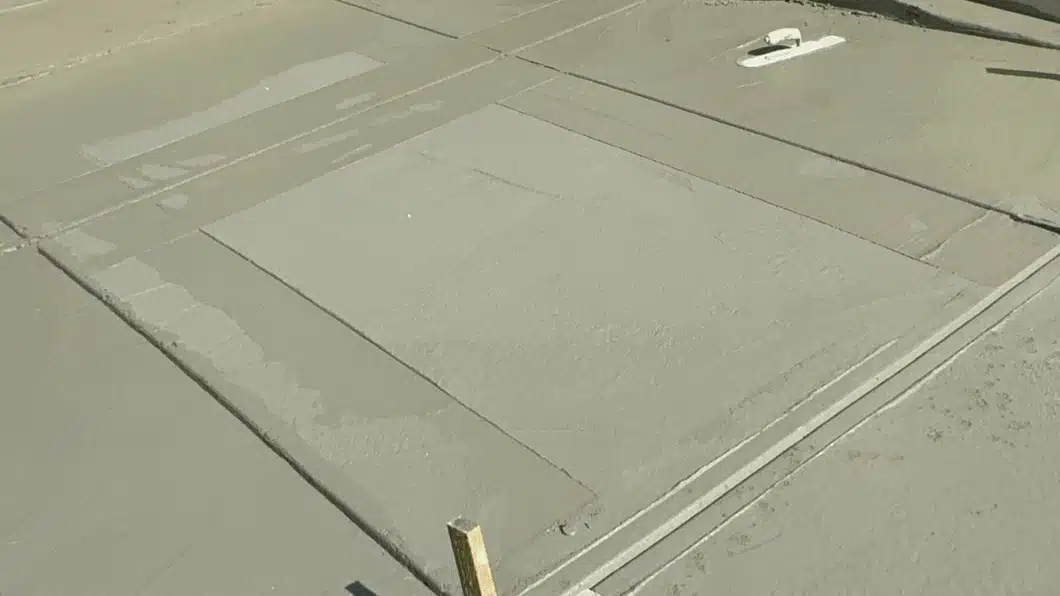
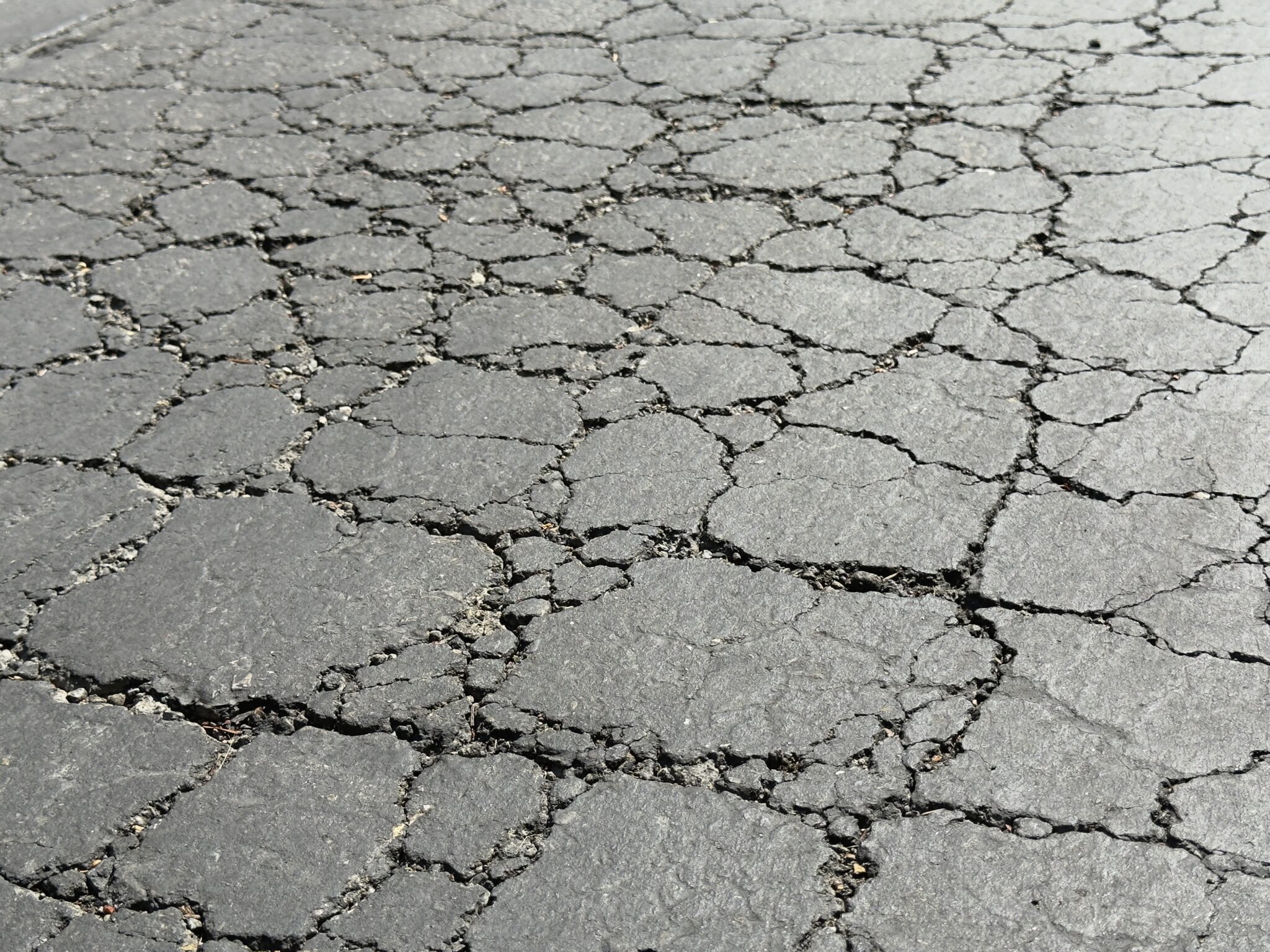
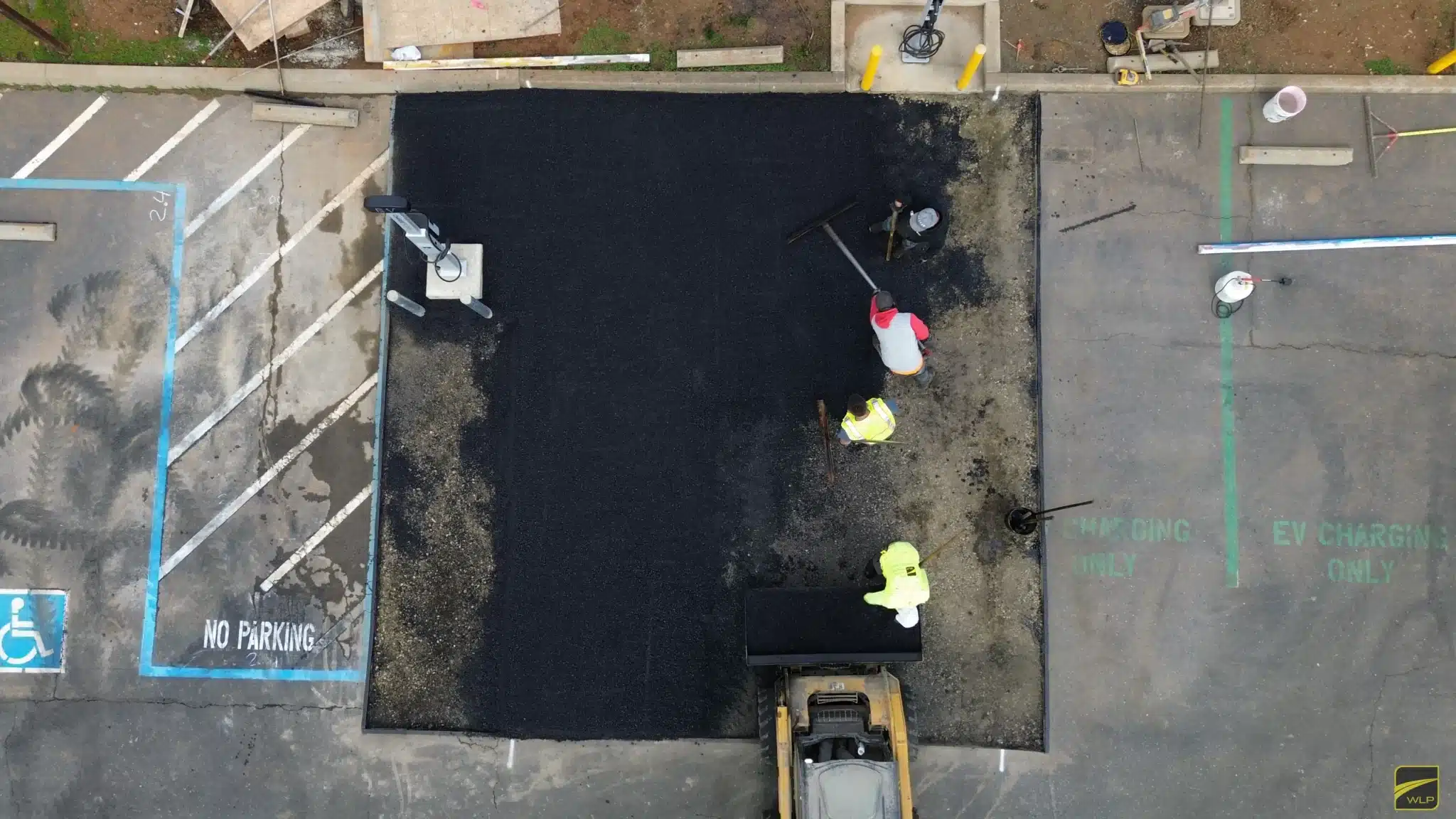
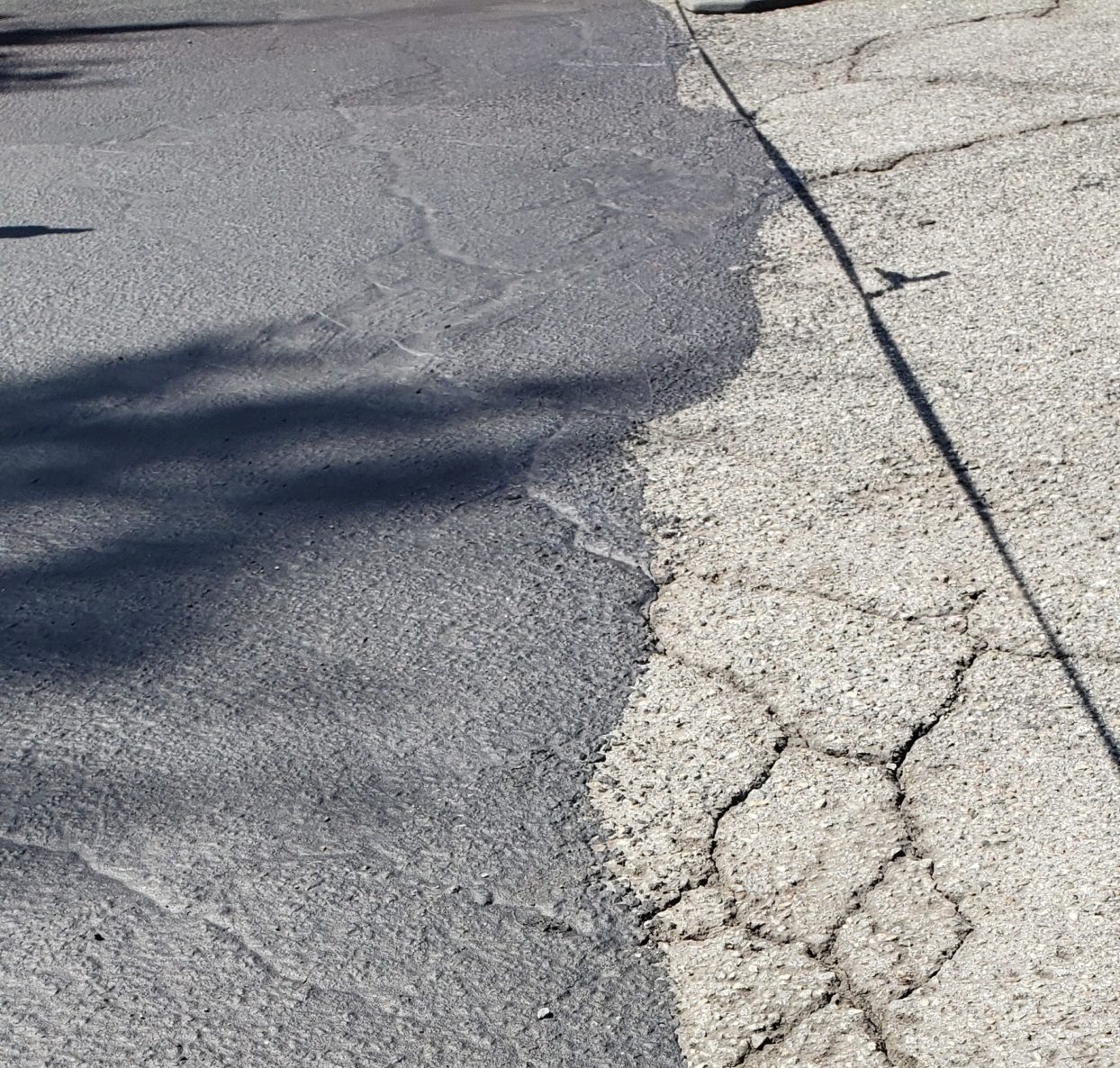
When a slab has heaved more than 1/2 inch, or when the upward pressure has fractured the slab into multiple independent segments, demolition is the only compliant engineering path. The repair team saw-cuts the boundary joints cleanly, breaks out the damaged slab, and excavates the compromised base. If tree roots are the primary cause, arborists or certified pavement contractors must sever the root back past the pavement margin and install high-density polyethylene (HDPE) root barriers to prevent regrowth. Property owners who consider paving over cracked concrete slabs with asphalt must remember that covering a heaved concrete base without correcting the subgrade will result in immediate reflective cracking, as the underlying expansion forces will transfer directly through the fresh asphalt overlay within months.
Engineering Prevention: How to Stop Concrete from Heaving in the Future
Preventing concrete heaving requires controlling the subterranean environment before pouring concrete, focusing on aggregate subbase depth, mechanical compaction, root management, and surface water drainage. Long-term slab stability is achieved below the surface line.
- Class 2 Aggregate Subbase Installation: Place a minimum of 4 to 6 inches of crushed Class 2 aggregate base beneath pedestrian flatwork, and 6 to 8 inches beneath vehicular pavements. Aggregate base acts as a non-expansive buffer that distributes structural loads, interrupts capillary water rise from underlying clay, and provides a stable working platform.
- Compaction to Caltrans Specifications: Following Caltrans Standard Specifications (Section 19 for Earthwork and Section 26 for Aggregate Bases), both the prepared subgrade and the aggregate base must be mechanically compacted to a minimum of 95% relative compaction. High-density compaction eliminates air voids where water can pool and dramatically reduces the swelling capacity of clay subgrades.
- Geotechnical Moisture Barriers and Drains: In expansive soil zones, line the subgrade trench with non-woven geotextile fabric to prevent subgrade clay from pumping upward into the clean aggregate base. Install perforated French drain systems along the uphill edge of pavements to catch subsurface runoff and divert it away from the pavement envelope before it can saturate the base.
- Mechanical Root Barriers: When pouring concrete within 10 to 15 feet of established or newly planted trees, install vertical HDPE root deflectors down to a depth of 18 to 24 inches along the edge of the slab. These barriers force tree root systems downward into deeper soil strata, safely below the structural subbase.
- Joint Sealing and Surface Sloping: Maintain a minimum 1% to 2% cross-slope on all exterior concrete to ensure surface water sheds rapidly into gutters or landscape drainage swales. Seal all control and expansion joints with elastomeric polyurethane or silicone joint sealants to prevent surface runoff from penetrating the slab joints and saturating the vulnerable subbase below.

Taking Action on Compromised Commercial Flatwork
Ignoring a heaved concrete slab exposes property managers and commercial owners to compounding risks: immediate personal injury lawsuits, accessibility non-compliance penalties, and cascading structural damage to adjoining pavement panels. When upward displacement appears, an accurate on-site inspection is required to determine whether mechanical diamond shaving can safely restore ADA compliance or if full subgrade remediation and repouring are required. We Love Paving’s field operations team (CSLB Licensed #1049649, C12 Earthwork and Paving) evaluates subgrade conditions, verifies accessibility slopes, and executes permanent concrete repairs tailored to California soils.