Reviving Sacramento’s Outdoor Spaces: A Comprehensive Guide to Repairing Paving Slabs

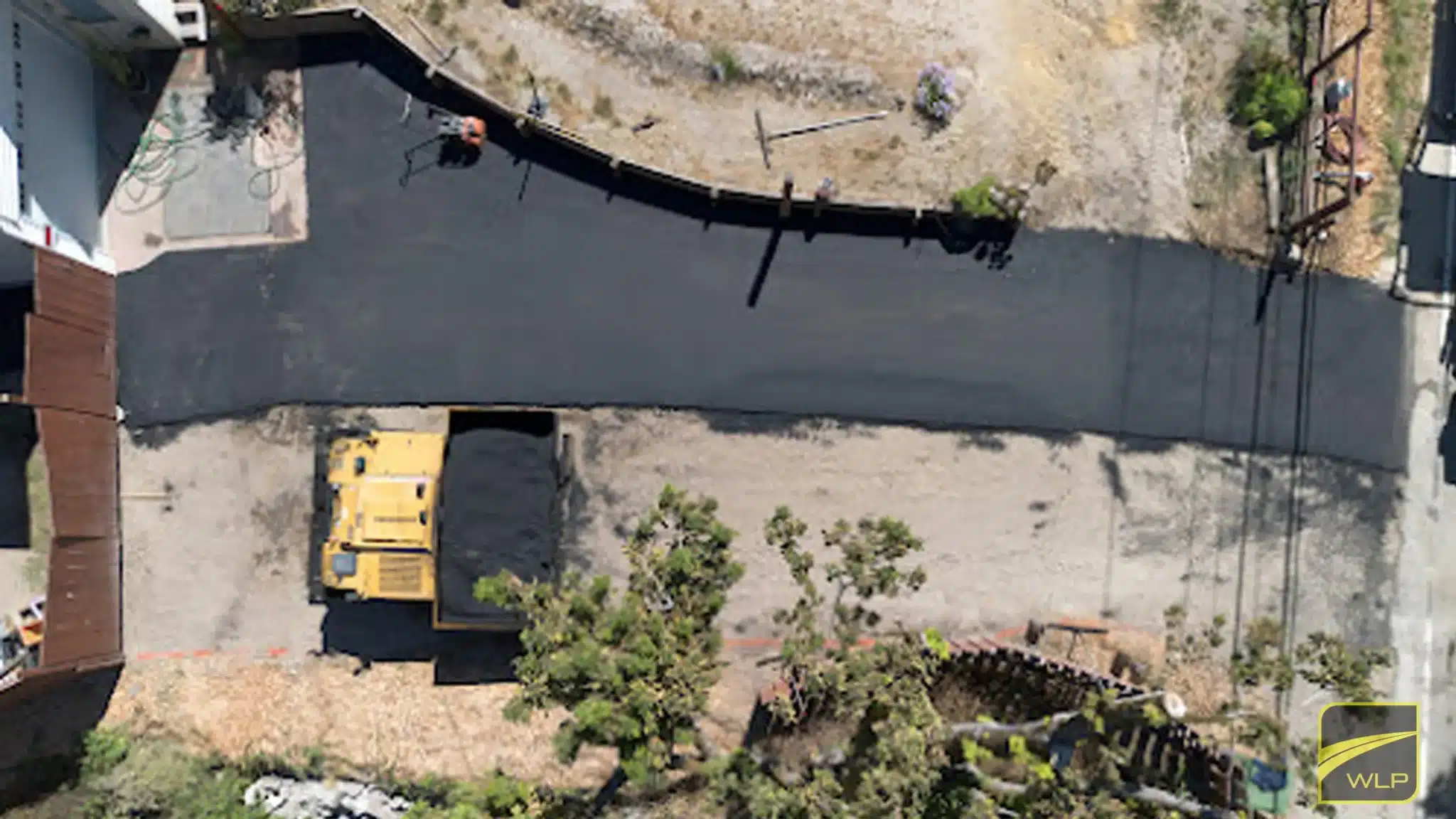
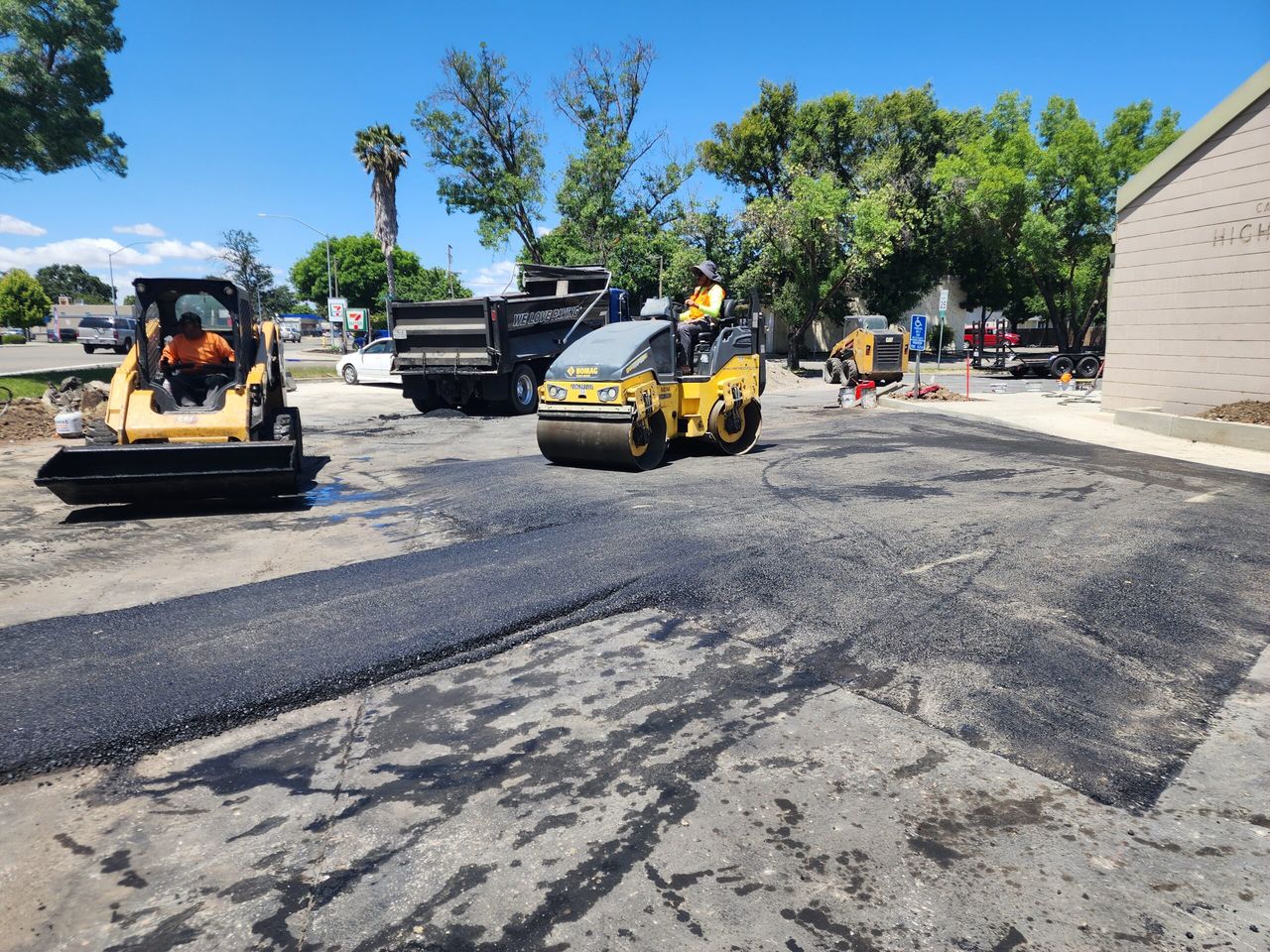
Asphalt Paving in SACRAMENTO, CA
Estimation Tools

Calculate costs in seconds

Fast, accurate estimates that help you close more jobs. Less guesswork, more profit.

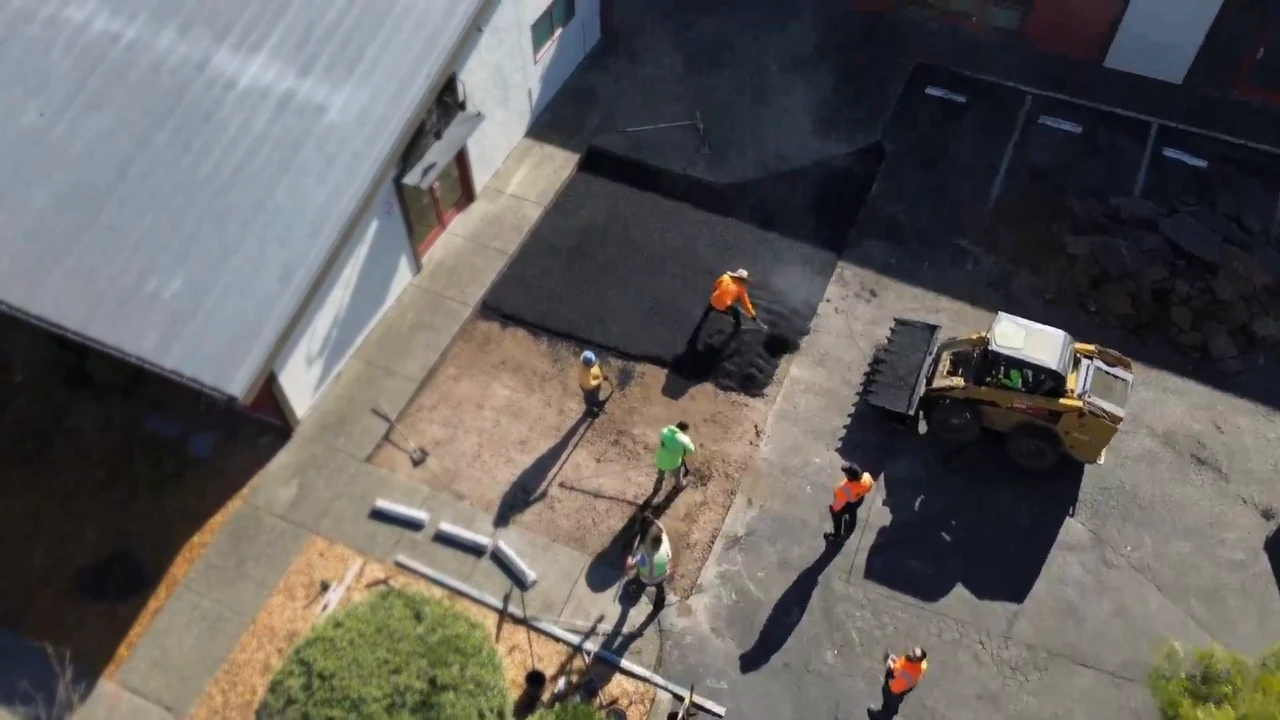
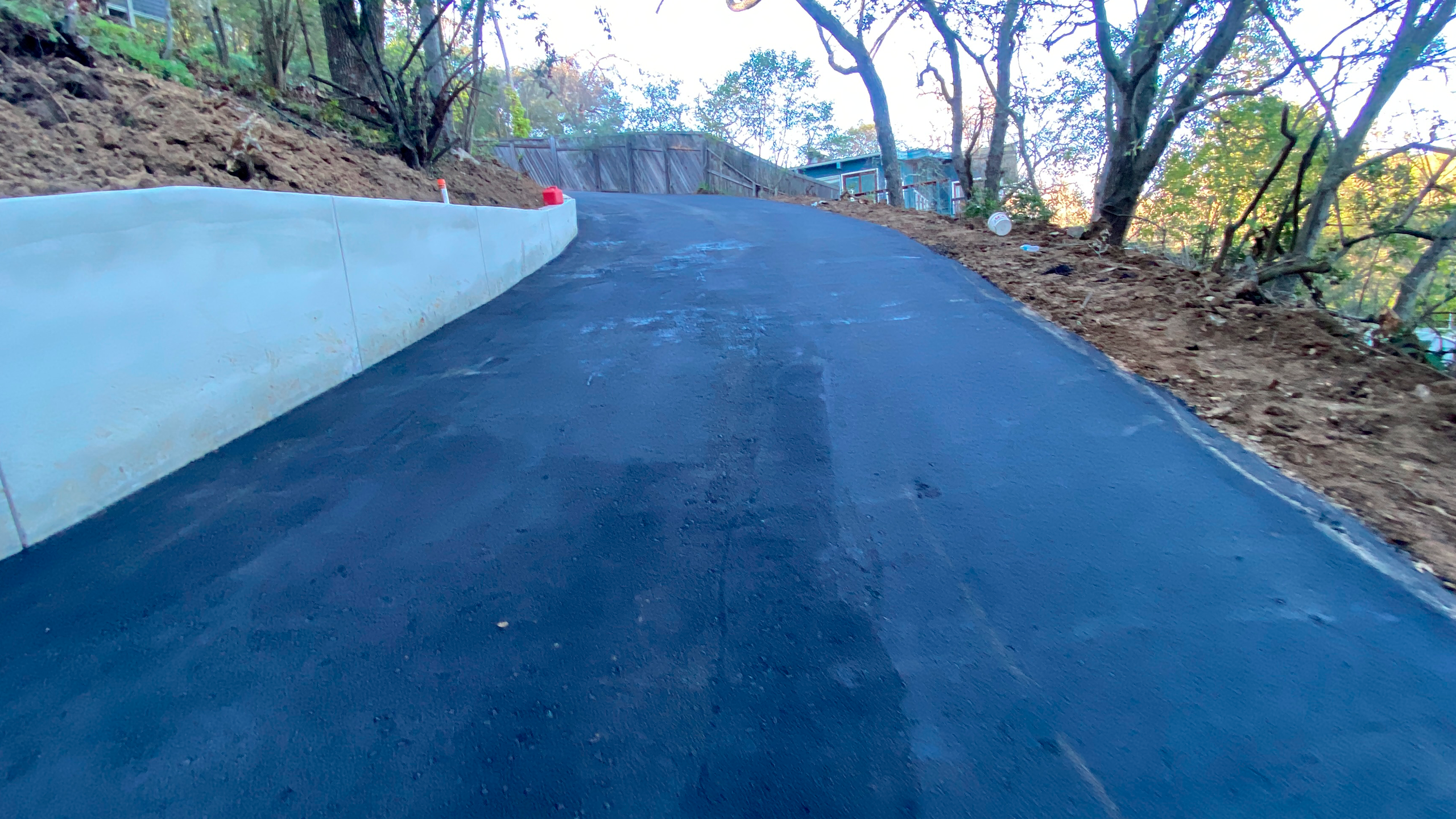
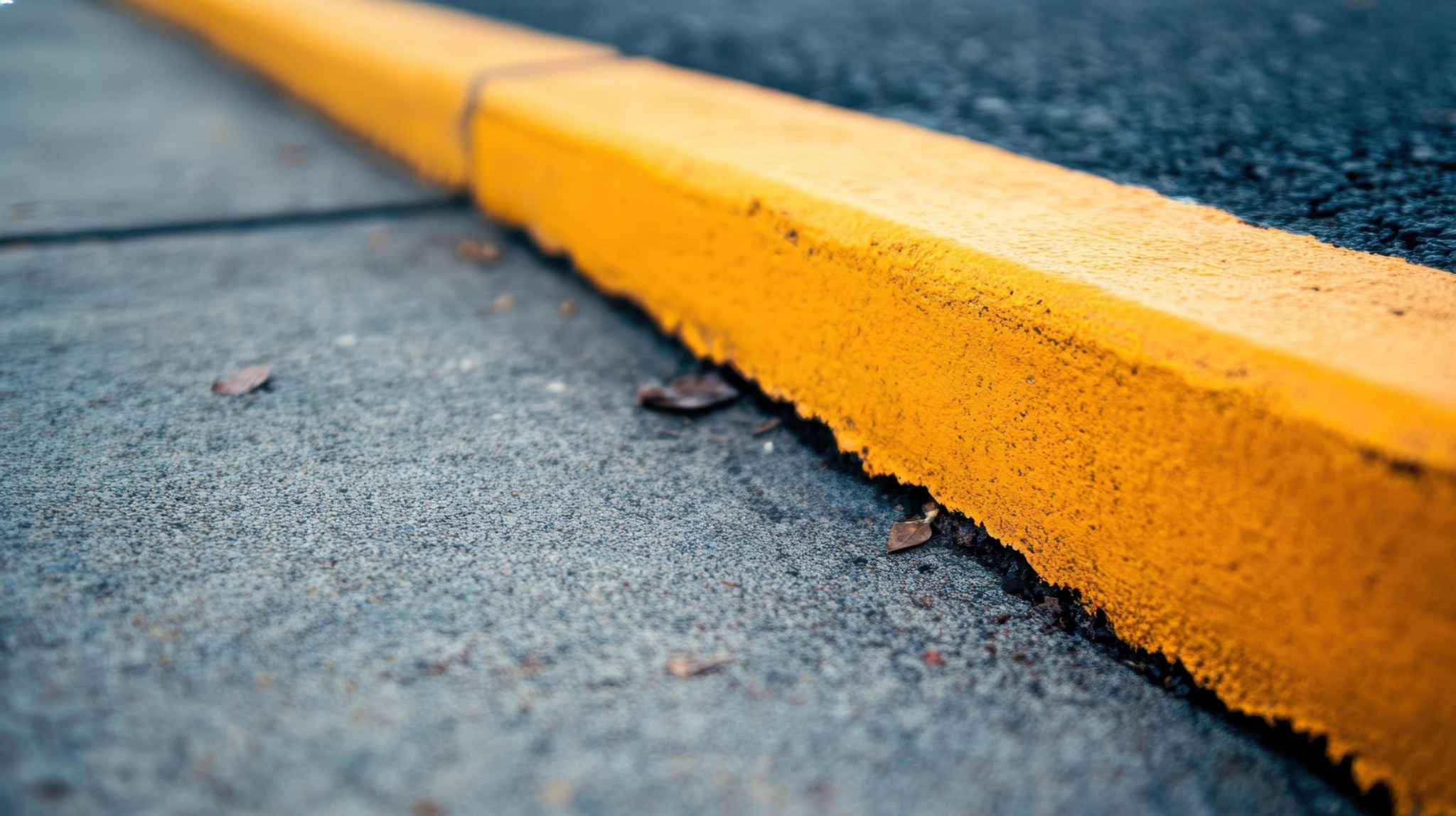
SThe outdoor spaces of your Sacramento property—whether it’s a stylish patio of paving slabs or a functional asphalt driveway—are the first thing visitors notice. Over time, the intense California sun and shifting soil can take a toll, leading to cracks, uneven surfaces, and a weathered appearance.

Reviving these spaces doesn’t just improve aesthetics; it prevents safety hazards and extends the life of your investment. In this comprehensive guide, we’ll walk you through the essential steps to repair both paving slabs and asphalt surfaces effectively.

1. Assessment and Preparation: The Foundation of Repair

Before jumping into repairs, you must understand the extent of the damage. Whether you are dealing with a cracked stone slab or a crumbling asphalt patch, preparation is 80% of the work.

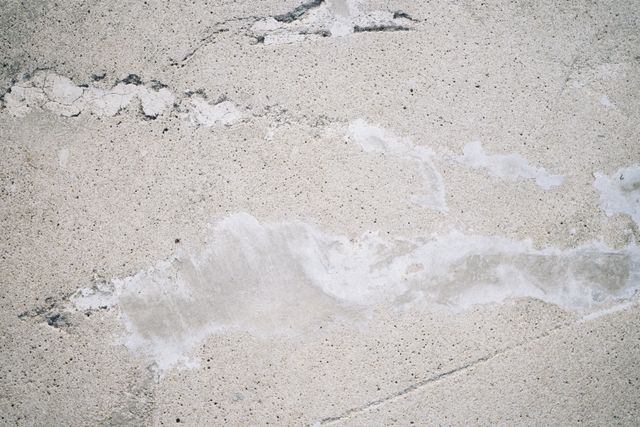
  • Inspect the Damage: Look for hairline cracks, deep fissures, or “alligator cracking” in asphalt. For slabs, check if they are loose or sunken.
  • Clean the Area: Remove weeds, moss, and debris. Use a pressure washer for paving slabs and a stiff broom or air blower for asphalt surfaces to ensure the repair material bonds correctly.
  • Gather Your Tools: You’ll need safety gear (gloves/goggles), a hammer and chisel for slabs, and specialized crack filler or “cold patch” compound for asphalt.

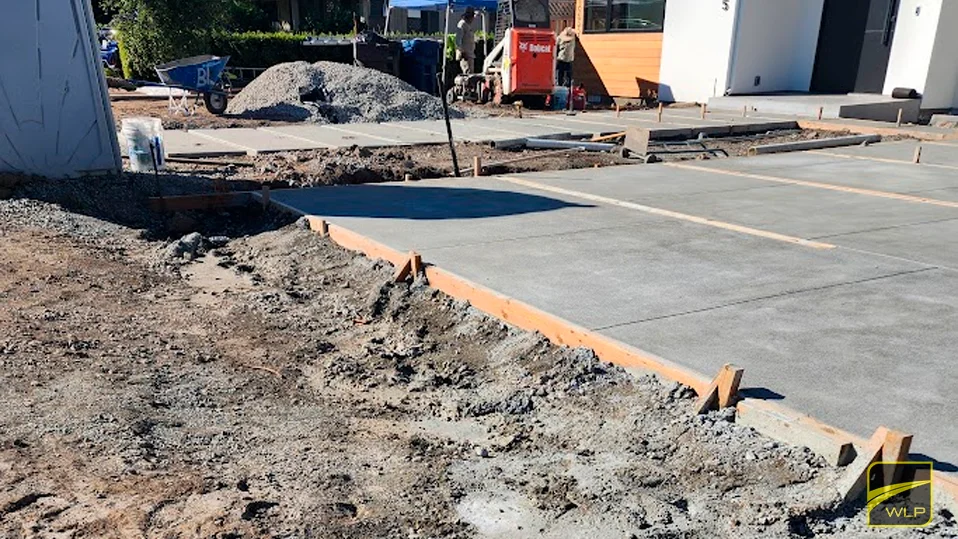
2. Repairing Paving Slabs: Precision and Stability

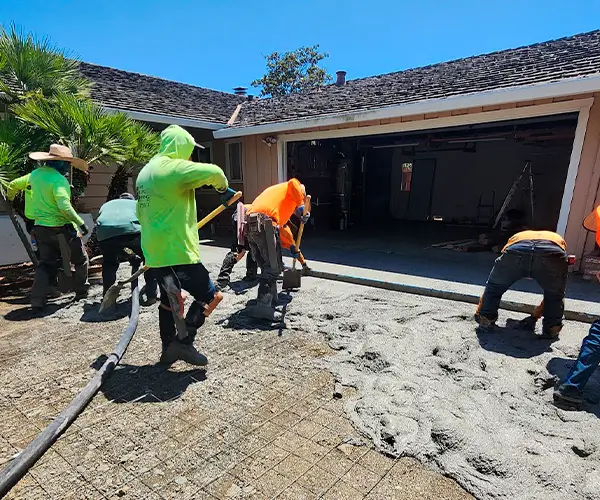
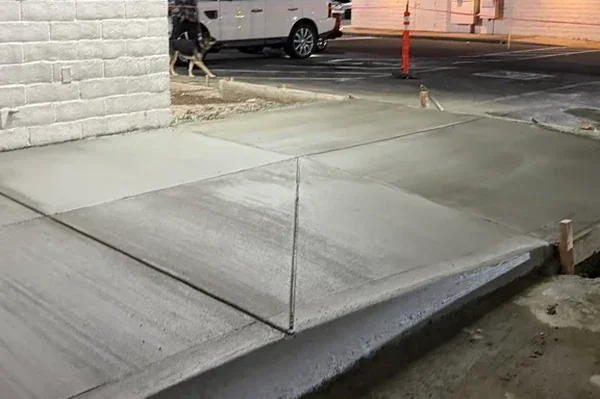
Paving slabs are popular in Sacramento for patios and walkways. When they fail, it’s usually due to base erosion or heavy impact.

  • Removing Damaged Slabs: If a slab is badly cracked, use a hammer and chisel to break it out carefully without damaging surrounding stones.
  • Leveling the Base: Add a fresh layer of sand or mortar to the base. This is crucial in Sacramento’s climate to prevent future shifting.
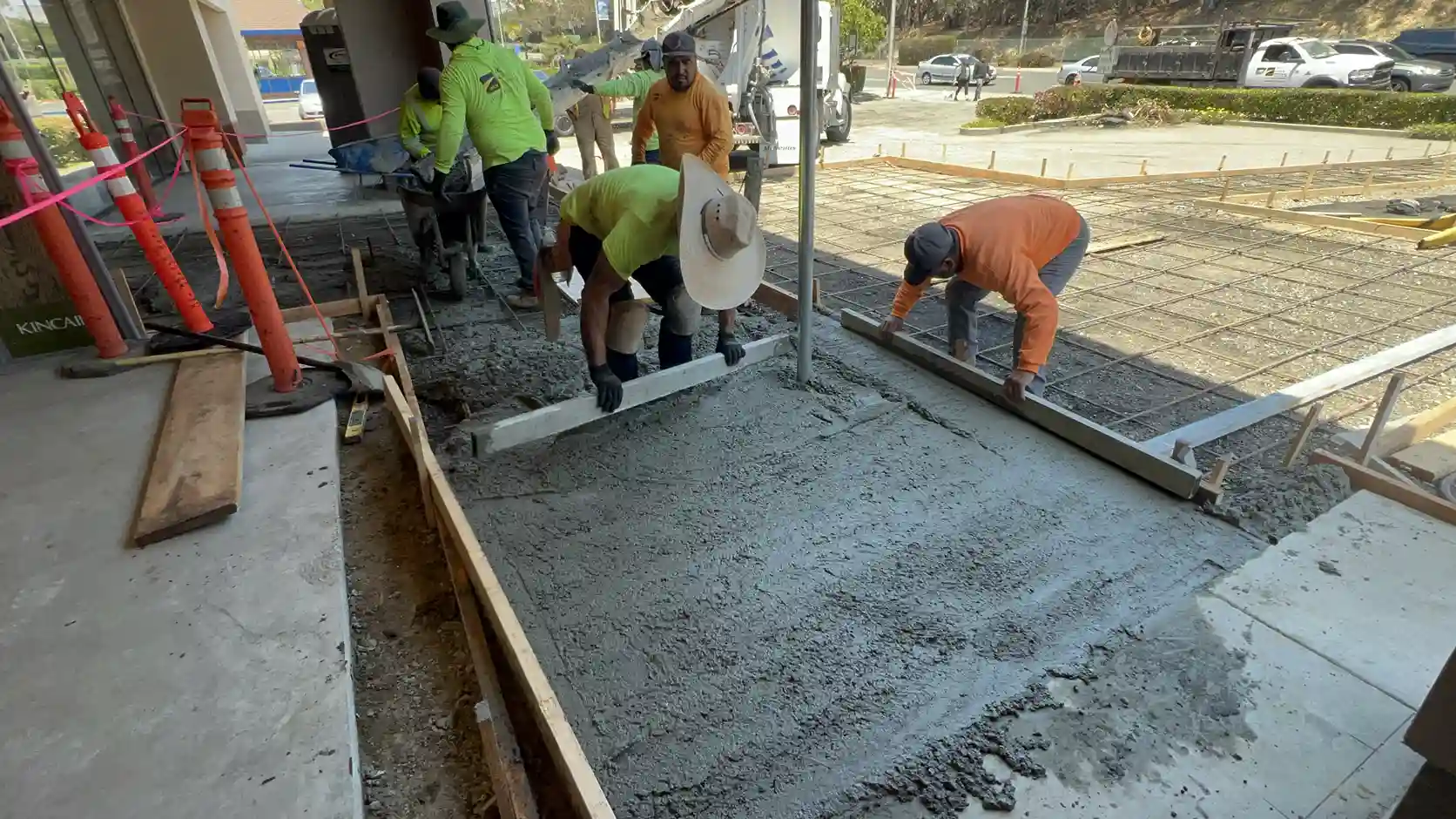
  • Setting the Slab: Place the new or cleaned slab, ensuring it sits flush with the rest of the surface. Use a rubber mallet for adjustments.
  • Jointing: Fill the gaps with jointing sand or mortar to lock everything in place.

To ensure long-lasting adhesion of the sealant, utilize the routing technique. This involves slightly widening the crack with a router or specialized tool to create a clean, uniform channel. This allows the repair material to penetrate deeper, preventing it from popping out during Sacramento’s intense temperature fluctuations.

3. Reviving Asphalt Surfaces: Durability and Sealing

Asphalt is a resilient material, but it requires specific techniques to repair once it begins to oxidize or crack.

  • Addressing Cracks: For small cracks in asphalt, use a high-quality liquid crack filler. This prevents water from seeping into the subbase—the leading cause of potholes in Sacramento.
  • Patching Potholes: For deeper holes, use an asphalt cold patch product. Fill the hole, overfilling slightly, and then compact it thoroughly using a hand tamper or the weight of a vehicle.
  • The Importance of Compaction: Just like with paving slabs, the stability of asphalt relies on how well the material is packed down. A loose patch will fail quickly under traffic loads.

4. Addressing Common Causes of Deterioration

Why do Sacramento’s outdoor spaces need so much love?

  1. Extreme Heat: High temperatures cause asphalt to soften and paving slabs to expand, leading to buckling.
  2. Water Infiltration: Even with little rain, improper drainage can wash away the subbase of your slabs or cause “pumping” in asphalt roads.
  3. Heavy Loads: Vehicles parked on surfaces not rated for their weight will cause rapid cracking.

Beyond the weather, high traffic volume in areas near Downtown Sacramento or busy commercial strips accelerates wear. If your slabs are located in high-traffic walkways or loading zones, the repair must prioritize high-durability materials to prevent the slabs from sinking again under constant structural pressure.

5. Finishing Touches: Protection for the Long Haul

Once the repairs are complete, protection is key.

  • For Slabs: Consider a breathable sealer to prevent staining and weed growth in the joints.
  • For Asphalt: Sealcoating is your best defense. Applying a sealcoat to asphalt surfaces every 2-3 years protects the binder from UV rays and moisture, keeping the surface dark and flexible.

Whether you’re repairing a decorative walkway or a heavy-duty road, the principles remain the same: clean thoroughly, repair with quality materials, and protect for the future. By following this guide, you can restore the beauty and functionality of your Sacramento property, ensuring it remains safe and attractive for years to come.

Need Immediate Help?

Let's Talk About Your Project

Don't wait until minor damage turns into major expenses. Our team of experts is ready to provide you with guaranteed solutions. Contact us now for direct advice from a professional.

Frequently Asked Questions (FAQ)

Got Questions? Find Your Answers Here!!

How do you achieve a long-lasting asphalt crack repair in Sacramento?

To repair asphalt cracks in Sacramento effectively, apply a high-quality liquid filler or cold patch after deep cleaning the area. You must utilize the routing technique to widen the fissure into a uniform channel, allowing the material to penetrate deeper and resist popping out during the Central Valley's extreme thermal cycles.

What causes paving slabs to sink or become uneven in California?

Paving slabs typically sink due to base erosion or poor soil compaction beneath the surface. In Sacramento’s climate, intense heat leads to material expansion while improper drainage washes away the subbase, necessitating a fresh layer of bedding sand or mortar to stabilize the slabs against future structural shifting.

What is the correct process for patching potholes in driveways?

To patch potholes, fill the cavity with an asphalt cold patch compound, overfilling the hole slightly above the surface level. The critical step is mechanical compaction using a hand tamper or vehicle weight, ensuring the material is packed densely enough to withstand constant traffic loads and prevent rapid failure.

Why does Sacramento’s extreme heat damage outdoor paving surfaces?

Sacramento’s extreme heat causes asphalt binders to oxidize and become brittle, leading to "alligator cracking" over time. For stone slabs, high temperatures trigger significant thermal expansion resulting in buckling, which requires the application of breathable sealers and flexible jointing materials to maintain surface integrity and prevent long-term degradation.

How often should sealcoating be applied to asphalt in high-traffic areas?

Asphalt surfaces should receive professional sealcoating every two to three years to protect the bitumen binder from UV radiation and moisture infiltration. This preventive maintenance is vital in high-traffic zones near Downtown Sacramento, as it keeps the pavement flexible and prevents water from compromising the structural subbase.

Professional customer review project by We Love Paving in Northern California, California. Verified local construction quality.

Fred / Founder

Fred, Founder and Regional Operations Manager at We Love Paving, comes from a family that values hard work and discipline. Growing up watching his parents work long hours with integrity and dedication, Fred learned early on that quality paving isn’t just about asphalt, it’s about consistency, accountability, and doing the job right.

Share

Posts That Might Interest You

Sacramento Paving Solutions: Can You Put Asphalt Over Dirt?

Sacramento Paving Solutions: Can You Put Asphalt Over Dirt?

May 21, 2026

In Sacramento, California, where the weather is mostly warm and the urban landscape is continually evolving, maintaining durable and attractive driveways, pathways, and parking areas is essential. One common question that homeowners and property managers often ask is whether it’s possible to put asphalt directly over dirt. This comprehensive guide will explore the feasibility, benefits,

Is Asphalt Hard to Maintain?

Is Asphalt Hard to Maintain?

May 20, 2026

Asphalt is a popular material for driveways, parking lots, and roadways due to its durability, cost-effectiveness, and ease of installation. However, like any material, it requires maintenance to ensure longevity and optimal performance. In this blog post, we will explore the challenges and best practices of asphalt maintenance to determine whether it is indeed hard

Signs Your Parking Lot Needs Maintenance Fast

Signs Your Parking Lot Needs Maintenance Fast

May 18, 2026

A parking lot usually tells you when something is starting to go wrong. The problem is that many property owners get used to seeing gradual deterioration and stop noticing the warning signs until the damage becomes expensive. In commercial properties, pavement rarely collapses overnight. What usually happens is slower and less dramatic at first. A

Pavement vs Concrete for Commercial Properties

Pavement vs Concrete for Commercial Properties

May 18, 2026

Choosing between asphalt pavement and concrete is not always straightforward for commercial property owners. Both materials can work well, but the right choice usually depends on how the property operates on a daily basis and how much long-term maintenance the owner is realistically prepared to manage. A busy retail center with constant vehicle turnover will

Next

Estimation Tools

Calculate costs in seconds

Fast, accurate estimates that help you close more jobs. Less guesswork, more profit.