How to Fix a Crumbling Concrete Driveway: The Ultimate Repair Guide

Quality paving materials used in Northern California projects. Premium asphalt and concrete by We Love Paving in Northern California, California.
Estimation Tools

Calculate costs in seconds

Fast, accurate estimates that help you close more jobs. Less guesswork, more profit.

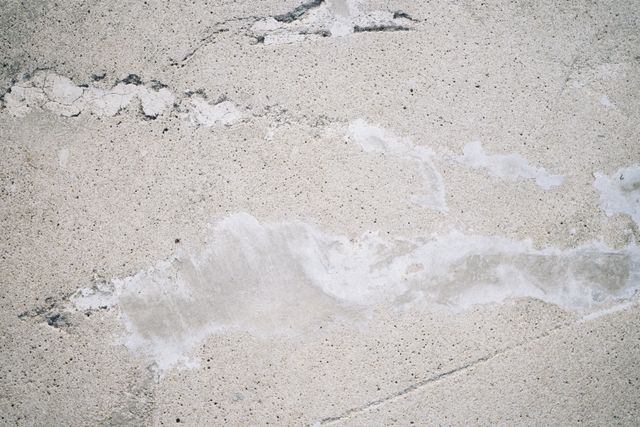
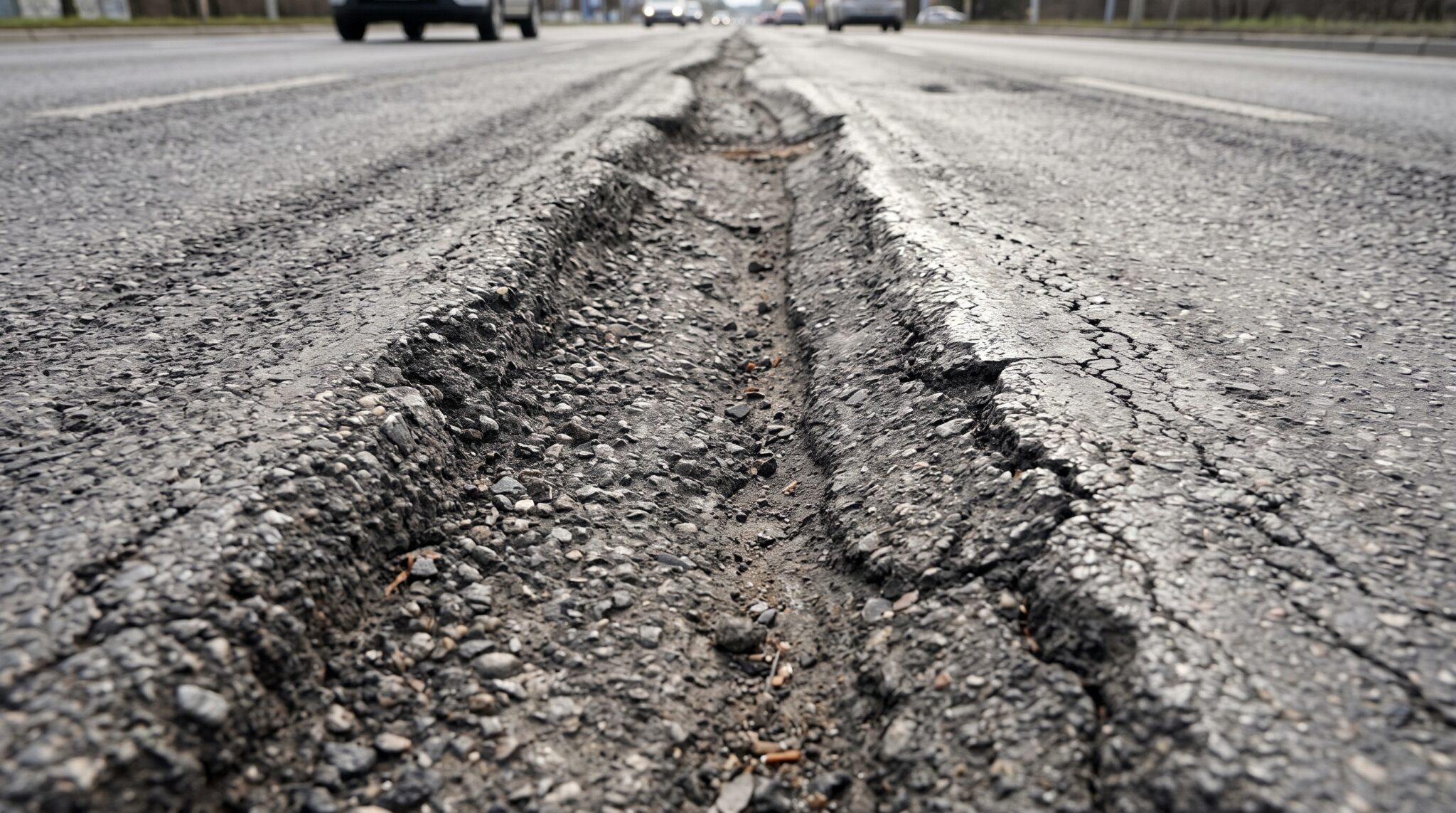
When a concrete driveway starts to crumble, it’s more than a cosmetic issue—it’s a warning sign that the surface is losing its structural integrity. Left untreated, it can lead to major damage, higher repair costs, and safety hazards. Whether you’re a homeowner or manage a commercial property, this guide will show you how to restore your driveway and extend its lifespan.

Why is Your Concrete Driveway Crumbling?

Understanding the root cause is essential to prevent the issue from returning.

  • Freeze-Thaw Cycles: Water seeps into tiny cracks, freezes, expands, and breaks the concrete apart. Reddit+1
  • Poor Installation: Subpar materials, weak concrete mix, or an unstable base/subgrade.
  • Heavy Loads: Traffic exceeding the driveway’s original design capacity.
  • Chemical Damage: Salt, oil, and harsh de-icers that degrade the surface over time.
  • Aging: Even well-installed concrete loses resilience after 20+ years.

Essential Tools & Materials

Before starting, gather the following:

  • Tools: Hammer & chisel (or concrete saw), wire brush, pressure washer, mixing bucket, and trowel.
  • Materials: Concrete resurfacer or patch mix, concrete bonding agent (crucial for adhesion), and high-quality concrete sealer.
  • Safety Gear: Gloves, goggles, and a dust mask.

Step-by-Step Repair Process

1.-Assess the Damage: Determine if it’s surface-level (spalling) or structural. If the slab feels “hollow” or has deep cracks, professional replacement may be needed.

2.-Clean and Prepare: Use a pressure washer to remove dirt and oil. Crucial Step: Use the chisel to remove all loose, crumbling pieces. You need a solid surface for the new material to bond. ics50.com+1

3.-Apply Bonding Agent: Brush on a concrete bonding agent to ensure the new patch sticks to the old concrete.

4.-Mix and Apply Resurfacer: Mix the resurfacer to a pourable consistency. Spread it evenly with a trowel, feathering the edges to blend with the existing driveway.

5.-Curing: Let it cure according to the manufacturer’s instructions. Keep the area moist if required and avoid traffic for at least 48 hours.

6.-Seal the Surface: Once cured, apply a sealer to protect against water, UV rays, and future freeze-thaw cycles.

Pro Maintenance Tips

Reseal every 2-3 years to maintain a waterproof barrier.

Fix small cracks immediately before they turn into crumbling sections.

Ensure proper drainage so water doesn’t pool on or under the slab.

When to Call a Professional

If the crumbling covers more than 25% of the driveway or if the foundation has shifted (uneven slabs), a simple patch won’t work. In these cases, it’s safer and more cost-effective to consult a paving expert for a professional repour.

Need Immediate Help?

Let's Talk About Your Project

Don't wait until minor damage turns into major expenses. Our team of experts is ready to provide you with guaranteed solutions. Contact us now for direct advice from a professional.

Frequently Asked Questions (FAQ)

Got Questions? Find Your Answers Here!!

Why is my concrete driveway crumbling?

Concrete crumbles primarily due to freeze-thaw cycles where absorbed water expands and breaks the internal structure. Factors like weak mixes, poor drainage, or de-icing salts accelerate this degradation. Most driveways lose structural resilience after twenty years, requiring specific chemical bonding agents to restore the surface integrity effectively.

How do you fix a crumbling concrete driveway?

Repair crumbling concrete by removing loose debris with a chisel, pressure washing, and applying a bonding agent. Spread concrete resurfacer evenly with a trowel, feathering the edges to blend correctly. A critical curing period of forty-eight hours is required before resuming heavy vehicle traffic to ensure long-term structural durability.

When should you replace a concrete driveway instead of repairing it?

Replace a concrete driveway if crumbling affects more than twenty-five percent of the total surface area or if slabs are uneven. Hollow sounds when tapping indicate sub-base failure. In these scenarios, patching is a temporary fix that usually costs more than a full professional repour in the long-term.

What are the essential materials for concrete driveway repair?

Professional concrete repair requires high-strength resurfacer, an acrylic bonding agent, and a premium waterproof sealer. Using a wire brush and chisel to expose solid aggregate ensures mechanical anchoring. Omitting a bonding agent often leads to delamination since the new layer cannot chemically fuse to the aged concrete surface.

How do you prevent future concrete driveway damage?

Prevent concrete deterioration by applying a penetrating sealer every two to three years to block UV rays and moisture. Immediate repair of small cracks prevents hydraulic pressure from reaching the sub-base. Ensuring proper side drainage is vital so water does not pool under the structural slab and cause sinking.

Professional customer review project by We Love Paving in Northern California, California. Verified local construction quality.

Fred / Founder

Fred, Founder and Regional Operations Manager at We Love Paving, comes from a family that values hard work and discipline. Growing up watching his parents work long hours with integrity and dedication, Fred learned early on that quality paving isn’t just about asphalt, it’s about consistency, accountability, and doing the job right.

Share

Posts That Might Interest You

What is Driveway Resurfacing? Expert Technical Guide to Asphalt Overlay and When to Use It

What is Driveway Resurfacing? Expert Technical Guide to Asphalt Overlay and When to Use It

April 15, 2026

THE BENEFITS OF RESURFACING In the world of driveway maintenance and improvement, asphalt resurfacing has emerged as a popular and effective solution. As time passes, even the most durable asphalt driveways can succumb to wear and tear, displaying cracks, potholes, and a worn-out appearance. However, instead of tearing up the entire driveway and starting from

Paving Technical Audit: Cost of Driveway Analysis

Paving Technical Audit: Cost of Driveway Analysis

April 14, 2026

A Comprehensive Guide For Homeowners Paving a driveway is a substantial undertaking for any homeowner. Beyond just enhancing curb appeal, it adds value and utility to the property. However, before diving into such a project, it’s crucial to grasp the diverse factors influencing the overall cost. This guide explores these elements, offering insights to empower

Do You Put Sand or Gravel Under Asphalt Paving? A Guide for Sacramento, California

Do You Put Sand or Gravel Under Asphalt Paving? A Guide for Sacramento, California

April 10, 2026

When it comes to installing asphalt paving in Sacramento, California, one of the most common questions homeowners and builders have is whether to use sand or gravel as a base. Both materials play crucial roles in ensuring a durable, stable, and aesthetically pleasing paved surface. This article explores the importance of using sand and gravel

Why is Asphalt So Expensive? A 2026 Audit of Paving Costs and Market Dynamics

Why is Asphalt So Expensive? A 2026 Audit of Paving Costs and Market Dynamics

April 2, 2026

Paving costs have experienced a significant upward trend in recent years, leaving property owners questioning the reasons behind this surge. In this detailed exploration, we delve into the multifaceted factors contributing to the escalating costs of paving in 2026 and beyond. Material Costs and Market Dynamics The cornerstone of any paving project lies in its

Next

Estimation Tools

Calculate costs in seconds

Fast, accurate estimates that help you close more jobs. Less guesswork, more profit.