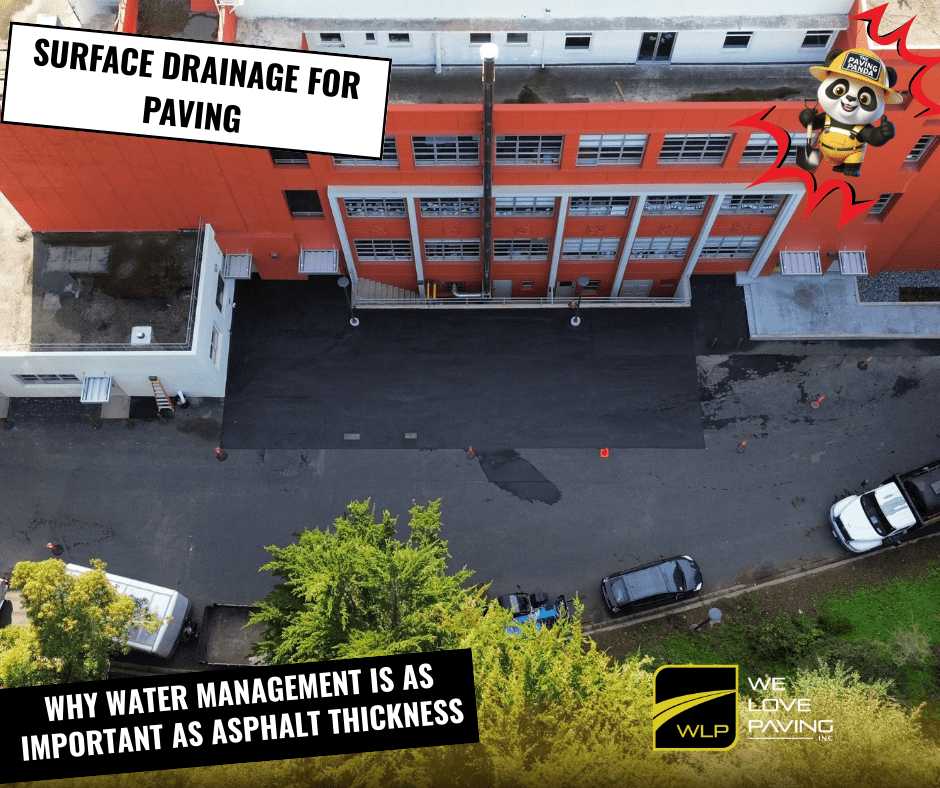
Surface Drainage in Paving: Why Water Management Is as Important as Asphalt Thickness

We Love Paving services in Sunnyvale. Professional paving contractor serving Sunnyvale and Downtown San Jose areas.
Estimation Tools

Calculate costs in seconds

Fast, accurate estimates that help you close more jobs. Less guesswork, more profit.

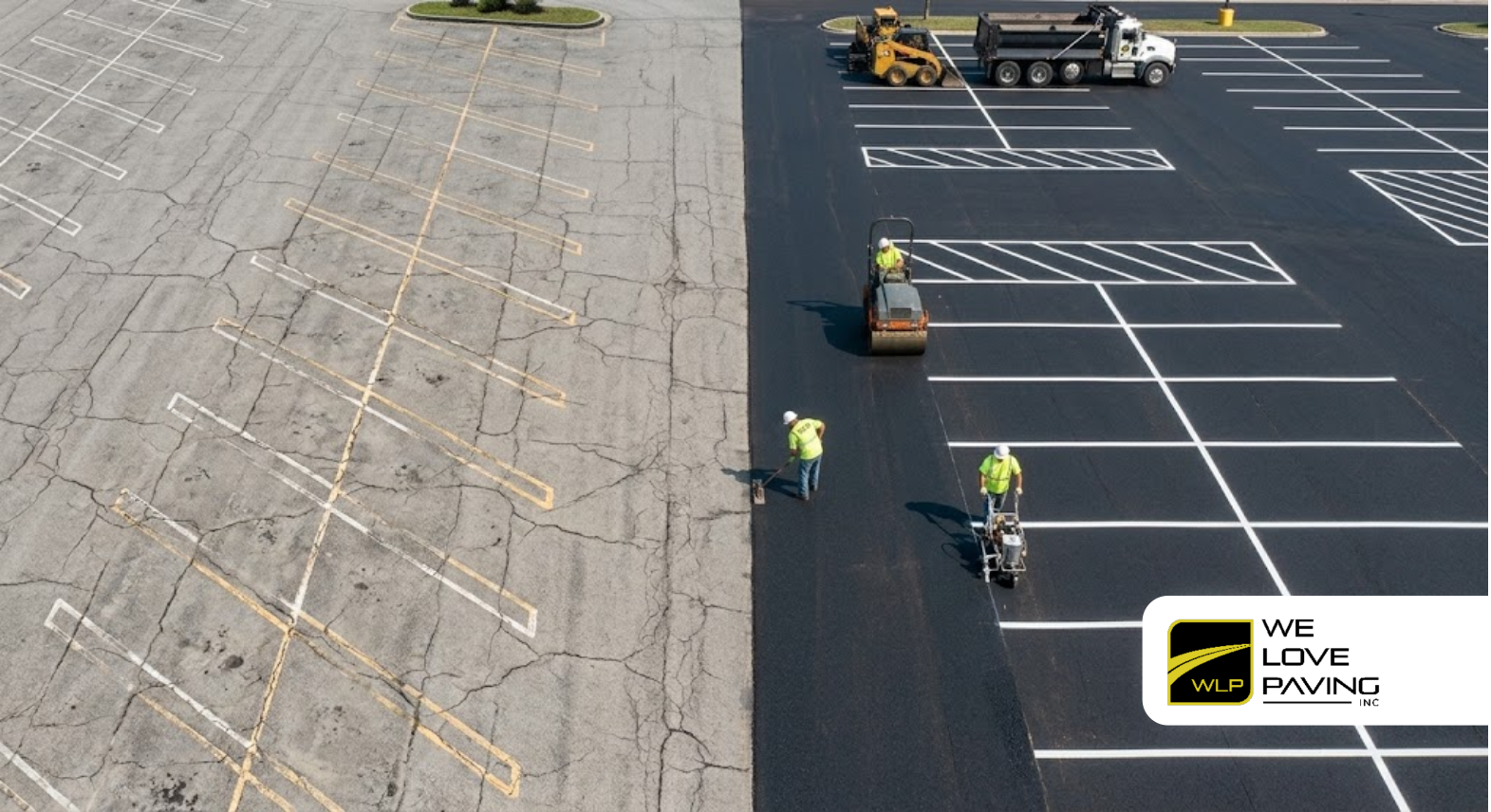
When people think about paving, they focus on surface smoothness, thickness, and materials — but ignoring drainage is one of the biggest mistakes in asphalt construction. At We Love Paving, we engineer every surface with long-term water management in mind, because water is the number one enemy of pavement longevity.

In this post, we’ll break down how WLP designs effective drainage systems as part of every asphalt and concrete project, helping clients avoid premature failure, surface erosion, and liability issues.


Why Drainage Matters More Than You Think

Water infiltration can:

  • Weaken the subgrade and cause structural failure

  • Lead to potholes and alligator cracking

  • Accelerate asphalt oxidation and surface breakdown

  • Create trip hazards and ADA non-compliance

  • Cause ice formation in cold weather zones, leading to expansion cracking

And most of this damage happens below the surface, long before it becomes visible.


WLP’s Drainage Engineering Approach

We don’t treat water management as an add-on — it’s integrated into our core process:


1. Surface Grading and Cross Slope Design

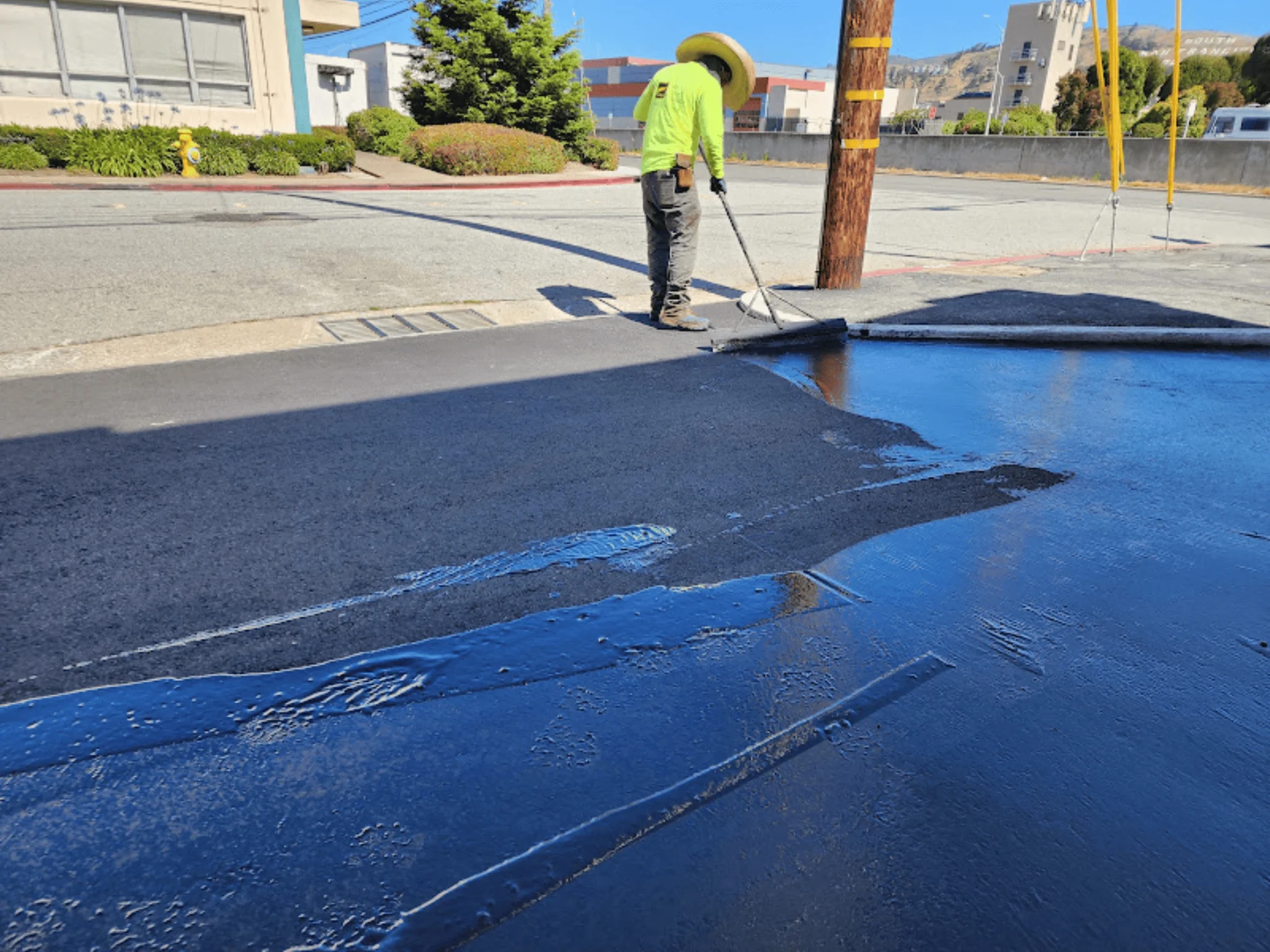
  • Our team designs surfaces with 1.5% to 2.5% cross slopes, depending on use case

  • Laser-guided grading equipment ensures even slope across wide lots

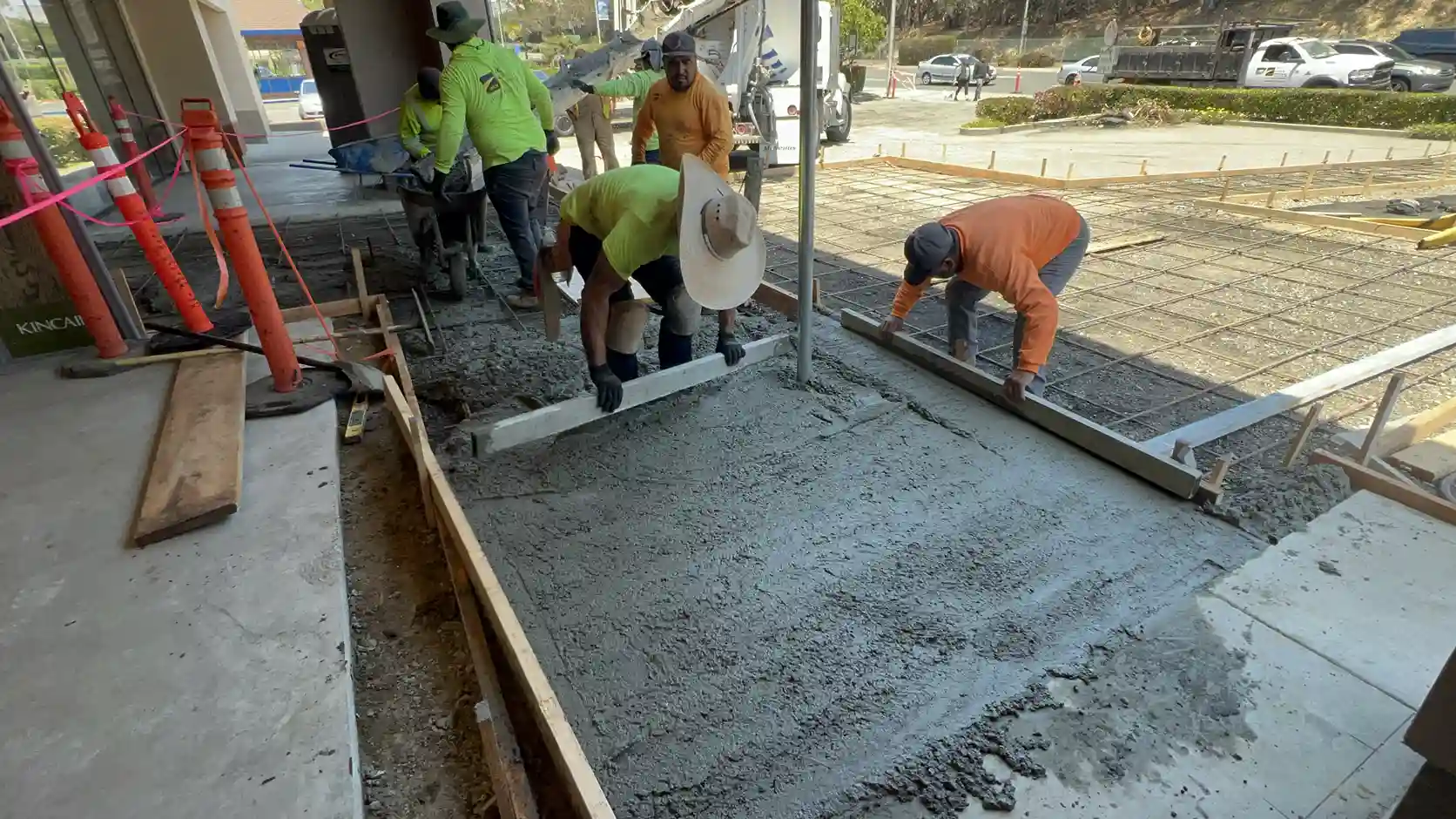
  • For concrete flatwork, we create channelized flow lines toward inlets or curb cuts

Result: Water never sits where it shouldn’t.


2. Subsurface Drainage Integration

For heavy-use areas like commercial lots or fleet yards, we integrate subsurface drainage components:

  • Perforated drainpipes wrapped in geo-fabric for sub-base water control

  • Drain rock trenches along the pavement edge

  • Optional French drain systems for areas with poor permeability

Result: Prevents water buildup beneath pavement that can cause heaving and early failure.


3. Catch Basins and Curb Inlet Design

Our projects involving large parking areas or sloped terrain include:

  • Properly sized catch basins and trench drains based on rainfall runoff volumes

  • Inlet placement according to drainage maps and flow direction modeling

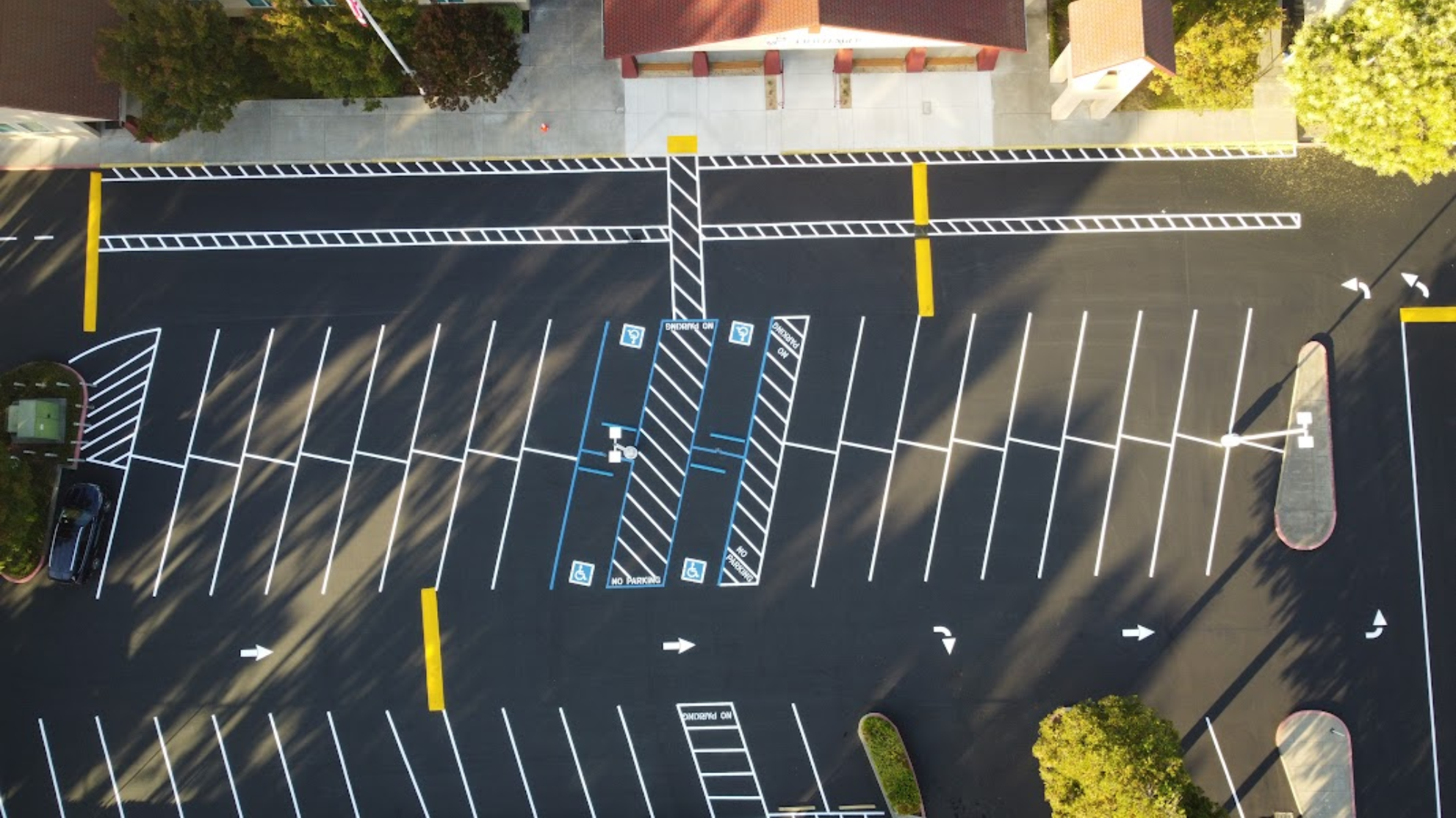
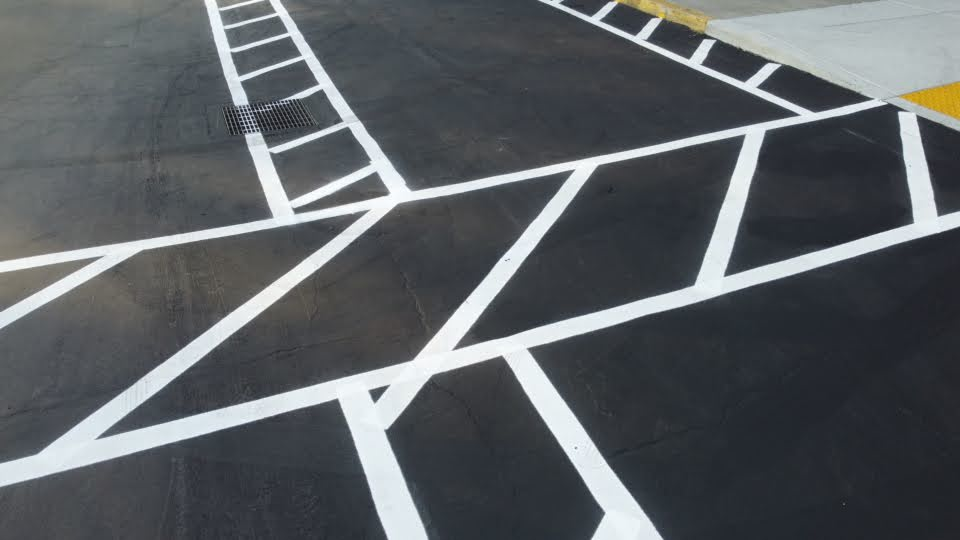
  • ADA-compliant curb cuts and trench grates with non-slip ratings

Result: Controlled flow, fewer ponding problems, and code compliance.


4. Stormwater & Environmental Compliance

Especially in urban and coastal areas, local governments require paving projects to meet stormwater best management practices (BMPs):

  • Flow-through planters or bioretention zones integrated into parking layouts

  • Permeable pavement solutions when required by zoning

  • SWPPP coordination for larger commercial sites

Result: Permits cleared faster, inspections passed with confidence.


Applications We Focus On:

  • Large commercial parking lots

  • Industrial yards and delivery zones

  • School campuses and municipal sites

  • Residential HOA roads and driveways

  • Fleet operations and auto dealerships


Conclusion: Paving That Thinks Beyond the Surface

At We Love Paving, we don’t just build what’s on top — we design what’s beneath. Our integrated approach to drainage and water control ensures your surface performs not just today, but for the next 10–20 years.

📞 Contact WLP for a site-specific consultation and discover the difference that engineered paving can make.

Need Immediate Help?

Let's Talk About Your Project

Don't wait until minor damage turns into major expenses. Our team of experts is ready to provide you with guaranteed solutions. Contact us now for direct advice from a professional.

Frequently Asked Questions (FAQ)

Got Questions? Find Your Answers Here!!

Why is drainage more critical than asphalt thickness for pavement longevity?

Drainage is vital because water infiltration weakens the subgrade, causing structural failure long before surface wear occurs. While thickness provides load support, effective water management using 1.5% to 2.5% cross slopes prevents alligator cracking and sub-base saturation, which are the leading causes of premature asphalt breakdown and potholes.

What is the minimum slope required for commercial parking lot drainage?

A professional commercial parking lot requires a calculated cross slope between 1.5% and 2.5% to ensure efficient runoff. At We Love Paving, we utilize laser-guided grading equipment to maintain this precise gradient, directing water flow toward catch basins or curb cuts to eliminate ponding and maintain ADA compliance.

How do subsurface drainage systems prevent asphalt structural failure?

Subsurface drainage prevents failure by using perforated pipes wrapped in geo-fabric to remove water from the pavement's sub-base. This engineering approach eliminates hydrostatic pressure and prevents soil heaving in heavy-use areas like fleet yards, effectively extending the functional lifespan of the asphalt surface for up to 20 years.

When should a French drain be integrated into a paving project?

A French drain system is necessary when paving over areas with poor soil permeability or high water tables. By installing drain rock trenches along the pavement edge, we redirect subsurface moisture away from the foundation, mitigating the risk of expansion cracking and preventing hazardous ice formation during cold weather.

How does stormwater compliance affect modern paving design?

Modern paving must integrate Best Management Practices like bioretention zones or flow-through planters to meet local environmental regulations. We Love Paving coordinates these features with flow direction modeling and SWPPP standards, ensuring projects pass inspections while utilizing permeable solutions that manage runoff volumes effectively in urban coastal areas.

Professional customer review project by We Love Paving in Northern California, California. Verified local construction quality.

Fred / Founder

Fred, Founder and Regional Operations Manager at We Love Paving, comes from a family that values hard work and discipline. Growing up watching his parents work long hours with integrity and dedication, Fred learned early on that quality paving isn’t just about asphalt, it’s about consistency, accountability, and doing the job right.

Share

Posts That Might Interest You

Sacramento Paving Solutions: Can You Put Asphalt Over Dirt?

Sacramento Paving Solutions: Can You Put Asphalt Over Dirt?

May 21, 2026

In Sacramento, California, where the weather is mostly warm and the urban landscape is continually evolving, maintaining durable and attractive driveways, pathways, and parking areas is essential. One common question that homeowners and property managers often ask is whether it’s possible to put asphalt directly over dirt. This comprehensive guide will explore the feasibility, benefits,

Is Asphalt Hard to Maintain?

Is Asphalt Hard to Maintain?

May 20, 2026

Asphalt is a popular material for driveways, parking lots, and roadways due to its durability, cost-effectiveness, and ease of installation. However, like any material, it requires maintenance to ensure longevity and optimal performance. In this blog post, we will explore the challenges and best practices of asphalt maintenance to determine whether it is indeed hard

Signs Your Parking Lot Needs Maintenance Before Small Problems Spread

Signs Your Parking Lot Needs Maintenance Before Small Problems Spread

May 18, 2026

The signs your parking Lot needs maintenance rarely appear all at once. A parking lot usually warns you in stages. First, the striping fades. Then small cracks appear. Water starts sitting in the same low area after rain. A pothole forms near the entrance. The surface looks dry, gray, and brittle. Tenants, customers, residents, or

Pavement vs Concrete: Which Is Better for Your Commercial Property?

Pavement vs Concrete: Which Is Better for Your Commercial Property?

May 18, 2026

“Pavement vs concrete” is a common comparison, but it starts with a technical problem. Concrete is pavement too. A commercial parking lot, driveway, loading area, or access road can be paved with asphalt, concrete, pavers, or other hard-surface materials. So the real question is not pavement vs concrete. The useful question is asphalt pavement vs

Next

Estimation Tools

Calculate costs in seconds

Fast, accurate estimates that help you close more jobs. Less guesswork, more profit.