Different Types of Asphalt Patching (and When to Use Each)

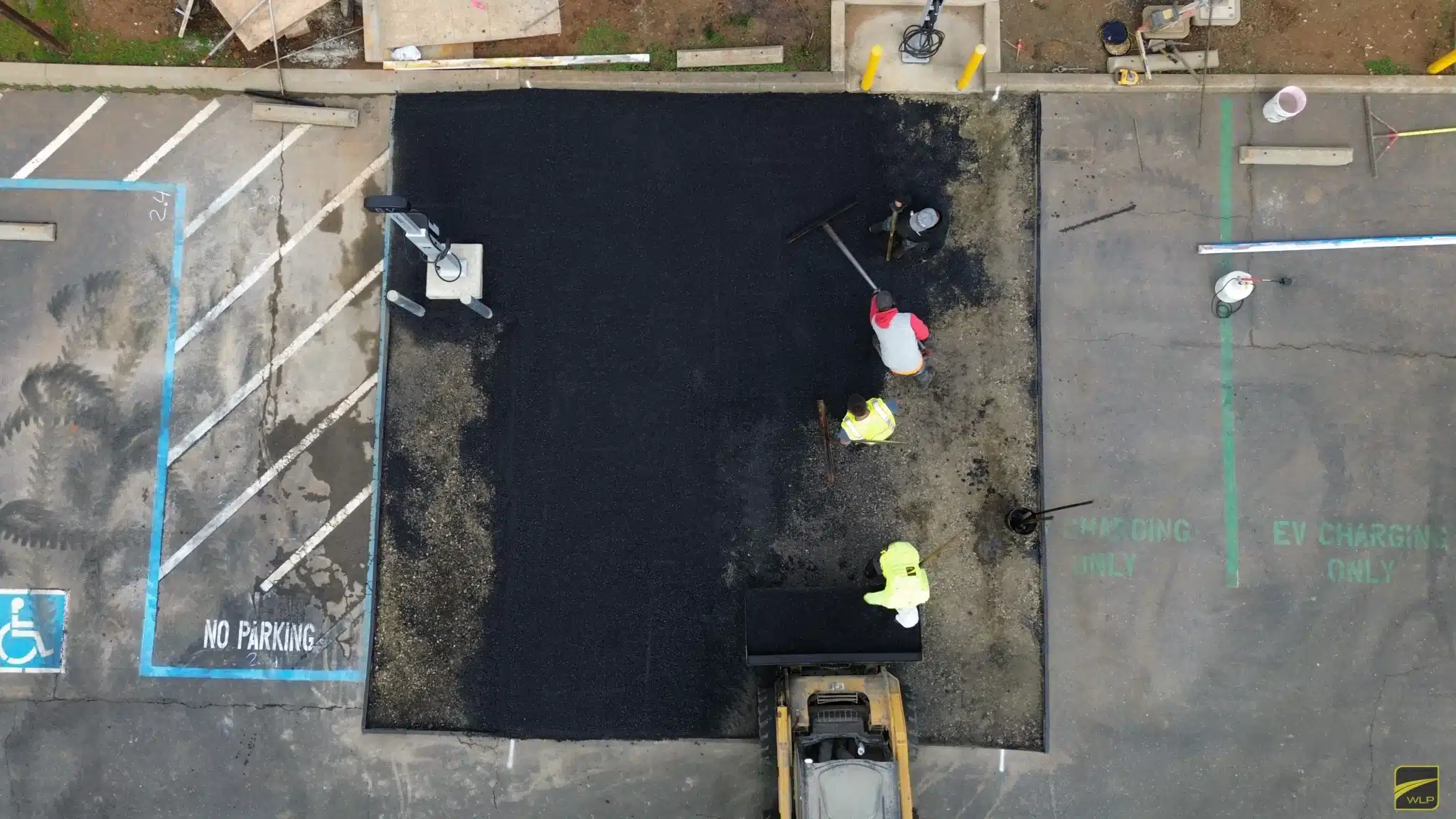
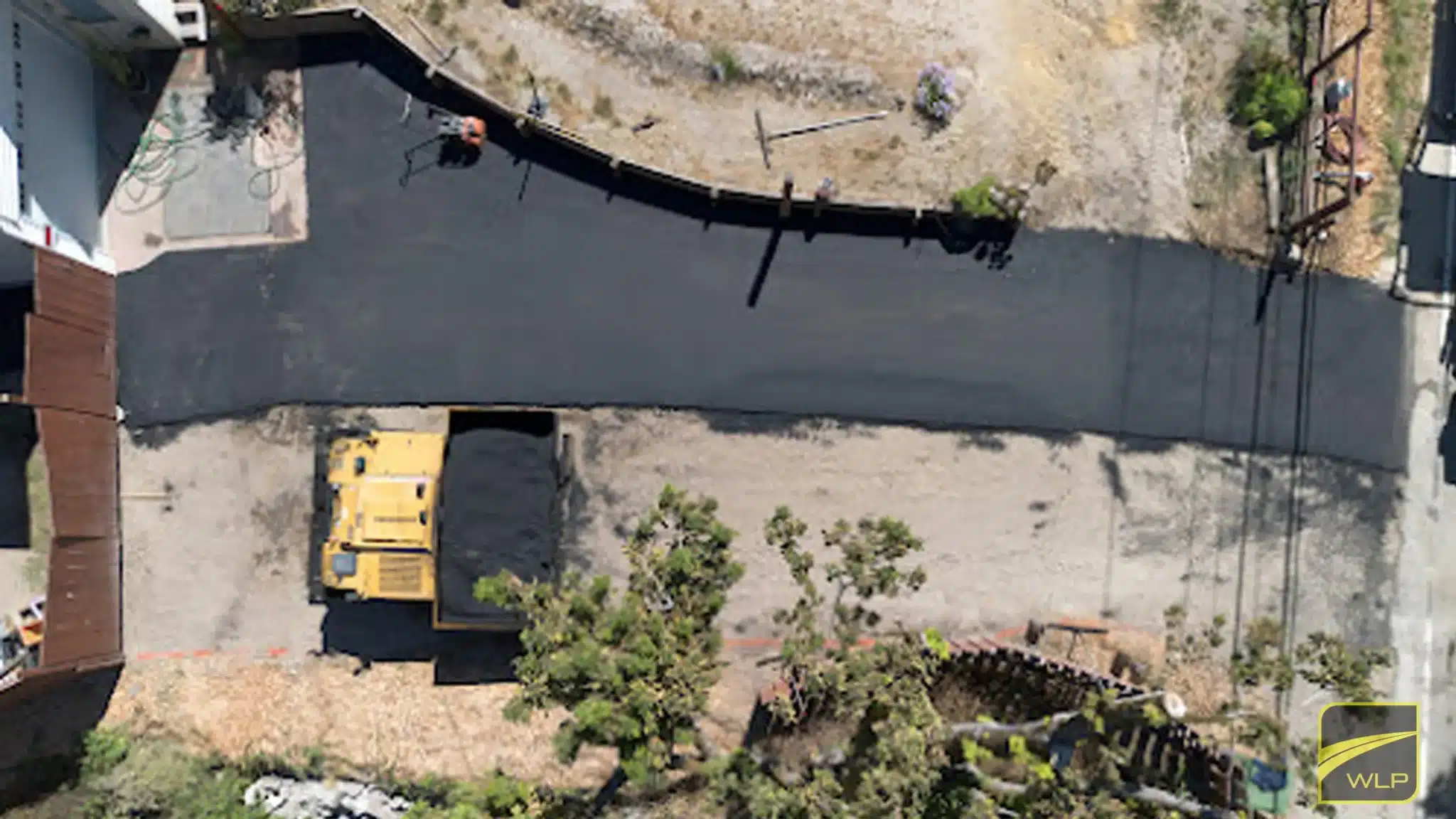
Quality paving materials used in San Ramon projects. Premium asphalt and concrete by We Love Paving in San Ramon, California.
Estimation Tools

Calculate costs in seconds

Fast, accurate estimates that help you close more jobs. Less guesswork, more profit.

When it comes to asphalt repair, not all patching methods are created equal. Each technique serves a specific purpose depending on the extent of damage, budget, and weather conditions. Understanding which type to use can make the difference between a short-term fix and a long-lasting surface.


1️⃣ Throw-and-Go (Temporary Patch)

Best for: Emergency or short-term fixes.
Typical use: Cold weather or when immediate repair is needed.

This is the quickest and simplest method — workers shovel cold mix asphalt into the pothole and compact it with a truck tire or tamper. While it restores drivability fast, it’s not durable and should be replaced with a permanent repair once weather improves.

2️⃣ Semi-Permanent Patch

Best for: Moderate damage and cost-effective durability.
Typical use: Residential roads, parking lots, or moderate traffic areas.

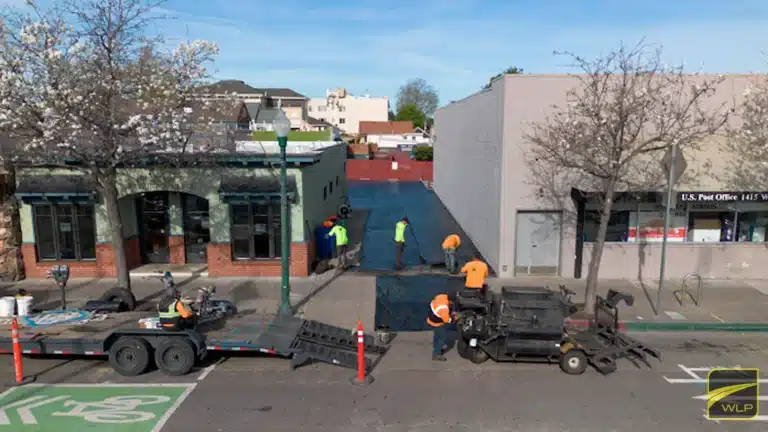
This method involves cleaning the pothole, squaring the edges, and filling it with hot or cold mix asphalt. The surface is compacted thoroughly, ensuring better adhesion and a longer lifespan than throw-and-go repairs.


3️⃣ Full-Depth Patching (Permanent Repair)

Best for: Severe structural damage or base failure.
Typical use: High-traffic areas, heavy-duty commercial parking lots, or industrial driveways.

This is the most durable patching method. The damaged asphalt and base material are completely removed, the base is rebuilt, and new hot mix asphalt is installed in layers. Full-depth patching restores structural integrity and prevents water infiltration.


4️⃣ Infrared Asphalt Patching

Best for: Surface-level defects and seamless aesthetic finish.
Typical use: High-visibility areas (entrances, retail centers, or HOA streets).

Infrared technology heats the damaged area until it softens, then new asphalt is blended into the existing surface. The result is a smooth, seamless patch that’s virtually invisible and prevents new cracks from forming at the edges.


5️⃣ Spray Injection Patching

Best for: Preventive maintenance and low-cost rural repairs.
Typical use: County roads, utility cuts, or long crack lines.

This method uses specialized equipment to blow debris out of the hole, spray a tack coat, and inject asphalt and aggregate mixture under pressure. It’s fast, efficient, and ideal for crews covering large areas.


⚙️ How to Choose the Right Asphalt Patching Method

  • For quick fixes: Throw-and-Go

  • For small but clean repairs: Semi-Permanent

  • For long-term durability: Full-Depth

  • For clean, aesthetic finishes: Infrared

  • For wide-area maintenance: Spray Injection


💡 Pro Tip from We Love Paving

Before patching, always inspect the base layer. Surface fixes won’t last if the foundation is unstable. At We Love Paving, our experts analyze the root cause of pavement failure and select the most effective repair for each situation — ensuring you save time and money in the long run.


Need help choosing the right repair method for your property?
📞 Contact We Love Paving today for a free assessment and quote.

Need Immediate Help?

Let's Talk About Your Project

Don't wait until minor damage turns into major expenses. Our team of experts is ready to provide you with guaranteed solutions. Contact us now for direct advice from a professional.

Frequently Asked Questions (FAQ)

Got Questions? Find Your Answers Here!!

What are the different types of asphalt patching and when should each be used?

The main types include throw-and-go, semi-permanent, full-depth, and infrared patching. Each method is used based on damage severity, traffic load, and urgency, ranging from temporary fixes to long-term structural repairs that restore pavement integrity.

What is the throw-and-go method and when is it appropriate?

Throw-and-go involves filling potholes with cold mix asphalt without preparation, making it ideal for emergency or winter repairs. It is fast and low-cost but lacks durability and should be replaced with a permanent repair later.

When should semi-permanent asphalt patching be used?

Semi-permanent patching is used for moderate damage where the area is cleaned, squared, and compacted before applying asphalt. It provides better durability than temporary fixes and is common in commercial parking lots with moderate traffic.

What is full-depth patching and when is it required?

Full-depth patching removes damaged asphalt and rebuilds the base before installing new layers. It is required when damage reaches the structural foundation and is the only reliable solution for preventing recurring failures in high-traffic areas.

What are the benefits of infrared asphalt patching compared to other methods?

Infrared patching heats and reuses existing asphalt to create a seamless repair without visible joints. It is ideal for surface-level damage, improves appearance, and can last 5 to 8 years under proper conditions.

Professional customer review project by We Love Paving in Northern California, California. Verified local construction quality.

Fred / Founder

Fred, Founder and Regional Operations Manager at We Love Paving, comes from a family that values hard work and discipline. Growing up watching his parents work long hours with integrity and dedication, Fred learned early on that quality paving isn’t just about asphalt, it’s about consistency, accountability, and doing the job right.

Share

Posts That Might Interest You

What is Driveway Resurfacing? Expert Technical Guide to Asphalt Overlay and When to Use It

What is Driveway Resurfacing? Expert Technical Guide to Asphalt Overlay and When to Use It

April 15, 2026

THE BENEFITS OF RESURFACING In the world of driveway maintenance and improvement, asphalt resurfacing has emerged as a popular and effective solution. As time passes, even the most durable asphalt driveways can succumb to wear and tear, displaying cracks, potholes, and a worn-out appearance. However, instead of tearing up the entire driveway and starting from

Paving Technical Audit: Cost of Driveway Analysis

Paving Technical Audit: Cost of Driveway Analysis

April 14, 2026

A Comprehensive Guide For Homeowners Paving a driveway is a substantial undertaking for any homeowner. Beyond just enhancing curb appeal, it adds value and utility to the property. However, before diving into such a project, it’s crucial to grasp the diverse factors influencing the overall cost. This guide explores these elements, offering insights to empower

Do You Put Sand or Gravel Under Asphalt Paving? A Guide for Sacramento, California

Do You Put Sand or Gravel Under Asphalt Paving? A Guide for Sacramento, California

April 10, 2026

When it comes to installing asphalt paving in Sacramento, California, one of the most common questions homeowners and builders have is whether to use sand or gravel as a base. Both materials play crucial roles in ensuring a durable, stable, and aesthetically pleasing paved surface. This article explores the importance of using sand and gravel

Why is Asphalt So Expensive? A 2026 Audit of Paving Costs and Market Dynamics

Why is Asphalt So Expensive? A 2026 Audit of Paving Costs and Market Dynamics

April 2, 2026

Paving costs have experienced a significant upward trend in recent years, leaving property owners questioning the reasons behind this surge. In this detailed exploration, we delve into the multifaceted factors contributing to the escalating costs of paving in 2026 and beyond. Material Costs and Market Dynamics The cornerstone of any paving project lies in its

Next

Estimation Tools

Calculate costs in seconds

Fast, accurate estimates that help you close more jobs. Less guesswork, more profit.