The 2026 Asphalt Maintenance Playbook for Property Managers

We Love Paving services in Richmond. Professional paving contractor serving Richmond and Mission District areas.
Estimation Tools

Calculate costs in seconds

Fast, accurate estimates that help you close more jobs. Less guesswork, more profit.

Asphalt isn’t just “part of the property.”
It’s an asset — one that quietly loses value each year you ignore it.

In 2026, with rising material costs, stricter ADA enforcement, and heavier parking lot usage, property managers can’t afford to treat asphalt maintenance reactively. The smartest operators use a proactive, system-based playbook to protect their investment and avoid expensive surprises.

This guide breaks down exactly how to manage your asphalt the way top-tier PMs do.


1. Know Your Pavement’s Life Cycle (2026 Reality Check)

Asphalt isn’t permanent — but its lifespan depends almost entirely on maintenance.
Here’s the 2026 lifecycle you should expect:

  • 0–3 years: Perfect condition, no cracks

  • 3–5 years: Light oxidation begins

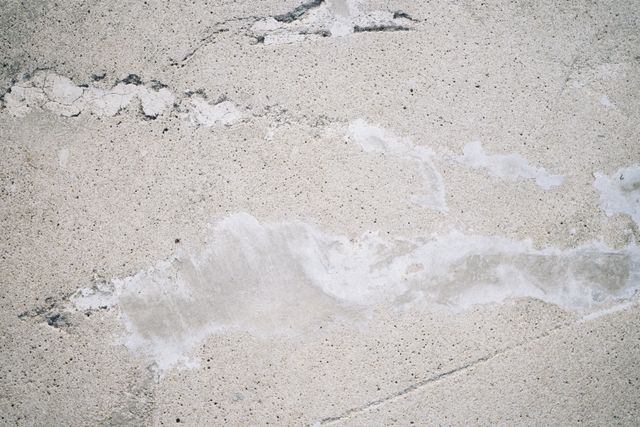
  • 5–7 years: First cracks appear (critical window for crackfilling)

  • 7–10 years: Structural wear increases, sealcoat needed

  • 10+ years: Accelerated deterioration → patching, resurfacing, or replacement

2026 inflation note:
A crack today might cost $1–$3 to seal.
Ignore it, and it becomes a $40–$80 patch — then a $15,000+ resurfacing zone.


2. The 2026 Budget Equation: Spend a Little Now or a Lot Later

Smart property managers follow this rule:

1–3% of the replacement cost per year keeps your pavement healthy for 25+ years.

Replace a full lot in California?
That’s $120k–$450k depending on size.

Meaning:
Budgeting $2k–$8k annually is the difference between longevity and disaster.

In 2026, with rising crude oil prices and labor costs, this equation matters more than ever.


3. The Three-Tier Maintenance Strategy (2026 Update)

Every PM needs a plan that includes all three tiers below:


Tier 1 — Preventive Maintenance (Your Highest ROI)

  • Crackfilling

  • Sealcoating (every 3–5 years)

  • Minor patching

  • Drainage corrections

Why it matters in 2026:
Preventive work is still the cheapest way to extend pavement life. Costs in California are predicted to rise another 8–12%, so early action saves thousands.


Tier 2 — Corrective Maintenance

When the damage is visible:

  • Alligator cracking

  • Rutting or sinking

  • Potholes

  • Base failures

This requires:

  • Infrared patching

  • Remove & replace

  • Milling & overlay

Cost note 2026:
Corrective repairs are 3–5x more expensive than preventive fixes.


Tier 3 — Capital Improvements

For lots past their lifespan:

  • Full-depth replacement

  • Full resurfacing

  • Lot regrade for drainage

  • New striping layout

Plan this on a 12–15 year horizon.


4. 2026 Inspection Checklist (What PMs Must Record)

A tech-forward contractor will walk your property with a checklist like this:

Structural

  • Alligator cracks

  • Longitudinal / transverse cracks

  • Potholes

  • Base sinking

  • Rutting

Surface

  • Oxidation

  • Raveling

  • Faded striping

  • Sealcoat condition

Drainage

  • Standing water

  • Clogged drains

  • Flow direction issues

ADA Compliance

  • Ramp slope accuracy

  • Parking stall dimensions

  • Cross-slopes

  • Signage

  • Detectable warning placement

If your contractor doesn’t document ADA issues → huge red flag.


5. The 2026 Contractor Evaluation Checklist

Not all contractors are created equal.
Here’s how PMs avoid liabilities:

Ask for:

✔️ Mix type they’ll use (should NOT be generic)
✔️ Their surface prep process
✔️ Photos of similar projects
✔️ Warranty info
✔️ ADA experience
✔️ Traffic control plan

Avoid contractors who:

❌ Don’t specify mix type
❌ Don’t clean or prep the surface
❌ Offer suspiciously low prices
❌ Don’t bring a real crew
❌ Avoid talking about ADA

Cheap work in 2026 is even riskier — costs are up, and contractors cutting corners are everywhere.


6. Planning Maintenance Without Disrupting Tenants

The best PMs follow this workflow:

1. Pre-notice tenants 48–72 hours before
2. Use multi-phase closures (keep 50–70% of the lot open)
3. Require clear signage from contractor
4. Work weekend or overnight (depends on lot size)
5. Get a post-job report with photos

Nothing builds credibility with tenants like a smooth project.


7. Sample 2026 Annual Maintenance Plan

Here’s an example for a medium-sized commercial property:

Q1: Inspection + crackfilling
Q2: Sealcoating + striping
Q3: Infrared repair in high-traffic zones
Q4: Drainage correction + ADA touch-ups

Repeat every year and your lot easily hits 20+ years of life.


8. The Bottom Line (2026)

Property managers who follow a structured, proactive maintenance plan:

  • Spend less over 10 years

  • Avoid ADA lawsuits

  • Keep tenants safe

  • Extend pavement life

  • Get predictable budgets

  • Present better reports to owners

And most importantly…

They never get blindsided by a $40k–$250k replacement bill.

Your content goes here. Edit or remove this text inline or in the module Content settings. You can also style every aspect of this content in the module Design settings and even apply custom CSS to this text in the module Advanced settings.

Need Immediate Help?

Let's Talk About Your Project

Don't wait until minor damage turns into major expenses. Our team of experts is ready to provide you with guaranteed solutions. Contact us now for direct advice from a professional.

Frequently Asked Questions (FAQ)

Got Questions? Find Your Answers Here!!

What is an annual asphalt maintenance plan for property managers?

An annual asphalt maintenance plan is a preventive schedule that coordinates inspections, crackfilling, sealcoating, localized repairs, and drainage corrections before structural failure appears. The guide outlines a quarterly sequence: Q1 inspection and crackfilling, Q2 sealcoating and striping, Q3 high-traffic repairs, and Q4 drainage corrections plus ADA touch-ups.

How should asphalt maintenance be budgeted in 2026?

Asphalt maintenance in 2026 should be budgeted as a recurring annual expense equal to 1% to 3% of total lot replacement cost. The article gives a practical benchmark: if full replacement costs $120,000 to $450,000, setting aside about $2,000 to $8,000 per year helps prevent accelerated deterioration and budget shocks.

Why is preventive asphalt maintenance better than corrective repair?

Preventive asphalt maintenance is better because a crack sealed early may cost only $1 to $3, while neglect can turn that defect into a $40 to $80 patch and eventually a resurfacing zone exceeding $15,000. The playbook also states corrective repairs are typically 3 to 5 times more expensive than preventive fixes.

What should a professional pavement inspection include in 2026?

A professional pavement inspection should record alligator cracking, potholes, base sinking, rutting, oxidation, raveling, faded striping, standing water, and clogged drains. The guide adds a major liability layer: ADA review, including ramp slope accuracy, stall dimensions, cross-slopes, signage, and detectable warning placement, because missing documentation is a major red flag.

How can asphalt maintenance be scheduled without disrupting tenants?

Asphalt maintenance can be scheduled without disrupting tenants by giving 48 to 72 hours of notice, using phased closures, and keeping 50% to 70% of the lot open during work. The playbook also recommends clear contractor signage, weekend or overnight scheduling when needed, and a post-project report with photos.

Professional customer review project by We Love Paving in Northern California, California. Verified local construction quality.

Fred / Founder

Fred, Founder and Regional Operations Manager at We Love Paving, comes from a family that values hard work and discipline. Growing up watching his parents work long hours with integrity and dedication, Fred learned early on that quality paving isn’t just about asphalt, it’s about consistency, accountability, and doing the job right.

Share

Posts That Might Interest You

What is the Square Foot Price for Asphalt?

What is the Square Foot Price for Asphalt?

April 2, 2026

Asphalt is a popular paving material used for driveways, parking lots, and roads due to its durability, affordability, and ease of installation. However, the cost of asphalt can vary significantly depending on several factors. In this blog post, we will explore the factors that influence the square foot price of asphalt, typical price ranges, and

Why Curb Ramps Are Essential for Modern Infrastructure

Why Curb Ramps Are Essential for Modern Infrastructure

April 1, 2026

California’s renowned Napa Valley

California’s renowned Napa Valley

March 29, 2026

economic development in Napa As Napa charts a course toward prosperity, We Love Paving emerges as a cornerstone in the city’s growth trajectory, spearheading the construction of new parking lots that lay the foundation for progress. Napa’s economic landscape is ripe with potential, anchored by institutions such as St. Joseph Health’s Queen of the Valley

Discover the Difference with We Love Paving

Discover the Difference with We Love Paving

March 29, 2026

Your Trusted Paving Partner When it comes to paving companies, finding one that truly stands out can be a challenge. But look no further than We Love Paving – your trusted partner for all your paving needs. Here’s why we’re the superior choice in the industry. Expertise and Experience At We Love Paving, we boast

Next

Estimation Tools

Calculate costs in seconds

Fast, accurate estimates that help you close more jobs. Less guesswork, more profit.