Signs Your Parking Lot Needs Maintenance Fast

We Love Paving services in Mountain View. Professional paving contractor serving Mountain View and Downtown San Jose areas.
Estimation Tools

Calculate costs in seconds

Fast, accurate estimates that help you close more jobs. Less guesswork, more profit.

A parking lot usually tells you when something is starting to go wrong. The problem is that many property owners get used to seeing gradual deterioration and stop noticing the warning signs until the damage becomes expensive.

In commercial properties, pavement rarely collapses overnight. What usually happens is slower and less dramatic at first. A few cracks spread across a driving lane. Water starts sitting in the same low spot after every storm. Striping becomes difficult to see near busy entrances. None of those problems seem urgent individually, but together they often signal that the pavement is entering a more aggressive stage of deterioration.

Recognizing the signs your parking lot needs maintenance early can help prevent much larger operational and repair problems later.

Cars parked in a cracked lot.

Cracks That Continue Expanding

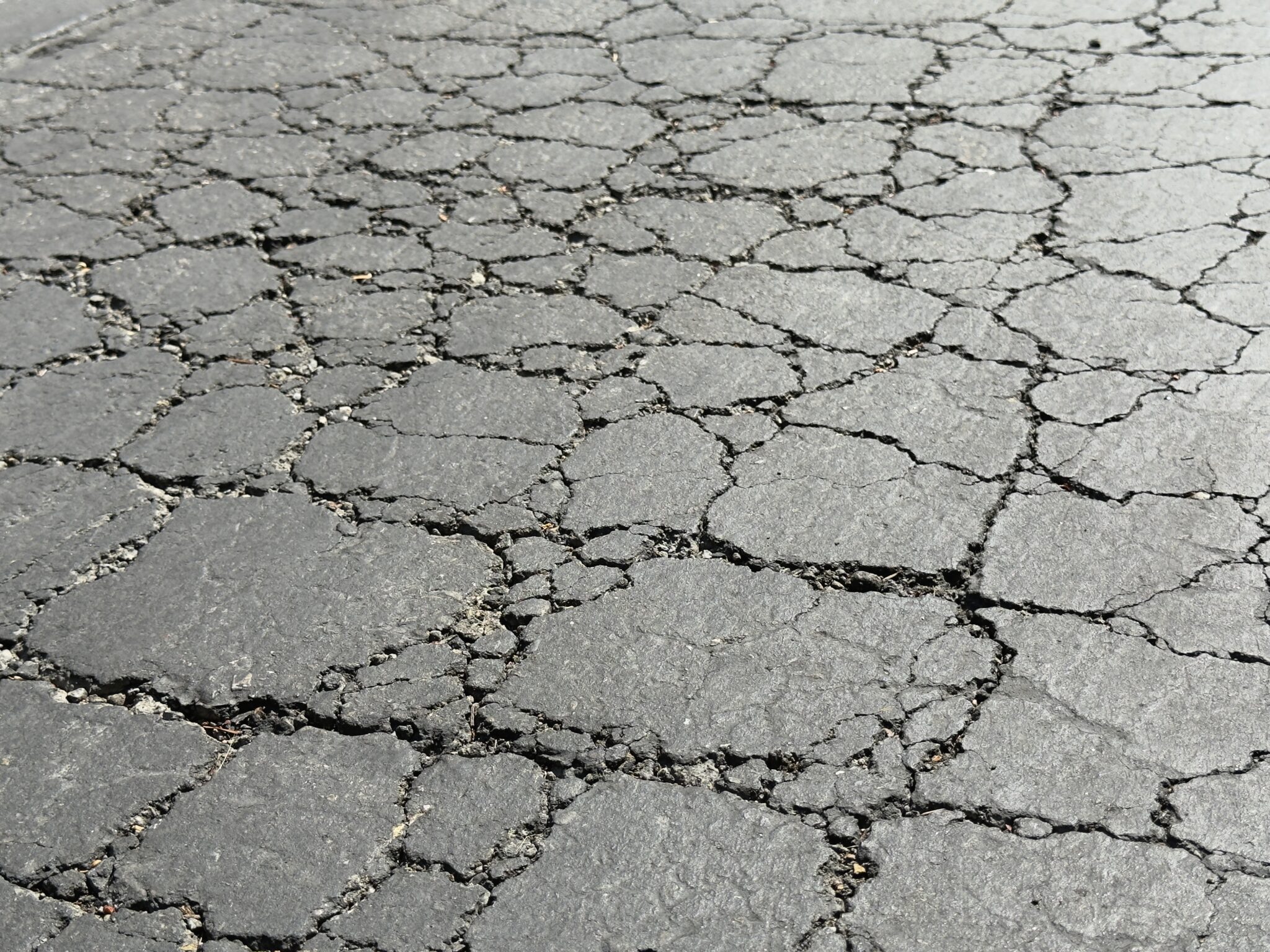
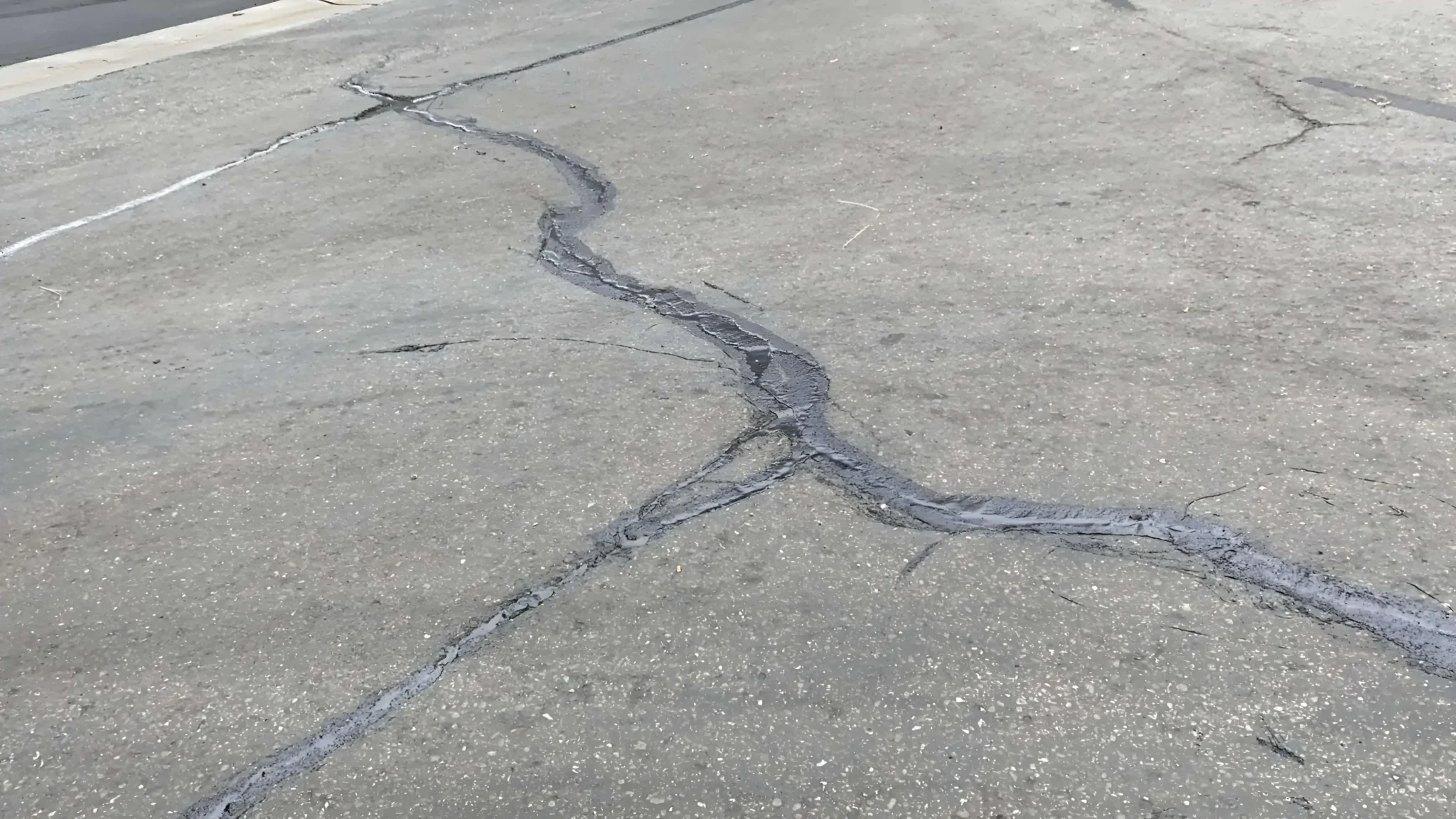
Small asphalt cracks are common over time, especially in parking lots exposed to constant traffic and changing temperatures. The issue is not the existence of a crack itself. The issue is when the cracking starts spreading across multiple sections of the lot or repeatedly returns after temporary repairs.

Once moisture begins entering the pavement, deterioration beneath the surface tends to accelerate. Traffic pressure then forces the damaged areas to weaken faster, particularly near entrances, turning lanes, and loading areas where vehicles repeatedly stress the asphalt every day.

Property managers often notice that the parking lot starts looking older very quickly once cracks widen beyond isolated areas.

For many commercial properties, recurring cracking eventually leads owners to schedule asphalt crack filling before larger pavement sections become unstable.


Water That Never Seems to Drain Properly

Standing water is one of the clearest signs that a parking lot needs attention.

A puddle that remains long after rain usually indicates that the pavement surface is no longer draining consistently. In some cases the issue comes from settlement beneath the asphalt. In others, years of wear gradually change how water moves across the lot.

Either way, water becomes expensive when it starts weakening the pavement structure underneath the surface.

Many commercial properties first notice drainage problems near entrances, ADA parking spaces, or areas with heavier vehicle traffic. Those sections typically deteriorate faster because water and traffic pressure keep affecting the same spots repeatedly.

Parking Lot ProblemWhat It Usually IndicatesPossible Long-Term Result
Expanding cracksSurface weakeningLarger structural repairs
Standing waterDrainage inconsistencyPavement base damage
Faded stripingSurface agingTraffic confusion
Rough pavement textureAsphalt oxidationAccelerated deterioration
Frequent potholesAdvanced pavement failureExpensive replacement work

For many properties, drainage issues eventually become part of broader paving maintenance planning once water damage begins affecting larger sections of the lot.


Faded Striping and Poor Visibility

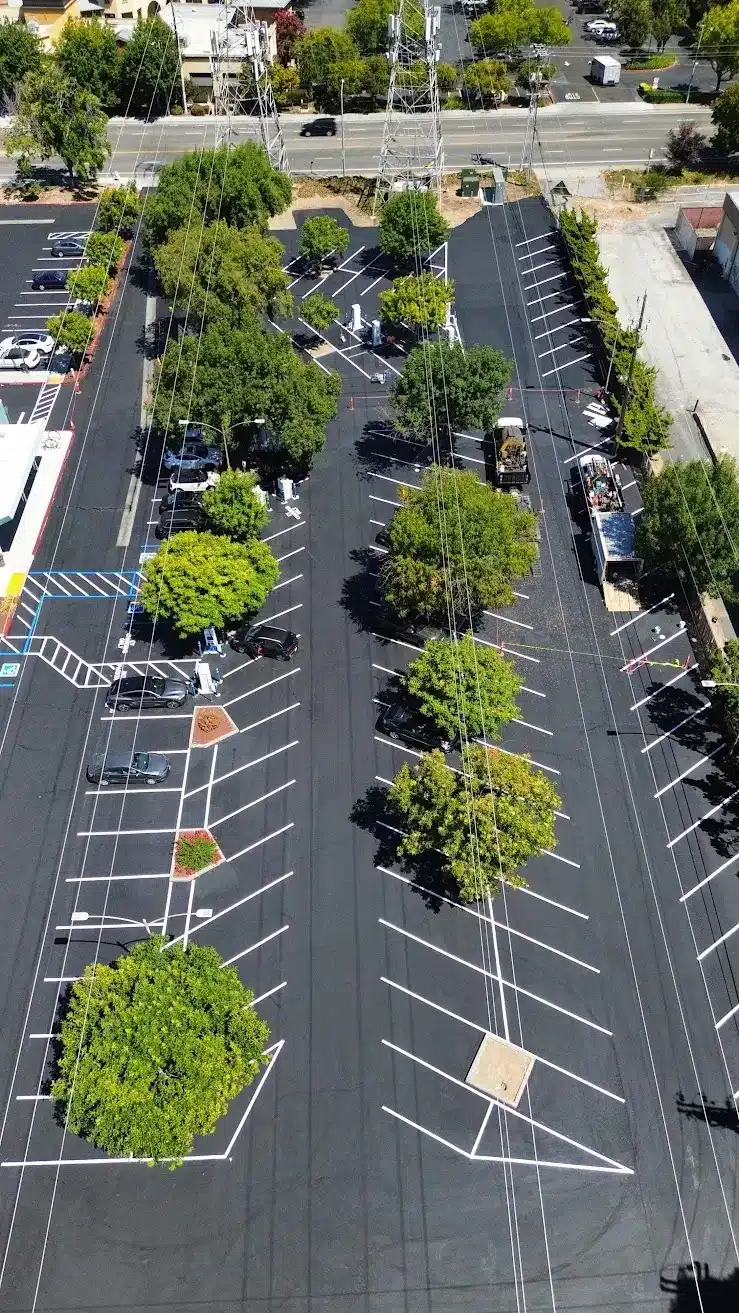
Parking lot striping tends to fade gradually enough that many owners stop noticing it.

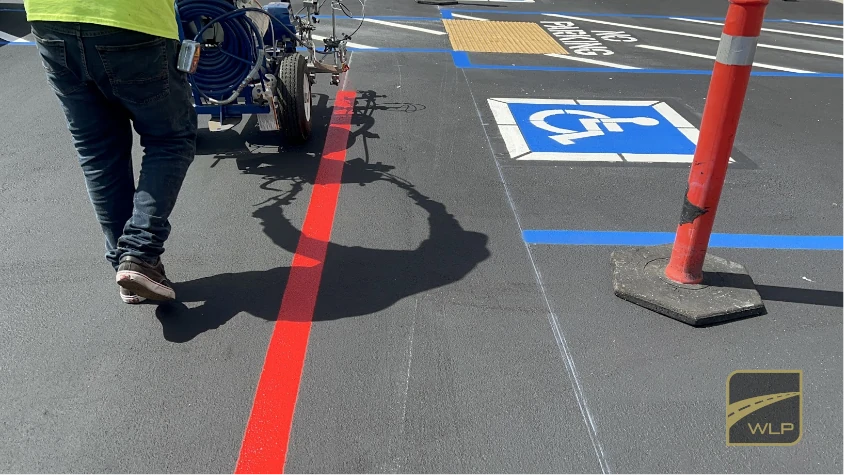
Over time, however, unclear markings can start creating operational problems. Drivers struggle to identify parking boundaries, traffic flow becomes less organized, and pedestrian areas become harder to distinguish in busy sections of the property.

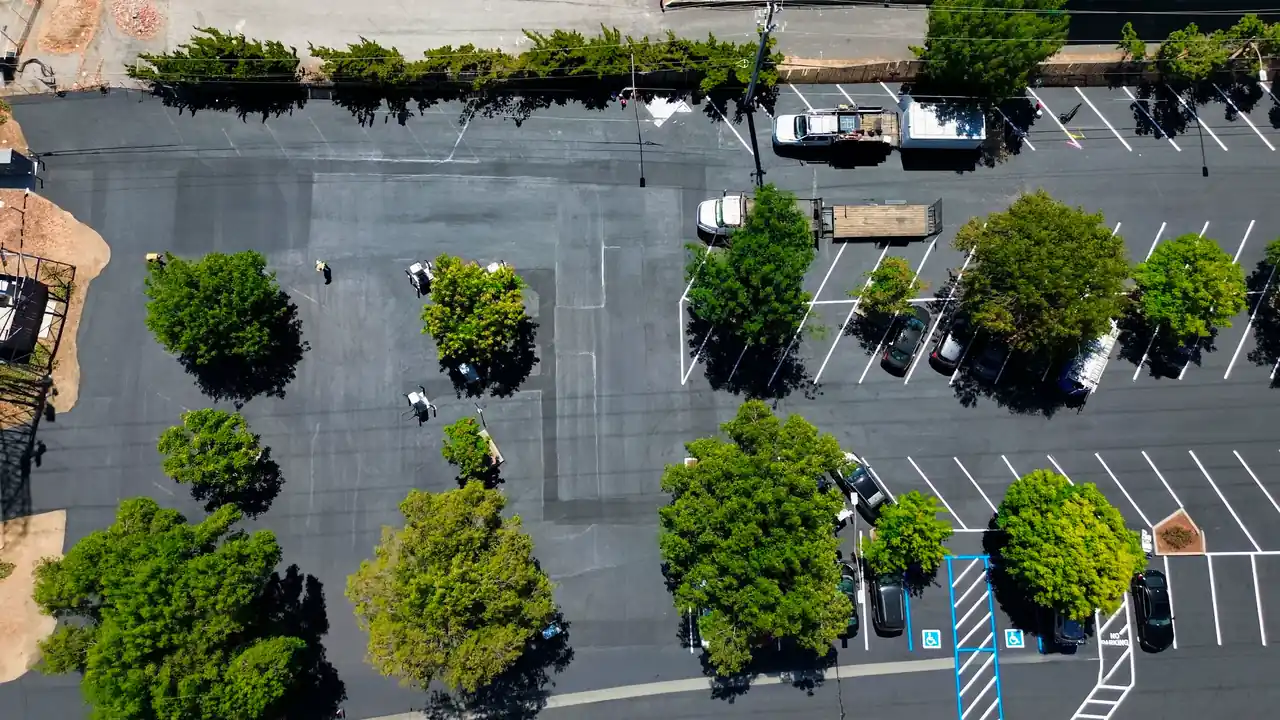
This becomes more noticeable in shopping centers, apartment communities, medical offices, and office parks where parking turnover stays high throughout the day.

ADA markings are especially important because poor visibility may create accessibility concerns in addition to normal traffic confusion.

In many commercial lots, faded striping is one of the first visible signs that the pavement surface itself is also beginning to age.


The Surface Starts Looking Dry and Worn Out

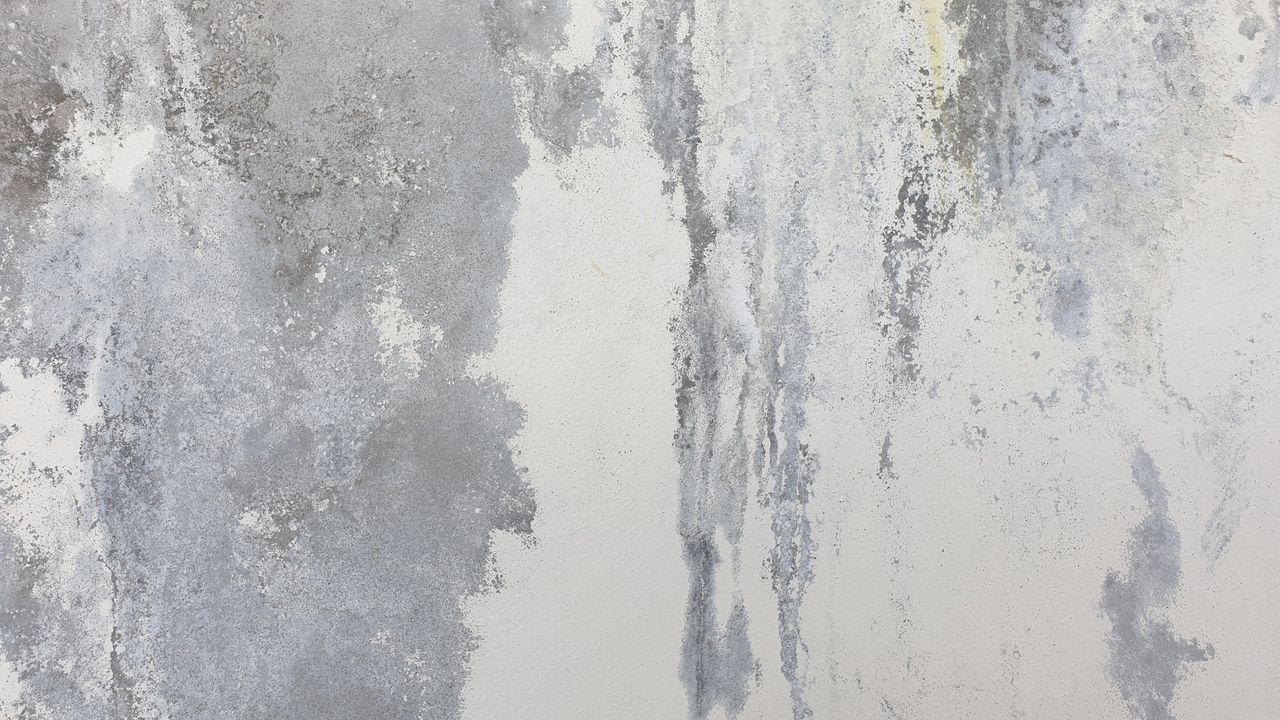
Older asphalt often develops a dry, faded appearance before major structural damage becomes visible.

The rich dark color gradually disappears as the asphalt binder breaks down from sunlight, weather exposure, and oxidation. Eventually the pavement begins looking brittle or dusty, especially in areas exposed to heavier traffic.

At that stage, the asphalt surface becomes more vulnerable to cracking and moisture intrusion because the material no longer flexes the way it did originally.

Property owners sometimes overlook this phase because the lot still feels functional. But visually worn pavement is often a warning sign that deterioration is beginning to accelerate beneath the surface.

For some commercial properties, recurring surface wear eventually leads to larger commercial parking lot paving decisions once patchwork repairs stop improving overall pavement performance.


Potholes Keep Coming Back

A pothole repair should not become part of a monthly routine.

When potholes repeatedly form in the same locations, it usually means the underlying pavement structure is continuing to fail beneath the surface. Simply patching the visible damage may temporarily improve the appearance of the lot, but the surrounding asphalt often remains unstable.

This is especially common in parking lots with long-term drainage issues or heavy traffic concentrations.

Repeated potholes are usually a sign that the pavement has moved beyond isolated cosmetic damage and is entering a stage where broader repair planning may become necessary.


Why Early Maintenance Matters

Parking lots deteriorate progressively. The earlier problems are identified, the more options property owners usually have to stabilize the surface before repairs become disruptive and expensive.

The signs your parking lot needs maintenance are often visible long before major failure occurs. Cracks, standing water, faded striping, rough pavement texture, and recurring potholes all indicate that the pavement is changing beneath daily traffic and weather exposure.

For commercial properties, paying attention to those warning signs early often helps extend pavement life while reducing long-term operational and repair costs.

Need Immediate Help?

Let's Talk About Your Project

Don't wait until minor damage turns into major expenses. Our team of experts is ready to provide you with guaranteed solutions. Contact us now for direct advice from a professional.

Frequently Asked Questions (FAQ)

Got Questions? Find Your Answers Here!!

What are the signs your parking lot needs maintenance?

Common signs include widening cracks, standing water, faded striping, rough pavement texture, and recurring potholes.

Why do parking lot cracks spread over time?

Moisture enters the pavement through cracks, weakening the structure beneath the surface while traffic pressure continues stressing the damaged area.

Is standing water harmful to asphalt?

Yes. Standing water can weaken the pavement base and accelerate deterioration over time.

Why does faded striping matter?

Faded striping affects traffic organization, pedestrian visibility, and ADA parking clarity in commercial lots.

When do potholes become a serious problem?

Repeated potholes in the same area usually indicate deeper structural pavement failure beneath the surface.

Professional customer review project by We Love Paving in Northern California, California. Verified local construction quality.

Fred / Founder

Fred, Founder and Regional Operations Manager at We Love Paving, comes from a family that values hard work and discipline. Growing up watching his parents work long hours with integrity and dedication, Fred learned early on that quality paving isn’t just about asphalt, it’s about consistency, accountability, and doing the job right.

Share

Posts That Might Interest You

Signs Your Parking Lot Needs Maintenance Fast

Signs Your Parking Lot Needs Maintenance Fast

May 18, 2026

A parking lot usually tells you when something is starting to go wrong. The problem is that many property owners get used to seeing gradual deterioration and stop noticing the warning signs until the damage becomes expensive. In commercial properties, pavement rarely collapses overnight. What usually happens is slower and less dramatic at first. A

Pavement vs Concrete for Commercial Properties

Pavement vs Concrete for Commercial Properties

May 18, 2026

Choosing between asphalt pavement and concrete is not always straightforward for commercial property owners. Both materials can work well, but the right choice usually depends on how the property operates on a daily basis and how much long-term maintenance the owner is realistically prepared to manage. A busy retail center with constant vehicle turnover will

The Great Debate: Is 2 Inches of Gravel Enough for a Driveway?

The Great Debate: Is 2 Inches of Gravel Enough for a Driveway?

May 16, 2026

When it comes to building a driveway, one of the key decisions homeowners face is determining the appropriate thickness of the gravel base layer. While some may argue that 2 inches of gravel is sufficient to support the weight of vehicles and provide a stable foundation, others advocate for thicker layers to ensure long-term durability

Why Is Parking So Expensive for Property Owners?

Why Is Parking So Expensive for Property Owners?

May 15, 2026

Many commercial property owners underestimate how expensive parking areas become once maintenance, accessibility, and pavement deterioration start overlapping at the same time. At first, parking lot costs usually appear manageable. Small cracks, faded striping, drainage problems, or isolated surface wear may not seem urgent while the property continues operating normally. Over time, however, those smaller

Next

Estimation Tools

Calculate costs in seconds

Fast, accurate estimates that help you close more jobs. Less guesswork, more profit.