Is Asphalt Hard to Maintain?

Quality paving materials used in Richmond projects. Premium asphalt and concrete by We Love Paving in Richmond, California.
Estimation Tools

Calculate costs in seconds

Fast, accurate estimates that help you close more jobs. Less guesswork, more profit.

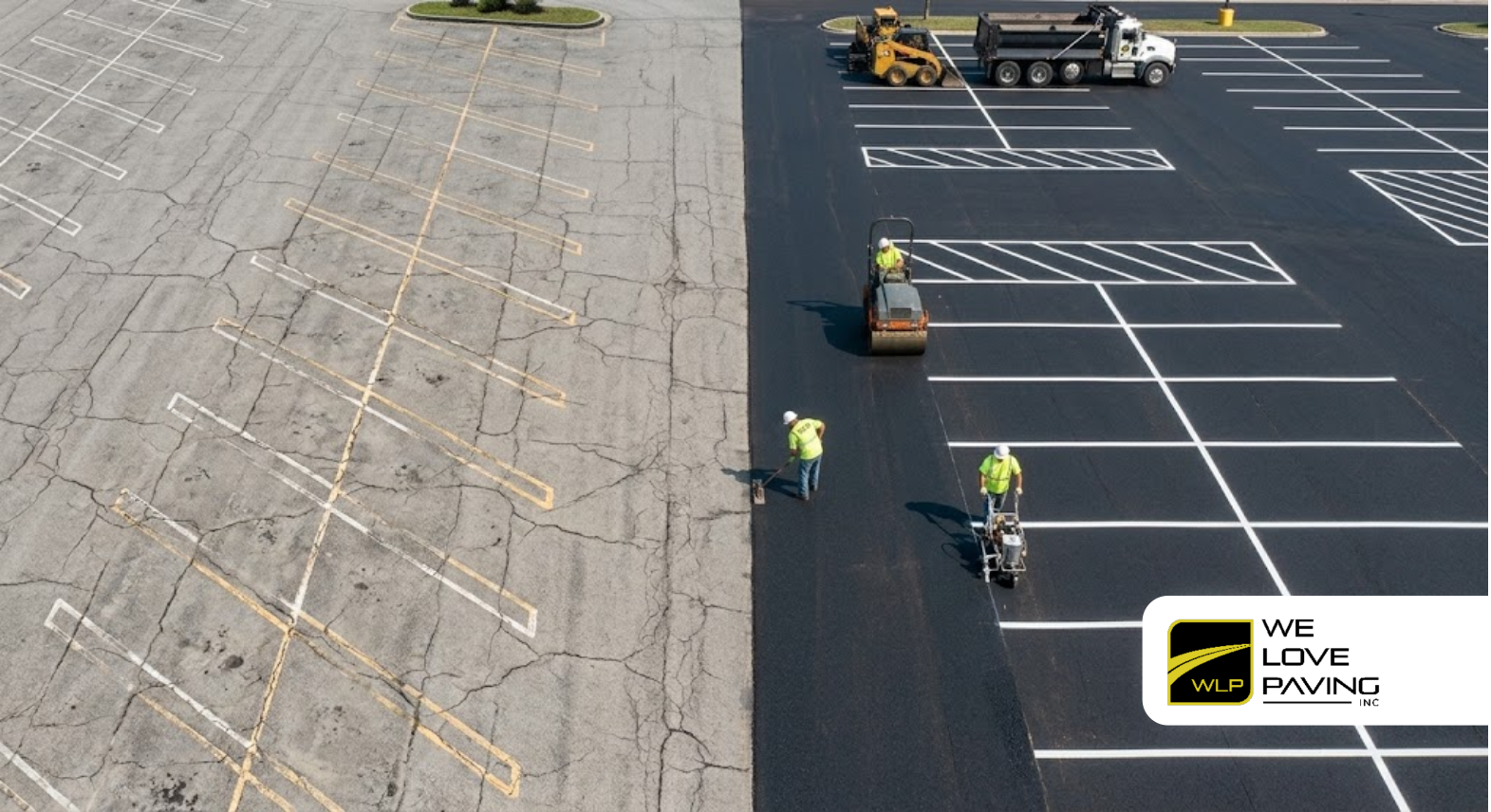
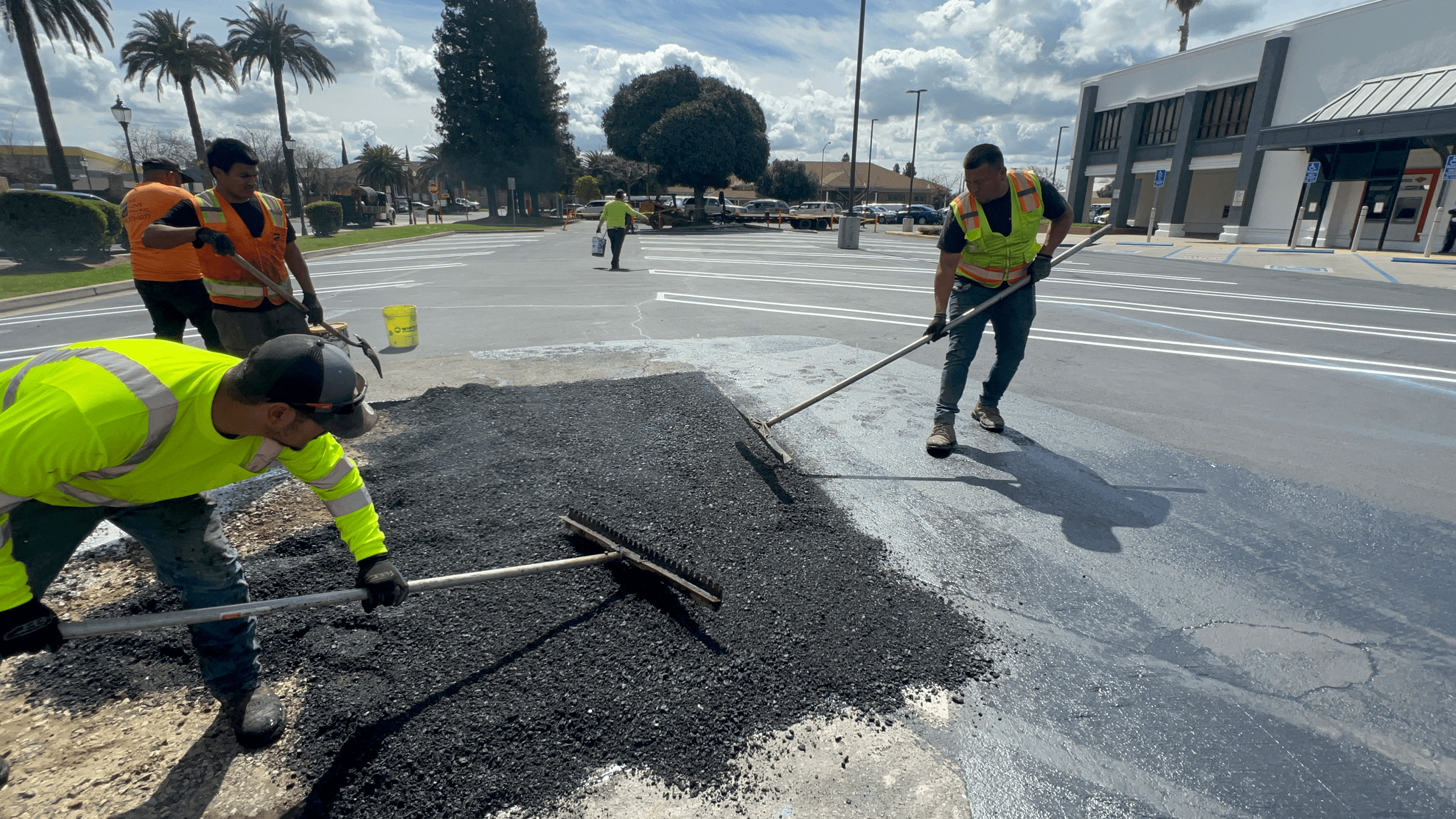
Asphalt is a popular material for driveways, parking lots, and roadways due to its durability, cost-effectiveness, and ease of installation. However, like any material, it requires maintenance to ensure longevity and optimal performance. In this blog post, we will explore the challenges and best practices of asphalt maintenance to determine whether it is indeed hard to maintain.

Understanding Asphalt Maintenance

Proper maintenance is crucial to extend the life of asphalt surfaces. Without regular care, asphalt can deteriorate due to exposure to the elements, traffic, and other factors. Maintenance typically involves addressing surface damage, sealing, and cleaning. Here’s a closer look at the key aspects of maintaining asphalt:

1. Regular Inspections

Conducting regular inspections is the first step in maintaining asphalt surfaces. Identifying issues early, such as cracks, potholes, or surface wear, allows for timely repairs that prevent further deterioration. Inspections should be done at least twice a year, ideally in spring and fall.

2. Crack Sealing

Cracks are a common issue with asphalt surfaces. If left unattended, water can seep into the cracks, leading to larger problems such as potholes and base layer damage. Sealing cracks as soon as they appear helps prevent water infiltration and extends the lifespan of the asphalt.

3. Pothole Repairs

Potholes are more than just an eyesore; they can cause significant damage to vehicles and pose safety hazards. Repairing potholes promptly is essential to maintain the integrity of the asphalt surface. Cold patching and hot asphalt patching are common methods for pothole repair.

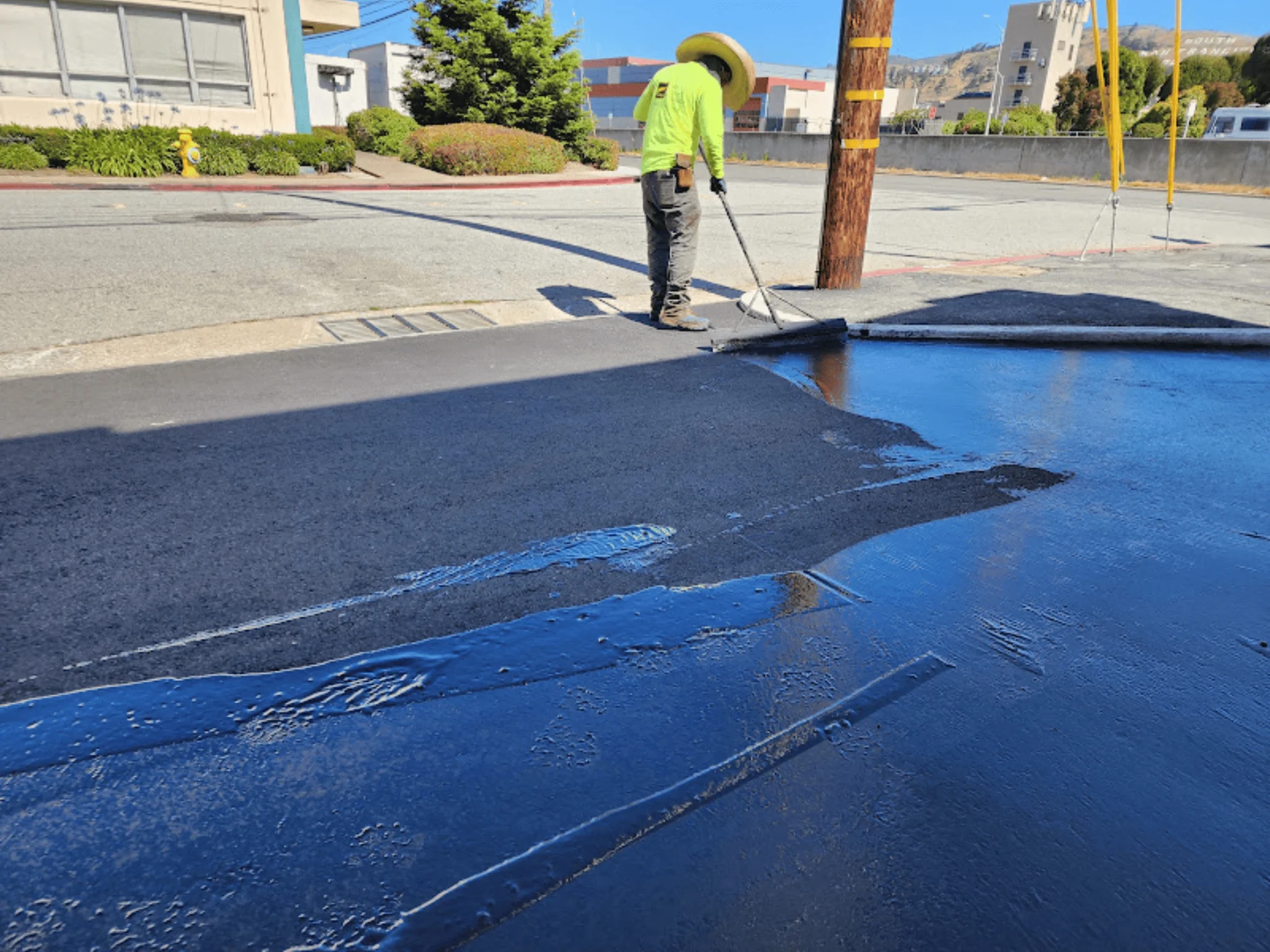
4. Sealcoating

Sealcoating is a protective layer applied to the surface of the asphalt. It helps protect against the damaging effects of UV rays, water, oil spills, and other chemicals. Sealcoating should be done every 2-3 years to maintain the surface’s appearance and structural integrity.

5. Cleaning and Debris Removal

Regular cleaning is an often overlooked aspect of asphalt maintenance. Removing debris, leaves, and other materials from the surface prevents blockages in drainage systems and reduces the risk of water damage. Power washing and sweeping are effective methods for keeping asphalt surfaces clean.

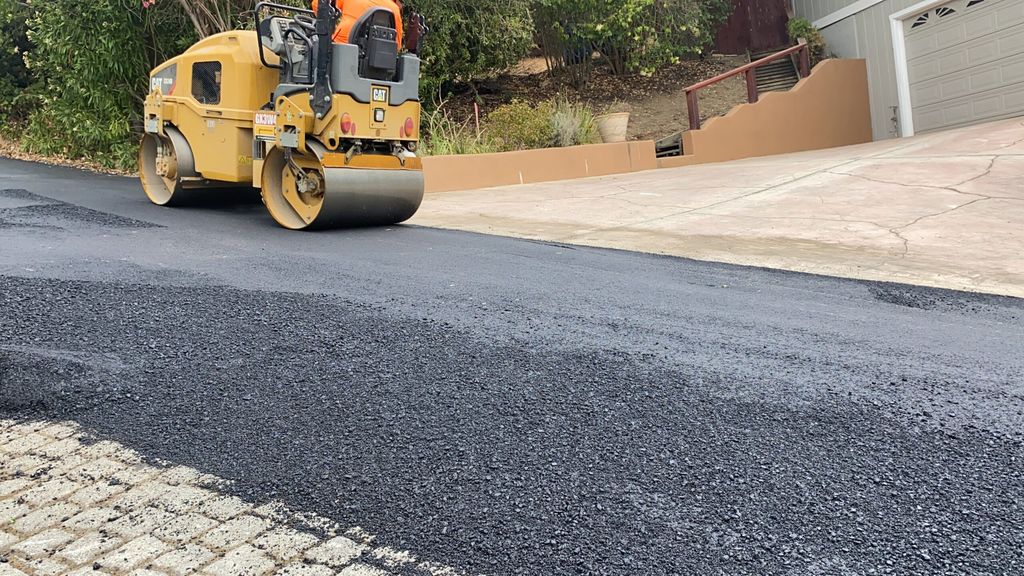
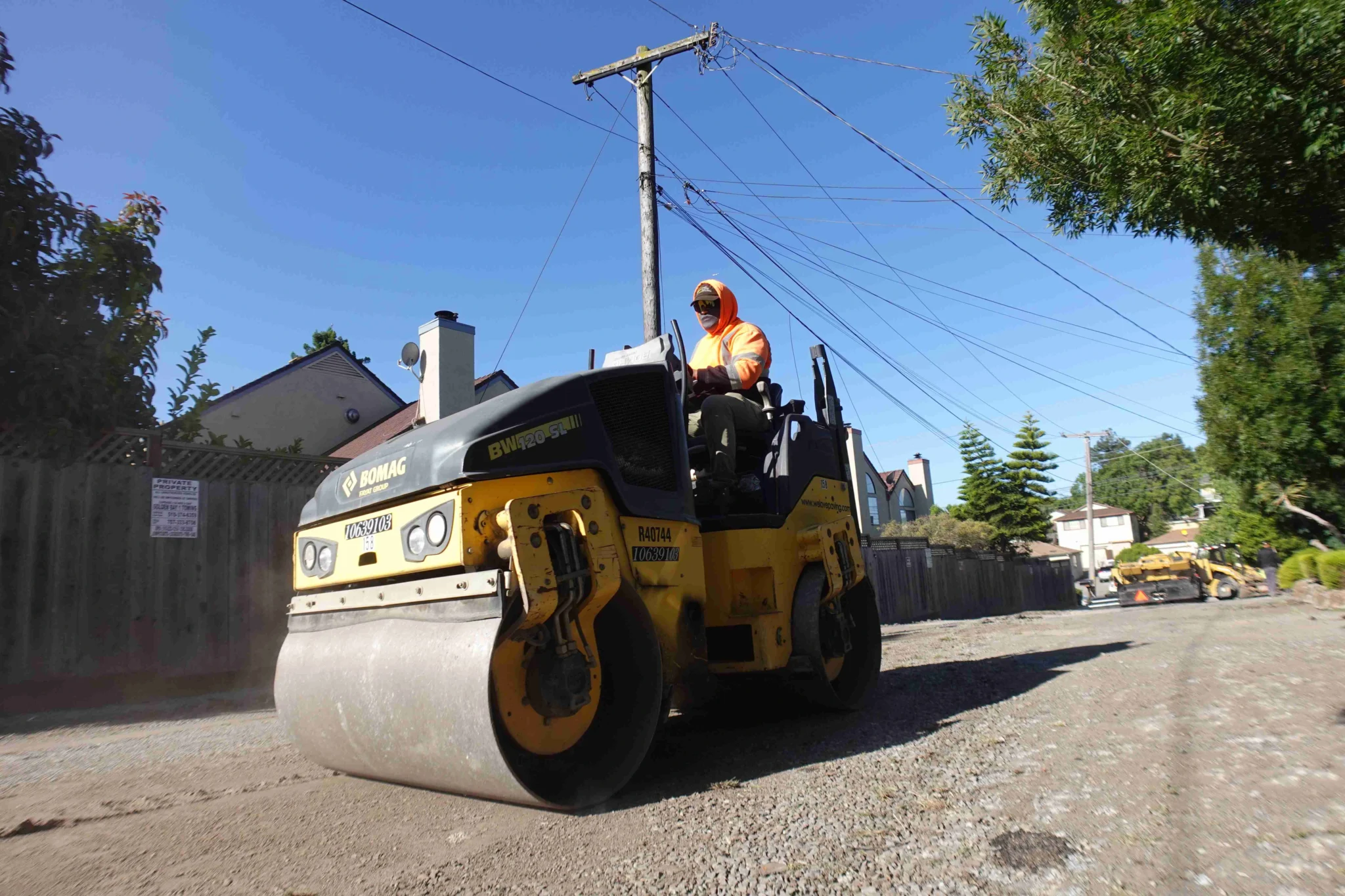
Workers operating a yellow steam roller to smooth fresh asphalt at a Santa Clara job site. Project by We Love Paving in Northern California, CA.

Challenges in Asphalt Maintenance

While asphalt maintenance is relatively straightforward, several challenges can make it seem difficult:

1. Weather Conditions

Extreme weather conditions, such as heavy rains, snow, and intense heat, can accelerate the deterioration of asphalt surfaces. Regular maintenance becomes even more crucial in areas with harsh climates to prevent significant damage.

2. Traffic Load

High traffic volumes and heavy vehicles can put additional stress on asphalt surfaces, leading to faster wear and tear. In such cases, more frequent inspections and maintenance are required to keep the surface in good condition.

3. Aging and Wear

Asphalt surfaces naturally age and wear over time. Even with regular maintenance, there will come a point when the asphalt needs to be resurfaced or replaced. Understanding the lifecycle of asphalt and planning for future repairs or replacement is essential.

Best Practices for Asphalt Maintenance

To ensure that asphalt surfaces remain in good condition and are easy to maintain, consider the following best practices:

1. Develop a Maintenance Schedule

Creating a maintenance schedule helps ensure that inspections, sealing, and repairs are done regularly. This proactive approach can prevent minor issues from becoming major problems.

2. Use Quality Materials

Using high-quality materials for repairs and sealcoating can enhance the durability and longevity of asphalt surfaces. Investing in good materials upfront can save money on future maintenance and repairs.

3. Hire Professional Services

While some maintenance tasks can be done by property owners, hiring professional services for major repairs and sealcoating ensures that the job is done correctly and efficiently. Professionals have the expertise and equipment needed to maintain asphalt surfaces properly.

4. Address Issues Promptly

Timely maintenance is key to preventing further damage. Addressing cracks, potholes, and other issues as soon as they appear can save money and extend the lifespan of the asphalt.

Asphalt Longevity: Simple Steps for Lasting Results

Maintaining asphalt is not inherently difficult, but it does require regular attention and care. By conducting regular inspections, sealing cracks, repairing potholes, sealcoating, and keeping the surface clean, property owners can ensure their asphalt surfaces remain in good condition for many years. While there are challenges, such as weather conditions and traffic loads, following best practices and addressing issues promptly can make asphalt maintenance manageable and cost-effective.

Need Immediate Help?

Let's Talk About Your Project

Don't wait until minor damage turns into major expenses. Our team of experts is ready to provide you with guaranteed solutions. Contact us now for direct advice from a professional.

Frequently Asked Questions (FAQ)

Got Questions? Find Your Answers Here!!

Is asphalt paving hard to maintain?

Asphalt paving is not hard to maintain if owners follow a consistent preventative schedule involving sealcoating and crack sealing. Neglecting these tasks leads to ninety percent of structural failures. Performing professional maintenance every three years ensures the bitumen binder remains flexible, effectively preventing the brittle cracking caused by UV oxidation.

What is the most important maintenance task for asphalt?

The most important maintenance task for asphalt is applying a high-quality sealcoat every three to five years. Sealcoating creates a waterproof barrier that protects the aggregate from moisture and UV rays. This process prevents eighty percent of surface raveling and doubles the pavement's lifespan by shielding the liquid binder.

How much does it cost to maintain an asphalt driveway?

Maintaining an asphalt driveway costs significantly less than a full reconstruction, averaging between fifteen and thirty cents per square foot for sealcoating. Investing in regular preventative care reduces long-term repair expenses by sixty percent. Neglecting simple maintenance like crack filling often leads to total surface failure within ten years.

Why does asphalt require regular sealcoating?

Asphalt requires regular sealcoating because the bitumen binder oxidizes and becomes brittle when exposed to sunlight and air. This chemical degradation causes the surface to turn gray and develop cracks. Professional sealants block oxygen and UV radiation, maintaining pavement flexibility and stopping ninety percent of water-driven base erosion effectively.

How can property owners prevent asphalt potholes?

Property owners prevent asphalt potholes by sealing cracks larger than one-quarter inch and ensuring proper drainage slopes. When water infiltrates the aggregate base, it weakens the foundation's load-bearing capacity by fifty percent. Filling cracks with hot-poured rubberized sealant prevents ninety percent of the moisture damage that leads to potholes.

Professional customer review project by We Love Paving in Northern California, California. Verified local construction quality.

Fred / Founder

Fred, Founder and Regional Operations Manager at We Love Paving, comes from a family that values hard work and discipline. Growing up watching his parents work long hours with integrity and dedication, Fred learned early on that quality paving isn’t just about asphalt, it’s about consistency, accountability, and doing the job right.

Share

Posts That Might Interest You

The Cost of Asphalt Cutting Per Linear Foot: What to Expect

The Cost of Asphalt Cutting Per Linear Foot: What to Expect

May 28, 2026

When it comes to construction and repair projects, asphalt cutting is often a necessary task, whether for roadworks, driveways, or other paved surfaces. Understanding the cost involved in asphalt cutting per linear foot can help you budget more accurately for your project. This article will break down the factors affecting these costs and provide a

Parking Lot Maintenance Checklist by Season

Parking Lot Maintenance Checklist by Season

May 27, 2026

A checklist earns its place when it helps a manager make a decision later. For a Northern California retail center, that decision might come after the first winter storm, when water still sits along the curb near the front stalls. For an office property, it might come in late summer, when the exposed drive aisle

Does Asphalt Need to Be Sealed? Read the Surface Before You Decide

Does Asphalt Need to Be Sealed? Read the Surface Before You Decide

May 27, 2026

A parking lot can look ready for sealcoating from the sidewalk and still be a poor candidate up close. The color has faded. The asphalt has turned gray. The owner wants a cleaner surface before tenants complain or customers notice the lot looking tired. Then someone walks the drive aisle and finds a different story:

Pavement Asset Management for Property Managers

Pavement Asset Management for Property Managers

May 27, 2026

A parking lot budget usually becomes uncomfortable long before the asphalt fails completely. The entrance patch is still holding, but the edge is separating again. The back drive aisle looks rough, yet tenants rarely use it. The front visitor stalls are faded enough to draw complaints. A low area near the drain stayed wet after

Next

Estimation Tools

Calculate costs in seconds

Fast, accurate estimates that help you close more jobs. Less guesswork, more profit.