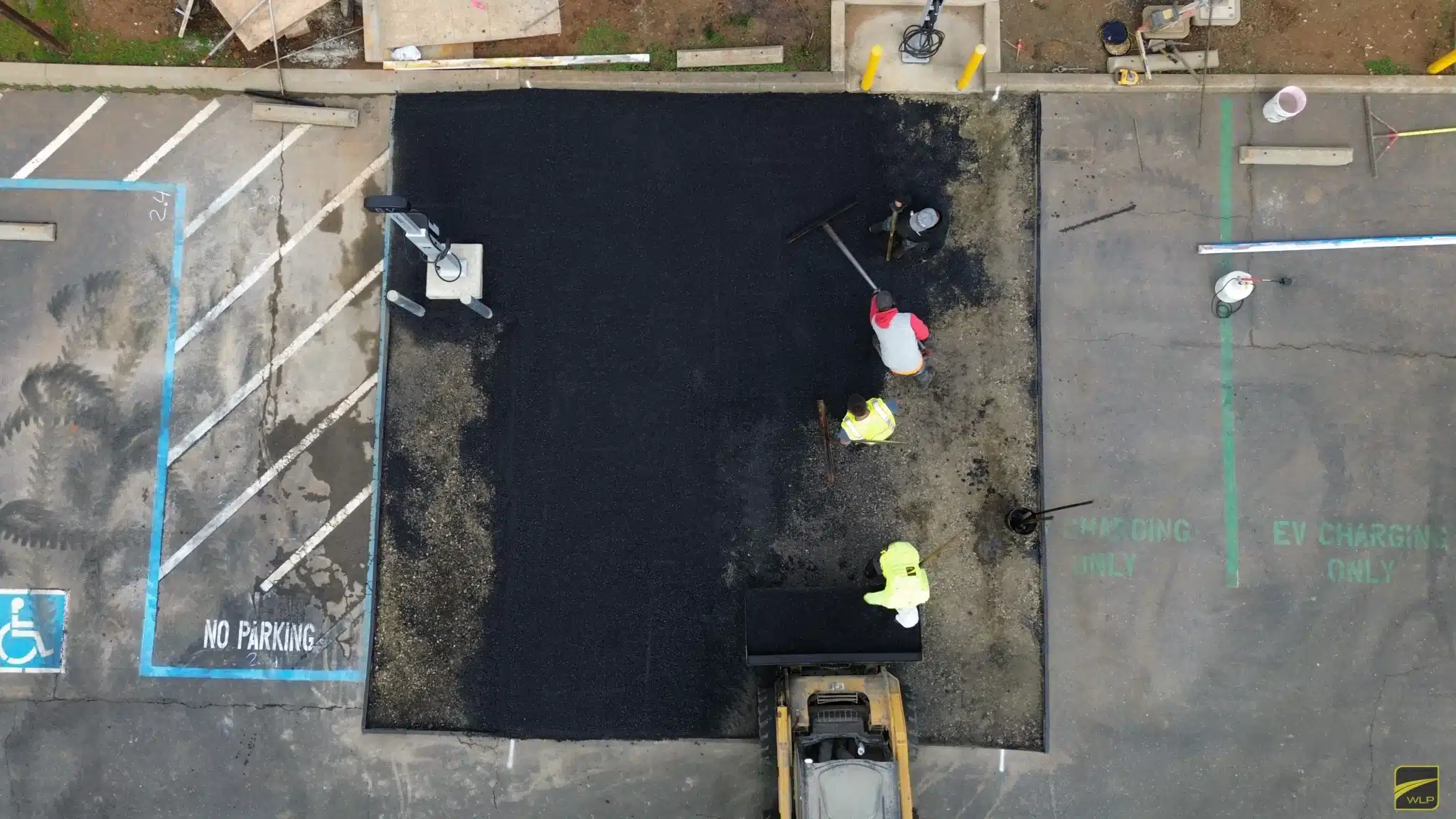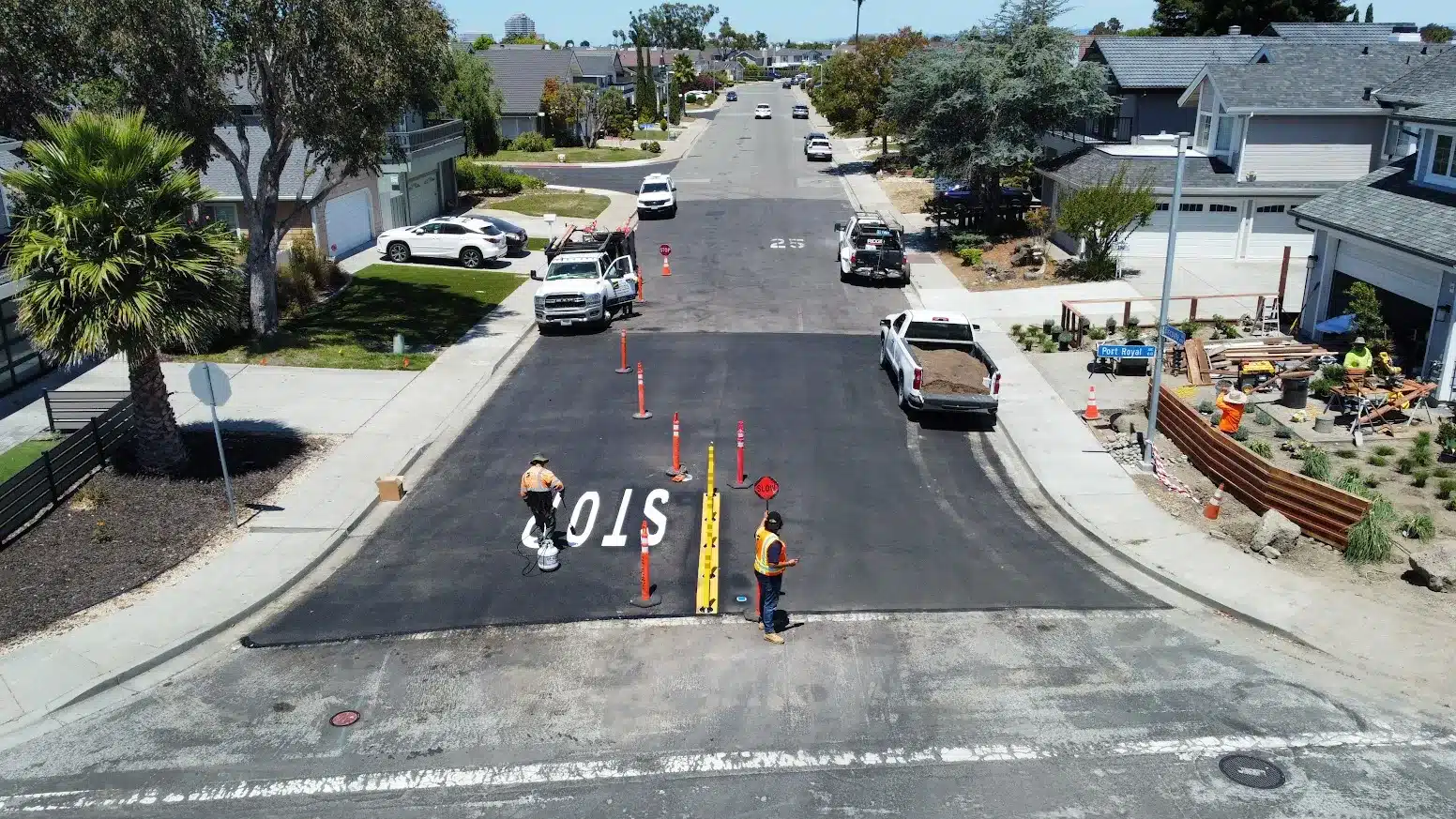
A paved road is an engineered transportation surface constructed using bound, load-bearing materials over a stabilized subgrade foundation. Unlike dirt or loose gravel paths, a paved roadway is designed as a multi-layered structural system that distributes vehicular weight, channels water runoff away from the base, and maintains surface smoothness under continuous traffic. In commercial and civil infrastructure, paving represents a permanent pavement system built to specific engineering standards to support daily axle loads and withstand environmental exposure.
What Is a Paved Road? The Technical Engineering Definition
From an engineering perspective, a paved road is an engineered pavement structure consisting of bound surface materials typically Hot Mix Asphalt (HMA) or Portland Cement Concrete (PCC) placed over compacted base and subbase aggregate layers. Rather than simply applying a top layer over existing soil, civil standards define a paved road by its structural capacity to transfer wheel loads to the underlying subgrade without causing permanent subgrade deformation.
Building a lasting roadway involves calculating a Traffic Index (TI) and analyzing local soil mechanics. In California, where subgrade soils often contain expansive clays that shift during wet winter months, a road qualifies as properly paved only when its engineered cross-section includes adequate crushed aggregate base depth and specified asphalt compaction densities (typically 92% to 96% Rice density per ASTM standards). Public and private infrastructure managers rely on engineered municipal paved road designs to ensure long-term stability and compliance with Caltrans structural standards.
The Structural Layers of a Professionally Paved Road
A professionally paved road relies on a system of distinct structural layers working in tandem to support traffic loads and resist environmental degradation. The performance of the entire road structure depends on the preparation and thickness of each layer below the surface:
- Subgrade Soil: The natural native soil prepared by grading and compacting to a specified relative density (usually 95% ASTM D1557). Weak subgrades require stabilization using lime or mechanical geotextiles.
- Subbase Layer: An optional layer of crushed coarse aggregate used when native subgrade soils exhibit poor load-bearing capacity or high moisture retention.
- Class 2 Aggregate Base: A controlled mixture of crushed stone and binder rock specified under Caltrans Section 26. Typically laid at depths of 6 to 12 inches, this layer distributes weight across the subgrade and provides structural drainage.
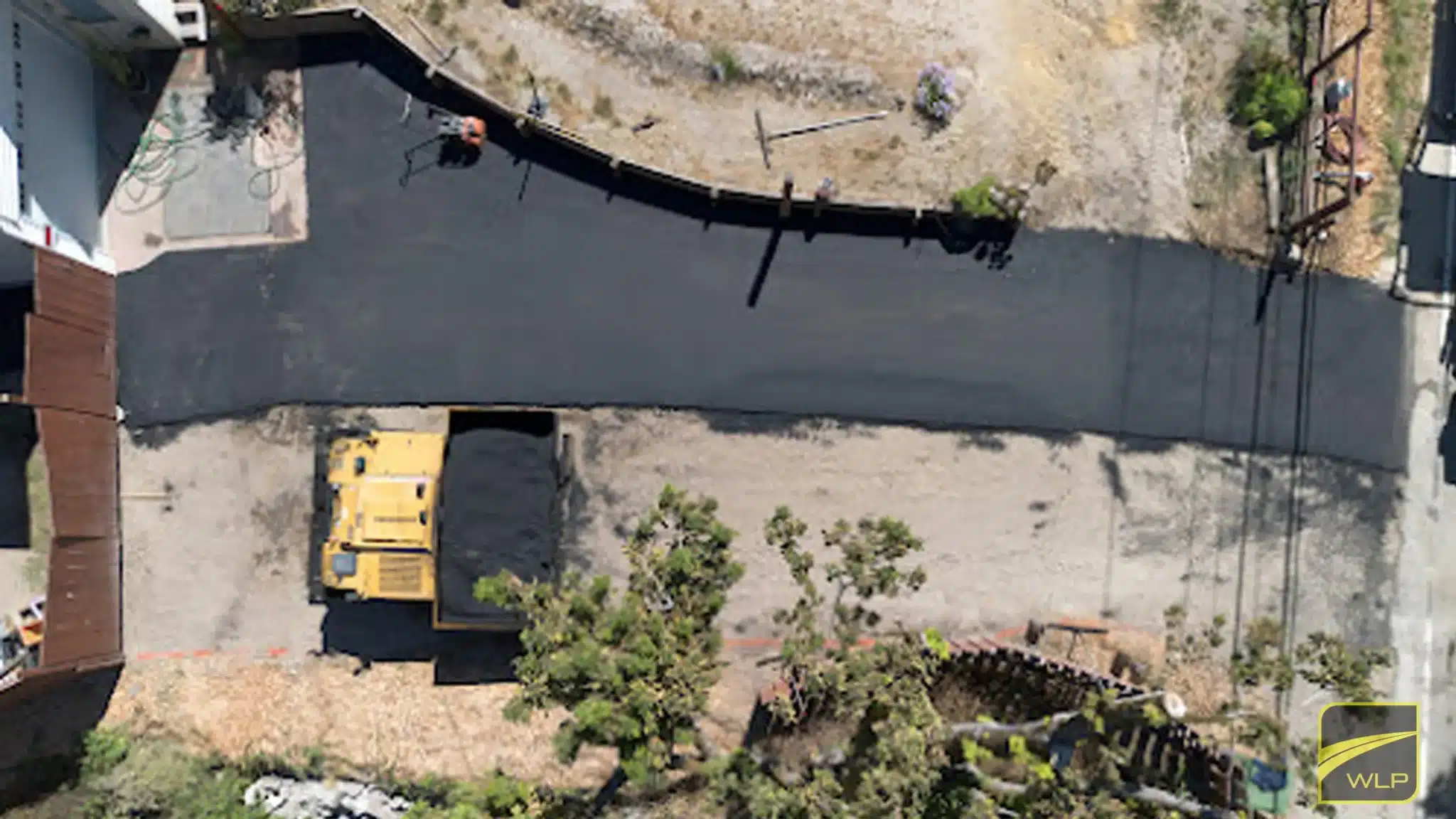
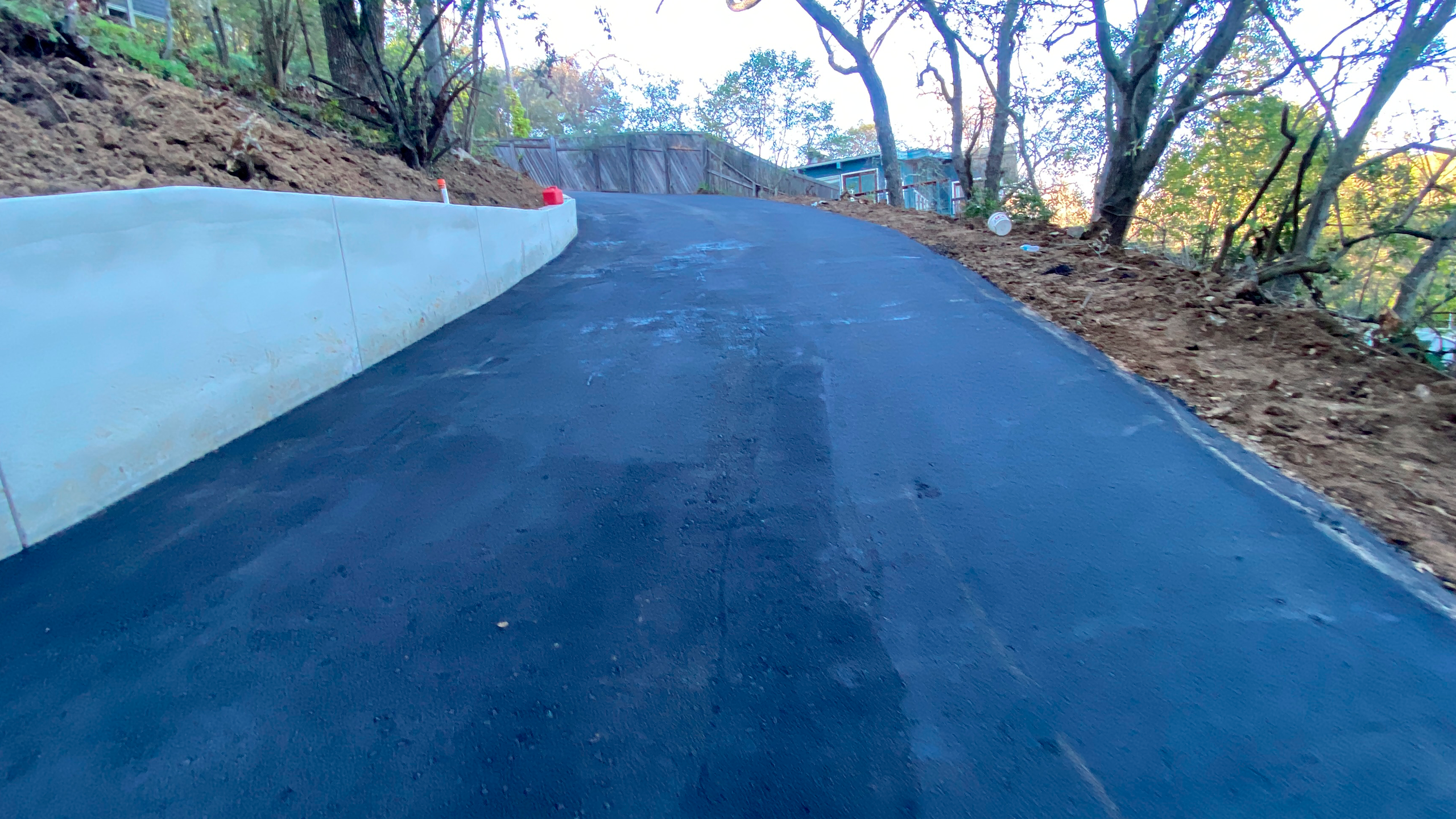
- Asphalt Wearing Course: The visible surface consisting of dense-graded Hot Mix Asphalt. Applied in lifts and rolled while hot, this layer seals out water and provides skid resistance.
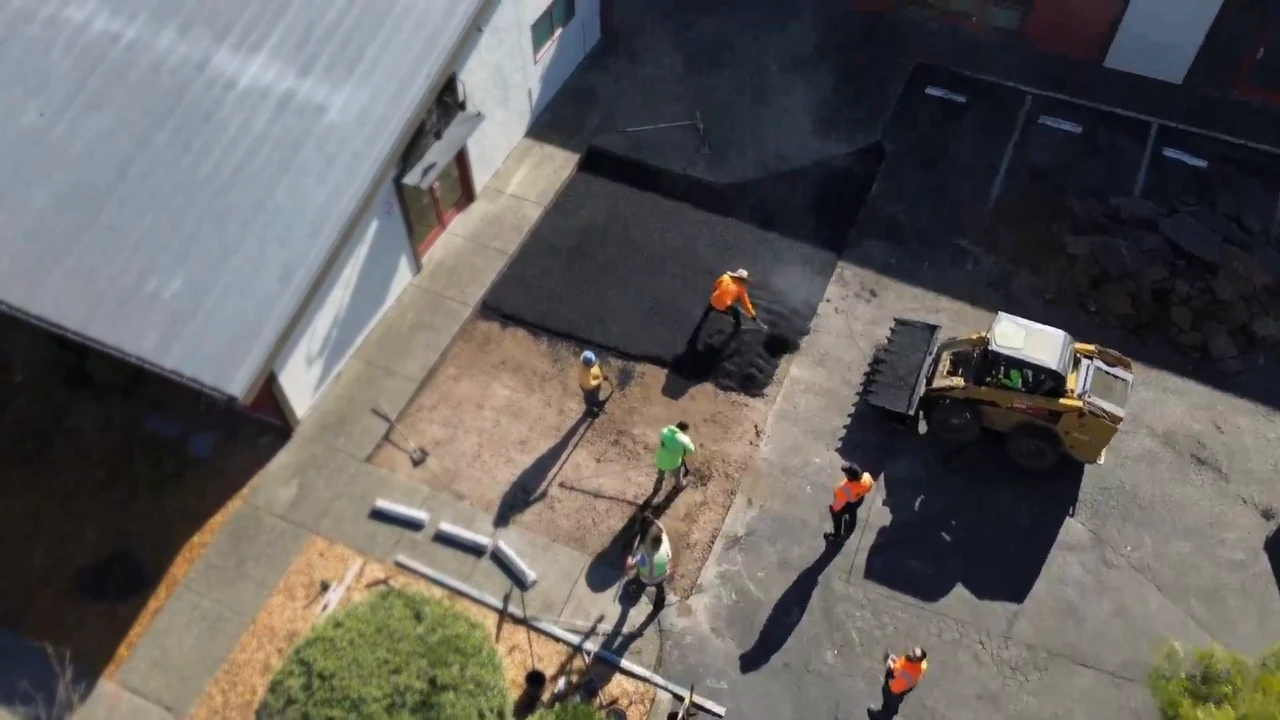
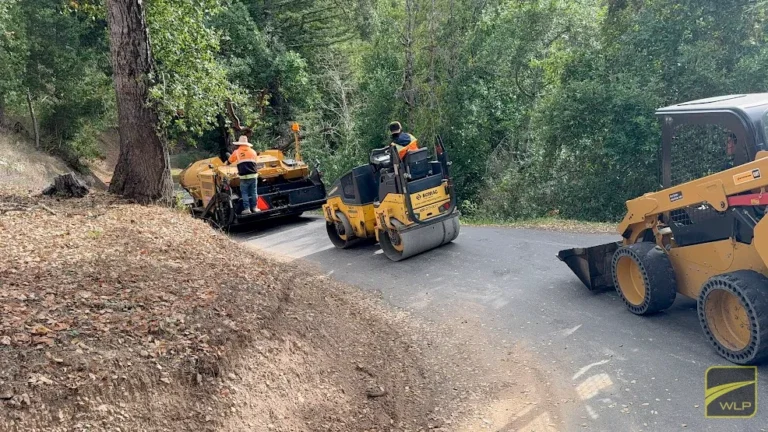
Skipping subgrade compaction or reducing aggregate base depth inevitably leads to early structural failure. Our field experience shows that pavement distress such as fatigue cracking or deep rutting almost always traces back to inadequate base support rather than surface asphalt defects alone. Proper installation techniques during full-depth asphalt paving ensure that each layer meets required compaction and elevation specifications before receiving subsequent courses.
Paved vs. Unpaved Roads: Key Structural Differences
Paved roads differ fundamentally from unpaved roads in load distribution mechanics, moisture resistance, maintenance frequency, and operational safety. While unpaved roads consist of loose, unbound crushed stone or native dirt, paved surfaces feature a continuous bound matrix that binds stone aggregates using asphalt cement or concrete binders.
Unpaved roads suffer continuous material loss due to dust displacement, rain erosion, and tire wear, requiring frequent grading and re-graveling to remain usable. In contrast, a paved road creates an impermeable barrier that keeps subsurface soils dry, maintaining load capacity during heavy rainfall. Furthermore, paved surfaces provide consistent tire friction, reduced rolling resistance for improved heavy vehicle fuel efficiency, and complete elimination of airborne dust particles that degrade surrounding air quality.
Asphalt vs. Concrete: Choosing the Right Paving Material
Selecting between asphalt and concrete paving depends on initial budget limits, expected heavy axle traffic, substrate flexibility requirements, and installation timelines. Both materials produce a qualified paved road, but they behave differently under load and environmental stresses.
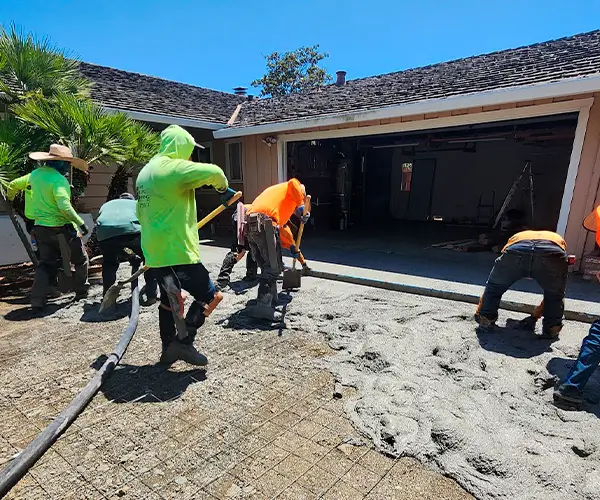
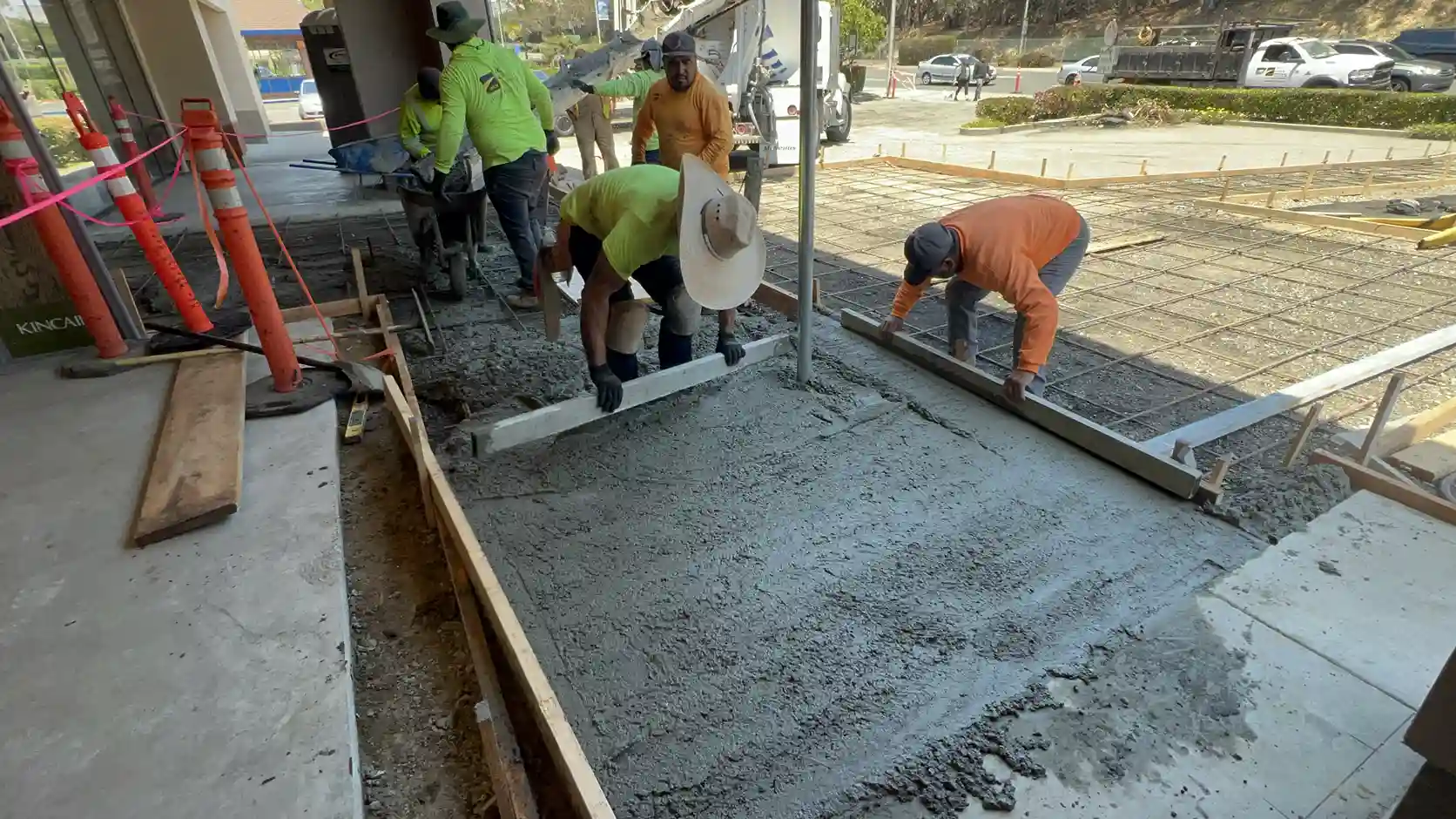
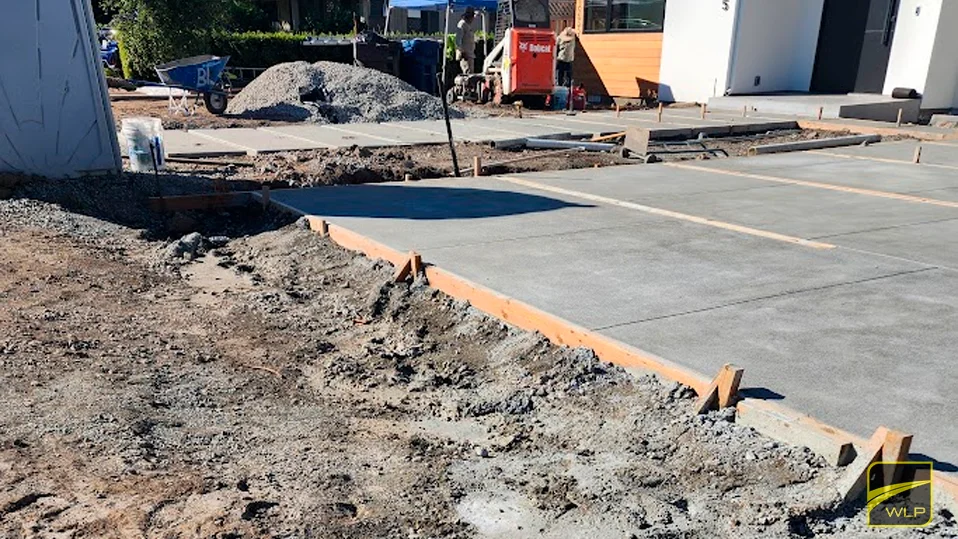
Asphalt provides a flexible pavement structure that slightly yields under heavy loads without cracking, making it ideal for California regions subject to minor ground settlement or seismic activity. It offers faster installation, lower initial capital cost, and can be milled and recycled easily. Concrete forms a rigid pavement structure that bridges over minor subgrade weak spots and resists heavy static loads, such as bus turnarounds or industrial loading facilities. However, concrete requires higher upfront investment and longer curing periods before opening to traffic.
Ensuring Road Longevity Through Proper Maintenance and Engineering
A paved road achieves its full 20 to 30-year operational design life when backed by sound original engineering and structured preventive maintenance. Pavement deterioration begins immediately upon exposure to traffic loading and atmospheric oxidation, but proactive care prevents minor surface distress from transforming into deep subgrade failures.
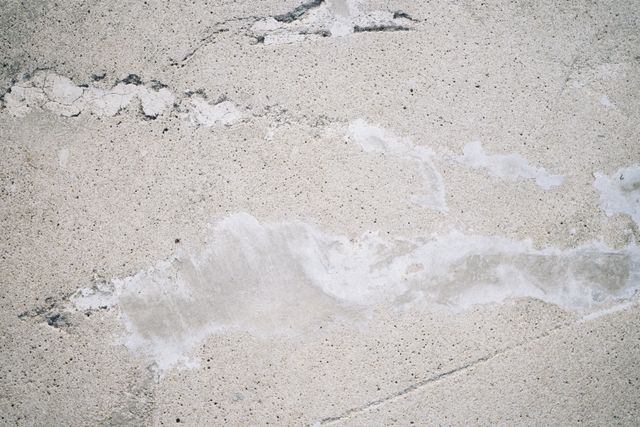
Preventive pavement management includes routine crack sealing to block water ingress into the aggregate base, periodic sealcoating to replenish asphalt binders lost to UV radiation, and structural overlays when traffic volumes increase. Addressing drainage clearouts and surface cracks within the first few seasons preserves structural integrity and avoids full-depth reconstruction. Implementing systematic road maintenance extends pavement serviceability while dramatically reducing lifecycle capital expenditure for property owners and municipalities.
When planning new road construction, roadway expansion, or full-depth asphalt restoration, partnering with a licensed engineering contractor ensures adherence to subgrade compaction and mix design specifications. We Love Paving’s field operations team (CSLB Licensed #1049649, C12 Earthwork and Paving) brings decades of California site experience to deliver compliant, long-lasting pavement structures. Contact our technical team today to discuss engineered paving solutions for your commercial or municipal property.