Asphalt is not a single raw material poured from a refinery into a parking lot. Pavement-ready asphalt is an engineered mixture produced at a plant by combining graded mineral aggregate with asphalt binder under controlled conditions. In California, the recipe is governed by a job mix formula, plant quality controls, and binder choices that respond to climate, traffic, and the type of pavement being built.
That manufacturing stage matters because many performance problems begin before the first truck reaches the job site. Aggregate gradation, moisture removal, binder selection, mixing consistency, transport temperature, and quality assurance all influence whether the mix can be placed and compacted as designed. This article follows asphalt from raw ingredients through the plant, then connects the manufacturing decisions to what WLP sees in finished California pavement.
Asphalt Is a Plant-Produced Mixture, Not a Single Ingredient
Pavement asphalt is made by combining mineral aggregate with asphalt binder in proportions established for a specific mix design. Aggregate supplies the stone skeleton that carries load, while the binder coats and holds those particles together. Caltrans Section 39 treats hot mix asphalt as a family of engineered mixtures, including Type A HMA, rubberized gap-graded HMA, open-graded friction course, and HMA produced with warm-mix technology.
The distinction between asphalt and asphalt binder causes much of the confusion around the keyword. The binder is the dark petroleum-based material; the pavement mixture is the finished combination of binder and aggregate.
The Job Mix Formula Turns Raw Materials Into a Pavement Recipe
An asphalt plant does not simply combine whatever stone and binder are available that day. The job mix formula establishes the target blend that production must reproduce. Caltrans requires a job mix formula and a quality control plan for HMA production and placement on applicable work, tying the plant recipe directly to testing, acceptance, and field performance rather than treating manufacturing as a generic heating process.
For a commercial property owner, the practical takeaway is that two black asphalt loads can be materially different. Aggregate gradation, binder grade, recycled content when permitted, additives, and the intended pavement course can change from one mix to another. The right question is not only whether the contractor is using ‘hot mix,’ but whether the selected mix matches the traffic, structure, drainage, and environmental exposure of the project.
Aggregate Preparation Controls the Skeleton of the Asphalt Mix
The aggregate portion of asphalt must be proportioned, dried, and heated before it can be coated consistently with binder. At the plant, different aggregate sizes are fed in controlled amounts so the final gradation matches the approved recipe. Moisture removal matters because wet aggregate interferes with efficient heating and binder coating, while inconsistent gradation changes the internal stone structure the compacted pavement depends on.
This is one reason plant production and field paving cannot be separated conceptually. A mix that arrives with poor gradation consistency or uneven coating cannot be repaired simply by running an extra roller pass over it. We Love Paving evaluates the finished pavement as a system, but the system begins with controlled material production long before the paver screed shapes the mat.
Binder Selection Connects the Plant Recipe to California Conditions
Asphalt binder is stored and heated separately so it can flow, meter accurately, and coat the aggregate during mixing. Caltrans notes that asphalt binder is solid at normal ambient temperatures and must be heated before mixing with aggregate. Caltrans also selects performance-grade binders around expected climatic conditions and traffic speed and volume, making binder choice a performance decision rather than a cosmetic one.
That California-specific selection matters across Northern California because a commercial parking lot near the coast and a heavily loaded inland site do not experience the same operating environment. The plant still produces a black paving mixture in both cases, but the binder and overall mix design can be chosen to address different performance demands. Manufacturing quality therefore starts with selecting the right recipe, not merely reaching a target temperature.
Inside the Plant: How the Ingredients Become Hot Mix Asphalt
Once the materials and recipe are established, the plant meters aggregate and binder, removes aggregate moisture, brings the components into the required production range, and mixes them until the aggregate is uniformly coated. The exact equipment differs between batch and continuous plants, but the manufacturing objective is the same: produce a consistent mixture that matches the approved job mix formula from one load to the next.
In a batch plant, measured components are combined in discrete batches. In a continuous or drum-type system, material flows through the production process without stopping between individual batches. The equipment layout changes, but quality still depends on proportioning, temperature control, mixing consistency, and plant calibration.
Caltrans adds another layer of oversight through its Material Plant Quality Program and HMA quality-control requirements. That matters because asphalt manufacturing is not complete when the ingredients simply look blended; the plant must demonstrate that the produced material stays within the tolerances of the approved mix.

Warm-Mix Technology Changes Production Without Changing the Goal
Warm-mix asphalt technology changes how the mixture is produced by allowing lower manufacturing temperatures while preserving the ability to mix and compact the material. Caltrans states that WMA technologies can lower production temperatures by 45 to 85 degrees Fahrenheit compared with traditional mixing temperatures, with benefits that include reduced fuel use, lower greenhouse-gas production, improved compaction, longer haul capability, and paving in cooler conditions.
For Northern California, the value is operational as well as environmental. A longer haul from plant to project, changing coastal weather, or a tight paving window can make workability and temperature retention part of the production decision. Warm mix is therefore not simply ‘cold asphalt.’ It remains an engineered HMA system with technologies that alter the production window while keeping the mix suitable for paving and compaction.
Manufacturing Ends at the Truck, but Mix Quality Is Proven in the Field
Finished HMA leaves the plant ready for transport, but production quality is only useful if the mix remains workable through delivery, placement, and compaction. Caltrans acceptance combines material testing with plant and paving inspection, linking manufacturing to the field rather than treating them as separate quality events. A compliant mix that cools excessively or segregates during handling can still produce a poor finished surface.
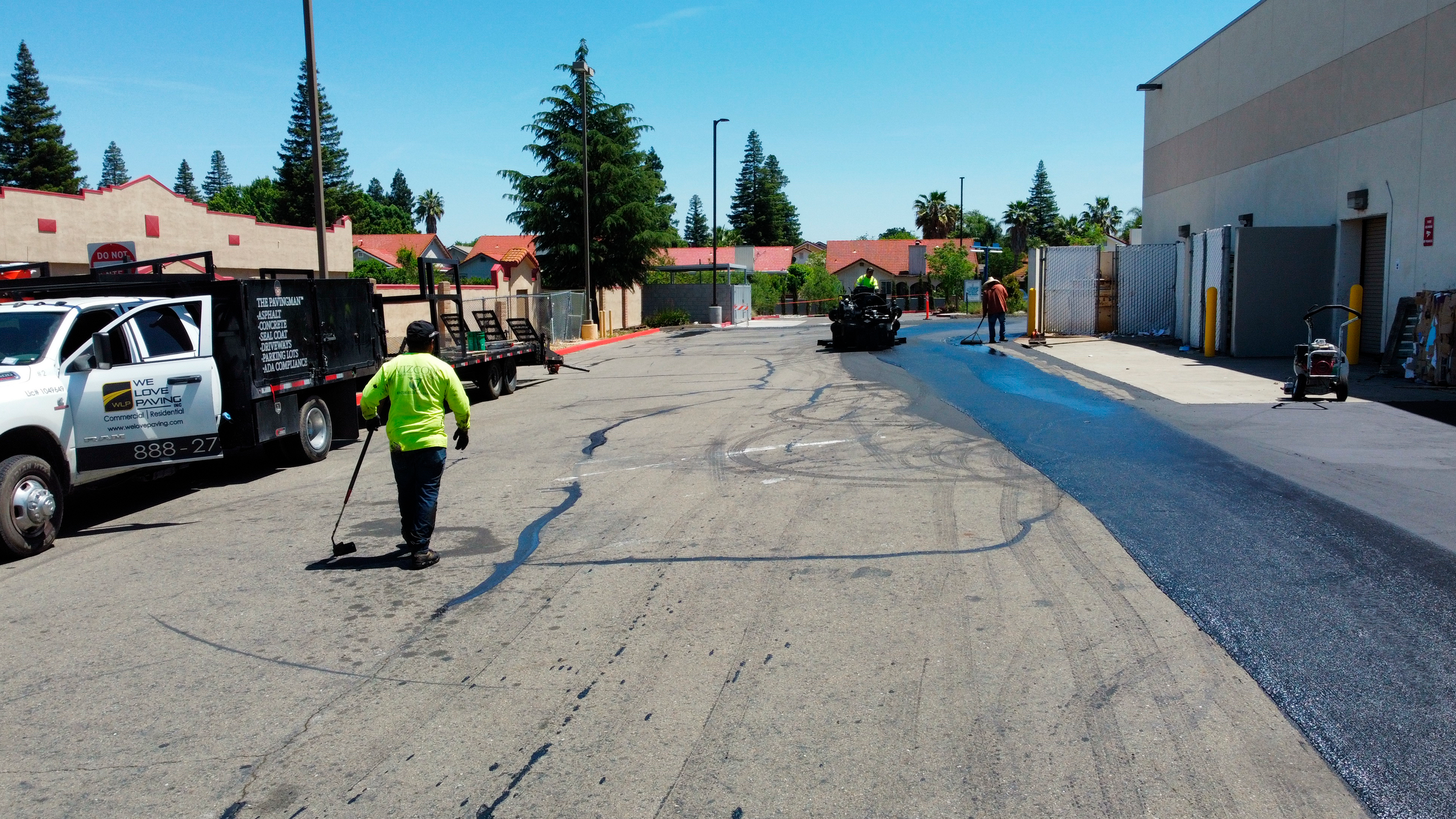
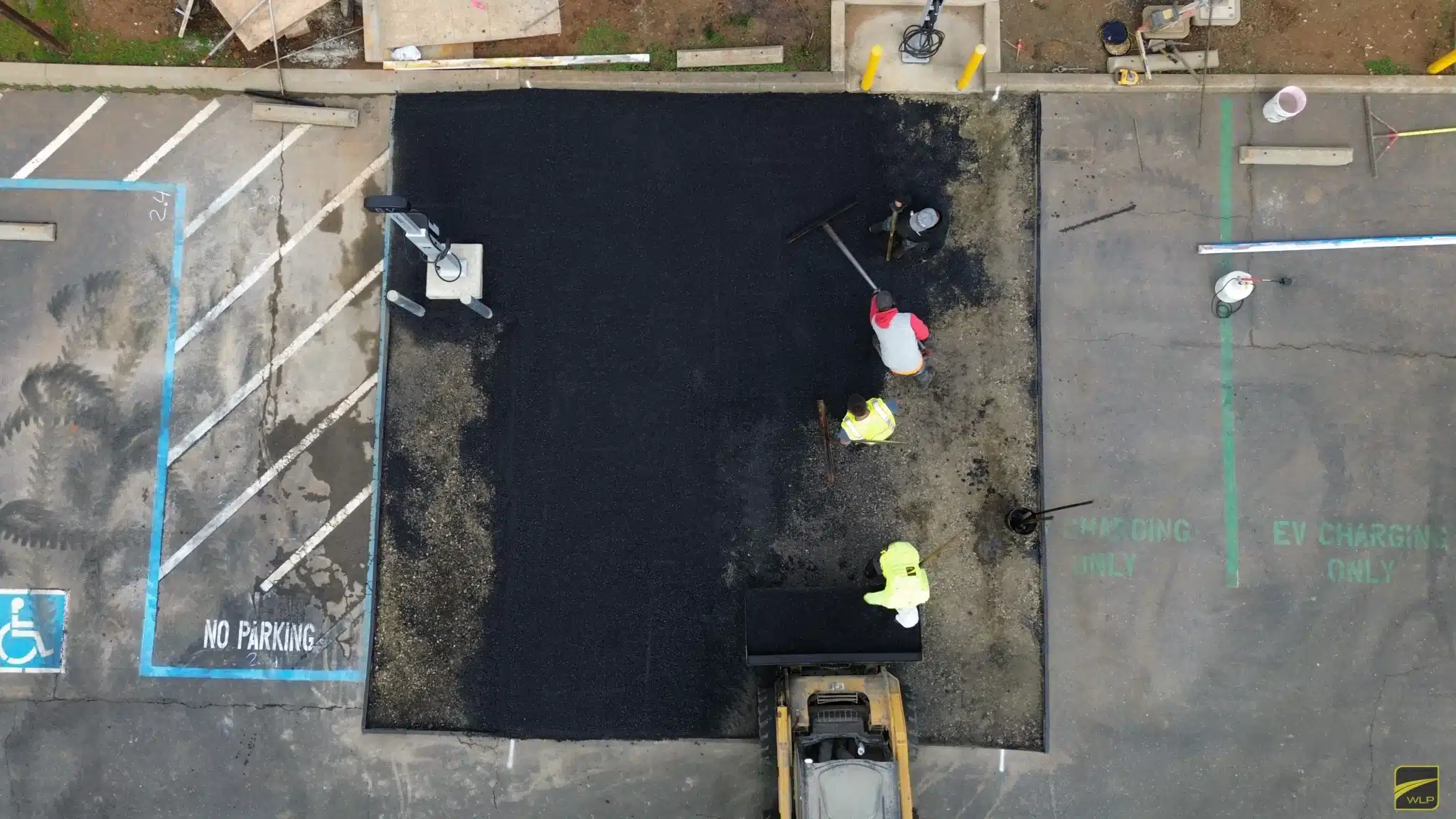
At the job site, the asphalt paving process takes over: the base condition, paving sequence, screed operation, joint construction, and compaction determine how the manufactured mix becomes pavement. This handoff is where the plant recipe meets site reality, and it is why WLP treats material selection, subgrade, drainage, logistics, and compaction as parts of one construction system rather than isolated tasks.
What Asphalt Manufacturing Decisions Mean for Commercial Pavement
For a commercial property manager, asphalt manufacturing matters because the visible surface is the final expression of decisions made upstream. A well-selected mix can still fail if the base or drainage is poor, but a strong foundation cannot compensate for an unsuitable or inconsistent mix. The best pavement outcomes come from matching plant production, site preparation, placement, and compaction to the same performance objective.
That is especially relevant on Northern California properties where traffic loads, drainage patterns, coastal exposure, and inland heat can vary substantially from site to site. WLP’s field operations team reviews the pavement system as a whole instead of treating HMA as a commodity that performs identically everywhere. The manufacturing recipe is one of the first project decisions that should reflect how the finished property will actually be used.
From the Plant Recipe to a Finished California Pavement
Knowing how asphalt is made helps explain why professional paving starts before the first truck arrives. The mix has to fit the pavement structure, traffic, drainage, site access, haul logistics, and compaction plan. On commercial work, those decisions are coordinated from material selection through the final rolling sequence so the plant recipe and field execution support the same result.
For property owners planning a new parking lot, reconstruction, or major resurfacing project, We Love Paving asphalt paving service connects California-specific mix selection with subgrade preparation, drainage planning, placement, and compaction under one project scope.