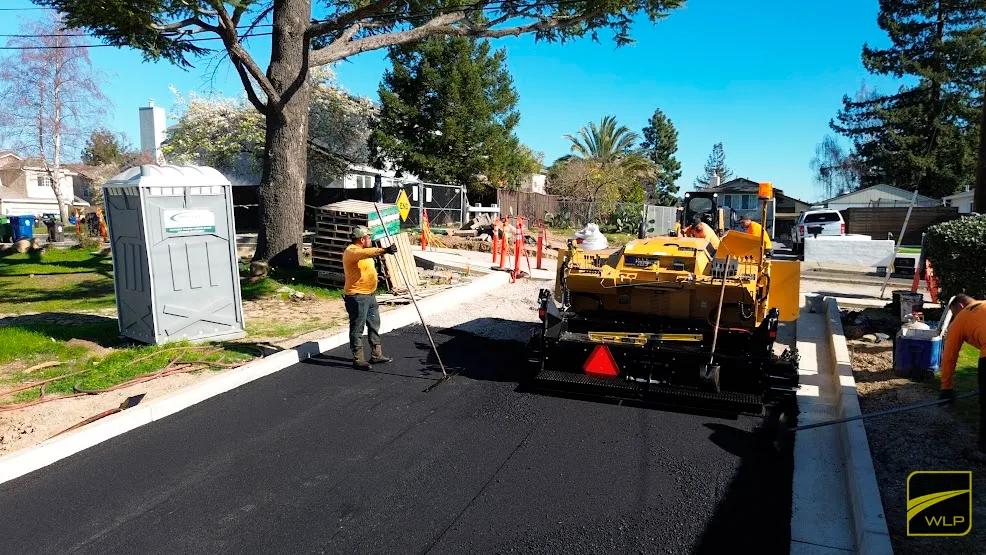
Fresh asphalt is much hotter than many property owners expect. During installation, hot mix asphalt is typically delivered and placed at temperatures ranging from roughly 275°F to 325°F, depending on the mix design, weather conditions, hauling distance, and project requirements.
For commercial properties, that heat matters because asphalt temperature directly affects how the pavement compacts, bonds, and performs over time. If the material cools too quickly before proper compaction occurs, the finished surface may wear unevenly sooner than expected.
That is why experienced paving crews pay close attention not only to the asphalt itself, but also to wind, air temperature, shading, traffic staging, and pavement thickness during installation.
For facility managers and property owners overseeing paving work, understanding the role of asphalt temperature can make project scheduling, access planning, and maintenance decisions much easier.
Why Asphalt Needs To Be Installed Hot
Asphalt is heated so it remains workable during transport, placement, and compaction. When the material leaves the production plant, it is designed to stay flexible long enough for paving crews to spread and compact it before it cools and stiffens.
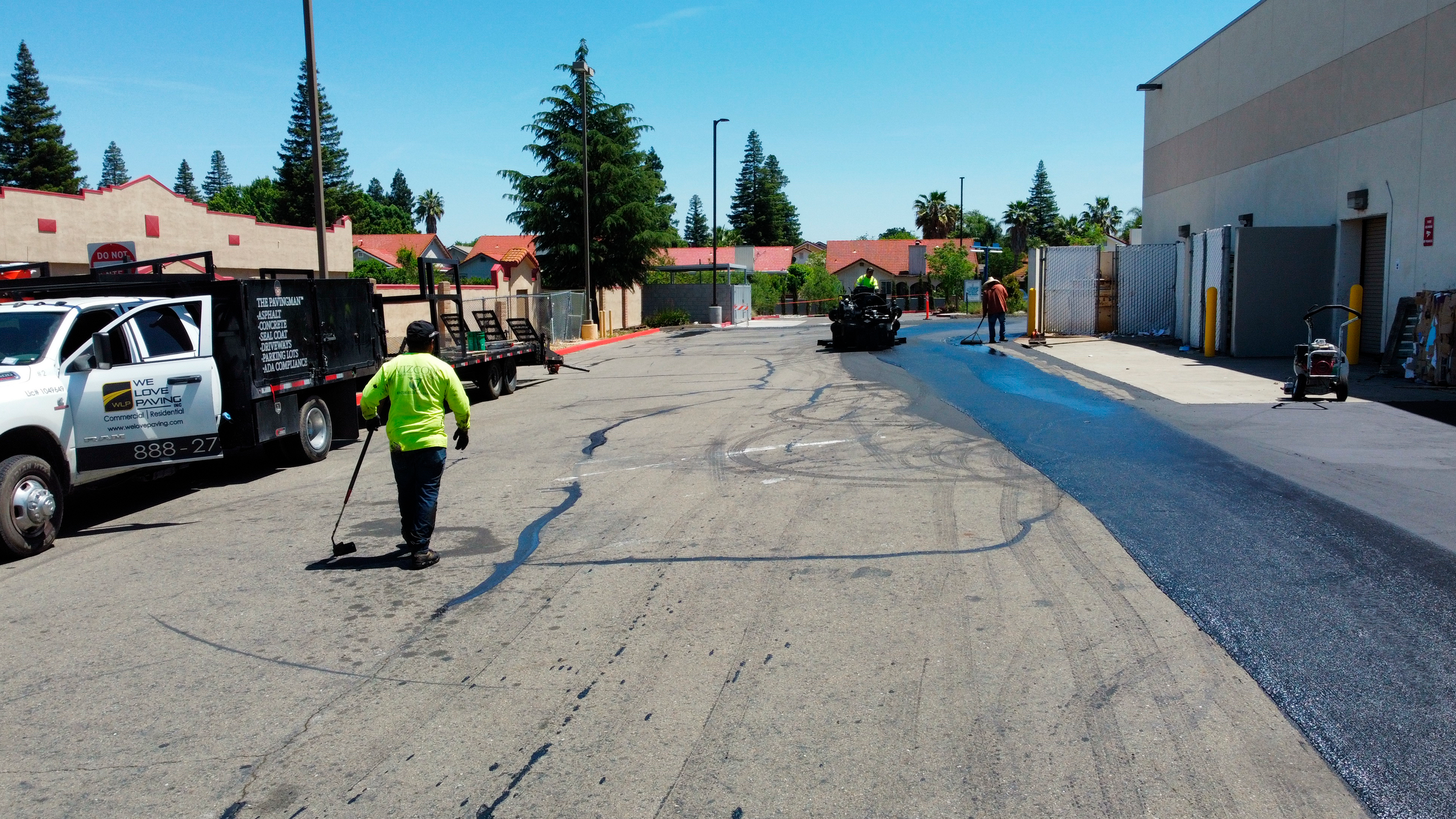
Once temperatures begin dropping, the available working time becomes shorter. On larger commercial paving projects, crews often coordinate truck timing carefully so the asphalt remains within an effective compaction range throughout the job.
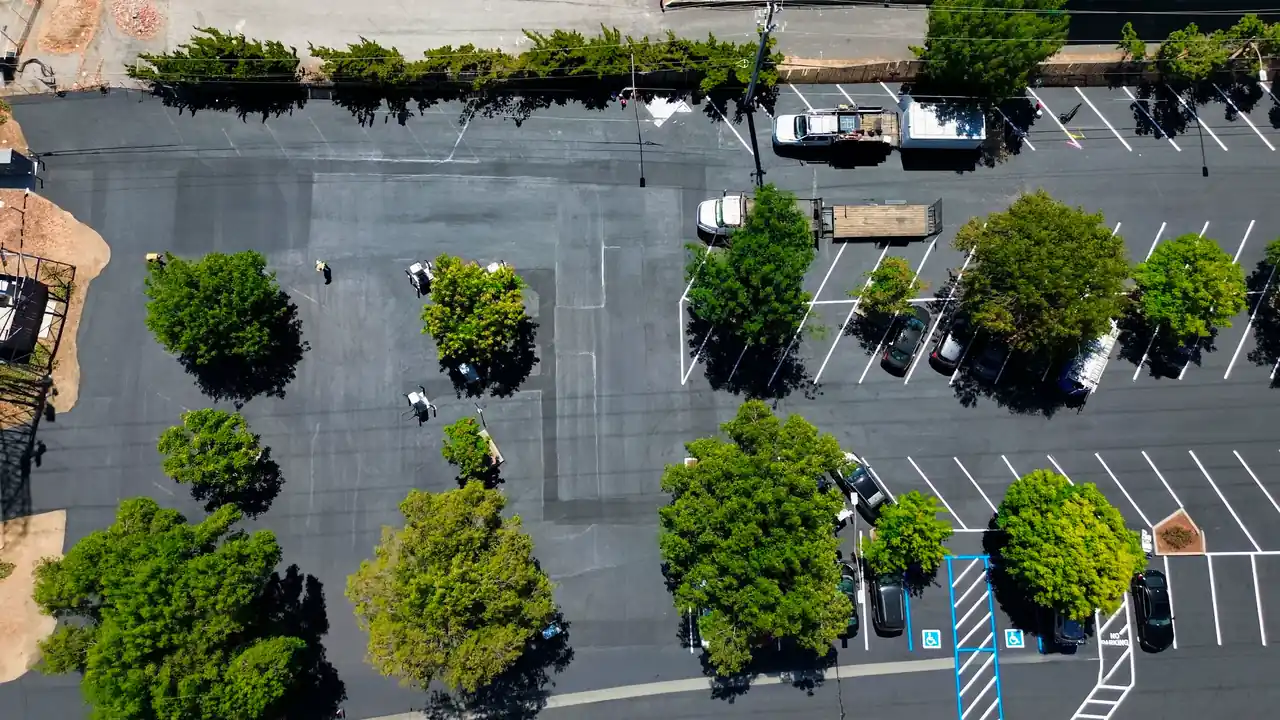
This is one reason why larger parking lots or phased paving projects require logistical planning beyond simply “laying asphalt.”
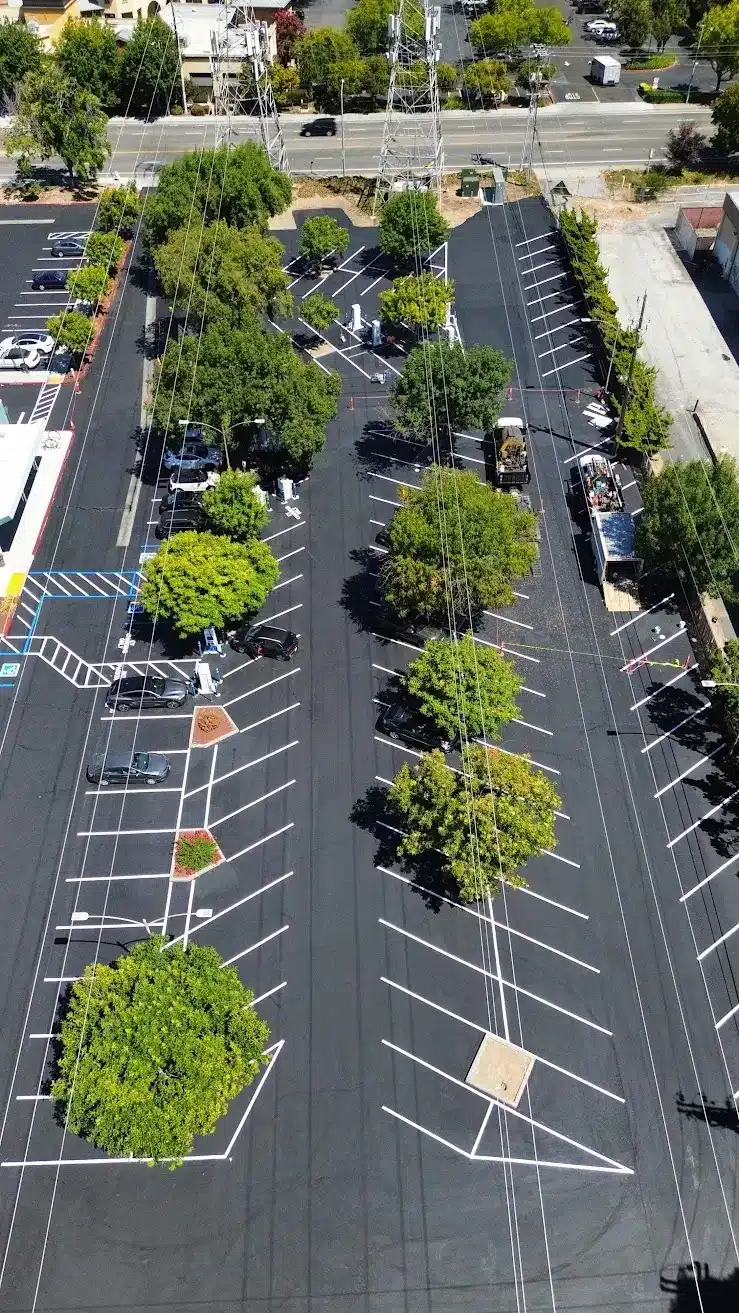
Where traffic-heavy entrances, loading areas, or turning zones already show surface fatigue, proper temperature control during asphalt paving can influence how well the new surface handles future stress.
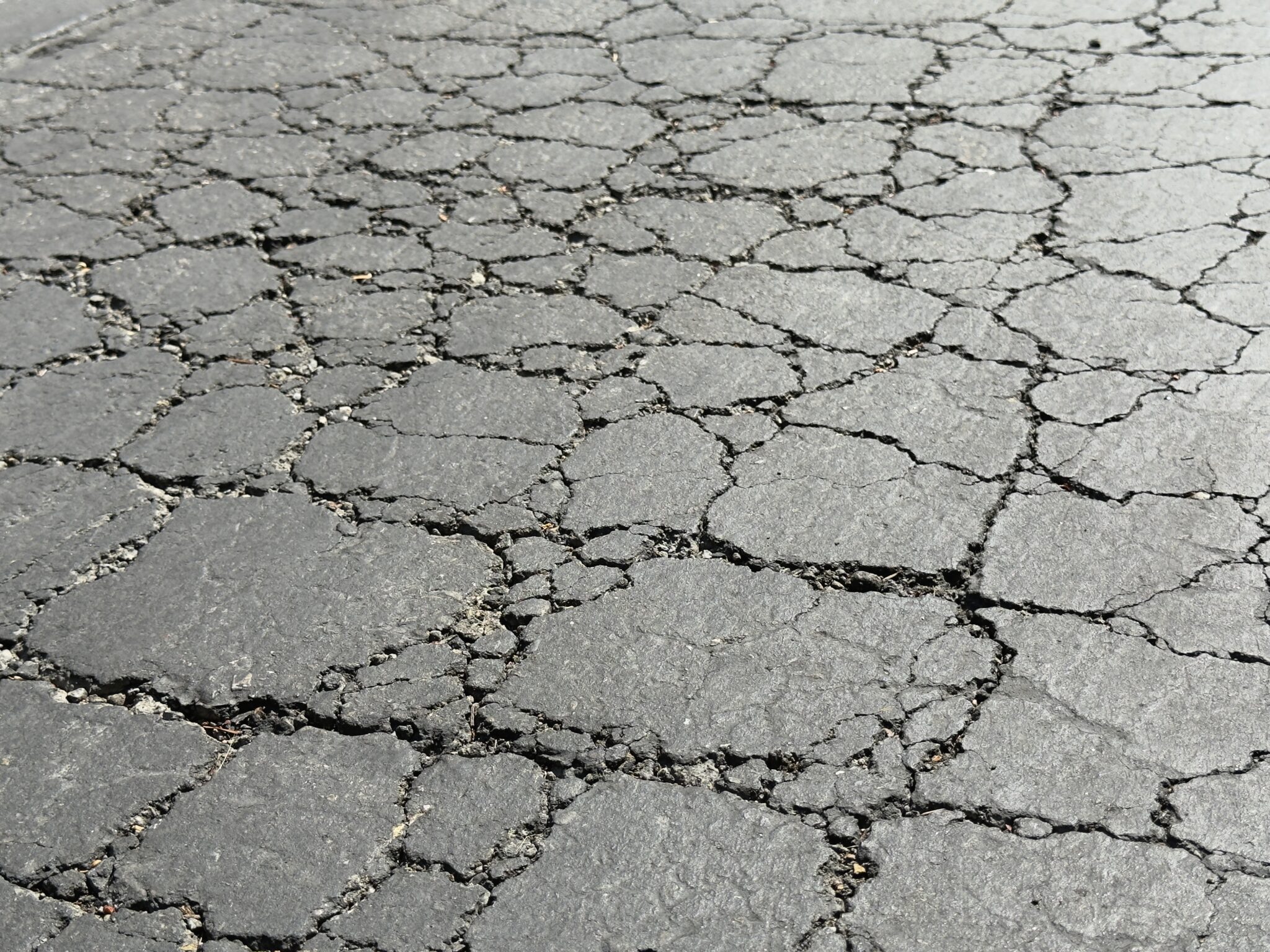
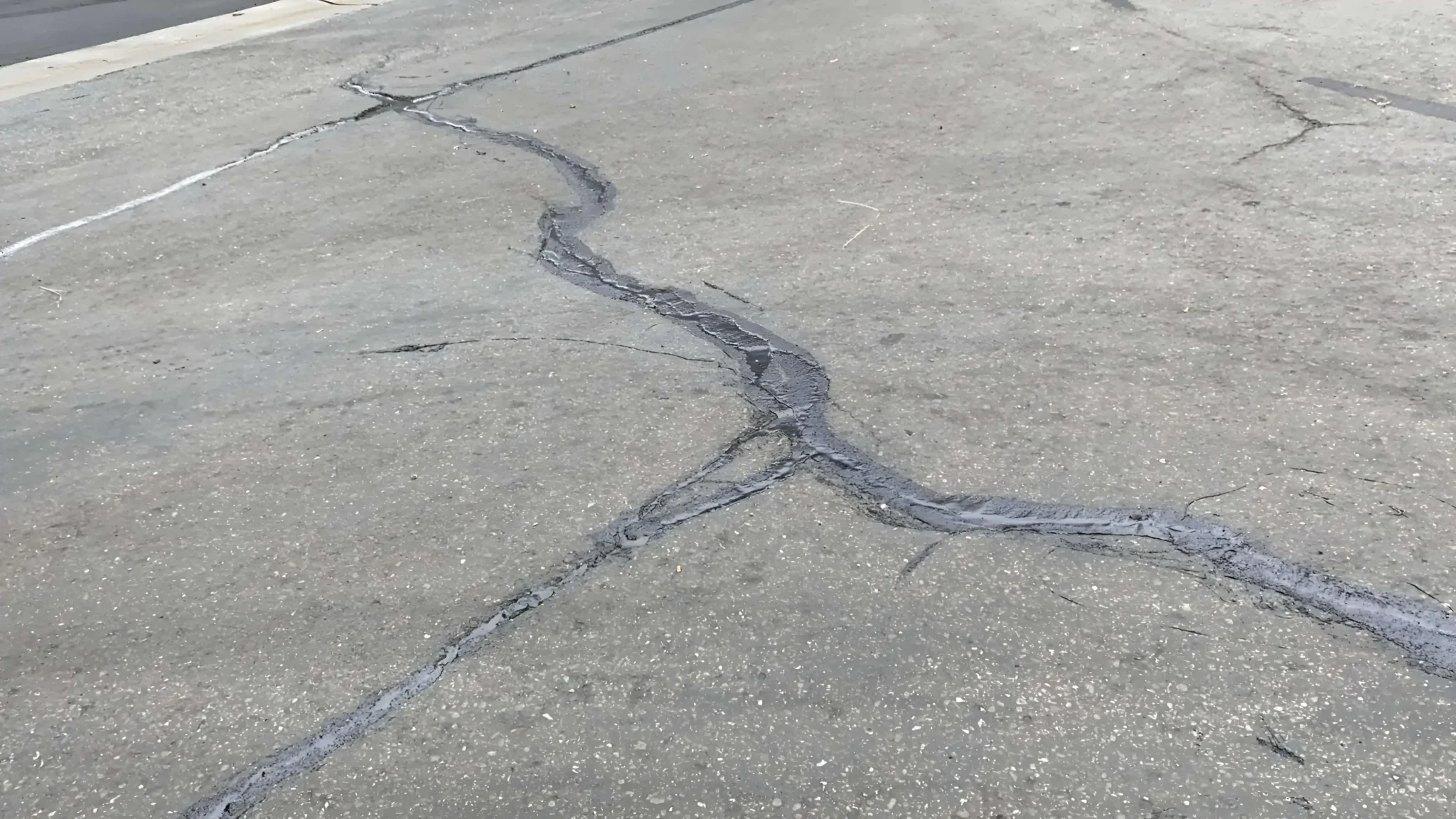
Properties dealing with recurring cracking near drive lanes sometimes evaluate broader pavement repairs before resurfacing begins, especially when aging surfaces have underlying structural wear.
Temperature Changes During The Paving Process
Fresh asphalt does not stay at one constant temperature from start to finish. The material gradually cools through every stage of installation.
| Paving Stage | Approximate Temperature Range | Why It Matters |
|---|---|---|
| Plant production | 300°F–350°F | Keeps asphalt workable for transport |
| Delivery to site | 275°F–325°F | Allows placement and spreading |
| Compaction phase | 175°F–300°F | Critical window for proper density |
| Cooling phase | Below 150°F | Surface begins hardening |
| Traffic reopening | Varies by project | Depends on thickness and site conditions |
These numbers can vary depending on asphalt type, aggregate mix, climate conditions, and local specifications. Thin overlays cool faster than thicker structural paving sections, especially in shaded areas or during cooler mornings.
On commercial sites with multiple entrances, crews may also sequence paving differently to maintain temperature consistency between sections.
Why Weather Matters More Than Most Owners Realize
Ambient temperature plays a major role in paving quality. Asphalt cools rapidly in cold weather, but extreme heat can also create operational challenges for staging and curing.
Wind speed, cloud cover, and even the temperature of the existing pavement surface can affect installation timing.
For example:
- Large shaded parking lots may cool unevenly.
- Coastal fog or morning moisture can shorten compaction windows.
- Darker aged pavement may retain heat longer during overlays.
- High-traffic retail properties may require phased work to reduce cooling delays caused by vehicle interruptions.
This becomes especially important when pavement wear already includes cracking, surface oxidation, or edge deterioration. In those situations, delaying maintenance too long may increase the amount of structural repair required before paving can begin.
Properties trying to extend pavement life often combine resurfacing schedules with broader sealcoating services to slow future oxidation and weather exposure.
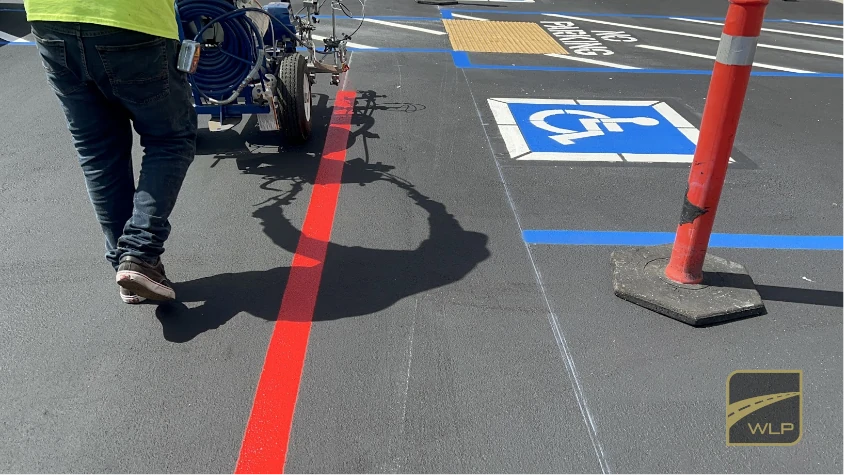
Where fading lane markings and traffic circulation issues overlap with pavement aging, updated parking lot striping may become part of the overall maintenance conversation rather than a purely cosmetic improvement.
How Fast Does Asphalt Cool After Paving?
Fresh asphalt begins cooling almost immediately after placement. Under moderate weather conditions, surface temperatures may drop substantially within the first hour.
However, cooling time depends on several factors:
- pavement thickness;
- outside temperature;
- sun exposure;
- wind conditions;
- traffic interruptions;
- underlying surface temperature.
A thin overlay on a cool morning may harden relatively quickly, while thicker commercial paving sections can retain heat much longer.
This is one reason property managers are often advised to keep vehicles, dumpsters, delivery trucks, or heavy equipment away from freshly paved surfaces until the material stabilizes adequately.
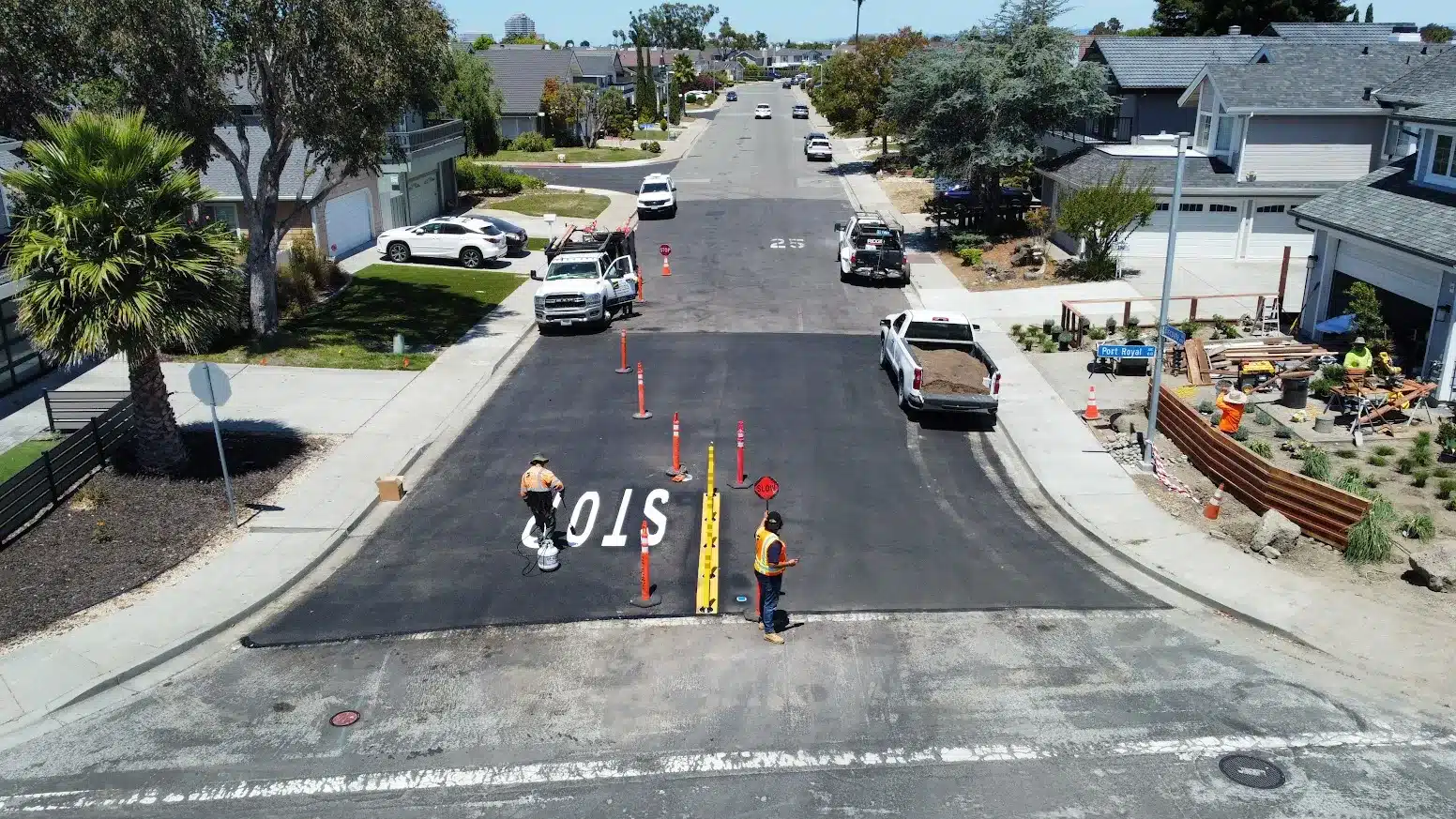
In busy commercial environments, operational coordination matters just as much as the paving itself. Loading docks, retail entrances, and emergency access routes may require phased scheduling to avoid premature surface stress.
When resurfacing projects also involve circulation redesigns or updated traffic patterns, commercial parking lot paving decisions often extend beyond simple surface replacement.
Why Proper Compaction Is More Important Than Maximum Heat
Many property owners assume hotter asphalt automatically means better pavement. In reality, proper compaction matters more than extreme temperature alone.
The goal is to compact the asphalt while it remains within the appropriate working range — not after it has cooled excessively and not while it is unstable from excessive heat.
Poor compaction can contribute to:
- premature cracking;
- surface separation;
- water intrusion;
- rutting in traffic lanes;
- shortened pavement lifespan.
This is especially important around commercial drive lanes, dumpster pads, loading areas, and intersections where heavy turning traffic concentrates pressure repeatedly.
Surface wear that develops alongside fading directional markings may eventually affect visibility and circulation efficiency, particularly on larger retail properties already planning parking lot maintenance.
Long-term durability also depends on how the pavement responds to traffic loads, seasonal movement, and water exposure after installation. Those factors often shape future pavement maintenance planning decisions.
Can Asphalt Be Too Cold To Install Properly?
Yes. Asphalt that cools too quickly may become difficult to compact effectively before it stiffens.
That does not necessarily mean paving cannot happen during cooler seasons, but crews typically adjust scheduling, trucking logistics, paving widths, and production timing to maintain workable conditions.
Commercial property owners sometimes underestimate how much weather variability can affect project timing. A paving date that looks acceptable on paper may require adjustment if overnight temperatures, rain risk, or strong winds create unfavorable installation conditions.
This is one reason experienced contractors monitor environmental conditions continuously during active paving operations instead of relying only on calendar scheduling.
What Property Managers Usually Notice After Fresh Paving
Immediately after paving, most commercial properties notice the visual improvement first: darker pavement, cleaner traffic lanes, and smoother driving conditions.
But long-term performance usually depends more on installation quality than appearance during the first week.
Experienced property managers often watch for:
- water drainage behavior after rain;
- settlement near utility covers;
- heavy truck turning wear;
- edge breakdown near curbs;
- early surface separation;
- fading traffic markings;
- stress around loading areas.
These observations help determine whether future maintenance should focus on crack sealing, striping updates, localized repairs, or broader resurfacing planning.
A Practical Perspective On Asphalt Temperature
For most property owners, the exact temperature number matters less than understanding why asphalt temperature affects the final result.
Fresh asphalt must stay hot enough long enough for crews to compact it correctly before the material cools and hardens. That process influences durability, surface smoothness, drainage behavior, and long-term maintenance performance.
At We Love Paving, we approach paving projects from a practical commercial property perspective: traffic flow, staging conditions, pavement lifespan, and how real-world site conditions affect long-term surface performance after installation is complete.alt stays in a “tender” state longer. This requires elite roller synchronization to achieve density without causing lateral displacement or permanent roller marks.