Summer is usually when pavement problems look the least serious.
Cracks appear smaller in dry weather. Surface wear seems manageable. Drainage issues become less noticeable after long periods without heavy rain. For many commercial properties, parking lots remain functional enough that maintenance gets pushed into “later.”
That delay is often what allows winter deterioration to become significantly more expensive by spring.
Once colder temperatures, moisture intrusion, and repeated traffic stress begin affecting weakened pavement areas at the same time, small surface problems tend to spread much faster than property owners expect.
For retail centers, apartment communities, industrial facilities, HOAs, and office properties, summer is often the most practical time to stabilize pavement conditions before winter weather accelerates existing damage.

Summer Conditions Make Pavement Problems Easier to Identify
Warm weather exposes pavement wear differently than winter conditions.
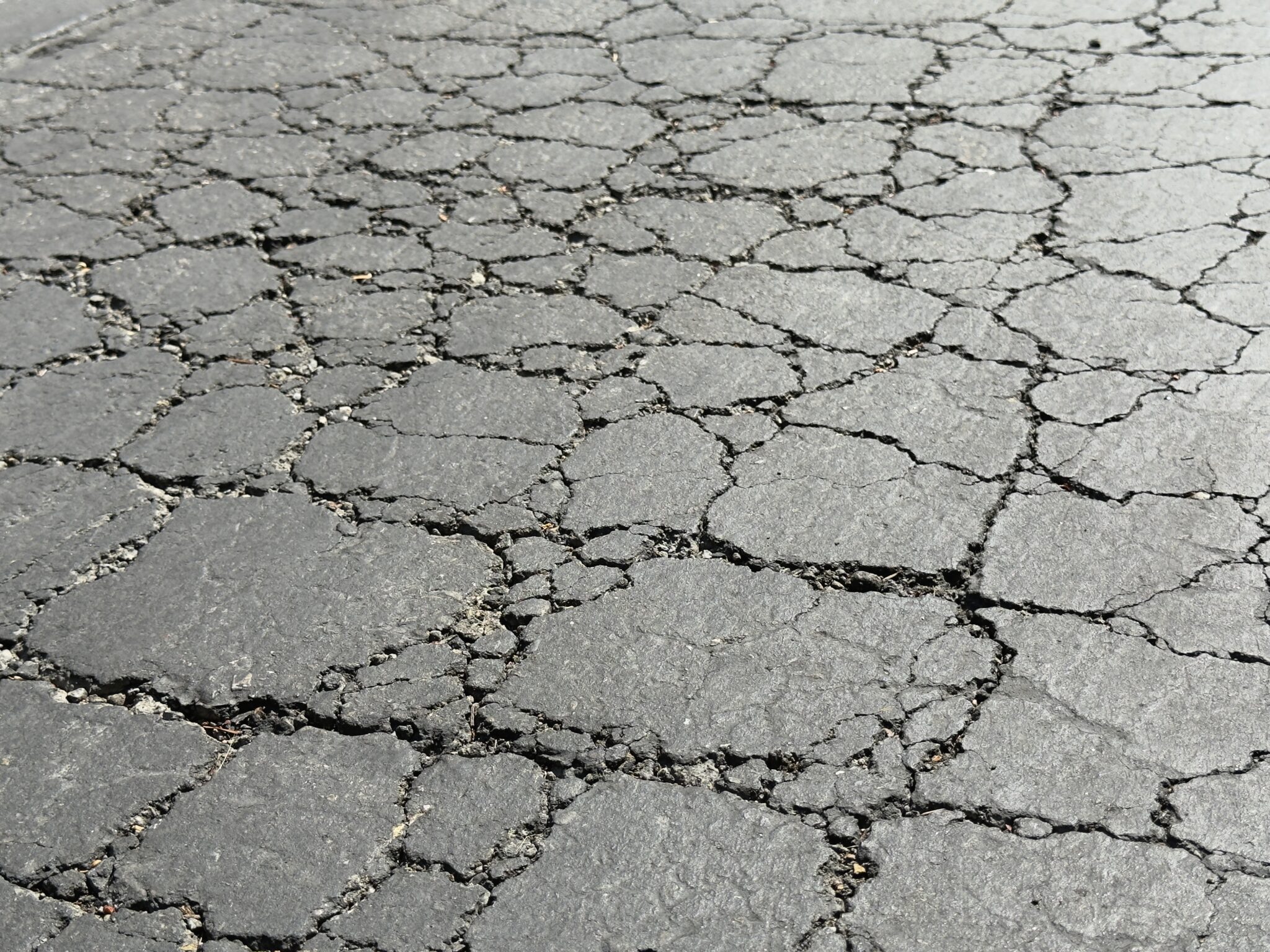
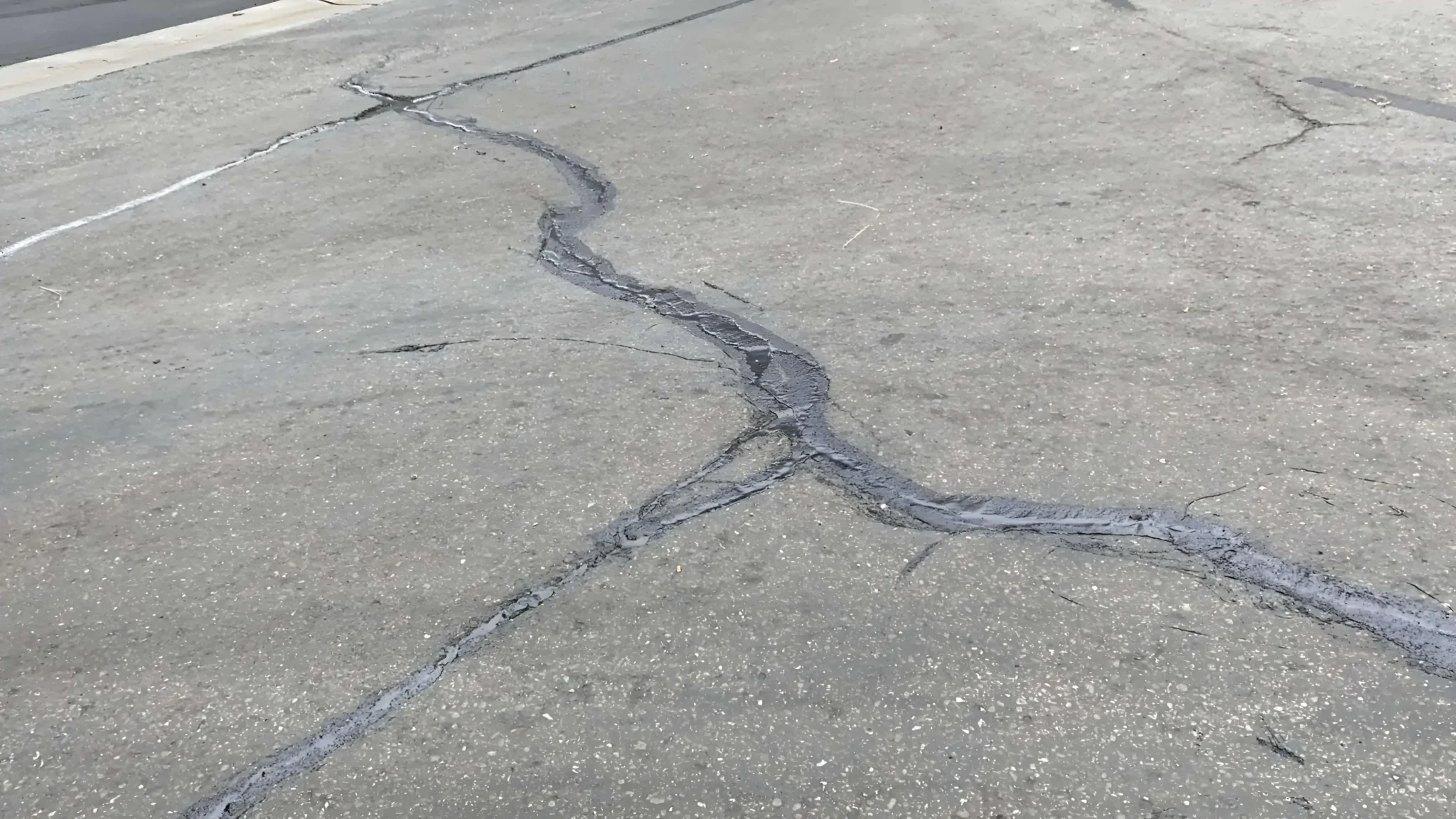
Dry surfaces make it easier to see fatigue cracking, surface separation, faded striping, drainage inconsistencies, and weak transition areas before moisture begins entering the pavement system repeatedly.
Many property managers first notice warning signs during summer through issues such as:
- cracks spreading across drive lanes,
- standing water after irrigation or cleaning,
- loose asphalt near curbs,
- rough pavement around turning areas,
- and surface wear near loading zones.
These conditions often remain relatively stable during dry months, which creates the false impression that the pavement can safely wait another season without attention.
In reality, summer usually provides the best opportunity to identify weak pavement areas before colder temperatures begin widening cracks and trapping moisture beneath the surface.
For many commercial properties, recurring wear patterns eventually become part of a broader paving maintenance strategy before structural deterioration spreads further.
Winter Moisture Turns Minor Cracks Into Larger Problems
Water is usually what accelerates pavement failure.
Once rainwater begins repeatedly entering existing cracks, the asphalt gradually loses its ability to distribute weight evenly. The supporting base beneath the surface becomes weaker over time, especially in areas exposed to heavy traffic and poor drainage flow.
That process becomes much more aggressive during colder months when freeze-thaw movement increases pressure inside already weakened pavement sections.
This is why parking lots that appear manageable during summer often develop potholes, widening cracks, and surface separation by late winter or early spring.
The areas that usually deteriorate first include:
| Parking Lot Area | Common Early Issue | Winter Risk |
|---|---|---|
| Entrances | Surface cracking | Moisture penetration |
| Drainage edges | Standing water | Base instability |
| Turning areas | Asphalt fatigue | Surface breakup |
| Loading zones | Repetitive stress wear | Structural cracking |
| Low pavement areas | Water retention | Freeze-thaw damage |
Properties with older asphalt surfaces tend to experience faster winter deterioration because the pavement has already lost flexibility from oxidation, UV exposure, and long-term traffic stress.
In many commercial lots, recurring surface cracking eventually leads owners to evaluate asphalt crack filling before damage spreads into larger pavement sections.
Traffic Stress Continues Through Every Season
One of the most overlooked pavement problems is repetitive vehicle movement.
Commercial parking lots rarely wear evenly. Certain areas absorb far more stress than others throughout the year. Delivery routes, dumpster enclosures, entrances, and high-turning sections experience constant braking pressure and concentrated vehicle weight.
During summer, those weak areas may still appear relatively stable. Once winter moisture enters existing cracks, deterioration often accelerates quickly.
Property managers commonly notice this progression near:
delivery lanes, ADA walkways, loading areas, and entrances where water already collects after storms.
At first, the surface simply looks rougher. Then cracks widen, pavement edges loosen, and shallow potholes begin appearing once the supporting layers underneath weaken.
For many commercial properties, recurring traffic-related deterioration eventually becomes part of larger parking lot paving planning once isolated failures begin affecting broader sections of the property.
Preventative Planning Usually Costs Less Than Structural Repairs
The purpose of summer pavement preparation is not cosmetic perfection.
The goal is to reduce the conditions that allow moisture, traffic stress, and colder temperatures to compound existing damage during winter.
Properties that inspect pavement before colder weather usually identify:
widening cracks, drainage concerns, weak surface areas, and unstable transitions before larger failures develop.
That timing matters because repairs become significantly more disruptive once potholes, widespread surface fatigue, and moisture intrusion begin affecting daily operations.
Many commercial properties also recognize that deteriorating pavement affects more than maintenance budgets alone. Uneven surfaces, standing water, and damaged walkways influence tenant perception, pedestrian safety, and overall property appearance long before major reconstruction becomes necessary.
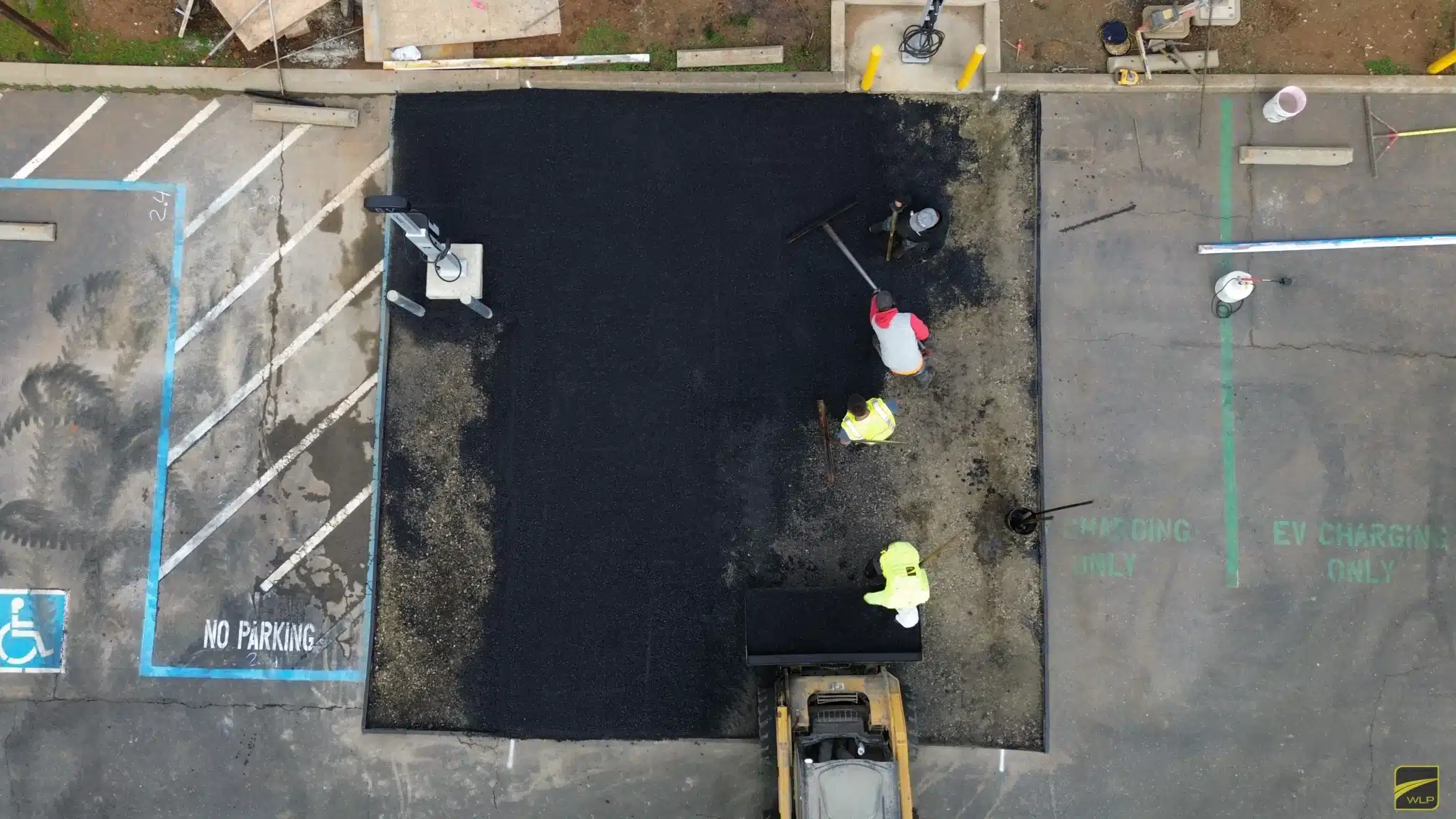
In many cases, preventative asphalt paving planning during summer helps extend pavement life while reducing larger winter-related repair costs later.
Why Summer Is the Best Time to Protect Asphalt
Winter damage usually begins long before winter weather arrives.
Small cracks, drainage inconsistencies, and surface fatigue often remain manageable during dry months. Once colder temperatures and moisture cycles begin affecting those weak areas repeatedly, deterioration becomes far more difficult and expensive to control.
That is why many parking lots that appear stable in summer deteriorate rapidly by spring.
For commercial properties, summer preparation is often the most effective opportunity to protect pavement before winter conditions accelerate structural wear across larger sections of the parking lot.