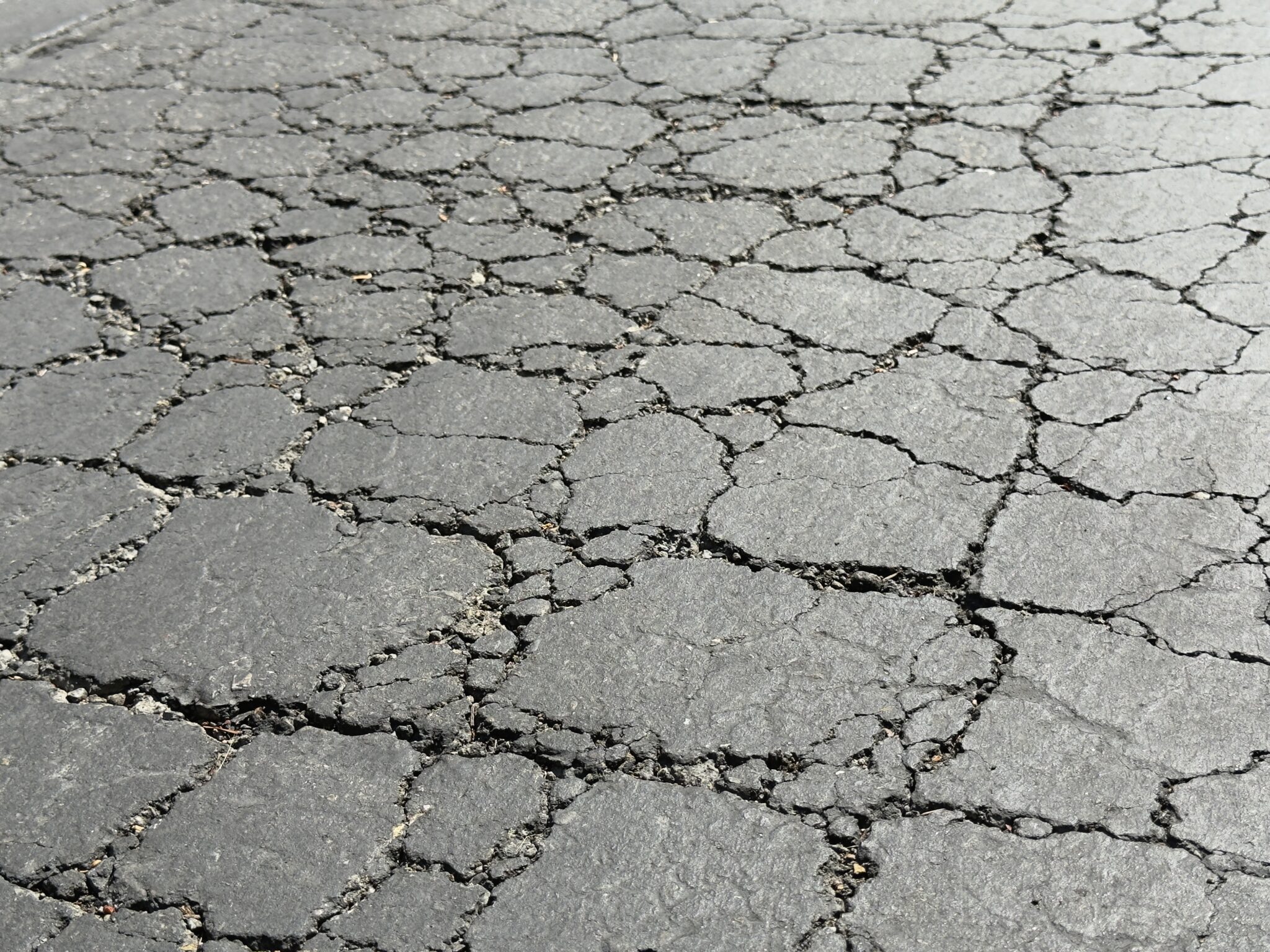
A winter parking lot maintenance problem in Northern California rarely stems from heavy snowplows; it begins with early rain, unsealed cracks, and poor drainage that quietly undermine your pavement long before spring. Throughout the Bay Area, winter brings severe precipitation events and fluctuating temperatures that force water deep into existing asphalt fissures. As traffic passes over saturated sub-bases, hydrostatic pressure rapidly strips aggregate binders, turning minor surface cracks into structural depressions and costly spring potholes. Ignoring early water damage leads directly to the most common pavement problems, requiring extensive structural remediation in spring instead of low-cost preventive care.
Protecting commercial property pavement requires shifting focus from reactive clearing to pre-storm preparation. Water intrusion, standing runoff, and heavy vehicle traffic interact continuously with the pavement’s existing condition. A sealed, well-draining parking lot directs heavy winter rainfall toward catch basins, while an unmaintained surface traps moisture in weak edges, accelerating sub-base degradation with every passing storm. Proactive parking lot maintenance integrated into your annual facility schedule is essential to protecting your site.
Rain Exposes the Problems Already in the Pavement
Heavy rain does not damage every parking lot equally.
A storm moving across a smooth, well-sealed surface has fewer places to collect. On a lot with open cracks, uneven patches, broken transitions, loose aggregate, or sunken areas, water finds those weak points first and settles there.
That difference matters for commercial properties because storm damage happens fast. Rain arrives in bursts, often overnight or during business hours, and a saturated lot gives property managers little time to react before water starts working into the pavement structure.
Small pavement defects become bigger risks once they’re hidden under standing water. A low curb edge can disappear into a puddle. A raised patch can direct runoff the wrong way. A cracked edge near a drain can widen quickly once water sits on it through repeated storms.
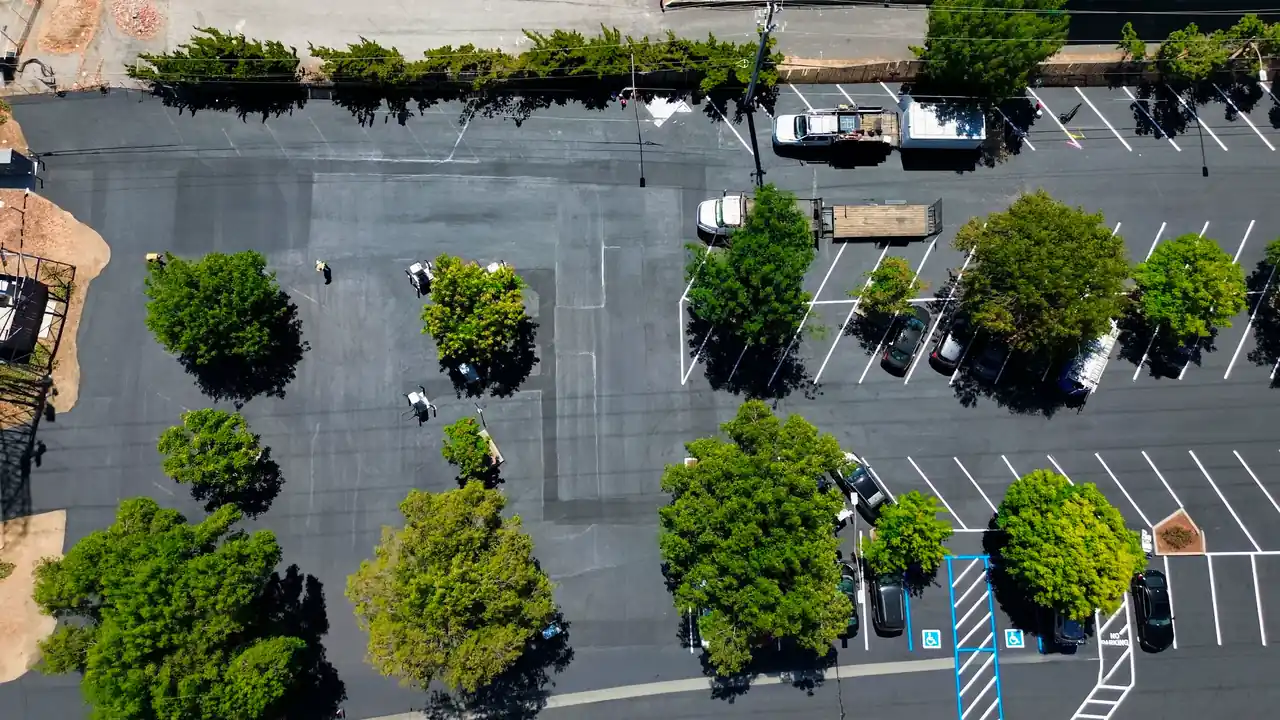
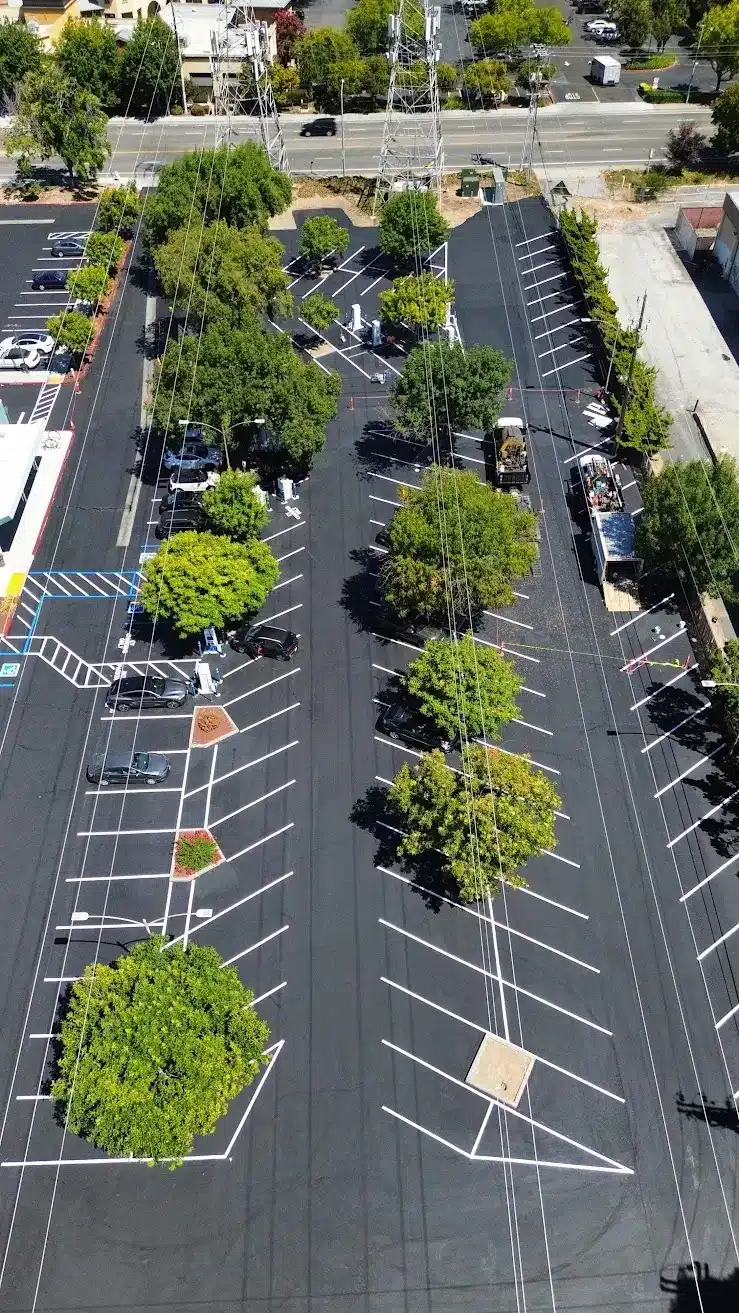
Before the rainy season, property managers should walk the lot with drainage in mind, not just general appearance. Look at the areas where water will pool, flow, and exit. Entrances, fire lanes, loading zones, trash enclosure routes, accessible parking areas, and drainage paths deserve closer review because they carry both daily traffic and the heaviest runoff during storms.
When those areas already show wear, paving maintenance becomes part of preparing the site for the wet season, not just improving the look of the pavement.
Drainage Determines How Much Winter Damage Remains After a Storm Passes
Drainage isn’t only about handling one storm. It’s also about what happens in the days after the rain stops.
If runoff has nowhere to go, it will settle in low areas, run back across drive lanes, collect near entrances, or sit overnight before the next storm arrives. That cycle can create slick areas, increase pavement stress, and keep moisture working into cracks and weak joints.
A parking lot can look fine on the surface and still be poorly prepared for a wet winter if drainage is not functioning.
Before the season, inspect catch basins, curb lines, storm drains, trench drains, and low points. Leaves, sediment, trash, and landscape debris should be cleared before storms arrive. Water flow paths should also be planned carefully runoff crossing pedestrian routes, accessible parking, or high-traffic drive aisles can create recurring winter problems.
A drainage problem that is manageable in fall can become a repeated winter maintenance issue once heavy rain and standing water are added to the property.
Markings, Curbs, and Edges Need to Be Visible Before the First Storm
Standing water and reduced visibility during storms hide the details crews and drivers need to protect the lot.
Curbs, islands, wheel stops, ramps, drains, raised utility covers, and pavement transitions can be obscured by pooling water, heavy rain, or glare from headlights during low-visibility conditions. If they are not clearly marked before winter, vehicles are more likely to strike them.
This is not just a cosmetic issue. Impact from vehicles navigating around hidden hazards can chip concrete, damage asphalt edges, loosen curbs, break wheel stops, or expose weak pavement. In commercial lots, those areas often sit near pedestrian movement, storefront access, or high-turning traffic.
Property managers should identify anything that could catch drivers off guard before the first major storm. Reflective stakes, curb markers, and clear site maps can reduce confusion. Maintenance and landscaping crews should know which drains need regular clearing and which areas need extra attention during heavy rain.
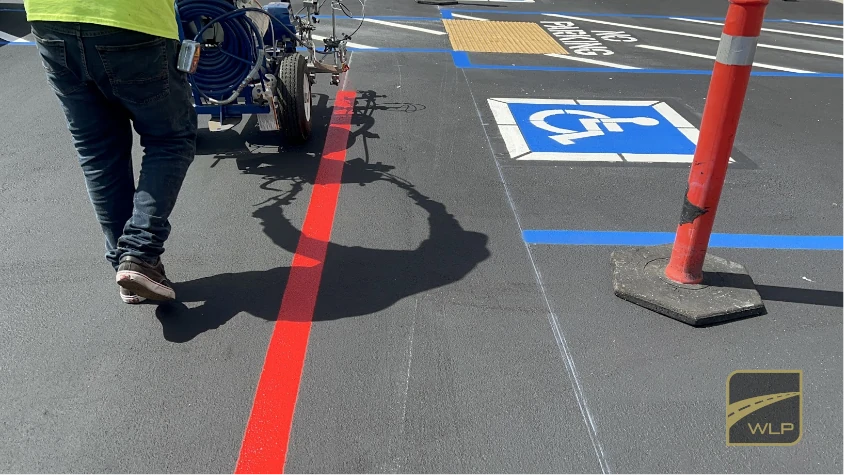
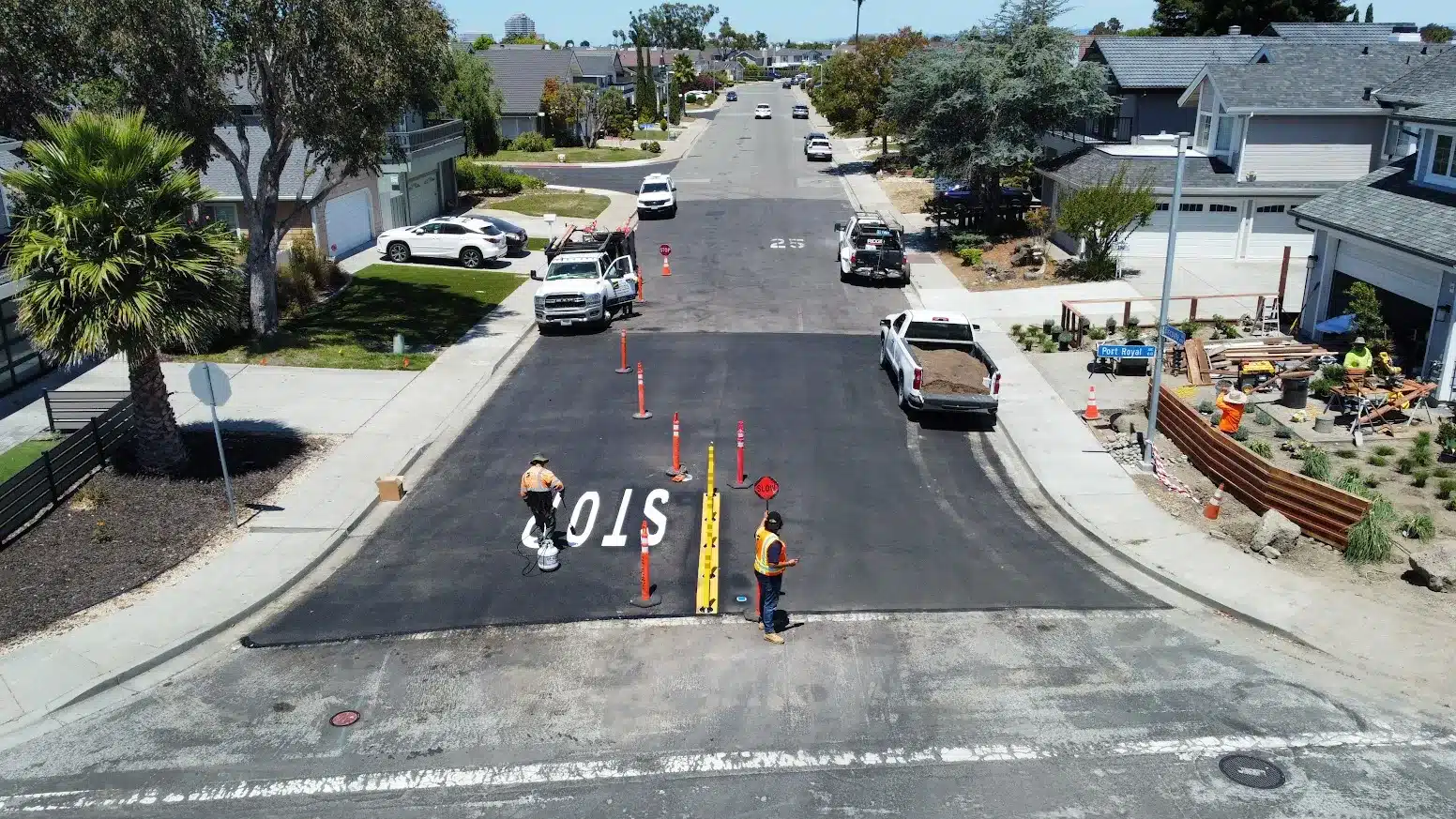
Faded pavement markings also matter. If stall lines, directional arrows, accessible parking markings, fire lanes, or pedestrian crossings are already hard to see before the rainy season arrives, the lot becomes harder to navigate during winter operations. The concern is practical visibility and site function, not a legal guarantee.
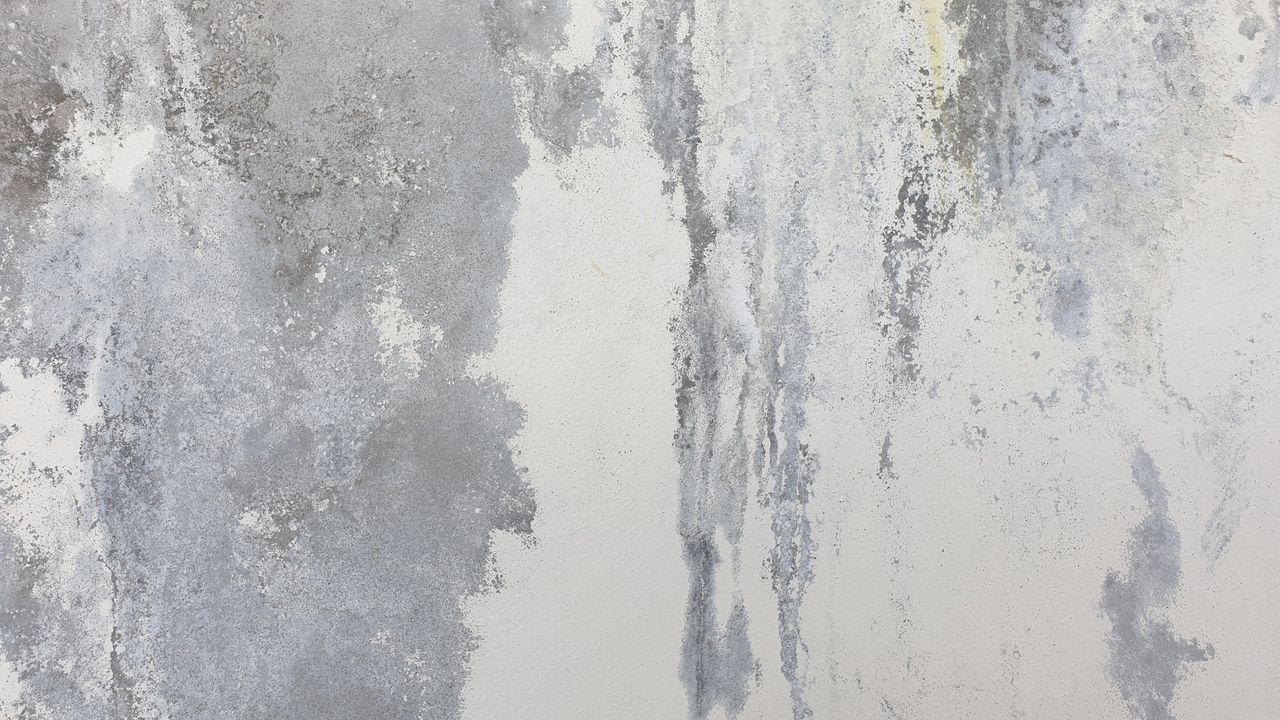
Weather exposure also affects pavement over time, and weather affects asphalt differently depending on moisture, temperature movement, traffic load, and surface condition. Winter maintenance planning should account for those conditions instead of assuming every section of the lot will respond the same way.
Preventing Water Intrusion and Drainage Failures in Wet Cycles
In Bay Area commercial lots, standing water is the primary catalyst for severe structural pavement failure. During prolonged atmospheric river events, stormwater that cannot drain effectively collects in low spots and penetrates open joints along curbs, catch basins, and drive aisles. Continuous moisture infiltration weakens the underlying layers. Maintaining a strong base for an asphalt pavement ensures that saturated aggregate does not shift under heavy vehicular weight.
Proactive winter parking lot maintenance demands a strict inspection of drainage infrastructure before the first major storm series arrives:
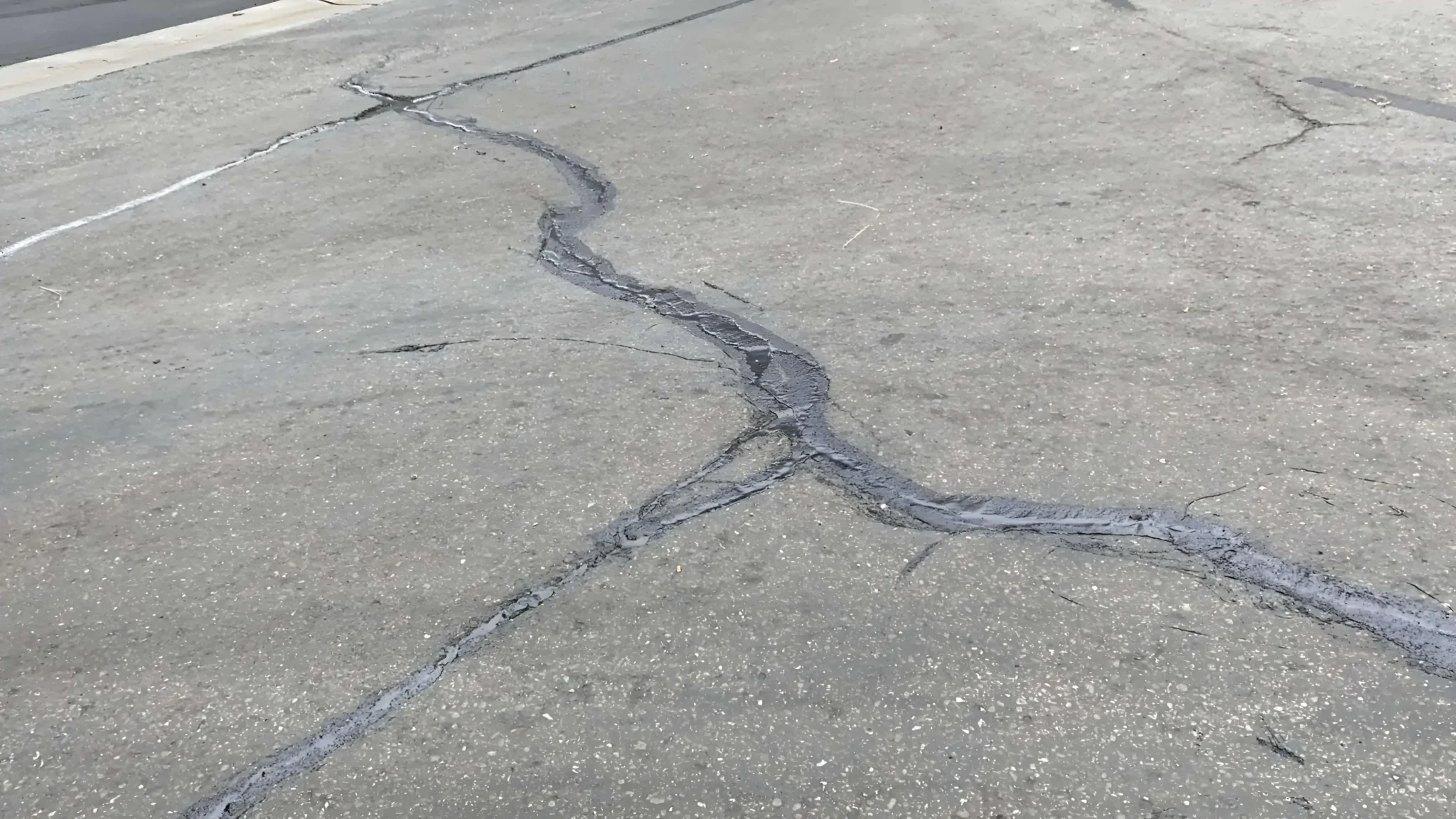
- Crack Sealing (Hot-Pour Rubberized): Applying ASTM D6690-compliant rubberized hot-pour asphalt sealant to block moisture from entering sub-base layers.
- Catch Basin Clearing: Removing leaves, sediment, and organic debris from grates to maintain maximum intake capacity.
- Flow Line Restoration: Ensuring concrete gutters and curb lines remain unobstructed to prevent ponding near pavement edges.
A Practical Pre-Rainy-Season Checklist for Property Managers
A useful winter plan should be simple enough to execute before the season becomes reactive.
| Area to Review | What to Look For | Why It Matters for Winter Maintenance |
|---|---|---|
| Cracks and joints | Open gaps, loose edges, water entry points | Prevents deep water penetration and sub-base softening |
| Drainage & catch basins | Clogged grates, standing water, low spot accumulation | Ensures heavy atmospheric river runoff leaves the lot |
| Curbs and flow lines | Blocked concrete gutters, broken asphalt edges | Maintains clear water channels toward storm drains |
| Pavement markings | Faded stall lines, arrows, pedestrian crossings | Supports site navigation and safety in heavy rain |
| Low spots & depressions | Ponding water, settling asphalt near entrances | Prevents localized binder breakdown under vehicle traffic |
| Prior patches & utility cuts | Raised edges, joint cracking, surface raveling | Reduces risk of sudden pothole formation in wet cycles |
The strongest winter plans are not complicated. They are specific. They identify where water will pool, where runoff will flow, and where pavement is already vulnerable.
Photos taken before winter can clarify whether damage existed before a storm hit. They also help property teams compare conditions after storms and during spring maintenance planning.
Prepare the Lot Before Storm Damage Becomes Emergency Work
The main risk with winter parking lot maintenance is waiting until a storm has already exposed hidden damage.
At that point, crews and drivers are working around hidden curbs, unclear edges, blocked drains, and pavement defects they cannot always see. Property managers lose the advantage of preparation. Small repairs become harder to schedule. Spring damage becomes easier to blame on winter, even when the real cause was poor pre-season planning.
A better approach is to treat rainy-season readiness as part of pavement preservation.
Before winter, inspect cracks, drainage, surface wear, markings, and drainage flow paths. Identify which defects are cosmetic and which ones could worsen under moisture, freeze-thaw movement, or heavy traffic. Then handle the practical items early enough to reduce avoidable repair pressure in spring.
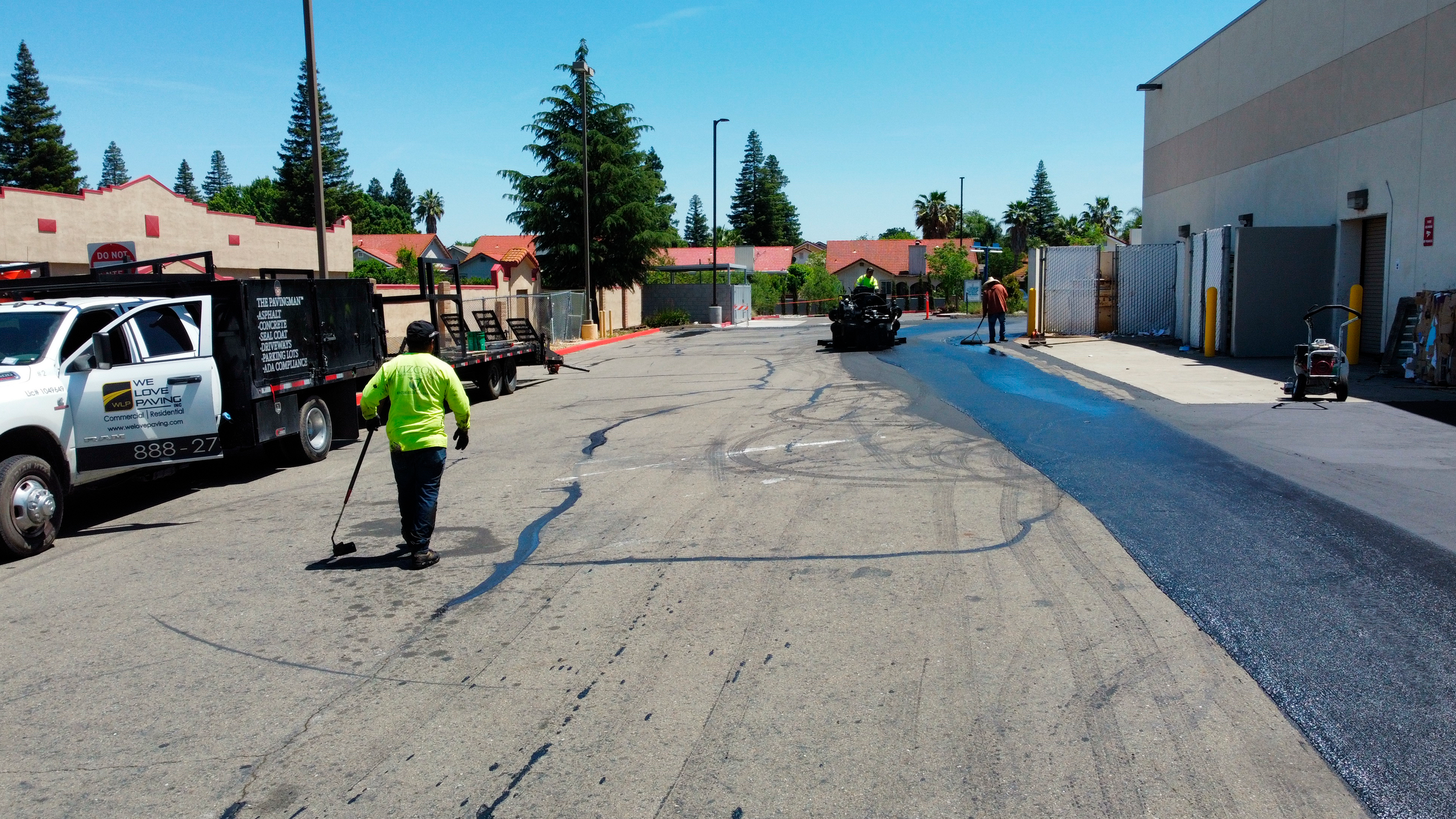
At We Love Paving, winter parking lot preparation is viewed through a maintenance-first lens: what a heavy storm will expose, where water will move, which pavement areas are already weak, and how early planning can help protect the property before winter damage becomes a larger repair conversation.