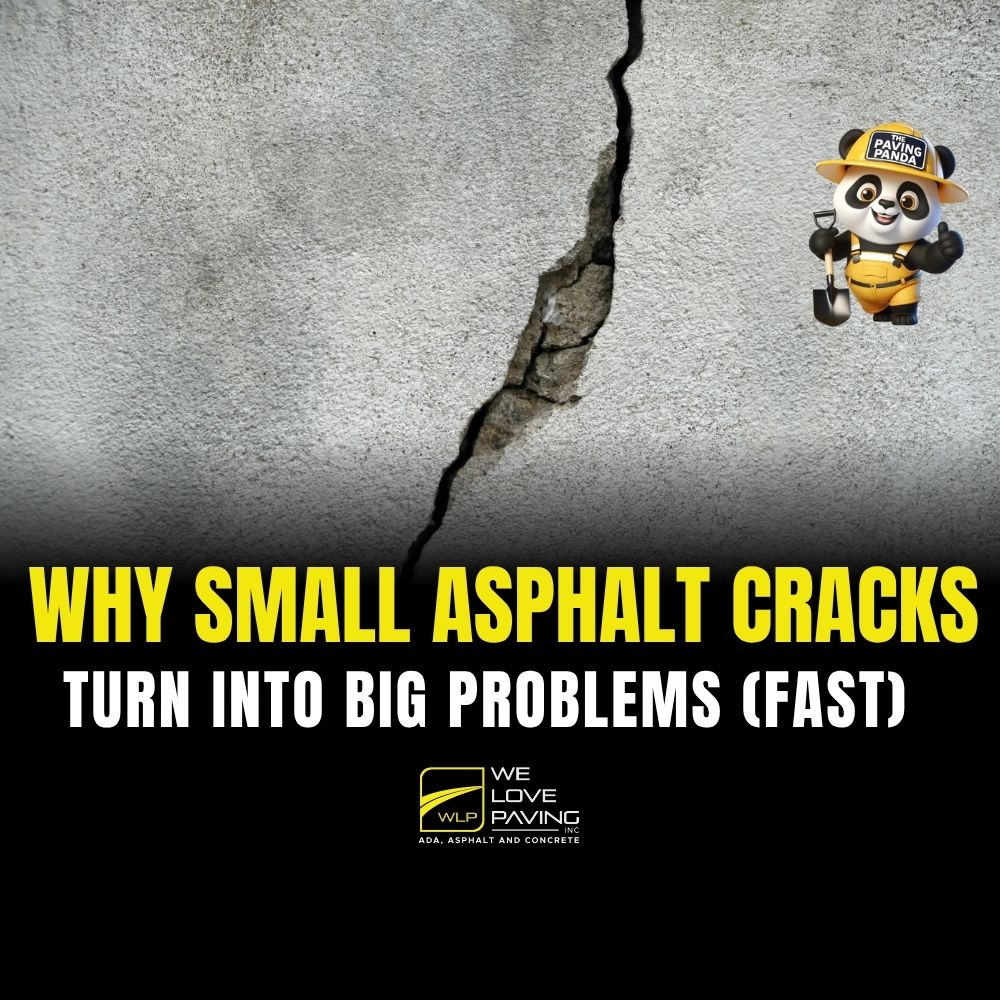
Small cracks in asphalt are easy to dismiss because they rarely disrupt a property right away.
Cars still move through the lot. Tenants still park. Deliveries still arrive. From a distance, the pavement may look serviceable enough to leave alone until the next budget cycle.
That is where property owners and managers often misread the condition.
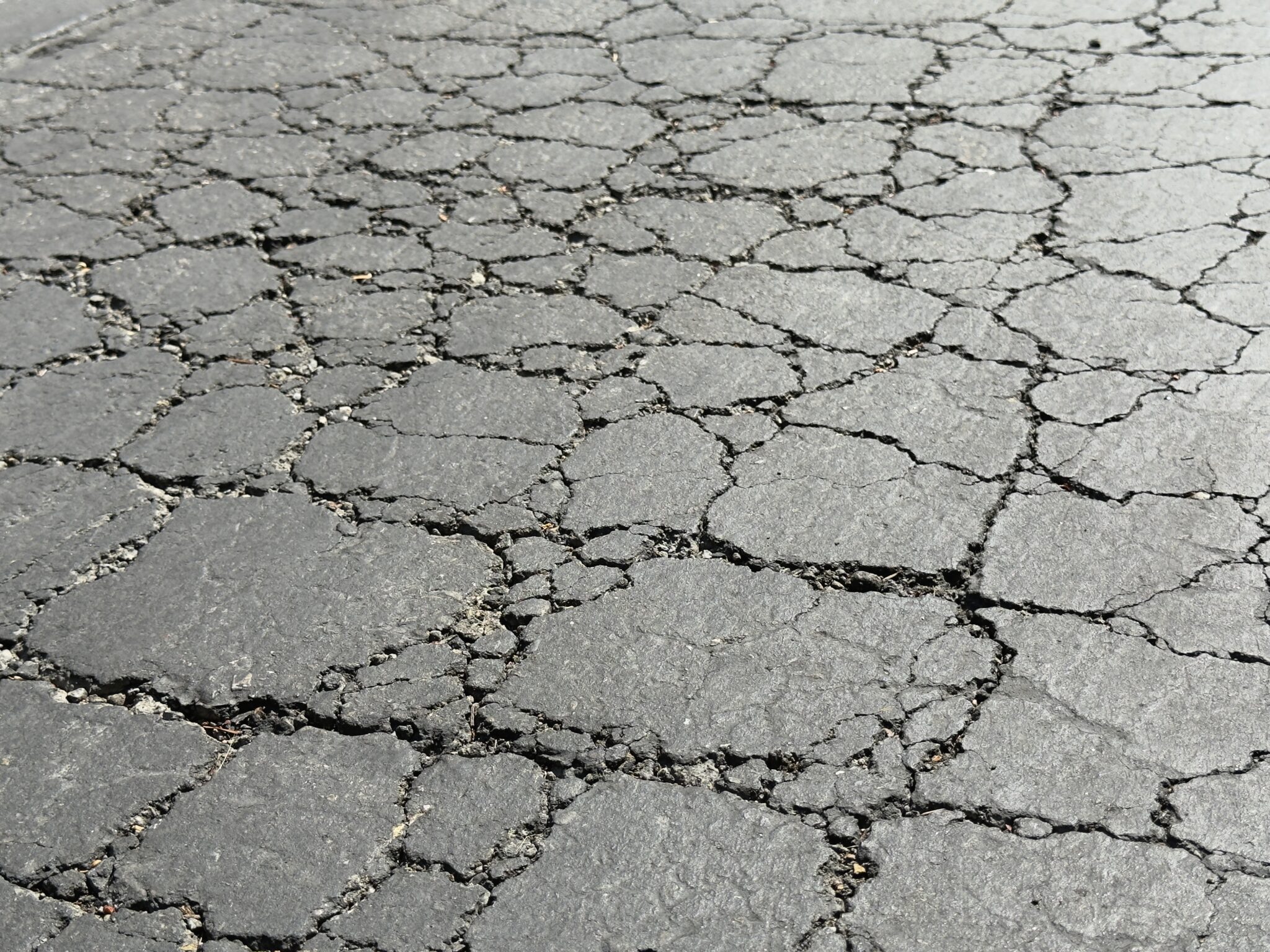
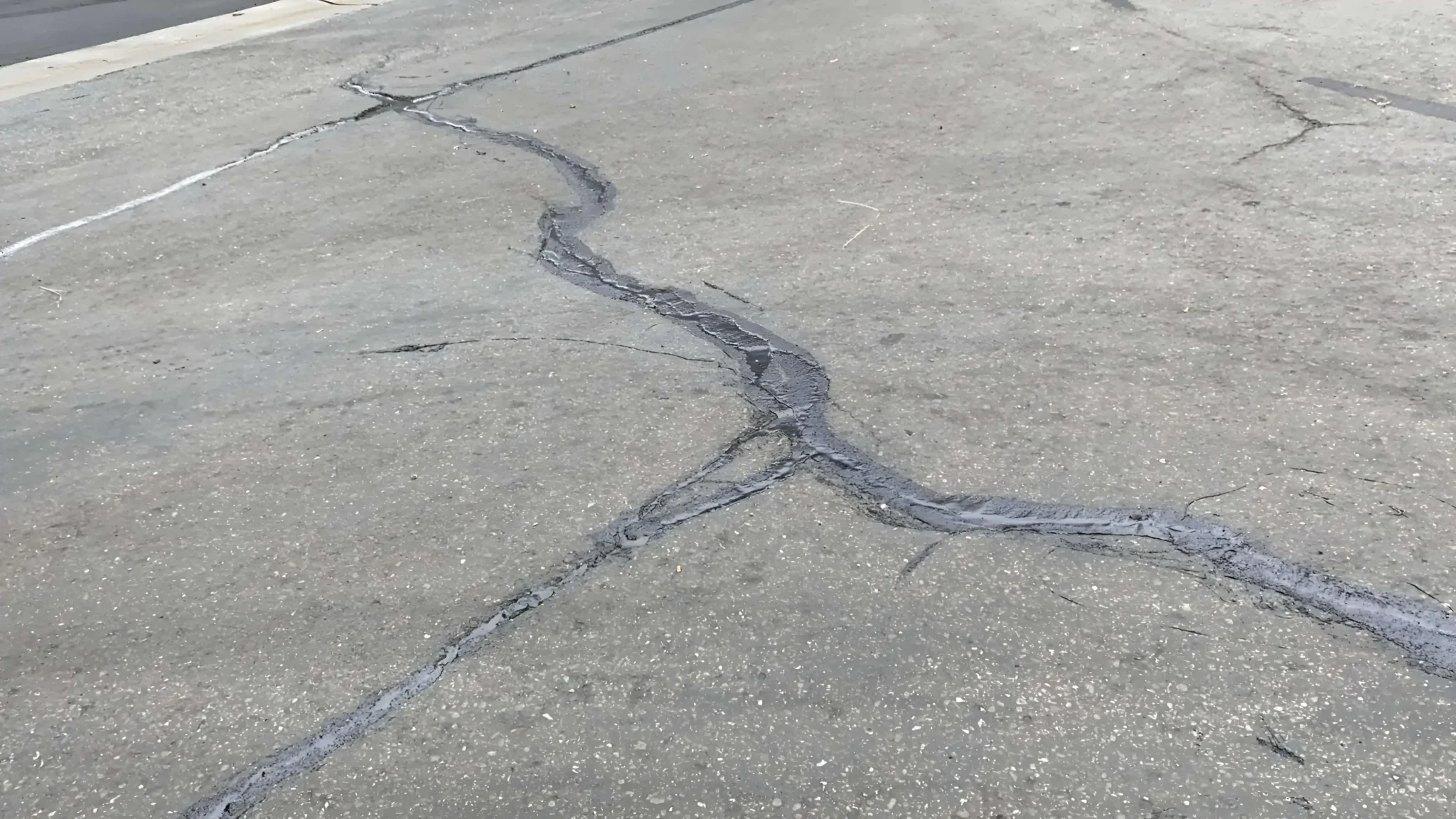
A crack is not just a line in the surface. It is an opening in a pavement system that depends on sealed layers, stable support, drainage control, and surface flexibility. Once that opening allows water, grit, and repeated traffic stress into the pavement, deterioration can move faster than it appears from above.
The real problem is not that every small crack is urgent. The problem is that small cracks change the way the pavement behaves. They give water a path downward, create weak edges, collect debris, and concentrate stress in places already exposed to turning vehicles, parked loads, sunlight, or drainage movement.
For commercial properties, the cost is usually not the crack itself. The cost comes from waiting until the crack becomes part of a larger pavement pattern.

A Small Crack Changes How Water Moves Through the Lot
Asphalt is designed to shed water across the surface. Once cracks open, that drainage behavior changes.
Instead of moving only toward drains, gutters, or landscaped edges, water begins entering the pavement through narrow gaps. That moisture may not be visible after the surface dries. It can remain below the asphalt, especially where the base layer is already compacted unevenly, where drainage is slow, or where traffic keeps forcing water deeper into the structure.
This is why cracks near low spots, curb lines, drainage paths, or ponding areas deserve more attention than cracks in dry, lightly used corners.
A narrow crack in a dry section may remain mostly cosmetic for a while. A similar crack in a wet traffic lane can become a bigger maintenance issue because every rain event sends more water into the same opening. Once water reaches the supporting layers, vehicle weight can begin flexing the pavement from below rather than only wearing the surface from above.
That repeated movement is what turns a simple surface defect into a spreading pavement problem.
Where cracks are still narrow and isolated, asphalt crack filling may be part of a practical maintenance response before the surrounding pavement begins breaking away.
The Fastest Deterioration Usually Happens Below the Surface
One reason cracks in asphalt catch owners off guard is that the visible damage often lags behind the hidden damage.
From above, a crack may look unchanged for months. Beneath the surface, water may be softening the base, fines may be washing out, and repeated traffic may be pushing the pavement into small movements that eventually show up as wider cracks, dips, or potholes.
This is why two cracks that look similar can have very different consequences.
| Visible Condition | What It May Suggest | Why It Matters |
|---|---|---|
| Thin isolated crack | Early surface aging or minor movement | Often easier to monitor or address early |
| Crack near standing water | Drainage stress or repeated moisture entry | Higher chance of base weakening |
| Crack with loose edges | Surface raveling and traffic wear | Edges may continue breaking apart |
| Connected crack pattern | Fatigue or repeated structural stress | Damage may be spreading beyond the surface |
| Crack beside a pothole | Advanced pavement failure | Repair scope may need closer evaluation |
This does not mean every crack requires the same response. It means the surrounding conditions matter.
A crack should be judged by where it is, how it behaves after rain, how much traffic crosses it, whether the edges are stable, and whether similar cracks are appearing nearby.
The article on why asphalt cracks form addresses the causes more directly; this page is narrower: why small cracks become larger property problems once water, traffic, and delayed maintenance start working together.
Small Cracks Become Planning Problems, Not Just Repair Problems
The worst time to think about cracks is after they have already spread across a major drive aisle.
At that stage, the issue is no longer a simple maintenance item. It can affect budgeting, tenant communication, traffic control, scheduling, drainage review, and access planning. A small crack that could have been handled during routine maintenance may eventually require patching, milling, overlay planning, or more disruptive repair work.
For commercial properties, the operational cost can matter as much as the construction cost.
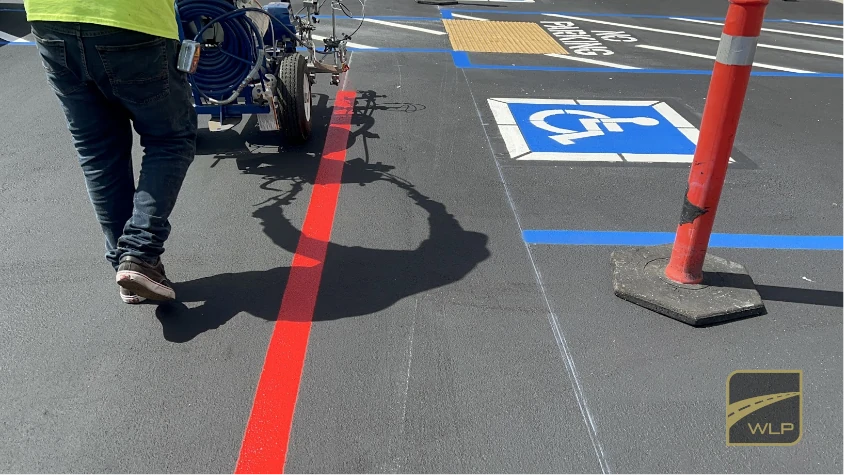
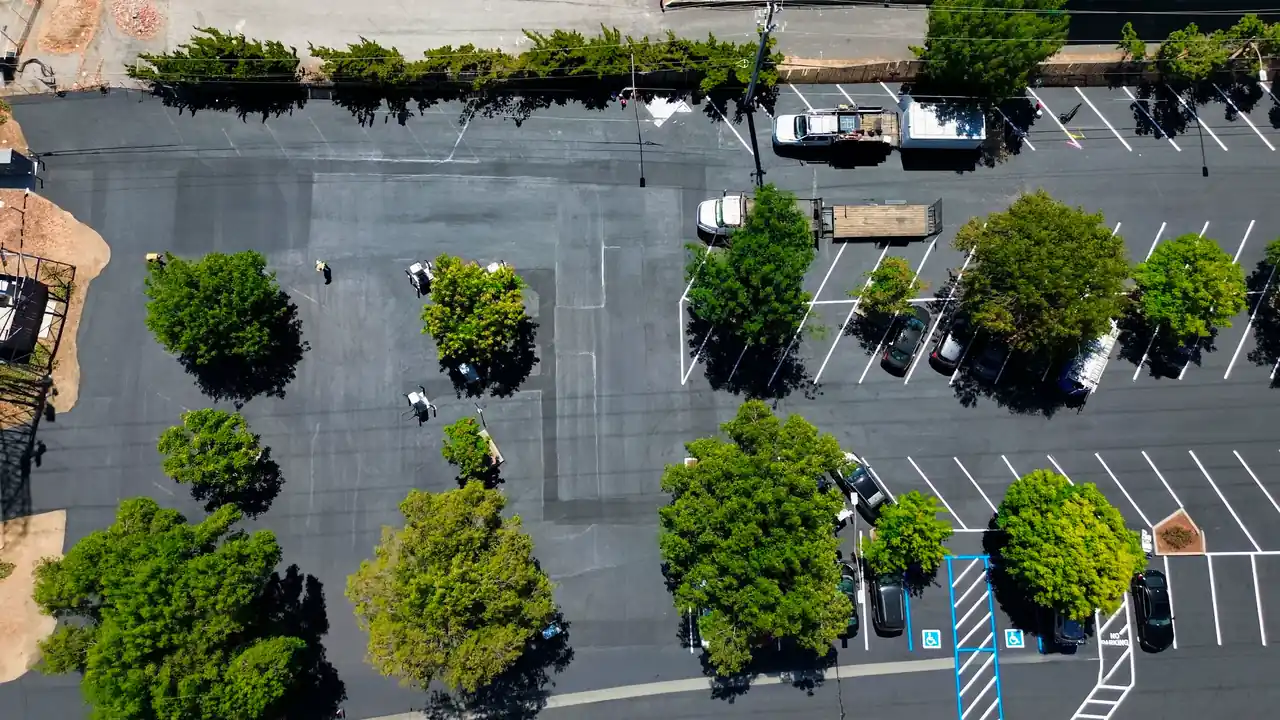
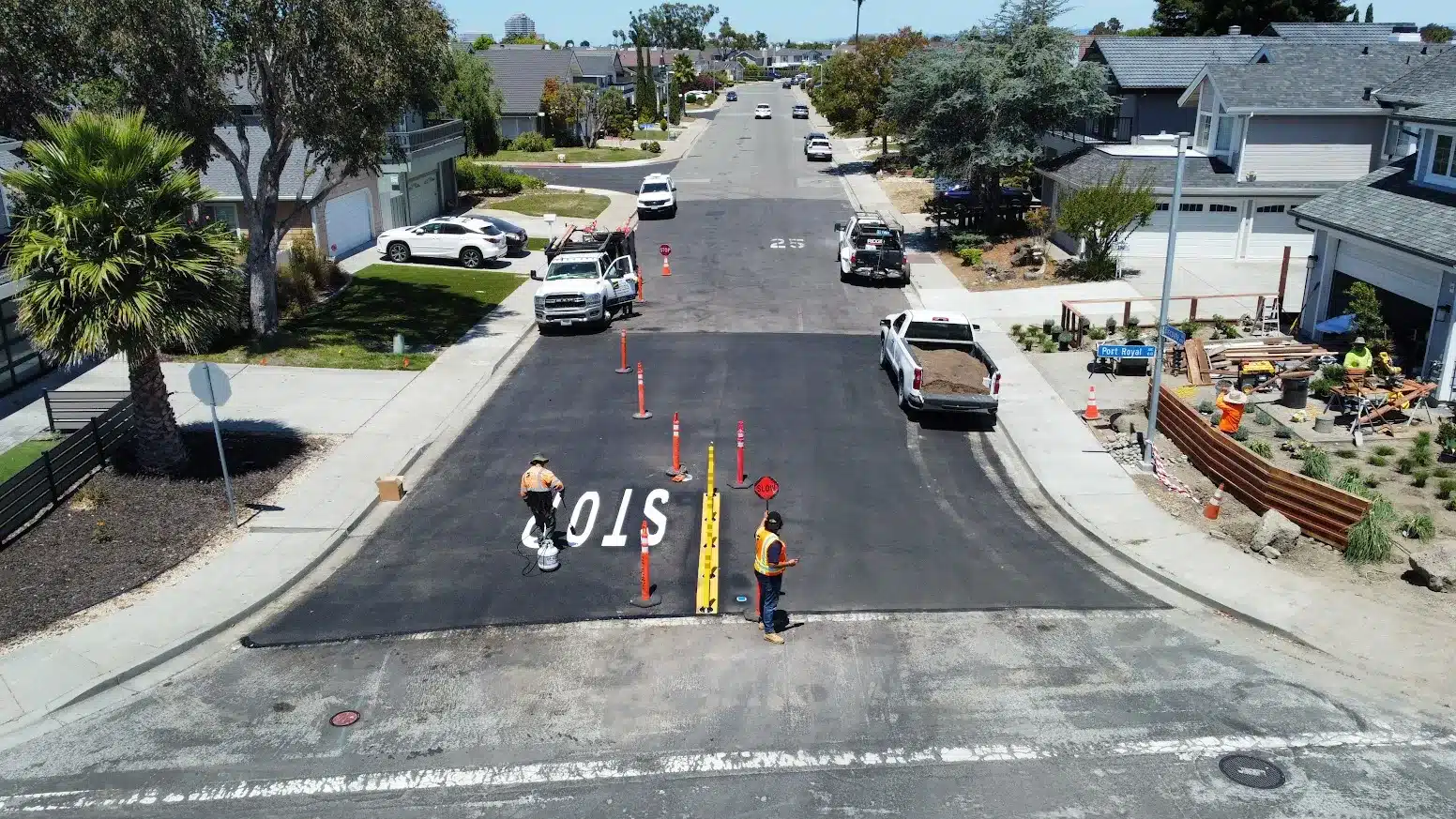
A repair near a retail entrance may require phased access. A repair near a loading area may need to be scheduled around deliveries. A repair in an apartment community may affect resident parking. A repair near accessible parking or pedestrian routes may require extra care so the finished surface remains usable and clearly marked.
This is the practical reason early attention matters. It preserves options.
When cracks are identified early, a property manager may be able to group them into a planned maintenance visit. When they are ignored, the site may move into reactive repairs where timing, cost, and disruption are harder to control.
Cracks and joints can also interact with nearby weaknesses. A small opening beside an old patch, pavement seam, utility cut, or drainage transition can accelerate deterioration in that specific area. That chain reaction is the issue discussed in pavement deterioration, but the key point here is simple: cracks rarely stay isolated when surrounding conditions are already weak.
The Difference Between Cosmetic Cracking and a Bigger Warning Sign
Not every crack in asphalt means the pavement is failing.
That assumption leads to bad decisions too. Some surface cracking may be shallow, slow-moving, and manageable through normal maintenance. Other cracks are warning signs because of their location, pattern, width, edge condition, or relationship to drainage and traffic.
A practical site walk should look for a few field clues:
- Cracks that widen noticeably after storms or seasonal temperature changes
- Loose asphalt along crack edges
- Repeated cracking in the same patched area
- Cracks forming near drains, curb flow lines, or ponding areas
- Interconnected cracks in loading zones or turning lanes
- Cracks that are beginning to hold weeds, gravel, or standing water
The weakest logic is assuming that small means harmless. Size matters, but context matters more.
A short crack in the wrong place can be more important than a longer crack in a dry, low-stress area. A crack near repeated water movement may deserve earlier review than a cosmetic surface line away from traffic. A crack that returns after prior repair may be pointing to an underlying issue that surface treatment alone will not solve.
During broader paving maintenance, these distinctions help separate routine upkeep from areas that may need closer evaluation.
Maintenance Timing Is Where Owners Usually Gain or Lose Money
Cracks in asphalt become expensive when maintenance timing falls behind deterioration speed.
There is a window where cracks can often be addressed as part of preventive maintenance. Past that window, the pavement around the crack may already be losing stability. Once the edge breaks apart or the base weakens, a narrow repair approach may no longer be enough.
This does not mean owners should overreact to every line in the pavement. It means they should inspect cracks on a schedule and track change.
A basic approach is to compare the same areas over time: after heavy rain, after seasonal heat, after high-traffic periods, and before larger maintenance budgets are finalized. If cracks are widening, connecting, collecting water, or producing loose material, the lot is giving useful information.
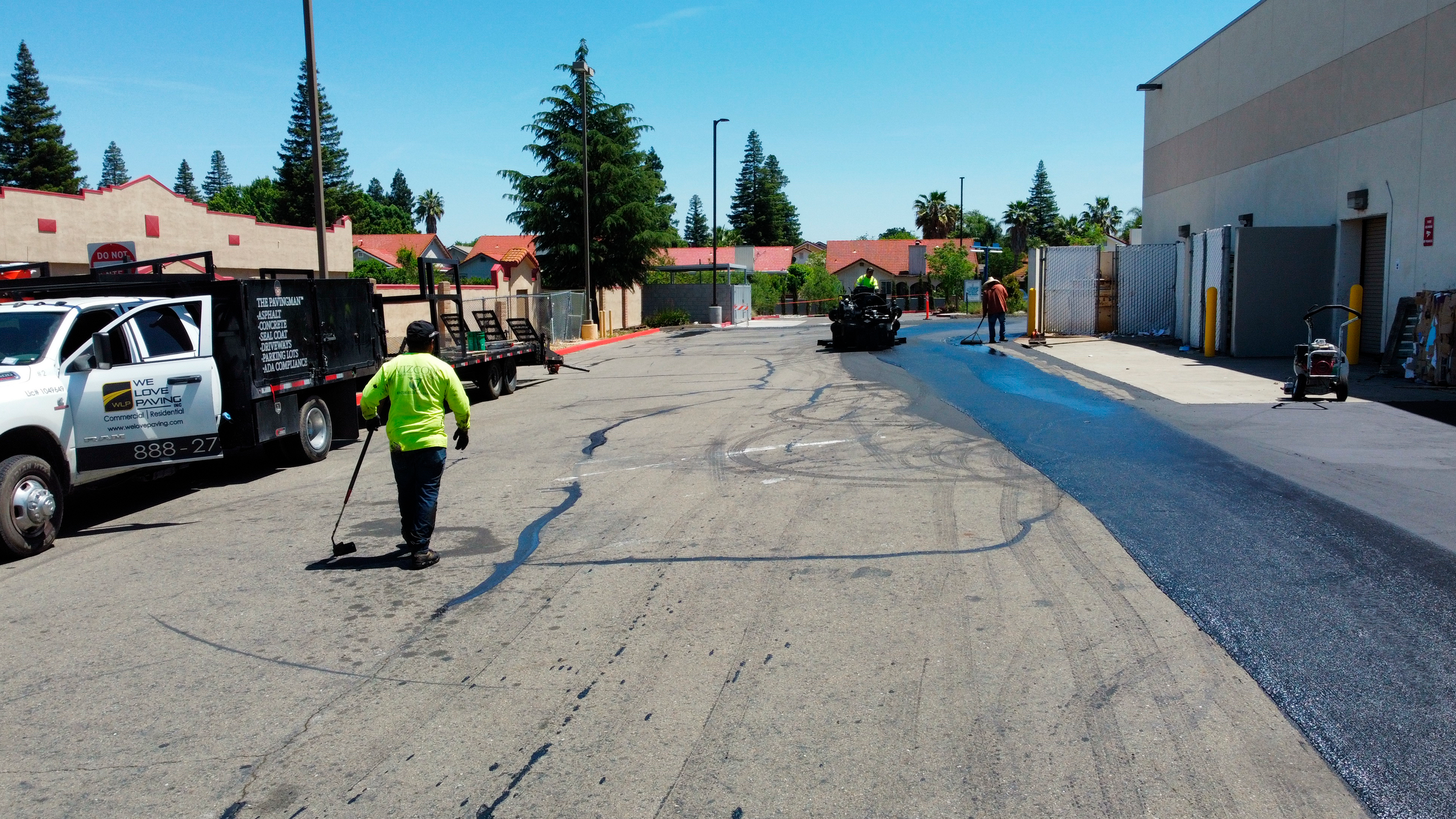
The sequence also matters. Crack-related defects should generally be reviewed before surface protection work. Sealing over unresolved water-entry problems can make the pavement look better while leaving the underlying issue active. That is why the broader asphalt maintenance process depends on inspection, cleaning, crack treatment, localized repairs, and surface protection in the right order.
Good timing is not about making the pavement perfect. It is about preventing small defects from becoming larger, more disruptive, and more expensive property problems.
Treat Cracks as Early Information About the Property
Cracks in asphalt should be read as field evidence.
They show where water is moving, where traffic is concentrating, where pavement is aging, and where prior repairs may no longer be performing. The value is not only in fixing the crack. The value is in understanding what the crack is revealing about the lot.
For commercial property owners, facility managers, HOAs, and property managers, that shift in thinking matters. A crack is not automatically a crisis, but it is rarely meaningless. It is an early signal that the pavement system should be watched, documented, and maintained before deterioration controls the schedule for you.
At We Love Paving, we look at cracked asphalt through a practical property maintenance lens: where the crack sits, how water behaves around it, how traffic loads the area, and whether early action can help preserve the lot before repair decisions become more disruptive.