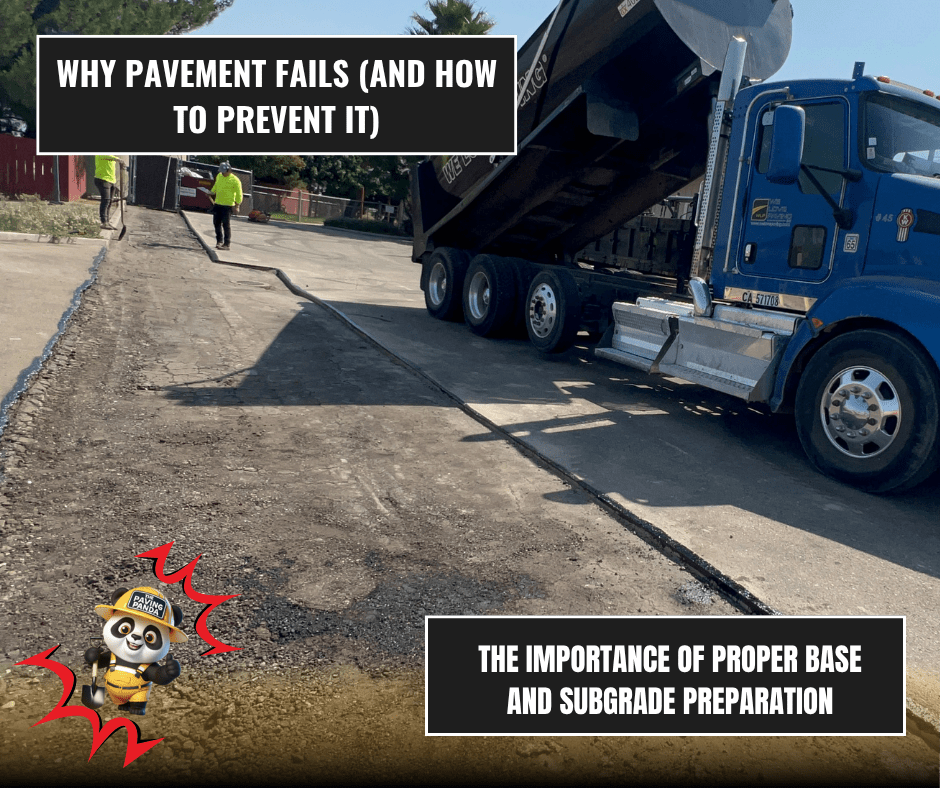
Why Pavement Fails (And How to Prevent It)

We Love Paving services in Dublin. Professional paving contractor serving Dublin and Stanford areas.
Estimation Tools

Calculate costs in seconds

Fast, accurate estimates that help you close more jobs. Less guesswork, more profit.

At We Love Paving, we’ve repaired thousands of cracked, sunken, and prematurely failing parking lots. But in most cases, the problem didn’t start at the surface—it started beneath it.

Paving failures almost always trace back to one key issue: inadequate subgrade and base preparation.

If you want a surface that lasts 20+ years—not just 2—this blog will walk you through why proper ground prep matters and how WLP does it right from the start.


🧱 1. What Is the Subgrade—and Why It Matters

The subgrade is the native soil or engineered fill below your pavement. Its strength, moisture content, and uniformity determine how well it can support the loads from asphalt or concrete above.

If the subgrade is:

  • Too soft or loose → settling and cracking

  • Poorly drained → potholes, heaving, erosion

  • Inconsistent → surface shifting and uneven wear

That’s why WLP always begins with a full soil evaluation—testing compaction, moisture, and load-bearing capacity before moving forward.


⚙️ 2. The Role of the Base Layer

The base layer (often made of crushed aggregate or road base) acts as the structural foundation of the pavement. It spreads loads from traffic evenly and allows water to drain away from the surface.

Best practices include:

  • Installing 4” to 8” of compacted base, depending on traffic

  • Using clean, angular aggregate

  • Compacting in lifts to 95%+ density using vibratory rollers

  • Confirming cross slope or crown for proper drainage

At WLP, we follow industry-standard specs and city code requirements for base depth and compaction—and go beyond them when needed.


💧 3. Drainage Is Just as Important as Strength

No matter how well your pavement is built, it will fail if water sits on or under it.

That’s why we incorporate:

  • Laser-guided grading to ensure proper surface slope (1–2%)

  • Subsurface drainage layers where water retention is an issue

  • French drains, trench systems, or swales depending on terrain

  • Edge protection to prevent erosion or rutting


🛠️ 4. Common Signs of Poor Base Prep

If you’re seeing any of these in your lot or driveway, the base or subgrade likely wasn’t properly prepared:

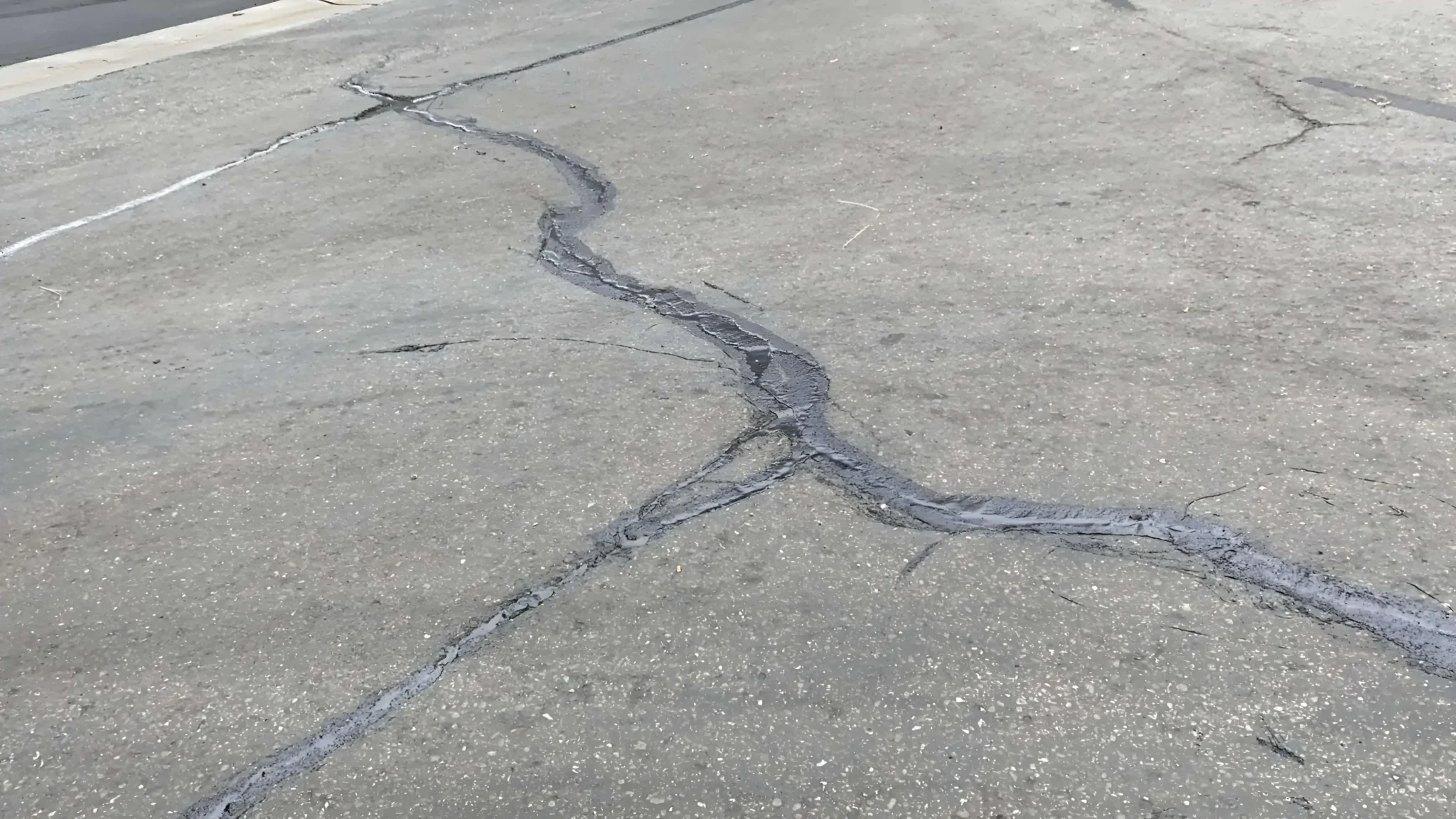
  • Early cracking within 1–3 years

  • Soft spots or “sinking” near edges

  • Pooling water after rain

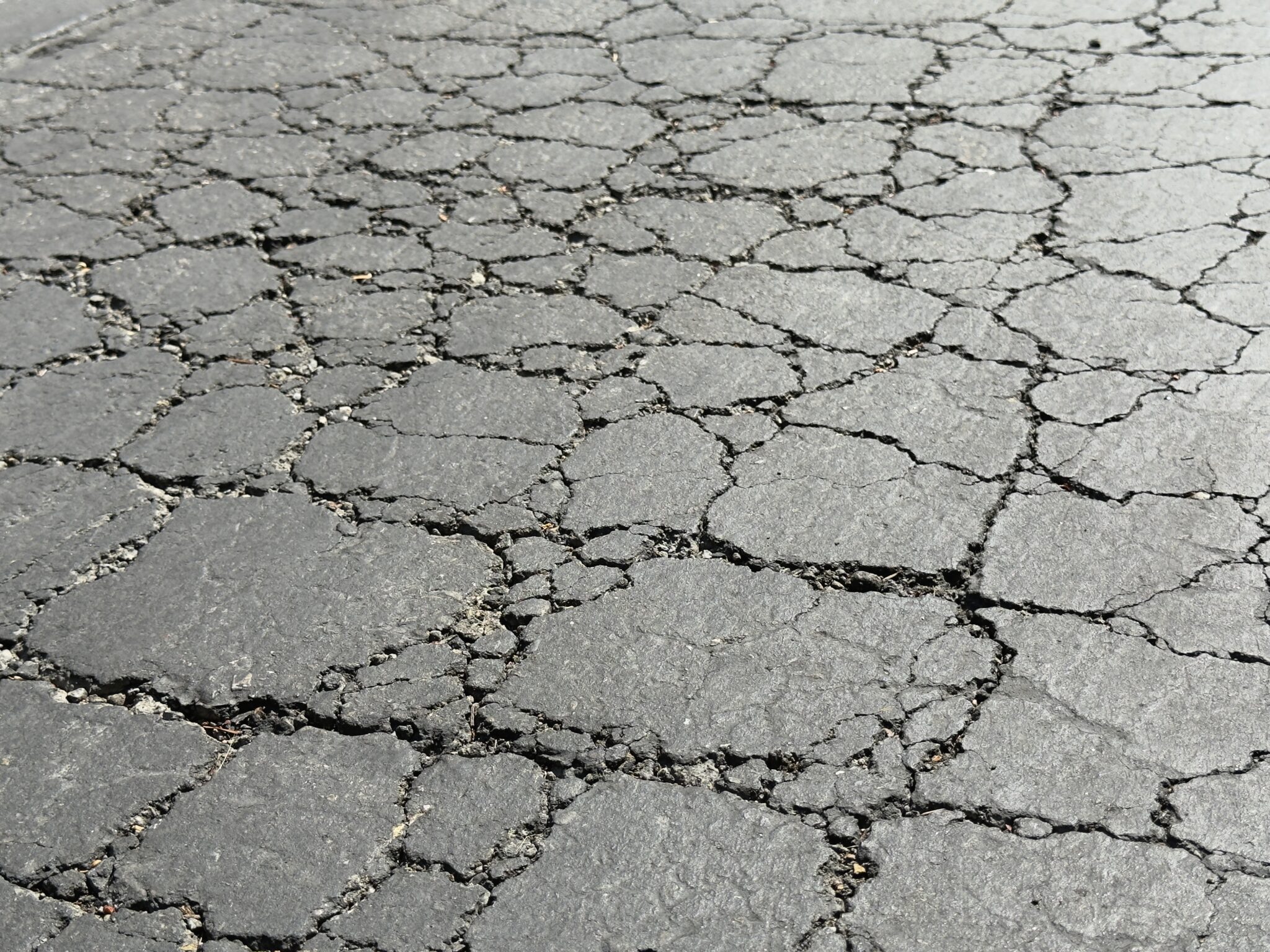
  • Alligator cracking patterns

  • Heaving or frost damage in winter zones

WLP offers site inspections to assess your current surface and identify what’s happening beneath.


🏗️ 5. How WLP Ensures Long-Term Performance

Our process includes:

  • Site grading with GPS or laser-controlled equipment

  • Soil testing and treatment if required

  • Base layer installation to engineered specs

  • Geotextile separation fabric in unstable areas

  • Full compaction logs and slope verification

Because surface beauty means nothing without structural integrity.


📞 Want a Surface That Actually Lasts?

Whether you’re paving a new commercial lot, rebuilding a failed driveway, or adding ADA ramps on sloped terrain—We Love Paving builds it right from the ground up.

👉 Contact us today for a site evaluation and engineered paving quote.

📍 Serving Fremont, Bayshore, Diablo Valley, and mountain communities across California.

Need Immediate Help?

Let's Talk About Your Project

Don't wait until minor damage turns into major expenses. Our team of experts is ready to provide you with guaranteed solutions. Contact us now for direct advice from a professional.

Frequently Asked Questions (FAQ)

Got Questions? Find Your Answers Here!!

Why does asphalt pavement develop early cracking and failure?

Early asphalt cracking typically results from inadequate subgrade preparation and poor base compaction levels below 95% density. When the native soil cannot support structural loads, the surface shifts, leading to premature fatigue. We Love Paving prevents this by conducting full soil evaluations and moisture testing to ensure a stable foundation before any asphalt is poured.

What role does the subgrade play in parking lot longevity?

The subgrade serves as the native soil foundation that determines the load-bearing capacity of the entire pavement structure. Unstable or poorly drained subgrade leads to potholes, rutting, and significant surface shifting. Proper engineering requires testing compaction and moisture content to ensure the ground remains uniform under heavy vehicle traffic and varying environmental conditions.

What is the standard thickness for a high-quality pavement base?

A durable pavement system requires a compacted aggregate base layer between 4 and 8 inches thick, depending on projected traffic volume. At We Love Paving, we utilize clean, angular aggregate compacted in specific lifts using vibratory rollers. This structural layer effectively distributes traffic weight and provides the necessary internal drainage to prevent surface heaving.

How does drainage impact the lifespan of commercial asphalt?

Poor drainage is the leading cause of pavement failure because standing water saturates the base, leading to erosion and collapse. We implement laser-guided grading to achieve a precise surface slope of 1% to 2%. Incorporating subsurface drainage, such as French drains or swales, ensures water exits the structure, preserving the pavement for over twenty years.

Which advanced techniques prevent pavement sinking and soft spots?

Preventing soft spots requires stabilizing unstable soil with geotextile separation fabrics and verifying compaction with digital logs and GPS-controlled grading equipment. These engineering standards eliminate inconsistencies in the base layer. By using laser-controlled leveling, we ensure a perfectly uniform surface that resists the "alligator cracking" patterns typical of poorly prepared foundations.

Professional customer review project by We Love Paving in Northern California, California. Verified local construction quality.

Fred / Founder

Fred, Founder and Regional Operations Manager at We Love Paving, comes from a family that values hard work and discipline. Growing up watching his parents work long hours with integrity and dedication, Fred learned early on that quality paving isn’t just about asphalt, it’s about consistency, accountability, and doing the job right.

Share

Posts That Might Interest You

The Great Debate: Is 2 Inches of Gravel Enough for a Driveway?

The Great Debate: Is 2 Inches of Gravel Enough for a Driveway?

May 16, 2026

When it comes to building a driveway, one of the key decisions homeowners face is determining the appropriate thickness of the gravel base layer. While some may argue that 2 inches of gravel is sufficient to support the weight of vehicles and provide a stable foundation, others advocate for thicker layers to ensure long-term durability

Why Is Parking So Expensive for Property Owners?

May 15, 2026

Many commercial property owners underestimate how expensive parking areas become once maintenance, accessibility, and pavement deterioration start overlapping at the same time. At first, parking lot costs usually appear manageable. Small cracks, faded striping, drainage problems, or isolated surface wear may not seem urgent while the property continues operating normally. Over time, however, those smaller

ADA Compliant Checklist for Parking Lots

ADA Compliant Checklist for Parking Lots

May 15, 2026

Many commercial properties develop accessibility problems gradually without property owners realizing how much conditions have changed over time. Parking lots, sidewalks, ramps, and pedestrian access routes constantly experience wear from traffic movement, weather exposure, drainage shifts, and surface aging. Because these changes happen slowly, accessibility concerns are often overlooked until inspections, complaints, or liability risks

Biggest Mistakes Made by a Landlord With Parking Lots

Biggest Mistakes Made by a Landlord With Parking Lots

May 15, 2026

Many property owners focus heavily on tenant spaces, landscaping, and building appearance while overlooking one of the most heavily used parts of the property: the parking lot. The problem is that pavement deterioration rarely stays cosmetic for long. Small surface issues gradually begin affecting traffic flow, drainage behavior, pedestrian safety, tenant perception, and operational costs

Next

Estimation Tools

Calculate costs in seconds

Fast, accurate estimates that help you close more jobs. Less guesswork, more profit.