Asphalt raveling is the progressive loss of aggregate and binder from the pavement surface, usually beginning with fine particles and advancing toward a rough, pitted texture as larger aggregate works loose. The Federal Highway Administration classifies raveling as a surface defect, while Caltrans distinguishes fine ravel from coarse ravel based on the amount of aggregate and binder lost.
For commercial properties in California, the practical question is not simply whether loose stone is visible. Property managers need to determine how far the surface loss has progressed, whether the pavement underneath remains sound, and whether the condition is still suitable for preservation or has moved into repair or resurfacing territory.
The Surface Failure Behind Loose Aggregate
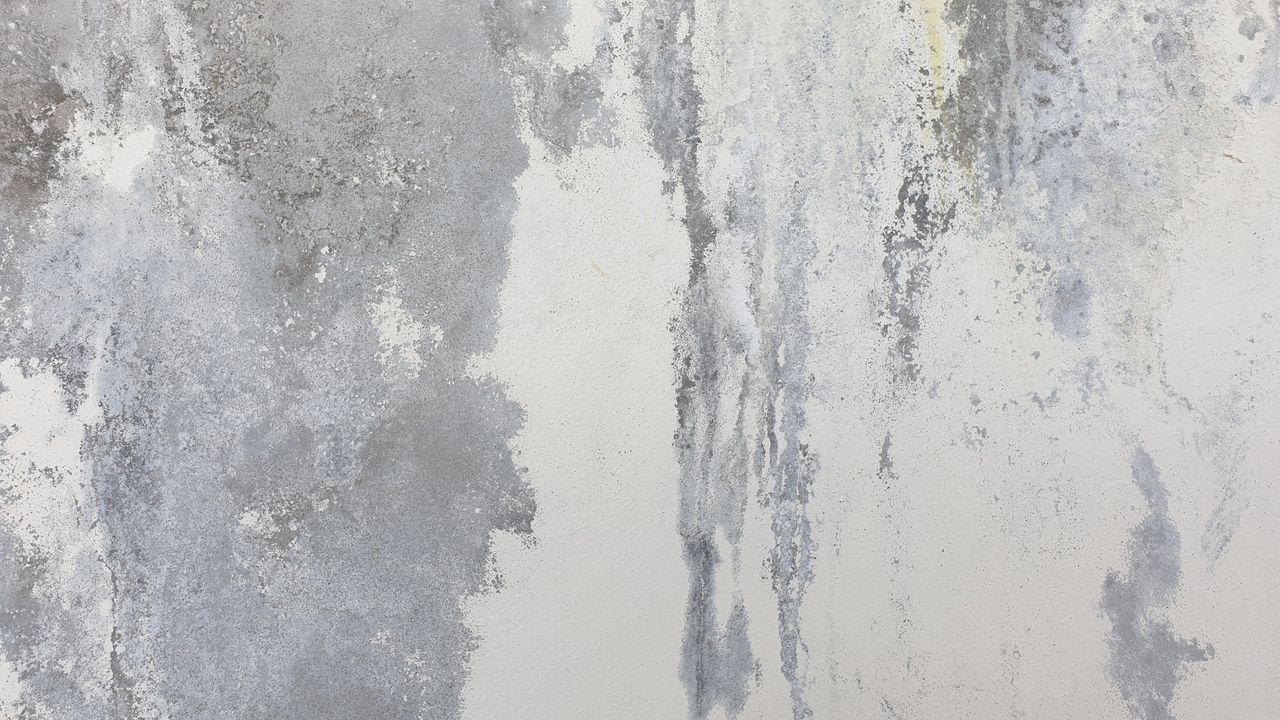
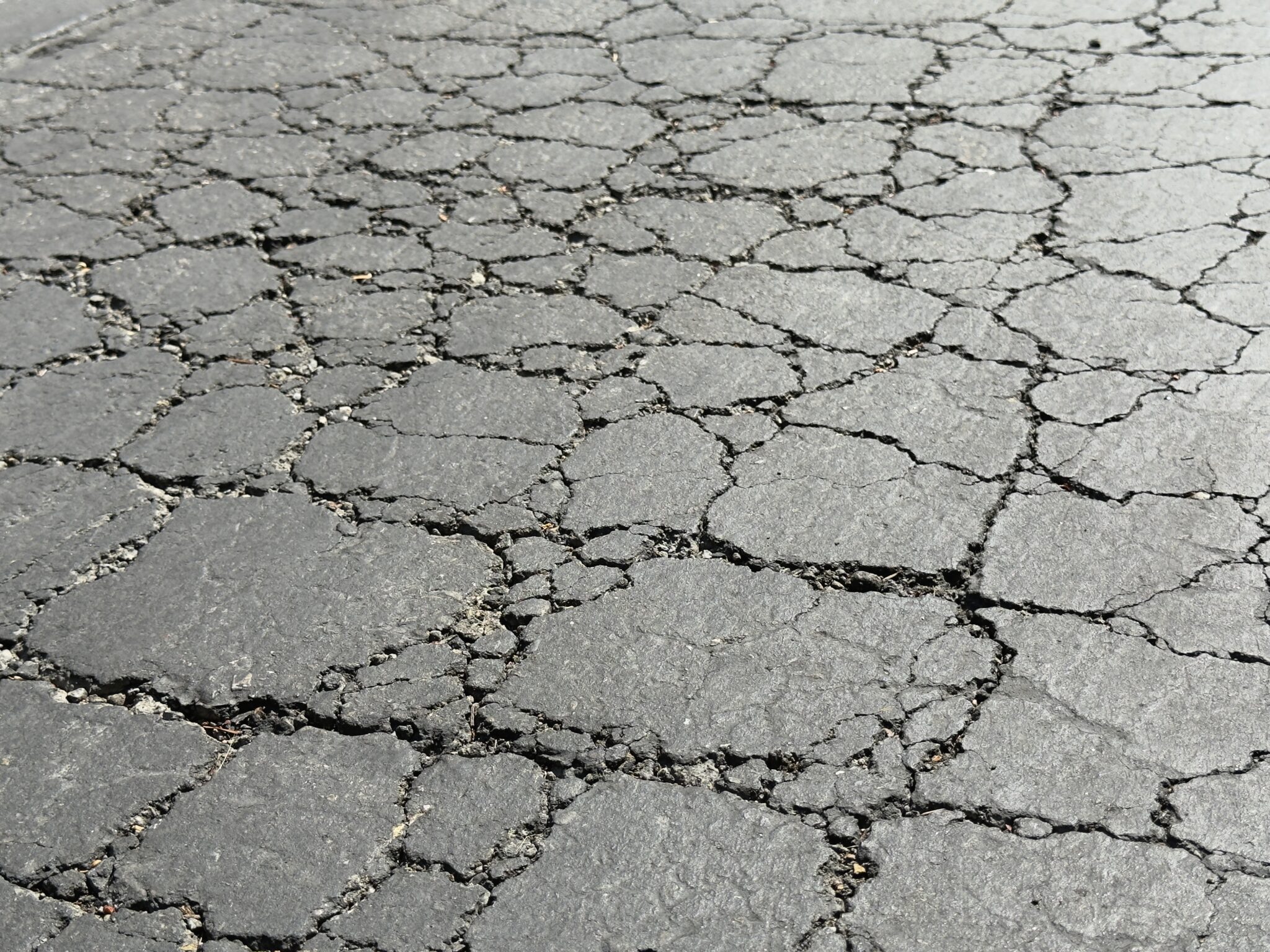
Raveling is the wearing away of asphalt from the surface downward as aggregate particles become dislodged and binder is lost. Early raveling can look like a dry or slightly open texture with fine material missing. As deterioration continues, loose aggregate accumulates, the surface becomes visibly rough, and coarse stone can pull free, leaving a pitted pavement face.
The distinction matters because raveling is not the same as a pothole, alligator cracking, rutting, or simple color fading. FHWA treats raveling as a surface defect, which means the visible symptom begins at the wearing course. That does not guarantee the underlying pavement is sound, but it does mean the repair decision should start with the surface condition rather than assume immediate base failure.
Primary Causes of Asphalt Raveling in California Pavements
Caltrans identifies traffic acting on a weak surface as a primary mechanism behind raveling and notes that insufficient binder in the mix is a common cause of a weak surface course. The Asphalt Institute also identifies inadequate compaction, construction during wet or cold conditions, poor mix design, unsuitable aggregate, and external damage as potential contributors.
Northern California adds another layer of field context. Pavement can move between dry, sun-exposed periods and wet-season moisture, while commercial sites concentrate turning, braking, delivery traffic, and irrigation runoff in specific zones. Those conditions do not create every case of raveling, but they can expose weaknesses in binder content, compaction, drainage, or surface durability more quickly than a uniform low-stress area.
That is why the location of the distress matters. Raveling concentrated in turning lanes, loading approaches, shaded wet areas, pavement edges, or zones that repeatedly hold water should be read as a pattern, not just a cosmetic texture change.

Fine Ravel vs. Coarse Ravel: Reading the Surface Before Repair
Caltrans separates fine ravel from coarse ravel by what has been lost from the pavement. Fine ravel involves the wearing away of surface asphalt and fine aggregate, leaving a moderately rough texture. Coarse ravel progresses to the dislodging of coarse aggregate and loss of binder, producing an extremely rough and pitted surface.
For property managers, this creates a useful field-screening sequence. Fine surface loss may still leave room for preservation if the pavement remains structurally sound. Coarse aggregate loss narrows those options because the wearing course has already lost more material and surface integrity. Extent matters as much as appearance: a localized raveled bay and a parking lot with widespread coarse loss should not receive the same scope.
A Practical Raveling Screening Guide for Commercial Properties
A raveling site walk should document both the texture of the surface and the extent of material loss before a repair method is selected. Caltrans and FHWA describe a progression from fine aggregate loss to coarse aggregate loss and a rough, pitted surface. The table below translates that progression into a practical screening sequence for commercial property managers.
| Observed Condition | What It Suggests | Practical Next Step |
|---|---|---|
| Early / fine ravel | Loss of fines; moderately rough texture; limited loose material | Document extent and evaluate whether the surface still qualifies for preservation. |
| Progressive raveling | More visible aggregate loss; open texture; loose particles collecting nearby | Review cause, traffic exposure, drainage, and whether localized repair or surface rehabilitation is appropriate. |
| Coarse ravel | Coarse aggregate loss; very rough and pitted surface | Evaluate repair depth and whether milling, patching, or resurfacing is required. |
| Raveling plus other distress | Loose aggregate combined with cracking, potholes, rutting, settlement, or drainage problems | Evaluate the full pavement section before selecting a surface-only treatment. |
Raveling, Weathering, and Structural Failure Are Not the Same Problem
Caltrans specifically distinguishes raveling from weathering. Raveling is associated with traffic acting on a weak surface and material loss, while weathering is tied to climatic drying of the pavement surface. That distinction is useful because a faded or oxidized-looking lot is not automatically raveling, and a rough surface with loose aggregate is not automatically evidence that the base has failed.
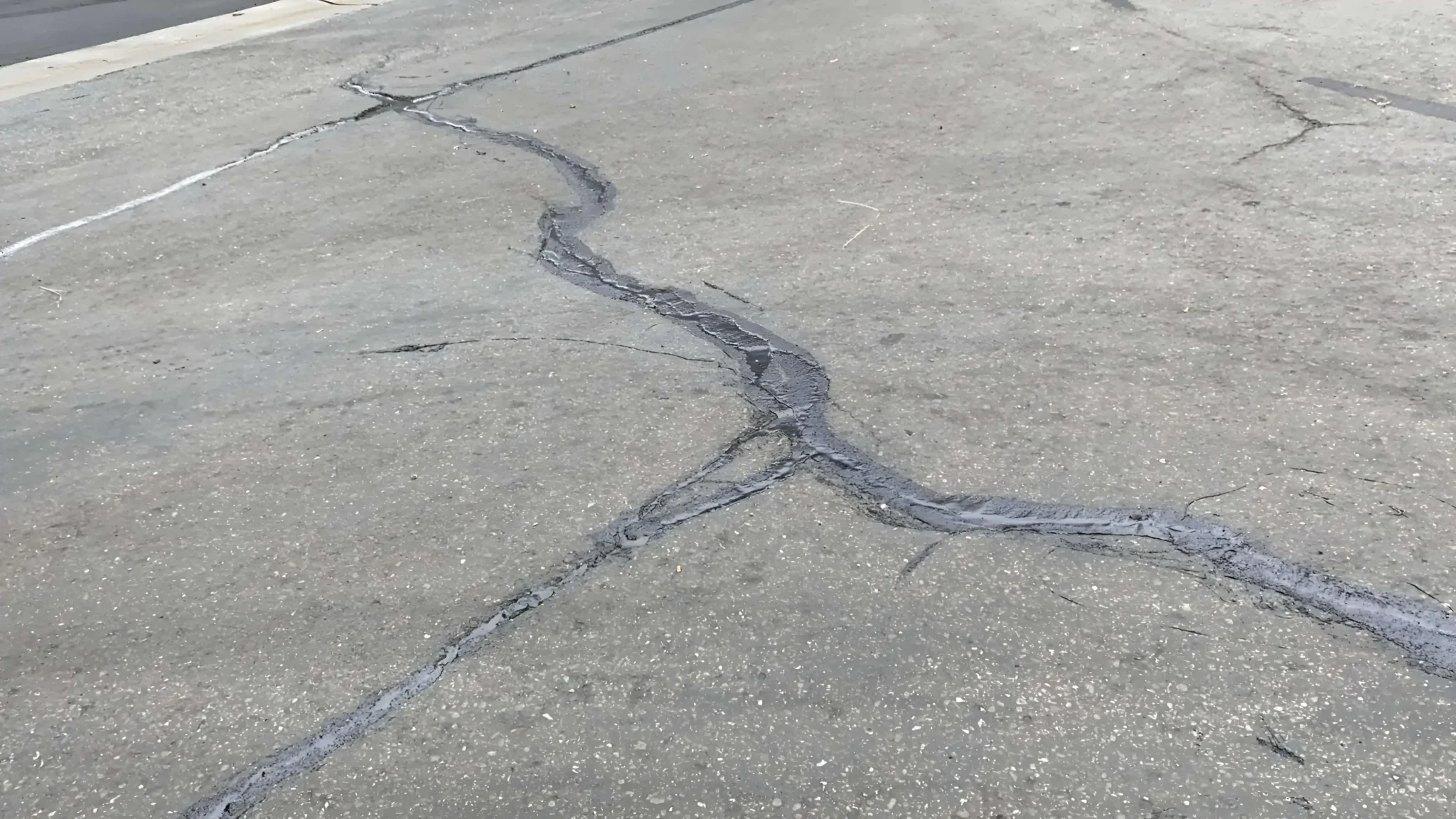
The same logic applies to potholes and alligator cracking. Potholes involve localized loss of pavement material, while alligator cracking is a load-related cracking pattern commonly associated with inadequate support. Raveling can coexist with these conditions, but when multiple distress types appear together, the repair decision should address the combined condition rather than treat loose aggregate in isolation.
For We Love Paving, this is where a broader review of common pavement problems becomes useful: the surface symptom has to be identified correctly before a repair method is selected.
Repair Strategy: Preserve, Patch, Overlay, or Rebuild
The correct response to raveling depends on severity, extent, and the condition of the pavement beneath the wearing surface. Early surface deterioration may still be a preservation problem. Localized deeper loss may require removal and patching. Widespread raveling on pavement with a sound supporting structure can move the decision toward resurfacing, while raveling combined with base or drainage failure may require more extensive rehabilitation.
Caltrans’ pavement guidance repeatedly emphasizes that the cause and depth of distress must be understood before the repair depth is selected. A surface treatment should not be used to hide a failure that extends below the surface, and a full reconstruction should not be assumed when the distress is limited to the wearing course.
Where the structure remains suitable for resurfacing, an asphalt overlay can restore a new wearing surface over existing pavement after the necessary preparation and localized repairs. If the base is unstable, water-damaged, or otherwise unable to support the new section, overlaying alone will not correct the underlying problem.
Preventing Asphalt Raveling Before Aggregate Loss Accelerates
Raveling prevention starts with construction quality and continues with pavement preservation. Binder content, aggregate quality, compaction, placement conditions, drainage, and traffic exposure all influence how well the surface holds together. Once a pavement is in service, the goal is to identify early surface loss before the condition progresses into widespread coarse aggregate loss.
Caltrans uses several seal-coat and preservation systems to maintain existing asphalt pavement, but treatment selection depends on the condition of the surface. A preservation treatment can support a pavement that is still a viable candidate for maintenance; it cannot restore aggregate and structure that have already been lost.
That is why a pavement preservation plan should be based on recurring site walks, photographs, drainage observations, traffic patterns, and the rate at which the distressed area is changing. The earlier the surface is evaluated correctly, the more repair options typically remain available.