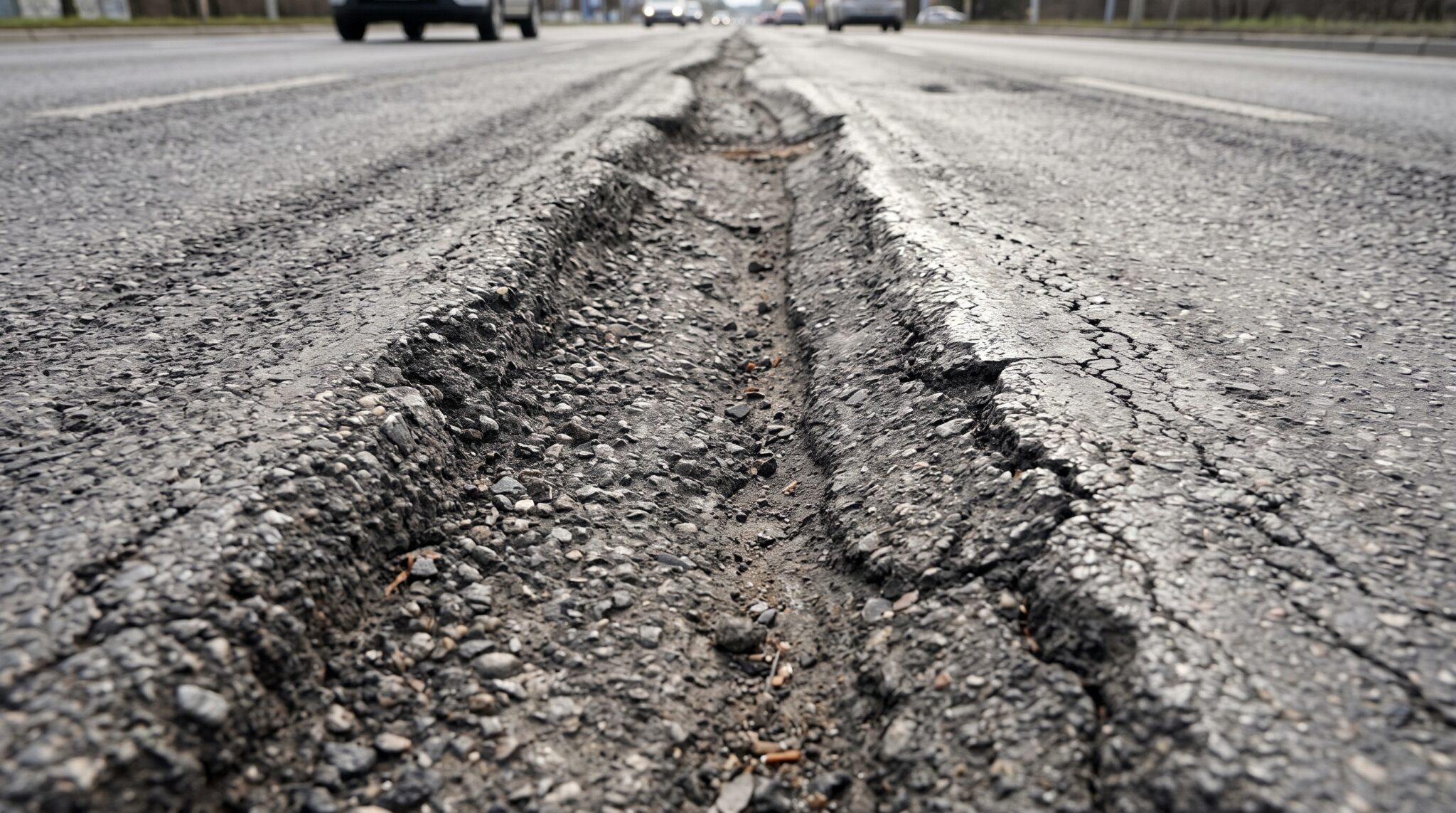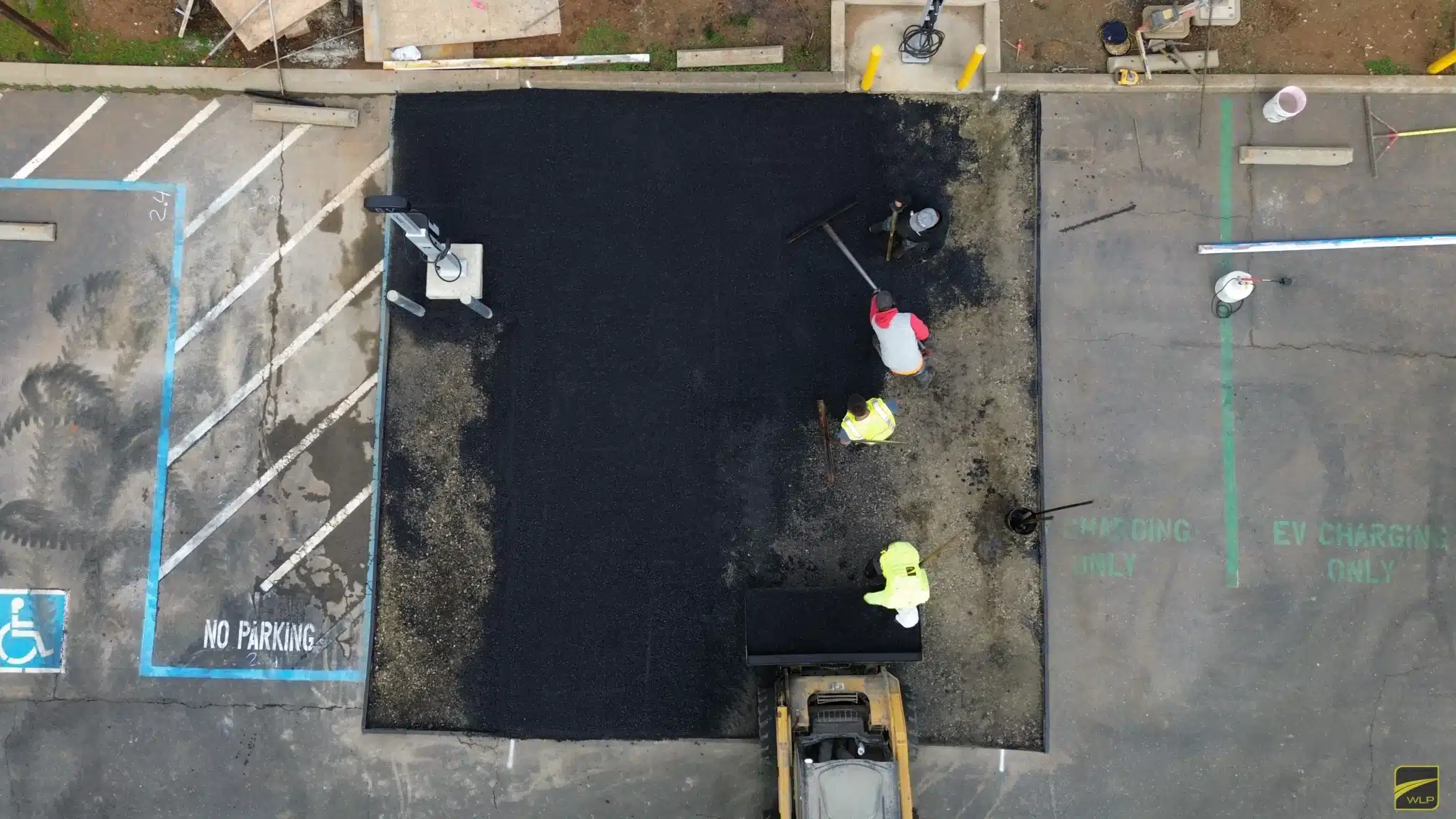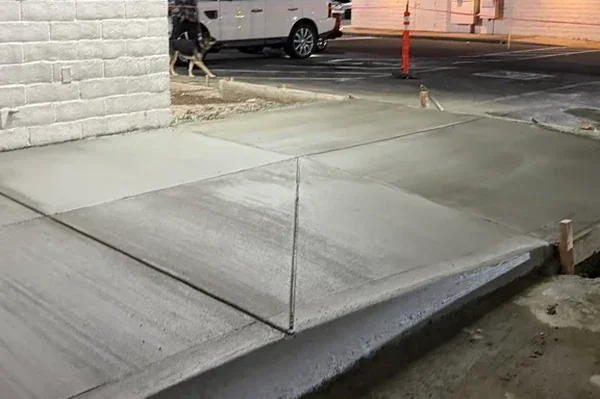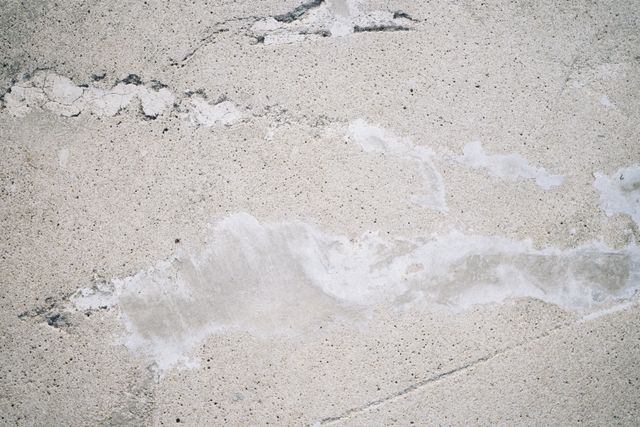
Concrete is known for its strength and durability, but even in the best conditions, cracks can form. In California, the combination of unique environmental factors, soil types, and climate challenges can accelerate this process. Understanding why concrete cracks and how to prevent it is key to maintaining durable surfaces for years to come.
Top Causes of Concrete Cracking in California
- Seismic Activity
- California’s frequent earthquakes and tremors put additional stress on concrete, causing it to crack or shift. Even minor seismic movements can compromise the integrity of poorly reinforced slabs.
- Temperature Fluctuations
- While California is known for its mild climate, some regions experience dramatic shifts between daytime and nighttime temperatures. This causes the concrete to expand and contract, leading to cracks if there aren’t proper expansion joints.
- The “Buckling” Phenomenon: Beyond Surface Cracking In California, intense heat waves create a severe structural risk that goes far beyond simple cracking: concrete buckling. When temperatures consistently exceed 90°F (32°C), concrete slabs undergo extreme thermal expansion. If the expansion joints are compromised, clogged with debris, or poorly designed, the slabs have no physical space to expand horizontally. This lack of tolerance generates massive compressive pressure, causing the concrete to heave abruptly and fracture at the joints. Understanding the difference between a settlement crack and thermal buckling is vital; buckling requires immediate technical intervention to restore the integrity of the surface, clear the joints, and prevent critical hazards for traffic.
- Soil Movement and Settlement
- California’s diverse soil types, from clay to sand, are prone to shifting. In areas with unstable or poorly compacted soil, concrete slabs can settle unevenly, resulting in cracks.
- The Challenge of Expansive Clay in California Soils California’s geology presents unique challenges for infrastructure, notably the presence of “expansive clay soils” in regions like the Central Valley and the southern part of the state. These soils are highly reactive to moisture: they act like sponges that swell severely during the rainy season and shrink drastically during droughts. This constant cycle of expansion and contraction subjects concrete slabs to continuous bending stress, triggering what engineering terms differential settlement. If the subgrade preparation lacks soil stabilization or deep compaction under technical standards, the slab will lose its uniform support. To ensure pavement durability, it is imperative to conduct specific soil testing and engineer a base that neutralizes the volumetric impact of these expansive clays before pouring the material.
- Water Damage
- Heavy rains during California’s wet season can saturate the soil under concrete, causing erosion and instability. Without proper drainage, water pooling can also lead to cracks over time.
- Poor Installation Practices
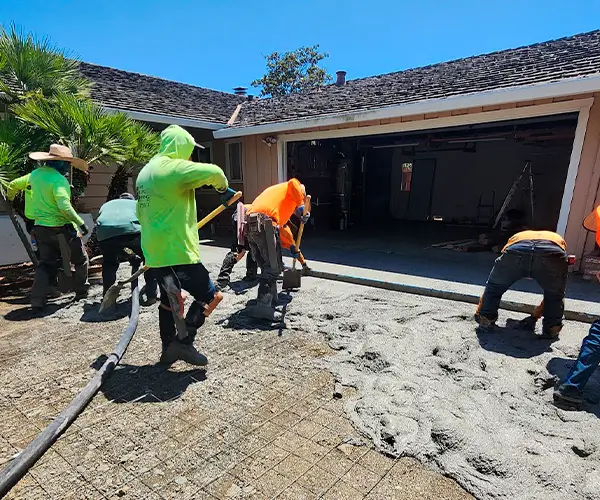
- Improper mixing, inadequate reinforcement, or rushing the curing process can weaken concrete, making it more prone to cracking.
How to Prevent Concrete Cracking in California
- Use Reinforced Concrete
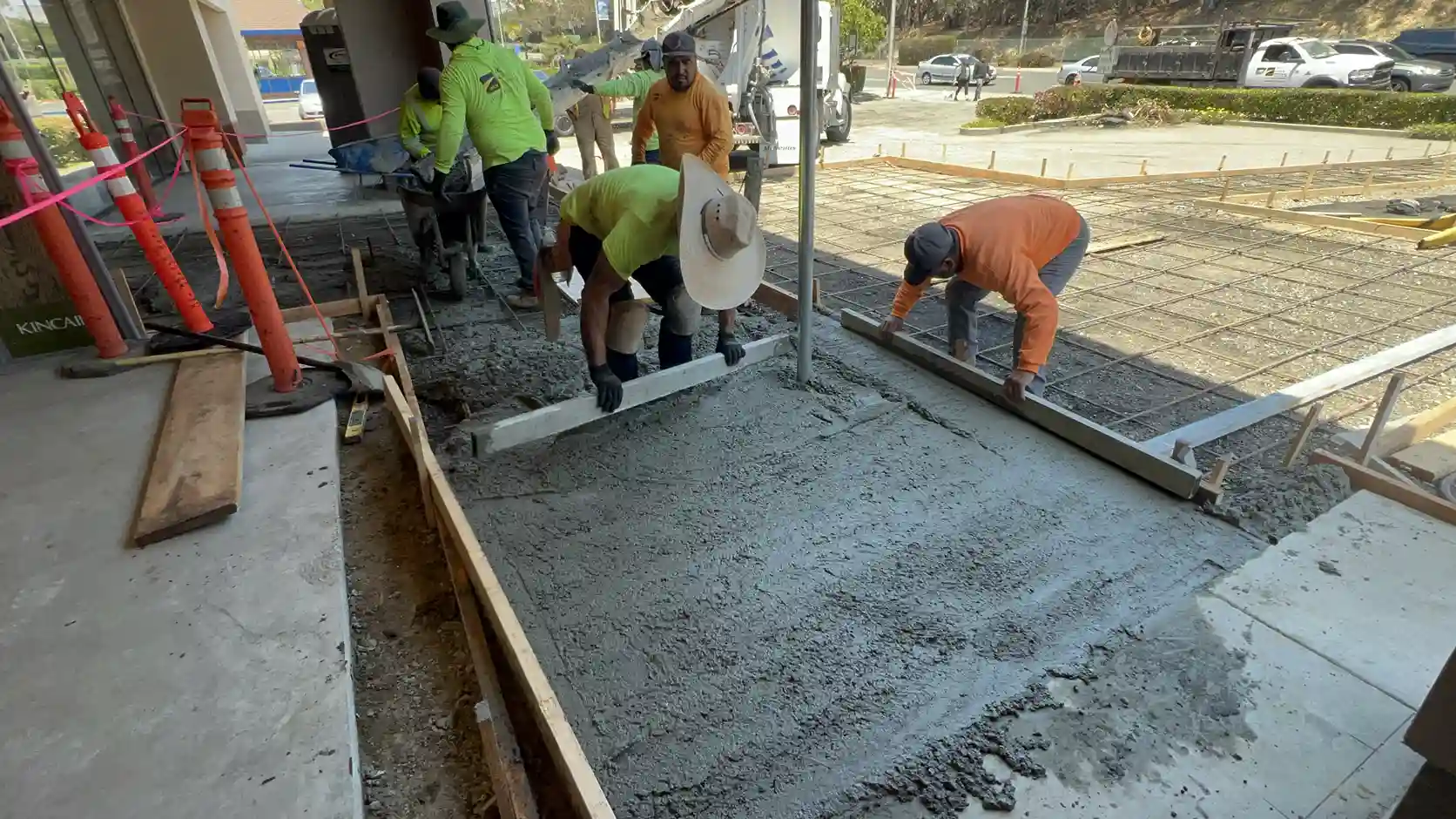
- Reinforcement with rebar or wire mesh provides extra strength and flexibility, making the slab more resistant to seismic activity and soil movement.
- Ensure Proper Subgrade Preparation
- A stable, compacted base is essential. Working with experienced professionals ensures the soil beneath the slab can support its weight and resist shifting.
- Add Expansion Joints
- Properly spaced expansion joints allow the concrete to expand and contract with temperature changes without cracking.
- Preventive Maintenance: The Lifeblood of Your Concrete Slabs Expansion joints are not “install and forget” features. In California’s environment, the accumulation of sediment, sand, and organic debris within these gaps is a leading cause of premature structural failure. When a joint becomes clogged with incompressible material, it loses its critical function: absorbing thermal expansion. This turns a relief mechanism into a point of massive pressure that inevitably leads to cracking or spalling. A maintenance program including periodic cleaning and sealing with industrial-grade elastomeric materials is essential. This sealing not only allows the concrete to “breathe” and move as originally designed but also prevents water infiltration into the subgrade, avoiding the internal erosion that compromises the long-term stability of the entire surface.
- Improve Drainage Systems
- Install effective drainage solutions to direct water away from concrete surfaces and prevent erosion or pooling.
- Choose the Right Mix for the Climate
- Use a concrete mix designed to handle California’s environmental challenges, such as high-strength concrete for seismic zones or additives to improve moisture resistance.
- Hire Local Experts
- Partnering with a contractor familiar with California-specific issues ensures the job is done correctly. They’ll understand the region’s challenges, from soil conditions to local building codes.
When to Call the Professionals
If you notice cracks forming in your concrete, it’s essential to address them early to prevent further damage. At We Love Paving, we specialize in diagnosing and repairing concrete issues caused by California’s unique conditions. Whether it’s sealing cracks, reinforcing existing slabs, or starting fresh with a durable new surface, we’ve got you covered.
Conclusion
Cracking concrete is a common challenge for California property owners, but with the right knowledge and preventive measures, it doesn’t have to be. By understanding the causes and working with skilled professionals, you can extend the life of your concrete and avoid costly repairs. Contact We Love Paving today to learn how we can help protect your surfaces for the long term!