The #1 Asphalt Calculator For Projects

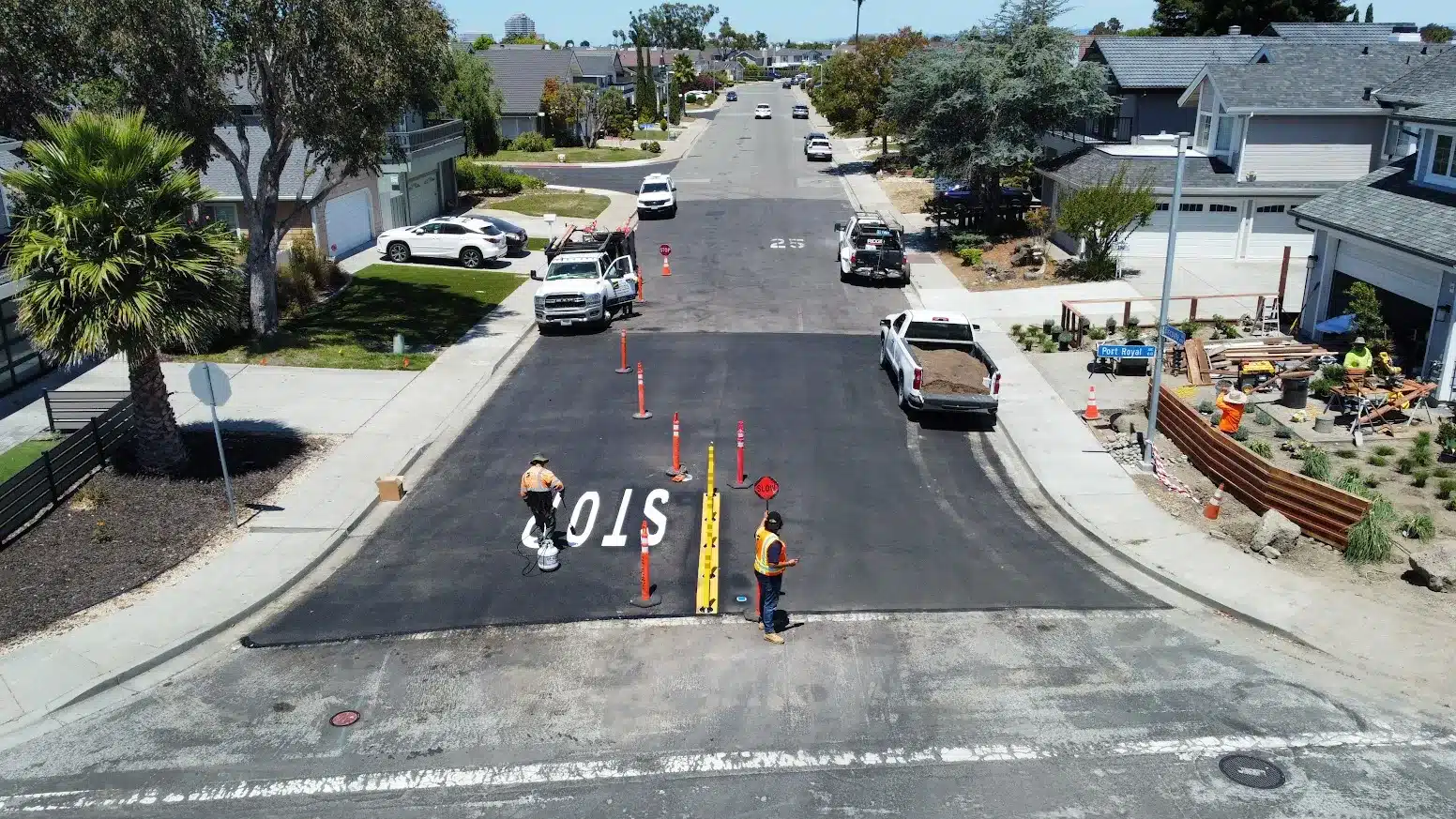
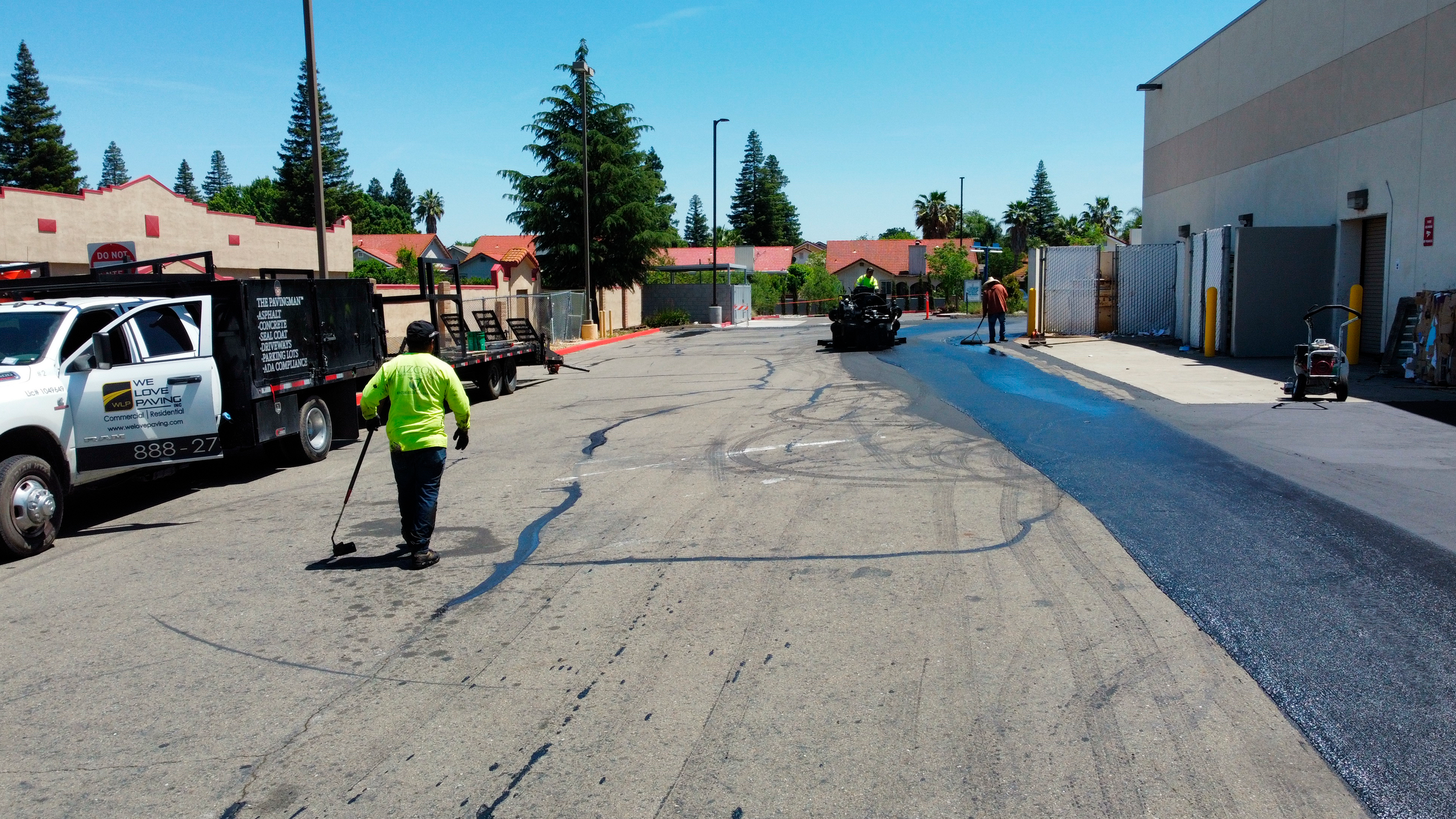
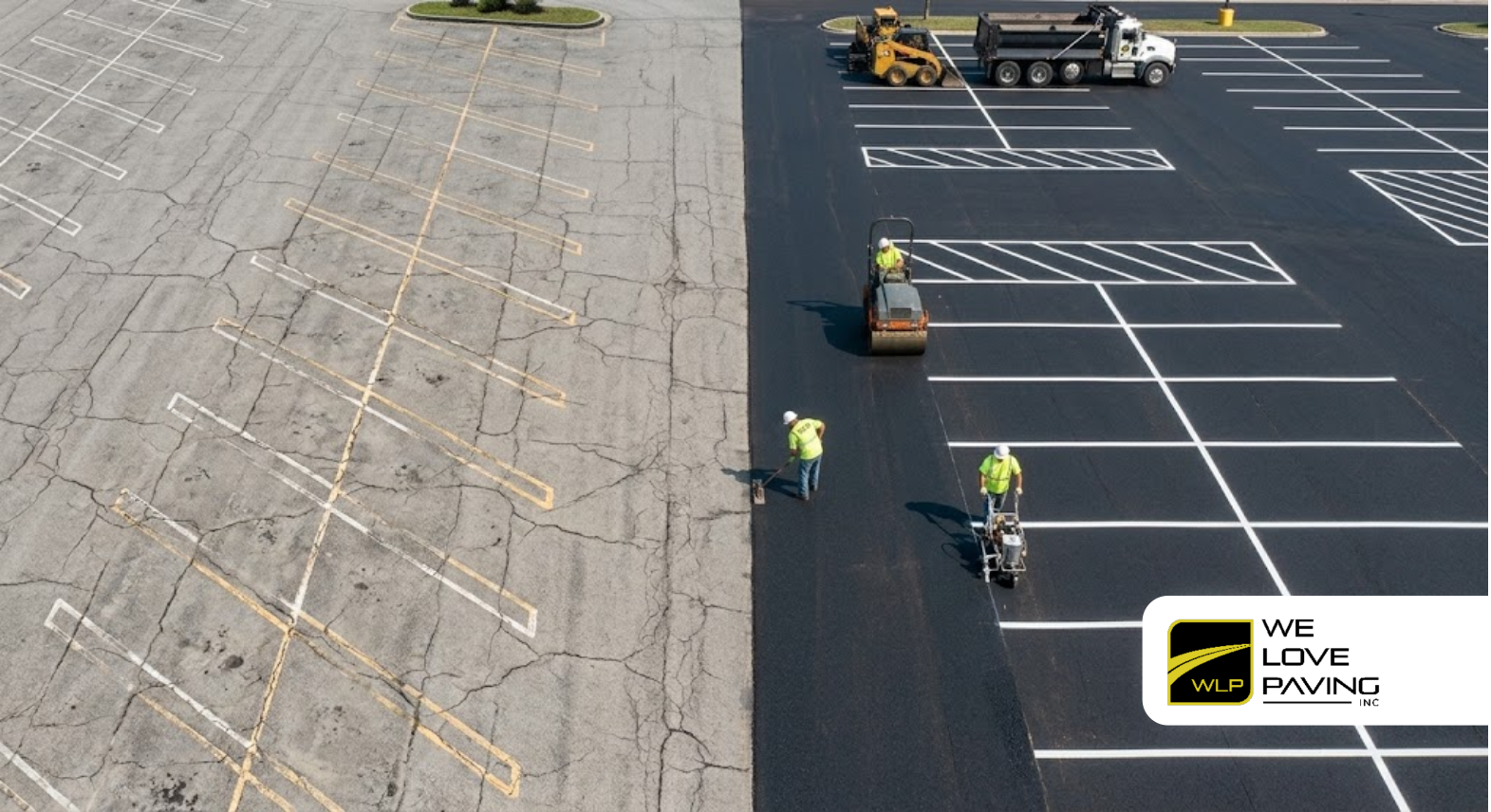
Quality paving materials used in San Jose projects. Premium asphalt and concrete by We Love Paving in San Jose, California.
Estimation Tools

Calculate costs in seconds

Fast, accurate estimates that help you close more jobs. Less guesswork, more profit.

Asphalt Calculator: Save Time and Budget Accurately

When planning an asphalt project, whether it’s a driveway, parking lot, or road, accuracy is key. Underestimating or overestimating the amount of asphalt needed can lead to unnecessary expenses or delays. That’s where an asphalt calculator comes in handy. This tool takes the guesswork out of the equation, helping you save time and stay on budget.


Why Use an Asphalt Calculator?

Accurate calculations are crucial in construction projects. Here’s why an asphalt calculator is a must-have:

  1. Saves Money: Avoid wasting resources by ordering the precise amount of asphalt needed.
  2. Speeds Up Planning: Get quick estimates without relying on manual formulas.
  3. Enhances Budget Accuracy: Plan your finances better with reliable cost estimates.

How Does an Asphalt Calculator Work?

The calculator uses a simple formula to estimate the asphalt volume and weight required:

Volume (cubic feet) = Area (length × width) × Thickness
Weight = Volume × Asphalt Density (145 lbs per cubic foot)

Inputs You’ll Need:

  • Area Dimensions: The length and width of the project area (in feet or meters).
  • Thickness: The desired depth of asphalt (in inches or centimeters).
  • Asphalt Density: Typically 145 lbs/ft³ or 2,320 kg/m³.

San Jose Asphalt Guide: Thickness & Local Costs

Before using the calculator, selecting the correct thickness for your San Jose project is critical to avoid structural failure. For a standard residential driveway, a 2-inch thickness of Hot Mix Asphalt (HMA) is generally sufficient. However, if you are paving a commercial lot or expect heavy vehicles, you must upgrade the depth to 3 to 4 inches. Keep in mind that this tool estimates the asphalt surface only, not the crushed stone subbase required by California paving standards. From a budget perspective, high-quality asphalt in the Greater Bay Area typically ranges between $85 to $110 per ton, excluding delivery and labor. Factoring in these local costs alongside accurate tonnage ensures your project is both durable and financially precise.

Example Calculation

For a 30 ft x 20 ft driveway with a thickness of 2 inches, the calculation is:

  1. Convert thickness to feet: 2 inches ÷ 12 = 0.167 feet.
  2. Calculate volume: 30 × 20 × 0.167 = 100.2 cubic feet.
  3. Calculate weight: 100.2 × 145 = 14,529 lbs (or about 7.3 tons).

With this information, you can place an accurate asphalt order!


Step-by-Step Guide to Using Our Calculator

  1. Enter Your Area Dimensions: Input the length and width of your project area.
  2. Select Thickness: Choose the desired depth of asphalt.
  3. Click Calculate: The tool will instantly provide the estimated asphalt volume and weight.


Common Applications

An asphalt calculator is perfect for:

  • Driveways
  • Parking lots
  • Walkways
  • Private roads
  • Commercial paving projects

Tips for Better Accuracy

  • Measure your project area carefully.
  • Add 5-10% extra asphalt for irregular areas or compaction.
  • Consult a professional for large-scale projects.

Plan Your Project With Confidence

Using an asphalt calculator simplifies your project planning, ensures you order the right materials, and helps you stay on budget. Ready to start? Try our free tool today and experience the difference accurate calculations make.

Need Immediate Help?

Let's Talk About Your Project

Don't wait until minor damage turns into major expenses. Our team of experts is ready to provide you with guaranteed solutions. Contact us now for direct advice from a professional.

Frequently Asked Questions (FAQ)

Got Questions? Find Your Answers Here!!

How do you calculate the amount of asphalt needed for a paving project?

To calculate the amount of asphalt needed for a paving project, you must multiply the length by the width of the area to get the square footage, and then multiply by the thickness converted to feet to get the volume. Finally, multiply the volume in cubic feet by the standard asphalt density of 145 pounds per cubic foot.

What asphalt thickness is appropriate for residential driveways versus commercial parking lots?

The appropriate asphalt thickness for a standard residential driveway is two inches using hot mix asphalt. In contrast, commercial parking lots supporting heavy vehicles require a thickness between three and four inches. Every paving project in California also requires a crushed stone subbase installed directly underneath the final asphalt surface.

Why is it recommended to add an extra percentage of material when estimating asphalt tons?

It is recommended to add between five and ten percent extra material when estimating asphalt tons to compensate for structural compaction and adequately cover irregular areas. Applying this specific surplus prevents hot mix asphalt shortages during installation, avoiding costly operational delays and ensuring a uniform pavement density across the project surface.

How much does a ton of asphalt cost for paving projects in the San Jose Bay Area?

The cost of a ton of high-quality asphalt for paving projects in the Greater San Jose Bay Area generally ranges between 85 and 110 dollars. This calculated base price strictly excludes the additional expenses corresponding to the material delivery transportation service and the professional paving contractor labor required for installation.

What technical data is required to operate an asphalt calculator with professional accuracy?

To operate an asphalt calculator with professional accuracy, the user needs to input three exact technical data points: the area length in feet, the area width in feet, and the desired pavement thickness in inches. The algorithm internally utilizes the standard density of 2320 kilograms per cubic meter to determine the final order weight.

Professional customer review project by We Love Paving in Northern California, California. Verified local construction quality.

Fred / Founder

Fred, Founder and Regional Operations Manager at We Love Paving, comes from a family that values hard work and discipline. Growing up watching his parents work long hours with integrity and dedication, Fred learned early on that quality paving isn’t just about asphalt, it’s about consistency, accountability, and doing the job right.

Share

Posts That Might Interest You

The Cost of Asphalt Cutting Per Linear Foot: What to Expect

The Cost of Asphalt Cutting Per Linear Foot: What to Expect

May 28, 2026

When it comes to construction and repair projects, asphalt cutting is often a necessary task, whether for roadworks, driveways, or other paved surfaces. Understanding the cost involved in asphalt cutting per linear foot can help you budget more accurately for your project. This article will break down the factors affecting these costs and provide a

Parking Lot Maintenance Checklist by Season

Parking Lot Maintenance Checklist by Season

May 27, 2026

A checklist earns its place when it helps a manager make a decision later. For a Northern California retail center, that decision might come after the first winter storm, when water still sits along the curb near the front stalls. For an office property, it might come in late summer, when the exposed drive aisle

Does Asphalt Need to Be Sealed? Read the Surface Before You Decide

Does Asphalt Need to Be Sealed? Read the Surface Before You Decide

May 27, 2026

A parking lot can look ready for sealcoating from the sidewalk and still be a poor candidate up close. The color has faded. The asphalt has turned gray. The owner wants a cleaner surface before tenants complain or customers notice the lot looking tired. Then someone walks the drive aisle and finds a different story:

Pavement Asset Management for Property Managers

Pavement Asset Management for Property Managers

May 27, 2026

A parking lot budget usually becomes uncomfortable long before the asphalt fails completely. The entrance patch is still holding, but the edge is separating again. The back drive aisle looks rough, yet tenants rarely use it. The front visitor stalls are faded enough to draw complaints. A low area near the drain stayed wet after

Next

Estimation Tools

Calculate costs in seconds

Fast, accurate estimates that help you close more jobs. Less guesswork, more profit.